Mobile payments are part of everyday life in China. From restaurants and taxis to small street vendors and attractions, WeChat Pay and Alipay are used almost everywhere. Cash and international credit cards are rarely accepted, so having at least one of these apps set up is essential.
Rather than choosing one app over the other, we found it reassuring to have both WeChat and Alipay set up. It gave us a backup option when mobile networks dropped, payments failed, or on the rare occasion a vendor only accepted one platform. One thing we found slightly humorous was seeing small fruit vendors with QR codes hanging from their carts — a simple reminder of just how deeply mobile payments are woven into everyday life in China.
Table of Contents
What Are WeChat and Alipay?
WeChat is an all-in-one app used for messaging, payments, bookings and everyday communication.
Alipay is primarily a payment platform, but also includes transport, utilities and lifestyle services.
For travellers, both apps:
- Allow QR code payments
- Support foreign debit and credit cards
- Are widely accepted across China
In practice, most places accept either payment option, and you’re rarely asked to choose between them. That said, we did notice a slight preference for Alipay in many places. Whether that’s because it’s more familiar to foreigners or simply habit, we’re not entirely sure, but it never caused any issues.
Do You Need Both Apps?
You can travel with just one app, but we recommend having both set up if possible.
Our approach:
- Toni used Alipay on her iphone
- I used WeChat Pay on my Android
This gave us a reliable backup when one app or network didn’t work. On a couple of occasions when my WeChat payment failed due to connectivity issues, having Alipay available avoided unnecessary stress. It’s also worth noting that this had nothing to do with phone type — WeChat and Alipay both work on iPhone and Android devices. What mattered most was simply having more than one option available.

Setting Up Before You Go
We strongly recommend downloading and setting up both apps before arriving in China, while you still have reliable internet access and access to your usual banking apps.
Before leaving:
- Download WeChat and Alipay
- Verify your identity
- Link your debit or credit cards
- Test the apps if possible
Once you’re in China, setting things up can be more difficult due to slower internet and app restrictions.
Paying With QR Codes in China
Most payments in China are made by scanning a QR code or presenting your own QR code to be scanned.
Common places you’ll use mobile payments:
- Restaurants and cafes
- Street food stalls
- Shops and markets
- Taxis and ride-hailing
- Attractions and ticket counters
In many situations, there simply isn’t a cash option, so paying by phone becomes second nature very quickly. The person you’re buying from will usually guide you through the process, whether that means scanning their QR code or having them scan yours. On the rare occasions when the app changed screens or prompted extra steps in Chinese, vendors were incredibly patient and helpful. We always found people honest and willing to assist, and never felt misled or taken advantage of.
Tracking Payments and Staying Organised
We linked both apps to our joint bank cards. I did find WeChat a little harder to track payments on, as transaction details were often displayed in Chinese. The built-in scan and translate option didn’t always work for me and sometimes redirected to another page.
To stay organised, I started noting down what each payment was for in a small notebook. This made it much easier to cross-check charges against our bank statements later.
When Things Don’t Work Perfectly
Most of the time, payments worked smoothly. However, there were a few moments where mobile data dropped unexpectedly.
One example was in Fenghuang Ancient Town, where we had already ordered breakfast and she started making it for us and realised neither of our payments would go through. Luckily, a nearby restaurant offered free Wi-Fi and allowed us to connect so we could complete the payment.
In China, many vendors operate on an order first, pay last system. After that experience, I often asked if I could pay before food was prepared, which helped ease anxiety and avoid awkward situations.
This is where having a backup app really matters.
Using WeChat and Alipay with Other Apps
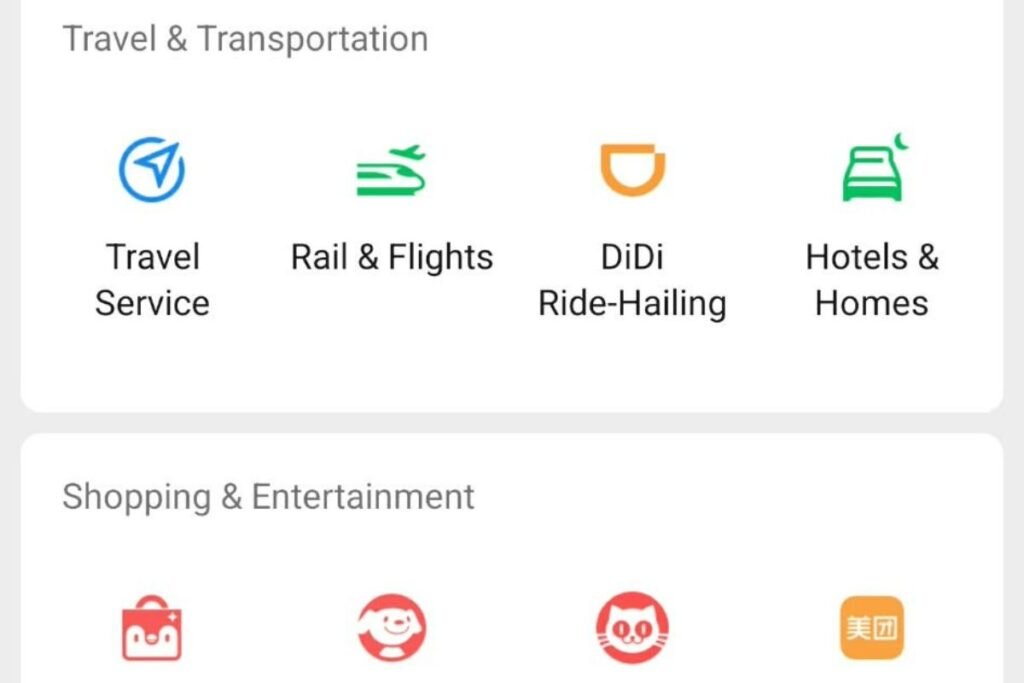
Both WeChat and Alipay integrate with other essential travel apps, including:
- Didi for transport
- Attractions and ticket bookings
- Local services and utilities
Even if you’re using standalone apps like Didi, payments are still processed through WeChat Pay or Alipay behind the scenes.
Final Tohu Tip
Mobile payments are one of the biggest adjustments travellers need to make in China. Once WeChat and Alipay are set up, paying for everyday things becomes quick and effortless.
Having both apps available gives peace of mind, especially when networks fail or situations don’t go to plan. Set everything up early, stay flexible, and you’ll adapt faster than you expect.
As a bit of a reality check, we personally felt that China is simply ahead of the game when it comes to mobile payments. After using it daily, it’s easy to imagine this becoming the norm worldwide. Cash already feels outdated in many places, and digital payments are clearly where things are heading. Whether we like it or not, it’s something most of us will probably adapt to sooner rather than later — and China just happens to be there already.
🔗 More China Travel Guides
Want more China Inspiration?
Explore all our China blogs in one place — from ancient towns and national parks to mega-cities and night markets.
👉 Read all our China Destination Guides & China Travel Essentials Guides Here
🌍 Travel Planning Resources
These are the tools we personally use and trust when planning our travels from finding a place to stay to booking activities, transport and insurance. Let your “Tohu” guide you “Trust the Journey” and follow what feels right for you.
- ✈️Flights – Compare great deals with Trip.com then Kiwi.com for flexible, affordable options.
- 🚐 Campervans – Compare rental deals with Motorhome Republic across Aotearoa and beyond.
- 🛏️ Stays – Compare hotels on Trip.com and TripAdvisor or Booking.com.
- 🚐 Rental Cars – Compare prices and book through Airport Rentals by Motorhome Republic for trusted brands and easy airport pickup.
- 🎟️ Activities – Browse tours and experiences on Viator, Get Your Guide, or TripAdvisor
- 🚆12Go Asia – Compare and book trains, buses, and ferries across Asia in one place with 12Go.
- 🛡️ Travel Insurance – Get flexible short-term coverage with Insubuy for your next holiday.
- 💳 Travel Money – Send, spend and manage money internationally with Wise, with easy currency conversion and a handy option for travellers.
- 🔒 Protect Your Privacy with a VPN – We recommend Surfshark VPN for secure and private browsing while travelling. It’s fast, affordable and works worldwide, perfect for public Wi-Fi at airports, cafes and hotels.
- 📱 Travel eSIM – Stay connected with Airalo
- 💼 Lounge Access – Treat yourself with Priority Pass for UK or US
- 🎶 Events & Concerts – Book tickets worldwide through Ticketmaster.
🧭 Note: Some booking links can be a bit shy when you’re using a VPN. If one doesn’t open, try pausing your VPN or switching to a different server location or secure Wi-Fi network to get things flowing again.
“Some of the most memorable travel moments happen when plans fall apart and solutions appear.”