What Travellers Should Have Ready
Arriving in China is generally straightforward, but there are a few key details officials may ask for when you enter the country. Having this information ready makes the process smoother and helps you feel more confident at immigration.
This guide covers what to have on hand, why it’s asked for, and how to stay organised while travelling.
Table of Contents
Your Passport
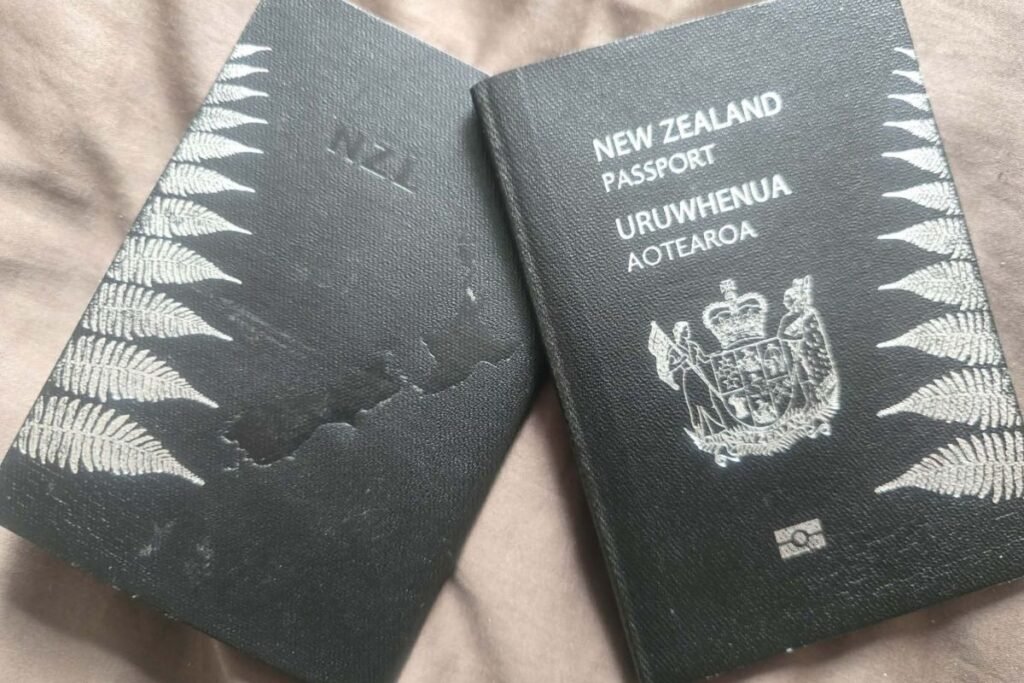
Your passport is your key to almost everything while travelling in China, so it’s important to carry it with you at all times.
Even if you already have a ticket, you’ll still need your passport:
- When exchanging QR codes for physical tickets
- To check into hotels
- When passing through transport and attraction checkpoints
- When joining organised tours, including major attractions like the Forbidden City
In many cases, your passport is checked once and then your face is scanned, with facial recognition used instead of paper or digital tickets. It may feel unusual at first, but this system is common and helps things move quickly once you’re registered.
Keeping Copies Handy
While you’ll need your original passport at certain times, it’s wise to also have backups.
We recommend:
- A digital copy stored securely on your phone
- A cloud backup or emailed copy
- A printed copy kept separately from your passport
These copies are useful if your passport is requested briefly or if you need quick access to your details.
Accommodation and Registration
In China, accommodation details are closely linked to registration, but for most travellers this process is simple and handled automatically.
Staying in Hotels
If you are staying in a hotel, registration is taken care of for you as part of the normal check-in process. All you’ll usually need to do is:
- Present your passport at check-in
- Confirm your length of stay
Hotel staff will pull out their phone and take a photo or scan of your passport as part of their registration process. This can feel a little uncomfortable at first, but it is completely normal and required, so you can relax knowing it’s standard procedure.
The hotel registers your details with local authorities, and there’s nothing extra you need to arrange yourself.
Staying With Friends or in a Private Home
If you are staying with friends or in a private residence rather than a hotel, registration works slightly differently.
In this situation:
- You are required to register your stay within five days
- Registration can be completed online or at a local police station
- You’ll need to provide:
- The address where you are staying
- Who you are staying with
- Basic details about the property or landlord
Your host can usually help with this, and once you know it’s required, the process is straightforward.
On arrival into China, officials will ask where you are staying in China. It helps to have:
- The name of your accommodation
- The address, contact details and names.
- A booking confirmation (digital is fine)
This doesn’t need to be printed — showing it on your phone was enough for us however I guess that depends on the mood of the officer.
Arrival and Onward Travel Details
When entering China, officials may ask a few basic questions about your travel plans. This is a normal part of the arrival process and is usually quick.
You may be asked:
- How long you plan to stay
- Where you are staying
- When you are leaving China
- Where you are travelling next
Having your return flight or onward travel details easily accessible makes these questions simple to answer. Digital confirmations on your phone are perfectly fine — there’s no need to print anything.
These questions aren’t meant to catch you out. They help confirm your travel plans and are asked routinely of visitors.
What If Your Plans Change
Travel plans don’t always stay fixed, and that’s okay.
If:
- You change accommodation
- You adjust your travel dates
Your new hotel will simply complete registration when you check in. There’s no need to notify authorities separately as a traveller. As with any country, it’s important that your stay aligns with your visa conditions.
Staying Organised While Travelling
A little organisation upfront made travelling through China feel far less stressful.
What helped most was:
- Keeping key documents saved offline on our phones, so we could access them even without a connection
- Screenshotting important details and saving them in a dedicated folder in our photo gallery, which made them quick to find when internet access wasn’t available
- Having accommodation and transport bookings easy to locate, rather than searching through emails at checkpoints
- Knowing our next destination and exit date, which made arrival and transit questions simple to answer
Once this was set up, everything flowed smoothly and we rarely had to think about documents again.
Final Tohu Tip
Arrival questions aren’t meant to catch you out — they’re simply part of the process. Having your passport, accommodation details and departure information ready makes entering China calm and stress-free.
A little preparation goes a long way.
🔗 More China Travel Guides
Want more China Inspiration?
Explore all our China blogs in one place — from ancient towns and national parks to mega-cities and night markets.
👉 Read all our China Destination Guides & China Travel Essentials Guides Here
“Confidence while travelling comes from knowing what to expect, not having everything planned.”