Thailand is known as the Land of Smiles, and that warmth is deeply connected to respect, manners and cultural values. Thai people are incredibly welcoming, but understanding a few key customs goes a long way in showing appreciation for the culture and avoiding unintentional offence.
This guide covers essential cultural etiquette in Thailand, with a special focus on temple visits and everyday behaviour travellers should be aware of.
Table of Contents
🛕 Temple Etiquette in Thailand
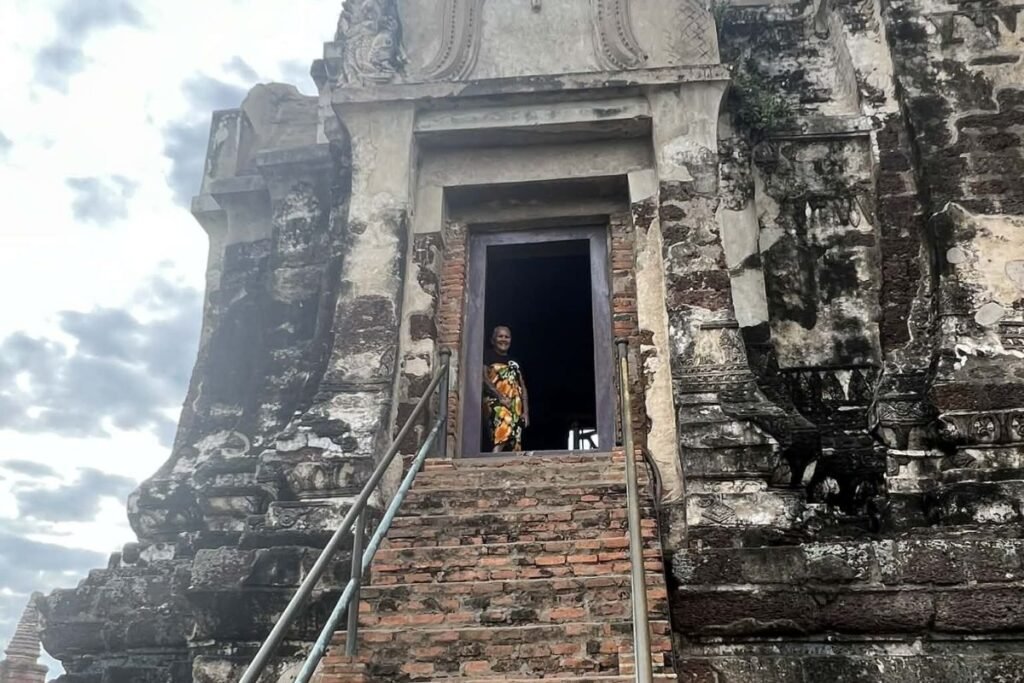
Temples are sacred spaces, not tourist attractions, and appropriate behaviour is expected at all times.
Dress Code for Temples
When visiting temples, both men and women should dress modestly, but there are specific expectations for women:
- Shoulders must be covered
- Knees must be covered
- No low-cut tops, crop tops or see-through clothing
- Shorts and skirts should fall below the knee
Many temples will refuse entry if you are not dressed appropriately. Some offer cover-ups for rent, but it’s best to come prepared.
👉 A lightweight scarf or sarong is an easy solution and useful for travel in general.
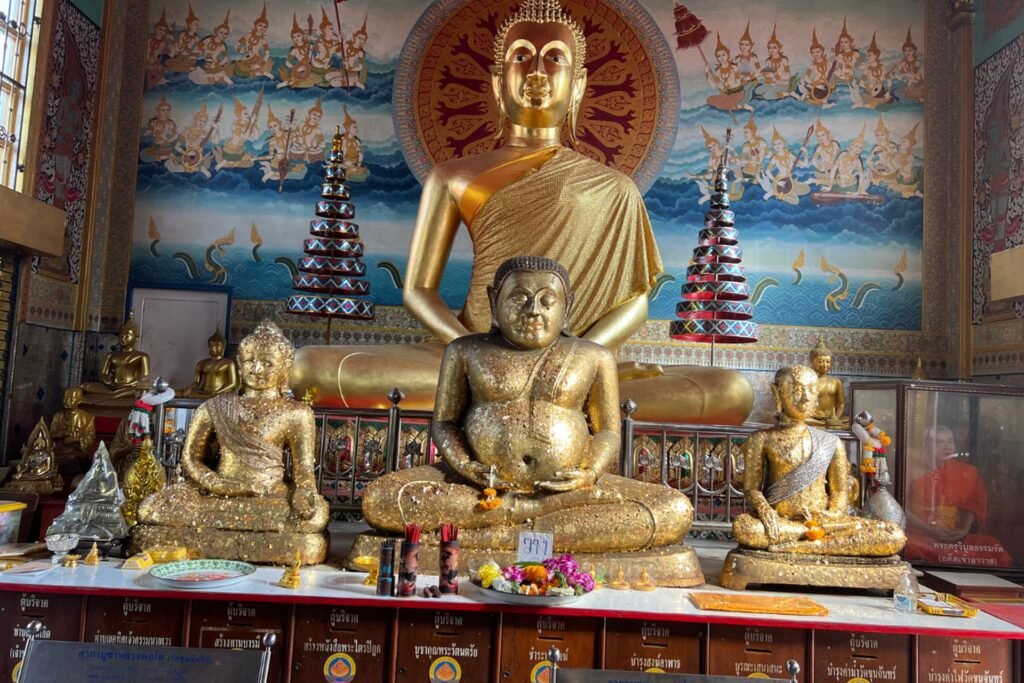
Inside the Temple
- Remove your shoes before entering temple buildings
- Walk calmly and speak quietly
- Sit with your feet tucked behind you or to the side
- Never point your feet at Buddha statues or monks
Feet are considered the lowest and dirtiest part of the body in Thai culture.
🙏 Respecting Monks
Monks are highly respected in Thai society and there are clear rules around interactions.
- Women must not touch monks or hand items directly to them
- If a woman needs to give something, place it down or pass it via a man
- Do not sit next to monks on public transport
- Always give monks physical space
This is one of the most important cultural rules to understand as a visitor.
🖐️ The Head and Feet: What to Know
In Thai culture:
- The head is sacred
- The feet are considered unclean
Because of this:
- Do not touch anyone’s head, including children
- Avoid stepping over people or their belongings
- Never place your feet on tables, chairs or desks
These small actions are often unconscious for travellers but can be deeply disrespectful locally.
😊 The Thai Way: Calm, Polite and Non-Confrontational
Thailand values harmony and saving face. Public confrontation or raised voices are frowned upon.
- Stay calm, even if something goes wrong
- Avoid arguing or showing anger
- A polite smile goes a long way
Losing your temper can cause discomfort and shut down communication very quickly.
🙏 The Wai Greeting
The wai is Thailand’s traditional greeting, made by pressing your palms together and bowing slightly.
- You don’t need to initiate the wai as a tourist
- If someone gives you a wai, it’s polite to return it
- A small nod and smile is always appreciated
👑 Respect for the Royal Family
The Thai Royal Family is deeply respected and protected by law.
- Avoid negative comments or jokes
- Stand for the national anthem when it is played in public places
- Be respectful around royal imagery and statues
This is taken very seriously in Thailand.
📸 Photography Etiquette
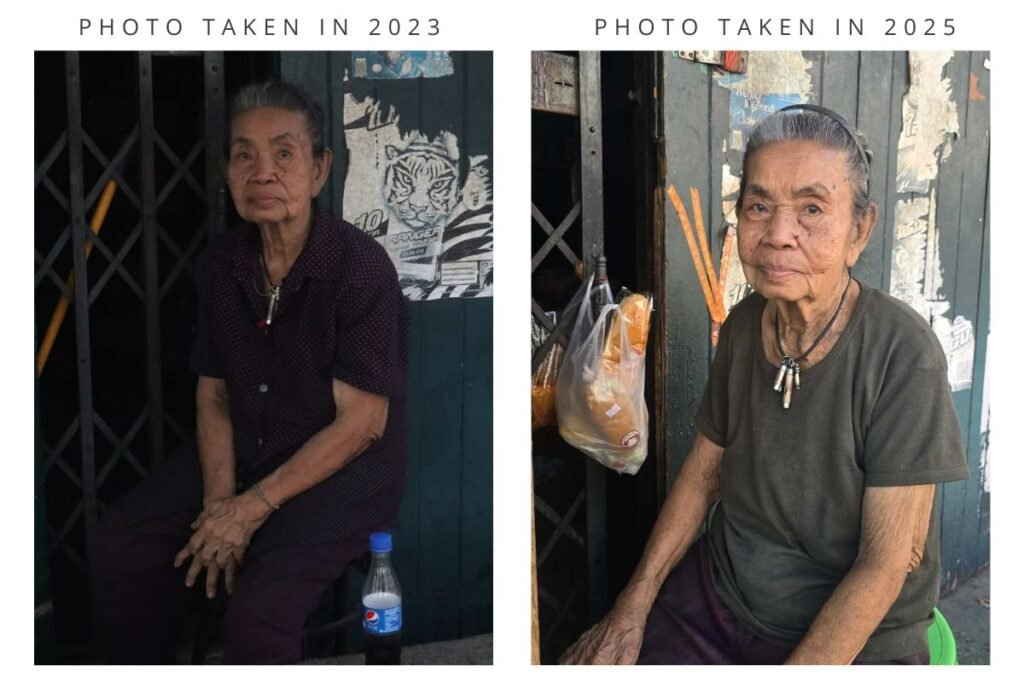
Every day we passed this beautiful woman and shared a smile. We would stop, acknowledge each other and sit quietly together while she held our hands. One day we asked if we could take her photo and she happily posed. Two years later, we returned hoping she might still be there, and we were so happy to find her sitting in the same spot with the same beautiful smile. We showed her the photo we’d taken years before and she giggled before posing for another. It’s a moment I’ll always remember fondly.
- Always ask before photographing people
- Never take photos inside temples where signs prohibit it
- Be discreet and respectful, especially around monks
🌿 Final Thoughts on Cultural Etiquette in Thailand
You don’t need to be perfect to be respectful. Thai people are generally understanding of visitors, especially when they see genuine effort.
A little awareness goes a long way, and respectful travel leads to warmer interactions, better experiences and deeper connections.
🔗 More Thailand Travel Guides
Want more Thailand Inspiration?
Explore all our Thailand blogs in one place – from laid-back islands and beaches to local towns and the energy of Bangkok.
👉 Read all our Thailand Destination Guides & Thailand Travel Essentials Guides Here
🌍 Travel Planning Resources
These are the tools we personally use and trust when planning our travels from finding a place to stay to booking activities, transport and insurance. Let your “Tohu” guide you “Trust the Journey” and follow what feels right for you.
- ✈️Flights – Compare great deals with Trip.com then Kiwi.com for flexible, affordable options.
- 🚐 Campervans – Compare rental deals with Motorhome Republic across Aotearoa and beyond.
- 🛏️ Stays – Compare hotels on Trip.com and TripAdvisor or Booking.com.
- 🚐 Rental Cars – Compare prices and book through Airport Rentals by Motorhome Republic for trusted brands and easy airport pickup.
- 🎟️ Activities – Browse tours and experiences on Viator, Get Your Guide, or TripAdvisor
- 🚆12Go Asia – Compare and book trains, buses, and ferries across Asia in one place with 12Go.
- 🛡️ Travel Insurance – Get flexible short-term coverage with Insubuy for your next holiday.
- 💳 Travel Money – Send, spend and manage money internationally with Wise, with easy currency conversion and a handy option for travellers.
- 🔒 Protect Your Privacy with a VPN – We recommend Surfshark VPN for secure and private browsing while travelling. It’s fast, affordable and works worldwide, perfect for public Wi-Fi at airports, cafes and hotels.
- 📱 Travel eSIM – Stay connected with Airalo
- 💼 Lounge Access – Treat yourself with Priority Pass for UK or US
- 🎶 Events & Concerts – Book tickets worldwide through Ticketmaster.
🧭 Note: Some booking links can be a bit shy when you’re using a VPN. If one doesn’t open, try pausing your VPN or switching to a different server location or secure Wi-Fi network to get things flowing again.
“Respecting local customs is the easiest way to feel welcome anywhere.”