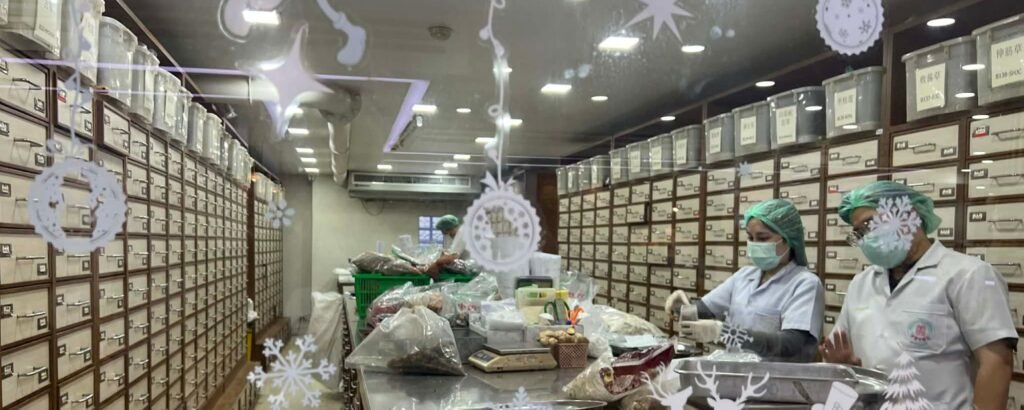
Traditional Chinese Medicine (TCM) is built around one simple idea: the body works as a connected system. Digestion, sleep, hormones, stress, emotions, food and even temperature all influence one another. When one area is out of balance, the effects are felt throughout the body.
Rather than focusing on a single symptom, TCM looks at why the body is struggling in the first place. It asks what’s blocking flow, what’s overloaded and what needs support so the body can begin to rebalance itself naturally.
Once this way of thinking was explained to us, it made sense in a way nothing else had before.
Table of Contents
Why We Turned to Traditional Chinese Medicine
Over the years, we’d tried many different approaches to feel better — often changing food, routines or diets based on what we were told should work. What we hadn’t had before was an explanation that connected all of our symptoms into one clear picture.
- We were dealing with long-term issues that didn’t seem to resolve no matter what we tried:
- Constant bloating, especially after meals
- Reacting badly to dairy, yeast, salads and fruit
- Broken sleep
- Ongoing hot sweats years after menopause began
- Difficulty losing weight
- Rising insulin levels
- Sluggish digestion and inflammation
We were told it was age. Hormones. Menopause. Stress. Even genetics. Yet nothing truly shifted.
So we asked our acupuncturist one simple question:
“Who is the best Chinese doctor who specialises in TCM and speaks English?”
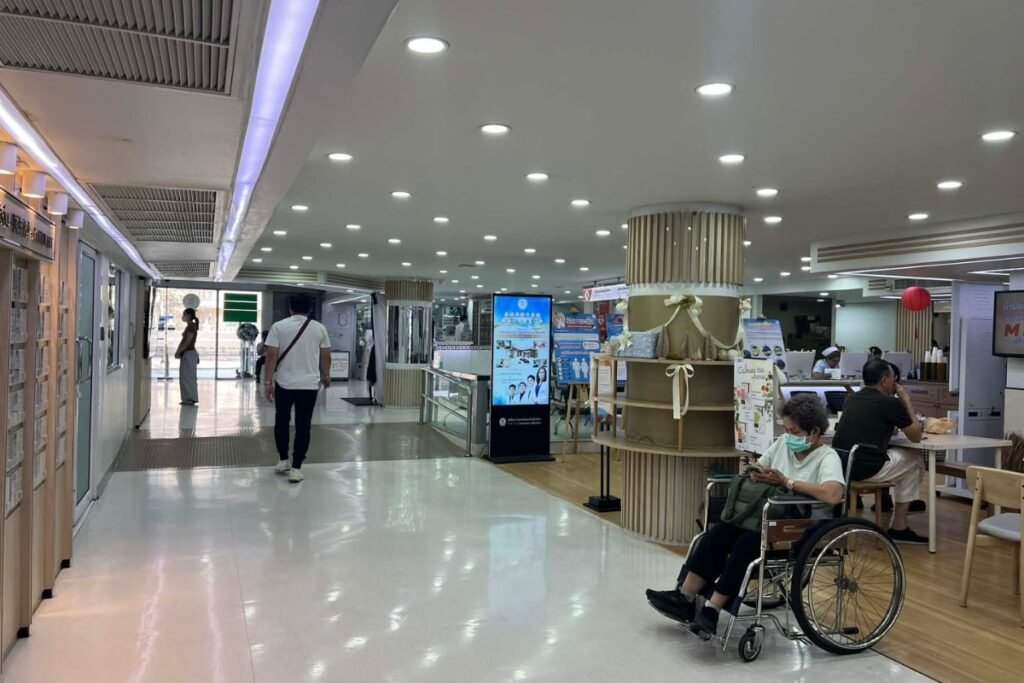
That question led us to Hua Chiew Traditional Chinese Medicine Hospital.
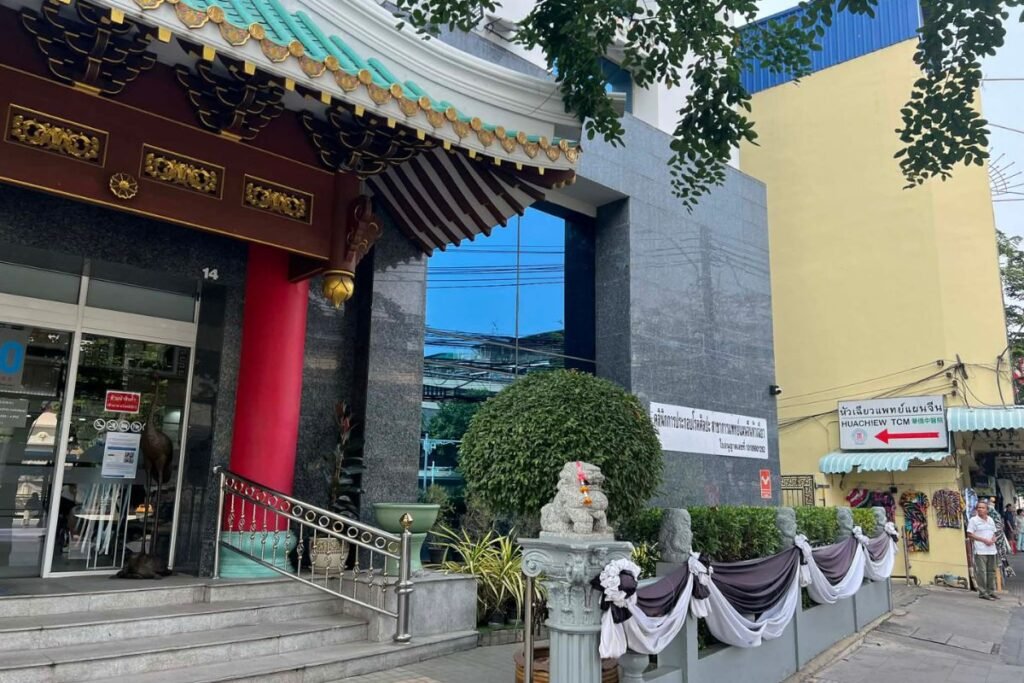
Our First Consultation – The Lightbulb Moment
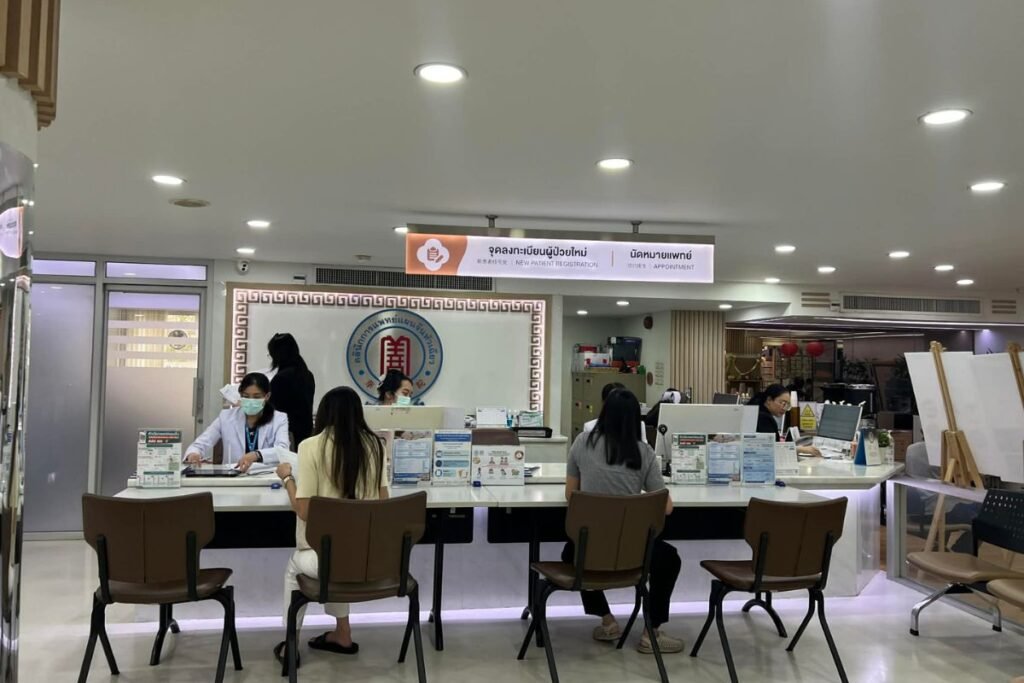
We booked online, registered as new patients and were guided through the process — blood pressure, weight and then a short wait.
When we met Tseng Chen Lee, he asked about our symptoms, took our pulse on both wrists and examined our tongues. Without hesitation, he said:
“In TCM terms, you are damp.”
That one word explained everything.
In TCM, dampness means the body is sluggish. Systems are overloaded. Digestion is slow. Nothing is moving freely. The body is constantly working overtime just to cope.
- Suddenly it all clicked:
- Why food felt like it just sat there
- Why weight wouldn’t shift
- Why insulin was climbing
- Why sleep was broken
- Why hot sweats were still happening years later
It wasn’t that we were doing things “wrong”.
We were eating the wrong foods for our bodies.
Food, Temperature & Dampness – The Biggest Surprise
This was one of the most eye-opening parts of our experience. Everyone’s body responds differently, but for us, many foods we considered healthy were actually adding to our symptoms because they were cold in nature and increased dampness. Yet for my sister these foods wer eok for her symtoms.
- We loved my raw juices and smoothies but they didn’t love us
- Smoothies
- Green juices
- Raw salads
- Cold drinks
- Watermelon and tropical fruit
- Peanuts
- Dairy
In TCM, temperature matters just as much as ingredients. Cold foods and cold drinks slow digestion, forcing the body to work harder before it can even begin processing.
Once this was explained, years of confusion suddenly made sense. Another thing I noticed straight away was how cold water affected me in the mornings. Taking medication with cold water would leave me constantly clearing my throat for a good hour. Switching to warm water made a noticeable difference and the irritation stopped.
The Treatment Plan
The goal wasn’t weight loss or symptom suppression.
The goal was simple:
Dry the damp. Restore flow. Reduce stress on the body.
- We started with:
- Seven days of personalised liquid herbal medicine, made specifically for each of us
- Daily notes on symptoms and changes
After seven days, the only issue we noticed was dry skin and lips — a sign the treatment was working strongly. The doctor adjusted the formula.
- Because we were returning to Aotearoa – New Zealand, he prepared:
- Powdered herbal medicine to mix with warm water
- Three months of herbal pills
All herbal. All natural.
The Results So Far
TCM is very clear that this is not a quick fix. The focus is gradual, long-term change rather than instant results.
- So far, we’ve noticed:
- Reduced bloating and digestive discomfort
- Less heaviness and inflammation after meals
- Subtle improvements in energy
- A much clearer understanding of how food and temperature affect our bodies
The biggest shift hasn’t just been physical — it’s been understanding why our bodies were struggling in the first place.
Acupuncture & Cupping
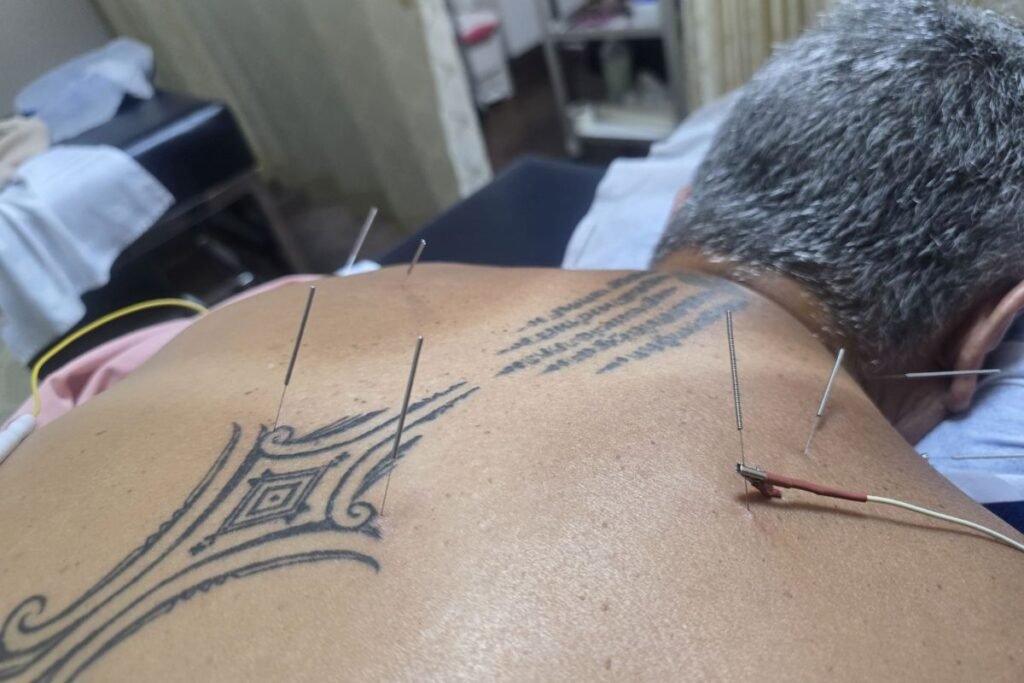
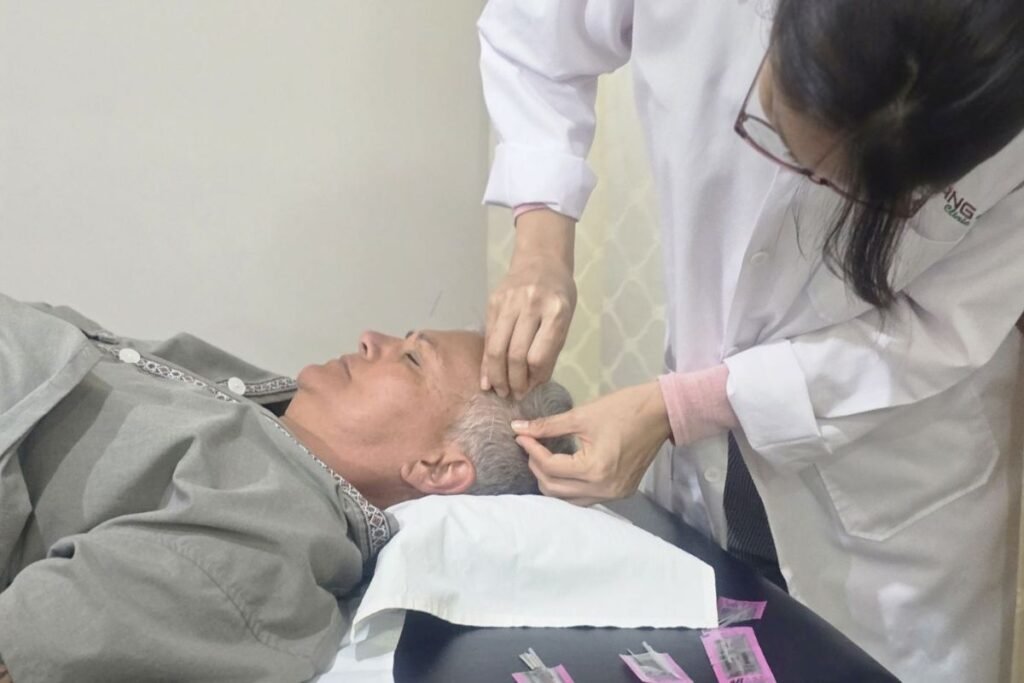
Alongside the herbal treatment, we committed to six weeks of acupuncture, with one session per week at Lekang Clinic in Nana, Bangkok. Hua Cheiw TCM Hospital also provides alternative services.
- Toni’s treatment focused on migraines
- Tania’s sessions focused on lower back issues
The acupuncture brought noticeable relief. Toni, who had been experiencing frequent migraines, saw a significant improvement during this period. Tania found the sessions eased pain and tension, although ongoing stretching and movement remain important.
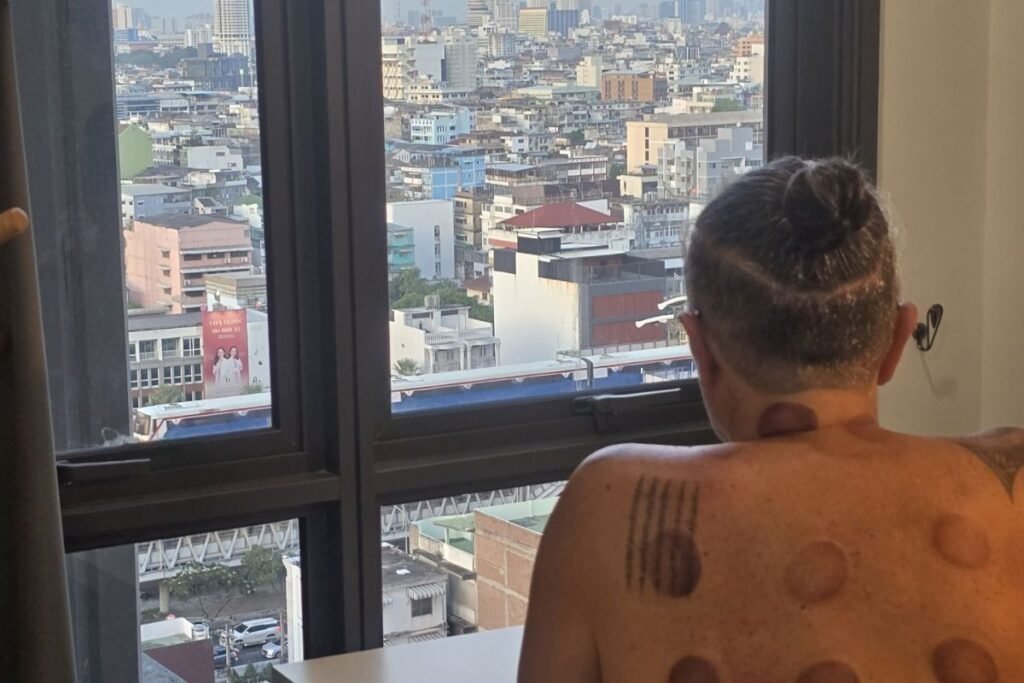
We also experienced cupping, which in Thailand is far more intense than what we’re used to in Aotearoa – New Zealand. Oil is applied, cups are suctioned and dragged across the affected areas, then left in place. It’s uncomfortable — even confronting — but the relief in the days that followed made it clear why it’s used.
Cost & Value
For both of us:
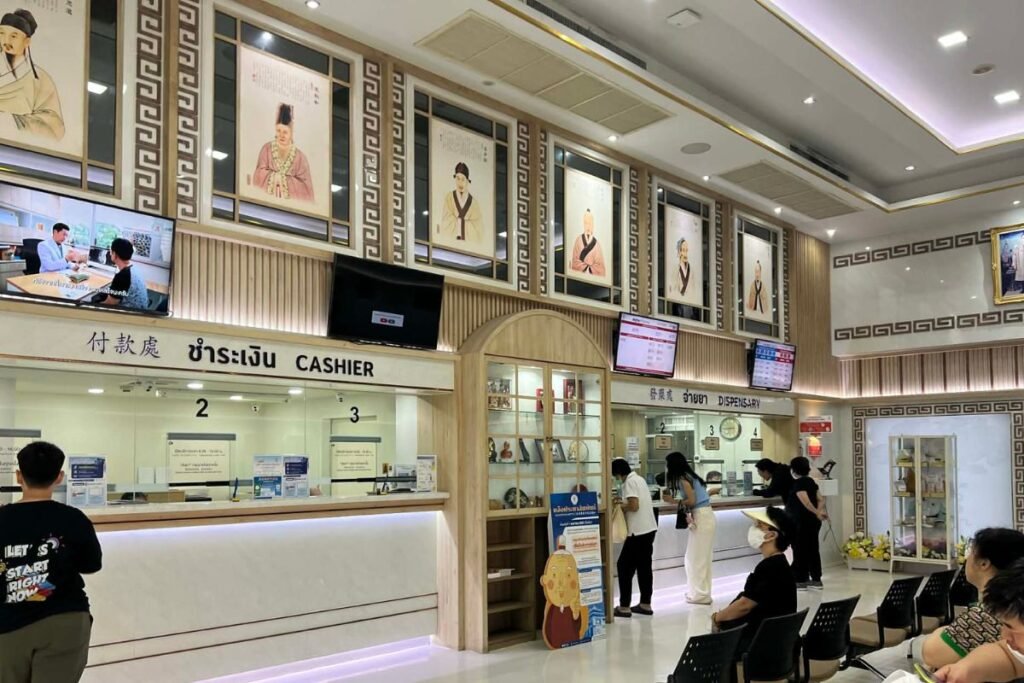
- Two hospital visits at Hua Cheiw TCM Hospital, Bangkok
- Three months of herbal medicine made specially for our symptoms
The cost was around $275 NZD each, which felt very reasonable compared to years of trial and error.
Acupuncture sessions ranged from $50-$80 NZD, depending on treatment, with package deals available.
Who This May Help
This experience may resonate with you if:
- You’re dealing with ongoing symptoms that don’t seem to have a clear cause
- Different issues in your body feel connected rather than isolated
- You’ve tried multiple approaches and still feel something is being missed
- You’re curious about a whole-body approach alongside Western medicine
- You’re open to understanding how balance and flow are viewed in other medical systems
Traditional Chinese Medicine is used to support a wide range of conditions, from digestion and hormones to pain, stress, sleep and energy regulation. Our experience is just one example of how it can be applied.
Final Thoughts
Western medicine and Traditional Chinese Medicine don’t need to compete. They simply do different jobs.
One treats the moment.
The other looks for the cause.
For us, TCM didn’t just offer treatment — it offered understanding. And that understanding has changed how we listen to our bodies moving forward.
“Healing begins when understanding replaces confusion.”