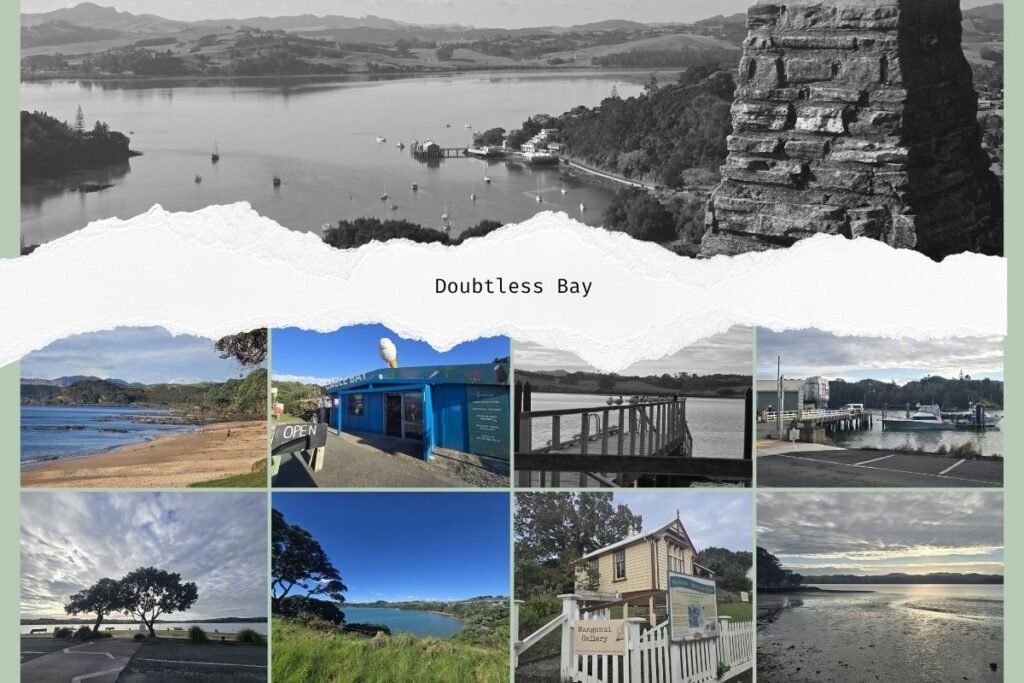
Doubtless Bay is one of those places in Te Tai Tokerau – Northland that quietly pulls people in. Stretching across a series of small coastal settlements including Mangōnui, Coopers Beach, Cable Bay, Taipā and Hihi, the region is known for calm beaches, fishing spots, coastal walks and a slower pace of life that feels deeply connected to the sea. While many travellers pass through on their way further north, Doubtless Bay is a place worth slowing down for properly.
The History Behind Doubtless Bay
The bay was named by Captain James Cook in 1769 after reportedly remarking that it was “doubtless a bay” while sailing past the coastline, although he never actually entered the harbour. Long before European arrival, however, the area was already an important Māori settlement and trading region. The sheltered coastline provided food, transport routes, and safe harbour for coastal communities, with strong connections between iwi, fishing grounds and nearby pā sites that still overlook parts of the bay today.
Doubtless Bay – Harbours, Coastal Walks & Slowing Down in Northland
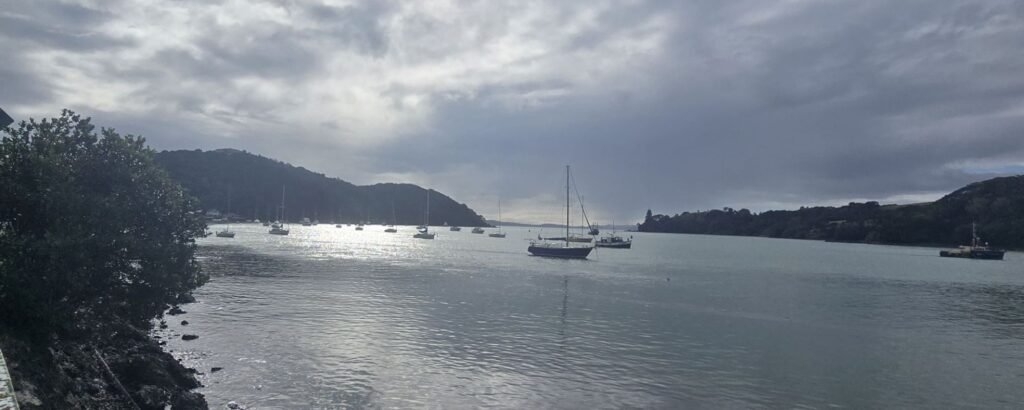
There’s something about Doubtless Bay that encourages you to slow down. Maybe it’s the calm water, the scattered coastal settlements, or the way life still seems to revolve around the tides and harbour. Whatever it is, we ended up staying far longer than originally planned.
What began as a quick stop for fish and chips in Mangōnui slowly turned into days spent fishing, wandering beaches, walking coastal tracks and settling into the quiet rhythm of the far north.
Doubtless Bay sits along the eastern coastline of Te Tai Tokerau – Northland and includes a string of small seaside communities like Mangōnui, Coopers Beach, Cable Bay, Taipā, and Hihi. While each settlement has its own personality, together they create one of Northland’s most relaxed coastal regions, shaped by fishing, beaches, harbours, and life around the water.
Long before European arrival, the area was an important Māori coastal region with strong connections to fishing, trade, and movement throughout the Far North. Today, small harbour settlements, marae, and pā sites still sit quietly across the coastline, reminding visitors of the area’s long history and deep connection to the sea.
Mangōnui – A Harbour Town Worth Staying For
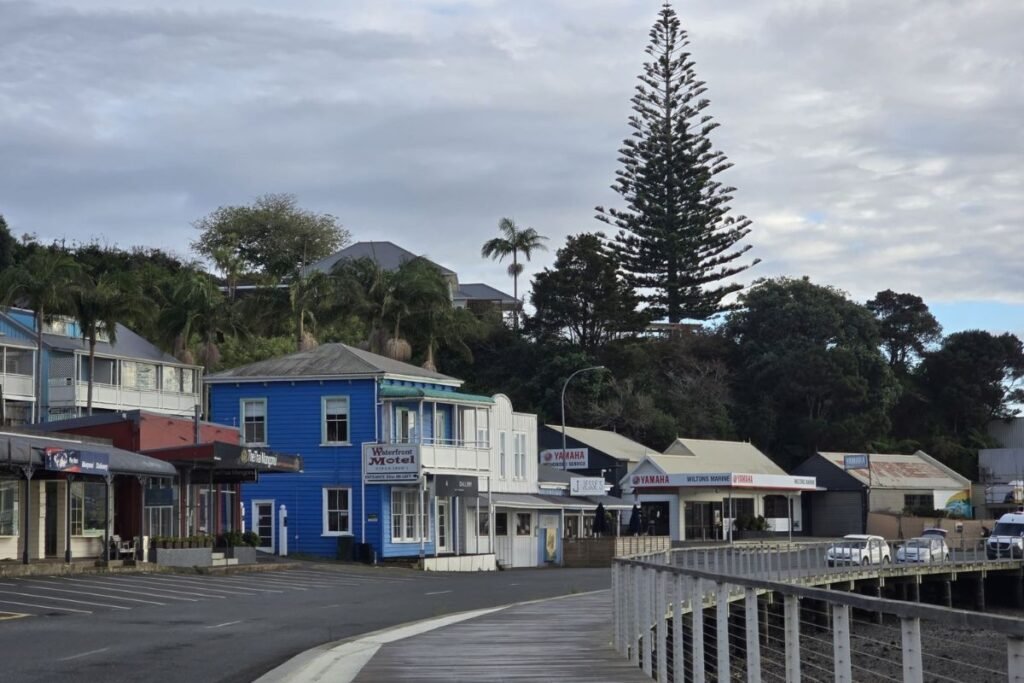
Mangōnui has a strong sense of history. It later became an important whaling and trading port and eventually served as an administrative centre for the region. Today, heritage buildings still line the waterfront, giving the town a strong sense of character without feeling overly commercialised.
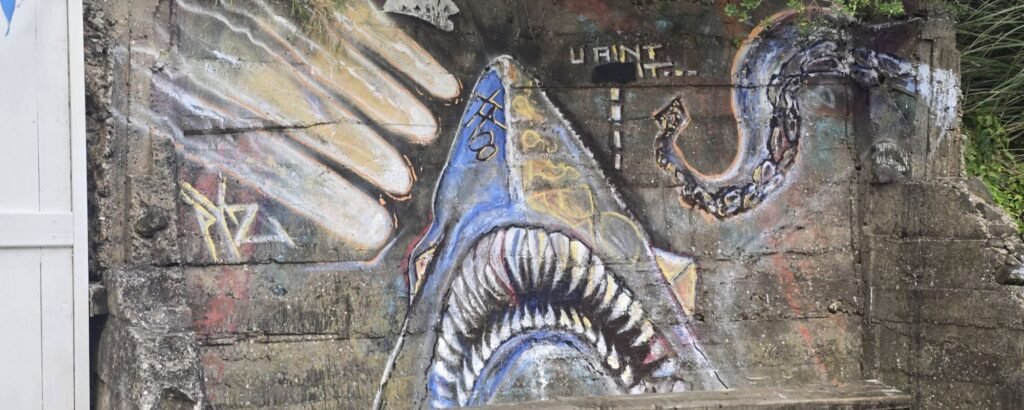
Even the name tells a story.
- Mangō means shark.
- Nui means big.
We stayed at the local freedom camping area just outside town, which provides toilets, water and a dump station. It’s a practical overnight stop and an easy base for exploring the harbour area.
From the campground, a walkway follows the estuary into town. Information boards along the path share local history and birdlife, making the walk feel like part of the experience rather than simply a way to get from A to B.
The harbour itself is exactly what many people picture when thinking of a Northland coastal town. Fishing boats resting on calm water, seabirds circling overhead, hills dotted with homes, and people still gathering around the wharf.
We spent time wandering the small shops, trying our luck fishing off the wharf, and eventually returning to the famous Mangōnui Fish Shop after the fish refused to cooperate .
It’s not the cheapest meal you’ll buy in Northland, but the quality and the setting absolutely lives up to the reputation.
For one of the best views in the area, head up to Rangikapiti Pā overlooking the harbour, there is a big carpark near the top. From here, you can see across Mangōnui, Coopers Beach and out toward the Karikari Peninsula.
More than the view itself, there’s a strong feeling of history and presence there. A quiet reminder of the generations who stood on the same land long before us.
Where to Stay in Doubtless Bay
Looking for accommodation around Mangōnui, Coopers Beach, or Cable Bay? From beachfront holiday parks to cosy stays and campervan-friendly options, there are plenty of places to base yourself while exploring the bay.
👉 Browse accommodation options on Booking.com
Coopers Beach & Cable Bay – Easy Coastal Living
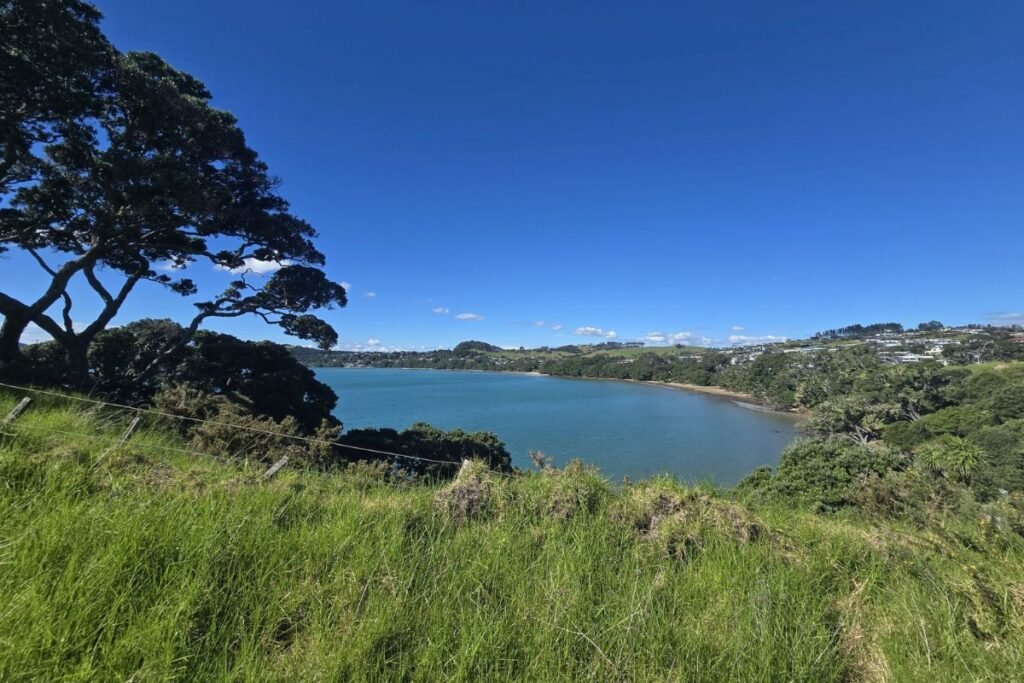
Just a few minutes from Mangōnui, the atmosphere shifts again.
Coopers Beach feels more open and relaxed, with a long sweep of coastline and easy access to everything travellers might need for a longer stay.
We based ourselves at the Coopers Beach Bowls Club, which allows overnight campervan parking for a small fee through an honesty system. It’s simple but worked perfectly for us.
Across the road, Taumarumaru Reserve became one of our favourite daily walks. Short tracks wind through the reserve to several lookout points before leading down onto Coopers Beach itself.
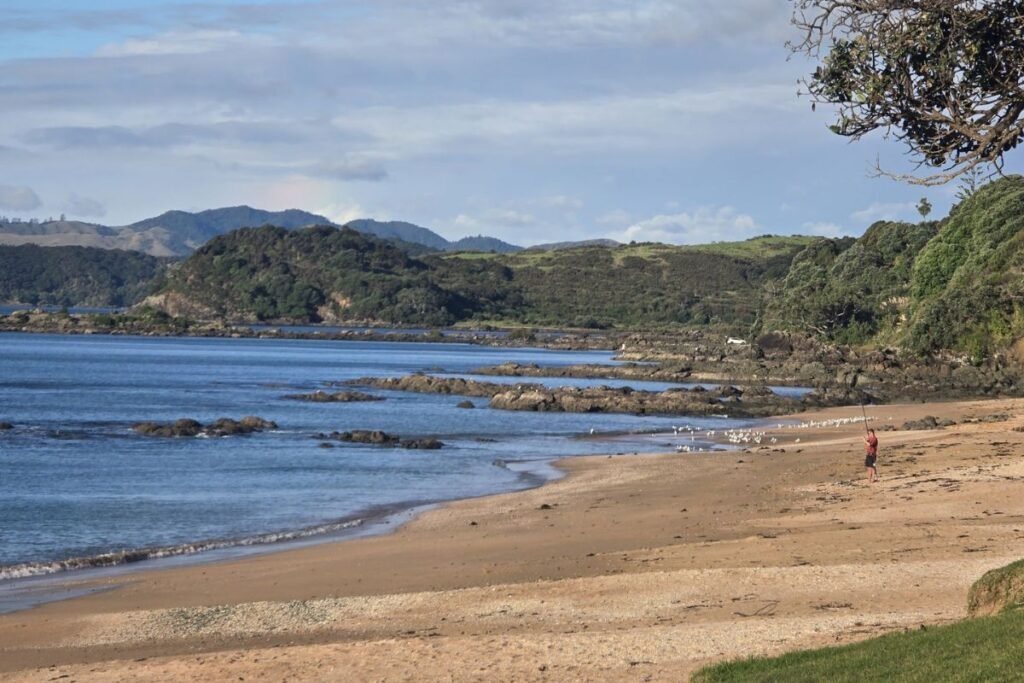
At low tide, the beach opens up beautifully and becomes ideal for long walks, fishing, swimming or simply sitting and watching the water.
Most of our time here was spent out fishing just beyond the harbour, where we finally had far better luck than we did back at the wharf in Mangōnui.
One of the things we appreciated most about Coopers Beach was how practical it felt for longer travel stays. A good local butcher, well-stocked Four Square, laundromat, takeaway options, and everything else needed without losing the relaxed coastal atmosphere.
Just along the road, Cable Bay offered another beautiful stretch of beach and quickly became a regular stop for us.
Cable Bay Takeaways was a standout. They’ll cook your fresh catch for a small fee, which felt like the perfect ending after a day out on the water.
Fresh fish, hot chips, an ice cream, and a beach view.
Sometimes the simple days end up being the best ones.
🌿 Want a clear, easy plan for exploring this region?
Our Town & Regional Guides bring everything together in one place:
- Where to stay
- What to do
- Local tips
- How to move through the area without overthinking it
👉 Take the guesswork out of planning and explore the full guide here
He moana pukepuke e ekengia e te waka.
A choppy sea can still be navigated.