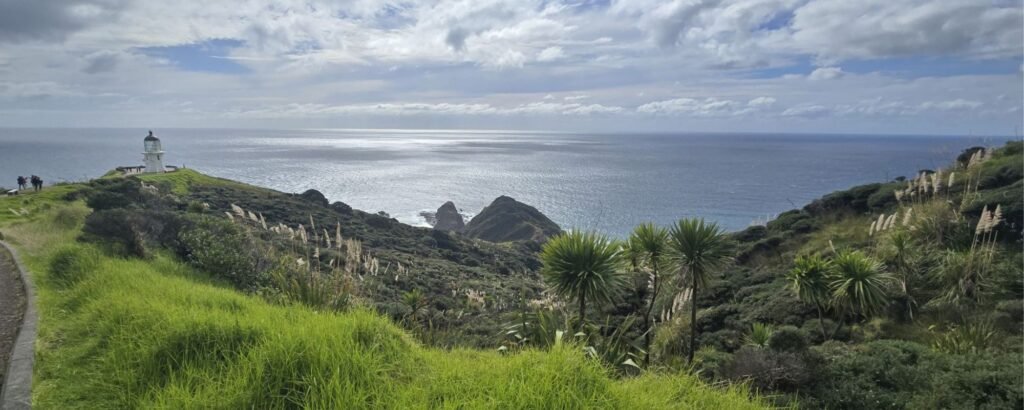
There is something different about the Far North.
The pace softens, the roads become quieter, and life begins to revolve around tides, weather, fishing and the coastline. Te Tai Tokerau is not a place that feels rushed. It feels lived in. Rooted. Connected to both land and sea in a way that is hard to explain until you spend time there yourself.
For us, this region carries a strong personal connection too. Much of our time in the Far North has been shaped around whānau (family), fishing trips, beach walks, campervan stays and slow days exploring small coastal settlements. It is a region we continue returning to because no matter how many times we visit, there always seems to be another beach, story or quiet moment waiting around the next corner.
Understanding Te Tai Tokerau
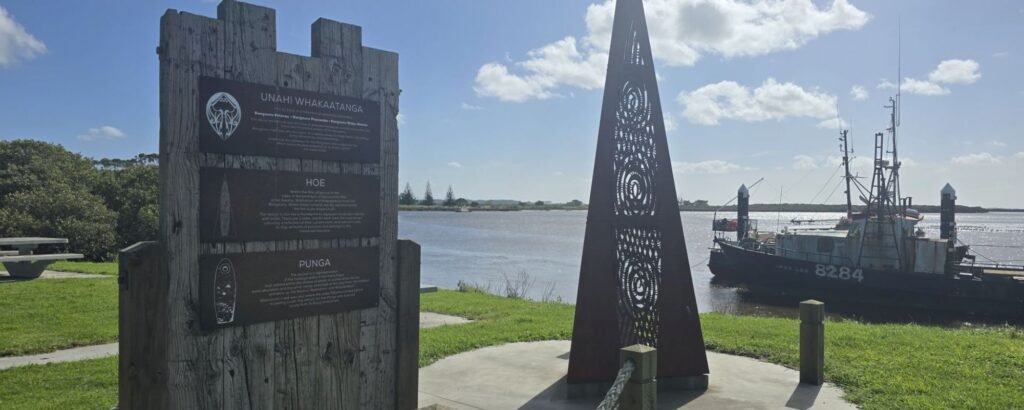
Te Tai Tokerau translates roughly to “the northern tide” or “the northern coast” and refers to the uppermost part of the North Island of Aotearoa – New Zealand.
This region holds deep significance within Māori history and identity. Many iwi trace strong ancestral connections through the Far North, including links to the earliest Polynesian arrivals into Aotearoa. Throughout the region you will find stories tied to the ocean, migration, trade routes, wāhi tapu, and the spiritual pathways connecting people to the land and sea.
Today the Far North still feels strongly shaped by those connections. Small settlements remain closely tied to fishing, whānau, marae, and the coastline itself. Travelling here feels less about attractions and more about understanding the rhythm of the region.
What Makes the Far North So Special?
Te Tai Tokerau feels different from much of Aotearoa – New Zealand.
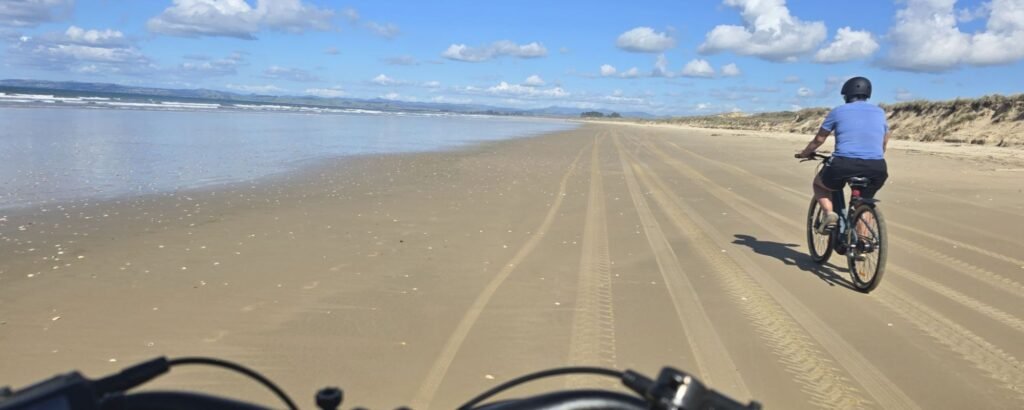
- The beaches feel wilder.
- The pace feels slower.
- The connection to culture and coastline feels stronger.
This is a region built around tides, fishing, weather, family, and long stretches of road between small communities.
For some people, the Far North becomes a quick drive to Cape Reinga.
But if you slow down properly, spend time in the campgrounds, walk the beaches, speak with locals, and follow the side roads, you begin to understand why so many people feel deeply connected to this part of the country.
Awanui
Awanui acts as one of the practical hubs of the Far North and is often where travellers stop before or after heading toward Cape Reinga.
The town has everything needed for restocking including fuel, takeaways, cafes, public toilets, and a small freedom camping area. Roadside stalls selling local produce are common here too and became one of our favourite parts of passing through.
Fresh mandarins, homemade jams, pickles, and garden produce lined the roadside during our visit and honestly some of the best purchases we made were from local honesty stalls rather than supermarkets.
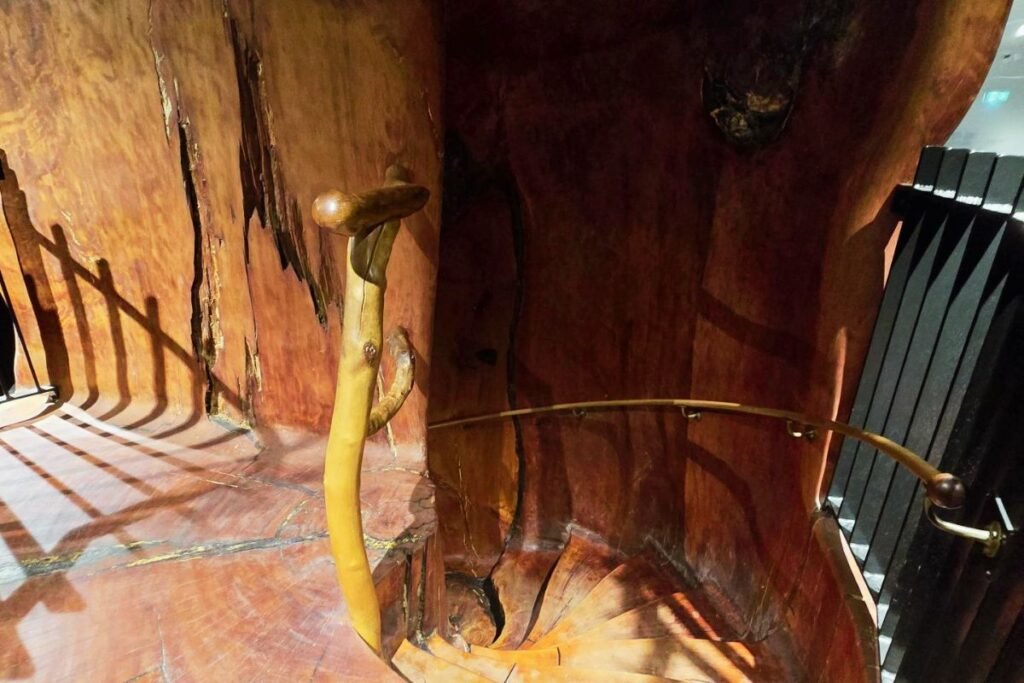
One stop definitely worth making is the Ka Uri Gallery and Cafe. The gallery showcases incredible local craftsmanship, but the true centrepiece is the giant carved kauri staircase visitors can climb inside. It creates a surprisingly grounding and reflective experience.
Waiharara & Gumdiggers Park
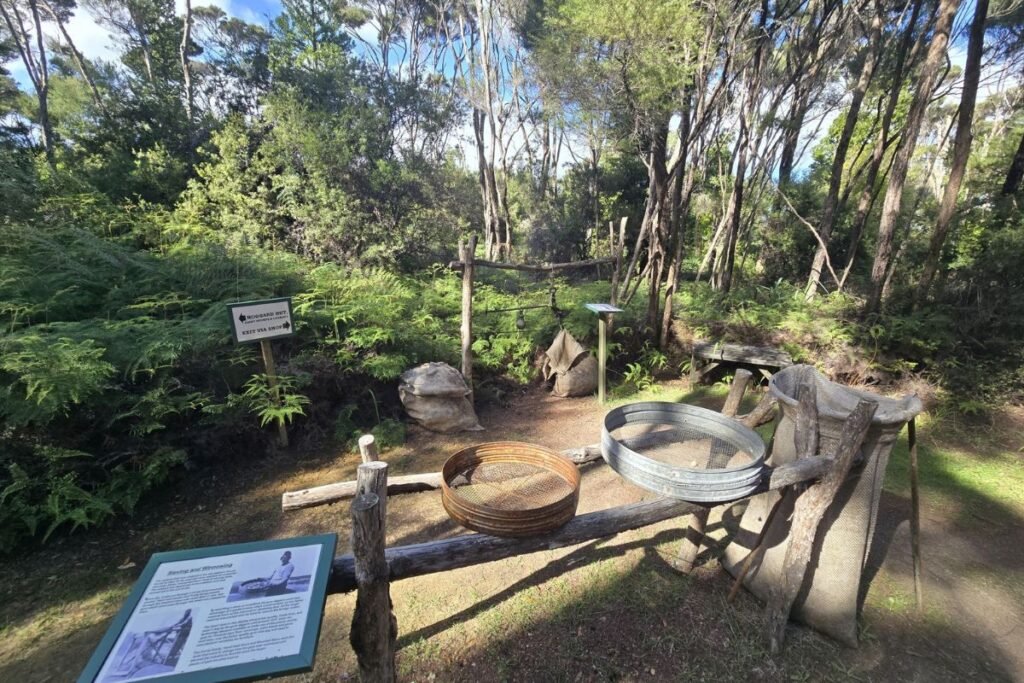
Further north near Waiharara, Gumdiggers Park offers one of the best insights into the history of kauri gum digging in the region.
The easy gravel drive passes through avocado orchards before arriving at a peaceful and thoughtfully maintained historical site. Walking through the displays gives a real sense of the hard physical work once carried out here.
The area’s history is deeply connected to Māori gum gatherers and later Dalmatian settlers who arrived during the gum boom years. Many families stayed permanently in the Far North and their descendants remain an important part of the region today.
For travellers wanting more than scenic stops, this is one of the better places to understand the cultural and working history behind the Far North.
Te-Oneroa-a-Tōhē / Ninety Mile Beach
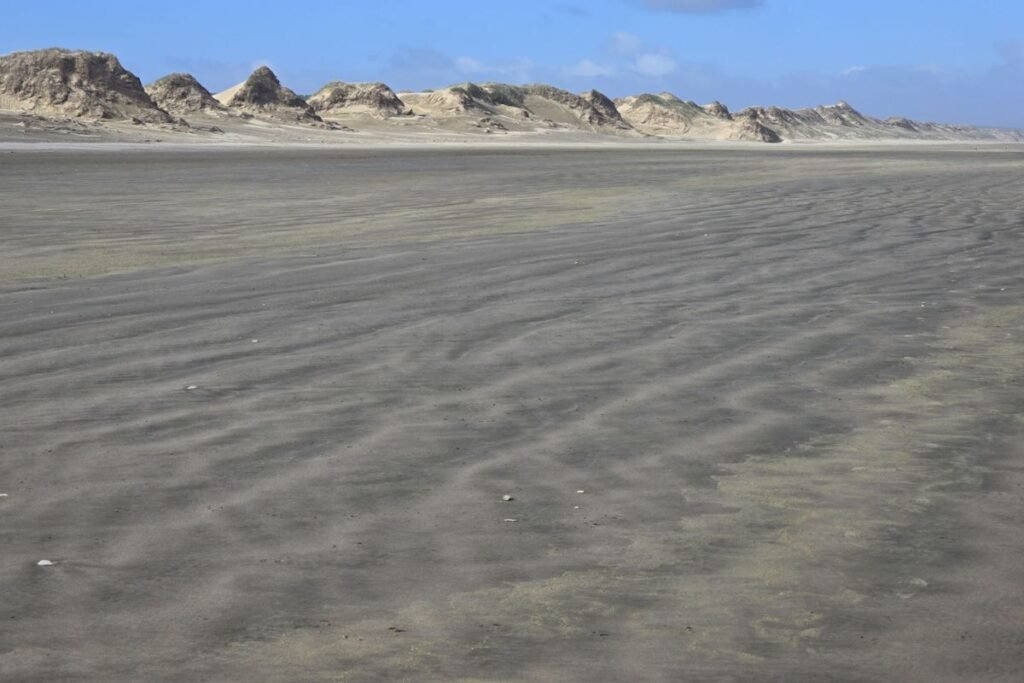
Despite its name, Ninety Mile Beach actually stretches around 88 kilometres along the western side of the Aupōuri Peninsula.
The beach feels enormous.
At low tide it becomes a constantly moving landscape of fishermen, surfcasters, beach walkers, vehicles, and locals gathering tuatua from the sand.
We love collecting tuatua here ourselves. Locals taught us to watch for bubbles or tiny raised mounds in the sand rather than digging deeply. Some of our favourite Far North meals have come from fresh tuatua fritters after long days beside the ocean.
The beach itself officially functions as a public highway, so visitors do need to stay aware of vehicles while walking or biking along the sand.
The surrounding coastline also makes this one of the most popular surfcasting and drone fishing areas in the country.
Te Paki Sand Dunes
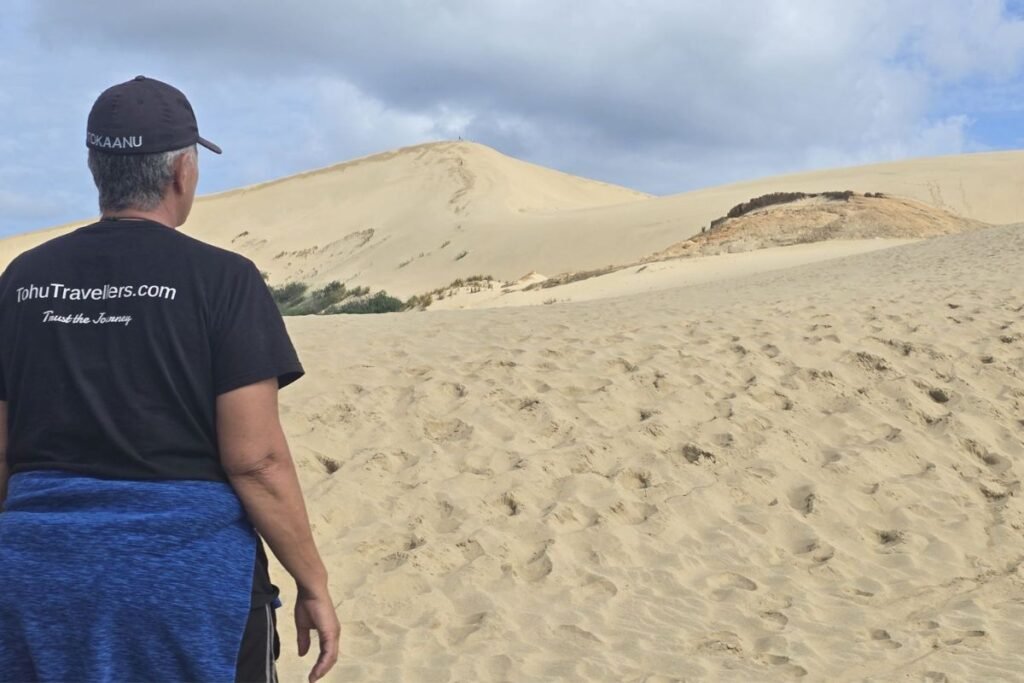
The Te Paki Sand Dunes feel almost surreal the first time you see them.
Massive dunes rise up beside the road creating a landscape that feels more desert-like than coastal Northland. Whether heading toward or returning from Cape Reinga, this is one of the easiest and most enjoyable stops to add into a Far North road trip.
A local whānau-run business hires boogie boards and safety gear for people wanting to sandboard down the dunes. Even just watching everyone climb the hills and race back down was entertaining enough for us.
For campervan travellers, there is also a dump station located near the turnoff which makes this a practical stop as well.
Te Rerenga Wairua / Cape Reinga
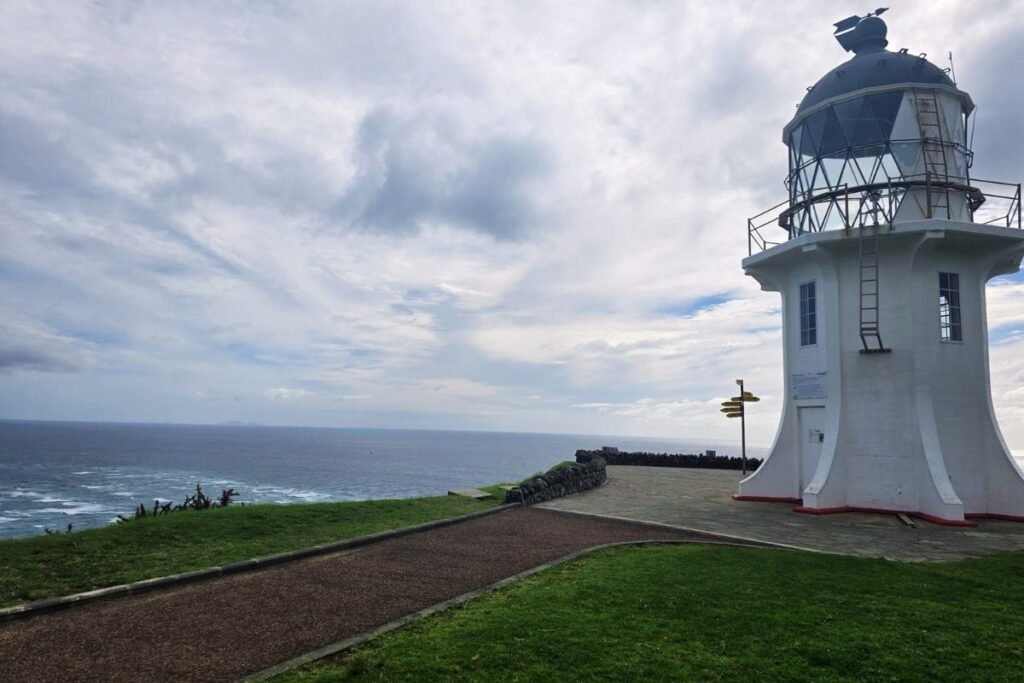
Te Rerenga Wairua is one of the most spiritually significant places in Aotearoa – New Zealand.
Standing at the northern tip of the country, this is where the Tasman Sea and Pacific Ocean meet beneath towering cliffs and the iconic white lighthouse.
For Māori, this is also the place where spirits begin their final journey home.
An ancient pōhutukawa tree clings to the cliffs below the lighthouse and it is believed spirits descend from here into the underworld before travelling onward toward Hawaiiki-A-Nui, the ancestral homeland.
Walking the pathway toward the lighthouse feels deeply reflective. Interpretive signs along the way share stories, history, and cultural significance while the surrounding views stretch endlessly across the ocean.
This is not a place to rush through.
Allow time to sit quietly, take in the wairua of the area, and simply absorb the feeling of standing at one of the most meaningful places in the country.
Te Werahi Beach Track
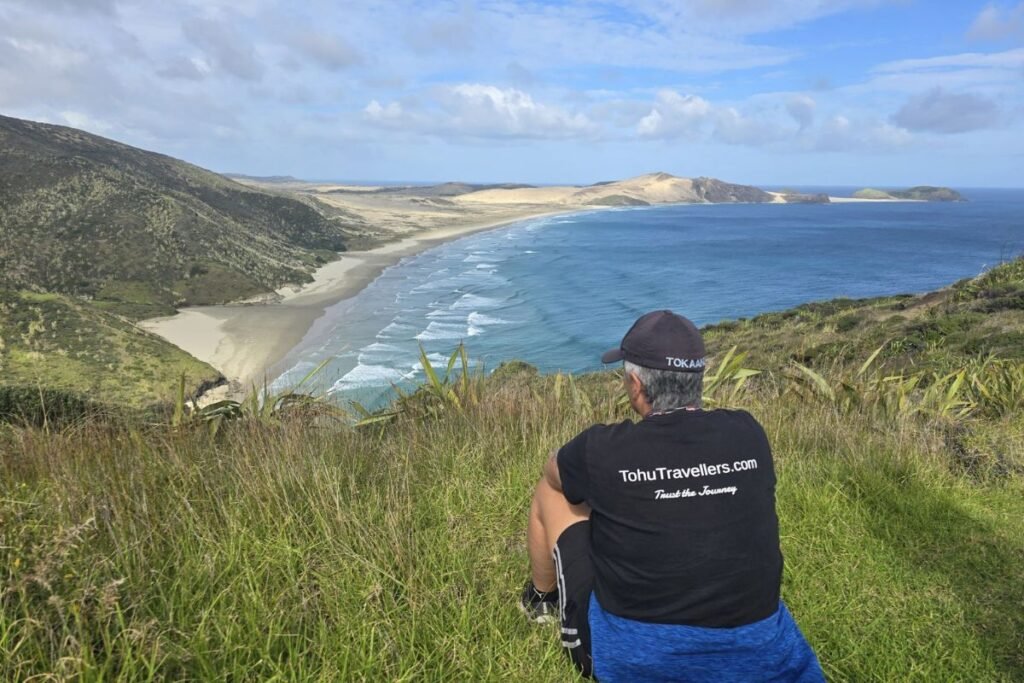
One of the highlights near Cape Reinga is the Te Werahi Beach Track.
Although parts of the wider Te Paki Track network have suffered weather damage and slips in recent years, sections of this coastal walk remain accessible from Cape Reinga.
The track itself is relatively easy and takes around 45 minutes one way toward Te Werahi Beach.
The views are incredible.
Clifftops, rolling dunes, isolated white sand beaches, and expansive ocean views stretch across the coastline the entire way. On the return journey, seeing the lighthouse sitting high along the ridgeline feels especially dramatic.
Visitors should pay attention to weather conditions here, particularly strong winds along exposed sections, and it is wise to follow local safety signage regarding walking in groups where advised.
Taputaputa Beach & Campsite
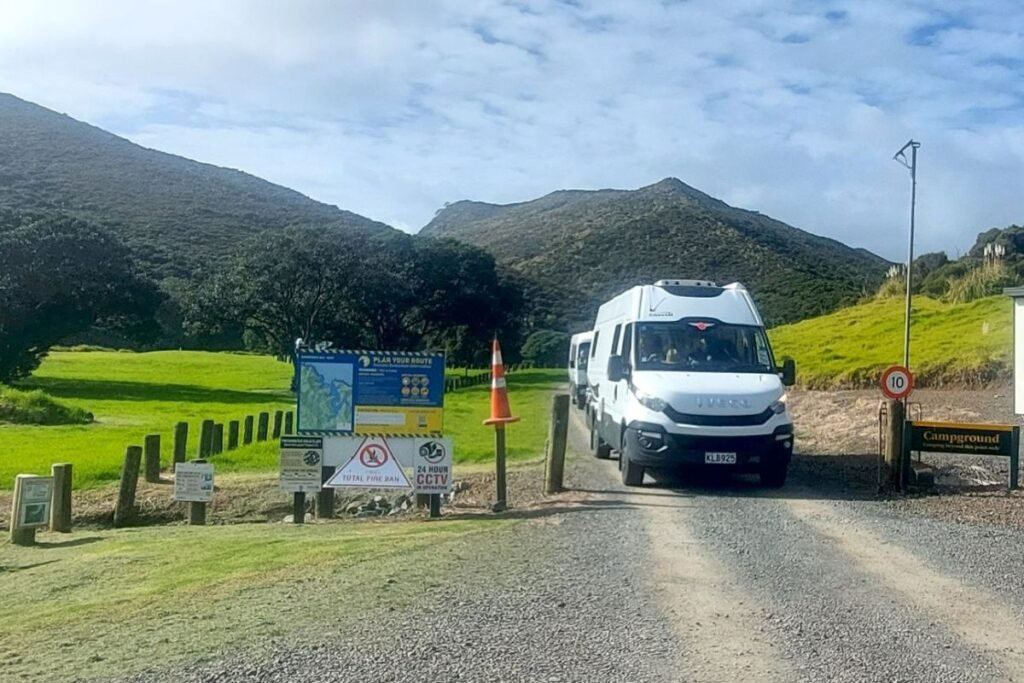
Taputaputa Beach offers one of the closest camping options to Cape Reinga and quickly became one of our favourite places to simply slow down.
The campground is basic and run by the local hapū with toilets and grassy camping areas overlooking the coastline. The road in is unsealed but manageable for campervans and standard vehicles if driven carefully.
The beach itself feels peaceful and remote with a large picnic area sitting directly beside the ocean.
We chose not to swim during our stay after spotting several blue bottles washed ashore, but the beach walks alone made the visit worthwhile.
This is one of those places where the simplicity is exactly what makes it memorable.
Houhora
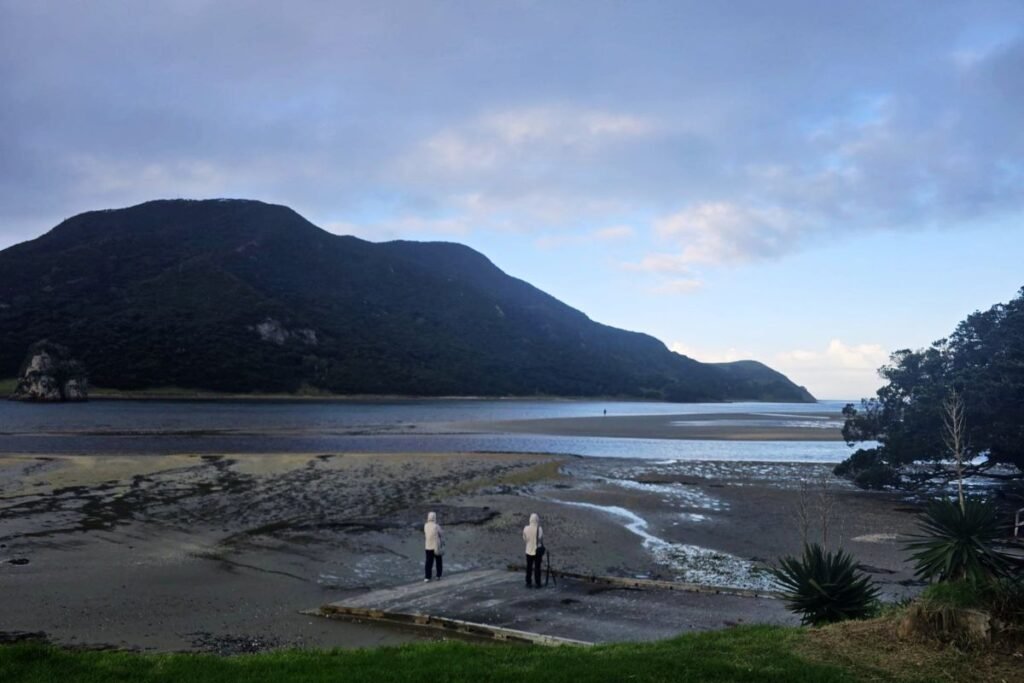
Houhora ended up becoming one of our favourite longer stays in the Far North.
We spent a week at Houhora Heads Motor Camp and found it to be one of the best all-round campgrounds for campervan travellers, fishermen, and people wanting a comfortable base to explore the region.
The facilities are excellent with family areas, dog-friendly sections, fish cleaning stations, dump stations, and affordable laundry facilities.
For us, the biggest drawcard was the nearby boat ramp and access into the Houhora Harbour channel. The harbour felt sheltered and safe and made for easy boating and fishing conditions.
Nearby Pukenui provides groceries, takeaways, fuel, and the well-known Honey Bees pie shop, while Ninety Mile Beach sits only a short drive away.
Houhora feels like the kind of place where travellers often arrive for a night and end up staying much longer.
Kaitaia
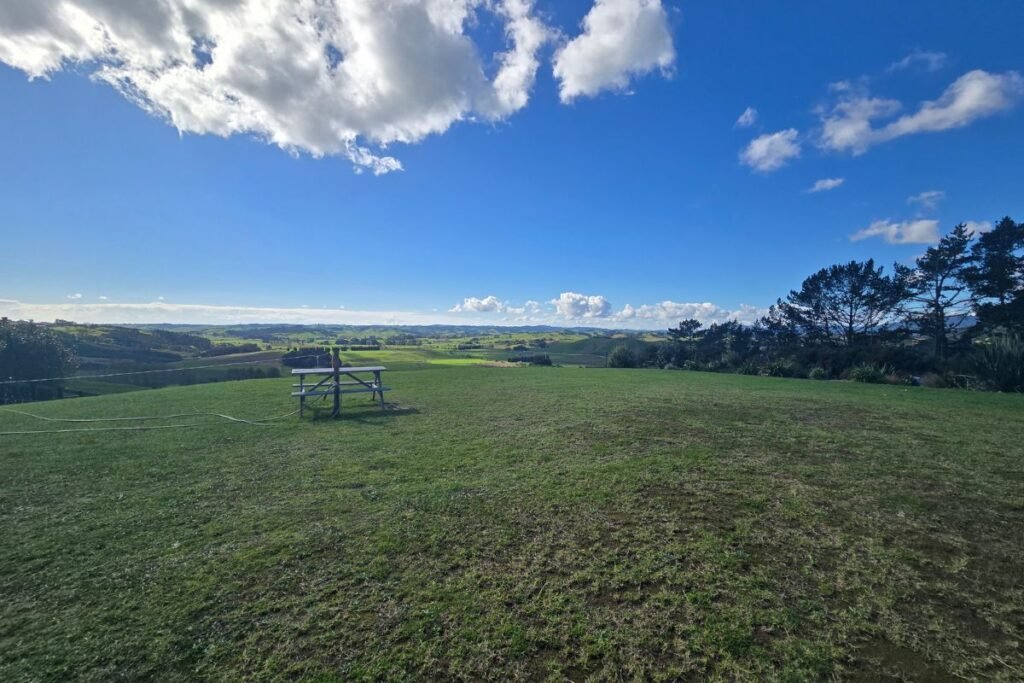
Kaitaia is the practical gateway to the Far North.
For us it also carries strong family ties, with much of our connection to the region beginning here through whānau and childhood trips north.
Most travellers pass through Kaitaia while heading toward Cape Reinga, Karikari Peninsula, Doubtless Bay, or the Hokianga. It is the place where people stock up, refuel, reorganise supplies, and prepare for the more remote parts of Te Tai Tokerau.
You will find all the essentials here including supermarkets, fuel stations, Mitre 10, Hunting & Fishing, The Warehouse, and plenty of takeaway options.
From Kaitaia, roads branch in every direction:
- West toward Ahipara and the Hokianga
- North toward Cape Reinga
- East toward Karikari Peninsula and Doubtless Bay
- South through the Mangamukas toward Kaikohe and the Bay of Islands
Kaitaia may not be packed with major attractions, but it plays an important role in the rhythm of travelling through the Far North.
🌿 Want a clear, easy plan for exploring this region?
Our Town & Regional Guides bring everything together in one place:
- Where to stay
- What to do
- Local tips
- How to move through the area without overthinking it
👉 Take the guesswork out of planning and explore the full guide here
Ko te pae tawhiti whāia kia tata, ko te pae tata whakamaua kia tīna.
Pursue the distant horizons so they become close. Hold fast to those that are near.