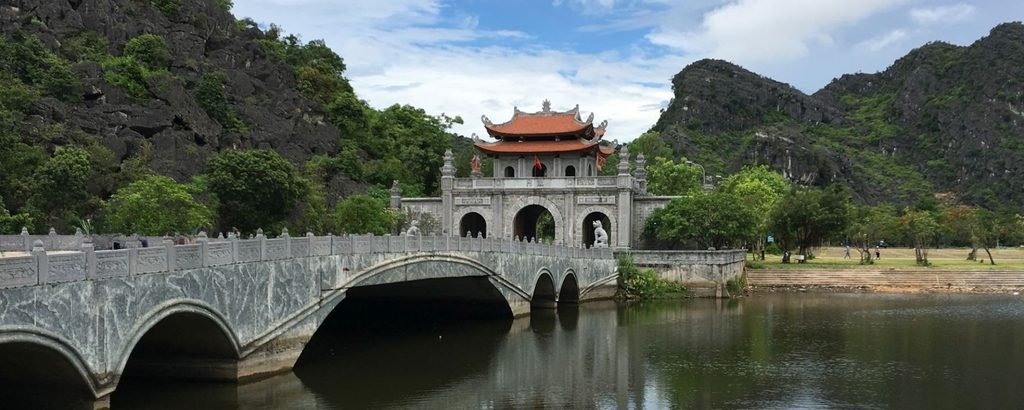
Vietnam is a country of incredible contrasts, where bustling cities, ancient towns, beautiful landscapes and some of the freshest food in Southeast Asia come together. From the busy streets of Hanoi to the lantern-lit riverside of Hoi An and the waterways of the Mekong Delta, there is so much to discover. Whether you are planning your first visit or returning to explore more, this Vietnam travel guide will help you discover the country’s most popular destinations, memorable experiences and practical things to know before you go.
Why Visit Vietnam?
Vietnam offers an incredible variety of experiences, from exploring historic streets and colourful markets to cruising through limestone landscapes, visiting ancient temples and enjoying some of Asia’s most memorable food. Each region has its own character, with Hanoi’s lively Old Quarter, the coastal charm of Hoi An and the energy of Ho Chi Minh City offering very different experiences. Whether you enjoy food, culture, history or simply discovering everyday local life, Vietnam is a destination that rewards travellers who are willing to explore beyond the familiar.
Our Vietnam Experience
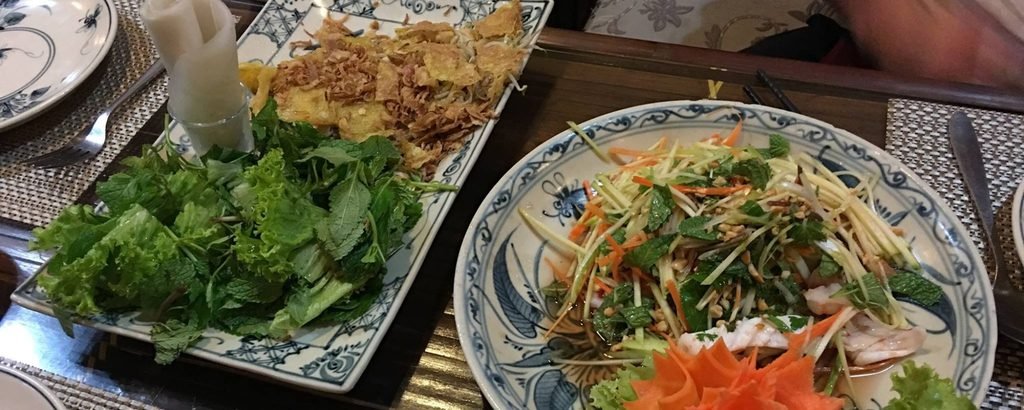
Toni and I spent 14 days travelling through Vietnam on an organised tour, something we do not usually choose, but with limited time we wanted to see as much as possible. Our journey began in Hanoi, where the heat, humidity and seemingly endless motorbikes gave us quite a culture shock. It took a few days to find our feet, but as we travelled south, we began to appreciate the rhythm of everyday life, the warmth of the people and the wonderful food that quickly became one of the highlights of our trip. Along the way, we explored historic streets, visited temples and markets, took memorable day trips and discovered places we would never have found on our own. Food tours introduced us to some of our favourite eateries, while Hoi An gave us time to slow down and enjoy a different side of Vietnam. In this guide, we share the places we visited, the experiences we enjoyed and a few practical tips from our own journey.
Table of Contents
Best Things to Do in Vietnam
Vietnam offers a wonderful mix of history, culture, food and natural landscapes, with experiences that vary considerably from north to south. These six attractions are a good starting point for a first visit, and several were highlights of our own journey.
1. Visit the Ho Chi Minh Mausoleum in Hanoi
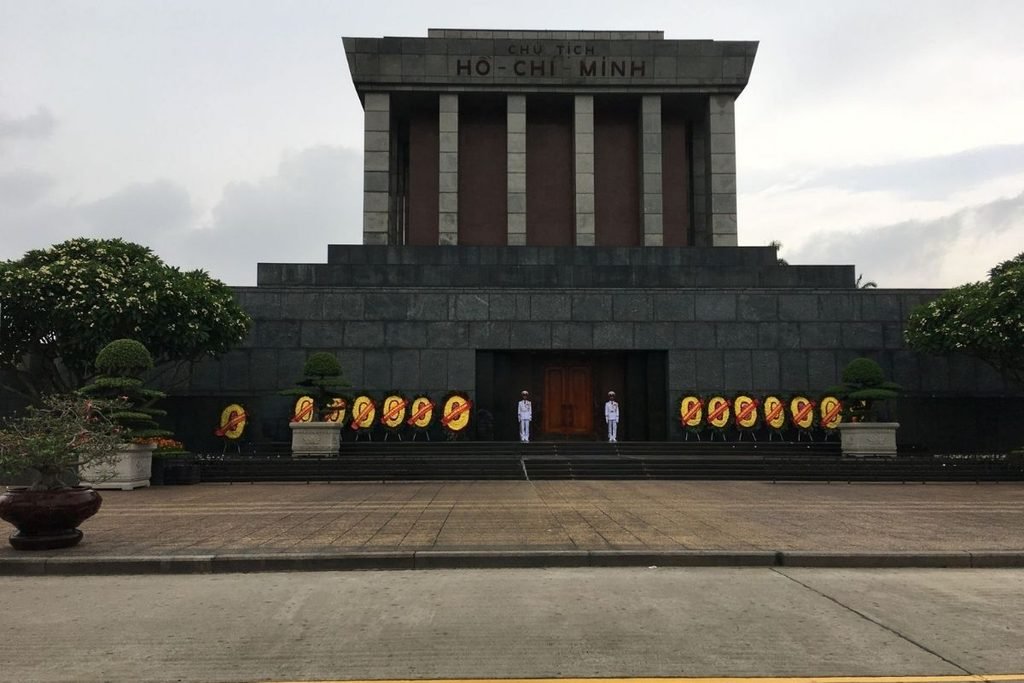
Located in Ba Dinh Square, the Ho Chi Minh Mausoleum is one of Hanoi’s most significant historical landmarks. It is the resting place of Ho Chi Minh, the revolutionary leader who played a central role in Vietnam’s independence.
- Why visit: Learn more about Vietnam’s modern history and explore the surrounding historical area.
- Good to know: Dress respectfully and check opening days, visiting hours and entry requirements before going.
2. See the Golden Bridge at Ba Na Hills, Da Nang
The Golden Bridge is one of Vietnam’s most recognisable attractions, with its walkway appearing to be held aloft by two enormous stone hands. Located in the Ba Na Hills near Da Nang, it offers mountain views and plenty of opportunities for photography.
We visited on a separate day tour, which also included the Lady Buddha statue and Marble Mountains. It was a memorable day and showed us a very different side of the Da Nang area.
- Why visit: The unusual architecture, mountain scenery and surrounding attractions.
- Good to know: Ba Na Hills can be busy, and the weather at higher elevations may differ from Da Nang. Check what is included in your tour or ticket.
3. Explore Hanoi’s Old Quarter
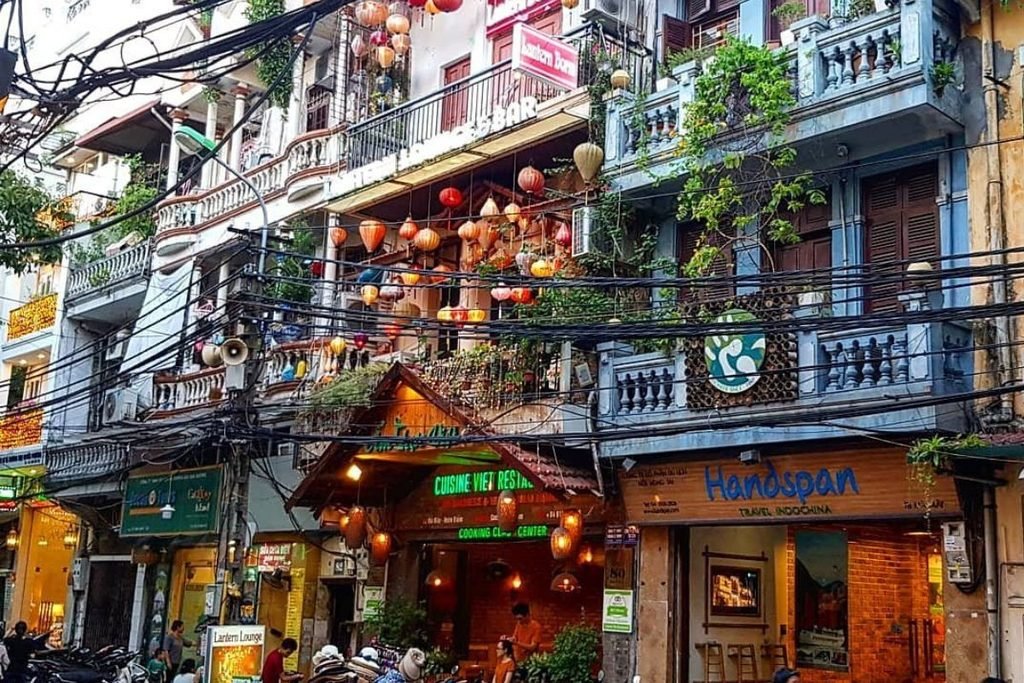
Hanoi’s Old Quarter is a fascinating place to experience the city’s everyday life. Narrow streets are filled with small eateries, markets, shops, motorbikes and traditional buildings, creating an atmosphere unlike anywhere else we had visited at the time.
We stayed in the centre and initially found the traffic overwhelming, but the area gradually became one of the most interesting parts of our trip. Between sightseeing, we discovered wonderful food, enjoyed massages and spent time around Hoan Kiem Lake.
- Why visit: Street food, local markets, historic streets and the energy of Hanoi.
- Good to know: Footpaths can be obstructed and traffic is busy. Take care when crossing roads and allow extra time to get around.
4. Take a Trang An Grottoes Day Tour from Hanoi
A day trip to Ninh Binh was one of the highlights of our time in northern Vietnam. The area is known for its limestone mountains, waterways, rice fields and historic temples, offering a beautiful contrast to the busy streets of Hanoi.
Our tour included a boat trip through Trang An, visits to Hoa Lu Ancient Capital and Mua Caves, lunch and the use of bicycles. It was a full day, but we enjoyed seeing so much of the countryside.
- Why visit: Spectacular scenery, peaceful waterways and a mix of nature and history.
- Good to know: Ninh Binh is a few hours from Hanoi, so expect an early start. Check whether your tour includes Trang An or Tam Coc, as itineraries vary.
5. Join a Vietnamese Food Tour
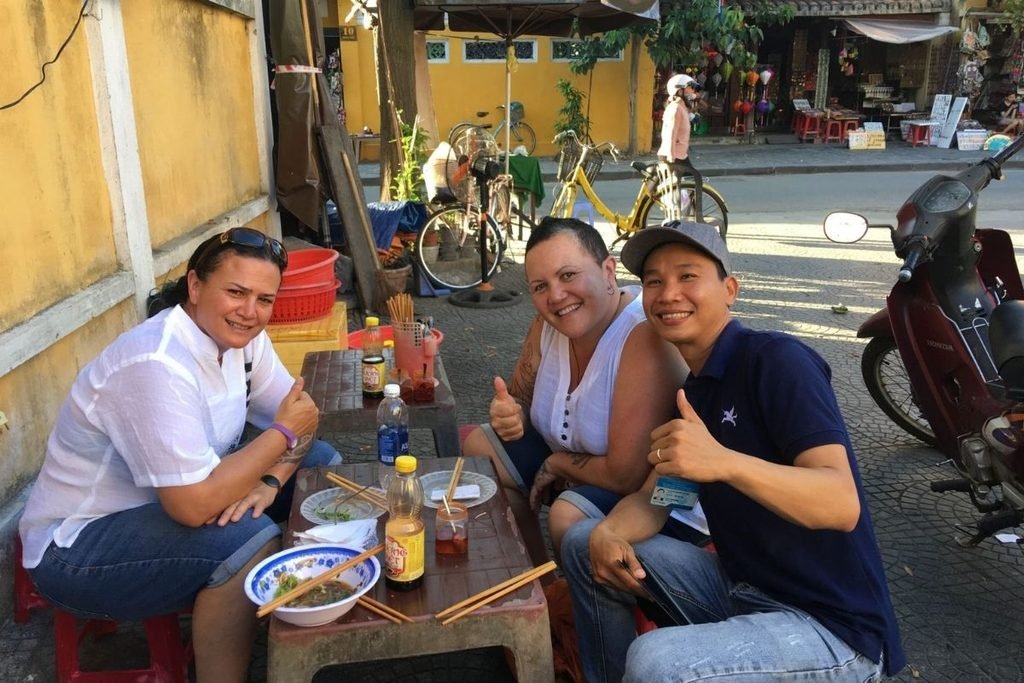
Food tours were among our favourite experiences in Vietnam, and we took them in several of the main cities. They introduced us to local dishes, markets and small eateries we would probably never have discovered on our own.
In Hanoi, our guide took us through local markets and introduced us to a variety of traditional foods. We also enjoyed food tours in Hoi An and Ho Chi Minh City, and in Hoi An we returned to several of the places we had discovered during the tour.
- Why visit: Taste regional dishes, learn about Vietnamese food culture and discover local eateries.
- Good to know: Arrive hungry, mention any dietary requirements and consider booking a tour early in your stay so you can return to your favourite places.
6. Visit the War Remnants Museum in Ho Chi Minh City
The War Remnants Museum is one of Ho Chi Minh City’s most important historical attractions, presenting exhibitions and photographs relating to the Vietnam War and its lasting effects.
It can be an emotional and confronting experience, but it offers visitors an opportunity to learn more about a significant period in Vietnam’s history.
- Why visit: Gain a deeper understanding of Vietnam’s modern history and the impact of war.
- Good to know: Some exhibits contain graphic and distressing material. Allow enough time to explore at your own pace.
Tohu Tip: If your time in Vietnam is limited, choose a few experiences that genuinely interest you rather than trying to fit everything into every day. Our organised tour allowed us to see a great deal in 14 days, but the pace was demanding, particularly in the heat and humidity. A little downtime can make the whole journey more enjoyable.
Best Places to Visit in Vietnam
Vietnam’s long, narrow shape means each region offers something different, from the historic streets and limestone landscapes of the north to the coastal towns of central Vietnam and the busy cities of the south. During our 14-day journey, we travelled from Hanoi to Ho Chi Minh City, discovering five destinations that offer a wonderful introduction to the country.
Hanoi
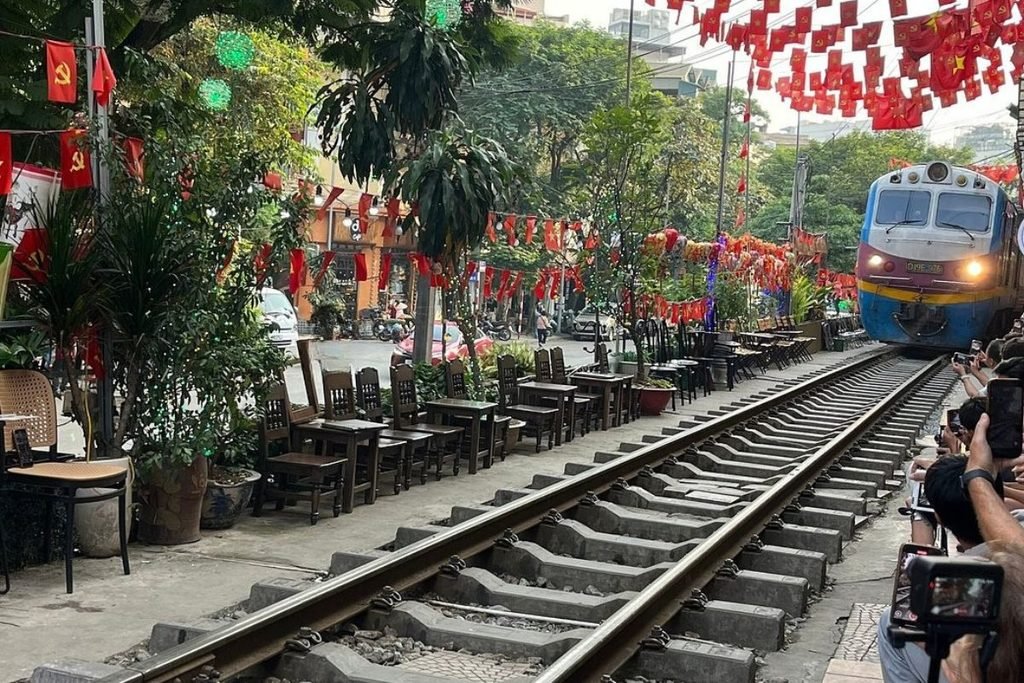
Hanoi was our first introduction to Vietnam, and it certainly made an impression. The capital is a fascinating mix of historic streets, beautiful lakes, traditional markets and modern city life, all surrounded by an almost constant flow of motorbikes.
We stayed in the Old Quarter, where we discovered wonderful food, enjoyed evening walks around Hoan Kiem Lake and gradually learned how to navigate the busy streets. Our time here also included a memorable food tour and a day trip to Ninh Binh.
- Best for: History, street food, markets and experiencing everyday Vietnamese life.
- Don’t miss: The Old Quarter, Hoan Kiem Lake, Ho Chi Minh Mausoleum and a food tour.
- Allow: 3–4 days, with an additional day if you plan to visit Ninh Binh.
Our detailed Hanoi Travel Guide will cover where we stayed, our favourite eateries, things to do and the practical lessons we learned along the way.
Ha Long Bay
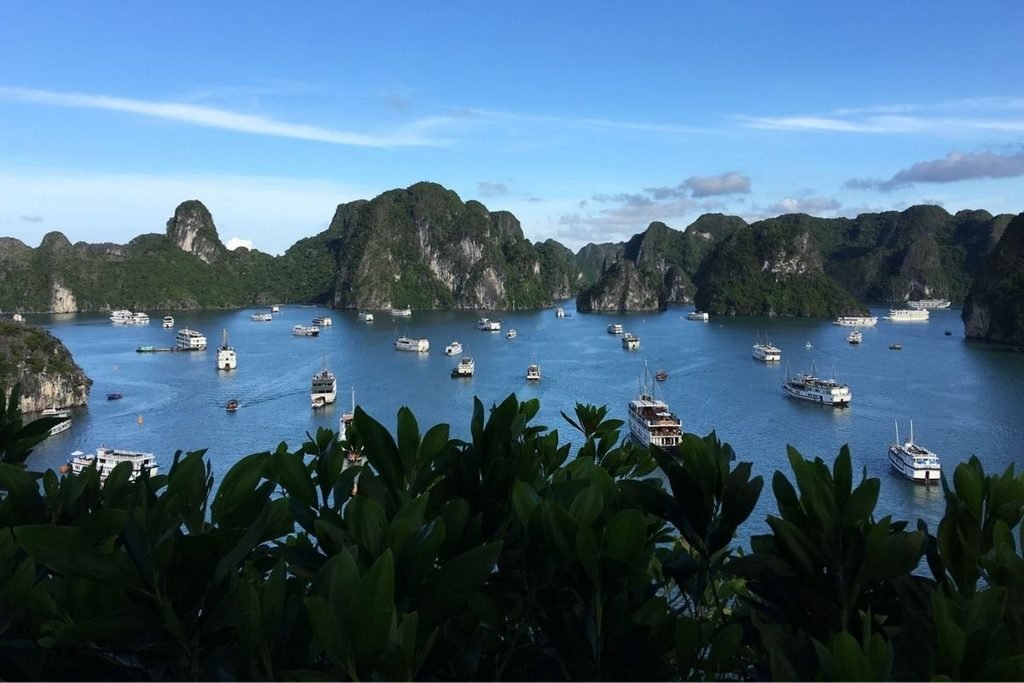
Ha Long Bay was one of the most memorable parts of our Vietnam journey. We spent two nights aboard a cruise boat, surrounded by towering limestone islands and beautiful waterways. After the noise and energy of Hanoi, we were looking forward to a little peace, and the bay certainly delivered.
The drive from Hanoi took around four hours, with several stops along the way. As part of our organised tour, we visited factories and workshops supporting local artists, including people with disabilities. Although the stops were compulsory, we found them fascinating and appreciated seeing the work being done.
Arriving at Ha Long Bay was well organised, and we were soon shown to our rooms aboard the boat. The accommodation, staff and food were all excellent, making the cruise a comfortable and enjoyable experience. Our days included kayaking through the limestone scenery, visiting a cave temple and climbing to a viewpoint on one of the islands. The climb nearly finished me off in the heat, but the views made it worthwhile.
One moment still makes us laugh. After a week of being approached by people selling everything imaginable, we thought we had finally escaped the sales pitches. I was in the bathroom when I heard someone calling through the window. Looking out, I discovered a small boat alongside ours, with people eagerly offering beer, snacks and souvenirs. Even out on the water, there was no escaping it!
- Best for: Limestone scenery, cruising, kayaking and enjoying a slower pace.
- Don’t miss: A boat cruise, kayaking, cave visits and the views from one of the islands.
- Allow: 2–3 days, depending on whether you choose a one- or two-night cruise.
Our experience: We found the two-night cruise a wonderful way to enjoy Ha Long Bay without feeling rushed. The activities were well organised, the staff were accommodating and the scenery was spectacular. It was a welcome change of pace during our busy 14-day tour.
Our detailed Ha Long Bay Travel Guide will cover the journey from Hanoi, what to expect aboard the boat, the activities we enjoyed and practical tips for choosing a cruise.
Hoi An
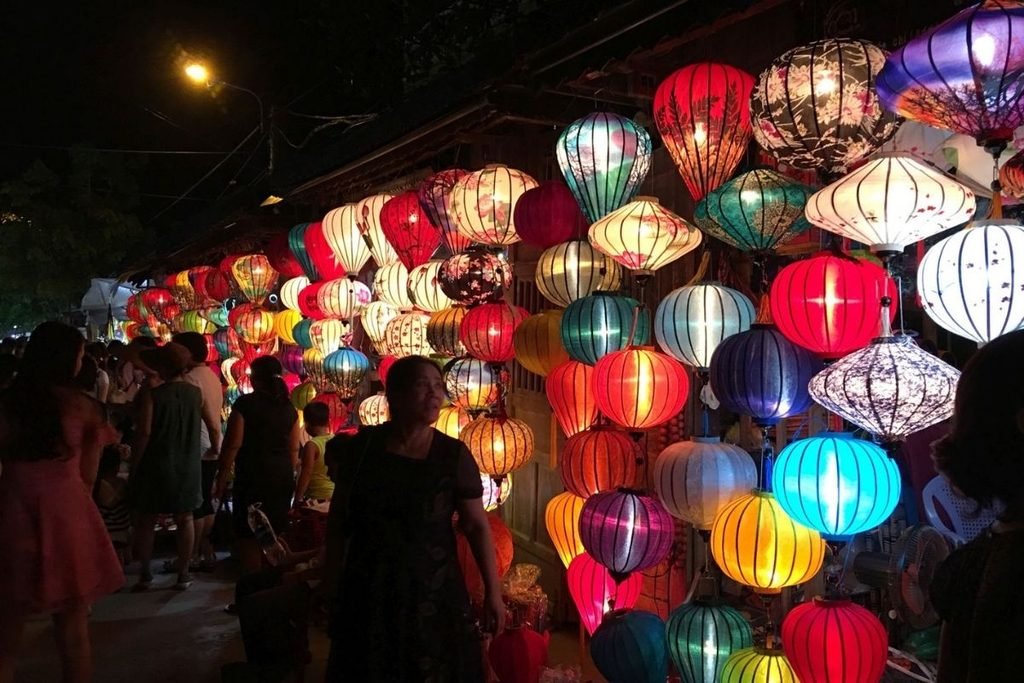
Hoi An was one of our favourite places in Vietnam and gave us a welcome opportunity to slow down after the busy pace of our tour. We spent five nights here, staying within easy reach of the Ancient Town and using bicycles to get around.
The town is known for its beautifully preserved buildings, colourful lanterns, riverside restaurants and tailor-made clothing. We particularly loved visiting the Ancient Town in the evening, when the lanterns lit up the river and the atmosphere felt peaceful despite the crowds. Our food tour was another highlight, introducing us to eateries we returned to throughout our stay.
- Best for: Food, culture, cycling, shopping and a slower pace of travel.
- Don’t miss: The Ancient Town, Japanese Covered Bridge, evening lanterns and a food tour.
- Allow: 3–5 days, especially if you want to include day trips.
Our Hoi An Travel Guide will include our favourite experiences, where we stayed, the food we enjoyed and our day trips to My Son Sanctuary and the Cham Islands.
Da Nang
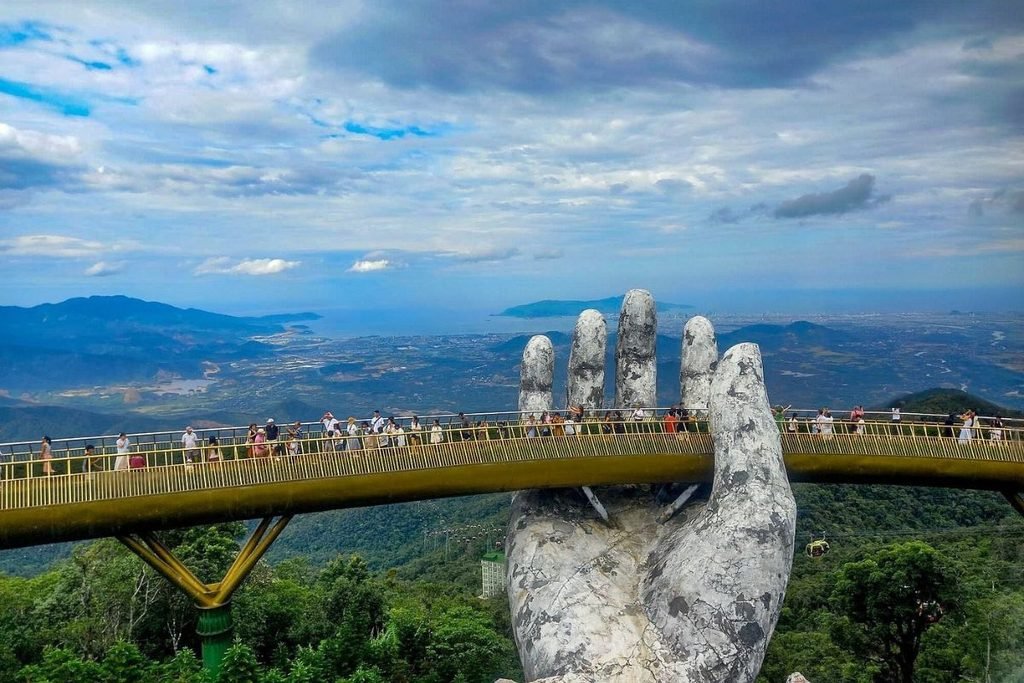
Da Nang offers a different side of Vietnam, with modern city life, beaches, mountain scenery and several major attractions within easy reach. We found it a little more modern than Hanoi, with plenty to see and do in the surrounding area.
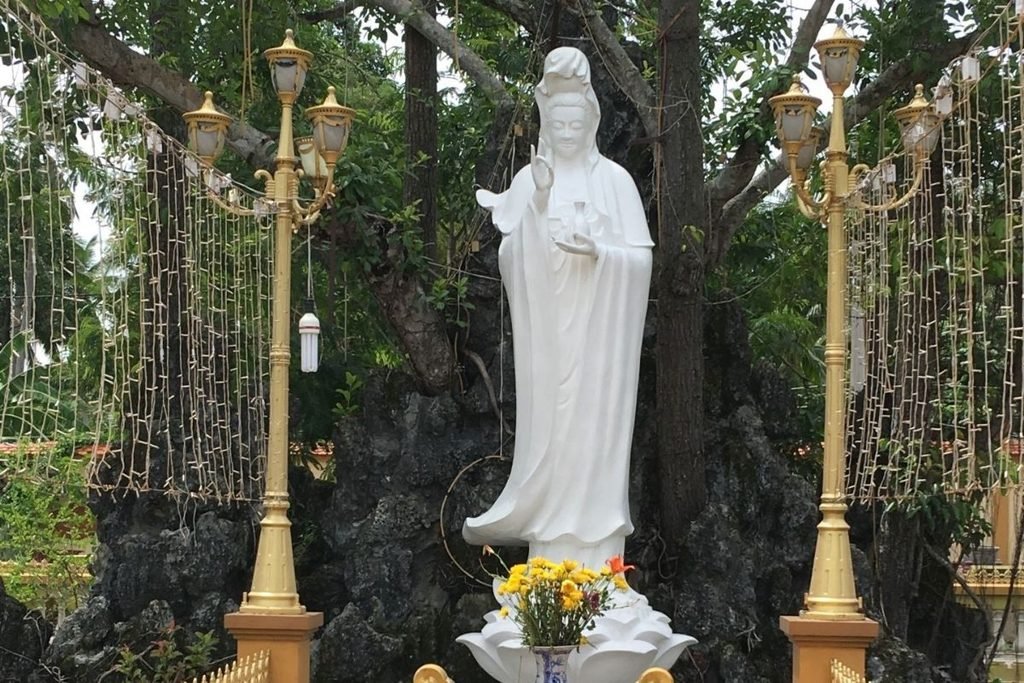
We took a separate day tour to visit the Golden Bridge at Ba Na Hills, the Lady Buddha statue and Marble Mountains. It was a full day, but the variety of scenery and attractions made it one of our most memorable outings in central Vietnam.
- Best for: Beaches, sightseeing, mountain views and day trips.
- Don’t miss: Golden Bridge, Marble Mountains and Lady Buddha.
- Allow: 2–3 days, or visit as part of a longer stay in nearby Hoi An.
We’ll share more about the attractions, transport and whether to stay in Da Nang or Hoi An in our detailed Da Nang Travel Guide.
Ho Chi Minh City
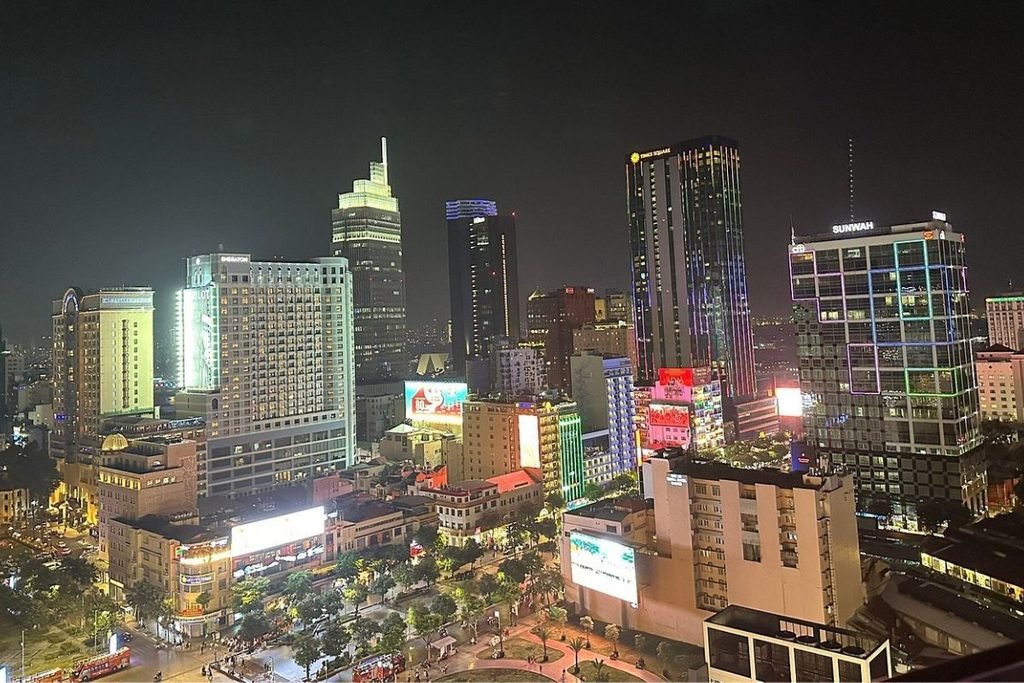
Ho Chi Minh City, still widely known as Saigon, is Vietnam’s largest city and a lively mix of historic landmarks, modern buildings, busy markets and excellent street food. By the time we arrived, we had become much more comfortable with Vietnam’s traffic and found it easier to get out and explore.
We enjoyed shopping and eating at Ben Thanh Market, joined another street food tour and took a full-day trip to the Mekong Delta. The Mekong experience was a particular highlight, with boat trips, local villages, markets and a wonderful Vietnamese lunch.
- Best for: History, markets, street food and day trips.
- Don’t miss: Ben Thanh Market, War Remnants Museum, a food tour and the Mekong Delta.
- Allow: 3–4 days, including a day trip to the Mekong Delta.
Our separate Ho Chi Minh City Travel Guide will cover our favourite experiences, the Mekong Delta tour, food, shopping and practical tips for exploring the city.
Tohu Tip: If you have around two weeks in Vietnam, choosing a few main bases and taking day trips can help you see a good variety of the country without constantly changing accommodation. Our organised tour covered a lot of ground, but we particularly appreciated having five nights in Hoi An to enjoy the town at our own pace.
Getting Around Vietnam
Travelling between Vietnam’s main destinations is relatively straightforward, with domestic flights, trains, buses and private transfers offering different ways to explore the country. Your choice will depend on the distance, your budget and how much time you want to spend travelling.
Many organised tours include buses or trains for longer journeys, with the option to upgrade to a domestic flight if you would prefer to reach your next destination faster. We chose to fly from Hanoi to Da Nang rather than take the overnight bus, and although it cost a little more, we felt the extra time at our destination was well worth it.
Once we reached each city, walking, bicycles and organised day tours worked well for us. Here are the main transport options to consider when planning your Vietnam trip.
Domestic Flights
Flying is one of the quickest ways to travel between Vietnam’s major cities, particularly when covering long distances between the north, central and southern regions.
We flew from Hanoi to Da Nang and later from Da Nang to Ho Chi Minh City, which gave us more time to enjoy each destination. Our tour offered an overnight bus option for the first journey, but we decided the flight suited us better.
- Best for: Travellers with limited time or those covering long distances.
- Good to know: Allow time for airport transfers, check baggage allowances and compare the total journey time rather than just the flight duration.
Trains
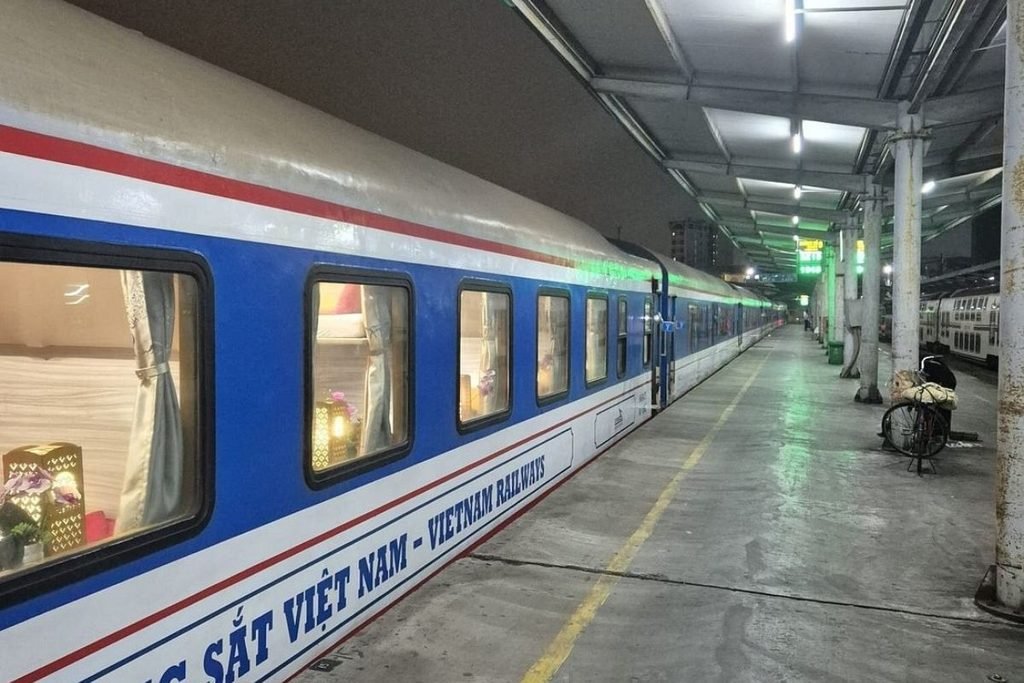
Vietnam’s railway network connects many of the country’s major destinations and offers a slower, more scenic way to travel. The main north-south line runs between Hanoi and Ho Chi Minh City, with stops including Hue, Da Nang and Nha Trang.
Although we did not travel by train on this trip, it is an option we would consider if we had more time, particularly for the scenic coastal journey between Hue and Da Nang.
- Best for: Travellers who enjoy scenic journeys and have a little more time.
- Good to know: Overnight sleeper options are available on some routes. Book ahead during busy periods and check the facilities and journey times before choosing your ticket.
Buses and Sleeper Buses
Buses are a popular and affordable way to travel around Vietnam, with services connecting cities, towns and smaller destinations. Longer routes may offer sleeper buses with reclining seats or beds.
We chose to fly rather than take the overnight bus from Hanoi to Da Nang, but friends travelling with us took the bus and said it was surprisingly comfortable. At the end of our Vietnam journey, we also travelled by bus from Ho Chi Minh City into Cambodia.
- Best for: Budget-conscious travellers and routes not conveniently served by flights or trains.
- Good to know: Comfort varies between operators, so check reviews, seating arrangements and luggage allowances before booking.
Getting Around Cities
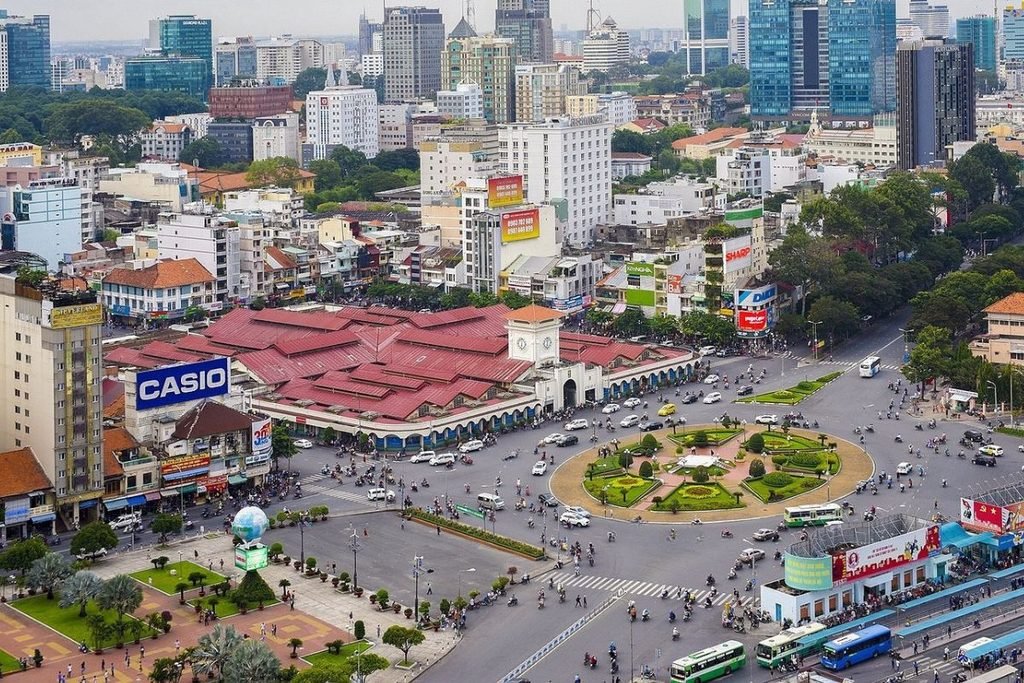
Within the main cities, we found that walking, taxis and organised tours were the most practical ways to get around. Walking allowed us to discover small eateries, markets and everyday local life, although the traffic took some getting used to.
Hanoi was particularly overwhelming when we first arrived. Motorbikes seemed to come from every direction, and footpaths were often occupied by parked scooters, stalls or people eating. We gradually became more confident, but crossing the road was never something we took lightly.
- Walking: Great for exploring central areas, but expect uneven or obstructed footpaths and busy crossings.
- Taxis and ride-hailing: Useful for longer distances, airport transfers and avoiding the heat. Confirm the fare or use a reputable booking app.
- Private drivers and tours: A convenient option for day trips and attractions outside the city.
- Bicycles: Particularly enjoyable in quieter areas. We used bicycles during our stay in Hoi An and loved the freedom they gave us.
Should You Rent a Scooter in Vietnam?
Scooters are everywhere in Vietnam, and renting one can offer flexibility for experienced riders. However, we chose not to ride scooters during our visit, particularly after experiencing the traffic in Hanoi.
If you are considering hiring one, make sure you have the correct licence, appropriate insurance and experience riding in busy conditions. A rental company being willing to hand over a scooter does not necessarily mean you are legally permitted or insured to ride it.
Tohu Tip: If you only have two weeks in Vietnam, consider flying between the main regions and using local transport or day tours once you arrive. If you have more time, trains and buses can be a wonderful way to see the countryside and experience the journey at a slower pace.
Best Time to Visit Vietnam
Vietnam can be visited throughout the year, but the best time to go depends on which regions you plan to explore. The country stretches a long way from north to south, so the weather can be quite different in Hanoi, Hoi An and Ho Chi Minh City at the same time.
If you are travelling across the country, there is no single month that guarantees perfect weather everywhere. It is worth considering your route, the activities you want to enjoy and how comfortable you are travelling in heat and humidity.
Northern Vietnam
Northern Vietnam, including Hanoi, Ha Long Bay and Ninh Binh, has more noticeable seasonal changes than the south. Winters can be cooler, while summer brings hotter, more humid conditions and heavier rainfall.
- March to April: Often a pleasant time for sightseeing, with generally mild temperatures.
- May to September: Hotter and more humid, with increased rainfall and the possibility of storms.
- October to November: Often a good time for exploring, with more comfortable temperatures.
- December to February: Cooler, particularly in the mountains, with some misty or overcast days.
Good to know: Ha Long Bay cruises can be affected by storms and poor weather, so allow some flexibility if a cruise is an important part of your trip.
Central Vietnam
Central Vietnam includes Da Nang, Hoi An and Hue. This region has a different weather pattern from the north and south, with a generally drier period during the first half of the year and heavier rainfall later in the year.
- February to April: Often a good time for sightseeing and exploring Hoi An.
- May to August: Hot and generally suitable for beach activities, although temperatures can be intense.
- September to January: Wetter conditions are more common, with a risk of storms and flooding, particularly around Hoi An.
Good to know: If you are planning to visit Hoi An during the wetter months, check recent weather conditions and allow flexibility for outdoor activities and day trips.
Southern Vietnam
Southern Vietnam, including Ho Chi Minh City and the Mekong Delta, stays warm throughout the year. The main difference is between the drier and wetter seasons rather than large changes in temperature.
- December to April: Generally the drier period and a popular time for sightseeing.
- May to November: Wetter season, with frequent tropical showers and higher humidity.
Rain does not necessarily mean it will pour all day, but it is worth allowing extra time for outdoor activities and keeping a light rain jacket handy.
When Would We Go Again?
Our first Vietnam trip was hot and humid, particularly in Hanoi, and the pace of our organised tour made the heat more noticeable. We still had a wonderful time, but next time we would allow more downtime and avoid packing quite so much into each day.
For a first trip covering several regions, March and April are often a good compromise, although conditions vary from year to year. If you are planning a beach holiday, mountain trekking or a Ha Long Bay cruise, it is worth checking the weather for those specific destinations rather than relying on a country-wide forecast.
Tohu Tip: Vietnam’s weather can be unpredictable, so do not let the possibility of rain put you off travelling. Pack for the conditions, keep your itinerary flexible where possible and remember that a little downtime can be just as enjoyable as another full day of sightseeing.
Know Before You Go to Vietnam
A little preparation can make your Vietnam trip much more enjoyable, particularly if it is your first time travelling in Southeast Asia. From entry requirements and money to traffic, food and staying connected, these are the practical things we would recommend checking before you leave home.
Entry Requirements and Visas
Vietnam’s entry requirements depend on your nationality, passport and length of stay. New Zealand passport holders should check the current visa requirements before booking, as rules and permitted stays can change.
- Passport: Check that your passport meets Vietnam’s validity requirements and has sufficient blank pages.
- Visa: Confirm whether you need an e-visa and apply through the official Vietnamese immigration website.
- Onward travel: Keep your flight or onward travel details accessible in case they are requested.
- Travel insurance: Make sure your policy covers your planned activities and any medical conditions you need to declare.
Tohu Tip: Always use official government websites for visa applications. Third-party sites can look convincing and may charge additional fees.
Money and Paying for Things
Vietnam uses the Vietnamese dong (VND). Cash is still useful for markets, small eateries, local transport and purchases from street vendors, although cards are accepted at many hotels and larger businesses.
- Carry a mixture of smaller notes for everyday purchases.
- Use ATMs at reputable banks and check withdrawal fees.
- Keep some cash available when travelling outside major cities.
- Check the exchange rate before paying, particularly when prices involve large numbers of dong.
We found it helpful to have cash ready for food, markets and smaller purchases rather than relying entirely on cards.
Staying Connected
Having mobile data makes travelling much easier, especially for maps, translation, transport bookings and keeping in touch with family.
- eSIM: Convenient if your phone supports one and you prefer to organise data before arriving.
- Local SIM: Available from mobile providers and authorised retailers.
- Wi-Fi: Common in hotels, cafés and many restaurants, although quality can vary.
Download offline maps and keep important booking details accessible in case you lose your connection.
Food, Water and Staying Well
Vietnamese food was one of the highlights of our trip, but it is worth taking a few sensible precautions when eating and drinking. We particularly enjoyed busy local eateries and food tours, where we could discover dishes and places we might not have found ourselves.
Before travelling, speak with your doctor or travel health professional about recommended vaccinations, any personal health considerations and what medication may be appropriate to carry for stomach upsets. We were glad we had prepared for this, as we needed our medication during our time in Hanoi.
- Drink bottled, filtered or otherwise treated water.
- Choose food that is freshly prepared and served hot.
- Wash or sanitise your hands before eating.
- Carry oral rehydration salts and any medication recommended by your doctor.
- Seek medical advice if you develop severe symptoms, persistent diarrhoea, fever or signs of dehydration.
Tohu Tip: A food tour early in your stay is a wonderful way to learn about local dishes and discover eateries you may want to return to. It certainly worked for us in Hanoi and Hoi An.
Traffic and Crossing the Road
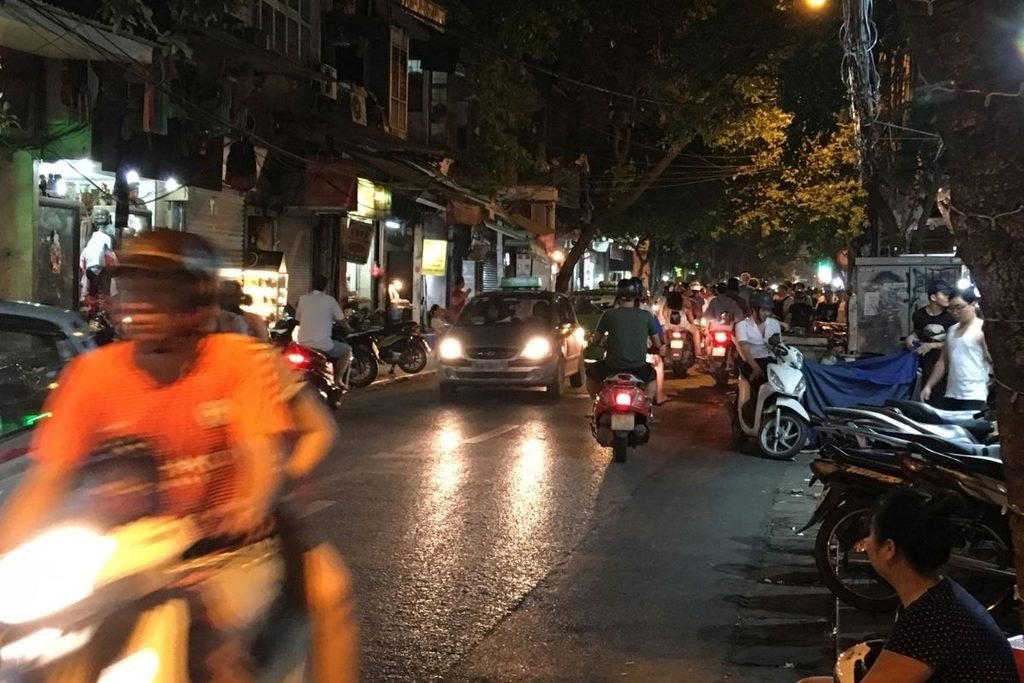
Vietnam’s traffic can be one of the biggest adjustments for first-time visitors. Hanoi was a real culture shock for us, with motorbikes everywhere and footpaths often occupied by parked scooters, cooking or dining.
Toni and I even made a pact not to help one another cross the road. We would say, “See you on the other side,” then each concentrate on getting across safely. It sounds funny now, but at the time, even going out for dinner could feel like a mission!
- Use designated crossings where available.
- Follow traffic signals and local guidance.
- Move predictably and avoid sudden changes of direction.
- Never assume vehicles will stop or go around you.
- Take extra care when walking on roads where footpaths are obstructed.
We became more confident as the trip went on, but traffic is something to approach with patience and care, not something to underestimate.
Shopping and Salespeople
Markets and street shopping are part of the Vietnam experience, and we enjoyed browsing for souvenirs and trinkets. However, you may also encounter people offering goods or services in busy tourist areas, sometimes quite persistently.
We experienced this throughout our trip, including the memorable moment when a small boat pulled alongside our Ha Long Bay cruise and someone called through our bathroom window offering beer, snacks and souvenirs!
- Agree on prices before purchasing or accepting a service.
- Carry small notes for markets and everyday purchases.
- Be polite but firm if you are not interested.
- Check what is included in tours, transfers and activities before booking.
A friendly “no, thank you” is usually all that is needed, and there is no obligation to buy.
What to Pack
Vietnam’s climate varies by region and season, so pack according to your itinerary rather than assuming the weather will be the same everywhere.
- Lightweight clothing: Breathable fabrics are useful in hot and humid conditions.
- Comfortable walking shoes: Particularly important for uneven footpaths, markets and sightseeing.
- Rain protection: A lightweight rain jacket or compact umbrella.
- Sun protection: Hat, sunglasses and sunscreen.
- Temple clothing: Something to cover shoulders and knees when required.
- Day bag: Useful for water, medication, sunscreen and other essentials.
We found the heat particularly demanding during our busy tour, so comfortable clothing and plenty of water made a real difference.
Tohu Tip: Keep copies of your passport, visa, insurance and important bookings somewhere accessible offline. A little preparation before leaving home can save a lot of unnecessary stress once you arrive.
Final Thoughts on Vietnam
Vietnam was a country that took us a little time to settle into, but by the end of our journey, we had grown to appreciate its incredible food, fascinating culture and the warmth of the people we met along the way. What began with a culture shock in Hanoi became a memorable two weeks of exploring, learning and discovering places we would love to return to.
Our organised tour allowed us to see a great deal, from the limestone scenery of Ha Long Bay to the lantern-lit streets of Hoi An and the waterways of the Mekong Delta. We enjoyed the variety, but we also learned that having time to slow down can be just as important as seeing another attraction. Our five nights in Hoi An were a perfect example of that.
Vietnam is a destination we would happily visit again, and next time we would travel at a more relaxed pace, spend longer in the places we loved and explore some of the regions we missed. Whether you are planning your first visit or returning for another adventure, we hope our experiences help you discover a little of what makes Vietnam such a rewarding country to explore.
“If we were meant to stay in one place, we’d have roots instead of feet.”
🌍 Travel Planning Resources
These are the tools we personally use and trust when planning our travels from finding a place to stay to booking activities, transport and insurance. Let your “Tohu” guide you “Trust the Journey” and follow what feels right for you.
- ✈️Flights – Compare great deals with Trip.com then Kiwi.com for flexible, affordable options.
- 🚐 Campervans – Compare rental deals with Motorhome Republic across Aotearoa and beyond.
- 🛏️ Stays – Compare hotels on Trip.com and TripAdvisor or Booking.com.
- 🚐 Rental Cars – Compare prices and book through Airport Rentals by Motorhome Republic for trusted brands and easy airport pickup.
- 🎟️ Activities – Browse tours and experiences on Viator, Get Your Guide, or TripAdvisor
- 🚆12Go Asia – Compare and book trains, buses, and ferries across Asia in one place with 12Go.
- 🛡️ Travel Insurance – Get flexible short-term coverage with Insubuy for your next holiday.
- 💳 Travel Money – Send, spend and manage money internationally with Wise, with easy currency conversion and a handy option for travellers.
- 🔒 Protect Your Privacy with a VPN – We recommend Surfshark VPN for secure and private browsing while travelling. It’s fast, affordable and works worldwide, perfect for public Wi-Fi at airports, cafes and hotels.
- 📱 Travel eSIM – Stay connected with Airalo
- 💼 Lounge Access – Treat yourself with Priority Pass for UK or US
- 🎶 Events & Concerts – Book tickets worldwide through Ticketmaster.
🧭 Note: Some booking links can be a bit shy when you’re using a VPN. If one doesn’t open, try pausing your VPN or switching to a different server location or secure Wi-Fi network to get things flowing again.