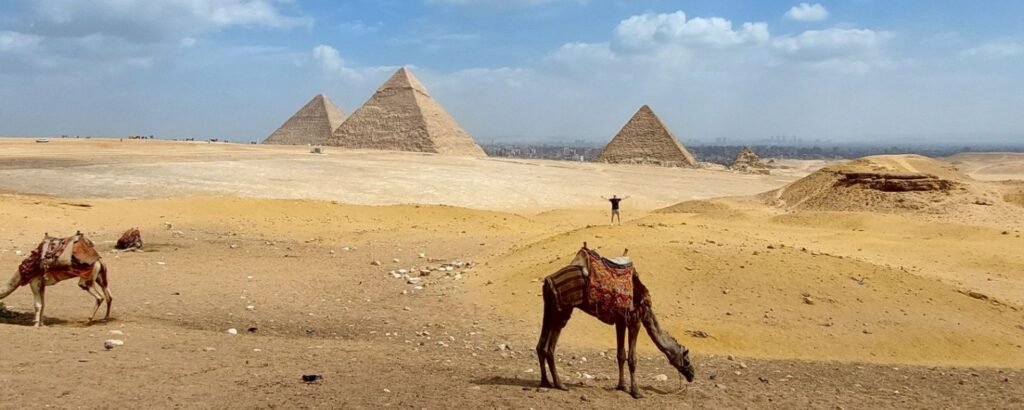
Egypt is a country where thousands of years of history are woven into everyday life. Home to the Pyramids of Giza, magnificent temples, ancient tombs and the River Nile, it is a destination that offers some of the most remarkable historic sites in the world.
Beyond the famous landmarks, Egypt is incredibly varied. You can explore the busy streets and markets of Cairo, cruise the Nile between ancient temples, experience Nubian culture in Aswan, relax beside the Red Sea or journey into the mountains of the Sinai Peninsula.
This Egypt travel guide covers the places we visited, some of the highlights worth adding to your itinerary and practical things to know before you go.
Is Egypt Easy to Travel Around?
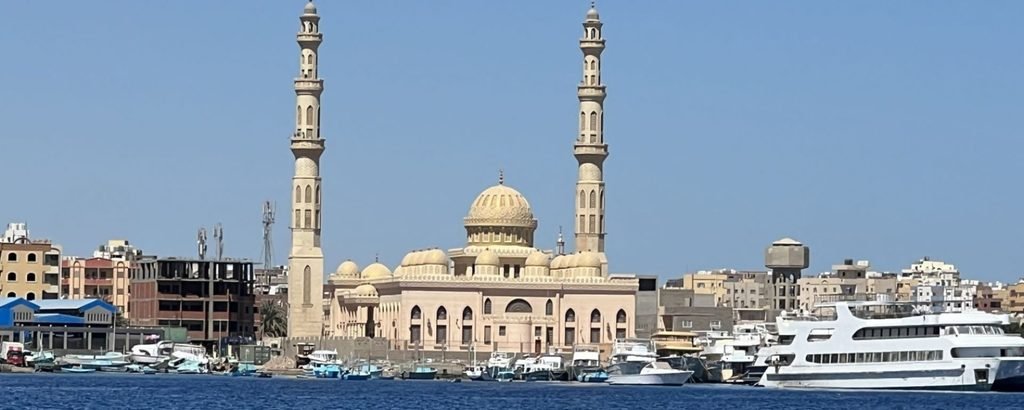
Egypt has a well-established tourism industry, but travelling independently isn’t always as straightforward as you might expect.
Distances between the major destinations can be considerable, transport takes some planning and language can sometimes be a barrier. Around popular attractions, you’ll also need to become accustomed to bargaining, tipping and persistent offers of tours, transport and other services.
For a first visit, an organised tour or local guide can make travelling through Egypt considerably easier, particularly when visiting major archaeological sites. You’ll still experience the country, but with someone else taking care of much of the transport, tickets and local logistics.
Independent travel is certainly possible, but going in prepared for a different style of travel can make the experience much more enjoyable.
Our Experience Travelling Through Egypt
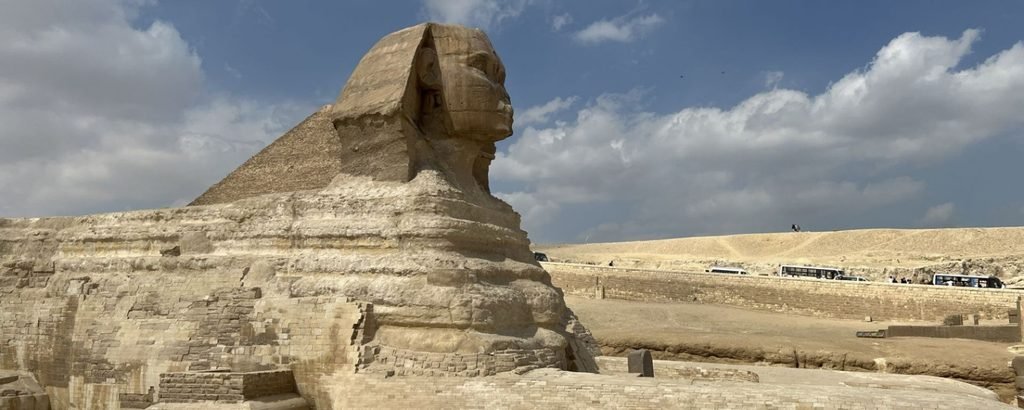
Our journey took us from Cairo and the Pyramids of Giza south to Aswan, where we stayed on Elephantine Island before joining a Nile cruise through some of Egypt’s most impressive ancient sites.
Along the way we visited Abu Simbel, Kom Ombo, Edfu and Luxor, before continuing to the Red Sea at Hurghada and then Sharm El Sheikh. Our final big adventure was climbing Mount Sinai in the darkness, an experience that became one of the most memorable parts of our trip.
Egypt wasn’t one of our favourite countries to travel through. At times we found the language barrier, constant negotiating and attention as tourists challenging, particularly when we were exploring independently.
But we’re still glad we went.
Standing beneath the Pyramids, sailing quietly along the Nile, seeing Abu Simbel for the first time and climbing Mount Sinai are experiences we’re unlikely to forget. Egypt may have tested us along the way, but its history and some of the places we experienced were extraordinary.
Table of Contents
- Is Egypt Easy to Travel Around?
- Our Experience Travelling Through Egypt
- Things to Do in Egypt
- Where to Go in Egypt
- Getting Around Egypt
- Best Time to Visit Egypt
- Money in Egypt
- What to Wear in Egypt
- Staying Connected in Egypt
- Things to Know Before Visiting Egypt
- Food and Drinking Water in Egypt
- Safety and Travelling as a Woman in Egypt
Things to Do in Egypt
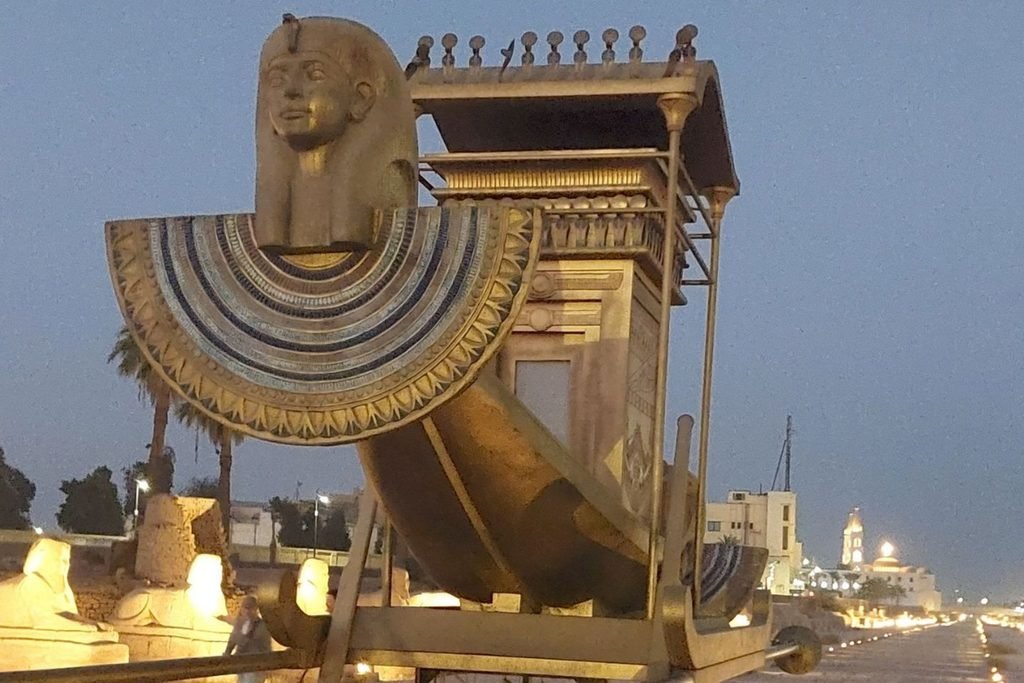
From ancient temples and tombs to Nile cruises, bustling cities and the Red Sea, there’s plenty to experience beyond the Pyramids.
Some of the highlights include:
- The Pyramids of Giza and the Sphinx
- The temples and tombs of Luxor
- Abu Simbel
- Cruising the River Nile
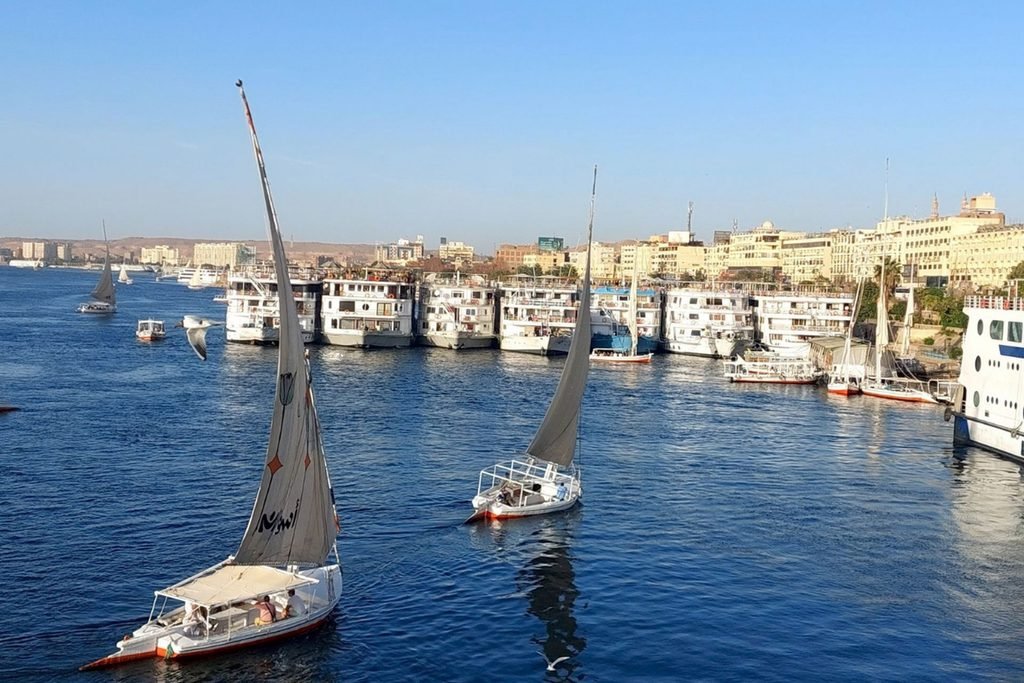
- Sailing on a traditional felucca
- Experiencing Nubian culture in Aswan
- Snorkelling or diving in the Red Sea
- Exploring Cairo’s markets and historic areas
- Climbing Mount Sinai for sunrise
We’ve covered these experiences and more in our complete guide to the best things to do in Egypt.
👉 Discover our Best Things to Do in Egypt Guide
Where to Go in Egypt
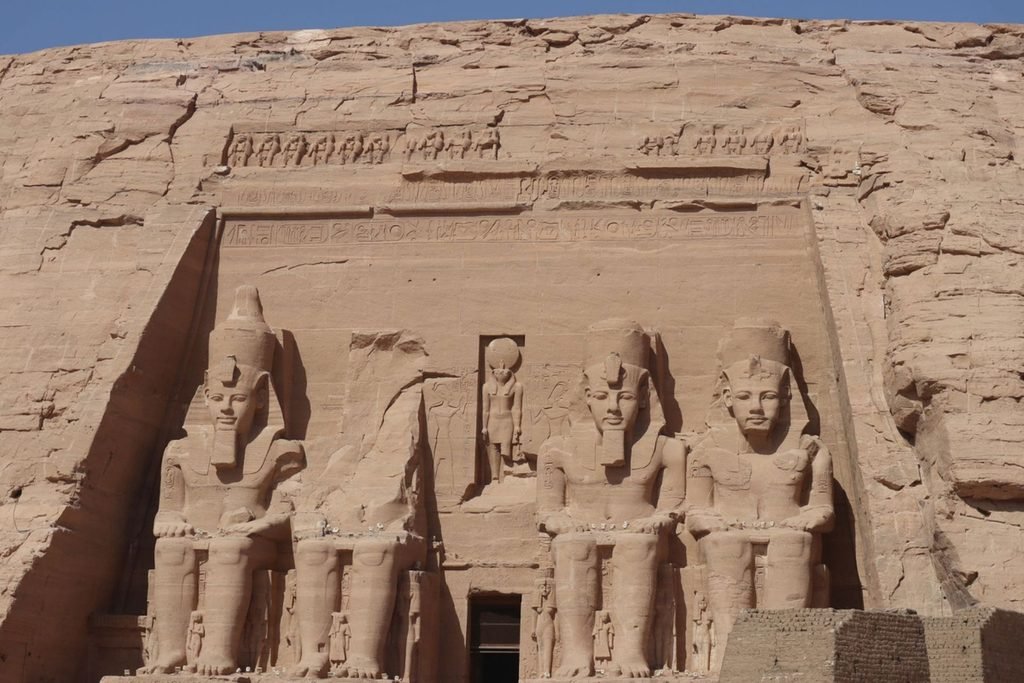
Egypt is a large country, with many of its major destinations spread along the River Nile, the Red Sea coast and into the Sinai Peninsula. Trying to fit everything into one trip can quickly become exhausting, so it’s worth choosing a route that suits the time you have.
- Cairo & Giza: The natural starting point for many visitors and the gateway to the Pyramids, museums, markets and historic neighbourhoods.
- Aswan: A more relaxed stop in southern Egypt and a lovely place to experience the Nile and Nubian culture.
- Abu Simbel: An unforgettable excursion south of Aswan and one of the most impressive ancient sites we visited.
- Luxor: Packed with temples and tombs and an essential stop if ancient Egyptian history is high on your list.
- Hurghada: A chance to slow down beside the Red Sea, with beaches, resorts, snorkelling and diving.
- Sharm El Sheikh: Another Red Sea resort destination and a useful base for exploring the Sinai Peninsula.
- Mount Sinai: A completely different Egyptian experience, with the overnight climb to the summit usually timed for sunrise.
How Long Do You Need in Egypt?
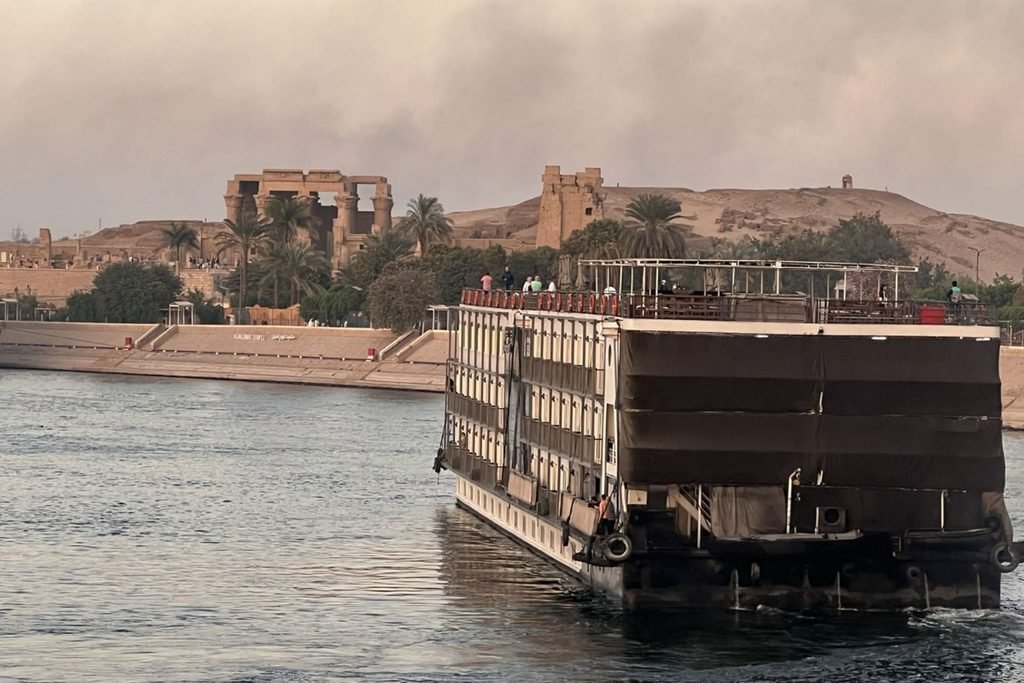
For a first visit, around 10 to 14 days gives you enough time to experience several of Egypt’s major highlights without trying to squeeze everything into a few days.
A popular route could include:
Cairo & Giza → Aswan → Nile Cruise → Luxor
If you have longer, you could then add Hurghada or Sharm El Sheikh for some time beside the Red Sea, or head into the Sinai Peninsula for Mount Sinai.
Good to know: Egypt can involve early starts, long travel days and a lot of sightseeing. Don’t underestimate how tiring several days of temples and archaeological sites can become. Adding a slower day here and there can make a big difference.
Getting Around Egypt
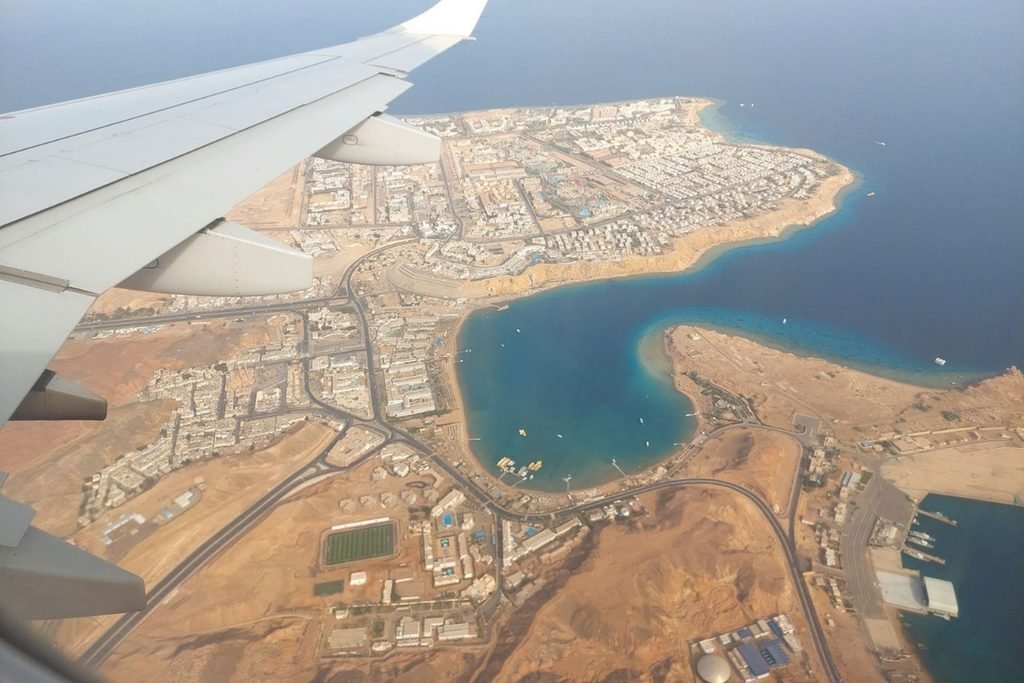
Getting around Egypt takes a little planning, particularly when you’re travelling between destinations that can be hundreds of kilometres apart. Depending on your itinerary, you’ll probably use a combination of domestic flights, private transfers, buses, taxis and Nile cruises.
Domestic Flights
Flying can save a considerable amount of travel time when covering longer distances.
We flew from Cairo to Aswan, which took just over an hour and was an easy way to travel south without spending a full day on the road.
If you’re flying independently, get to the airport early. Egyptian airports were an experience in themselves for us, and it can be quite a shock to turn a corner and discover the queue stretches right out the door.
Travellers arriving as part of organised tours may have assistance navigating airport procedures, which can make the process much easier. During one particularly tight connection in Cairo, we also witnessed how differently things could move when money changed hands. While we wouldn’t recommend relying on that, it was certainly an eye-opening part of travelling through Egypt.
Nile Cruises
A Nile cruise between Aswan and Luxor, or Luxor and Aswan, is one of the easiest ways to combine transport with sightseeing.
We chose to cruise from Aswan to Luxor because our onward journey was by bus from Luxor to Hurghada, so travelling in that direction fitted naturally into our itinerary.
Cruises generally stop at temples and historic sites along the river, allowing you to see several destinations without continually changing accommodation.
Good to know: We thoroughly enjoyed our Nile cruise and would definitely recommend including one in an Egypt itinerary. The boats were comfortable, the staff were lovely and we found the food pretty good too.
A few things worth knowing before you book:
- Expect some early starts. Our trip to Abu Simbel began at around 4.30 am, and several temple visits started early to fit around the cruising schedule.
- Meals don’t necessarily include drinks. On our cruise, the meal package covered the food but we had to purchase coffee, tea, soft drinks and water separately, even at breakfast, which we found a little unusual.
- Excursions can be flexible. You can organise tours in advance, but we were also able to book excursions the day before, so you don’t necessarily need to have every temple visit planned before you arrive.
- The temples are incredible. Each stop offered something different, and cruising the Nile made it easy to experience several of Egypt’s major historic sites along the way.
- Keep some small notes for tips. You’ll encounter plenty of people expecting a tip throughout the journey. You don’t need to tip everyone, so decide where you feel a tip is deserved rather than feeling pressured every time someone asks.
Despite the busy itinerary, cruising the Nile was one of the parts of Egypt we really enjoyed and a lovely way to travel between Aswan and Luxor.
A Nile cruise is a fantastic way to travel between Aswan and Luxor while visiting some of Egypt’s incredible temples along the way.
👉 Browse Nile River Cruises and Tours
Buses and Road Travel
We travelled by bus from Luxor to Hurghada and found the buses reasonably comfortable.
One thing we weren’t expecting was the number of police and security checkpoints along the journey.
- Allow extra time: Frequent checkpoints can slow down road travel.
- Tourists may barely notice them: We weren’t particularly affected by most of the checks.
- Local passengers had a different experience: It was during these journeys that we became more aware of the difficulties some Egyptians faced travelling around their own country, with local passengers receiving considerably more attention at checkpoints than we did.
It was an interesting side of travelling through Egypt that we hadn’t really considered before taking the bus.
Taxis and Private Drivers
Taxis are readily available in Egypt, but always agree on the fare before getting into the vehicle.
Make sure you confirm:
- The total price before you leave.
- Which currency the agreed price is in.
- Whether the fare is for the vehicle or per person if there is more than one of you.
- Your destination so there is no confusion once you’re underway.
We learned the per person lesson the uncomfortable way. After negotiating a fare with a taxi driver before leaving, he stopped partway through the journey and told us the price we’d agreed on was actually per person.
By that stage, we hadn’t taken enough notice of where we were and didn’t feel we were in a position to argue, so we paid the higher fare and continued.
Lesson learned: Don’t assume you’ve both understood the agreement. Confirm the total amount, currency and number of passengers before the taxi starts moving.
For longer journeys and sightseeing, a private driver can be worth considering. We used one around Cairo to visit Saqqara and Memphis, which gave us much more flexibility and removed the need to negotiate separate transport for each stop.
Should You Join a Tour in Egypt?
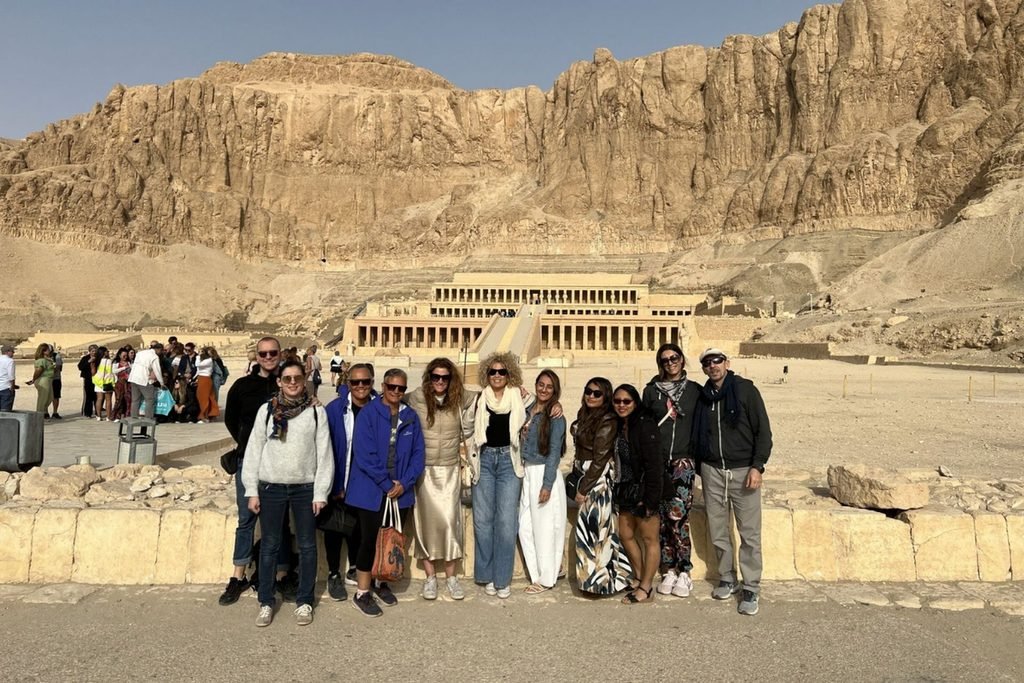
For a first visit to Egypt, we would seriously consider an organised tour or using local guides for at least part of your journey.
Independent travel is possible, and we did plenty of it, but having a guide made some parts of Egypt considerably easier.
- Language: Communication wasn’t always easy when travelling independently.
- Transport: A driver removes the stress of working out how to reach archaeological sites outside the main centres.
- Tickets and entrances: Our guides often handled these for us.
- Local knowledge: Having someone explain what you’re looking at adds enormously to ancient sites.
- Less negotiating: It reduces the amount of bargaining and organising you need to do yourself.
You don’t necessarily need to spend your entire holiday on a group tour. A combination of independent travel and organised day tours can work really well, giving you some freedom while having local help where it matters most.
Best Time to Visit Egypt
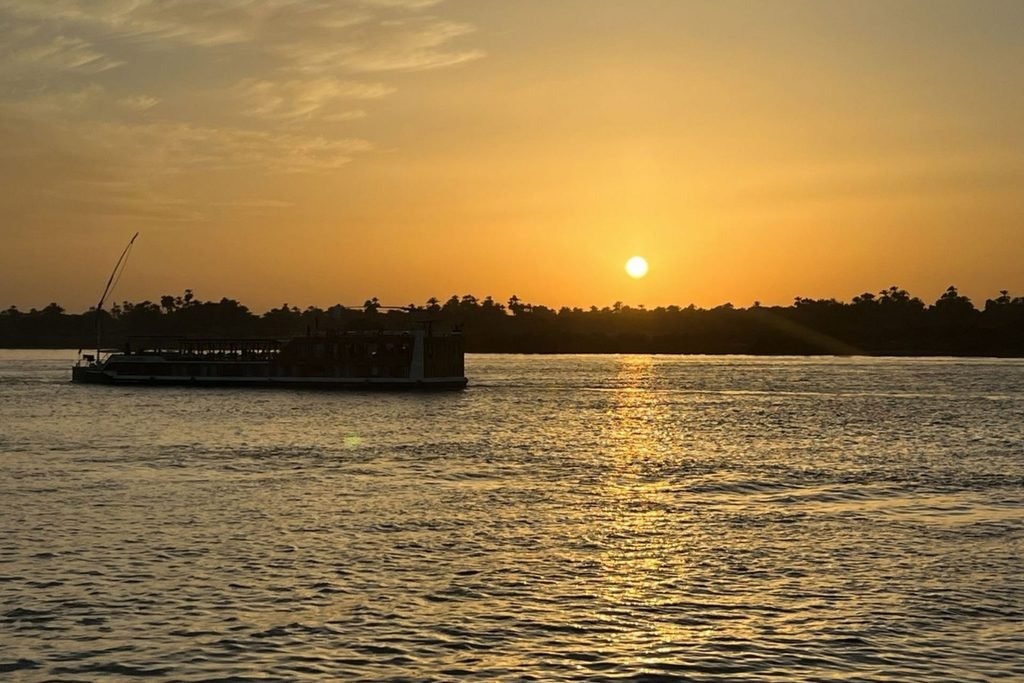
Egypt can be visited year-round, but the cooler months are generally the most comfortable for sightseeing, especially when you’re spending long days exploring temples and archaeological sites.
- October to April: Generally the most comfortable time for exploring Egypt, with cooler temperatures than the summer months.
- December to February: Good for sightseeing, although mornings and evenings can be surprisingly cool.
- March: This is when we travelled through Egypt and we found the daytime temperatures really pleasant for sightseeing. We did, however, wear a warm jacket most mornings and evenings throughout our trip.
- May to September: Expect much hotter conditions, particularly around Luxor and Aswan, where many archaeological sites offer very little shade.
- Red Sea resorts: Hurghada and Sharm El Sheikh can be enjoyed throughout much of the year, although summer can be extremely hot.
Good to know: Don’t assume Egypt is always hot. Even travelling in March, we were glad we’d packed warm jackets. If you’re visiting during the cooler months, layers are definitely worth bringing, particularly for early starts, evenings and trips into the Sinai mountains.
Money in Egypt
The local currency is the Egyptian pound (EGP), and having cash available is useful for smaller purchases, taxis, tips and toilets.
One thing we weren’t prepared for was having difficulty exchanging New Zealand dollars. When we arrived in Cairo, we were told they wouldn’t exchange our NZD. Luckily, we had some euros left from earlier travels, which we were able to exchange.
A few things we learned:
- Don’t rely on exchanging NZD: If you’re travelling from Aotearoa – New Zealand, have another way of accessing Egyptian pounds rather than relying on exchanging NZ cash after you arrive.
- USD can be useful: US dollars were commonly requested during our trip, including for our visa on arrival.
- Carry Egyptian pounds: Local currency is useful for everyday purchases, taxis and smaller expenses.
- Keep small notes: You’ll need them more often than you might expect, particularly for tips and toilets.
- Confirm the currency: When negotiating a price, make sure you’re both talking about the same currency before agreeing.
Tipping in Egypt
Tipping, or baksheesh, is a very noticeable part of travelling in Egypt.
You’ll encounter requests for tips in hotels, around tourist attractions, on tours, in bathrooms and sometimes for very small amounts of assistance.
We like to tip when someone has provided good service, but in Egypt we quickly realised you can’t tip everyone who asks.
Our advice is simple: carry small notes, tip where you feel it’s appropriate and don’t feel obligated every time someone holds out a hand.
Good to know: Before travelling, check the current visa requirements and payment methods for your nationality. When we visited, our visa on arrival was paid in US dollars and cash was required, but entry requirements and payment systems can change.
What to Wear in Egypt
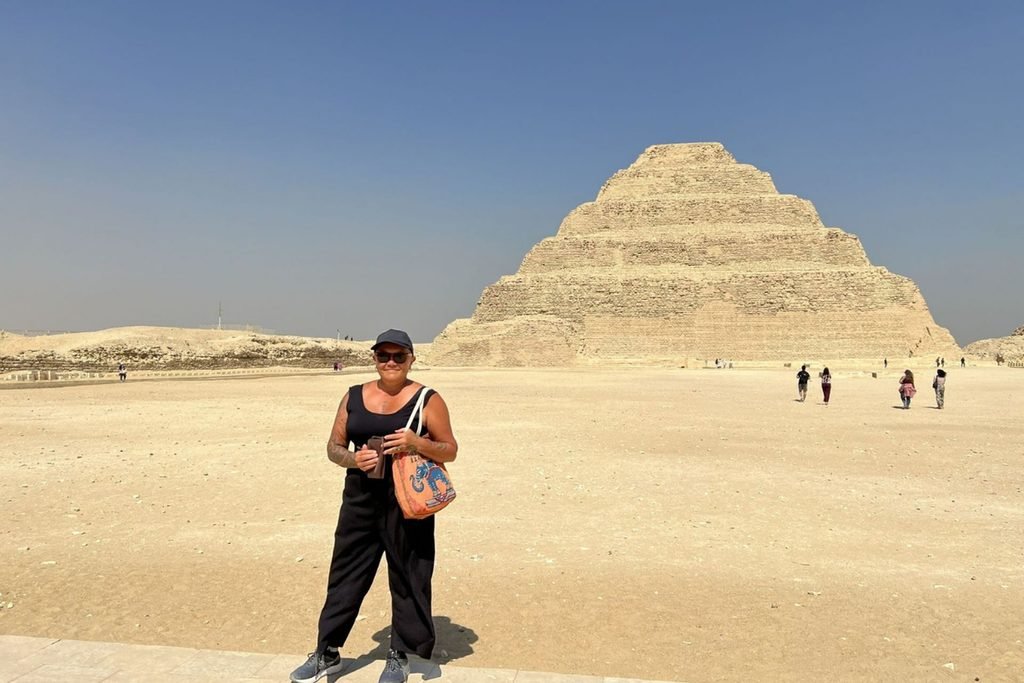
Egypt is a predominantly Muslim country, and dressing modestly is a good approach, particularly when visiting mosques, religious sites and areas away from the main resorts.
You don’t need to completely change the way you dress, but a few things are worth packing:
- Lightweight, loose clothing: Comfortable in the heat and useful for keeping your shoulders and legs covered.
- Long trousers, skirts or dresses: Particularly useful when visiting religious and cultural sites.
- A scarf or shawl: Handy for covering your shoulders or head when required and useful when the temperature drops.
- Comfortable walking shoes: You’ll spend plenty of time walking over uneven ground, sand and stone at temples and archaeological sites.
- A warm jacket: Don’t leave this behind because you’re going to Egypt! We travelled in March and regularly wore ours during the early mornings and evenings.
- Sun protection: A hat, sunglasses and sunscreen are essential when you’re exploring exposed archaeological sites.
For Women Travelling in Egypt
As women travelling through Egypt, we generally felt more comfortable dressing conservatively, particularly when we were exploring independently.
At the Red Sea resorts, you’ll see much more relaxed clothing around hotels, pools and beaches, but outside the resorts we preferred to cover our shoulders and knees.
Staying Connected in Egypt
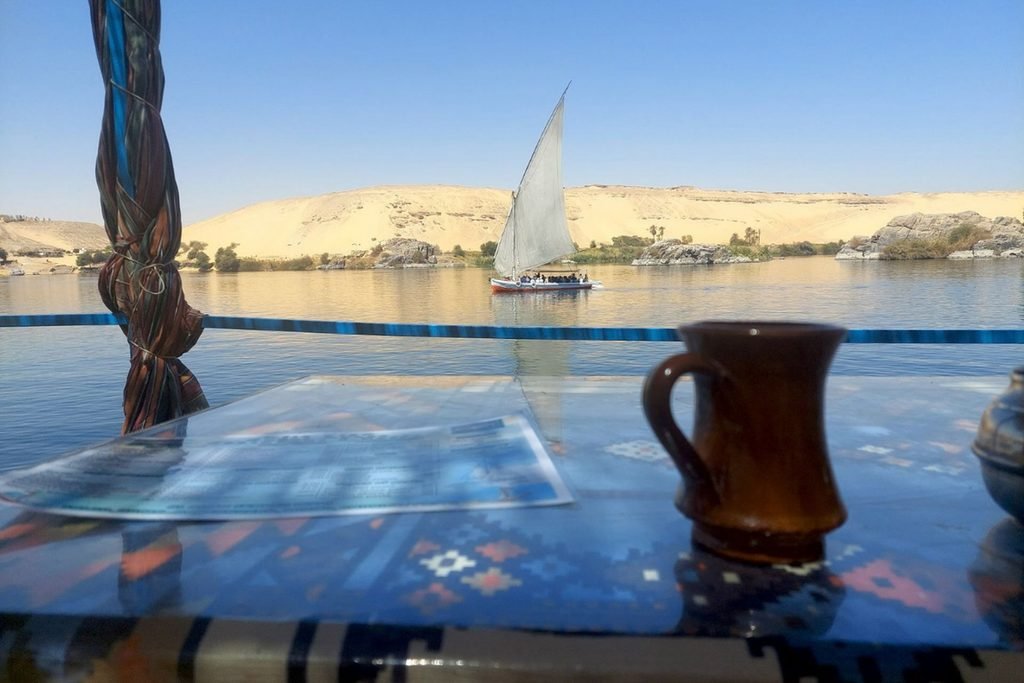
Having mobile data in Egypt is incredibly useful, especially for maps, translations, transport and keeping in contact with tour operators or accommodation.
We purchased a local SIM when we arrived at Cairo Airport. The process wasn’t particularly difficult, although getting help setting it up took a little persistence.
A few options to consider:
- Local SIM: Available at the airport and mobile phone stores throughout Egypt.
- eSIM: An easy option if your phone supports one, particularly if you want to be connected as soon as you arrive.
- Hotel Wi-Fi: Available in most accommodation, although quality can vary.
- Download offline maps: Worth doing before travelling between destinations or heading somewhere with limited reception.
Things to Know Before Visiting Egypt
Egypt is an incredible country to experience, but there are a few things we wish we’d been better prepared for before arriving.
The Language Barrier
Arabic is the main language spoken in Egypt. We found English was commonly spoken within the tourism industry, particularly by guides, hotel staff and tour operators, but communication became more challenging when we travelled independently.
A translation app can be really helpful, and downloading Arabic for offline use before you arrive means you aren’t completely reliant on having mobile data.
We always enjoy learning a few words of the local language too. Even simple greetings and a thank you can go a long way.
Be Prepared to “Walk the Gauntlet”
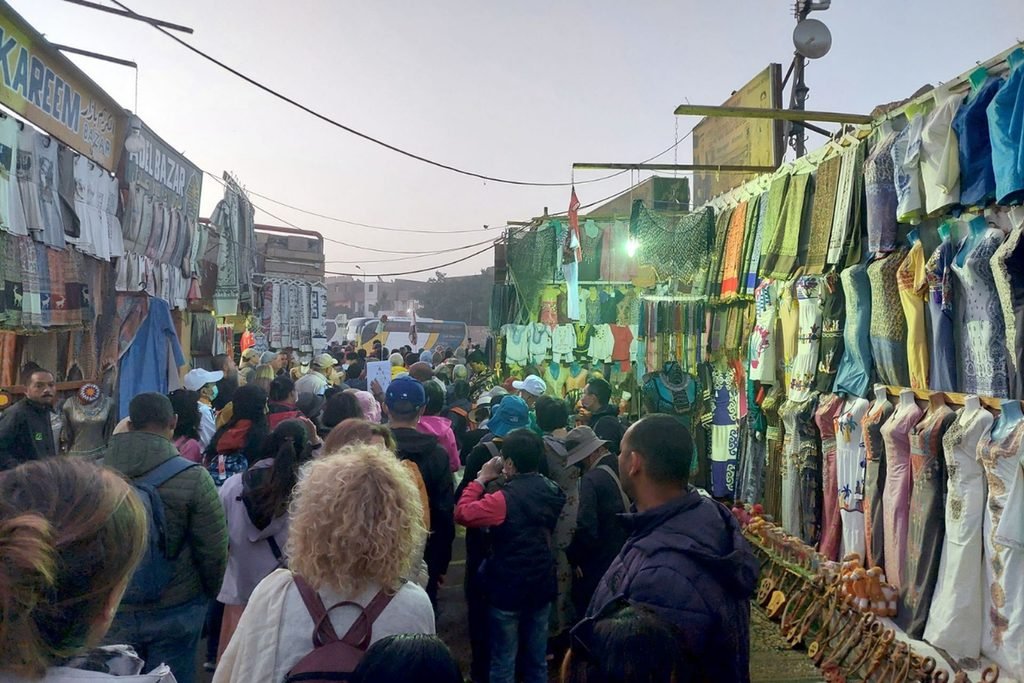
This became our nickname for the rows of shops and sellers surrounding many of Egypt’s major temples and tourist attractions.
Quite often, the route into or out of an attraction takes you directly through a marketplace, where sellers can be extremely persistent.
- A polite no doesn’t always end the conversation. We were regularly approached and sometimes followed after declining to buy.
- Don’t feel pressured to purchase. On a few occasions we experienced sellers becoming annoyed when we continued to say no.
- Bargaining is common. If you do want to buy something, agree on the price before accepting the item.
- Tourist areas can be more expensive. We love putting money back into the local economy when we travel, but that doesn’t mean you have to buy something at every stop.
By the end of our trip, we’d simply say to each other, “Here comes the gauntlet,” whenever we spotted the line of souvenir stalls ahead.
Toilets Usually Come With a Fee
Using a bathroom was another occasion when we regularly needed small change.
- Carry small Egyptian notes for toilet attendants.
- Don’t assume toilets at attractions or stops along a tour will be free.
- Keep tissues or toilet paper with you, just in case.
Agree on Prices Beforehand
Whether you’re catching a taxi, arranging a service or buying something from a market, confirm the price before you commit.
Make sure you understand the currency being quoted and whether the amount is the total price or per person.
Learn to Say No
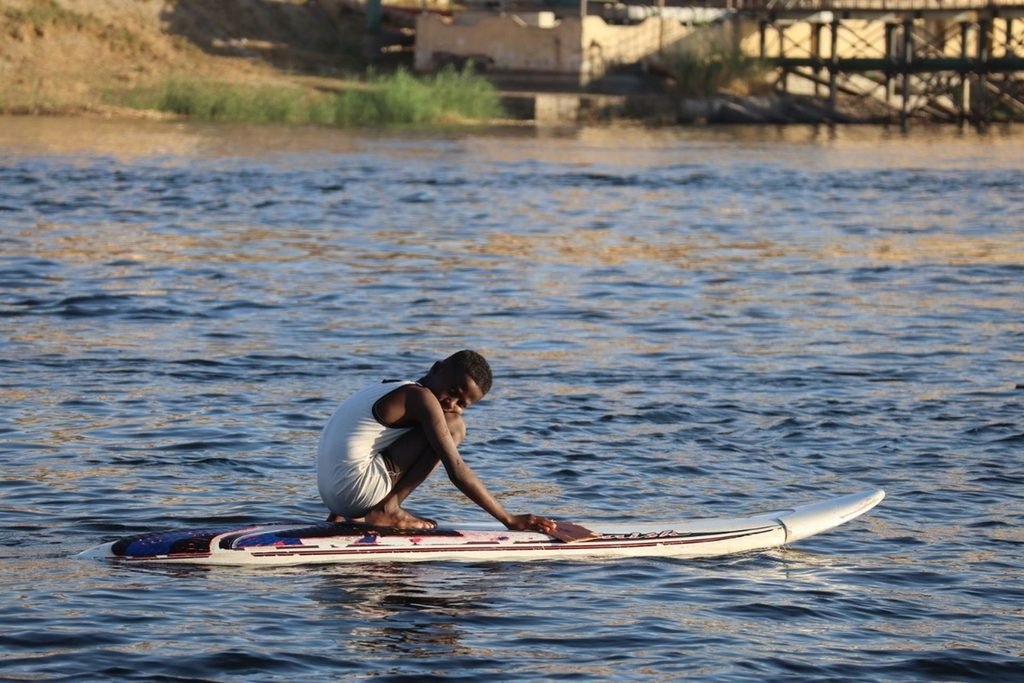
Learning to say no sounds easy, but sometimes it can be surprisingly difficult in Egypt, particularly when children are involved.
We encountered people selling things or asking for money almost everywhere we went, sometimes in places where we least expected it.
- On the Nile: Even during a peaceful felucca ride, children would seemingly appear from nowhere, paddling alongside on boards using their hands and asking for money.
- From the cruise boat: Small boats would pull alongside the larger cruise boats with people trying to sell goods to passengers.
- Around hotels and restaurants: Sellers and people asking for money were often waiting near entrances.
- At tourist attractions: This was where the requests were most constant, from selling souvenirs to asking for tips or money for photographs.
One of the more bizarre moments happened when we took a photo of one of the Pyramids. A man riding a camel happened to be passing in the background, along with plenty of other camels, and then approached us demanding payment because he and his camel were in our photo.
But the hardest moments involved children.
Even descending Mount Sinai, exhausted after our overnight climb and surrounded by a barren mountain landscape, we came across children selling small items or asking us to give them our walking poles or pieces of clothing.
Those encounters can be heartbreaking, and saying no doesn’t always feel good.
We love supporting local communities when we travel, but you simply can’t give money or buy something from everyone who approaches you. Decide where you want to spend your money, support people where you can, and don’t feel guilty about politely saying no and continuing on your way.
Food and Drinking Water in Egypt
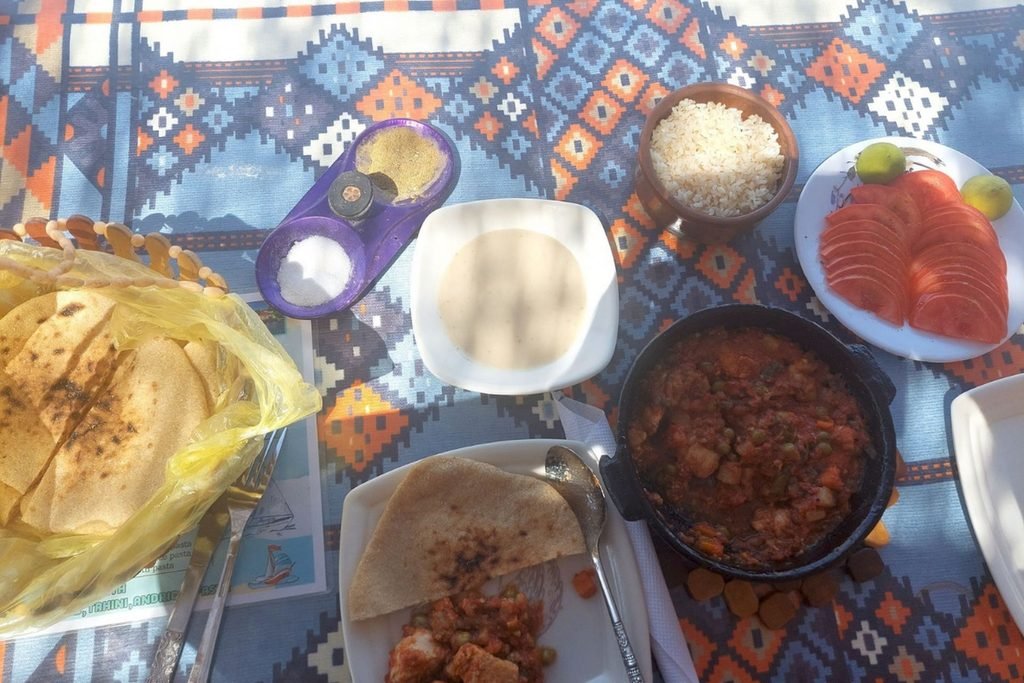
Egyptian food is hearty, affordable and full of Middle Eastern and North African influences. You’ll find everything from simple street food and local restaurants to international dining in the major tourist areas and Red Sea resorts.
Some foods worth looking out for include:
- Koshari: A filling combination of rice, pasta, lentils and chickpeas topped with tomato sauce and crispy onions.
- Ta’meya: Egypt’s version of falafel, traditionally made with fava beans.
- Shawarma: One of the easiest options for a quick and inexpensive meal.
- Tagine: Slow-cooked meat or vegetables, with plenty of regional variations.
- Fresh bread: Served alongside many Egyptian meals and perfect for scooping up dips and sauces.
- Egyptian and Nubian coffee: Worth trying if you’re a coffee drinker.
One of our favourite food experiences was during our stay on Elephantine Island, where we enjoyed Nubian chicken and vegetable tagine followed by traditional Nubian coffee.
Drinking Water
We wouldn’t recommend drinking tap water in Egypt. Stick with bottled or properly filtered water and make sure you have plenty with you when heading out sightseeing.
You’ll also want water on hand for long temple visits, road trips and early morning excursions.
Safety and Travelling as a Woman in Egypt
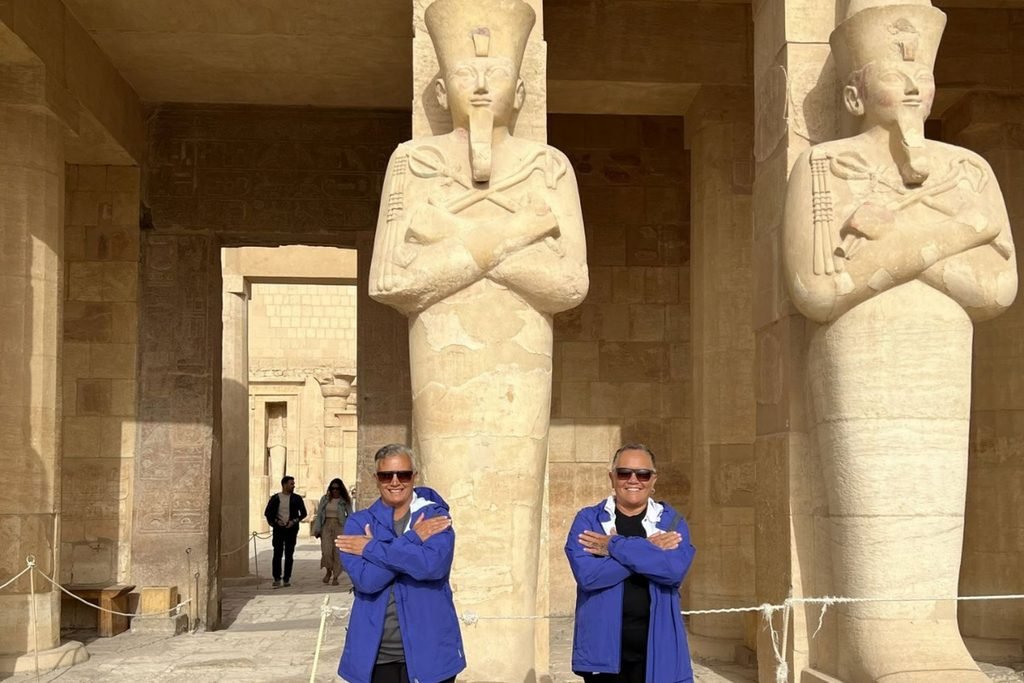
Safety in Egypt was something we thought about before our trip, particularly as two women travelling together.
For the most part, our sightseeing took place without any major problems, but there were times when we felt more comfortable with a guide or driver than exploring independently.
A few things we would recommend:
- Use reputable tours and transfers: Particularly when arriving somewhere new or visiting attractions outside the main tourist areas.
- Know where you’re going: Have your accommodation or destination saved on your phone and download offline maps.
- Be confident and aware: Busy tourist areas can be overwhelming, so keep an eye on your belongings and surroundings.
- Dress respectfully: We felt more comfortable dressing modestly, particularly away from the Red Sea resorts.
- Don’t be afraid to be firm: If attention, selling or offers of assistance become uncomfortable, a clear no and continuing to walk is often the easiest response.
- Trust your instincts: If a situation doesn’t feel right, remove yourself from it rather than worrying about appearing rude.
Did We Feel Unsafe in Egypt?
There were certainly moments when we felt uncomfortable, particularly when travelling independently. But uncomfortable and unsafe aren’t always the same thing.
For us, the biggest challenges were the persistent attention, negotiating and language barrier. There were also times when we weren’t completely sure where we were or how things worked.
Having a local guide or trusted driver removed much of that uncertainty.
Being prepared, staying aware and having some local support can make travelling through Egypt considerably easier.
“Some journeys take you somewhere new. Others take you thousands of years into the past.”
🌍 Travel Planning Resources
These are the tools we personally use and trust when planning our travels from finding a place to stay to booking activities, transport and insurance. Let your “Tohu” guide you “Trust the Journey” and follow what feels right for you.
- ✈️Flights – Compare great deals with Trip.com then Kiwi.com for flexible, affordable options.
- 🚐 Campervans – Compare rental deals with Motorhome Republic across Aotearoa and beyond.
- 🛏️ Stays – Compare hotels on Trip.com and TripAdvisor or Booking.com.
- 🚐 Rental Cars – Compare prices and book through Airport Rentals by Motorhome Republic for trusted brands and easy airport pickup.
- 🎟️ Activities – Browse tours and experiences on Viator, Get Your Guide, or TripAdvisor
- 🚆12Go Asia – Compare and book trains, buses, and ferries across Asia in one place with 12Go.
- 🛡️ Travel Insurance – Get flexible short-term coverage with Insubuy for your next holiday.
- 💳 Travel Money – Send, spend and manage money internationally with Wise, with easy currency conversion and a handy option for travellers.
- 🔒 Protect Your Privacy with a VPN – We recommend Surfshark VPN for secure and private browsing while travelling. It’s fast, affordable and works worldwide, perfect for public Wi-Fi at airports, cafes and hotels.
- 📱 Travel eSIM – Stay connected with Airalo
- 💼 Lounge Access – Treat yourself with Priority Pass for UK or US
- 🎶 Events & Concerts – Book tickets worldwide through Ticketmaster.
🧭 Note: Some booking links can be a bit shy when you’re using a VPN. If one doesn’t open, try pausing your VPN or switching to a different server location or secure Wi-Fi network to get things flowing again.