Bali has long been one of Southeast Asia’s most popular holiday destinations, and it’s easy to understand why. Beautiful beaches, rice terraces, temples, waterfalls and a strong Balinese culture all sit alongside busy tourist towns, beach clubs, great food and accommodation to suit almost every budget.
But Bali isn’t one destination where every area feels the same. Spend a few days in Ubud and your experience can be completely different from staying beside the beach in Sanur or among the restaurants and shops of Seminyak. Head across to Nusa Penida and it changes again.
We spent 7-10 days in each of these places Ubud, Sanur, Seminyak and Nusa Penida, as well as exploring other parts of Bali on day trips. We ate in local warungs and night markets, hired drivers to explore further afield, visited temples, biked through rice terraces, relaxed on the beaches and discovered a few things along the way that we wish we’d known before we arrived.
This guide is our starting point for planning a Bali holiday. We’ll cover the different areas to stay, some of the best things to do, getting around, what to eat and the practical things worth knowing before you go. Throughout the guide, you’ll also find links to our more detailed Bali blogs if you want to dig a little deeper.
Don’t try to see all of Bali in one trip. Choose a couple of areas that suit the kind of holiday you want and give yourself time to enjoy them. Bali traffic can turn what looks like a short trip on a map into a much longer journey, and constantly changing accommodation can quickly eat into your holiday.
Table of Contents
Where to Stay in Bali
Choosing where to stay in Bali can make a huge difference to your holiday. Each area has its own feel, and because getting around can take longer than expected, we recommend choosing your base around what you actually want to do rather than simply finding a hotel you like.
The areas below are all places we actually stayed, each giving us a very different Bali experience. Here’s how we found them and who we think they’d suit best.
Ubud
- If temples, rice terraces, markets, massage & beauty treatments, traditional culture and great little warungs are high on your list, Ubud makes a great base. We stayed here for 10 days and loved exploring the back streets, finding family-run warungs and heading further into the surrounding countryside. Central Ubud was much busier than we expected though, with scooters, cars, people and some rather questionable footpaths all competing for space.
- Best for: Culture, temples, rice terraces, food, spas and exploring inland Bali.
Sanur
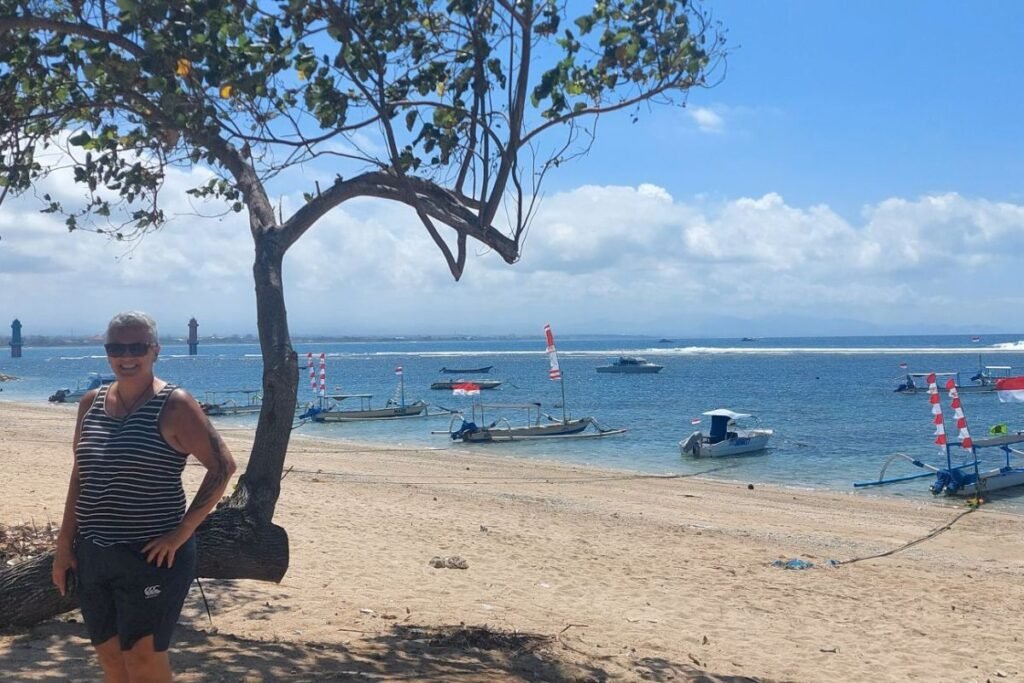
- Sanur gave us a completely different Bali. It’s more relaxed, with a long beachfront promenade, calmer water, plenty of places to eat and an atmosphere that suited us really well. We spent seven nights here, often exploring in the morning before heading back to the beach in the afternoon. Sanur also gave us one of our favourite Bali discoveries, the Sindhu Night Market, but we’ll save that story for our food guide.
- Best for: A relaxed beach stay, walking, swimming, food and easy access to boats heading to Nusa Penida.
Seminyak
- Seminyak is crazy busy and really spread out, with restaurants, shops, spas, beach clubs and a long stretch of beach. It has a much more modern holiday feel than somewhere like Ubud, but our time here ended up being less about exploring Seminyak and more about simply stopping for a while. By this stage of our Bali trip, we’d already seen and done so much that we were ready for a break.
- So, for our final seven days, we treated ourselves to a stay at Maca Villas & Residence Umalas. It was our little bit of luxury at the end of the trip and, for us, worth every cent. We barely ventured far. Our days were spent lounging around the villa, enjoying the pool, meals and wonderful Balinese hospitality. When we did head out, it was usually for dinner, a massage or one of the beauty treatments available nearby. We didn’t even make it to the beach. By then, we had everything we wanted right at our villa, and sometimes that’s exactly what a holiday needs.
- Best for: Restaurants, shopping, spas, beach clubs, nightlife and a little bit of indulgence.
Nusa Penida
- Nusa Penida is a completely different experience again. The scenery is spectacular, with dramatic cliffs, beautiful beaches, snorkelling and some of Bali’s most recognisable viewpoints, but getting around can be an adventure in itself. We stayed near Crystal Bay for seven days. In hindsight, we think around four days would have been plenty for us. The roads and infrastructure are much more basic than the main tourist areas of Bali, so come prepared for a slightly rougher ride.
- Best for: Dramatic scenery, beaches, snorkelling, diving and adventure.
Other Areas to Consider
- There are plenty of other places to base yourself depending on the holiday you’re looking for. Kuta is busy and lively with surfing and nightlife, Canggu is popular for cafes, surfing and beach clubs, while Nusa Dua offers more of a resort-style beach holiday. Jimbaran is known for sunsets and seafood, Uluwatu for cliffs, surf and beaches, Amed for diving and snorkelling, and Lovina offers a quieter base in Bali’s north. You don’t need to stay in them all. In fact, we’d recommend the opposite. Pick the areas that best suit you and give yourself time to enjoy them rather than spending half your holiday moving accommodation.
Want help choosing? Read our full guide: Where to Stay in Bali – Choosing the Right Area
Best Things to Do in Bali
There’s no shortage of things to do in Bali, but you certainly don’t need to try to squeeze everything into one trip. These are some of the experiences we think are worth putting on your list.
- Uluwatu Temple: Perched high on the cliffs overlooking the ocean, Uluwatu is one of Bali’s most impressive temple settings. Time your visit for later in the day and you can also see the traditional Kecak dance performed around sunset.
- Tegallalang Rice Terraces: One of those places that really does look like Bali. Wander through the terraces, stop at one of the viewpoints and take your time exploring. Keep in mind that rice paddies don’t stay lush and green all year, so what you see will depend on where they are in the growing cycle.
- Mount Batur: If you’re up for an early start, hiking Mount Batur for sunrise is one of Bali’s classic experiences. If hiking isn’t your thing, Jeep tours offer another way to experience the volcanic landscape. Finish with a soak in the nearby hot pools and you’ve got yourself a pretty good day out.
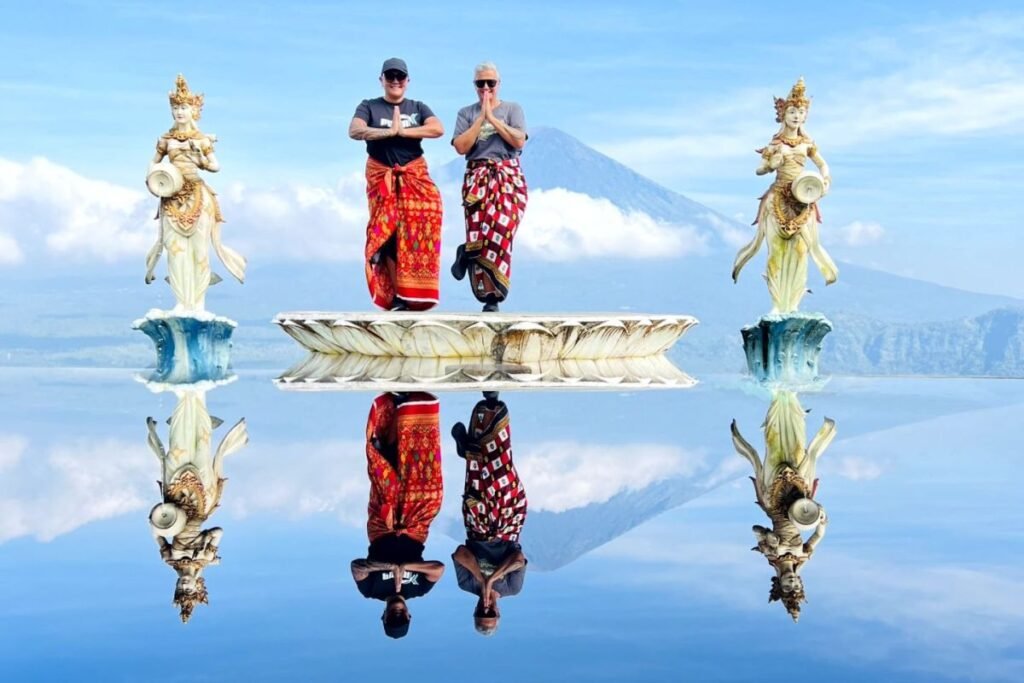
- Lempuyang Temple: Best known for the famous Gates of Heaven and views towards Mount Agung. One thing Instagram doesn’t always tell you is that the beautiful reflection you see in many photos isn’t water. A mirror is held beneath the camera lens to create the effect. Don’t just concentrate on getting that one photo though. We found there was much more to see around the temple complex.
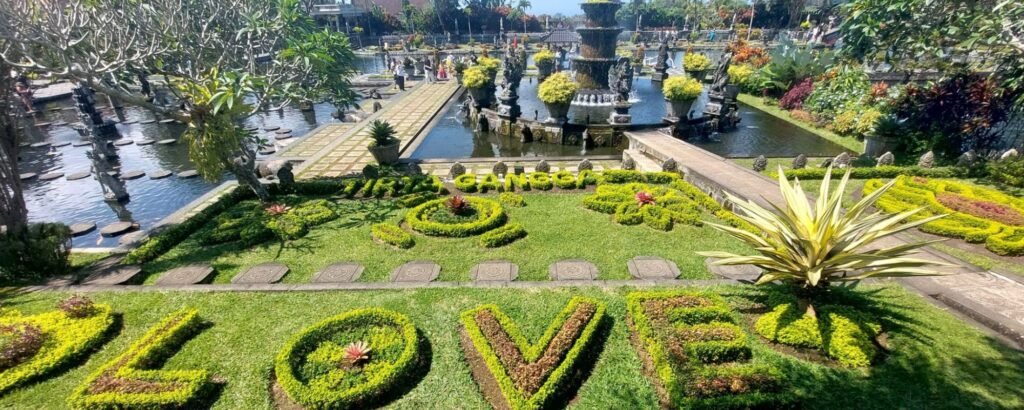
- Tirta Gangga Water Palace: Beautiful gardens, fountains, ponds and stone carvings make this former royal water palace a lovely place to wander around. It’s also easy to combine with other sights in East Bali.
- Tukad Cepung Waterfall: Hidden within a rocky canyon, this is one of Bali’s more unusual waterfalls. Sunlight filtering through the opening above can create beautiful beams of light through the falls.
- Experience Balinese Culture: Don’t make your Bali holiday only about ticking off attractions. Visit temples, watch a traditional dance performance, wander through local markets and take some time to experience the culture that makes Bali so different from other tropical destinations.
- Take a Bike Tour: One of our favourite ways to see another side of Bali is by bike. Tours can take you away from the busy tourist areas and through rice fields, villages and countryside, giving you a much closer look at everyday life along the way.
Want more ideas? Read our full guide: Best Things to Do in Bali.
Getting Around Bali
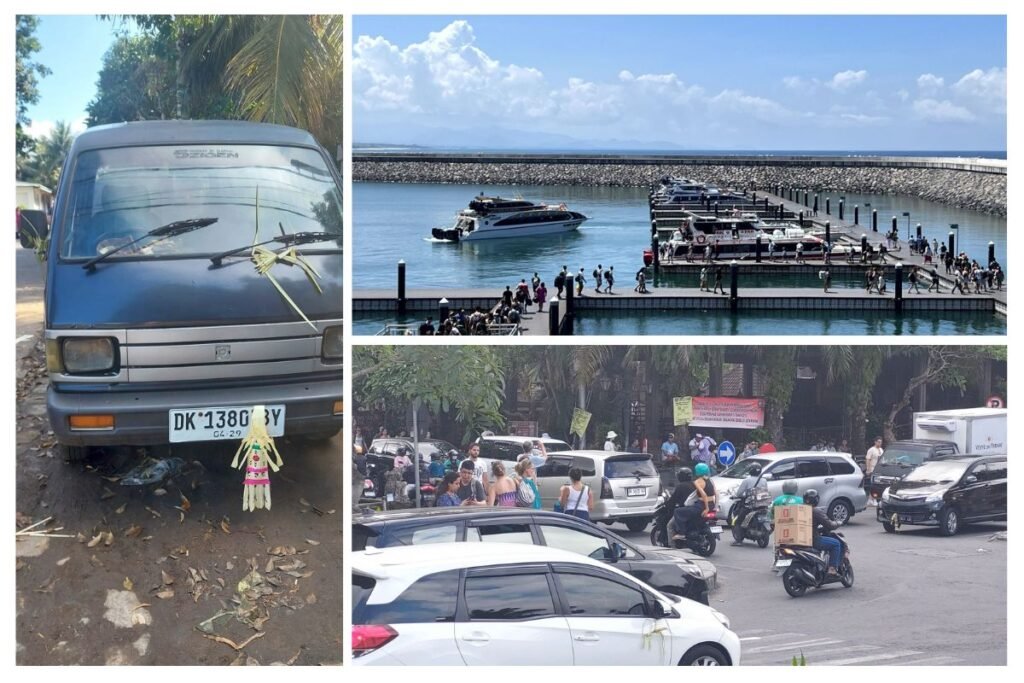
We did a lot of walking within the areas we stayed. It was a great way to explore the back streets, find little warungs and see more of everyday Bali. Just keep an eye on the footpaths, as they can be uneven, broken or sometimes disappear altogether.
For getting around:
- Walking: Great for exploring within the area you’re staying, particularly when you’re not in a hurry.
- Taxis & private drivers: Our preferred option for travelling further. Traffic can be heavy, and having a local driver who knows the roads takes away a lot of the stress.
- Scooters: They’re everywhere and certainly make it easier to weave through Bali’s traffic, but they’re not for everyone.
We’d spent plenty of time riding scooters in Thailand, but Bali felt like a completely different kind of crazy and we weren’t confident enough to ride one ourselves. Sometimes knowing your own limits is the best travel decision you can make.
Tohu Tip: If you’re planning a full day of sightseeing, consider hiring a private driver for the day. You can plan several stops and leave the navigatin5g and traffic to someone who knows it well.
Want to know more? Read our full guide: Getting Around Bali.
Eating in Bali
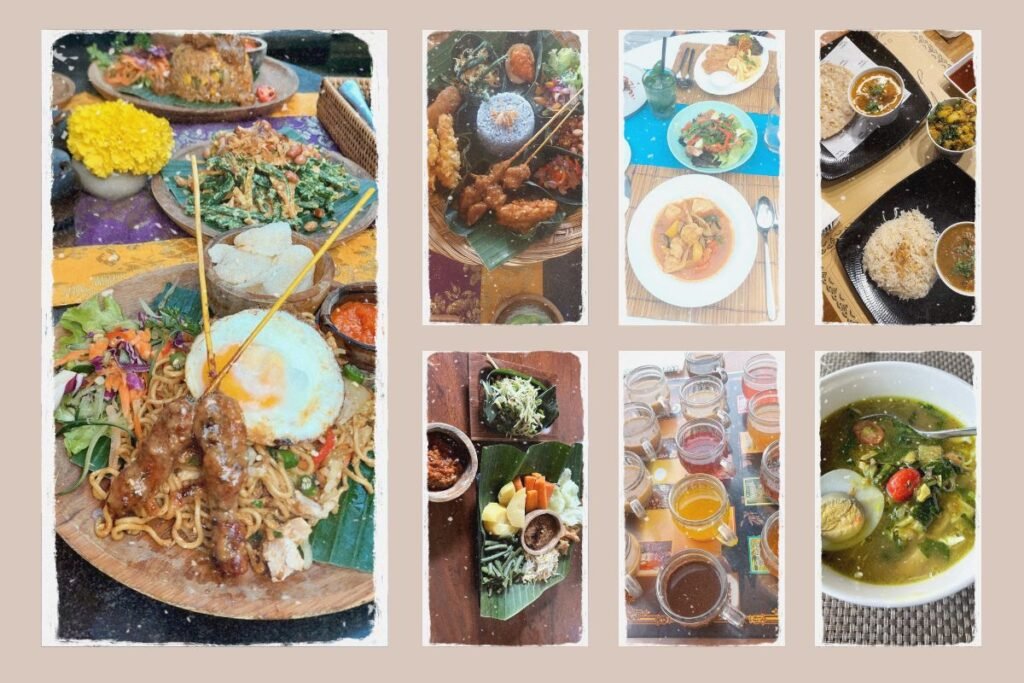
Food was a huge part of our Bali experience. While you’ll find everything from international restaurants and trendy cafes to fine dining, it was the local warungs and night markets that we enjoyed the most.
Warungs are small local eateries, often family-run, and some are incredibly simple. That was part of what we loved about them. We had some of our favourite meals in places we probably would have walked straight past on our first day in Bali.
A few of our favourites were:
- Sun Sun Warung, Ubud: One of our favourite little warungs during our time in Ubud.
- Sindhu Night Market, Sanur: We ate here every night of our seven-night stay, working our way through the different stalls. Warung Muslim Madura was our standout, and we went back four times for their Soto Ayam.
- Warung Mak Beng, Sanur: Famous for its simple meal of fish head soup and fried fish. It’s busy, tables are shared and there’s no fancy dining experience, but that was exactly what made it memorable for us.
You’ll find dishes such as nasi campur, mie goreng, nasi goreng, satay and plenty of sambal throughout Bali.
Don’t be afraid to move beyond the restaurants aimed at tourists. Some of our best food experiences were found in the little warungs and markets tucked away from the main streets.
A little food safety tip: We tend to eat at local warungs and markets during their busiest times, when food is being cooked and turned over regularly. We avoid food that’s been sitting out for long periods, particularly during the quieter hours between lunch and dinner. Bali’s heat and humidity can be a challenge for food storage, and what locals are accustomed to may not always agree with a visitor’s stomach. A little common sense goes a long way if you want to avoid spending part of your holiday getting very well acquainted with the bathroom.
Want to know where and what we ate? Read our full guide: What to Eat in Bali – Warungs, Markets & Our Favourite Food.
When to Visit Bali
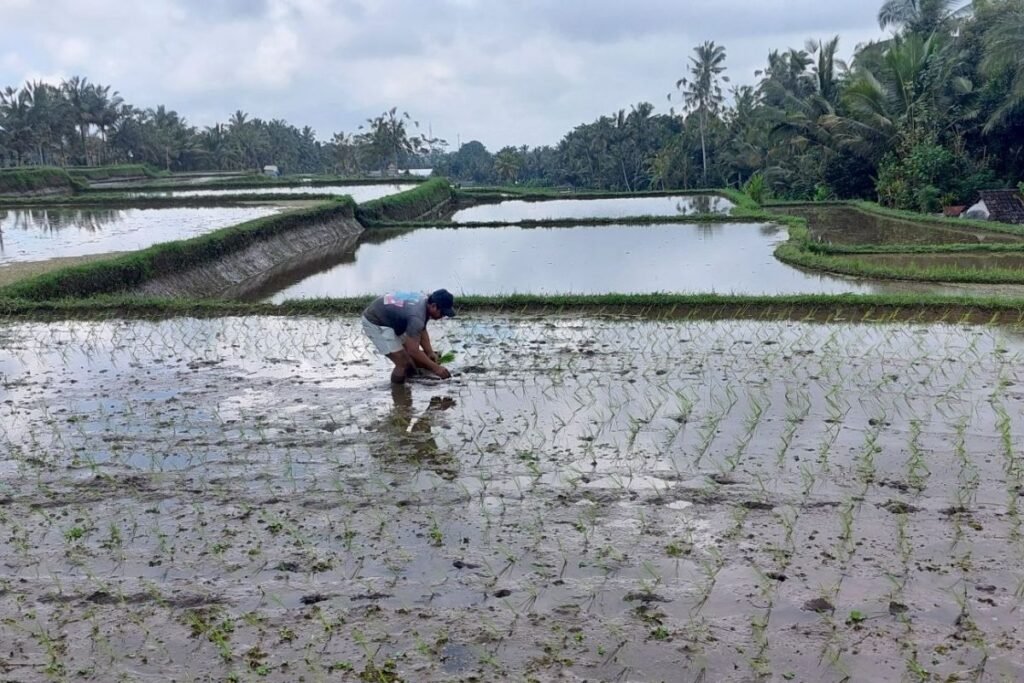
Bali is warm year-round, so there really isn’t a bad time to visit. The main difference is whether you travel during the drier or wetter months.
- April to October: Generally the drier part of the year and a popular time for beaches, sightseeing, hiking and spending plenty of time outdoors.
- November to March: Expect higher humidity and a greater chance of tropical rain. That doesn’t necessarily mean days of non-stop rain. Showers can be heavy and then clear again, so you can still have a fantastic Bali holiday during the wetter months.
- April, May, September and October can be worth considering if you’re looking at travelling around the edges of the busiest dry-season period.
Tohu Tip: Don’t plan your entire Bali holiday around a perfect weather forecast. It’s a tropical island and the weather doesn’t always follow the rules. Pack for sunshine, heat and the occasional downpour, then get out there and enjoy it.
How Long Do You Need in Bali?
For a first trip to Bali, we’d recommend around 10 to 14 days. That’s enough time to experience a good mix of beaches, culture, food and sightseeing without spending half your holiday packing up and moving.
- 7 days: Choose no more than two bases. Bali may look small on a map, but traffic and travel times can quickly eat into your day.
- 10–14 days: Choose two or three areas, giving yourself time to slow down and perhaps add a few days on Nusa Penida.
We stayed longer and, looking back, there were definitely places where we could have shortened our stay. Nusa Penida was one of them. We stayed seven days, but for us, around four would have been plenty.
Tohu Tip: Bali is much more enjoyable when you stop trying to see everything. Pick a few places that suit your travel style and leave yourself some time to do absolutely nothing.
Bali at a Glance
- Country: Indonesia
- Currency: Indonesian Rupiah (IDR / Rp)
- Language: Bahasa Indonesia is the national language, with Balinese widely spoken locally. English is commonly understood in Bali’s main tourist areas.
- Main Airport: I Gusti Ngurah Rai International Airport (DPS), also commonly known as Denpasar Airport
- Visa: New Zealand passport holders are currently eligible for a Visa on Arrival (VoA), which costs IDR 500,000 and allows a stay of up to 30 days, with one extension available.
- Bali Tourist Levy: International visitors currently pay a one-off IDR 150,000 tourism levy.
- Best Time to Visit: Generally April to October for drier weather, with November to March bringing more rain and humidity.
- Getting Around: Private drivers, taxis, Grab/Gojek and scooters are common options. We found a private driver particularly useful when exploring further afield.
- How Long to Stay: Around 10–14 days gives you time to experience a few different areas without constantly packing up and moving on.
- Where We Stayed: Ubud, Sanur, Seminyak and Nusa Penida
- Good For: Culture, beaches, food, temples, waterfalls, rice terraces, markets, wellness and simply slowing down.
Tohu Tip
Bali may look relatively small on a map, but don’t underestimate travel times. Traffic can be heavy, particularly around the popular tourist areas, and some roads are narrow and busy.
Know Before You Go
Your First Impression of Bali May Not Be Paradise
You’ve seen the photos: palm trees, beautiful beaches, luxury villas, rice terraces and infinity pools. It’s easy to arrive in Bali expecting paradise from the moment you step off the plane.
The reality can feel a little different at first.
Depending on where your aircraft parks, you may step out into sweltering tropical heat before boarding a bus to the terminal. Then, once you’ve collected your bags and headed towards your accommodation, Bali can hit you all at once:
- The traffic: Scooters weave between cars and the roads can feel chaotic.
- The streets: Some areas can be busy and untidy, with tightly packed buildings and broken or uneven footpaths.
- The contrast: Everyday Bali can look very different from the polished villas, beaches and infinity pools you’ve seen on social media.
For us, that first drive was a bit of a reality check.
Then you arrive at your accommodation, put your bags down, cool off and start exploring. That’s when Bali begins to reveal itself. Behind those busy roads are beautiful temples, family-run warungs, rice fields, beaches, friendly locals and some incredible places to discover.
Our advice is simple: don’t judge Bali on that first drive from the airport. Give it a little time.
A Few Things Worth Knowing
- Entry Requirements: Before travelling, check your passport, visa and Indonesian entry requirements. New Zealand passport holders can currently use a Visa on Arrival or e-VOA, and travellers also need to complete the All Indonesia Declaration. We recommend completing everything you can before leaving home. It saves time at the airport and eligible New Zealand passport holders can use the automated immigration gates.
- Bali Tourist Levy: International visitors are required to pay a separate Bali Tourist Levy. This can be organised before you travel, along with your other arrival requirements.
- Traffic: Don’t judge travel times by distance alone. Bali’s traffic can be extremely busy and a journey that looks short on Google Maps can take much longer than expected.
- Walking: Footpaths aren’t always what we’re used to in New Zealand. They can be uneven, broken or obstructed, and sometimes you’ll find yourself stepping onto the road, so keep your eyes on where you’re walking.
- Cash: Carry some Indonesian Rupiah. Cards are widely accepted around the main tourist areas, but cash is handy for smaller warungs, markets, local shops and other everyday purchases.
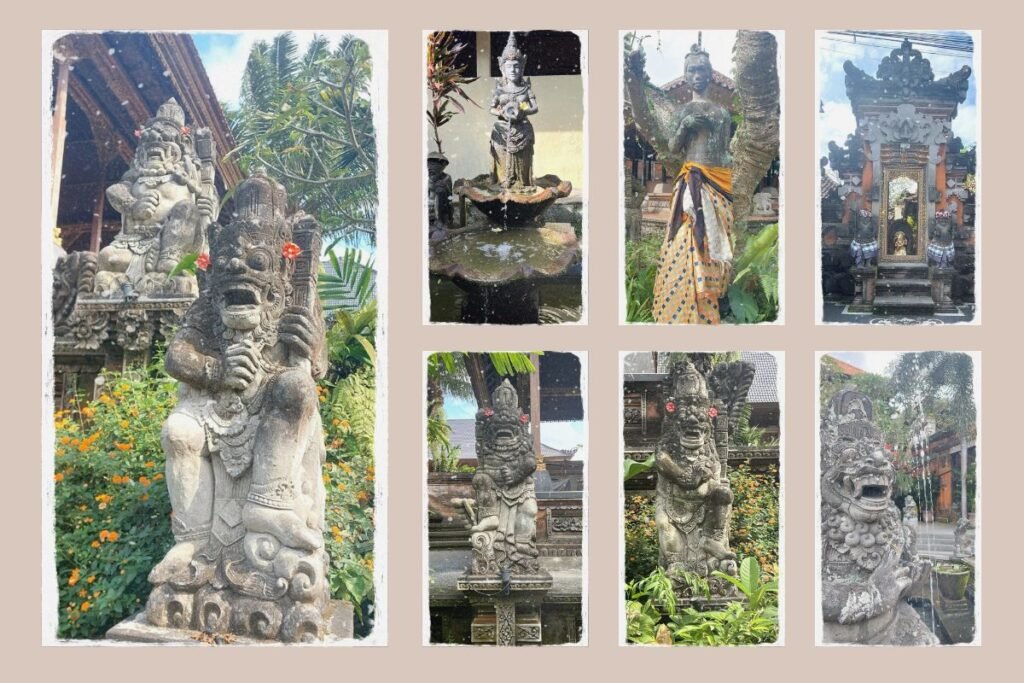
- Respect Local Customs: Balinese culture and religion are very much part of everyday life. Dress appropriately at temples, respect ceremonies and offerings, and follow any local rules or signage.
Tohu Tip: Give Bali a chance to settle in. That initial culture shock can disappear surprisingly quickly once you stop comparing it with the picture-perfect images you arrived with and start experiencing the real Bali.
Want to be better prepared? Read our full guide: Things to Know Before Visiting Bali.
Our Bali Tips
- Give Bali time: Your first impression might not be the Bali you’ve pictured in your head. The traffic, heat, scooters and general busyness can be a bit of a shock. Give yourself time to settle in before deciding how you feel about it.
- Don’t try to see everything: Bali looks small, but getting from one place to another can take much longer than expected. Choose a few areas and enjoy them properly rather than constantly changing accommodation.
- Get off the main streets: Some of our favourite moments came from wandering down back streets, finding little family-run warungs and seeing everyday Balinese life away from the busiest tourist areas.
- Use a local driver: For longer sightseeing days, this made life so much easier. They know the roads, understand the traffic and can often help you put together a much more realistic day than Google Maps will.
- Watch where you’re walking: Footpaths can be uneven, broken, crowded or simply disappear. Bali taught us pretty quickly to watch the ground as much as the scenery.
- Eat local: Don’t overlook the little warungs and night markets. Some of the simplest places gave us some of our favourite meals of the entire trip.
- Slow down: Leave some empty space in your plans. Have the massage, spend the afternoon beside the pool, sit on the beach or go back to that little warung you loved. You don’t have to be sightseeing every day for it to count as travelling.
Our biggest Tohu Tip: Don’t go to Bali expecting the polished version you’ve seen on social media. Go expecting Bali. It’s busy, beautiful, chaotic, cultural, imperfect and incredibly welcoming. Once we stopped comparing it to what we thought Bali would be, we really started to love it.
Explore More of Bali
Planning your Bali trip? You can find more detailed information in our Bali guides:
- Things to Know Before Visiting Bali
- Where to Stay in Bali
- Best Things to Do in Bali
- Getting Around Bali
- What to Eat in Bali
“I give myself permission to slow down, stay curious and enjoy Bali as it is, not as I expected it to be.”
🌍 Travel Planning Resources
These are the tools we personally use and trust when planning our travels from finding a place to stay to booking activities, transport and insurance. Let your “Tohu” guide you “Trust the Journey” and follow what feels right for you.
- ✈️Flights – Compare great deals with Trip.com then Kiwi.com for flexible, affordable options.
- 🚐 Campervans – Compare rental deals with Motorhome Republic across Aotearoa and beyond.
- 🛏️ Stays – Compare hotels on Trip.com and TripAdvisor or Booking.com.
- 🚐 Rental Cars – Compare prices and book through Airport Rentals by Motorhome Republic for trusted brands and easy airport pickup.
- 🎟️ Activities – Browse tours and experiences on Viator, Get Your Guide, or TripAdvisor
- 🚆12Go Asia – Compare and book trains, buses, and ferries across Asia in one place with 12Go.
- 🛡️ Travel Insurance – Get flexible short-term coverage with Insubuy for your next holiday.
- 💳 Travel Money – Send, spend and manage money internationally with Wise, with easy currency conversion and a handy option for travellers.
- 🔒 Protect Your Privacy with a VPN – We recommend Surfshark VPN for secure and private browsing while travelling. It’s fast, affordable and works worldwide, perfect for public Wi-Fi at airports, cafes and hotels.
- 📱 Travel eSIM – Stay connected with Airalo
- 💼 Lounge Access – Treat yourself with Priority Pass for UK or US
- 🎶 Events & Concerts – Book tickets worldwide through Ticketmaster.
🧭 Note: Some booking links can be a bit shy when you’re using a VPN. If one doesn’t open, try pausing your VPN or switching to a different server location or secure Wi-Fi network to get things flowing again.