
Venice is a city unlike any other, where historic buildings rise directly from the canals and narrow pedestrian streets connect centuries-old bridges and hidden squares. From traditional gondola rides to magnificent palaces and colourful neighbouring islands, there are plenty of memorable things to see and do. The best things to do in Venice combine its famous landmarks with the simple pleasure of discovering a city built around water. Whether you’re visiting for a day or staying a little longer, this guide covers some of Venice’s most worthwhile attractions and experiences.
What Should You Not Miss in Venice?
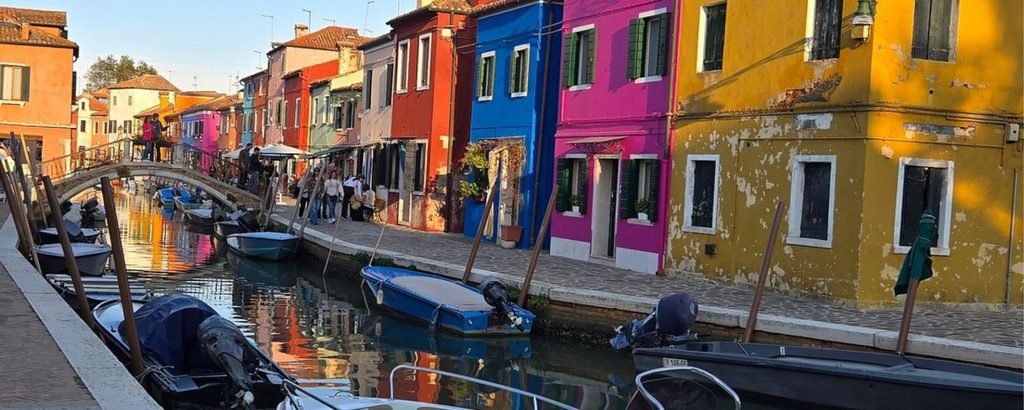
If you’re visiting Venice for the first time, a gondola ride, Doge’s Palace, Piazza San Marco and Rialto Bridge are among the highlights worth considering. These attractions showcase the city’s remarkable architecture, maritime history and distinctive character. A trip to Murano Island offers something different, with its centuries-old glassmaking traditions and colourful streets. You don’t need an endless sightseeing itinerary to appreciate Venice. Allowing time to wander, stop for a meal beside a canal and discover quieter corners can be just as rewarding as visiting its famous landmarks.
Our Experience Discovering Venice’s Attractions

Having visited Venice twice, I’ve experienced its attractions in very different conditions. During my first visit, I spent three days discovering the city, including a gondola ride with a singing gondolier, exploring the magnificent Doge’s Palace and taking a trip to Murano Island. I also remember wandering through Piazza San Marco one evening when unusually high water had flooded the square. Years later, I returned with Toni, and although we had less time, we enjoyed wandering through the streets, stopping at little shops and watching the activity along the canals. What I loved most was how Venice could surprise you around almost every corner, even when you were hopelessly lost trying to find your way back.
Table of Contents
- What Should You Not Miss in Venice?
- Our Experience Discovering Venice’s Attractions
- Taking a Gondola Ride in Venice
- Exploring Doge’s Palace and Piazza San Marco
- Walking Through Venice and Across Rialto Bridge
- Visiting Murano and Burano Islands
- Discovering Venice’s Hidden Gems
- Final Thoughts on the Best Things to Do in Venice
Taking a Gondola Ride in Venice
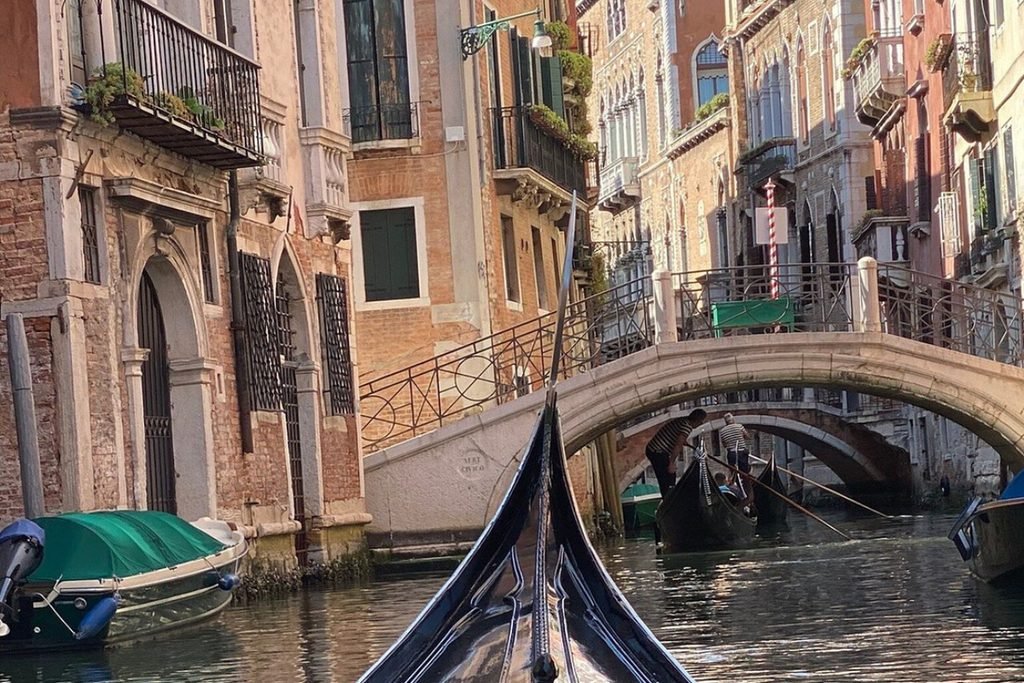
A gondola ride is one of the most iconic things to do in Venice, offering a completely different perspective of the city. These traditional, flat-bottomed boats have been part of Venetian life for centuries, once serving as an important form of transport through the canals.
Today, gondolas are primarily a sightseeing experience, taking visitors beneath historic bridges, past centuries-old buildings and along waterways that cannot be reached on foot. Some routes include sections of the Grand Canal, while others wind through quieter, narrower canals.
On my first visit to Venice, I couldn’t resist taking a gondola ride. Our gondolier even sang as we travelled through the canals, making the whole experience feel like something from a movie. It was one of those special travel moments that lived up to everything I’d imagined about Venice.
What to Know Before Booking a Gondola Ride
- Ride duration: A standard gondola ride generally lasts around 30 minutes.
- Cost: Official standard fares have traditionally been around €90 during the day and €110 in the evening for a private gondola. Check current rates before travelling.
- Passengers: A gondola can generally accommodate up to five passengers, with the fare charged per boat rather than per person.
- Shared rides: Some tour operators offer shared gondola experiences, which can be more affordable for couples or solo travellers.
- Routes: Departure points throughout Venice offer different routes. Ask where the gondola will travel before boarding.
- Singing gondoliers: Singing is not included in a standard ride. If you’re hoping for music, look for an experience that specifically includes it.
Our tip: Consider boarding from a quieter canal rather than one of the busiest tourist areas. You’ll still enjoy the traditional gondola experience, often with fewer boats around you.
A gondola ride isn’t essential for everyone, particularly if you’re travelling on a budget. However, for a first visit to Venice, it’s a memorable way to appreciate the city from the water.
Exploring Doge’s Palace and Piazza San Marco
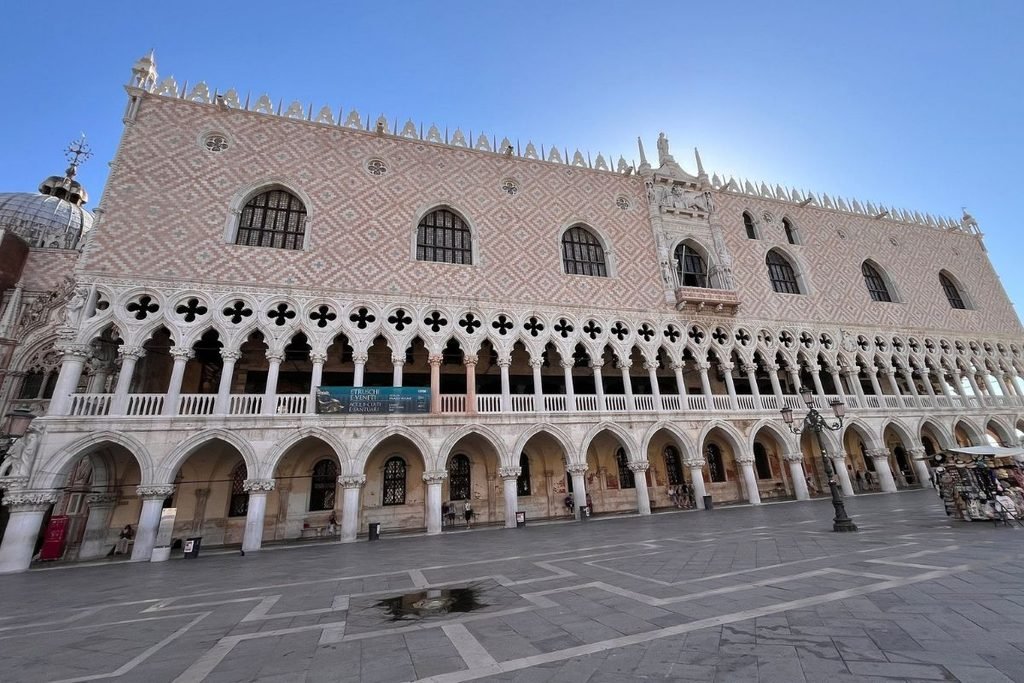
Located in the heart of Venice, Doge’s Palace (Palazzo Ducale) and Piazza San Marco (St Mark’s Square) are two of the city’s most impressive historic attractions. Together with St Mark’s Basilica, they form an area that was once the political and religious centre of the Venetian Republic.
Doge’s Palace
Doge’s Palace served as the residence of Venice’s rulers, known as Doges, and the centre of government for centuries. Today, visitors can walk through its grand chambers, council rooms, courtyards and former prison areas, discovering the wealth and power of the Venetian Republic.
I visited the palace during my first trip to Venice and was amazed by its sheer size and elaborate interiors. The magnificent painted ceilings were particularly impressive, with enormous artworks surrounded by intricate gold detailing. It’s incredible to think about the craftsmanship and effort involved in creating such an extraordinary building.
A few highlights worth seeing include:
- The Great Council Chamber: One of the largest rooms in the palace, featuring enormous paintings and richly decorated ceilings.
- The Golden Staircase: An elaborate staircase decorated with gilded stucco work.
- The Bridge of Sighs: A famous enclosed bridge connecting the palace to the former prisons.
- The Palace Prisons: Discover the cells and passageways that reveal another side of Venice’s history.
Allow approximately 1.5 to 2 hours to appreciate the palace, particularly if you enjoy history and art. Booking tickets in advance is recommended during busy periods.
Piazza San Marco (St Mark’s Square)
Piazza San Marco is Venice’s most famous public square, surrounded by remarkable architecture, historic cafés and some of the city’s best-known landmarks.
The square is home to St Mark’s Basilica, famous for its Byzantine architecture and golden mosaics, along with the towering St Mark’s Campanile, which offers panoramic views over Venice.
One of my most unforgettable memories happened here during my first visit. I wandered into the square one evening to discover it partially flooded by an unusually high tide, known locally as acqua alta.
There I was, wading through the water, while restaurant waiters continued serving customers wearing gumboots! They seemed completely accustomed to it, while I thought it was the most extraordinary sight.
Good to know: Entry to St Mark’s Basilica is separate from Doge’s Palace. Check opening hours, ticket requirements and any dress code before visiting, particularly if you plan to see both attractions on the same day.
Walking Through Venice and Across Rialto Bridge
One of the best ways to discover Venice is simply by walking. With no cars in the historic centre, the city is a fascinating network of narrow alleyways, stone bridges, hidden courtyards and canals, where even a short stroll can turn into an unexpected adventure.
As you wander, you’ll discover small boutiques, souvenir shops, traditional mask shops, cafés and restaurants tucked into centuries-old buildings. Some streets are bustling with visitors, while others lead to surprisingly peaceful corners just a few minutes away.
During our second visit, Toni and I spent hours wandering through the streets, stopping for pizza, browsing little shops and following whichever pathway caught our attention. We even bought a map to help us navigate, although that didn’t stop us getting lost!
Visiting Rialto Bridge
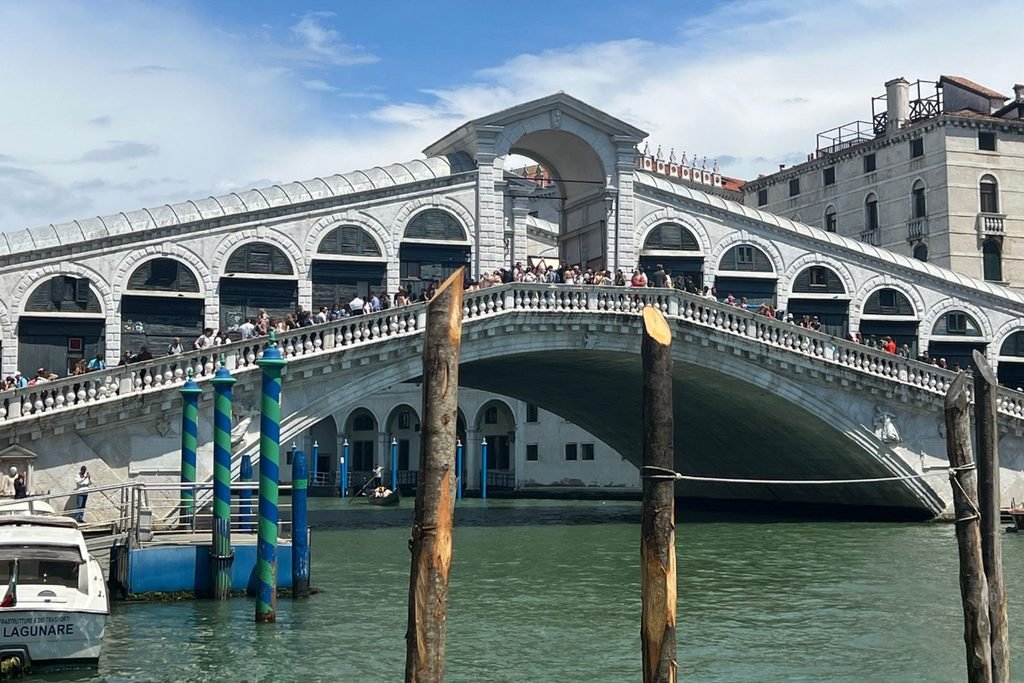
The Rialto Bridge (Ponte di Rialto) is one of Venice’s most famous landmarks and the oldest of the four bridges spanning the Grand Canal. Completed in 1591, its distinctive stone arch and covered shopping arcades have made it a symbol of the city.
From the bridge, visitors can watch gondolas, waterbuses and private boats travelling along the Grand Canal, with historic Venetian buildings lining both sides.
A few things worth knowing:
- Free to visit: There is no admission fee to walk across Rialto Bridge.
- Photography: The bridge offers excellent views of the Grand Canal, particularly in the softer morning and evening light.
- Shopping: Small shops line the bridge, selling jewellery, souvenirs and other goods.
- Rialto Market: Located nearby, this traditional market is known for its fresh produce and seafood, although opening days and hours vary.
When we reached Rialto Bridge, the crowds were shoulder to shoulder. It was difficult to stop and appreciate the views, let alone take photographs, so we continued walking.
Our tip: Don’t limit your walk to the main route between Rialto Bridge and Piazza San Marco. Venture into the quieter streets of neighbourhoods such as Cannaregio or Dorsoduro, where you’ll find another side of Venice away from its busiest landmarks.
Visiting Murano and Burano Islands
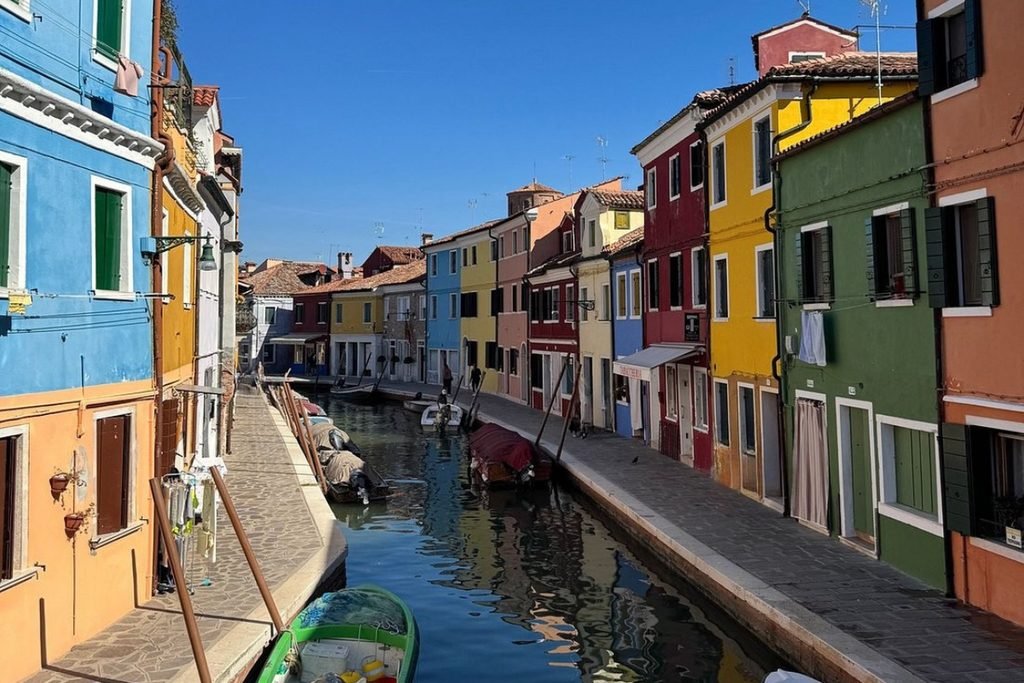
A trip to Murano and Burano is a popular way to discover another side of the Venetian Lagoon. These two islands are known for their traditional crafts, colourful buildings and distinctive local character. Many organised boat tours combine both destinations, making it possible to visit them in a single day.
Murano Island – Famous for Venetian Glass
Located a short boat journey from Venice, Murano is internationally recognised for its centuries-old glassmaking traditions. The island has been a centre of glass production since the 13th century, with skilled artisans producing everything from delicate jewellery to elaborate chandeliers and decorative sculptures.
During my first visit to Venice, I took an organised tour to Murano and loved its colourful buildings, canals and relaxed atmosphere. It was a lovely change from the busy streets of central Venice.
Some highlights of visiting Murano include:
- Glassmaking demonstrations: Watch skilled artisans transform molten glass into intricate designs using traditional techniques.
- Glass workshops and galleries: Browse locally made jewellery, ornaments, sculptures and decorative glassware.
- Murano Glass Museum: Discover the island’s glassmaking history and collections of Venetian glass.
- Canals and waterfront cafés: Wander along the waterways and stop for a coffee or something to eat.
Burano Island – Colourful Houses and Traditional Lace
Burano is famous for its brightly painted houses, which line the canals in a striking mix of colours. The island is also known for its traditional lace-making, a craft that has been practised here for centuries.
Although we haven’t visited Burano ourselves, it’s a popular addition to a Murano excursion and worth considering if you have extra time.
Things to discover on Burano include:
- Colourful canal streets: One of the most photographed settings in the Venetian Lagoon.
- Traditional lace shops: Discover handmade lace and the island’s long history of lace-making.
- Lace Museum: Learn about Burano’s traditional craft and its importance to the local community.
- Local seafood restaurants: Sample Venetian lagoon specialities in a quieter island setting.
Planning Your Island Visit
You can reach both islands using Venice’s public waterbus network or join an organised sightseeing tour.
- Half-day tours: Often combine Murano and Burano, with limited free time on each island.
- Full-day tours: Allow more time to wander, shop and enjoy the local atmosphere. Some also include Torcello.
- Independent travel: Public waterbuses offer greater flexibility if you prefer discovering the islands at your own pace.
Our tip: If you’re interested in traditional Venetian crafts, choose a tour that includes a glassmaking demonstration on Murano. Check the itinerary carefully, as the amount of time spent on each island can vary considerably.
Discovering Venice’s Hidden Gems
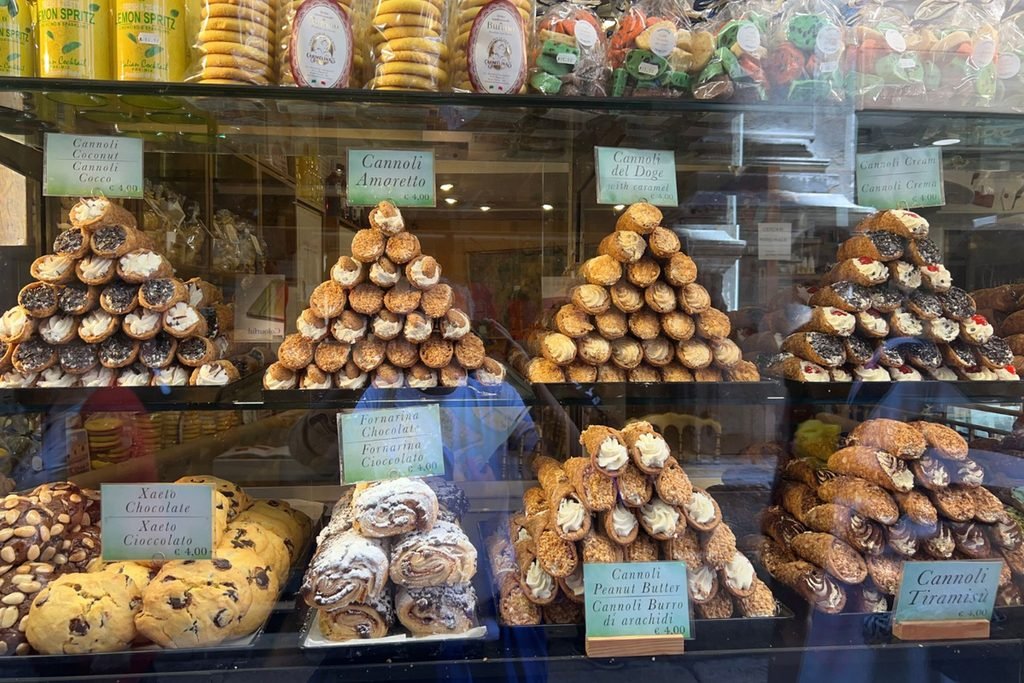
Not everything worth doing in Venice involves visiting a famous attraction. Sometimes the most enjoyable moments come from wandering into a quiet square, discovering a little café or simply watching Venetian life unfold away from the busiest streets.
I remember finding a small square where we stopped for lunch, away from the main tourist crowds. It wasn’t a famous landmark or somewhere we’d planned to visit, but it was peaceful enough to sit, relax and appreciate our surroundings.
There are plenty of simple pleasures worth making time for:
- Find a quiet square: Look for a small campo (Venetian square) with outdoor tables, local cafés and a more relaxed atmosphere.
- Visit a historic bookshop: Libreria Acqua Alta is famous for its unusual displays of books stored in bathtubs, boats and even a gondola. I tried finding it myself but became so hopelessly lost and frustrated that I eventually gave up!
- Try traditional Venetian treats: Look out for frittelle (sweet fried pastries, particularly popular during Carnival), baicoli (thin Venetian biscuits) or zaleti (traditional cornmeal biscuits).
- Stop for coffee and something sweet: Choose a little café, order an espresso or cappuccino with a pastry, and take a break from sightseeing.
- Enjoy some people-watching: Find a spot beside a canal or in a neighbourhood square and watch the boats, locals and visitors going about their day.
Our tip: Don’t feel you need to fill every hour with organised activities. Some of Venice’s most memorable discoveries happen when you put the sightseeing itinerary aside and see where the streets take you.
Planning your visit to Venice? Read our Planning a Journey to Venice guide for travel tips, transport and the best time to visit, or discover Where to Stay in Venice and Surrounding Towns to find the perfect base for your adventure.
Final Thoughts on the Best Things to Do in Venice
Venice has a way of leaving a lasting impression. From its extraordinary architecture to the traditions that have survived for centuries, there’s something fascinating about a city where everyday life revolves around the water.
Looking back, I’m grateful I had three days on my first visit to appreciate its famous attractions without feeling rushed. The gondola ride, Doge’s Palace and Murano were all memorable, but it was the little discoveries between the landmarks that made Venice special for me.
Whether you have a single day or several, choose the attractions that interest you most and leave some time for the unexpected. After all, Venice is as much about the journey between its famous sights as the attractions themselves.
“Venice is a city where every bridge leads to a new discovery, and every wrong turn becomes part of the adventure.”
🌍 Travel Planning Resources
These are the tools we personally use and trust when planning our travels from finding a place to stay to booking activities, transport and insurance. Let your “Tohu” guide you “Trust the Journey” and follow what feels right for you.
- ✈️Flights – Compare great deals with Trip.com then Kiwi.com for flexible, affordable options.
- 🚐 Campervans – Compare rental deals with Motorhome Republic across Aotearoa and beyond.
- 🛏️ Stays – Compare hotels on Trip.com and TripAdvisor or Booking.com.
- 🚐 Rental Cars – Compare prices and book through Airport Rentals by Motorhome Republic for trusted brands and easy airport pickup.
- 🎟️ Activities – Browse tours and experiences on Viator, Get Your Guide, or TripAdvisor
- 🚆12Go Asia – Compare and book trains, buses, and ferries across Asia in one place with 12Go.
- 🛡️ Travel Insurance – Get flexible short-term coverage with Insubuy for your next holiday.
- 💳 Travel Money – Send, spend and manage money internationally with Wise, with easy currency conversion and a handy option for travellers.
- 🔒 Protect Your Privacy with a VPN – We recommend Surfshark VPN for secure and private browsing while travelling. It’s fast, affordable and works worldwide, perfect for public Wi-Fi at airports, cafes and hotels.
- 📱 Travel eSIM – Stay connected with Airalo
- 💼 Lounge Access – Treat yourself with Priority Pass for UK or US
- 🎶 Events & Concerts – Book tickets worldwide through Ticketmaster.
🧭 Note: Some booking links can be a bit shy when you’re using a VPN. If one doesn’t open, try pausing your VPN or switching to a different server location or secure Wi-Fi network to get things flowing again.