
Located in southern France, Avignon and the surrounding Provence region offer a wonderful combination of medieval history, traditional villages, local markets and scenic countryside. Avignon is best known for its impressive city walls, the magnificent Palais des Papes and the famous Pont d’Avignon, while the surrounding region is home to hilltop villages, lavender fields and Mont Ventoux. Whether you’re interested in exploring historic landmarks, sampling Provençal food or discovering the countryside by car, this part of France has plenty to offer.
Is Avignon and Provence Worth Visiting?

Absolutely! Avignon and Provence are well worth including in a French road trip, particularly if you enjoy history, local culture and exploring beyond the major tourist destinations. Avignon’s compact historic centre makes it easy to discover its main attractions on foot, while having a car opens up opportunities to visit beautiful villages such as Gordes and explore the mountain roads around Mont Ventoux. You can easily spend several days combining sightseeing in Avignon with day trips into the surrounding countryside, making it an excellent base for discovering this part of southern France.
Our Experience Exploring Avignon and Provence
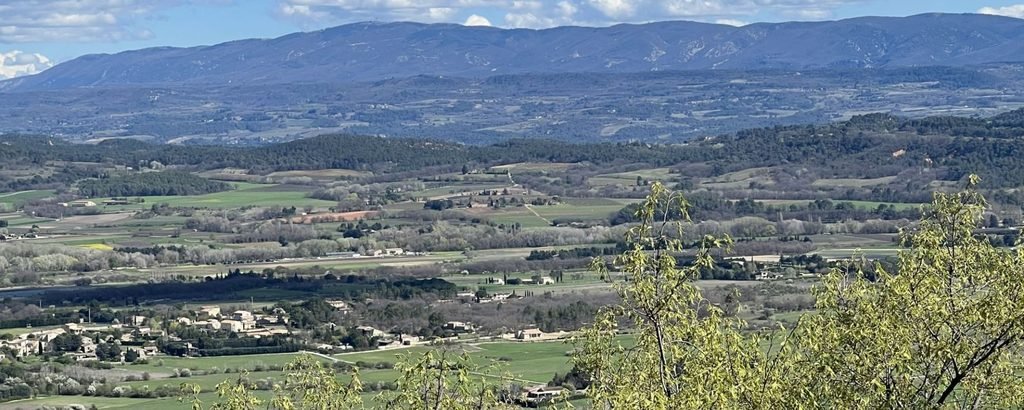
We arrived in Avignon after driving from Nice in our leased Citroën C3 Aircross, ready to explore another part of southern France. Our three-night stay gave us the opportunity to discover the historic city and venture into the surrounding Provence countryside. With the help of a welcoming local Airbnb host, we experienced a wonderful mix of famous landmarks, local culture and everyday French life.
Table of Contents
- Is Avignon and Provence Worth Visiting?
- Our Experience Exploring Avignon and Provence
- Best Things to Do in Avignon
- A Day Trip to Mont Ventoux
- Exploring Gordes and the Luberon
- Discovering the Provence Countryside
- Where to Stay in Avignon and Provence
- Getting to and Around Avignon and Provence
- Best Time to Visit Avignon and Provence
- Practical Tips for Visiting Avignon and Provence
- Final Thoughts on Avignon and Provence
Best Things to Do in Avignon
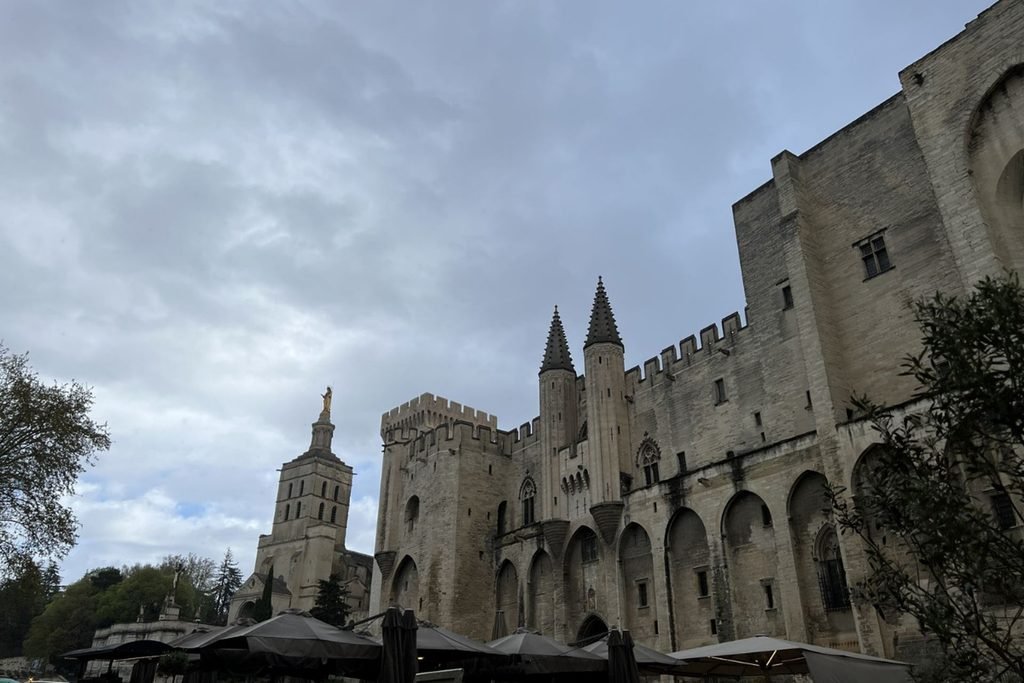
Avignon is one of Provence’s most fascinating historic cities, with much of its medieval heritage preserved within its impressive stone walls. The UNESCO-listed historic centre is home to grand palaces, centuries-old churches, lively squares and narrow streets filled with shops, cafés and restaurants. Many of the main attractions are within walking distance of one another, making it easy to spend an entire day exploring.
Exploring Avignon’s Historic Walled City
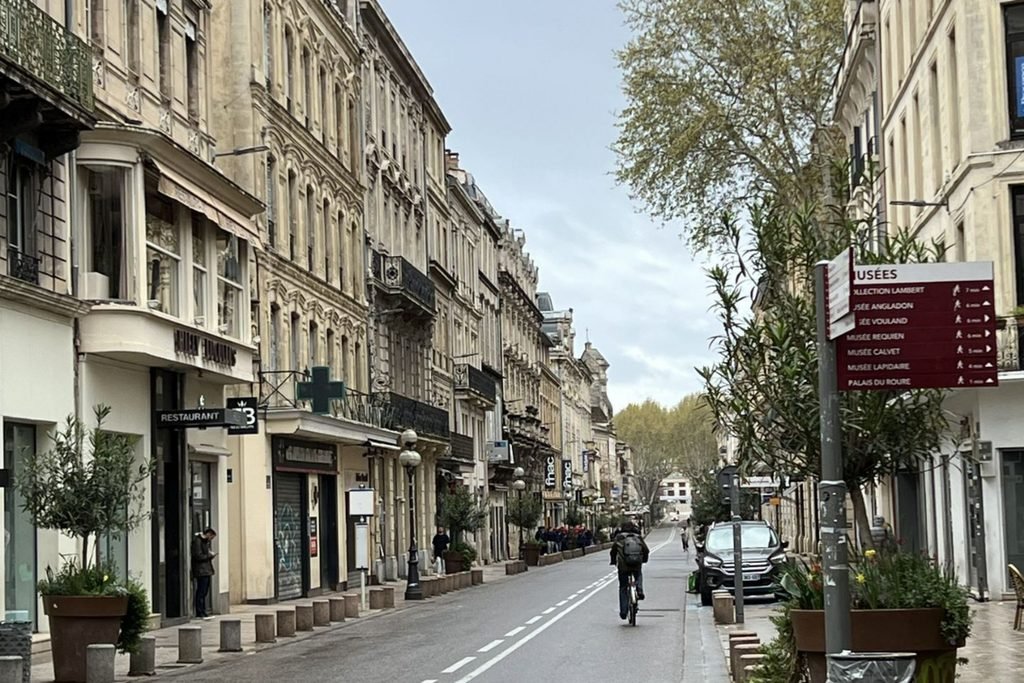
Avignon’s medieval defensive walls stretch for approximately 4.3 kilometres, surrounding the historic centre and providing a remarkable reminder of the city’s past. Much of the fortification dates back to the 14th century, when Avignon was an important centre of religious and political power.
Highlights to look out for while exploring the walled city include:
- Medieval streets and passageways: Wander through narrow lanes lined with historic buildings, small boutiques and traditional shops.
- Place de l’Horloge: One of Avignon’s main squares, surrounded by cafés, restaurants and the impressive Hôtel de Ville.
- Historic churches and architecture: Discover centuries-old chapels, churches and beautifully preserved stone buildings throughout the old town.
- Local cafés and hidden squares: Take time to explore the quieter corners away from the main attractions.
Our Airbnb host kindly took us on a walking tour through the historic centre, sharing his local knowledge and showing us places we might otherwise have missed. Visiting outside the peak tourist season meant the streets were surprisingly quiet, giving us plenty of time to appreciate the architecture without large crowds.
Travel Tip: Allow at least half a day to explore the walled city, although a full day is worthwhile if you plan to visit the major attractions, browse the shops and enjoy a leisurely meal along the way.
Palais des Papes – The Palace of the Popes
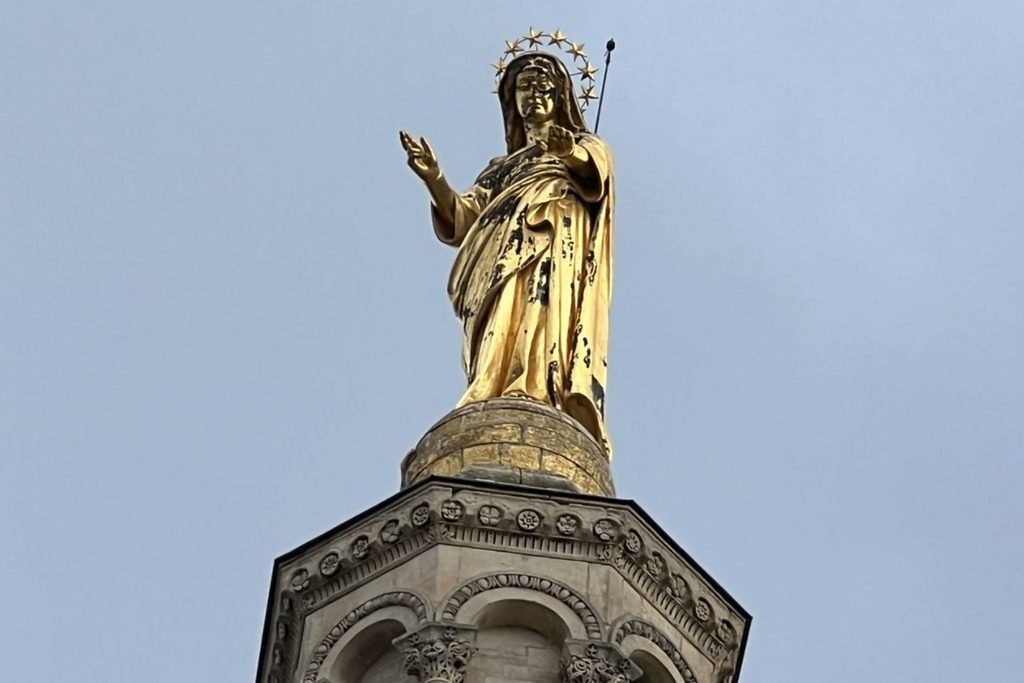
The Palais des Papes (Palace of the Popes) is one of Avignon’s most impressive landmarks and among the largest medieval Gothic palaces in Europe. Built during the 14th century, it served as the residence of the popes when Avignon became the centre of the Catholic Church’s papal administration between 1309 and 1377.
Today, this UNESCO World Heritage Site offers visitors a fascinating glimpse into medieval life, religious history and the extraordinary power once held within its walls.
Highlights of visiting the Palais des Papes include:
- Grand ceremonial halls: Explore enormous chambers once used for official gatherings, receptions and religious ceremonies.
- Papal apartments: Discover the private living quarters of the popes, including rooms decorated with surviving medieval frescoes.
- Chapels and historic rooms: Admire Gothic architecture, vaulted ceilings and the remarkable scale of the palace.
- Palace terraces: Enjoy elevated views across Avignon’s rooftops and the surrounding countryside, where accessible.
- Interactive displays: Learn about the palace’s history through exhibitions and digital reconstructions that help bring its medieval interiors to life.
We explored inside the Palais des Papes, taking time to appreciate the enormous rooms, historic architecture and fascinating history of the building. Its sheer size gives you an idea of just how influential Avignon was during the 14th century.
Travel Tip: Allow approximately 1.5 to 2 hours to explore the palace. Tickets can be purchased separately or combined with other attractions, including Pont d’Avignon. Check current admission prices and opening hours before visiting.
Pont d’Avignon – The Famous Medieval Bridge
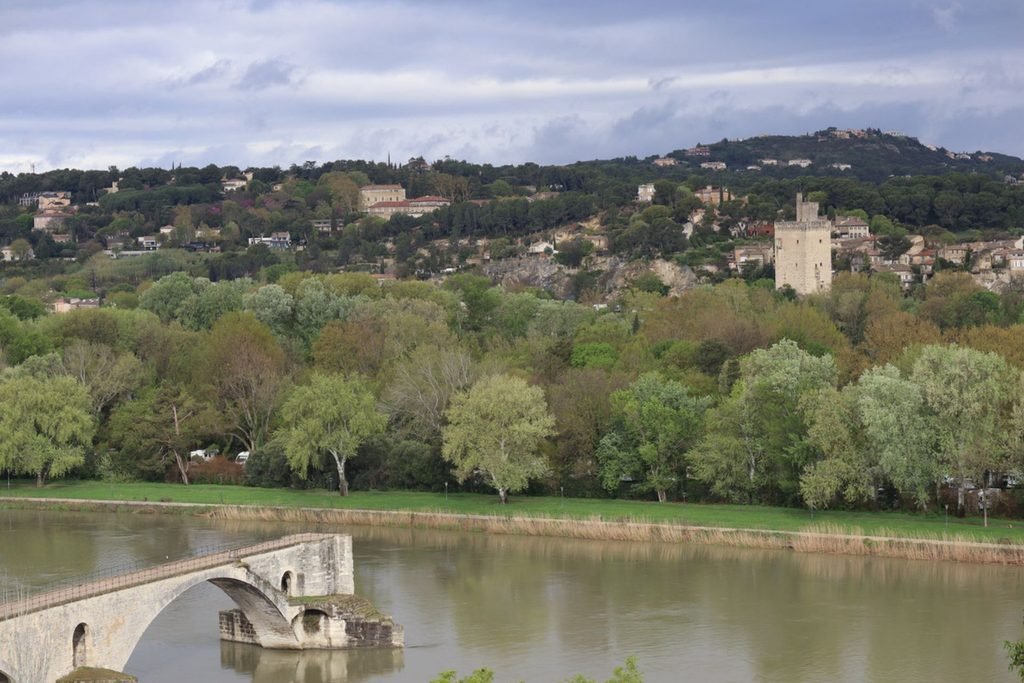
The Pont d’Avignon, officially known as Pont Saint-Bénézet, is one of the city’s most recognisable landmarks. Originally built during the 12th century, the bridge once stretched across the Rhône River, connecting Avignon with the opposite bank. Repeated flooding damaged the structure over the centuries, leaving just four of its original 22 arches standing today.
The bridge is also famous for the traditional French song Sur le Pont d’Avignon and forms part of Avignon’s UNESCO World Heritage Site.
Highlights of visiting Pont d’Avignon include:
- Walking along the historic bridge: Explore the surviving section and appreciate its medieval construction.
- Chapelle Saint-Nicolas: Discover the small chapel built into the bridge, associated with Saint Bénézet.
- Views of the Rhône River: Watch riverboats and other vessels travelling along this important European waterway.
- Panoramic views of Avignon: Enjoy excellent views of the city walls, Palais des Papes and surrounding riverbanks.
We walked onto the Pont d’Avignon and spent time watching boats travelling along the Rhône in both directions. Standing on such a historic structure while looking out across the river was a wonderful experience, particularly knowing the bridge once extended all the way to the opposite bank.
Travel Tip: Allow around 30–45 minutes to explore the bridge and enjoy the views. Combined admission tickets for Pont d’Avignon and Palais des Papes may offer better value if you’re planning to visit both attractions.
Les Halles Market and Local Food

For a taste of everyday life in Avignon, Les Halles d’Avignon is a wonderful place to explore. Located within the historic walled city, this bustling indoor food market brings together local producers and traders selling fresh produce, regional cheeses, cured meats, pastries and Provençal specialities.
The market is particularly popular with locals shopping for their daily ingredients, making it an excellent place to discover the flavours of southern France.
Some of the highlights at Les Halles include:
- French cheeses: Discover everything from creamy goat’s cheeses to traditional regional varieties.
- Charcuterie and cured meats: Browse selections of saucisson, pâtés and other French delicacies.
- Fresh bread and pastries: Enjoy crusty baguettes, buttery croissants and freshly baked treats.
- Provençal specialities: Look for olives, tapenade, olive oils and locally produced condiments.
- Fresh seasonal produce: Explore colourful displays of fruit, vegetables, herbs and other regional ingredients.
Our Airbnb host introduced us to Les Halles Market, where we enjoyed browsing the stalls and choosing a selection of pastries, coffee, cheeses and cured meats for our own antipasto platter. Having someone familiar with the market made the experience even more enjoyable, giving us a glimpse into where locals shop rather than simply visiting another tourist attraction.
Travel Tip: Visit Les Halles in the morning when the market is at its liveliest and the selection is generally at its best. It’s also a great place to pick up ingredients for a picnic or a relaxed meal back at your accommodation. Check opening days before visiting, as the market generally closes on Mondays.
Exploring the Rhône River and Riverside

The Rhône River is an important part of Avignon’s history, having served as a major trading and transport route for centuries. Today, its riverbanks offer a different perspective of the city, with historic landmarks, scenic walking paths and river cruise boats travelling along one of Europe’s major waterways.
There are several enjoyable ways to explore the riverside:
- Take the free river ferry: The seasonal Bac à Traille ferry connects the Avignon riverbank with Île de la Barthelasse, offering lovely views of the historic city.
- Walk along the Rhône: Follow the riverside paths and enjoy views of the medieval walls, Pont d’Avignon and surrounding landscape.
- Explore Île de la Barthelasse: This large river island offers peaceful walking and cycling routes, with excellent views back towards Avignon.
- Watch the river cruise boats: The Rhône is a popular route for European river cruises, with impressive vessels regularly passing through or stopping near Avignon.
We caught a small boat across the Rhône from near the walled city and spent time walking along the opposite riverbank. It was a lovely way to appreciate Avignon from another angle, particularly the views back towards its historic walls and famous bridge.
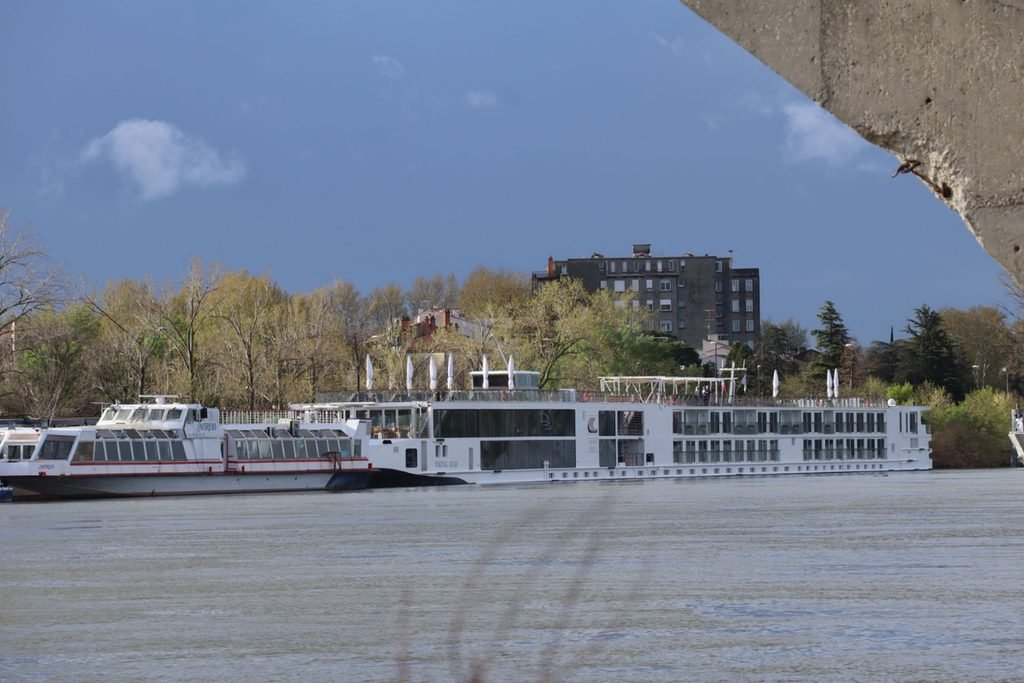
We also enjoyed watching the large European river cruise boats moored along the river. Seeing these vessels up close, including boats associated with the extensive European river cruising network, was fascinating.
Travel Tip: Exploring the riverside is a great way to enjoy Avignon beyond its historic centre. The ferry operates seasonally and is weather-dependent, so check whether it’s running before planning your visit.
A Day Trip to Mont Ventoux

Rising 1,909 metres above sea level, Mont Ventoux is one of Provence’s most recognisable natural landmarks. Often called the Giant of Provence, this impressive mountain is famous for its dramatic limestone summit, panoramic views and challenging cycling routes featured in the Tour de France.
Located approximately 60 kilometres northeast of Avignon, Mont Ventoux makes an excellent day trip for travellers exploring Provence by car. The journey passes through traditional villages, vineyards, forests and mountain scenery, with plenty of opportunities to stop along the way.
Highlights of visiting Mont Ventoux include:
- Scenic mountain roads: Enjoy winding routes through forests, small villages and the beautiful Provençal countryside.
- Panoramic viewpoints: On clear days, the mountain offers extensive views across Provence and towards the Alps.
- Cycling heritage: Discover one of the Tour de France’s most famous mountain climbs, attracting cyclists from around the world.
- Seasonal skiing: During winter, the Mont Serein ski area on the northern slopes offers skiing and other snow activities when conditions allow.
- Walking and hiking: Explore mountain trails and nature walks, with routes suitable for different fitness levels depending on the season.
One of the main reasons we visited Mont Ventoux was our brother-in-law, an avid follower of the Tour de France. The mountain is famous for its gruelling cycling climbs and has featured in the race numerous times. We wanted to see this legendary route for ourselves and take some photographs to send home to him.
We drove from Avignon along the scenic back roads, passing through small villages and beautiful Provençal countryside. Our visit coincided with the final day of the skiing season at Mont Serein, although much of the snow had already melted. With only a handful of people around, the ski area was exceptionally quiet.
Although we weren’t there to ski or cycle, it was wonderful to experience this famous mountain and see the roads that have challenged some of the world’s best cyclists.
Travel Tip: Mont Ventoux’s summit roads can close during winter and early spring because of snow and weather conditions. If you’re visiting outside summer, check road access before travelling. The lower slopes and Mont Serein may still be accessible when the summit is closed.
Exploring Gordes and the Luberon
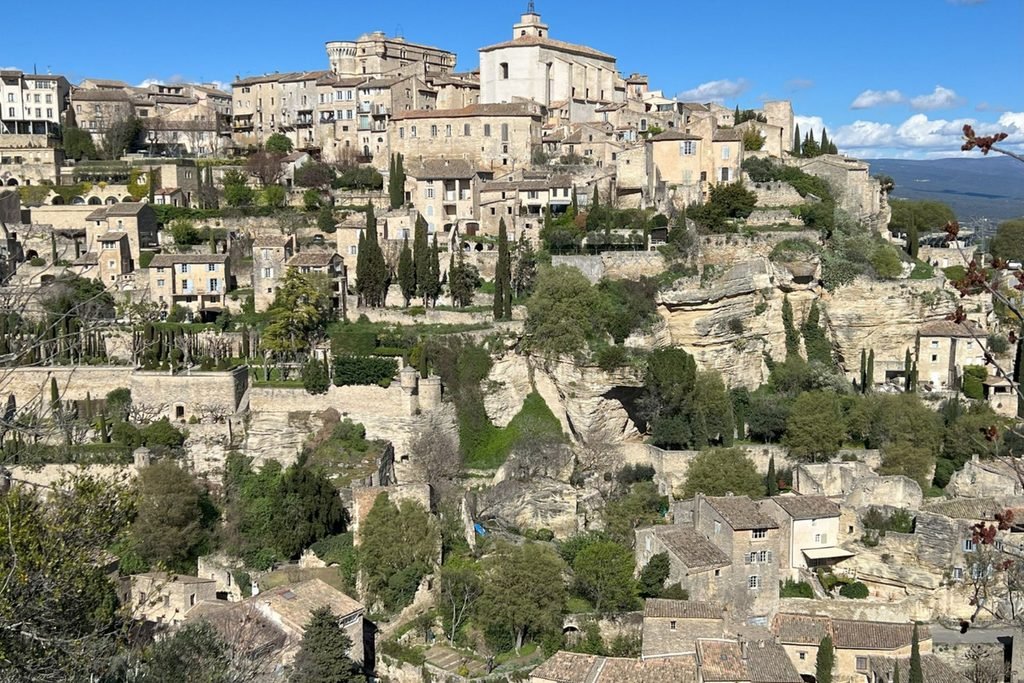
Perched high above the Luberon countryside, Gordes is one of Provence’s most beautiful hilltop villages. Famous for its traditional stone houses, narrow cobbled streets and spectacular panoramic views, the village is officially recognised as one of Les Plus Beaux Villages de France (The Most Beautiful Villages of France).
Located approximately 40 kilometres east of Avignon, Gordes makes an excellent day trip, particularly when combined with other destinations throughout Provence. Its elevated position offers wonderful views across the surrounding valleys, vineyards and neighbouring villages.
Highlights of exploring Gordes include:
- Historic village streets: Wander through narrow cobbled lanes lined with traditional stone houses, small boutiques and local galleries.
- Château de Gordes: Admire the impressive 11th-century castle, which dominates the village centre and was extensively rebuilt during the Renaissance.
- Panoramic Viewpoints: Enjoy sweeping views across the Luberon countryside towards neighbouring villages, including the Roussillon area. The approach roads also offer beautiful postcard views of Gordes, with its stone buildings cascading down the hillside.
- Local cafés and crêperies: Stop for a traditional French crêpe, coffee or a leisurely lunch in one of the village’s charming eateries.
After visiting Mont Ventoux, we continued through the Provence countryside to Gordes, where we spent the afternoon exploring the village. The setting was absolutely stunning, with beautiful stone buildings and incredible views across the surrounding countryside.
We enjoyed wandering through the streets, admiring the architecture and stopping at a local crêperie for a delicious French crêpe. The views towards Roussillon and the neighbouring villages were particularly memorable, making Gordes one of our favourite stops during our time in Provence.
Travel Tip: Gordes is best explored on foot, although its steep, uneven streets can be challenging in places. Parking is available outside the historic centre, and comfortable walking shoes are recommended. If you’re driving, allow time to stop at the viewpoints approaching the village for some of the best photographs.
Discovering the Provence Countryside

Beyond its historic cities and hilltop villages, Provence is a wonderful region to explore by car. Traditional stone farmhouses, vineyards, olive groves and lavender farms are scattered throughout the countryside. Travelling along the smaller roads reveals a quieter side of southern France, with charming villages and unexpected places to discover along the way.
Some of the countryside highlights to look out for include:
- Lavender farms: Provence is famous for its lavender cultivation, particularly around the Luberon, Sault and Valensole Plateau. The main flowering season generally runs from June to August, depending on the location and weather.
- Traditional Provençal villages: Small settlements with stone houses, historic churches, local boulangeries and village squares are scattered throughout the region.
- Vineyards and olive groves: The countryside is home to numerous wine-producing areas and olive farms, many offering opportunities to sample regional products.
- Scenic country roads: Travelling between villages reveals changing landscapes, agricultural areas and beautiful viewpoints across the region.
During our drives through Provence, we passed numerous lavender farms, picturesque villages and beautiful stretches of countryside. Choosing the back roads gave us the freedom to explore at our own pace and appreciate places we might otherwise have missed.
Another memorable experience was when our Airbnb host took us to his favourite boulangerie in a neighbouring village. It was clearly a local establishment, and with our host doing all the talking, we simply pointed to the delicious baked goods we wanted. The quality was outstanding, and it was a wonderful introduction to everyday life in Provence.
Travel Tip: If seeing Provence’s famous purple lavender fields is a priority, plan your visit around the flowering season. Outside those months, the countryside is still beautiful, but the lavender fields won’t have their familiar purple blooms.
Where to Stay in Avignon and Provence

Choosing where to stay in Avignon and Provence depends on whether you prefer being within walking distance of historic attractions or enjoying a quieter base outside the city. From boutique hotels and traditional guesthouses to self-catering apartments and countryside accommodation, there are options to suit different budgets and travel styles.
Some of the best areas to consider include:
- Inside Avignon’s Walled City: Ideal for first-time visitors wanting easy access to the Palais des Papes, Pont d’Avignon, restaurants, markets and historic streets. Accommodation ranges from boutique hotels to apartments in traditional buildings.
- Les Angles: Located across the Rhône from Avignon, this quieter residential area offers convenient access to the city while providing a more relaxed base, particularly for travellers with a car.
- Villeneuve-lès-Avignon: A charming historic town opposite Avignon, known for its medieval landmarks, local restaurants and views towards the city.
- Luberon Villages: Places such as Gordes, Roussillon and nearby smaller villages are excellent choices for travellers wanting a countryside stay surrounded by traditional Provençal scenery.
Our Accommodation in Les Angles
We spent three nights in a shared Airbnb home in Les Angles, a short drive from Avignon’s historic centre. Staying outside the city walls suited our road trip, giving us a convenient base for exploring both Avignon and the surrounding Provence countryside.
One of the biggest advantages was our welcoming local host, whose knowledge and hospitality added something special to our visit. It was a lovely reminder that accommodation can sometimes become just as memorable as the destination itself.
Travel Tip: If you’re travelling by car, consider accommodation outside Avignon’s historic centre where parking may be easier. Those relying on public transport may find staying within the walled city more convenient for sightseeing, restaurants and local transport connections.
Getting to and Around Avignon and Provence
Avignon is well connected to other parts of France, making it an accessible destination whether you’re travelling by car, train or public transport. While the historic walled city is easily explored on foot, having a vehicle provides greater flexibility for discovering the surrounding villages, countryside and attractions throughout Provence.
Getting to Avignon
There are several convenient ways to reach Avignon:
- By Car: Avignon is approximately 260 kilometres from Nice via the main motorway routes. Driving allows you to explore smaller towns and countryside along the way, although avoiding toll roads will generally increase your journey time.
- By Train: Avignon TGV station offers high-speed connections to Paris, Lyon and other major French cities. Regional trains also serve Avignon Centre station, conveniently located near the historic walls.
- By Plane: Marseille Provence Airport is the nearest major international airport, approximately 80 kilometres from Avignon, with onward connections available by road and public transport.
We drove from Nice to Avignon in our leased Citroën C3 Aircross, deliberately avoiding motorways and toll roads. Our planned five-and-a-half-hour journey stretched to around seven hours, as we made frequent stops through the mountain towns and countryside. For us, taking the slower roads was part of the experience rather than simply getting from one destination to another.
Getting Around Avignon and Provence
Once in Avignon, exploring the historic centre on foot is the easiest way to discover its main attractions. However, travelling further into Provence requires a little more planning.
- Walking: Avignon’s main historic attractions, shops, markets and restaurants are concentrated within the city walls.
- Local Buses: Public transport connects Avignon with nearby communities, including Les Angles and Villeneuve-lès-Avignon.
- Regional Trains: Useful for visiting larger towns and cities such as Arles, Orange and Nîmes without needing a car.
- Car Hire or Leasing: Particularly convenient for exploring Mont Ventoux, Gordes and smaller Provençal villages where public transport can be limited.
- Organised Day Tours: A practical alternative for travellers without a vehicle, with excursions available to popular destinations throughout Provence.
Travel Tip: If you’re planning to explore beyond Avignon, having a car offers the greatest flexibility. Smaller villages and countryside attractions aren’t always easily reached by public transport, and driving allows you to stop whenever something catches your attention. Allow extra time for narrow village streets, parking and winding country roads.
Best Time to Visit Avignon and Provence

The best time to visit Avignon and Provence depends on whether you’re interested in sightseeing, exploring the countryside or experiencing the region’s famous lavender season. Provence enjoys a Mediterranean climate, with hot, dry summers, mild spring and autumn temperatures, and cooler winters.
Each season offers something different, making the region an appealing destination throughout much of the year.
- Spring (March–May): An excellent time for sightseeing, with comfortable temperatures, greener countryside and fewer visitors. Occasional rain is possible, and higher elevations around Mont Ventoux may still have snow.
- Summer (June–August): The busiest season, bringing warm weather, outdoor festivals and Provence’s famous lavender fields. Late June to mid-July is generally a good period for lavender viewing, although flowering varies by location and altitude.
- Autumn (September–November): Pleasant temperatures, fewer crowds and the grape harvest make autumn ideal for exploring villages, vineyards and local markets.
- Winter (December–February): A quieter time to visit Avignon, with cooler weather and fewer tourists. Snow is possible around Mont Ventoux, although mountain access can be restricted.
Visiting Provence Outside Peak Season
Visiting Provence outside peak season suited us perfectly. Although the weather wasn’t always ideal, we appreciated having more space to explore and enjoy the region at a relaxed pace. Spring is an excellent alternative to summer, particularly for travellers more interested in sightseeing than lavender fields or hot weather.
Travel Tip: If lavender fields are a priority, check the expected flowering dates for the specific area you plan to visit. The Valensole Plateau generally flowers earlier than higher-altitude areas around Sault, and harvesting dates vary each year. Visiting outside lavender season can still be rewarding, particularly if you prefer quieter villages and more comfortable sightseeing temperatures.
Practical Tips for Visiting Avignon and Provence
A little preparation can make exploring Avignon and the surrounding Provence region much easier, particularly if you’re combining historic sightseeing with countryside day trips.
A few useful things to know before visiting:
- Book popular attractions in advance: The Palais des Papes and Pont d’Avignon can attract large crowds during summer, so purchasing tickets ahead of time can save queuing.
- Check market opening hours: Many traditional French markets operate mainly in the morning, with some shops and smaller businesses closing for lunch or on certain days.
- Carry some cash: Although cards are widely accepted, having a little cash can be useful for smaller market stalls, village shops and local purchases.
- Learn a few French phrases: A friendly bonjour, merci or s’il vous plaît goes a long way, particularly in smaller villages where English may be less commonly spoken.
- Be prepared for changing weather: Provence can experience strong Mistral winds, while temperatures around Mont Ventoux may be considerably cooler than in Avignon.
- Allow time for local food: Traditional boulangeries, food markets and small village cafés are part of the Provençal experience. Don’t rush every meal or sightseeing stop.
Final Thoughts on Avignon and Provence
Our time in Avignon and Provence was a wonderful combination of history, local culture and memorable experiences. We particularly enjoyed the contrast between the historic city and the quieter pace of life in the surrounding countryside.
Three nights gave us a lovely introduction to the region, although there’s certainly enough to tempt us back for another visit. Provence is a destination we’d happily recommend to anyone planning a journey through southern France.
“The beauty of travel isn’t always in the places you plan to visit, but in the experiences you discover along the way.”
🌍 Travel Planning Resources
These are the tools we personally use and trust when planning our travels from finding a place to stay to booking activities, transport and insurance. Let your “Tohu” guide you “Trust the Journey” and follow what feels right for you.
- ✈️Flights – Compare great deals with Trip.com then Kiwi.com for flexible, affordable options.
- 🚐 Campervans – Compare rental deals with Motorhome Republic across Aotearoa and beyond.
- 🛏️ Stays – Compare hotels on Trip.com and TripAdvisor or Booking.com.
- 🚐 Rental Cars – Compare prices and book through Airport Rentals by Motorhome Republic for trusted brands and easy airport pickup.
- 🎟️ Activities – Browse tours and experiences on Viator, Get Your Guide, or TripAdvisor
- 🚆12Go Asia – Compare and book trains, buses, and ferries across Asia in one place with 12Go.
- 🛡️ Travel Insurance – Get flexible short-term coverage with Insubuy for your next holiday.
- 💳 Travel Money – Send, spend and manage money internationally with Wise, with easy currency conversion and a handy option for travellers.
- 🔒 Protect Your Privacy with a VPN – We recommend Surfshark VPN for secure and private browsing while travelling. It’s fast, affordable and works worldwide, perfect for public Wi-Fi at airports, cafes and hotels.
- 📱 Travel eSIM – Stay connected with Airalo
- 💼 Lounge Access – Treat yourself with Priority Pass for UK or US
- 🎶 Events & Concerts – Book tickets worldwide through Ticketmaster.
🧭 Note: Some booking links can be a bit shy when you’re using a VPN. If one doesn’t open, try pausing your VPN or switching to a different server location or secure Wi-Fi network to get things flowing again.