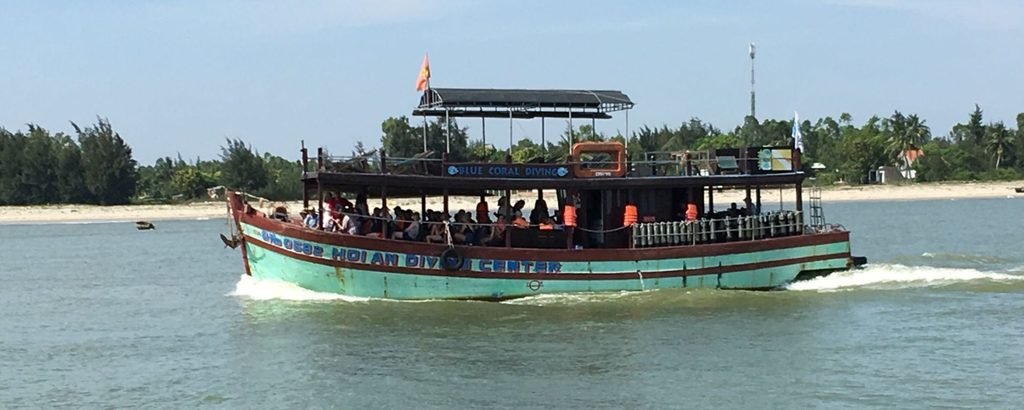
Getting around Vietnam can look a little overwhelming when you first start planning. It’s a long, narrow country, and the places most travellers want to visit can be hundreds of kilometres apart. What looks reasonably close on a map can turn into a very long day on the road.
The good news is that Vietnam has plenty of ways to get around. Domestic flights, trains, sleeper buses, taxis, Grab and private drivers all have their place, and you don’t need to rely on just one. Vietnam’s official tourism information also recommends choosing between flights, trains and buses depending on how much time you have and whether the journey itself is part of the experience.
For us, the best approach is to look at each journey individually. Sometimes it’s worth taking the slower route and seeing more of the country along the way. Other times we’d rather spend an hour or two flying than lose an entire day travelling between destinations.
Table of Contents
Getting Around Vietnam: What We Found
One of the biggest things we learned was not to underestimate the distances.
Vietnam stretches a long way from north to south, and travelling between Hanoi, central Vietnam and Ho Chi Minh City takes some planning. The main north-south railway connects many of the major destinations, including Hanoi, Hue, Da Nang and Ho Chi Minh City, but travelling the entire route takes well over a day.
That leaves you with a few choices:
- Fly: Best when you’re short on time or travelling a long distance.
- Train: Great when you want to slow down and enjoy the scenery.
- Sleeper Bus: Usually an economical option and useful on many popular tourist routes.
- Grab or Taxi: Ideal for getting around cities and shorter distances.
- Private Driver: More expensive, but useful when you want flexibility or have several stops planned.
- Motorbike or Scooter: Hugely popular in Vietnam, but definitely not something we’d recommend unless you’re properly licensed, insured and genuinely confident riding in Vietnamese traffic.
There isn’t one “best” way to travel around Vietnam. The right choice depends on your route, budget, available time and how comfortable you want the journey to be.
And don’t forget that getting from A to B can sometimes become one of the highlights. The train journey between Hue and Da Nang crosses the Hai Van Pass, with beautiful coastal and mountain scenery along the way. Your original transport guide singled this section out, and Vietnam Tourism continues to recommend train travel as one way to experience the country’s landscapes rather than simply passing through them.
Tohu Tip: When comparing transport, don’t look at the ticket price alone. Consider how long the journey takes, how you’ll get to and from the station or airport, luggage costs and whether you’ll lose most of a day travelling. Sometimes paying a little more saves you an entire day of your holiday.
Domestic Flights
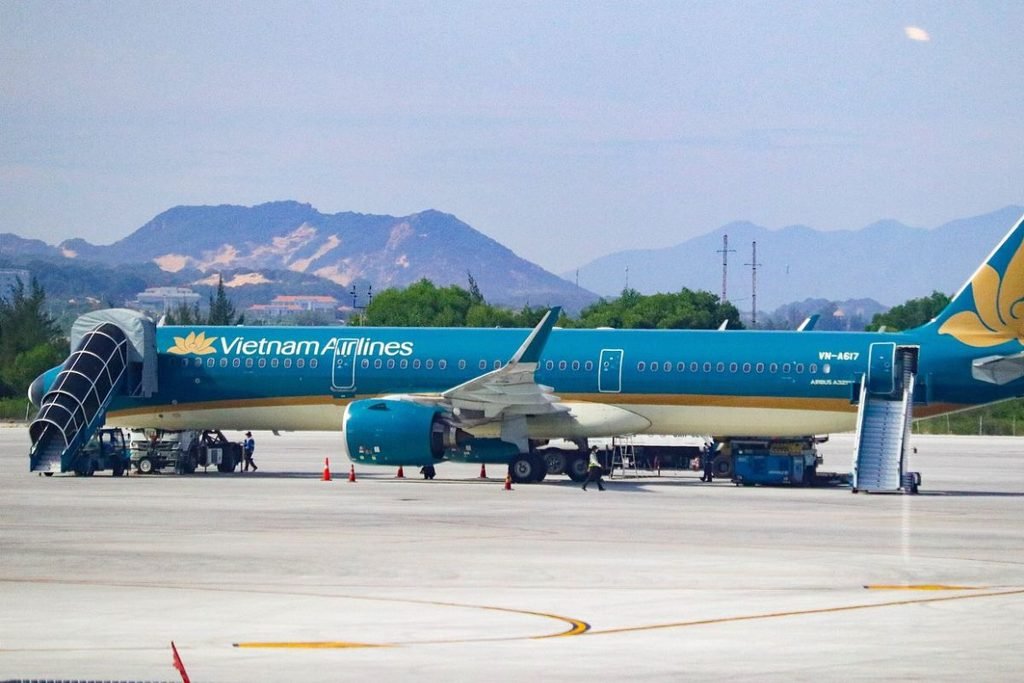
Because Vietnam is such a long country, domestic flights can save a huge amount of travelling time, particularly if you’re trying to see the north, central and southern regions in one trip.
Your old transport guide made the same point: flying can make sense when the alternative is spending a very long day, or even overnight, travelling by road or rail.
For routes such as Hanoi to Da Nang or Da Nang to Ho Chi Minh City, we’d certainly compare flights with the train or bus before deciding. Sometimes the slower journey is part of the adventure, but other times we’d rather arrive and have an extra day to explore.
What to Check Before Booking
Don’t compare flights on the advertised fare alone. Check:
- Checked luggage allowance, particularly with budget fares
- Cabin baggage limits
- Seat selection fees
- Airport transfer costs
- Departure and arrival times
- How much time you’ll actually save once airport travel and check-in are included
Vietnam’s major tourist cities are well connected by air, including Hanoi, Da Nang and Ho Chi Minh City, which makes flying useful when you’re covering large distances.
Why We’d Choose It
For us, flying makes the most sense when the journey isn’t something we’re particularly interested in experiencing.
If a train offers beautiful scenery, we might happily take the slower option. But if we’re looking at spending most of a day on a bus compared with a short flight, we’d seriously consider flying and using that saved time at the destination.
Good to know: During major Vietnamese holidays, particularly Tet, transport can become extremely busy. If your trip falls around a major holiday period, organise your longer journeys well ahead of time.
Tohu Tip: Always work out the door-to-door travel time, not just the flight time. A one-hour flight isn’t really one hour once you’ve added the trip to the airport, check-in, security, baggage collection and transport at the other end.
Travelling Vietnam by Train
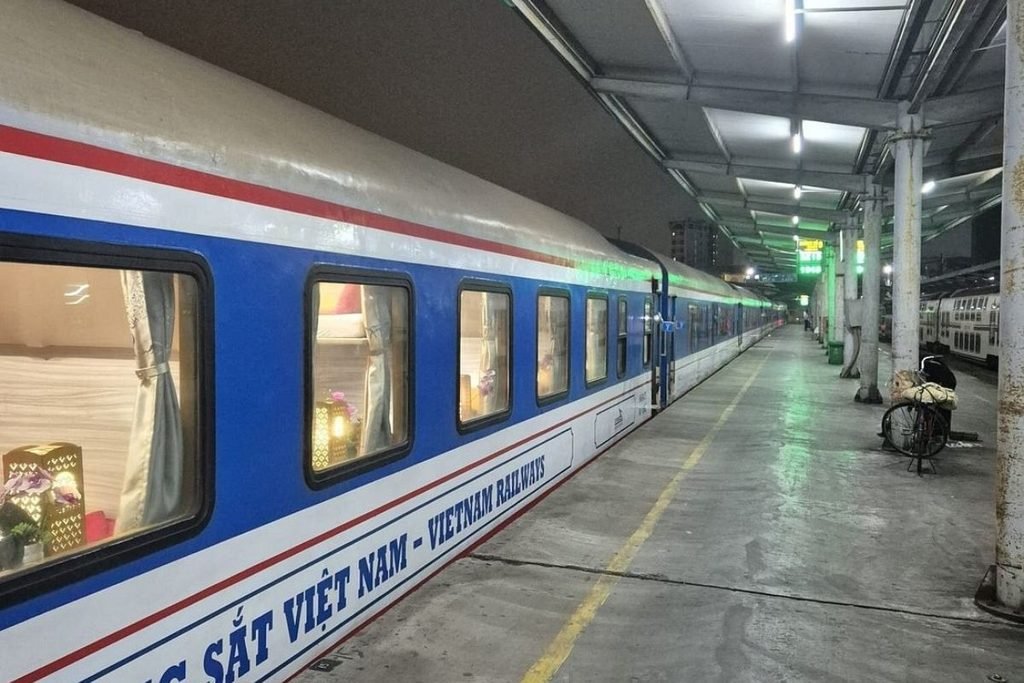
Train travel in Vietnam is one of those options we’d seriously consider when the journey itself is worth experiencing. It isn’t always the fastest way to get around, but it gives you the chance to see countryside and coastline you’d completely miss if you flew.
Vietnam’s main north-south railway connects Hanoi and Ho Chi Minh City, with stops at destinations including Hue and Da Nang. Travelling the entire route is a major journey, so you certainly don’t have to do the whole thing to experience Vietnam by rail.
Choosing Your Seat or Sleeper
Depending on the train and route, you’ll generally find different levels of seating and sleeper accommodation.
For longer journeys, we’d be looking at:
- Soft seats: Fine for shorter daytime journeys.
- Hard sleepers: Usually six bunks to a compartment.
- Soft sleepers: Usually four bunks to a compartment, giving you a little more space and comfort.
If we were travelling overnight, a soft sleeper would be our choice. We’re well past the stage of saving a few dollars if it means arriving absolutely shattered the next morning.
The Hue to Da Nang Train
If there’s one train journey we’d particularly consider, it’s the route between Hue and Da Nang.
The railway passes through the Hai Van Pass, with views across the coastline and surrounding mountains. It’s one of those occasions where taking the slower option can actually become part of your Vietnam experience rather than simply being transport between two destinations.
If you’re travelling between Hue, Da Nang and Hoi An, this is definitely one route worth comparing with flying or taking a private transfer.
Good to Know
For longer train journeys, bring water, snacks and anything you want handy during the trip. Your original guide also noted that facilities and comfort can vary between trains, so we’d go prepared rather than expecting every carriage to be the same.
Book ahead if you’re travelling during busy periods or on a popular route, particularly if you want a specific sleeper class.
Tohu Tip: Don’t automatically dismiss a six or eight-hour train journey because flying is faster. If the train travels during daylight through a beautiful part of Vietnam, those hours aren’t necessarily lost travel time. They can be part of the holiday.
Buses and Sleeper Buses
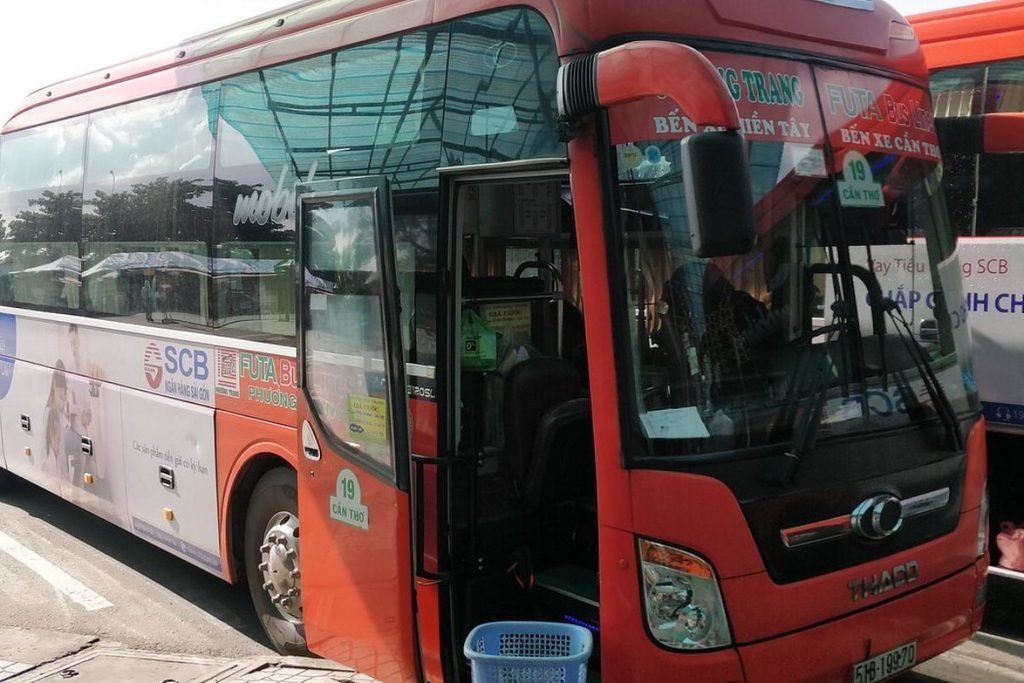
Buses are another popular way to travel around Vietnam, particularly when there isn’t a convenient train or flight connection. They connect major cities with smaller towns and tourist destinations, and you’ll find everything from basic coaches to more comfortable sleeper and limousine-style buses.
For longer journeys, sleeper buses are a very Vietnamese travel experience. Instead of normal upright seats, you get a reclining seat or bed-style space so you can stretch out while travelling. Your original guide noted that they can be convenient for overnight journeys, although the spaces can feel cramped, particularly for taller travellers.
Would We Take a Sleeper Bus?
For the right journey, yes. But we wouldn’t automatically choose one simply because it was the cheapest option.
An overnight sleeper bus can save you the cost of accommodation and get you to your next destination while you sleep. The trade-off is whether you’ll actually get any sleep.
Vietnamese roads can be busy, horns are part of everyday driving, and the driving style may be very different from what you’re used to. Our old guide suggested earplugs for light sleepers, and we’d probably add noise-cancelling headphones to that list now.
What to Check Before Booking
- Choose a reputable bus company rather than automatically booking the cheapest.
- Check recent reviews for the particular route.
- Look at the seat or sleeper configuration, especially if you’re tall or need more room.
- Confirm where the bus actually departs from and drops you off.
- Keep your valuables with you rather than in luggage stored underneath.
- Carry water, toilet paper and hand sanitiser for longer journeys.
Some routes also have limousine buses or smaller luxury vans, which can offer larger seats and more legroom than a standard coach. For us, paying a little more for extra comfort could easily be worth it on a journey lasting several hours.
Good to know: A bus advertised as leaving from a particular city may depart from a bus station well outside the area where you’re staying. Check the actual pickup and drop-off points before booking so you can factor in the extra transfer.
Tohu Tip: Don’t choose an overnight bus just because it saves you a hotel night. If you know you won’t sleep well sitting or lying in a confined space, a daytime journey and a proper night’s sleep may be money well spent.
Grab, Taxis and Private Drivers
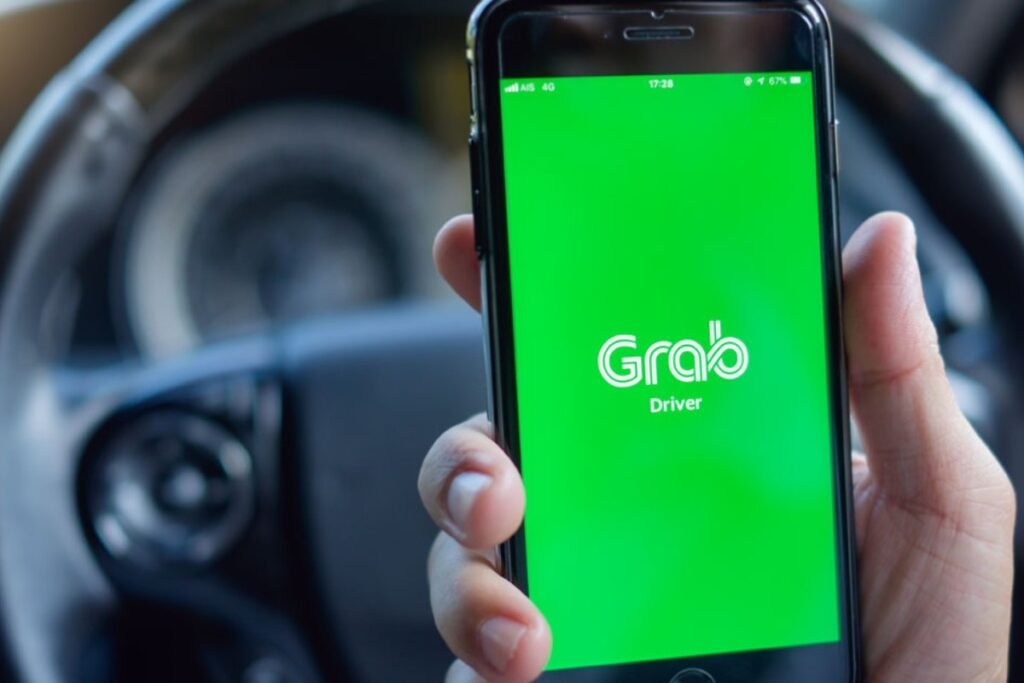
For getting around Vietnam’s cities, Grab, taxis and private drivers can make life much easier. After a day walking in the heat, sometimes the last thing you want to do is work out another bus route or walk another few kilometres back to your accommodation.
Using Grab in Vietnam
Grab is one of the easiest options for short trips because you can enter your destination in the app, see the fare before booking and follow the journey on your phone. It also removes much of the language barrier when trying to explain where you want to go.
You’ll generally find different vehicle choices depending on where you are, including cars and motorbikes.
For us, a Grab car would be the easy choice. Watching the motorbikes weave through Vietnamese traffic was entertaining enough from the footpath. We didn’t need to experience it from the back of one.
Taxis
Regular taxis are still widely used and can be handy when there’s one waiting outside your hotel, airport or an attraction.
A few simple precautions are worthwhile:
- Use an official taxi rank or reputable company where possible.
- Ask your accommodation to arrange one if you’re unsure.
- Have the name and address of your destination available on your phone.
- Check whether the taxi is using the meter before setting off.
- Keep small notes handy for shorter fares.
Private Drivers
A private driver can be worth considering for longer day trips, particularly when you want to visit several places without being tied to a group tour timetable.
You’re paying more than you would for public transport, but you’re also paying for convenience and flexibility. You can usually arrange a driver through your accommodation, a tour company or a reputable booking service.
For two people, we’d always compare the cost of a private driver with joining an organised tour. Sometimes the difference isn’t as large as you’d expect, particularly once you factor in hotel pickup and the ability to travel at your own pace.
Good to know: When arranging a private driver, confirm the total price and exactly what’s included before leaving. Check whether entrance fees, tolls, parking and waiting time are included or additional.
Tohu Tip: Save your accommodation in Google Maps before heading out. Vietnam’s cities can have similarly named hotels and streets, so being able to show the exact location on your phone can save a lot of confusion.
Motorbikes and Scooters
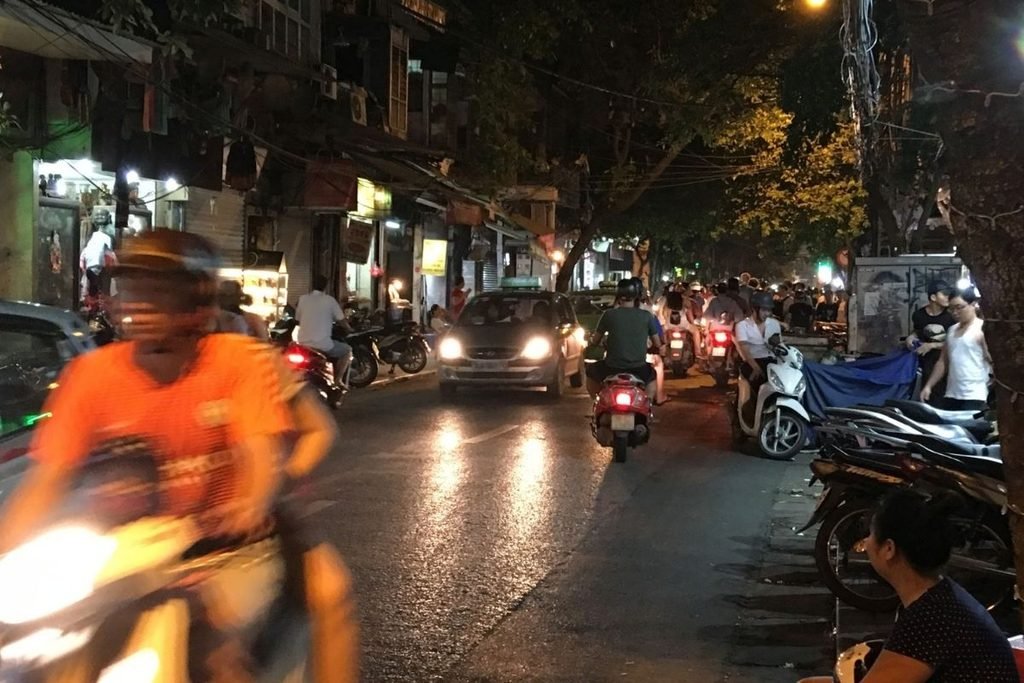
You won’t spend long in Vietnam before noticing that motorbikes are everywhere. They weave through city traffic, fill the footpaths and seem capable of carrying everything from entire families to loads you’d never imagine fitting on two wheels.
Hiring a scooter can give you enormous freedom, particularly outside the major cities, but this is one form of transport we’d approach with plenty of caution.
Would We Hire a Scooter in Vietnam?
For us, no.
We’ve ridden scooters in other parts of Southeast Asia, but Vietnamese traffic is another level altogether. Watching the flow of motorbikes through Hanoi and Ho Chi Minh City was enough for us to know that hiring one wasn’t something we needed to add to our experience.
That doesn’t mean nobody should do it. If you’re an experienced and confident rider, have the correct licence and permit for Vietnam, and your travel insurance covers you, it can be a fantastic way to explore quieter areas.
Your old guide made an important point that still deserves a place here: being able to rent a motorbike doesn’t necessarily mean you’re legally entitled or insured to ride it.
Before You Hire One
If you do decide to ride:
- Check the current Vietnamese licence and International Driving Permit requirements before travelling.
- Make sure your travel insurance specifically covers motorcycle or scooter riding.
- Always wear a helmet.
- Check the brakes, tyres, lights and horn before accepting the bike.
- Photograph any existing damage before leaving the rental shop.
- Avoid riding at night if you’re unfamiliar with the roads.
- Never assume Vietnamese traffic will behave the way traffic does at home.
Your original guide also recommended inspecting the bike and photographing existing damage before accepting it, which is still sensible advice with any rental vehicle.
What About the Hai Van Pass?
The Hai Van Pass between Hue and Da Nang is one of Vietnam’s famous motorbike routes, with mountain and coastal scenery along the way.
But you don’t have to ride it yourself to experience it. If you’re not a confident rider, look at a private driver, organised tour or the scenic train journey instead.
Good to know: Don’t assume you’re covered by travel insurance simply because the rental company handed you the keys. Check your licence, permit and insurance requirements yourself.
Tohu Tip: There’s no prize for being adventurous if you’re uncomfortable. Vietnamese traffic is an experience even when you’re sitting safely inside a car. We were quite happy to leave the motorbikes to people who knew what they were doing.
Getting Around Vietnam’s Cities
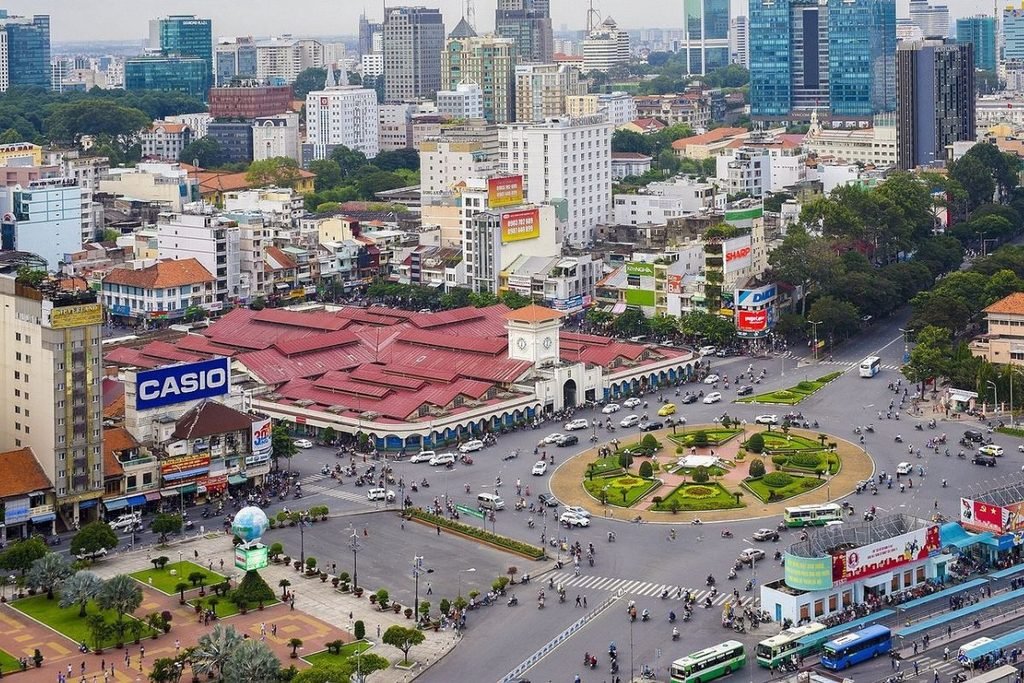
Getting from one end of Vietnam to the other is only half the story. Once you arrive, you still need to work out how to get around each city.
We found this could be very different depending on where we were. Hanoi and Ho Chi Minh City can feel hectic and overwhelming, while places such as Hoi An are much easier to explore slowly on foot.
Walking
We walk a lot when we travel because it’s often the best way to see everyday life between the main attractions. Vietnam is no different, but walking there comes with a few surprises.
Footpaths aren’t always just for pedestrians. You’ll often find parked motorbikes, food stalls, tables, chairs and people taking up much of the space, which sometimes means stepping onto the edge of the road.
Then there’s crossing the road.
The first few times can be intimidating, particularly in Hanoi and Ho Chi Minh City. Waiting for a completely empty road may mean you’ll be standing there for a very long time.
Our approach was to watch how locals crossed, choose a safe opportunity and move steadily rather than making sudden changes of direction.
Grab and Taxis
For longer distances within the cities, Grab or a taxi can save your legs, especially after you’ve already spent hours sightseeing in the heat.
They’re also useful when:
- Your accommodation is away from the main tourist area.
- You’re carrying luggage.
- It’s particularly hot or raining.
- You’re heading somewhere that isn’t easy to reach on foot.
- You’ve simply had enough walking for the day.
Bicycles
In smaller destinations, bicycles can be another enjoyable way to explore. They’re particularly useful when distances are a little too far to comfortably walk but you don’t need a car.
We’d be much happier cycling somewhere quieter than attempting to negotiate the traffic in central Hanoi or Ho Chi Minh City.
Don’t Underestimate the Heat
Something that’s easy to overlook when planning from home is how much heat and humidity can change your day.
A distance that looks perfectly manageable on Google Maps can feel very different after several hours sightseeing in the Vietnamese heat. There is nothing wrong with walking in the morning and grabbing a ride back later when you’ve had enough.
Tohu Tip: Don’t plan every day around how far you can walk. Plan around how much energy you want left when you arrive. Sometimes a cheap ride across town means you’ll enjoy the attraction far more when you get there.
Which Transport Should You Choose?
There really isn’t one best way to get around Vietnam. We’d choose transport journey by journey, depending on the distance, how much time we had and whether there was anything worth seeing along the way.
For us, it would look something like this:
- Long distances: Fly if it saves us losing most of a day.
- Scenic routes: Take the train when the journey is part of the experience.
- Medium distances: Compare trains, buses and private transfers.
- Overnight journeys: Consider a sleeper train or bus, but only if you’re comfortable sleeping that way.
- Around cities: Walk when practical, then use Grab or taxis when we’ve had enough.
- Day trips: Compare an organised tour with the cost of hiring a private driver.
- Motorbikes: Only if you’re properly licensed, insured and confident. We’d leave them to someone else.
Price matters, but as we’ve got older, time and comfort matter just as much. Saving a few dollars isn’t always a saving if you arrive exhausted and lose half the next day recovering.
Our Vietnam Transport Tips
A little planning before each journey can make getting around Vietnam much easier.
- Don’t underestimate distances. Vietnam is longer than it looks when you’re plotting places on a map.
- Compare door-to-door times. Include airport transfers, check-in and waiting time when comparing flying with trains or buses.
- Check luggage allowances. A cheap flight can become less cheap once luggage is added.
- Book important journeys ahead. Particularly around weekends, holidays and busy travel periods.
- Check your pickup point. Bus and train stations may not be anywhere near your accommodation.
- Keep your accommodation saved on your phone. Having the exact location ready makes taxis and transfers much easier.
- Keep valuables with you. Don’t put passports, money, medication or electronics into luggage stored underneath a bus.
- Allow some breathing room. Delays happen, so we’d avoid booking tight connections wherever possible.
- Download your maps before travelling. They’re useful when your internet connection disappears at exactly the wrong moment.
Tohu Tip: Don’t feel that you need to use the cheapest transport simply because you’re travelling in Southeast Asia. Sometimes paying a little more for comfort, convenience or an extra few hours at your destination is absolutely worth it.
Final Thoughts
Getting around Vietnam is all part of the adventure. One day you might be walking through Hanoi’s Old Quarter, the next travelling along the coast by train, and a few days later flying south to Ho Chi Minh City.
The biggest thing we’d recommend is not trying to cover too much ground too quickly. Vietnam is a long country, and constantly packing, checking out and travelling to the next destination can become exhausting.
Choose the transport that works for your time, budget and comfort level. Take the scenic route when it’s worth it, fly when you want the extra time, grab a taxi when your feet have had enough and don’t feel you have to climb onto a scooter just because everyone else seems to be doing it.
However you choose to get around, leave enough time to enjoy where you’ve arrived.
“Sometimes the road less travelled is filled with the best stories.”
🌍 Travel Planning Resources
These are the tools we personally use and trust when planning our travels from finding a place to stay to booking activities, transport and insurance. Let your “Tohu” guide you “Trust the Journey” and follow what feels right for you.
- ✈️Flights – Compare great deals with Trip.com then Kiwi.com for flexible, affordable options.
- 🚐 Campervans – Compare rental deals with Motorhome Republic across Aotearoa and beyond.
- 🛏️ Stays – Compare hotels on Trip.com and TripAdvisor or Booking.com.
- 🚐 Rental Cars – Compare prices and book through Airport Rentals by Motorhome Republic for trusted brands and easy airport pickup.
- 🎟️ Activities – Browse tours and experiences on Viator, Get Your Guide, or TripAdvisor
- 🚆12Go Asia – Compare and book trains, buses, and ferries across Asia in one place with 12Go.
- 🛡️ Travel Insurance – Get flexible short-term coverage with Insubuy for your next holiday.
- 💳 Travel Money – Send, spend and manage money internationally with Wise, with easy currency conversion and a handy option for travellers.
- 🔒 Protect Your Privacy with a VPN – We recommend Surfshark VPN for secure and private browsing while travelling. It’s fast, affordable and works worldwide, perfect for public Wi-Fi at airports, cafes and hotels.
- 📱 Travel eSIM – Stay connected with Airalo
- 💼 Lounge Access – Treat yourself with Priority Pass for UK or US
- 🎶 Events & Concerts – Book tickets worldwide through Ticketmaster.
🧭 Note: Some booking links can be a bit shy when you’re using a VPN. If one doesn’t open, try pausing your VPN or switching to a different server location or secure Wi-Fi network to get things flowing again.