Travelling in China is generally very safe, but it does come with a few health and safety differences that can catch visitors off guard if they’re not prepared. Most of these aren’t deal breakers, they’re simply things to be aware of so you can travel confidently and make informed choices.
This guide isn’t about fear or worst-case scenarios. It’s about knowing what’s normal in China, what feels different to Western travellers, and how to navigate it calmly.
Table of Contents
Is China Safe for Tourists?
From our experience, China felt very safe for travellers. Violent crime against tourists is rare, cities are well monitored, and public spaces are busy and orderly.
That said, safety in China looks a little different to what many travellers are used to. Rules are enforced, systems are structured and daily life runs efficiently once you understand how things work.
As with any destination:
- Stay aware of your surroundings
- Follow local rules
- Use common sense
Most issues travellers face are logistical or cultural, not safety-related.
Health Considerations in China
Drinking Water and Food Safety
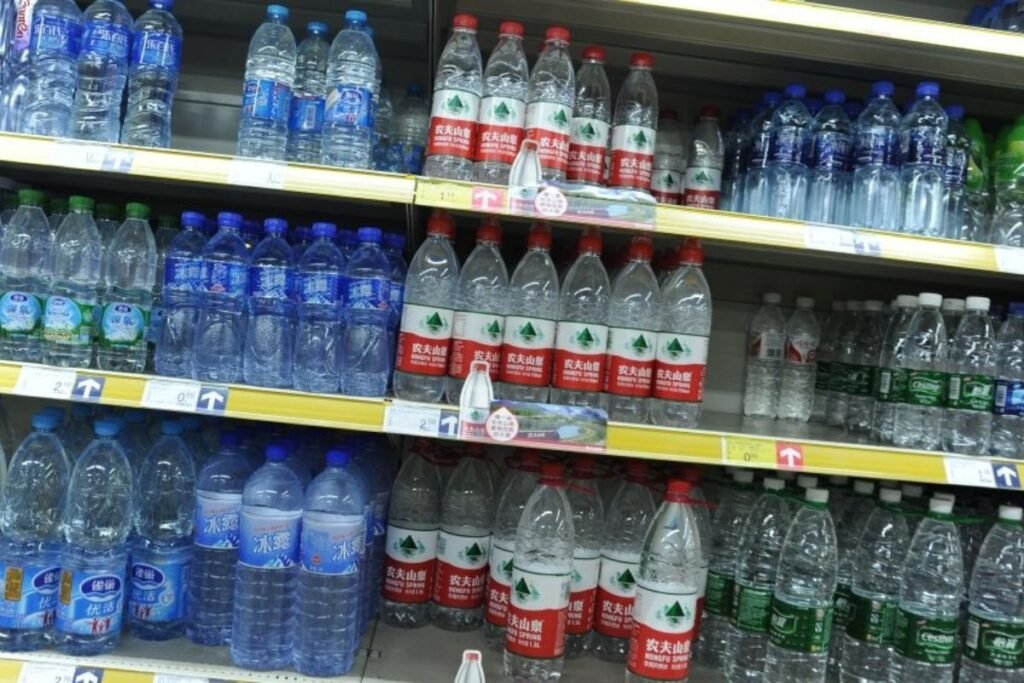
Tap water in China is not safe to drink, and this applies everywhere, including hotels and homestays.
What we recommend:
- Drink bottled water only
- Use bottled or boiled water for brushing your teeth if you are unsure
- Avoid ice unless you know it is made from purified water
We travel with our own reusable drink bottles to reduce plastic use, but the reality on the ground is more complicated. Plastic bottles are everywhere, and unless your hotel or Airbnb has a water filter or purification jug, you often have no choice but to refill your bottles from bottled water.
Most hotels and homestays provide complimentary bottled water daily, which helps. Where possible, we boil the kettle before bed and refill our bottles for the next morning. However, in hot weather, you will usually need to top up during the day wherever you can. It is a bit of a balancing act — wanting to minimise plastic while also staying hydrated and healthy.
One solution we personally use is a portable water filter, which gives extra peace of mind and reduces reliance on single-use bottles where possible.
Food safety in China is generally very good, especially in busy restaurants and food courts. As anywhere, trust your instincts. If something looks unhygienic or appears to have been sitting out too long, it is best to skip it.
Street food can be fantastic. We recommend choosing stalls that:
- Are busy with locals
- Prepare food fresh to order
- Handle food cleanly and confidently
This approach served us well throughout our travels.
Air Quality and Pollution
Air pollution can be an issue in some major cities, particularly during certain weather conditions.
A few things to know:
- Air quality varies day to day
- Some days are perfectly clear
- Other days can feel heavy or hazy
If you’re sensitive to pollution, carrying a mask can be helpful, but it’s not something we felt we needed every day.
Medical Care and Travel Insurance
Major cities in China have international hospitals and clinics, but medical care can be expensive without insurance.
We strongly recommend:
- Comprehensive travel insurance
- Coverage that includes medical treatment and emergencies
- Keeping digital and paper copies of your policy details
Pharmacies are common, but language barriers can make it difficult to explain symptoms clearly.
A Reality Check on Treatments and Wellness Services
This is where we want to be very honest, because it’s not always talked about.
Ear Cleaning Experiences
One experience that left a bad impression for us was ear cleaning. It felt uncomfortable and to be honest, we walked away feeling like the treatment may have been intentionally painful to encourage the purchase of medication afterwards.
Whether that was the intention or not, it reinforced an important lesson:
- If the service isn’t provided by a medical professional, we’d recommend thinking carefully. In our experience, those calling out from the street to pull people in are best avoided.
- Be cautious with treatments you don’t fully understand
- Avoid places that pressure you into add-ons or medication
- If something feels off, it’s okay to stop and walk away
Chinese Massage – Very Different to Western Massage
Chinese massage is nothing like a Western relaxation massage.
It is:
- Deep
- Intense
- Purpose-driven
They will find the sore spot and they will not let it go, even if you’re wriggling in pain. The common response is “pain is good” and “you will feel better later”.
And to be fair, there is logic behind it. It’s not designed to be calming. It’s designed to work on tension and blockages.
Just don’t go in expecting:
- Soft music
- Gentle pressure
- Relaxation
Go in expecting an experience.
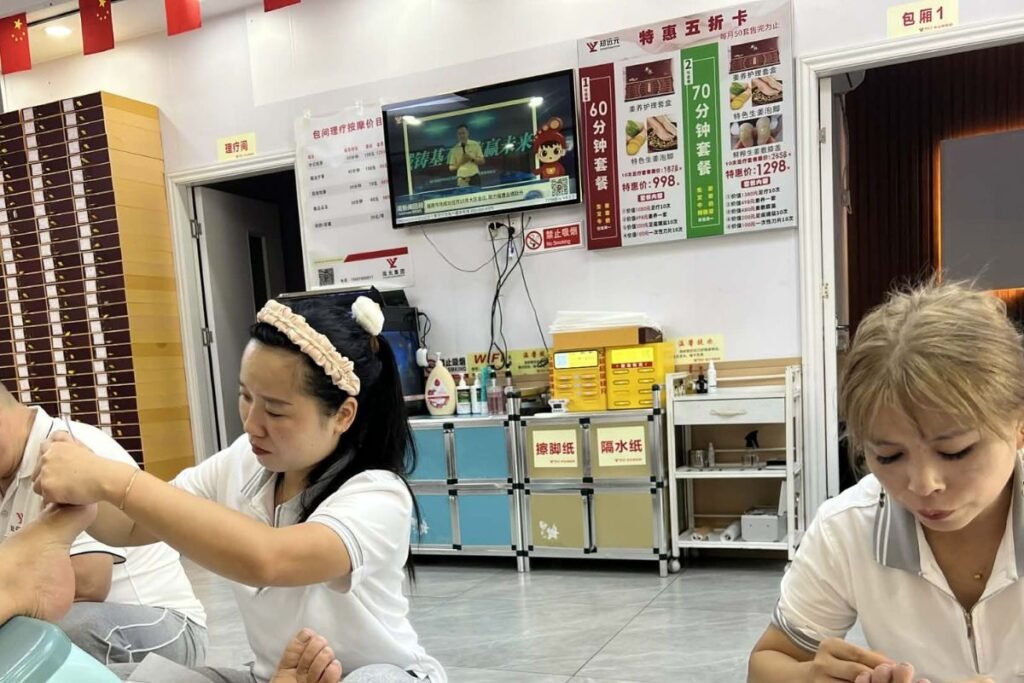
Foot Cleaning and Foot Care
Foot care services in China are incredibly thorough and, while they might look confronting to Western eyes, the practitioners clearly know what they’re doing.
They use:
- Sharp tools
- Techniques that are often restricted or banned in Western countries
The results are impressive, even if the process feels intense.
Our advice:
- Choose a specialist foot care clinic
- Avoid shops aggressively advertising foot treatments along tourist strips
- Look for places that locals use
This is one area where quality and professionalism really matter.
Transport and Personal Safety
China’s transport system is modern and well maintained, but it’s fast-paced.
A few things to watch:
- Pedestrians don’t always have right of way
- Scooters and bikes can come from unexpected directions
- Cross streets carefully, even at crossings
Ride-hailing apps like Didi make getting around much easier and reduce the need to negotiate or navigate unfamiliar systems.
Final Tohu Tip
China is a country where systems work — but they work their way. Once you understand the differences, travel becomes smooth and surprisingly comfortable.
Most health and safety concerns come down to being informed, trusting your instincts, and choosing reputable services. Don’t be afraid to say no, don’t feel pressured into treatments, and remember that it’s okay to step away if something doesn’t feel right.
Prepared travellers don’t need to worry — they just need to adapt.
🔗 More China Travel Guides
Want more China Inspiration?
Explore all our China blogs in one place — from ancient towns and national parks to mega-cities and night markets.
👉 Read all our China Destination Guides & China Travel Essentials Guides Here
🌍 Travel Planning Resources
These are the tools we personally use and trust when planning our travels from finding a place to stay to booking activities, transport and insurance. Let your “Tohu” guide you “Trust the Journey” and follow what feels right for you.
- ✈️Flights – Compare great deals with Trip.com then Kiwi.com for flexible, affordable options.
- 🚐 Campervans – Compare rental deals with Motorhome Republic across Aotearoa and beyond.
- 🛏️ Stays – Compare hotels on Trip.com and TripAdvisor or Booking.com.
- 🚐 Rental Cars – Compare prices and book through Airport Rentals by Motorhome Republic for trusted brands and easy airport pickup.
- 🎟️ Activities – Browse tours and experiences on Viator, Get Your Guide, or TripAdvisor
- 🚆12Go Asia – Compare and book trains, buses, and ferries across Asia in one place with 12Go.
- 🛡️ Travel Insurance – Get flexible short-term coverage with Insubuy for your next holiday.
- 🔒 Protect Your Privacy with a VPN – We recommend Surfshark VPN for secure and private browsing while travelling. It’s fast, affordable and works worldwide, perfect for public Wi-Fi at airports, cafes and hotels.
- 📱 Travel eSIM – Stay connected with Airalo
- 💼 Lounge Access – Treat yourself with Priority Pass for UK or US
- 🎶 Events & Concerts – Book tickets worldwide through Ticketmaster.
🧭 Note: Some booking links can be a bit shy when you’re using a VPN. If one doesn’t open, try pausing your VPN or switching to a different server location or secure Wi-Fi network to get things flowing again.
“Every destination has its own rhythm. Once you learn it, everything flows.”