
France offers an incredible variety of landscapes, historic towns, vibrant cities and regional traditions, making it a fascinating country to discover at your own pace. From the Mediterranean coastline of Nice and the medieval streets of Avignon to the remarkable island abbey of Mont Saint-Michel, the vineyards of Alsace and the famous landmarks of Paris, every region has something different to offer.
Whether you’re planning a scenic road trip, travelling between cities by train or combining several destinations into one journey, France has plenty of options. In this guide, we share practical advice on planning a journey through France, including where to visit, when to travel, transport options, accommodation, food and what we learned along the way.
Is France Worth Visiting?
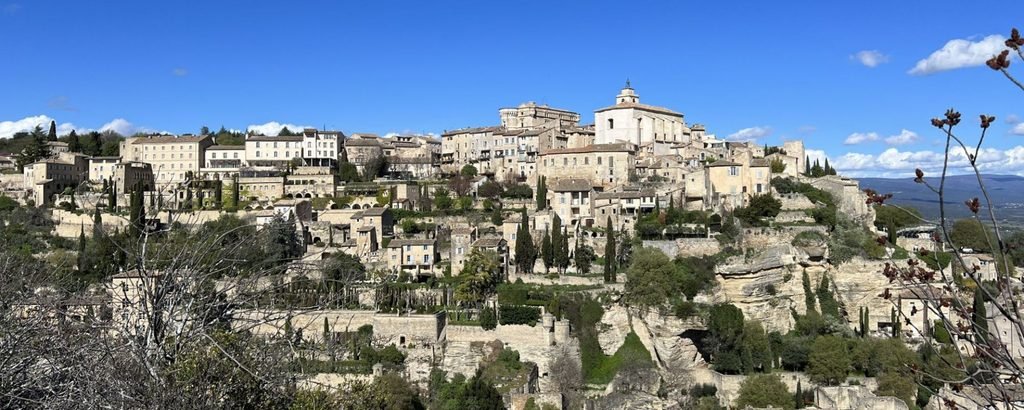
Absolutely, especially if you enjoy discovering places beyond the major tourist attractions. While Paris, the French Riviera and Provence attract visitors from around the world, some of France’s most memorable experiences can be found in its smaller towns, countryside and everyday local life.
Travelling independently gives you the freedom to stop at village bakeries, wander through local markets, discover medieval streets and take scenic routes between destinations.
France also has an extensive rail network, making it possible to explore without hiring a car. With a little planning, you can combine famous landmarks with quieter destinations and experience much more than the usual tourist highlights.
Our Experience Travelling Through France
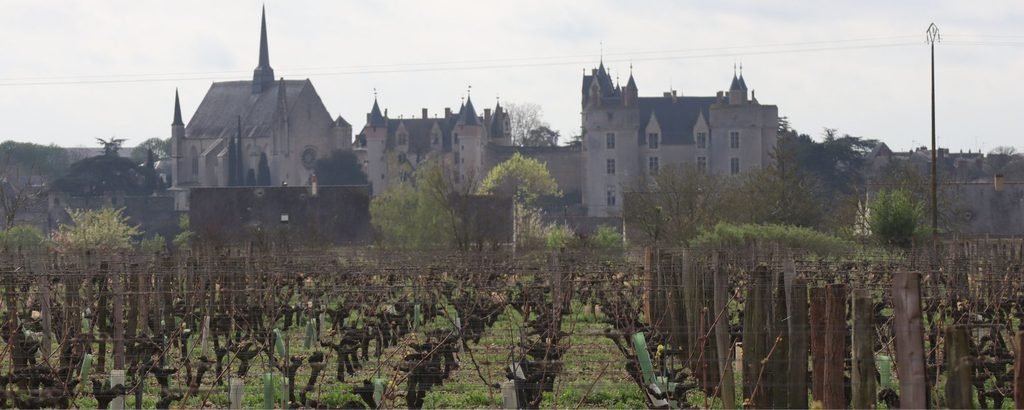
Our travels through France formed part of our extended European adventure in 2024, with several visits as we journeyed between Italy, Spain and Switzerland. We first arrived in Nice by train from Cinque Terre, where we spent a few days exploring before collecting our leased car and beginning our French road trip.
Rather than taking motorways and toll roads, we chose smaller roads whenever possible, travelling through villages, farmland, vineyards and mountain landscapes. Our journey took us through Provence, north to Normandy after visiting Spain, across the French Alps into Italy, and later back into Alsace from Switzerland before finishing in Paris.
Along the way, we stayed in locally hosted accommodation, discovered the pleasure of French boulangeries, shopped in supermarkets and enjoyed preparing our own meals.
What we particularly loved was the freedom to travel without rushing, stop wherever something caught our attention and experience the everyday side of France beyond its famous attractions.
Table of Contents
- Is France Worth Visiting?
- Our Experience Travelling Through France
- Planning Your Route Through France
- Best Time to Visit France
- Exploring the Different Regions of France
- Driving Through France
- Getting Around France
- Where to Stay in France
- French Food and Dining Culture
- Budgeting for Your French Road Trip
- Practical Travel Tips for France
- Final Thoughts
Planning Your Route Through France
France is a large country with plenty of interesting destinations spread across different regions. Before planning your itinerary, it’s worth considering how much time you have, which areas interest you most and whether you prefer travelling by car, train or a combination of both. While the major cities are well connected by rail, having a car gives you greater flexibility to explore smaller villages, rural areas and places that are harder to reach by public transport.
Our journey through France wasn’t one continuous road trip. Instead, we travelled through the country on several occasions as part of our wider European adventure, entering from Italy, returning from Spain and later crossing back into France from Switzerland.
We divided our travels into several regions, allowing us to experience different parts of the country without trying to see everything in one visit.
- Nice and the French Riviera: Arriving by train from Italy, we spent a few nights exploring Nice before collecting our leased car and beginning our road trip.
- Avignon and Provence: Travelling inland through the mountains, we based ourselves near Avignon and explored the surrounding countryside, including Mont Ventoux and Gordes.
- Normandy and Mont Saint-Michel: After visiting Spain, we re-entered France near the Atlantic coast and travelled north, stopping overnight in Le Blanc before continuing to Mont Saint-Michel and Dinan.
- The French Alps: Our journey back towards Italy took us across France and through the mountains towards Turin, with an overnight stop along the way.
- Colmar and Alsace: Returning from Switzerland, we stayed in the small wine-growing town of Soultzmatt, using it as a base to explore Colmar and the surrounding region.
- Paris: Our final destination was the French capital, where we stayed on the outskirts with convenient access to public transport before returning our leased car and flying to Hong Kong.
How Much Time Should You Allow?
The amount of time you need depends on how many regions you want to visit and how much travelling you’re comfortable doing.
Rather than attempting to cover the entire country in a short holiday, we’d recommend choosing two or three regions and allowing enough time to explore them properly. France has so much to offer that even a few days in one area can easily fill your itinerary.
For those planning a longer European journey, France also works well as a connecting destination between neighbouring countries. With good transport connections and a wide range of accommodation, it’s relatively straightforward to build a flexible itinerary that combines major attractions with smaller, less-visited destinations.
Best Time to Visit France

France is a year-round destination, but the best time to visit depends on which regions you plan to explore and what you want to experience. The Mediterranean coast enjoys a different climate from northern France, while the French Alps have their own seasonal conditions. Spring and autumn are particularly appealing for road trips, offering generally milder temperatures, changing landscapes and fewer visitors than the busy summer months.
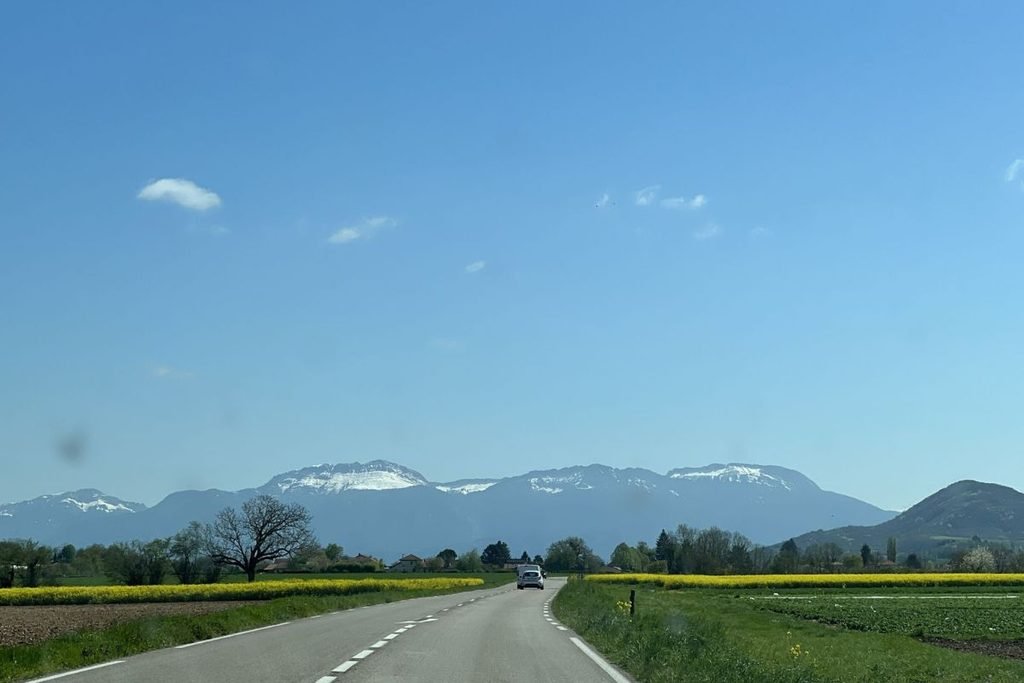
We travelled through France during spring and early summer, when the countryside was full of colour. One of the most memorable sights was the enormous fields of bright yellow flowers stretching across the landscape. We initially wondered what they were before discovering they were rapeseed, grown for canola oil. Alongside the vineyards, green farmland and small villages, they made our drives through the countryside particularly enjoyable.
Spring in France – March to May
Spring is an excellent time to discover France, particularly if you enjoy walking, sightseeing and driving through the countryside without the intense summer heat.
- March: Early spring brings cooler temperatures, fewer tourists and the first signs of seasonal growth, although mountain areas can still experience snow.
- April: A lovely time for exploring cities, villages and the countryside, with flowering trees, green landscapes and fields of yellow rapeseed.
- May: Generally warmer weather makes outdoor activities more appealing, although occasional rain is still possible, particularly in northern regions.
We experienced some unsettled weather during our time in Avignon, but it certainly didn’t stop us from exploring. With a jacket and comfortable walking shoes, we were able to make the most of our days.

Summer in France – June to August
Summer is the busiest tourist season in France, particularly along the French Riviera, in Paris and throughout Provence. Longer daylight hours and warmer temperatures make it ideal for outdoor dining, coastal holidays and exploring the countryside.
One of Provence’s most famous seasonal attractions is its lavender fields, which generally flower from mid-June through July, depending on the location, altitude and weather conditions.
We had hoped to see the lavender in full bloom, but our visit was too early. We did, however, drive past fields of neatly planted lavender before the flowers appeared. Even without their famous purple colour, the rows stretching across the countryside were an impressive sight.
If seeing the lavender fields is a priority, plan your visit around the flowering season rather than assuming they’ll be in bloom throughout summer.
July and August also bring larger crowds, higher accommodation demand and potentially very hot weather, especially in southern France.
Autumn in France – September to November
Autumn is another appealing season for travelling through France, particularly for those interested in food, wine and scenic drives.
September often brings pleasant temperatures and fewer visitors as the main summer holiday period ends. In wine-growing regions such as Alsace and Provence, the grape harvest adds another dimension to the countryside.
By October and November, temperatures begin to cool, autumn colours appear and many destinations become quieter. Some seasonal attractions and businesses may reduce their opening hours, particularly in smaller tourist towns.
Winter in France – December to February
Winter offers a completely different French experience. The French Alps become popular for skiing and other snow activities, while cities such as Paris remain attractive for museums, galleries, shopping and sightseeing.
Alsace is particularly well known for its traditional Christmas markets, with towns such as Colmar and Strasbourg attracting visitors during the festive season.
However, winter road trips require more planning, especially in mountainous areas where snow, ice and seasonal road closures can affect travel.
Our Recommendation for a French Road Trip
For a journey combining cities, countryside and coastal destinations, April to June or September to October are excellent periods to consider. These months generally offer comfortable sightseeing conditions without the peak summer crowds.
If your plans include seasonal attractions such as Provence’s lavender fields, check their expected flowering periods before booking. Likewise, mountain routes may have restrictions outside summer, so it’s worth researching conditions for your intended itinerary.
Exploring the Different Regions of France

One of the greatest attractions of travelling through France is how much the scenery, architecture, food and atmosphere change between regions. From Mediterranean coastal cities and medieval villages to vineyard-covered hills and historic landmarks, each area has its own character.
During our journey, we explored five main destinations, using them as bases to discover the surrounding countryside and nearby attractions. Travelling independently gave us the flexibility to spend time in smaller towns as well as France’s famous cities, often finding unexpected places along the way.
Nice and the French Riviera
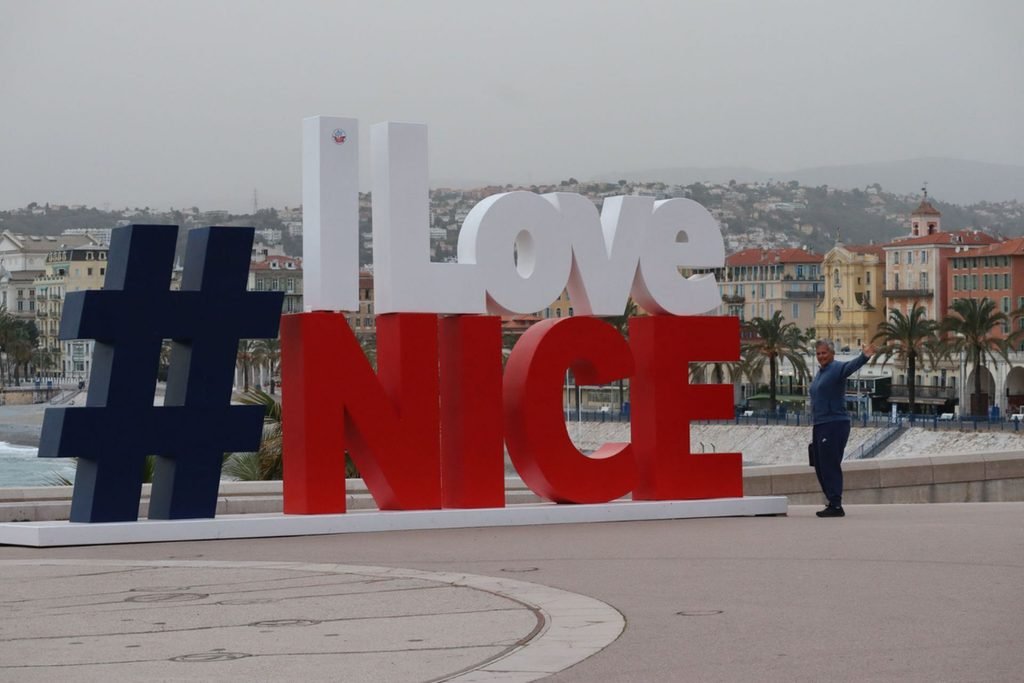
Nice was our introduction to France after arriving by train from Cinque Terre in Italy. With its Mediterranean waterfront, grand buildings, colourful Old Town and lively markets, it was an excellent place to spend a few days before beginning our road trip.
We stayed centrally and explored on foot, wandering along the Promenade des Anglais, visiting the famous I Love Nice sign and discovering the narrow streets of Vieux Nice. The city’s trams, cafés and pedestrian-friendly areas made getting around relatively straightforward without a car.
One of our favourite experiences was simply watching everyday life unfold, from the busy outdoor cafés to the waterfront in the evening. We also discovered one of the best meals of our French journey at a restaurant we hadn’t originally planned to visit.
For more about our stay, including where we ate, what we discovered and practical sightseeing tips, read our guide to Exploring Nice and the French Riviera.
Avignon and Provence

Provence was one of our favourite regions for scenic driving, with historic towns, vineyards, mountain roads and small villages scattered throughout the countryside.
We based ourselves near Avignon, staying in an Airbnb with a local host who couldn’t speak English. Despite the language barrier, he went out of his way to show us around the city, introducing us to places and experiences we might otherwise have missed.
Avignon’s medieval walls, historic streets and impressive Palais des Papes make it a fascinating destination. Beyond the city, we drove through the countryside to Mont Ventoux, famous for its challenging Tour de France cycling climbs, and visited the hilltop village of Gordes.
Discover more about our drives, villages and sightseeing in Exploring Avignon and Provence.
Mont Saint-Michel and Normandy

After returning to France from Spain, we travelled north towards Normandy, breaking up the long journey with an overnight stay in Le Blanc.
Our main reason for visiting the region was Mont Saint-Michel, one of France’s most recognisable landmarks. Rising above the surrounding tidal landscape, the medieval abbey and village create an extraordinary sight, particularly as you approach from the mainland.
We spent a morning exploring the island, wandering through its narrow streets and taking in the views. The visitor parking and shuttle transport made accessing Mont Saint-Michel straightforward, although walking across the causeway is another option.
We also visited Dinan, a medieval town in Brittany, where we enjoyed exploring its historic streets and stopping for a traditional savoury galette. It was another reminder that some of France’s most interesting places are found beyond the major cities.
Read more about our visit, parking arrangements and nearby destinations in Exploring Mont Saint-Michel and Normandy.
Colmar and the Alsace Region
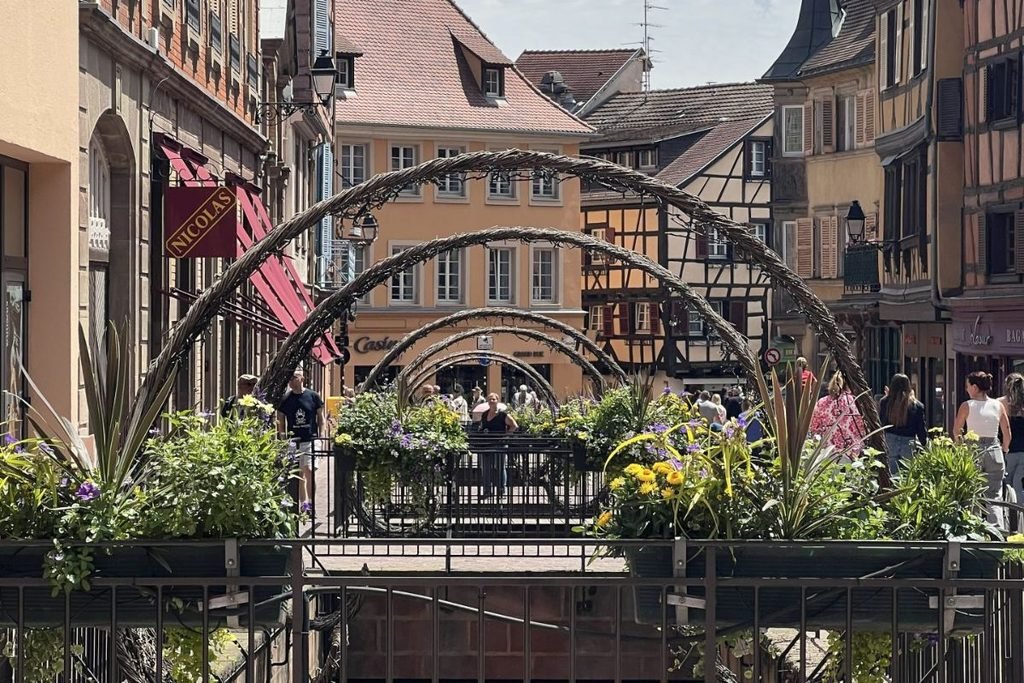
Alsace offered a completely different side of France, with its timber-framed houses, vineyards and traditional villages reflecting the region’s distinctive French and German influences.
After leaving Switzerland, we chose to stay in Soultzmatt, a small wine-growing town outside Colmar. Accommodation was more affordable than staying in the city, and the location gave us a peaceful base for exploring the surrounding area.
We enjoyed walking through the hills and vineyards around Soultzmatt, discovering family-owned wineries and experiencing the quieter atmosphere of village life.
A day trip to Colmar introduced us to its colourful historic centre and markets, while another journey took us across the border to Freiburg im Breisgau in Germany.
Find out more about our accommodation, village walks and day trips in Exploring Colmar and the Alsace Region.
Paris and Versailles
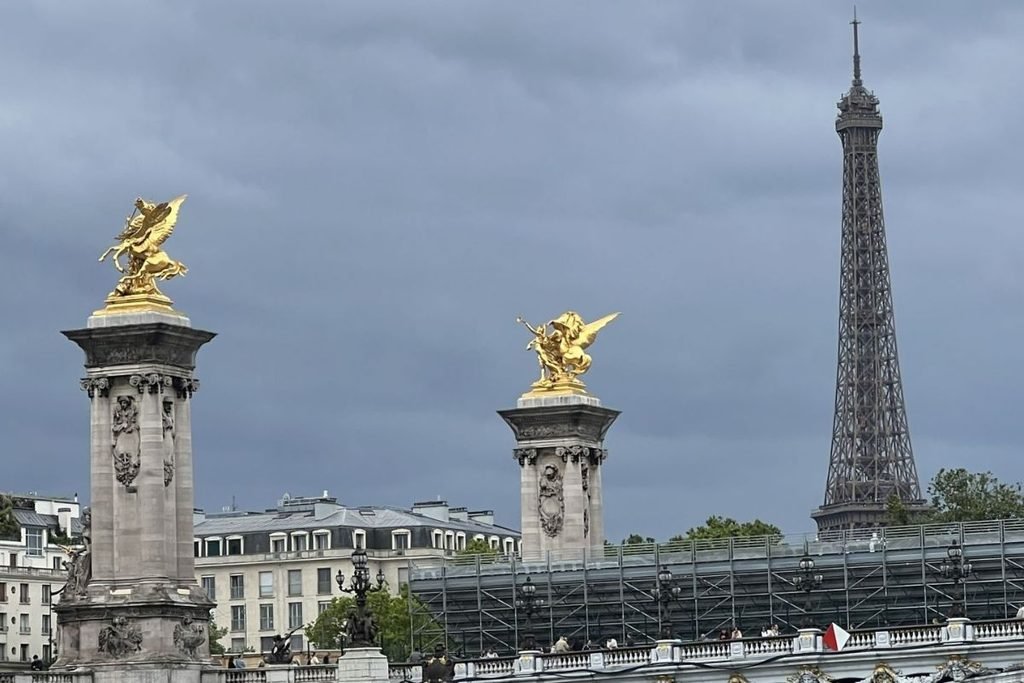
Paris needs little introduction, with its famous monuments, museums, historic neighbourhoods and extensive public transport network. Having visited previously, we were fortunate to experience the city on two separate trips, each offering something different.
On my first visit, I spent four nights in Paris with friends from England, travelling there by high-speed train. We made the most of our time, visiting the Eiffel Tower, Louvre Museum, Notre-Dame Cathedral and Montmartre, as well as spending a full day at the magnificent Palace of Versailles.
Returning with Toni in 2024 was a more relaxed experience. We stayed in Le Blanc-Mesnil on the outskirts of Paris, where accommodation included parking and we could travel into the city by train.
Rather than repeating all the major attractions, we explored using the hop-on hop-off sightseeing boat, walked through the city and spent time watching the extraordinary traffic around the Arc de Triomphe.
Both visits showed us that Paris can be enjoyed in completely different ways, whether you’re discovering its famous landmarks for the first time or returning to appreciate the city at your own pace.
For our sightseeing experiences, transport tips and a memorable day at Versailles, read Exploring Paris and Versailles.
Driving Through France
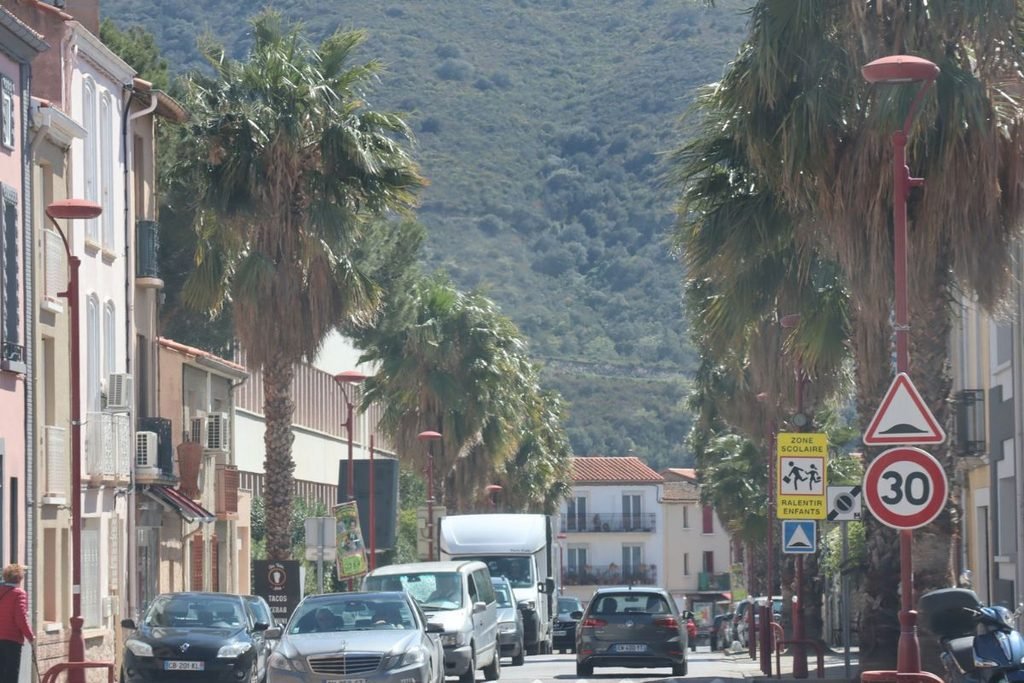
Driving through France was one of the highlights of our European road trip. With our leased Citroën C3 Aircross, we had the freedom to explore different regions without relying on fixed transport schedules. From busy motorways to winding mountain roads, driving conditions varied considerably, but we found France a surprisingly straightforward country to navigate.
For anyone considering a similar journey, understanding the motorway system, local road rules and driving conditions will help make the experience easier and more enjoyable.
Motorways, Toll Roads and Scenic Routes
France has an extensive motorway network, known as autoroutes, connecting major cities and regions. Many charge tolls, although some sections are free. Charges vary depending on the route, vehicle category and distance travelled.
We chose to avoid toll roads wherever possible, using free motorway sections when convenient and taking smaller regional roads whenever we could. We had plenty of time, and discovering the countryside was just as important as reaching our next destination.
One of our funniest moments happened during our first experience driving on a French motorway. We kept passing roadside signs displaying what looked like Wi-Fi symbols alongside pictures of cars, trucks and motorbikes. Naturally, we assumed France was offering free motorway Wi-Fi!
We even wondered how motorbikes connected, eventually deciding that perhaps cars and trucks used Wi-Fi while motorbikes connected through Bluetooth. When we mentioned it to friends, they couldn’t understand why they hadn’t seen any free Wi-Fi signs.
It wasn’t until later, after possibly spotting a camera flash, that we discovered what the signs actually said: Contrôles Radars Fréquents, meaning frequent radar checks!
They were warning motorists about speed cameras, not advertising free Wi-Fi. How, just HOW, did we manage to get that so wrong? We still laugh about it today.
Away from the motorways, our first drive out of Nice took us inland through the mountains towards Touët-sur-Var, where we stopped for lunch. The winding roads climbed through rugged landscapes, with impressive views across the surrounding hills and valleys.
Throughout France, we continued choosing regional roads whenever practical. These routes took us past vineyards, small farms, medieval villages and fields of bright yellow rapeseed. We even noticed unusual round growths high in the trees, which we later discovered were mistletoe.
For travellers with limited time, motorways are often the most practical option. However, if your itinerary allows, we’d recommend including some scenic regional routes, particularly when travelling through Provence and the French countryside.

Road Conditions and French Drivers
One thing that impressed us was the overall quality of the French roads. Even through rural areas and smaller villages, we generally found the surfaces well maintained and the routes straightforward to follow.
We also had a positive experience with French drivers. Despite initially adjusting to driving on the right, we found other motorists courteous and never felt that driving through France was particularly stressful.
The motorway speed limits took some getting used to! Coming from Aotearoa – New Zealand, where the highest posted speed limit is 110 km/h, seeing a 130 km/h limit was quite something. It initially felt incredibly fast, especially while adjusting to driving on the opposite side of the road, but we gradually became more comfortable.
Another thing that fascinated us was the discipline of the truck drivers. In New Zealand, we’re used to trucks overtaking one another and occasionally holding up passing lanes while trying to get ahead.
In France, trucks seemed to stay predominantly in the right-hand lane, leaving the other lanes for faster-moving traffic. We weren’t sure whether this was due to specific motorway regulations or simply good driving practices, but the traffic seemed remarkably organised, especially considering the speeds involved.
There are a few important road rules to understand before setting off:
- Drive on the right: Vehicles travel on the right-hand side of the road, with overtaking generally on the left.
- Speed limits: The general limits are 130 km/h on motorways, 110 km/h on divided highways, 80 km/h on many rural roads and 50 km/h in built-up areas, unless signs indicate otherwise. Some rural roads have a 90 km/h limit.
- Priority rules: France has a priorité à droite rule, where traffic approaching from the right may have priority at certain intersections. Always check road signs.
- Roundabouts: Traffic already circulating usually has priority at signed roundabouts, although some intersections operate differently.
- Mountain driving: Roads can be narrow and winding, with steep climbs and descents. Allow extra time and check seasonal conditions.
It’s also worth checking current requirements for safety equipment, environmental restrictions and winter driving before travelling, as regulations can change.
Getting Around France
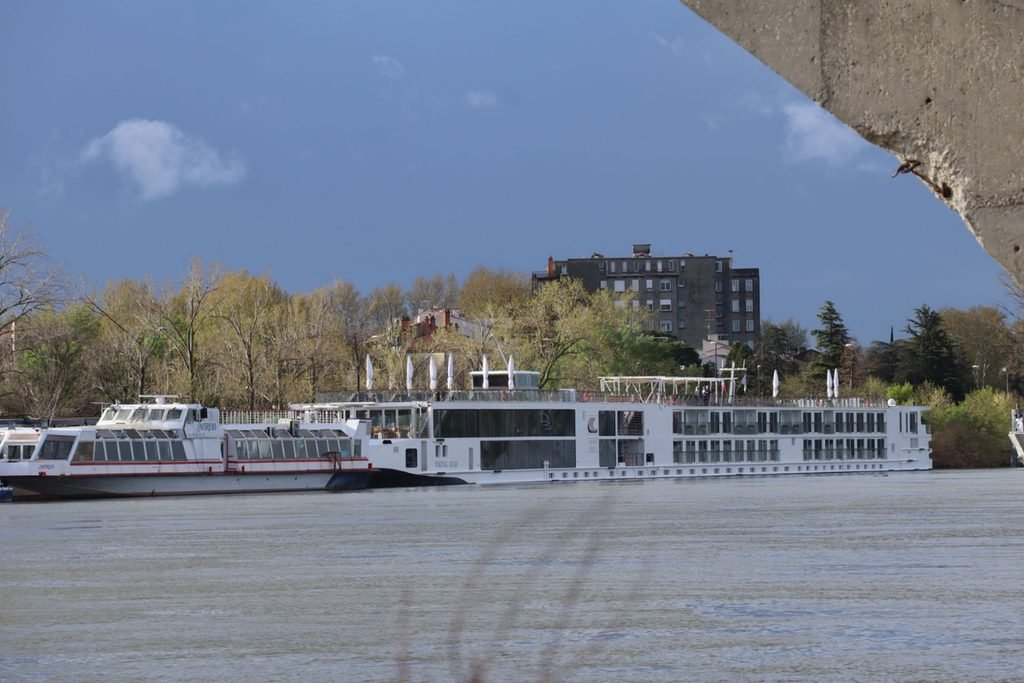
France has an extensive transport network, making it relatively straightforward to travel between major cities, smaller towns and neighbouring European countries. Whether you prefer high-speed trains, regional buses, domestic flights or driving, the best transport option depends on your itinerary, budget and how much flexibility you want along the way.
We’ve travelled through France using a combination of trains, buses, trams, sightseeing boats and our leased car. Each offered a different way to discover the country, and we found that combining transport options worked particularly well.
Travelling by Train in France
France has one of Europe’s most extensive rail networks, with high-speed TGV services connecting major destinations and regional TER trains serving smaller cities and towns. With so many routes available, travelling around France by train is a practical option for exploring the country without a car.
On my first visit to Paris, we travelled from England aboard the Eurostar high-speed train, arriving directly in the French capital. It was a convenient way to travel between the two countries without needing to fly.
During that same visit, we caught a train from Paris to the Palace of Versailles. The journey was straightforward and made it easy to spend an entire day exploring the palace and its extraordinary grounds.
Our 2024 journey also included travelling by train from Cinque Terre in Italy to Nice. Arriving at Nice-Ville station, we found it well signposted in both French and English, making it easy to find our way outside and walk to our accommodation.
For travellers planning to visit several major cities, train travel can be an excellent alternative to driving, particularly when parking is expensive or unnecessary.
It’s worth comparing train routes, journey times and ticket prices when planning your itinerary. Booking longer-distance services in advance can also help secure better fares.
Buses, Trams and Local Transport
Public transport is particularly useful when exploring French cities, where driving and parking can be inconvenient.
Nice has a modern tram network connecting different parts of the city, although we found its central attractions easy to reach on foot. We enjoyed walking along Avenue Jean Médecin, with trams travelling through the busy shopping district.
In Paris, we’ve used trains and buses to get around, along with hop-on hop-off sightseeing services. On my first visit, the hop-on hop-off sightseeing bus was a convenient way to reach many of the famous landmarks.
When Toni and I returned in 2024, we chose a hop-on hop-off sightseeing boat along the Seine. It offered a completely different perspective of Paris, with the added benefit of travelling between attractions while enjoying the river views.
Local transport networks vary between cities, so it’s worth checking ticket options and routes before arriving.
Domestic Flights in France
Domestic flights connect Paris with several major French cities, including Nice, Marseille, Toulouse and Bordeaux. They can be useful when travelling long distances or working with a limited itinerary.
However, flying isn’t always the quickest option once airport transfers, security procedures and waiting times are considered. For many journeys between major cities, high-speed trains provide a practical alternative.
We didn’t use domestic flights during our French travels, preferring trains and our leased car. For travellers planning a similar journey, comparing total travel times and costs can help determine which option is most suitable.
Choosing the Right Transport for Your Journey
For city breaks, particularly in Paris and Nice, we’d recommend making use of public transport and exploring on foot. Both cities offer plenty to see without needing a vehicle.
For rural Provence, smaller villages and journeys through the countryside, having a car gave us much greater freedom to travel at our own pace.
Our preferred approach is to combine transport options rather than rely on just one. Trains are convenient for travelling between major destinations, while a car opens up opportunities to discover places beyond the main tourist routes.
For a more detailed comparison of rail services, driving, public transport and domestic flights, read our separate guide, Getting Around France – Trains, Cars and Planes.
Where to Stay in France

France offers accommodation to suit almost every budget, from hotels and guesthouses to self-catering apartments, countryside cottages and privately hosted Airbnb properties. Choosing somewhere that suits your travelling style is often more important than finding the cheapest room, particularly when planning a longer road trip.
Throughout our journey, we stayed in a mixture of hotels and Airbnb properties, often choosing accommodation outside the main tourist centres. We preferred somewhere with kitchen facilities so we could prepare our own meals, while convenient parking was important once we collected our leased car.
Hotels Versus Airbnb Accommodation
Hotels can be ideal for shorter city stays, particularly when relying on public transport and wanting to be within walking distance of attractions. We found this worked well in Nice, where our centrally located hotel made sightseeing straightforward without needing a vehicle.
For longer stays, Airbnb accommodation offered greater flexibility, particularly when kitchen facilities were available.
Staying with local hosts also gave us opportunities to learn about the surrounding area, discover lesser-known places and receive recommendations we might otherwise have missed.
We found translation apps particularly useful when communicating with hosts who spoke little or no English.
Staying Outside Major Cities
One of our favourite ways to reduce accommodation costs was to stay in smaller towns or suburbs rather than directly in popular tourist centres.
This worked particularly well around Colmar and Paris, where we found accommodation that suited our budget while still allowing us to reach the main attractions.
However, it’s worth checking transport connections before booking. A cheaper room isn’t always better value if you’re spending additional money or time travelling into the city.
What to Look for When Booking Accommodation
There are several things worth checking before confirming your stay:
- Location: Consider distances to attractions, public transport and supermarkets.
- Parking: Check availability, additional charges and whether advance reservations are required.
- Kitchen facilities: Particularly useful for longer stays and keeping food expenses manageable.
- Guest reviews: Read recent feedback about cleanliness, comfort and communication.
- Check-in arrangements: Confirm arrival times, especially when travelling between destinations.
- Cancellation policies: Flexible bookings can be helpful if your itinerary changes.
For us, accommodation was about comfort, convenience and value rather than luxury. We wanted somewhere welcoming to return to after a day exploring, with the freedom to prepare our own meals and plan the next part of our journey.
Our biggest recommendation is to book accommodation around how you intend to travel, whether that’s walking around a city, using public transport or exploring the countryside by car.
French Food and Dining Culture
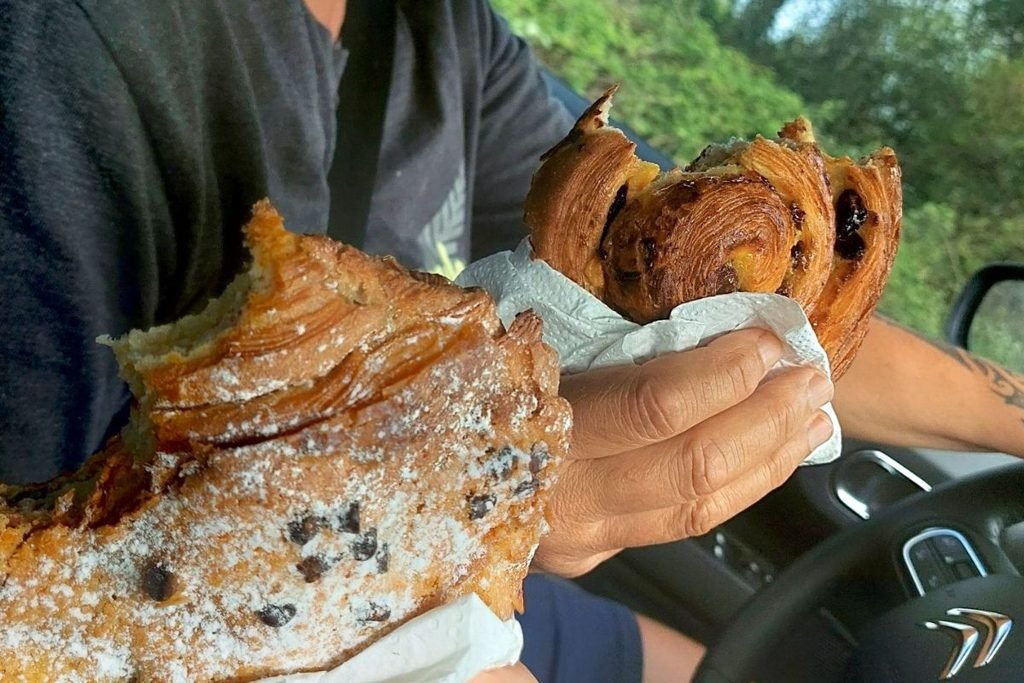
Food is an important part of French culture, and you don’t need to dine in expensive restaurants to appreciate it. From bustling local markets and neighbourhood cafés to regional specialities and supermarket discoveries, some of the most memorable food experiences come from everyday life. We loved discovering how food traditions changed between regions, trying unfamiliar dishes and making the most of the fresh produce available throughout our travels.
Boulangeries, Markets and Local Specialities
Our mornings usually began at a different boulangerie, enjoying a coffee and freshly baked croissant before collecting a crusty baguette for sandwiches later in the day. It became one of our favourite daily routines, and a delicious way to start each morning.
Local markets were another highlight, offering fresh produce, cheeses, meats, breads and regional specialities. They’re excellent places to discover what an area is known for, particularly when travelling between different parts of the country.
Food also changes considerably between regions. Provence is known for its Mediterranean flavours, while Alsace has strong French and German culinary influences.
In Brittany, we discovered galettes, savoury pancakes traditionally made with buckwheat flour, which are different from the sweet crêpes found throughout France.
Trying these regional specialities is a great way to experience local culture without necessarily spending a fortune.
Supermarkets and Self-Catering
One of my favourite activities was wandering through French supermarkets, discovering unfamiliar ingredients and deciding what we could cook for dinner. E.Leclerc quickly became my favourite supermarket, and I could happily spend ages browsing the shelves.
Because we generally booked accommodation with kitchen facilities, we could shop for fresh ingredients and prepare our own meals. This helped keep our food costs manageable while giving us the chance to experiment with different products and recipes.
Supermarkets are also useful for stocking up on picnic supplies, drinks and snacks before longer drives, particularly when travelling through rural areas where shops and restaurants may be limited.
French Café and Dining Culture
Something we noticed early in our travels was how people seemed to take their time over meals. Cafés and restaurants were often busy with friends and families talking, eating and enjoying one another’s company.
What particularly caught our attention was how few people appeared to be using their phones at the table. Instead, they were engaged in conversation, enjoying their food and taking time together. It was refreshing to see.
For more about traditional dishes, regional specialities and our favourite food discoveries, read our separate guide, French Food – What to Eat in France.
Budgeting for Your French Road Trip
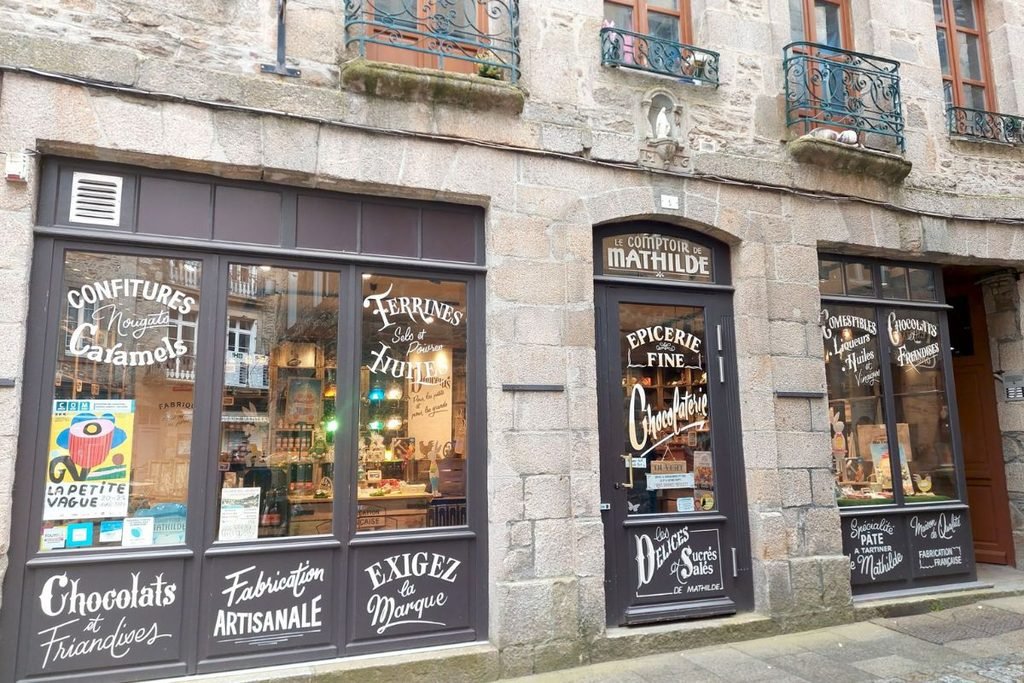
The cost of travelling through France varies considerably depending on the regions you visit, the season and your preferred level of comfort. Paris and the French Riviera can be particularly expensive, while smaller towns often provide more affordable alternatives.
Setting a realistic budget before travelling helps you decide where to spend and where to save, particularly if you’re planning to visit several regions.
Planning Your Main Expenses
When calculating your travel budget, consider these expenses:
- Transport: Fuel, motorway tolls, parking, vehicle costs and public transport.
- Accommodation: Nightly rates, tourist taxes, cleaning fees and additional charges.
- Food: Groceries, cafés, restaurants and takeaway meals.
- Sightseeing: Entrance fees, guided activities, museums and attractions.
- Contingency: Unexpected costs, changes to your itinerary or additional overnight stays.
It’s worth calculating your estimated daily expenses separately from major costs such as vehicle leasing or international flights. This gives you a clearer picture of what you’ll need while travelling.
Allowing for Regional Price Differences
Prices can vary significantly between destinations, particularly during the busiest holiday periods. When comparing accommodation or transport options, consider the total cost rather than the advertised price alone.
For longer journeys, it’s also worth reviewing your budget between regions. You may spend more in major cities and less during quieter countryside stays, allowing you to balance your overall expenses.
We weren’t travelling on a strict daily budget, but we wanted good value for our money. Having some flexibility meant we could enjoy the experiences that interested us without feeling pressured to spend on every attraction.
Our advice is to budget for the experiences that matter most to you, while keeping a little aside for unexpected opportunities along the way.
Practical Travel Tips for France
A little preparation can make travelling through France considerably easier, particularly when visiting smaller towns or exploring independently. While major tourist destinations are generally well equipped for international visitors, knowing a few local customs and practical essentials can help avoid unnecessary frustration.
Here are some useful things to consider before your journey:
- Language: English is widely understood in many tourist areas, but less commonly spoken in rural communities. Learning a few basic French phrases, particularly bonjour, s’il vous plaît and merci, is always appreciated.
- Translation apps: Download a French language pack for offline use. We found translation apps invaluable when communicating with local hosts.
- Payments: France uses the euro (€), and cards are widely accepted. Carrying a little cash is useful for small purchases, markets and occasional cash-only businesses.
- Shopping hours: Smaller shops may close for lunch, on Sundays or on certain public holidays. Supermarket and bakery opening hours vary by location.
- Mobile coverage: Coverage is generally reliable in cities and populated areas, although reception can be patchy in remote countryside and mountainous regions. Download offline maps before longer drives.
- Power adapters: France uses Type C and E electrical sockets, with a 230V supply. Travellers from Aotearoa – New Zealand will need a suitable adapter.
- Travel insurance: Make sure your policy covers your planned activities, medical expenses and any additional countries included in your itinerary.
A Few Local Customs Worth Knowing
One thing we appreciated about France was the emphasis on everyday courtesy. Greeting shopkeepers when entering a small business and saying goodbye when leaving is common practice.
Restaurant service can also feel more relaxed than what we’re accustomed to at home. Meals are often enjoyed at a leisurely pace, and you may need to ask for the bill rather than expecting it to arrive automatically.
Our biggest tip is to allow yourself time to adjust to local routines. A little patience, a friendly greeting and a willingness to communicate can make a real difference, even when you don’t speak the language.
Final Thoughts
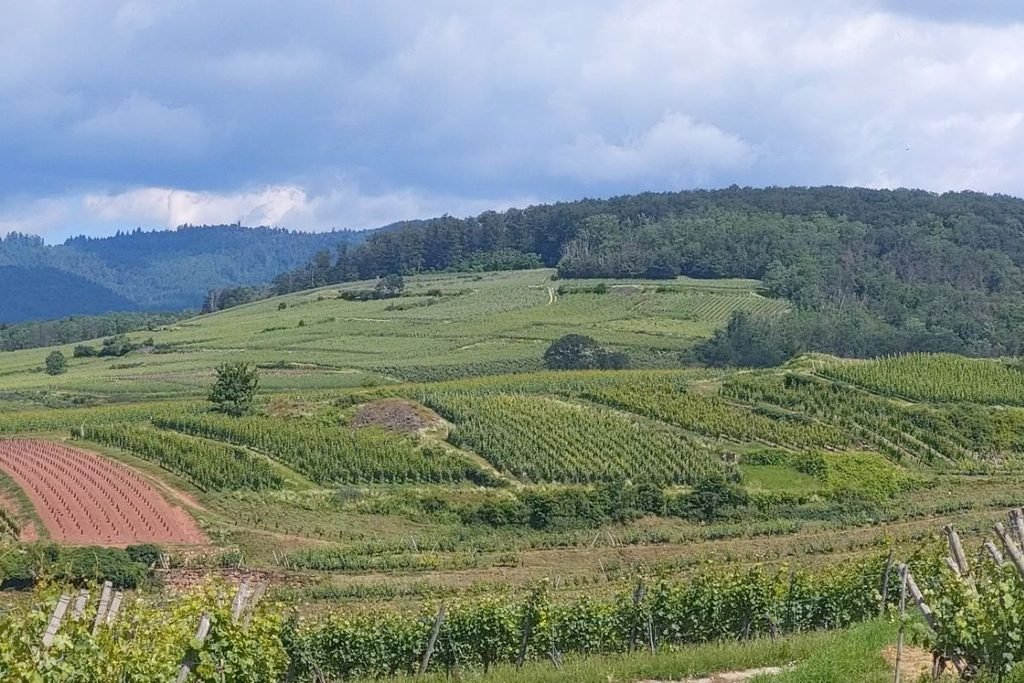
France was a memorable part of our European journey, offering far more than its famous cities and attractions. Travelling independently allowed us to discover places we might otherwise have missed and appreciate the different character of each region.
Whether you’re visiting for a few days or planning an extended road trip, give yourself time to venture beyond the main tourist routes. You never know what you might discover along the way.
“The best journeys aren’t always about where you’re going, but the places you never planned to find.”
🌍 Travel Planning Resources
These are the tools we personally use and trust when planning our travels from finding a place to stay to booking activities, transport and insurance. Let your “Tohu” guide you “Trust the Journey” and follow what feels right for you.
- ✈️Flights – Compare great deals with Trip.com then Kiwi.com for flexible, affordable options.
- 🚐 Campervans – Compare rental deals with Motorhome Republic across Aotearoa and beyond.
- 🛏️ Stays – Compare hotels on Trip.com and TripAdvisor or Booking.com.
- 🚐 Rental Cars – Compare prices and book through Airport Rentals by Motorhome Republic for trusted brands and easy airport pickup.
- 🎟️ Activities – Browse tours and experiences on Viator, Get Your Guide, or TripAdvisor
- 🚆12Go Asia – Compare and book trains, buses, and ferries across Asia in one place with 12Go.
- 🛡️ Travel Insurance – Get flexible short-term coverage with Insubuy for your next holiday.
- 💳 Travel Money – Send, spend and manage money internationally with Wise, with easy currency conversion and a handy option for travellers.
- 🔒 Protect Your Privacy with a VPN – We recommend Surfshark VPN for secure and private browsing while travelling. It’s fast, affordable and works worldwide, perfect for public Wi-Fi at airports, cafes and hotels.
- 📱 Travel eSIM – Stay connected with Airalo
- 💼 Lounge Access – Treat yourself with Priority Pass for UK or US
- 🎶 Events & Concerts – Book tickets worldwide through Ticketmaster.
🧭 Note: Some booking links can be a bit shy when you’re using a VPN. If one doesn’t open, try pausing your VPN or switching to a different server location or secure Wi-Fi network to get things flowing again.