Rarotonga is one of those destinations that is incredibly easy to settle into once you’re there, but there are a few things worth knowing before you leave home.
We’ve travelled to Rarotonga several times, and over the years we’ve worked out a few little things that make arriving, getting settled and keeping costs down much easier.
Here are our practical Rarotonga travel tips before you go.
Don’t Forget About the International Date Line
This catches more people out than you might think, particularly when booking accommodation and arranging transport.
Rarotonga is on the other side of the International Date Line from New Zealand.
If you leave New Zealand on the 4th, you can arrive in Rarotonga on the 3rd.
Sounds brilliant. You’ve gained a day!
Just remember that it works the other way when you come home. Check your return arrival date carefully before making plans for work, connecting flights or accommodation back in New Zealand.
We’ve heard of plenty of travellers getting caught by this one.
Check Your Flight Times Carefully
Flights into and out of Rarotonga can operate at some pretty strange hours.
We generally prefer flying Air New Zealand from New Zealand because we’ve found the arrival times much more convenient. There isn’t much fun in arriving in paradise around 1am, checking into your accommodation in the middle of the night and paying for a night’s accommodation simply to go straight to sleep.
Flights from Australia can vary too, so don’t look only at the airfare when comparing flights.
Check the arrival and departure times as well.
Sometimes paying a little more for a better flight time can make the beginning and end of your holiday much easier.
Rarotonga Airport Is Small. Really Small.

Don’t expect a huge international terminal when you land.
Rarotonga International Airport is tiny, and that’s part of its charm.
You’ll generally leave the aircraft via stairs and walk across the tarmac to the terminal.
If it’s hot, you’ll know about it.
If it’s raining, you’ll know about that too.
Either way, welcome to Raro!
Once inside, the arrival process is straightforward:
- Complete your Passenger Arrival Card on the aircraft.
- Pass through Immigration with your passport and completed arrival card.
- Collect your luggage.
- Pass through Customs and Biosecurity.
- Declare anything that needs to be declared, particularly food.
- Head through arrivals and find your accommodation transfer or rental vehicle.
Don’t leave your arrival card until the last minute. Fill it out properly while you’re still sitting comfortably on the plane.
Declare Your Food
This one is important.
The Cook Islands has strict biosecurity requirements, so declare all food you’re carrying.
Don’t decide for yourself that something doesn’t count or isn’t important enough to mention. Declare it and let Biosecurity decide.
We take food with us regularly and have found that being organised makes the process much easier.
We make a list of what we’ve packed and keep our food together so it’s easy to inspect if required.
Fresh fruit and vegetables aren’t permitted, and other food products are subject to Cook Islands biosecurity requirements, so check the latest rules before you travel.
Our rule is simple:
When in doubt, declare it.
Yes, We Take Food to Rarotonga
This surprises some people, but it’s one of our biggest money-saving tips.
Food in Rarotonga can be expensive because so much has to be imported.
We enjoy eating out while we’re there, but we don’t want to eat every meal in a restaurant. We love having a barbecue at our accommodation, especially after a day at the beach.
So we take quite a bit of food from New Zealand.
Depending on the current biosecurity rules, we commonly take commercially packaged foods such as:
- Frozen meat and chicken
- Cheese
- Butter
- Crackers
- Chips
- Nuts
- Dips
- Other favourite snacks and pantry items
Butter and cheese in particular can be surprisingly expensive on the island. We’ve seen butter around the NZ$18 mark, which makes the space in the suitcase suddenly seem very worthwhile.
Always check the current Cook Islands biosecurity requirements before packing food because import conditions can change.
Our Chilly Bin Trick
This is something we’ve done ourselves and it works brilliantly.
Before we leave New Zealand, we get one of the inexpensive polystyrene chilly bins you often see at supermarkets or local markets.
We pack our frozen and chilled food inside, seal it well and clearly list what’s inside for Biosecurity.
The chilly bin then travels with us as part of our checked baggage allowance.
Our clothes, snorkelling gear and everything else go into our suitcases.
By the end of the holiday, the food is gone, which means we have extra luggage space coming home. We leave the chilly bin behind rather than bringing it back, and we’ve found locals are often happy to reuse them.
Just remember to check your airline’s current baggage and food transport requirements before doing this.
You Can Still Buy Everything You Need on the Island
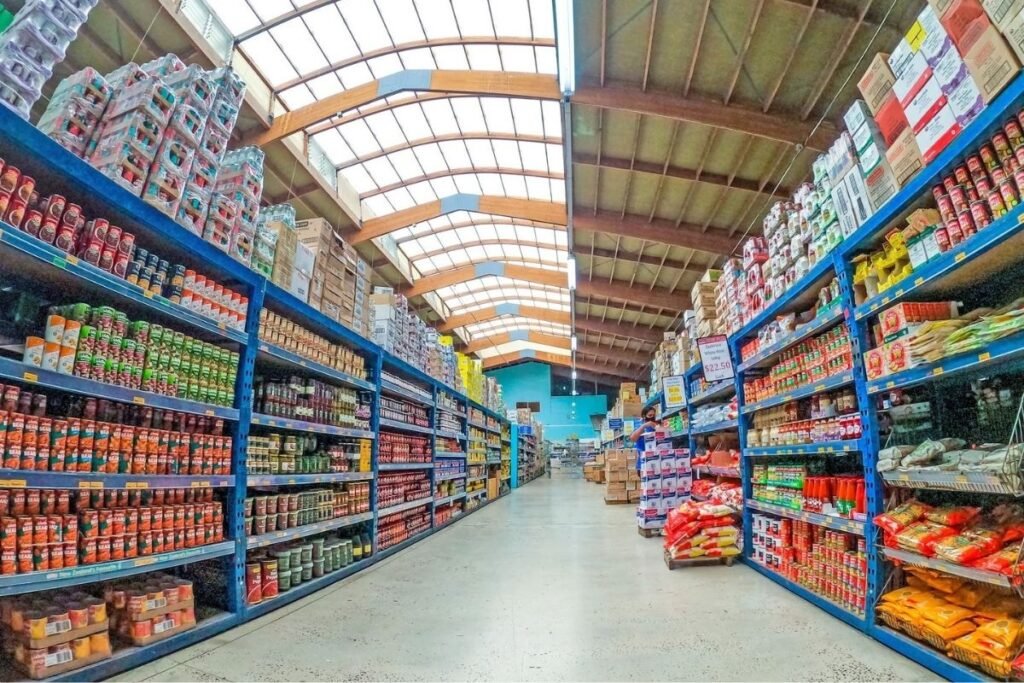
You certainly don’t have to bring food with you.
Rarotonga has several supermarkets and food stores where you can stock up once you arrive.
- CITC Supermarket
- One of the main places for groceries, with a good selection of everyday food, fresh produce, meat, dairy and household supplies.
- Foodland
- Located in Avarua and another handy option for groceries while you’re in town.
- Prime Foods
- A good place to look for meat, seafood and other products if you’re planning a barbecue.
- Wigmore’s Superstore
- Handy if you’re staying around the southern side of the island and another good option for groceries and fresh food.
You’ll also find small shops and roadside stalls around the island.
The biggest difference compared with New Zealand and Australia is the price. Freight has to be factored into imported goods, so expect many supermarket items to cost more than you’re used to paying at home.
Bring Some Cash
The currency in the Cook Islands is the New Zealand Dollar, alongside Cook Islands notes and coins used locally.
Cards are widely accepted at resorts, larger restaurants and many shops, but we always carry cash as well.
You’ll want it for things like:
- Roadside stalls
- Markets
- Smaller shops
- Some taxis
- Small purchases around the island
There are ATMs on Rarotonga, so you don’t need to arrive carrying a huge amount of cash.
Sort Your Phone and Data
Having mobile data makes travelling around Rarotonga much easier. Free Wi-Fi isn’t widely available at accommodation, so purchasing a local data plan is common and makes it much easier to stay connected while you’re on the island.
It’s handy for:
- Google Maps
- Contacting your accommodation
- Looking up restaurants and attractions
- Checking opening hours
- Making bookings
- Keeping in touch with home
You can organise local mobile service after arriving, but it’s worth comparing the latest visitor plans before your trip so you know what will suit you.
Also check whether your New Zealand or Australian mobile provider offers roaming in the Cook Islands. Depending on your plan and how much data you need, that may be another option.
Duty Free Can Get Busy
If a full international flight arrives, the little airport suddenly doesn’t feel quite so quiet.
Duty free is small and can get busy at the same time everyone is trying to clear Immigration, collect bags and get through Biosecurity.
We’ve often found duty free in Rarotonga cheaper, so if we’re not in a hurry we’ll buy there.
If you want to get through the airport quickly, however, buying duty free at your departure airport can be easier.
Remember there are limits on how much alcohol and tobacco you can bring into the Cook Islands duty free, so check the current allowance before travelling.
Pre-Book Your Airport Transport
Most resorts and many accommodation providers can arrange airport transfers.
If you’re hiring a car, we recommend organising it before you arrive rather than trying to sort everything once you land.
This is particularly helpful when several flights or a full aircraft arrive.
After flying across the Pacific, the last thing we want to do is stand around working out how we’re getting to our accommodation.
Bring Your Own Snorkelling Gear If You Can
Many resorts and tour operators provide snorkelling equipment, but if you have your own mask and snorkel and can fit them in your luggage, bring them.
You already know they fit properly, and you’re free to snorkel whenever you find a beautiful spot.
We’d also pack:
- Reef or water shoes
- Good sunscreen
- Hat
- Insect repellent
- Light rain jacket
- Reusable water bottle
- Comfortable walking shoes
Rarotonga is surrounded by beautiful lagoon, but there are rocky and coral areas where reef shoes make getting in and out of the water much more comfortable.
A Few Words Worth Knowing

You don’t need to speak Cook Islands Māori to travel around Rarotonga, but learning a couple of words before you arrive is a lovely thing to do.
Kia orana – hello, welcome or may you live long.
Meitaki – thank you.
You’ll hear kia orana everywhere, and it won’t take long before you’re saying it yourself.
Our Biggest Rarotonga Tip
Don’t overcomplicate it.
Rarotonga is an easy island to travel around and part of its appeal is slowing down once you get there.
Get the important things sorted before you leave: check your dates carefully, look at your flight times, organise your first night’s accommodation and airport transport, understand the biosecurity rules and pack the things that are expensive or useful to have with you.
Then once you arrive, settle into island time.
Kia orana Rarotonga.
“In Rarotonga, slowing down isn’t wasting time. It’s the whole point.”
🌍 Travel Planning Resources
These are the tools we personally use and trust when planning our travels from finding a place to stay to booking activities, transport and insurance. Let your “Tohu” guide you “Trust the Journey” and follow what feels right for you.
- ✈️Flights – Compare great deals with Trip.com then Kiwi.com for flexible, affordable options.
- 🚐 Campervans – Compare rental deals with Motorhome Republic across Aotearoa and beyond.
- 🛏️ Stays – Compare hotels on Trip.com and TripAdvisor or Booking.com.
- 🚐 Rental Cars – Compare prices and book through Airport Rentals by Motorhome Republic for trusted brands and easy airport pickup.
- 🎟️ Activities – Browse tours and experiences on Viator, Get Your Guide, or TripAdvisor
- 🚆12Go Asia – Compare and book trains, buses, and ferries across Asia in one place with 12Go.
- 🛡️ Travel Insurance – Get flexible short-term coverage with Insubuy for your next holiday.
- 💳 Travel Money – Send, spend and manage money internationally with Wise, with easy currency conversion and a handy option for travellers.
- 🔒 Protect Your Privacy with a VPN – We recommend Surfshark VPN for secure and private browsing while travelling. It’s fast, affordable and works worldwide, perfect for public Wi-Fi at airports, cafes and hotels.
- 📱 Travel eSIM – Stay connected with Airalo
- 💼 Lounge Access – Treat yourself with Priority Pass for UK or US
- 🎶 Events & Concerts – Book tickets worldwide through Ticketmaster.
🧭 Note: Some booking links can be a bit shy when you’re using a VPN. If one doesn’t open, try pausing your VPN or switching to a different server location or secure Wi-Fi network to get things flowing again.