
From buttery pastries and freshly baked baguettes to regional cheeses, traditional dishes and locally produced wines, France offers an incredible variety of food experiences. Each region has its own culinary traditions, shaped by local ingredients, geography and generations of cooking knowledge.
Whether you’re exploring the Mediterranean flavours of Provence, sampling traditional Breton galettes or discovering the hearty cuisine of Alsace, French food is as diverse as the country itself.
What Makes French Food So Special?
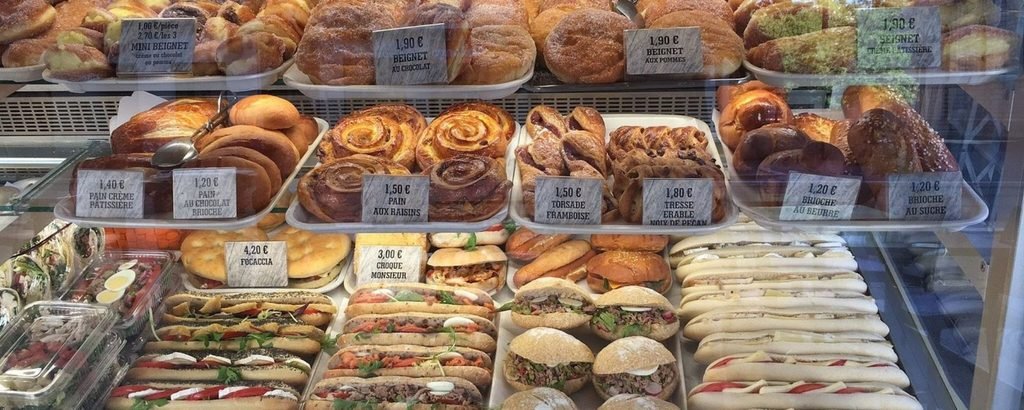
Regional identity plays an important role in French cuisine. Many traditional dishes are closely associated with particular towns or regions, while local markets, specialist food shops and neighbourhood restaurants help preserve these culinary traditions.
France is also a country where everyday food deserves attention. Bread, cheese, pastries and seasonal produce aren’t simply ingredients or snacks; they’re an important part of the country’s food culture.
Our Experience with French Food
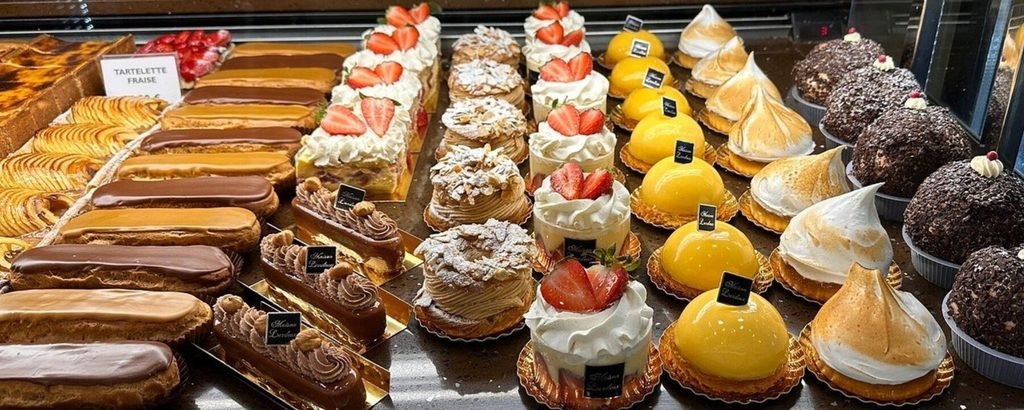
During our travels through France, we enjoyed discovering local food at our own pace, from visiting traditional boulangeries to exploring markets and occasionally treating ourselves to a restaurant meal.
With three months of European travel to budget for, we prepared most of our own meals but still made time to experience regional specialities. We loved the variety of food available and particularly enjoyed discovering smaller producers and places recommended by locals.
What impressed us most was the French approach to dining. Whenever we ate out, we noticed people enjoying long conversations, laughter and each other’s company, with very few phones in sight. It was a lovely part of the culture to experience and something that stayed with us.
Table of Contents
- What Makes French Food So Special?
- Our Experience with French Food
- French Boulangeries, Bread and Pastries
- French Cheeses and Charcuterie
- Traditional French Dishes to Try
- Regional Food Specialities Across France
- French Markets and Supermarkets – Shopping for Local Food
- Eating Out in France – Restaurants, Cafés and Dining Etiquette
- Eating Well in France on a Budget
- Final Thoughts – Discovering French Food Along the Way
French Boulangeries, Bread and Pastries
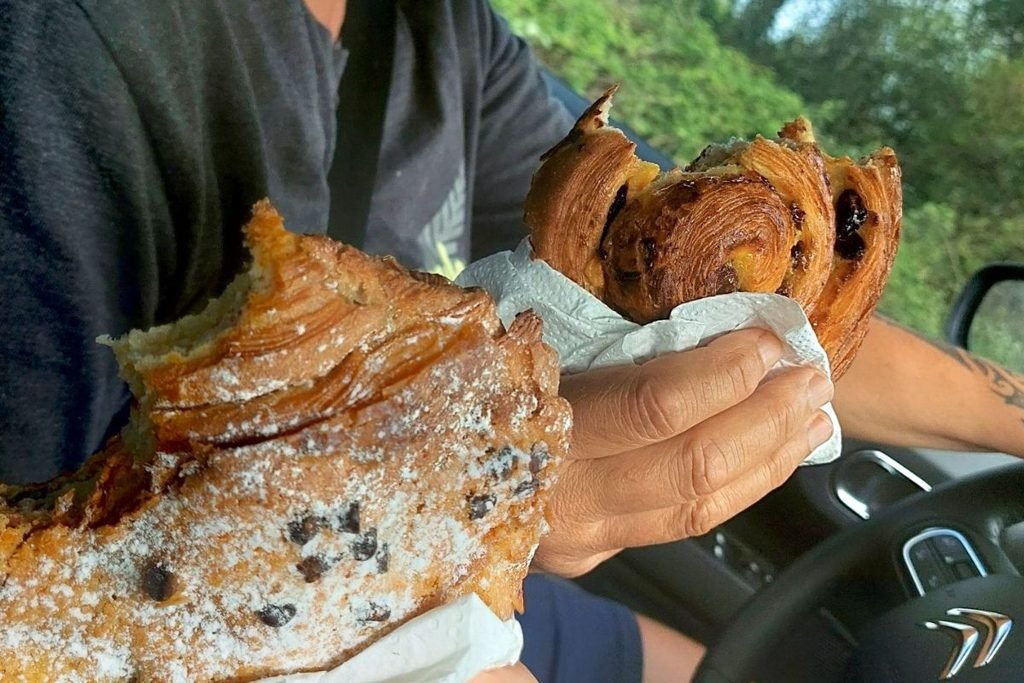
Visiting a traditional French boulangerie is one of the simplest pleasures of travelling through France. These bakeries offer an impressive selection of freshly baked bread, buttery pastries and sweet treats, with many preparing their products on the premises each morning.
For us, bakery stops became a regular part of our road trips. Pain au chocolat for me and pain aux raisins for Toni, accompanied by takeaway coffees, was our favourite way to begin the day. We learned to arrive early, while the pastries were still warm and before the popular choices sold out.
Popular French Pastries to Try
France is famous for its pastries, and there’s plenty to discover beyond the traditional croissant. Some are ideal for breakfast, while others make a delicious afternoon treat.
- Croissant: A classic buttery pastry with delicate, flaky layers.
- Pain au Chocolat: A rectangular pastry filled with chocolate.
- Pain aux Raisins: A spiral-shaped pastry filled with raisins and pastry cream.
- Chausson aux Pommes: A flaky pastry filled with apple compote.
- Éclair: Choux pastry filled with cream or custard and topped with icing.
- Tarte aux Fruits: A sweet pastry tart topped with fresh seasonal fruit.
Individual bakeries often have their own specialities, so it’s worth browsing the displays before deciding what to order.
French Bread and the Traditional Baguette
The baguette is one of France’s most recognisable foods, known for its crisp golden crust and soft interior. While it’s a popular choice for sandwiches and picnics, French bakeries also offer several other traditional breads.
- Baguette Tradition: Made according to traditional French bread-making requirements, without additives.
- Pain de Campagne: A rustic country-style loaf, sometimes made with sourdough.
- Pain Complet: Wholemeal bread with a denser texture and fuller flavour.
- Brioche: A soft, slightly sweet bread enriched with butter and eggs.
When staying somewhere for several nights, we often bought a fresh baguette to toast for breakfast, enjoying it with local jams, cheeses and cured meats.
Tips for Visiting a French Boulangerie
- Arrive Early: Popular pastries and freshly baked bread can sell out.
- Look for Artisan Bakeries: A boulangerie artisanale generally indicates bread is made on the premises.
- Try Regional Specialities: Look beyond familiar pastries for something unique to the area.
- Use Basic French Greetings: A friendly bonjour, s’il vous plaît and merci are always appreciated.
- Bring a Reusable Bag: Particularly handy when purchasing baguettes and other bread.
French Cheeses and Charcuterie
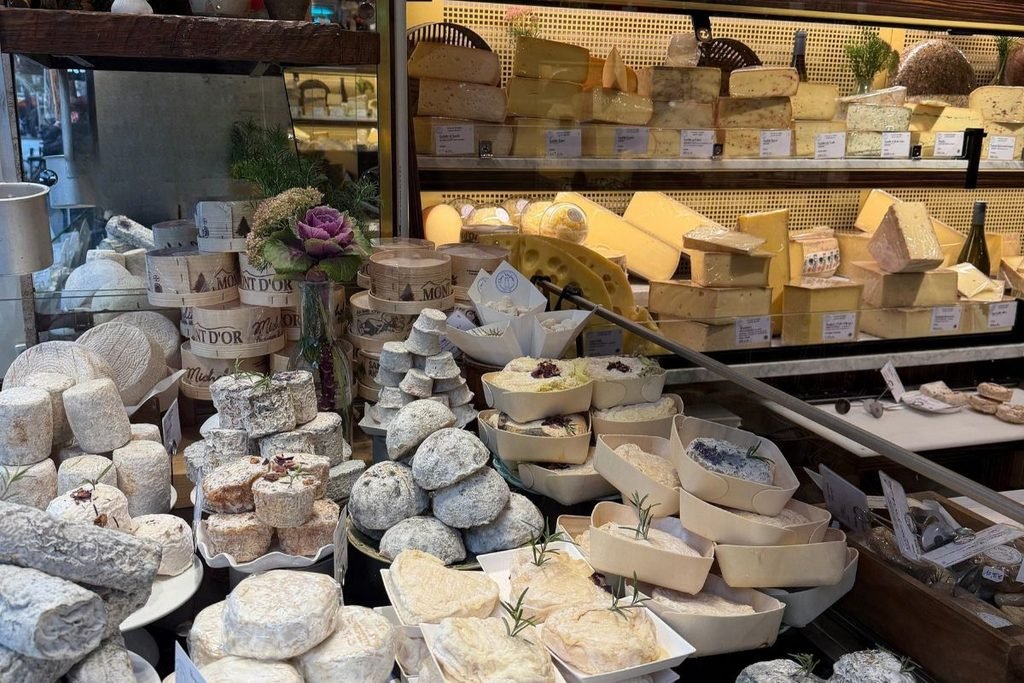
France produces an extraordinary variety of cheeses and cured meats, with many varieties closely associated with particular regions. From creamy soft cheeses to firm mountain varieties and traditional dry-cured sausages, there’s plenty to discover in specialist food shops and local markets.
Popular French Cheeses to Try
French cheeses are made from cow’s, sheep’s and goat’s milk, with flavours and textures varying according to the region and production methods.
- Brie: A soft, creamy cow’s milk cheese with an edible white rind, traditionally associated with the Île-de-France region.
- Camembert: A soft cheese originating in Normandy, with a rich flavour that develops as it matures.
- Comté: A firm cheese from the Jura region, known for its nutty flavour.
- Roquefort: A distinctive blue cheese made from sheep’s milk and traditionally matured in natural caves.
- Chèvre: Goat’s cheese, available in varieties ranging from fresh and mild to firm and mature.
- Reblochon: A creamy cheese from Haute-Savoie, commonly used in traditional Alpine dishes.
French Charcuterie and Cured Meats
Charcuterie refers to prepared and preserved meat products, including sausages, pâtés, terrines and cured meats. They’re commonly served with bread, cheese and pickles, making them convenient for picnics and informal meals.
Popular varieties include:
- Saucisson Sec: A traditional dry-cured sausage, often seasoned with garlic, pepper or herbs.
- Jambon de Bayonne: A delicately flavoured dry-cured ham from southwestern France.
- Pâté de Campagne: A rustic country-style pâté, generally made with pork.
- Rillettes: Slowly cooked, shredded meat preserved in fat, creating a rich, spreadable texture.
- Terrine: A prepared meat dish, sometimes containing vegetables, typically served cold in slices.
Tips for Buying French Cheese and Charcuterie
- Choose Regional Products: Look for varieties produced in the area you’re visiting.
- Buy Small Quantities: An easy way to sample unfamiliar flavours without waste.
- Check Storage Requirements: Soft cheeses and many prepared meats need refrigeration.
- Look for AOP Labels: These identify products made according to recognised geographical production requirements.
- Ask for Recommendations: Specialist cheese sellers can suggest local favourites.
Traditional French Dishes to Try

French cuisine extends well beyond pastries, cheese and wine, with traditional dishes ranging from slow-cooked casseroles to savoury tarts and classic bistro meals. Many originated as hearty family recipes using ingredients readily available in their regions.
Popular Traditional French Dishes
If you’re wondering what to eat in France, these are some of the country’s best-known dishes.
- Boeuf Bourguignon: Beef slowly braised in red wine with onions, mushrooms and bacon, traditionally associated with Burgundy.
- Coq au Vin: Chicken cooked in wine with mushrooms, onions and herbs.
- Ratatouille: A Provençal vegetable dish made with tomatoes, courgettes, aubergines, peppers and herbs.
- Quiche Lorraine: A savoury tart traditionally filled with eggs, cream and bacon.
- Soupe à l’Oignon: French onion soup topped with toasted bread and melted cheese.
- Steak Frites: Steak served with French fries, often accompanied by a sauce or salad.
- Confit de Canard: Duck legs slowly cooked in their own fat until tender, then finished with crisp skin.
- Croque Monsieur: A toasted ham and cheese sandwich, traditionally topped with béchamel sauce.
French Crêpes and Galettes
Crêpes and galettes are popular throughout France, particularly in dedicated crêperies where they can be enjoyed as a light meal or sweet treat.
- Crêpes: Thin wheat-flour pancakes, often served with sweet fillings such as chocolate, fruit, caramel or lemon and sugar.
- Galettes: Savoury buckwheat pancakes traditionally associated with Brittany, commonly filled with ham, cheese, eggs or mushrooms.
During our travels, we enjoyed traditional galettes in Dinan, Brittany, and crêpes in Gordes, Provence. Both were enjoyable food stops while exploring these beautiful historic towns.
Discovering Traditional French Restaurants
France has several types of eating establishments, each offering a slightly different experience.
- Bistro: A smaller, informal restaurant generally serving traditional French meals.
- Brasserie: Often a larger restaurant with a varied menu and sometimes extended serving hours.
- Auberge: Traditionally a countryside inn or restaurant, sometimes offering accommodation.
- Crêperie: A restaurant specialising in crêpes and galettes.
- Restaurant Gastronomique: A formal dining establishment, often offering elaborate dishes and tasting menus.
When choosing somewhere to eat, look for seasonal menus and regional specialities, particularly in smaller towns where traditional dishes may feature prominently.
Regional Food Specialities Across France

One of the most interesting aspects of French cuisine is how much the food changes between regions. Coastal communities are known for their seafood, mountain regions favour hearty dishes and cheeses, while southern France makes wonderful use of olive oil, vegetables and Mediterranean herbs.
For travellers exploring different parts of France, regional dishes offer an opportunity to discover the ingredients and traditions associated with each destination.
Provence – Mediterranean Flavours and Fresh Produce
Provence is known for its Mediterranean-inspired cuisine, with olive oil, tomatoes, garlic, olives and aromatic herbs featuring prominently in traditional dishes.
Some Provençal specialities worth looking out for include:
- Ratatouille: A traditional vegetable dish made with courgettes, aubergines, tomatoes, peppers and herbs.
- Tapenade: A savoury spread made from olives, capers and olive oil, sometimes with anchovies.
- Pissaladière: A speciality associated with Nice, resembling a thick tart topped with caramelised onions, olives and anchovies.
- Socca: A thin chickpea-flour pancake, particularly popular around Nice.
- Calissons: Diamond-shaped sweets associated with Aix-en-Provence, traditionally made with almonds and candied fruit.
Brittany – Galettes, Seafood and Salted Butter
Brittany has a distinctive food culture influenced by its Atlantic coastline and agricultural traditions. Seafood features prominently, while buckwheat, salted butter and apples are important ingredients in many regional specialities.
Popular Breton foods include:
- Galettes Bretonnes: Savoury buckwheat pancakes traditionally filled with ingredients such as ham, cheese and eggs.
- Kouign-Amann: A rich, buttery pastry made with laminated dough and caramelised sugar.
- Far Breton: A traditional baked custard-like dessert, often made with prunes.
- Moules: Mussels prepared in various ways, commonly served with bread or fries.
- Breton Cider: Traditionally made from locally grown apples and often enjoyed alongside galettes.
Normandy – Apples, Cheese and Traditional Country Cooking
Normandy is famous for its dairy products, apple orchards and coastal seafood, with many traditional dishes featuring butter, cream and locally produced cheeses.
Some Norman specialities worth trying include:
- Camembert de Normandie: A traditional soft cheese made from cow’s milk, known for its creamy texture and distinctive flavour.
- Tarte Normande: An apple tart commonly made with cream, eggs and sometimes Calvados.
- Moules à la Normande: Mussels prepared with a creamy sauce, often incorporating cider.
- Poulet Vallée d’Auge: Chicken cooked with apples, cream and cider or Calvados.
- Calvados: An apple or pear brandy produced in Normandy under protected geographical designations.
If you’re visiting Mont Saint-Michel, you’ll also encounter the area’s famous omelettes, traditionally associated with the island’s historic restaurants. These can be expensive, so it’s worth checking menus and prices before ordering.
Alsace – French and German Culinary Traditions
Located along France’s eastern border, Alsace has a distinctive cuisine influenced by both French and German traditions. Hearty meat dishes, sausages, potatoes, sauerkraut and regional wines are common throughout the area.
Some Alsatian specialities include:
- Tarte Flambée (Flammekueche): A thin, crisp flatbread traditionally topped with crème fraîche, onions and bacon.
- Choucroute Garnie: Sauerkraut served with a selection of sausages, cured meats and potatoes.
- Baeckeoffe: A slow-cooked casserole traditionally made with marinated meats, potatoes, onions and white wine.
- Munster Cheese: A soft, washed-rind cheese with a distinctive aroma and strong flavour.
- Kougelhopf: A traditional ring-shaped cake or sweet bread, often containing raisins and almonds.
Alsace is also renowned for its white wines, particularly Riesling, Gewürztraminer and Pinot Gris. We based ourselves in Soultzmatt while exploring Colmar and the surrounding region, where vineyards formed an important part of the landscape.
Paris – Classic French Cafés and Pâtisseries
Paris brings together culinary traditions from across France, with everything from neighbourhood bistros to specialist pâtisseries and traditional cafés.
Some popular foods and treats to look out for include:
- Croque Monsieur: A toasted ham and cheese sandwich, often topped with béchamel sauce.
- Steak Frites: A classic bistro meal of steak and French fries.
- French Onion Soup: A traditional soup topped with bread and melted cheese.
- Macarons: Delicate almond-based sandwich biscuits with flavoured fillings.
- Paris-Brest: A ring-shaped choux pastry traditionally filled with praline-flavoured cream.
While Paris is famous for fine dining, its neighbourhood cafés and pâtisseries also offer plenty of opportunities to enjoy traditional French food in a more casual setting.
French Markets and Supermarkets – Shopping for Local Food

Shopping for food in France is an enjoyable way to discover regional produce, particularly when travelling independently or staying in self-catering accommodation. From traditional outdoor markets to large supermarkets, there’s an impressive variety of fresh ingredients and local products available.
During our travels, we regularly shopped for groceries rather than eating out every day. This allowed us to prepare our own meals while discovering foods that weren’t always familiar to us.
Exploring Traditional French Food Markets
Many French towns host weekly markets, where producers and vendors sell fresh fruit, vegetables, cheeses, cured meats, breads and regional specialities. Some operate in historic town squares, while others are held in covered market halls.
Depending on the region and season, you might find:
- Fresh Seasonal Produce: Locally grown fruit, vegetables and herbs.
- Regional Cheeses: From soft goat’s cheese to mature mountain varieties.
- Charcuterie: Traditional sausages, cured meats, pâtés and terrines.
- Jams, Honey and Preserves: Often produced by smaller local businesses.
- Olives and Condiments: Including tapenades, oils and herb blends.
We rarely passed up an opportunity to explore a local market. We particularly enjoyed purchasing jams, chutneys and other products made by smaller producers, often discovering something different to enjoy during our travels.
Shopping at French Supermarkets
French supermarkets offer an extensive range of groceries, including regional products, fresh produce, bakery items and prepared foods. Larger stores can be particularly convenient for travellers wanting to stock up before continuing their journey.
Some supermarket chains you’ll commonly encounter include:
- E.Leclerc: Large supermarkets and hypermarkets offering groceries, fresh produce and household essentials.
- Carrefour: Stores ranging from smaller neighbourhood supermarkets to large hypermarkets.
- Intermarché: A widespread supermarket chain, including stores in smaller towns.
- Super U and Hyper U: Supermarkets offering groceries, fresh food and regional products.
- Lidl and Aldi: Discount supermarkets useful for everyday shopping.
During our road trip, E.Leclerc became one of our regular shopping stops. We particularly liked visiting stores in smaller towns, where parking was often easier and we could purchase everything needed before heading to our next destination.
Tips for Grocery Shopping in France
- Check Market Days: Many traditional markets operate on specific days of the week.
- Shop for Seasonal Produce: Fruit and vegetables in season can offer excellent flavour and value.
- Compare Prices: Markets aren’t always cheaper than supermarkets, particularly for speciality products.
- Check Sunday Opening Hours: Smaller shops may close or operate reduced hours.
- Bring Reusable Bags: Handy for both supermarket shopping and market visits.
- Consider Refrigeration: Buy perishable products in quantities you can safely store.
For travellers interested in regional food, it’s also worth looking for AOP (Appellation d’Origine Protégée) and IGP (Indication Géographique Protégée) labels. These identify products with recognised geographical connections, although their production requirements differ.
Eating Out in France – Restaurants, Cafés and Dining Etiquette
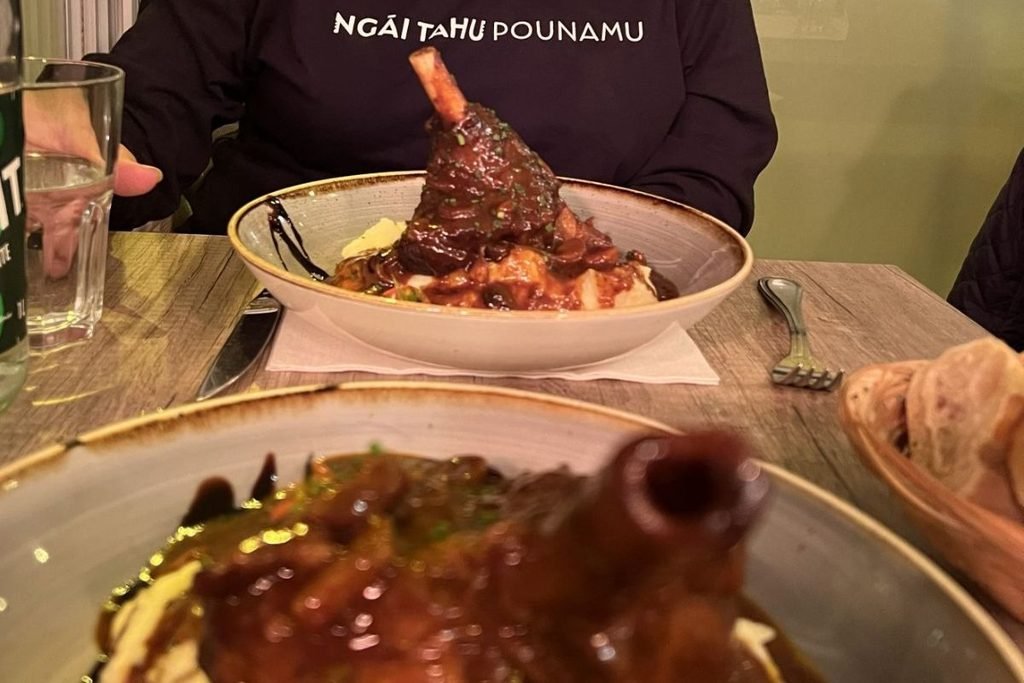
Eating out in France offers an opportunity to experience the country’s dining traditions, whether you’re visiting a neighbourhood bistro, a countryside restaurant or a small village café.
Our Restaurant Experience in Nice
During our stay in Nice, we decided to treat ourselves to a restaurant meal. We’d heard about Le Tchitchou, a small restaurant known for traditional Niçois cooking, but when we arrived, it was fully booked.
Instead, we discovered Le Cénac, which turned out to be an excellent choice. The restaurant was busy, the atmosphere was wonderful and we thoroughly enjoyed our meal. It was one of those unexpected discoveries that made our time in Nice even more memorable.
Understanding French Restaurant Menus
French restaurant menus can be confusing if you’re unfamiliar with the terminology. Understanding a few common expressions makes ordering much easier.
- Entrée: The starter or first course, rather than the main meal.
- Plat Principal: The main course.
- Dessert: The final sweet course.
- Menu du Jour: A set menu or selection of dishes offered for the day.
- Plat du Jour: The daily special.
- À la Carte: Ordering individual dishes rather than a set menu.
- Formule: A fixed-price combination of courses.
- Carafe d’Eau: A jug of tap water, which you can request with your meal.
French Dining Etiquette and Meal Times
While customs vary between establishments, a few things are useful to know before eating out in France.
- Greet the Staff: A friendly bonjour during the day or bonsoir in the evening is customary.
- Check Serving Hours: Many restaurants have separate lunch and dinner services, with kitchens closing between them.
- Take Your Time: Meals are often enjoyed at a relaxed pace, particularly with family and friends.
- Ask for the Bill: It may not arrive automatically. You can request it by saying l’addition, s’il vous plaît.
- Understand Tipping: Service is generally included in restaurant prices, so additional tipping isn’t compulsory.
- Book Ahead: Smaller or popular restaurants can fill quickly, particularly during weekends and holiday periods.
Restaurant opening hours are worth checking, especially when travelling through smaller towns. An establishment may remain open for drinks even when its kitchen has closed.
Eating Well in France on a Budget
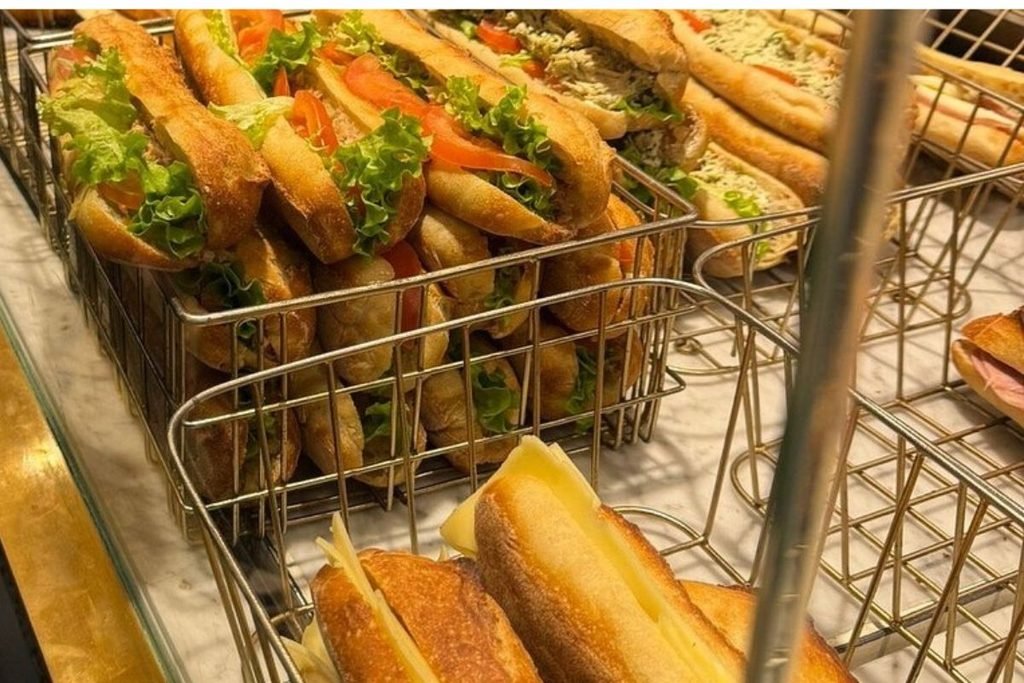
Enjoying French food doesn’t have to mean spending heavily on restaurants. During our three months travelling through Europe, the exchange rate between the New Zealand dollar and the euro made us particularly conscious of our expenses.
We found that a combination of self-catering, occasional restaurant meals and a little forward planning allowed us to enjoy the food without stretching our travel budget unnecessarily.
Choose Accommodation with Cooking Facilities
Booking accommodation with a kitchen or kitchenette can make a considerable difference to food expenses, particularly during an extended journey.
We regularly prepared our own breakfasts and dinners when staying somewhere for several nights. Having a fridge was especially useful for storing fresh ingredients and leftovers.
Make the Most of Lunch Specials
Eating out at lunchtime was one of our most effective ways to save money. Many restaurants offer fixed-price lunch menus or daily specials, which can provide better value than evening dining.
Look for a menu du jour or formule du midi when checking menus.
We found that choosing lunch rather than dinner could sometimes save us approximately €40 between the two of us, leaving more money available for other travel experiences.
Pack a Picnic for Days Out
Picnics are particularly convenient when exploring France by car, allowing you to stop somewhere appealing without having to find a restaurant.
A few easy options include:
- Fresh baguettes or another local bread.
- Regional cheeses and cured meats.
- Tomatoes, salad or seasonal vegetables.
- Fresh fruit and a small selection of condiments.
Buying ingredients before setting off also helps when travelling through rural areas where food shops may be limited.
Practical Tips for Saving Money on Food in France
- Compare Prices: Supermarkets outside busy tourist areas may offer better value.
- Carry Water: Refill a reusable bottle where safe drinking water is available.
- Check Opening Hours: Plan grocery shopping around Sunday closures and shorter trading hours.
- Avoid Food Waste: Buy quantities suited to your accommodation and refrigeration facilities.
- Allow for Treats: Set aside part of your budget for restaurant meals or regional specialities you’d particularly like to try.
Our approach was to manage everyday expenses without missing out on experiences that mattered to us. It worked well during our longer journey and gave us the flexibility to enjoy France at our own pace.
Final Thoughts – Discovering French Food Along the Way
French cuisine offers something for every traveller, whether you’re interested in traditional regional dishes, local wines or discovering something unfamiliar in a small village.
One cultural difference that stayed with us was the way wine seemed to complement meals rather than become the focus of them. Compared with our experiences back in New Zealand, we found ourselves enjoying wine differently in France, perhaps because of the food, the slower pace or simply the atmosphere.
Our advice is to explore beyond the familiar dishes and be open to trying something new. You don’t need an extravagant budget or a reservation at a famous restaurant to appreciate French food.
Wherever your journey takes you, make time to discover the flavours and traditions that make each region unique.
“To truly discover a country, you must taste its food, share its tables and savour the traditions behind every dish.”
— Tohu Travellers
🌍 Travel Planning Resources
These are the tools we personally use and trust when planning our travels from finding a place to stay to booking activities, transport and insurance. Let your “Tohu” guide you “Trust the Journey” and follow what feels right for you.
- ✈️Flights – Compare great deals with Trip.com then Kiwi.com for flexible, affordable options.
- 🚐 Campervans – Compare rental deals with Motorhome Republic across Aotearoa and beyond.
- 🛏️ Stays – Compare hotels on Trip.com and TripAdvisor or Booking.com.
- 🚐 Rental Cars – Compare prices and book through Airport Rentals by Motorhome Republic for trusted brands and easy airport pickup.
- 🎟️ Activities – Browse tours and experiences on Viator, Get Your Guide, or TripAdvisor
- 🚆12Go Asia – Compare and book trains, buses, and ferries across Asia in one place with 12Go.
- 🛡️ Travel Insurance – Get flexible short-term coverage with Insubuy for your next holiday.
- 💳 Travel Money – Send, spend and manage money internationally with Wise, with easy currency conversion and a handy option for travellers.
- 🔒 Protect Your Privacy with a VPN – We recommend Surfshark VPN for secure and private browsing while travelling. It’s fast, affordable and works worldwide, perfect for public Wi-Fi at airports, cafes and hotels.
- 📱 Travel eSIM – Stay connected with Airalo
- 💼 Lounge Access – Treat yourself with Priority Pass for UK or US
- 🎶 Events & Concerts – Book tickets worldwide through Ticketmaster.
🧭 Note: Some booking links can be a bit shy when you’re using a VPN. If one doesn’t open, try pausing your VPN or switching to a different server location or secure Wi-Fi network to get things flowing again.