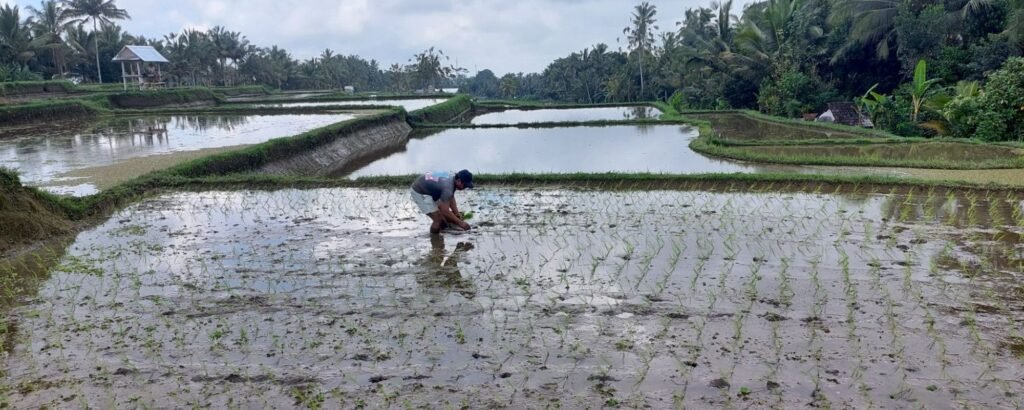
Bali is an easy place to fall in love with, but there are a few things worth knowing before you arrive. From visas and arrival forms to local customs, money, food safety and even the footpaths, being prepared can make those first few days a whole lot easier.
Some of these are things we researched before we left home. Others we learnt once we were there.
This guide covers the practical things we think are worth knowing before visiting Bali, including a few we wish we’d known ourselves.
Visa & Entry Requirements
Indonesia’s entry requirements have changed over the years, so even if you’ve visited Bali before, it’s worth checking the current requirements before you travel.
For New Zealand passport holders travelling to Bali for a holiday, here’s what you currently need to know:
- Passport: Your passport needs to be valid for at least six months when entering Indonesia.
- Visa on Arrival: New Zealand passport holders are currently eligible for a Visa on Arrival (VoA). It costs IDR 500,000 and allows you to stay for up to 30 days. It can be extended once for another 30 days.
- e-VOA: You can organise and pay for an Electronic Visa on Arrival before leaving home rather than arranging your visa when you land.
- Return or onward ticket: Have proof of your return or onward travel available as you may be asked to show it.
Complete the All Indonesia Declaration
Your visa isn’t the only thing you need to organise. International passengers arriving in Bali also need to complete the All Indonesia Declaration.
This is separate from your visa and brings together immigration, customs, health and quarantine information in one online arrival form. It can currently be completed from three days before you arrive in Indonesia.
Once completed, you’ll receive a QR code. Save it somewhere easy to find on your phone.
Bali Tourist Levy
Visitors to Bali also need to pay the Bali Tourist Levy, which is separate again from your visa and arrival declaration.
International tourists currently pay a one-off IDR 150,000 levy per person. You can pay this online before travelling through the official Bali Government Love Bali website.
Once payment is completed, you’ll receive a levy voucher with a QR code. Save this to your phone along with your other travel documents.
Use the Official Government Websites
This is one we think is particularly important.
There are third-party websites offering to organise visas and other travel documents, often charging additional service fees. We’ve been caught by this ourselves in Malaysia, where what looked like the right website turned out to be a third-party service and cost us more than it should have.
Since then, we always double-check the website address before entering passport details or making a payment.
For Bali, use the official websites for:
- e-VOA: Indonesian Immigration e-Visa website
- All Indonesia Declaration: Official All Indonesia website
- Bali Tourist Levy: Official Love Bali website
Tohu Tip: Don’t simply click the first sponsored result that appears in a Google search. Check that you’re on the official government website first. We also recommend getting as much of your arrival paperwork sorted before leaving home as possible, then saving your confirmations and QR codes somewhere easy to find on your phone.
Automated Immigration Gates
Depending on your passport and visa, you may be eligible to use Indonesia’s automated immigration gates (e-gates) when you arrive.
We were able to use the automated gates on our trip, which made getting through immigration much easier. Having everything organised before we left home meant we weren’t standing around at the airport trying to complete forms after a long flight.
Your First Impression of Bali May Not Be Paradise
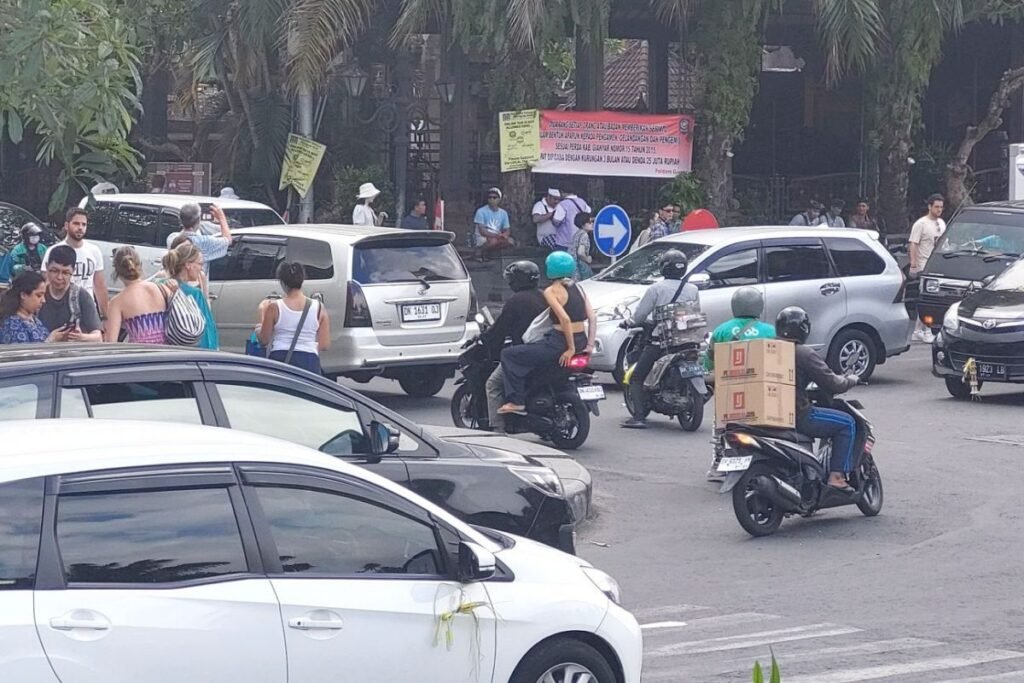
If most of what you’ve seen of Bali comes from travel websites and social media, it’s easy to arrive expecting palm trees, beautiful beaches, rice terraces and infinity pools from the moment you step off the plane.
Our first impression was a little different.
That first drive from the airport can be a bit of a reality check:
- The heat: Bali’s tropical heat and humidity can hit you the moment you step outside.
- The traffic: Cars and scooters seem to come from every direction, and the roads can feel chaotic at first.
- The streets: Tightly packed buildings, busy roads and broken or uneven footpaths can look very different from the polished Bali you’ve seen online.
We remember looking around and thinking, is this really Bali?
But once we’d checked in, cooled off and started exploring, our impression began to change. We found beautiful temples tucked between busy streets, little family-run warungs, rice fields, beaches and Balinese culture woven into everyday life.
It didn’t take long for us to realise there was much more to Bali than that first drive from the airport.
Tohu Tip: Give Bali a little time before deciding how you feel about it. Some of our favourite experiences came once we stopped comparing Bali with the picture-perfect version we’d seen online and simply started exploring it.
Money, Cash & ATMs
Bali’s currency is the Indonesian Rupiah (IDR), and all those zeros can take a little getting used to. A 100,000 rupiah note sounds like a fortune until you realise it’s only around NZD $10.
Cards are widely accepted in hotels, larger restaurants, supermarkets and many tourist businesses, but cash is still useful in Bali, particularly once you start eating and shopping locally.
We found it handy for:
- Warungs and night markets
- Local markets and small shops
- Tips and small purchases
- Smaller local businesses
ATMs & Money Changers
ATMs are easy to find around the main tourist areas. Where possible, use machines attached to or located inside reputable banks or established businesses.
Money changers are everywhere in Bali, and we found there could be a considerable difference in the exchange rates being offered. Don’t automatically use the first one you see. Have a look around and compare a few rates before changing your money.
You’ll also need to take your passport with you when exchanging money, so don’t leave it locked away at your accommodation if you’re heading out specifically to change cash.
Choose an authorised money changer, check the exchange rate carefully and count your money before leaving the counter.
Using a Wise Card in Bali
We also travel with a Wise card, which can be a handy option in Bali for places that accept card payments. It allows you to hold and convert different currencies and can save you from carrying quite as much cash.
We still recommend keeping some Indonesian Rupiah with you for warungs, markets and smaller purchases, but having a travel card gives you another payment option while you’re away.
We use Wise ourselves when we travel. If you’re thinking about getting one for your Bali trip, you can find out more through our Wise link here.
Tohu Tip: Indonesian notes can look very similar when you’re new to them. Take an extra second to check the number of zeros before handing over your cash. It doesn’t take long to get used to rupiah, but for the first few days you’ll feel like a millionaire.
Internet, SIMs & Staying Connected

Staying connected in Bali is relatively easy. Most hotels, villas, cafes and restaurants offer Wi-Fi, but we found having our own mobile data really useful when we were out exploring.
We used it regularly for:
- Google Maps: Especially when walking around unfamiliar areas.
- Grab and Gojek: You’ll need mobile data if you’re using these apps while you’re out.
- Keeping in contact: Handy for messaging accommodation, drivers and tour operators.
- Checking things on the go: Opening hours, restaurants, directions and those inevitable where on earth are we? moments.
Local SIM or eSIM?
We actually tried both options in Bali.
Toni bought a local SIM at the airport when we arrived. As you exit the airport, you’ll see mobile providers promoting different tourist SIM and data packages. We chose a small data plan for her phone and had it set up before we left the airport, which was quick and easy.
I went the other way and had an eSIM already organised, so I could get connected without changing my physical SIM.
We use Airalo eSIMs when we travel, and we like being able to organise our mobile data before leaving home. If your phone supports an eSIM, it’s a convenient option if you’d rather arrive with everything ready to go.
Thinking about using an eSIM in Bali? You can check the current Bali and Indonesia eSIM options through our Airalo link here.
Tohu Tip: Both options worked well for us, so choose whichever suits you. If you’re buying a local SIM at the airport, compare the packages being offered rather than automatically choosing the first one. We also recommend downloading an offline Google Map of Bali before you leave home. It’s a handy backup if you ever find yourself without mobile data.
Don’t Underestimate Bali’s Traffic
Bali doesn’t look particularly big on a map, which can make it tempting to plan several attractions in one day. The problem is that distance and travel time are two very different things in Bali.
Traffic can be extremely heavy, particularly around the main tourist areas, and some roads are narrow and congested. A journey that looks quick on Google Maps can take considerably longer than you expect.
A few things we learnt:
- Don’t plan by kilometres alone: Always check the estimated travel time as well as the distance.
- Leave some breathing room: Trying to squeeze too many stops into one day can quickly turn sightseeing into sitting in traffic.
- Allow extra time: Especially if you’re heading to the airport, catching a boat or have something booked for a particular time.
- Local drivers know the reality: We found using a local driver particularly helpful on sightseeing days. They knew what was realistic and how long journeys were actually likely to take.
Tohu Tip: When you’re planning a day out, choose a couple of things you really want to see and treat anything else as a bonus. We’d rather properly enjoy three places than rush through six just so we can say we’ve been there.
Walking in Bali Can Be an Adventure
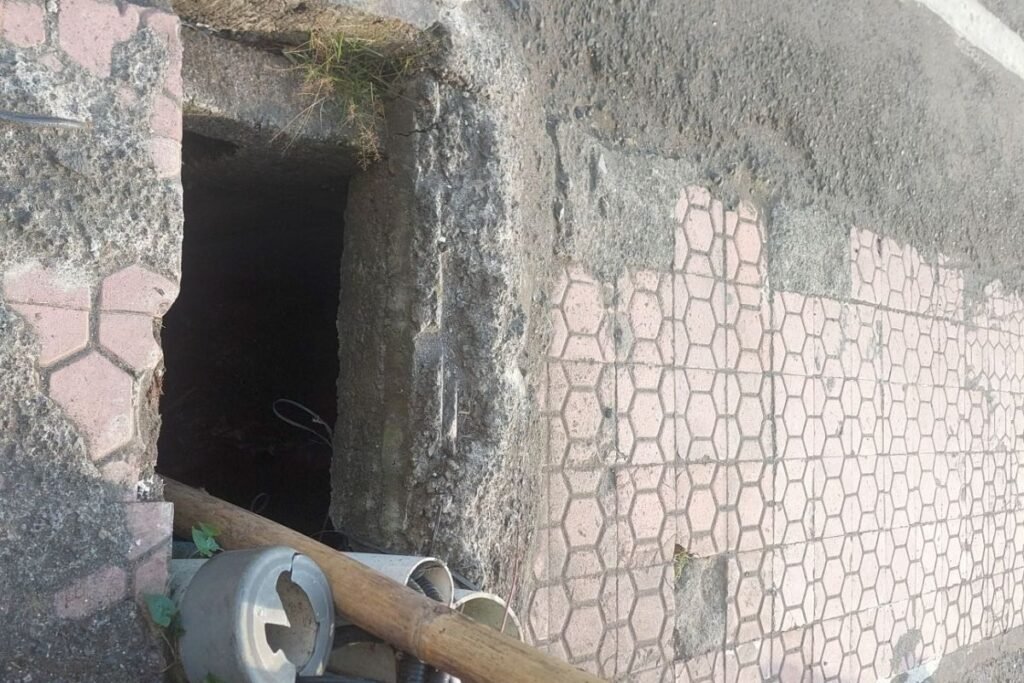
Walking was one of our favourite ways to explore the areas we stayed in Bali. It gave us time to wander down little side streets, discover local warungs and see things we would have completely missed from a car.
But walking in Bali isn’t always as straightforward as you might expect.
- Footpaths can be uneven: Broken paving, holes and sudden changes in height are common in some areas.
- Footpaths can disappear: You may find yourself walking happily along one minute and stepping onto the edge of the road the next.
- Watch for obstacles: Parked scooters, signs, building materials and other obstacles can turn a footpath into something of an obstacle course.
- Traffic can be close: When there’s no footpath, you may be sharing the roadside with scooters and cars, so stay aware of what’s happening around you.
We still walked a lot and wouldn’t have changed that. We just quickly learnt to watch the ground as much as the scenery.
Tohu Tip: Wear comfortable shoes with a decent sole when you’re out exploring. Bali isn’t necessarily the place for wandering kilometres in flimsy jandals, especially once you venture away from the main tourist streets.
Food, Water & Bali Belly
Eating local food was one of the highlights of Bali for us, and we certainly wouldn’t suggest avoiding warungs or night markets because you’re worried about getting sick. Some of our best meals came from exactly those places.
A little common sense goes a long way:
- Eat when it’s busy: We tend to eat at local warungs and markets during their busiest periods, when food is being cooked and turned over regularly.
- Be wary of food sitting out: We personally avoid food that’s been sitting around for long periods, particularly during the quieter hours between lunch and dinner.
- Drink safe water: Don’t drink untreated tap water. Stick with bottled or properly filtered drinking water.
- Use your judgement: If somewhere doesn’t look right or the food doesn’t appear fresh, there are plenty of other places to eat.
Bali’s heat and humidity can make food storage more challenging, and sometimes even being careful isn’t enough. Traveller’s diarrhoea can happen, and we’ve had the occasional upset stomach while travelling in Asia over the years, although we’ve generally been pretty lucky.
What We Take With Us
Before travelling to countries in Asia, we visit our doctor and make sure our travel medical kit is stocked with what they recommend for us if we do get sick.
Depending on our doctor’s advice, our kit has included things such as electrolytes, charcoal tablets, anti-diarrhoeal medication and prescribed antibiotics. We’ve had to reach for it on occasion, and when you’re not feeling well, it’s much nicer having what you need with you than trying to find a pharmacy in an unfamiliar place.
What is suitable for us may not be suitable for everyone, so have a chat with your doctor or pharmacist before travelling rather than simply copying what’s in our kit.
Tohu Tip: Don’t let the fear of “Bali Belly” send you straight to familiar Western restaurants. Eat local, choose busy places with good food turnover and use the same common sense you would anywhere else when travelling. And before you leave home, think about what you’ll do if your stomach does decide Bali isn’t agreeing with it.
Vaccinations & Health Before You Travel
Before travelling to Bali, it’s worth having a chat with your doctor about your travel plans and making sure your routine vaccinations are up to date. What may be recommended can depend on how long you’re staying, where you’re travelling and what you plan to do.
We usually visit our doctor before travelling in Asia so we can discuss anything we should be aware of and make sure our travel medical kit is sorted.
A couple of things particularly worth knowing in Bali:
- Monkeys and dogs: Rabies is present in Indonesia, so avoid touching or feeding monkeys, dogs and other animals. If you’re bitten or scratched, even if it seems minor, seek medical attention promptly.
- Mosquitoes: Mosquito-borne illnesses occur in Indonesia, so pack a good insect repellent and take sensible precautions against bites.
Whether you need additional vaccinations, including a rabies vaccination, is something to discuss with your doctor based on your individual trip.
Tohu Tip: Don’t leave your travel-health check until the last minute. If vaccinations are recommended for your trip, some may need to be given before you travel.
Temples, Dress & Local Customs
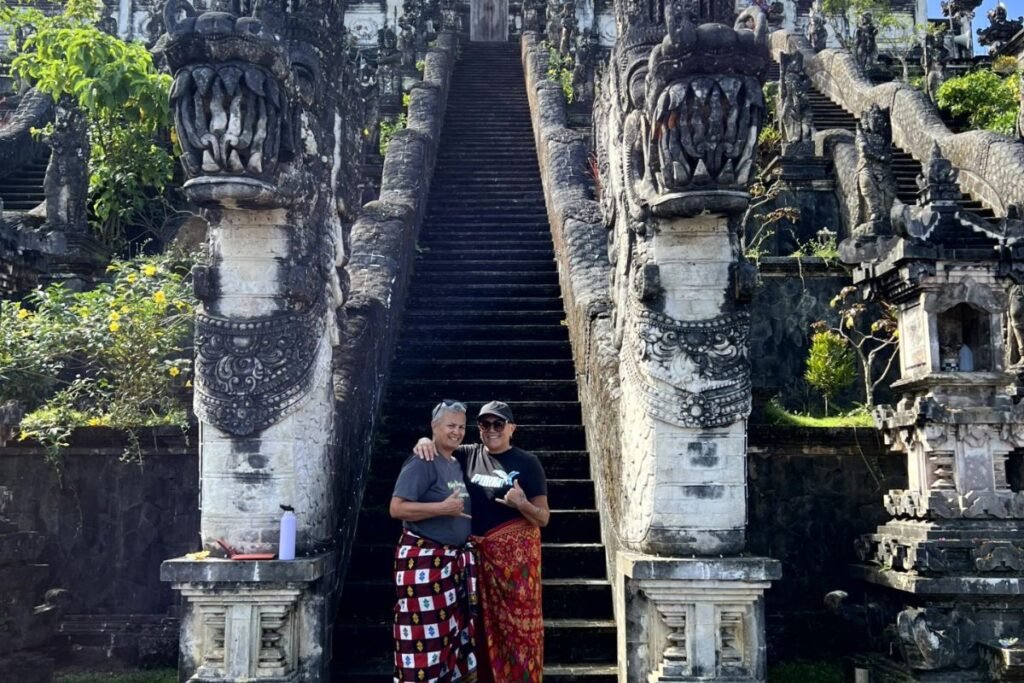
Balinese culture and Hindu religion are woven into everyday life. You’ll see temples, ceremonies and small offerings almost everywhere you go, so it’s worth understanding a few basics before you arrive.
- Dress respectfully at temples: Shoulders and knees should generally be covered, and some temples require visitors to wear a sarong or sash. These are often available at the entrance.
- Watch for offerings: Small woven baskets called canang sari are placed outside homes, businesses and temples, often right where you’re walking. Try not to step on or disturb them.
- Respect ceremonies: You may come across religious ceremonies, processions or roads temporarily affected by them. Give people space and follow any instructions from locals.
- Ask before taking photos: Particularly during ceremonies or when photographing people participating in religious activities.
- Follow temple rules: Some areas may be restricted or have specific requirements for visitors. Check the signs or ask if you’re unsure.
We loved how visible Balinese culture was wherever we went. It wasn’t something confined to temples or tourist attractions. It was simply part of everyday life.
Tohu Tip: You don’t need to understand every tradition before you arrive. Be respectful, watch what the locals are doing and ask if you’re unsure. A little consideration goes a long way.
Nyepi: Bali’s Day of Silence
One date worth checking before booking your Bali holiday is Nyepi, the Balinese Day of Silence. It takes place once a year and is unlike anything most visitors will have experienced.
For 24 hours, much of Bali comes to a standstill. Tourists are expected to respect Nyepi too, so if you’re staying on the island that day, your plans will look very different.
- The airport closes: There are generally no scheduled commercial flights arriving or departing during Nyepi.
- Stay at your accommodation: People are expected to remain within their hotel, resort or accommodation grounds.
- Shops and attractions close: Don’t plan sightseeing, shopping or restaurant visits for that day.
- Keep things quiet: Lights, noise and activity are kept to a minimum out of respect for the observance.
Hotels and resorts generally make arrangements for their guests, but it’s something you’ll want to know about before booking flights or transfers.
Nyepi falls on a different date each year, so check the date for the year you’re travelling rather than assuming it will be the same as a previous visit. Nyepi normally falls in March or occasionally April.
Tohu Tip: Don’t necessarily avoid Bali because your trip falls over Nyepi. It could be an incredible cultural experience. Just know about it beforehand, choose your accommodation carefully and plan around the restrictions rather than discovering them when you arrive.
Monkeys, Dogs & Other Animals
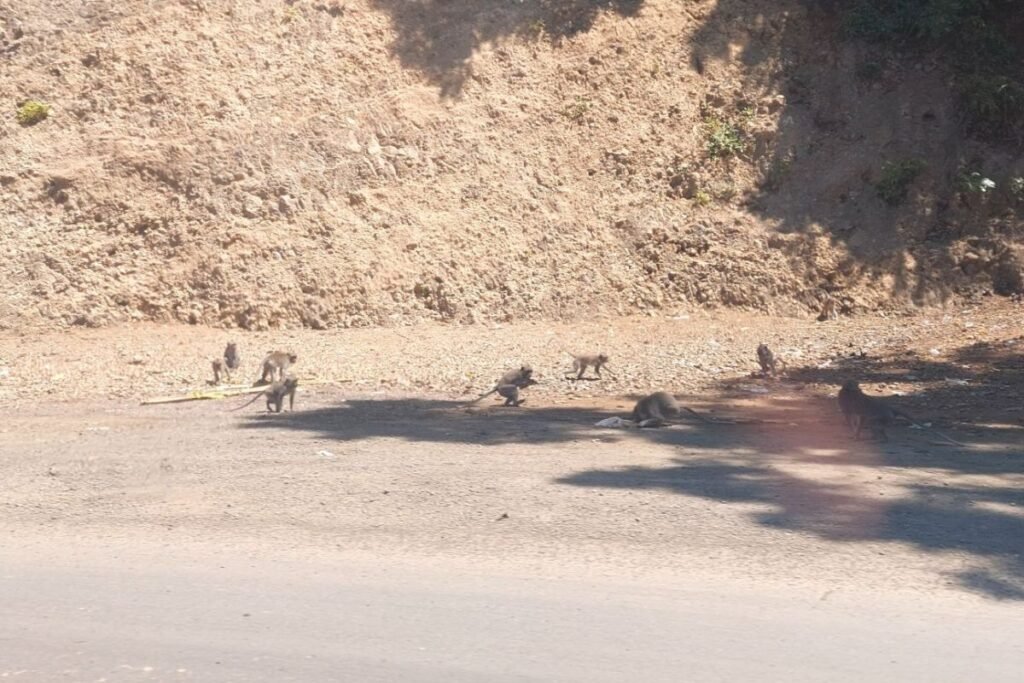
You’ll come across monkeys in several parts of Bali, and you don’t need to visit the Monkey Forest to find them. We saw plenty during our travels.
They may look entertaining from a distance, but remember that they’re wild animals, not tourist props.
- Keep food out of sight: Monkeys can become very interested once they know you have something to eat.
- Secure your belongings: Sunglasses, phones, hats and anything loose or easy to grab can attract unwanted attention.
- Don’t feed or touch them: Even if other tourists are doing it, we prefer to keep our distance.
- Give dogs space too: You’ll see dogs around Bali, including free-roaming dogs. Don’t assume an unfamiliar dog wants to be approached or patted.
- Take bites and scratches seriously: Rabies is present in Indonesia. If you’re bitten or scratched by a monkey, dog or other mammal, wash the wound thoroughly and seek medical attention promptly.
We quickly learnt that Bali’s monkeys are best appreciated from a respectable distance with all possessions firmly attached to your body.
Tohu Tip: If a monkey does grab something, don’t try to wrestle it back. Get help from a local guide or staff member if you’re at an attraction. No pair of sunglasses is worth getting bitten over.
Weather & What to Pack
Bali is tropical, so expect warm temperatures and humidity throughout the year. Even during the drier months, you can still get rain, and when it does arrive it can come down hard.
You don’t need to pack your entire wardrobe. We found lightweight, comfortable clothing worked best.
A few things worth bringing:
- Light, breathable clothing: You’ll appreciate it once you start walking around in the humidity.
- A light rain jacket or poncho: Tropical showers can appear quickly.
- Comfortable walking shoes: Especially after everything we’ve already said about those footpaths.
- Sun protection: Hat, sunglasses and sunscreen.
- Insect repellent: Particularly useful around dawn and dusk.
- Something suitable for temples: Keep a lightweight cover-up handy for your shoulders and knees.
- Reusable water bottle: Handy if your accommodation provides safe filtered drinking water.
You can buy most everyday things once you’re in Bali, so forgetting something isn’t usually a disaster.
Tohu Tip: Don’t pack only for the Instagram version of Bali. You’ll probably spend far more time walking, sweating and climbing in and out of vehicles than posing beside an infinity pool. Pack for comfort first.
Don’t Overplan Your Bali Holiday

It’s very easy to start planning Bali and end up with a list of places you absolutely must see. But Bali is hot, traffic can be tiring and some sightseeing days are much bigger than others.
We quickly learnt that balance was the key.
During one part of our trip, our days looked something like this:
- Cooking class: A lovely, relaxed day learning to cook Balinese food, eating what we’d made and meeting other travellers.
- Bike tour: The following day we were back out exploring. It was hot and humid, but absolutely worth every cent.
- Four-hour beauty treatment: After that, we slowed things right down with four hours of massages and beauty treatments. By then, it was exactly what we needed.
- A big sightseeing day: Then we were ready to go again, spending a long day exploring Bali’s coast and visiting Lempuyang Temple and Tirta Gangga Water Palace.
- Absolutely nothing much: The next day we stayed local. We wandered around, found a nice little warung and spent the rest of the day in the pool.
That’s what we mean by balance.
You don’t need to fill every day with temples, waterfalls and tours to make the most of Bali. Mix your bigger sightseeing days with experiences that are slower, and leave some completely empty space in your plans.
Sometimes that empty day ends up being exactly what you needed.
Tohu Tip: Give yourself permission to have a holiday while you’re on holiday. You haven’t failed Bali because you spent an afternoon in the pool instead of visiting another temple.
Before You Leave Home
There’s quite a bit to organise before a Bali holiday, but once it’s done, arriving is relatively straightforward.
Before you leave home, check that you’ve:
- Checked your passport: Make sure it meets Indonesia’s current validity requirements.
- Sorted your visa: Organise your e-VOA before travelling or know what you need to do for a Visa on Arrival.
- Completed the All Indonesia Declaration: Do this within the permitted timeframe before you arrive and save the QR code to your phone.
- Paid the Bali Tourist Levy: Keep a copy of your payment confirmation or QR voucher.
- Checked your travel insurance: Make sure it covers the activities you’re planning to do.
- Sorted your travel health: Check vaccinations and medications with your doctor well before departure if needed.
- Organised mobile data: Set up an eSIM or decide whether you’ll buy a local SIM when you arrive.
- Downloaded offline maps: A useful backup even when you have mobile data.
- Organised some way to access money: We travel with more than one payment option rather than relying on a single card.
- Saved important documents to your phone: Passport copy, insurance details, bookings, visa information and QR codes are much easier to find when they’re all in one place.
- Checked public holidays and important religious dates: Bali has a busy calendar of religious ceremonies and celebrations, and some can affect traffic, opening hours and travel plans. Check what’s happening during your stay so there are no surprises.
Tohu Tip: Take screenshots of your important QR codes and travel documents rather than relying on being able to open an email or website when you need them. Airport Wi-Fi has an uncanny ability to stop cooperating precisely when you’re standing at the front of a queue. 😂
“Travel makes one modest. You see what a tiny place you occupy in the world.”
🌍 Travel Planning Resources
These are the tools we personally use and trust when planning our travels from finding a place to stay to booking activities, transport and insurance. Let your “Tohu” guide you “Trust the Journey” and follow what feels right for you.
- ✈️Flights – Compare great deals with Trip.com then Kiwi.com for flexible, affordable options.
- 🚐 Campervans – Compare rental deals with Motorhome Republic across Aotearoa and beyond.
- 🛏️ Stays – Compare hotels on Trip.com and TripAdvisor or Booking.com.
- 🚐 Rental Cars – Compare prices and book through Airport Rentals by Motorhome Republic for trusted brands and easy airport pickup.
- 🎟️ Activities – Browse tours and experiences on Viator, Get Your Guide, or TripAdvisor
- 🚆12Go Asia – Compare and book trains, buses, and ferries across Asia in one place with 12Go.
- 🛡️ Travel Insurance – Get flexible short-term coverage with Insubuy for your next holiday.
- 💳 Travel Money – Send, spend and manage money internationally with Wise, with easy currency conversion and a handy option for travellers.
- 🔒 Protect Your Privacy with a VPN – We recommend Surfshark VPN for secure and private browsing while travelling. It’s fast, affordable and works worldwide, perfect for public Wi-Fi at airports, cafes and hotels.
- 📱 Travel eSIM – Stay connected with Airalo
- 💼 Lounge Access – Treat yourself with Priority Pass for UK or US
- 🎶 Events & Concerts – Book tickets worldwide through Ticketmaster.
🧭 Note: Some booking links can be a bit shy when you’re using a VPN. If one doesn’t open, try pausing your VPN or switching to a different server location or secure Wi-Fi network to get things flowing again.