Penang is one of Malaysia’s most fascinating destinations, combining historic streets, colourful temples, bustling markets, coastal towns and an incredible food scene. Located off the northwest coast of Peninsular Malaysia, the island is home to George Town, a UNESCO World Heritage Site known for its multicultural heritage, traditional shophouses and street art. Beyond the city, you will find Penang Hill, beaches, fishing villages and plenty of opportunities to explore a different side of island life.
Why Visit Penang?
For many travellers, Penang’s biggest attraction is its food, and we can certainly understand why. Malay, Chinese, Indian and other culinary traditions come together in a place where a simple breakfast, a busy hawker centre or a small family-run eatery can become one of the highlights of your day. There is also plenty to enjoy between meals, from wandering through George Town’s historic streets to visiting temples, exploring markets and taking in the views from Penang Hill. It is a destination that rewards travellers who enjoy slowing down and discovering places at their own pace.
Our Penang Experience
We arrived in Penang with a food bucket list already prepared, and it did not take long for us to realise we had chosen the right destination. Over the next two weeks exploring the island, we tried dishes we had researched before leaving home and discovered plenty of wonderful eateries along the way.
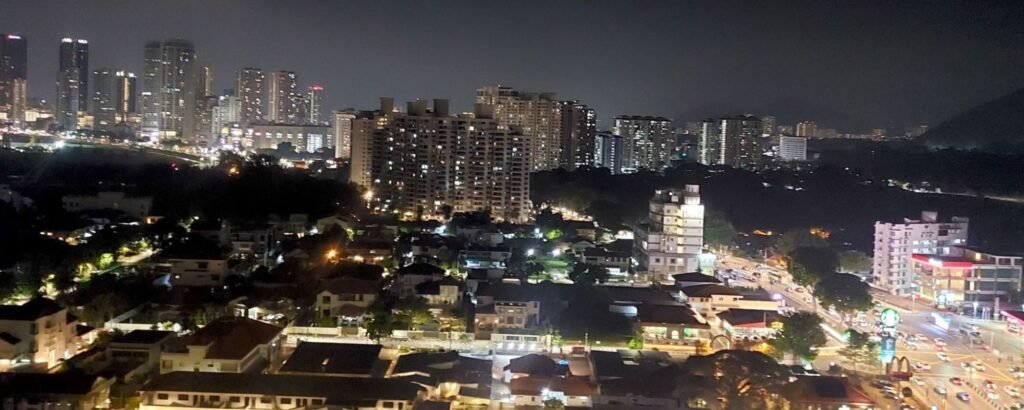
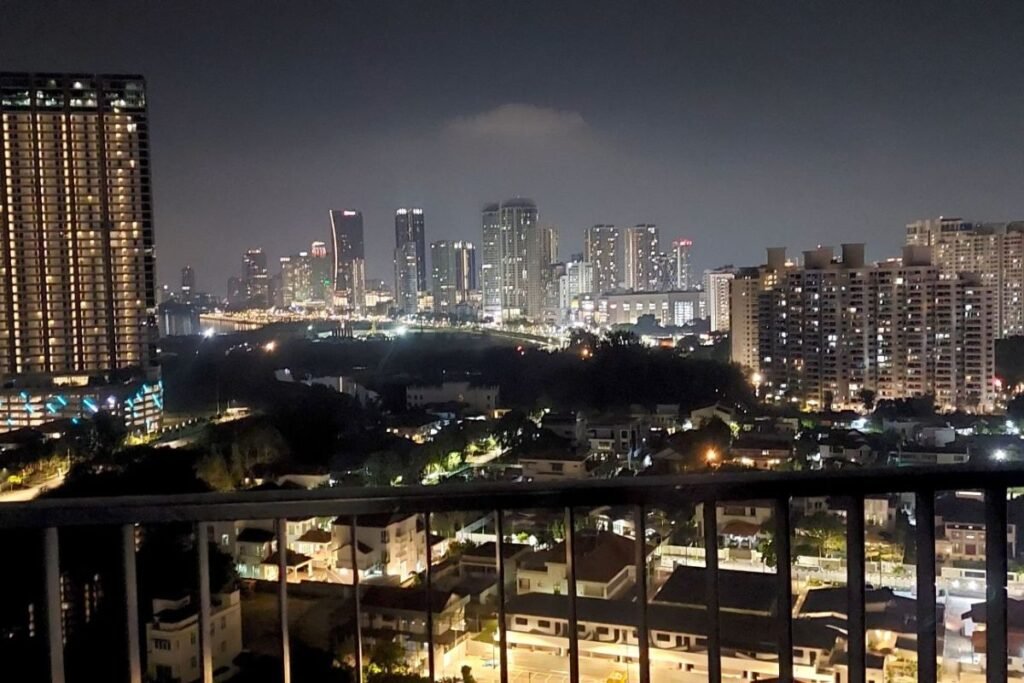
Our base was in Tanjung Bungah, where we had beautiful views across the island and easy access to George Town by bus or Grab. Although the beaches we visited were not quite the tropical paradise we had imagined, Penang’s food, culture and everyday local life more than made up for it. By the end of our stay, we were already thinking about what we would do differently on our next visit.
Table of Contents
Best Things to Do in Penang

Ask Malaysians where to find some of the country’s best food and Penang, Ipoh and Malacca are names that come up again and again. For us, food was the main attraction, but there is plenty to enjoy between meals, from George Town’s heritage streets to Penang Hill and the island’s quieter areas.
We would not feel the need to fill every day with sightseeing. A food tour, cooking class or guided bike tour can be a wonderful way to experience Penang, while still leaving time to explore independently.
Explore George Town
George Town is the heart of Penang’s heritage and food scene, with historic shophouses, temples, street art, markets and eateries reflecting the island’s multicultural history.
It is also more spread out than we expected. We spent a few hot hours wandering around, losing our bearings and somehow finding ourselves circling back through the same streets. While we enjoyed discovering little places along the way, we would approach it differently next time.
- Heritage streets: Explore the UNESCO-listed historic centre and its mix of architecture, temples and traditional businesses.
- Street art: Look out for murals and installations, including some tucked away in smaller streets.
- Markets & local shops: Wander through everyday markets, small businesses and side alleys to get a feel for local life.
- Food: Leave time to stop at local eateries and try something new.
Our Tip: We recommend taking a guided tour of George Town, especially on your first visit. When we return, we will book either a food tour or a general sightseeing tour first, then head back independently to the places that made an impression on us.
Take a George Town Food Tour
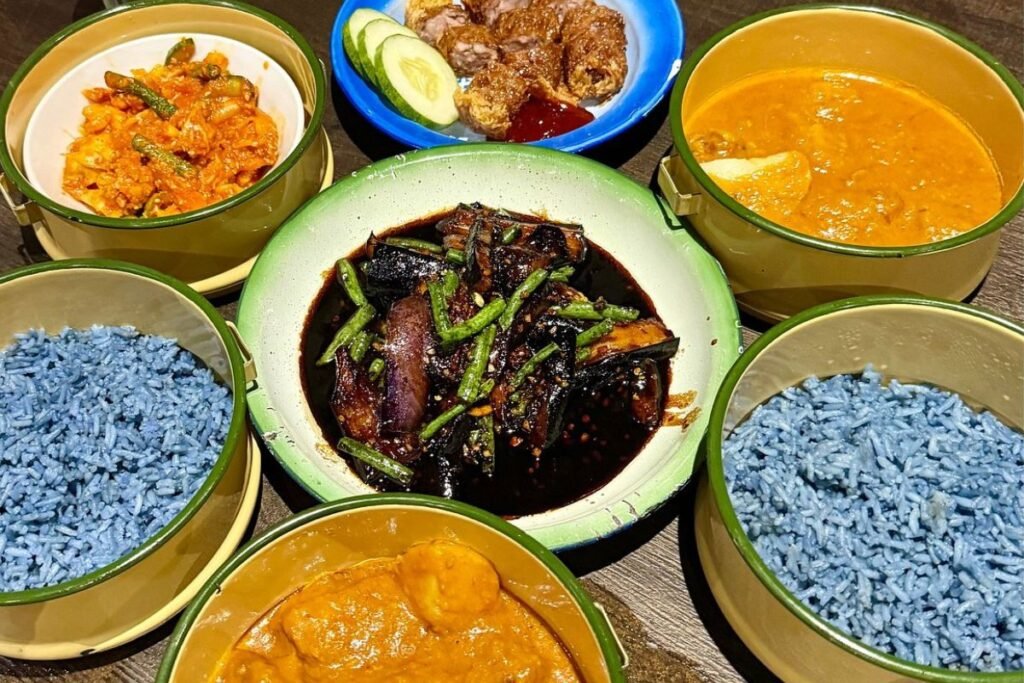
A food tour is one of the experiences we would recommend considering in Penang. A knowledgeable local guide can introduce you to dishes, ingredients and eateries you might otherwise walk straight past, while helping you understand the different cultures that have shaped the island’s cuisine.
We did not take a food tour on our last visit, but it is something we would like to do when we return.
- Walking food tours: Explore George Town’s historic streets while stopping at local eateries and food stalls.
- Evening food tours: Experience night markets and hawker centres when the food scene comes alive.
- Cultural food tours: Learn about the Malay, Chinese, Indian and other influences behind Penang’s cuisine.
- Private or small-group tours: A good option if you prefer a relaxed pace or have particular foods you would like to try.
Our Tip: Book a tour early in your stay so you can return to your favourite discoveries independently. Check the walking distance, number of food stops and what is included before booking.
Join a Penang Cooking Class
A cooking class is another wonderful way to experience Penang’s food culture. Rather than simply tasting the dishes, you get to learn about the ingredients, preparation and techniques behind them.
Many classes include a market visit, where you can discover local produce, herbs and spices before heading into the kitchen to prepare a selection of Malaysian dishes.
- Market visits: Learn about the ingredients used in local cooking and how they are selected.
- Hands-on cooking: Prepare traditional dishes with guidance from a local cook or chef.
- Cultural experience: Discover the stories and influences behind Penang’s diverse cuisine.
- Take something home: A cooking class gives you the opportunity to recreate a little of your travels once you return home.
Our Tip: Look for a class that includes dishes you genuinely want to learn to cook. If you have a favourite Penang dish, check whether it is on the menu before booking.
Penang Hill

Penang Hill is one of the island’s best-known attractions and a lovely change from the busy streets of George Town. The funicular railway takes visitors up to the hilltop, where cooler temperatures and views across the island make it a popular place to spend a few hours.
- Funicular railway: Enjoy the journey up the hillside to the main visitor area.
- Views: Take in the scenery across George Town, the coastline and surrounding hills.
- Nature: Explore the gardens and walking areas, with opportunities to experience some of the island’s rainforest environment.
- The Habitat: A separate nature attraction offering rainforest walks and elevated walkways for those wanting to explore further.
Our Tip: Penang Hill can become busy, particularly during weekends and holidays. Check the weather before visiting, as cloud and rain can affect the views, and allow extra time if you are travelling during a busy period.
The TOP KOMTAR Observation Deck
The TOP KOMTAR is another option for enjoying views across Penang. Located in George Town, the tower offers observation areas and attractions high above the city, giving visitors a different perspective of the island.
We considered visiting, but because our accommodation already had wonderful views across Penang, we decided we were quite happy enjoying those instead.
- Observation deck: Enjoy panoramic views across George Town and the surrounding coastline.
- Rainbow Skywalk: A glass walkway experience for those who enjoy heights.
- Other attractions: The complex includes additional entertainment and family-friendly activities.
Our Tip: If you are staying somewhere with a great view, you may decide you do not need to pay for another observation deck. But if you enjoy city views, KOMTAR is certainly worth considering.
Explore Penang by Bike
A guided bike tour can be a different way to discover Penang, particularly if you enjoy exploring smaller streets and local areas beyond the main sightseeing routes.
Tours vary, with some focusing on George Town’s heritage streets and others heading into quieter areas, villages or countryside.
- Heritage tours: Explore George Town’s historic streets and cultural landmarks.
- Countryside tours: Discover a quieter side of Penang away from the busiest tourist areas.
- Local experiences: Some tours include markets, food stops or visits to traditional communities.
Our Tip: Check the route, distance and traffic conditions before booking. We would look for a relaxed small-group tour with plenty of stops rather than one focused on covering as much ground as possible.
Make Food Part of Your Penang Itinerary
The best thing about Penang is that you do not need to book an activity every day. There are so many food experiences available, and you can easily build your days around the dishes and eateries you want to try.
We arrived with a food bucket list and spent much of our stay working our way through it. Some places lived up to the hype, others were not quite what we expected, and a few of our favourite discoveries were simply places we happened to come across.
Whether you join a guided food tour, take a cooking class or explore independently, leave plenty of room for the unexpected. In Penang, your next favourite meal might be waiting just around the corner.
What to Eat in Penang
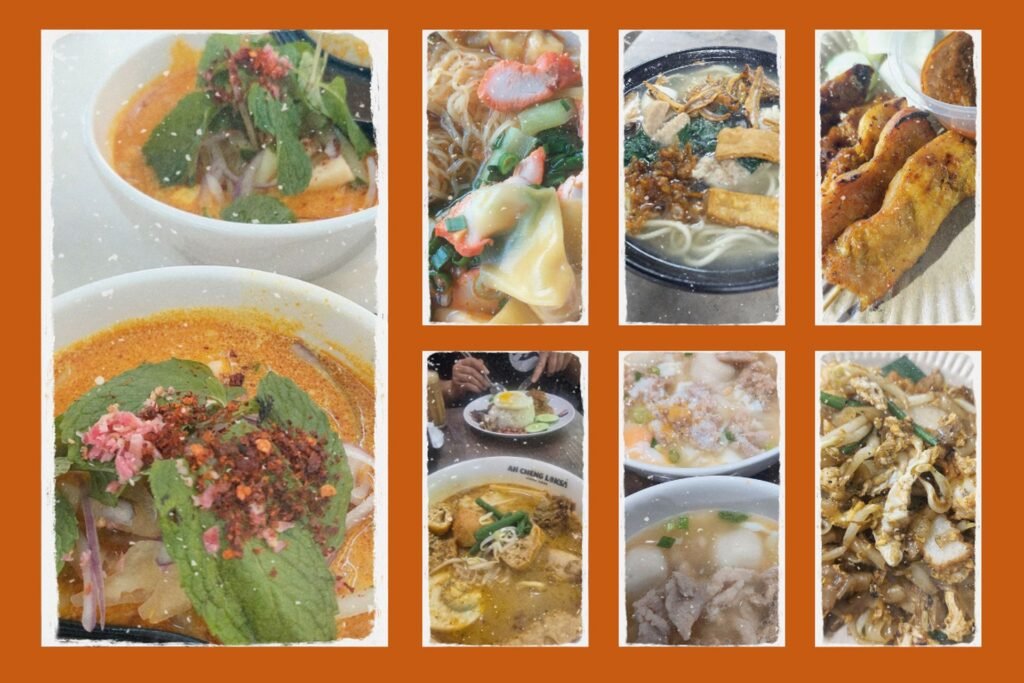
Penang’s food scene was the highlight of our stay. We arrived with a list of dishes and eateries we wanted to try, but quickly discovered that some of the best meals were found simply by exploring.
From smoky char kway teow and rich curry mee to our regular roti canai breakfasts, we enjoyed discovering the different flavours and food traditions that make Penang such a special destination for food lovers.
Char Kway Teow
Char kway teow is one of Penang’s most famous dishes, made with flat rice noodles stir-fried over high heat with ingredients such as prawns, egg, bean sprouts and Chinese sausage. The smoky flavour, often referred to as wok hei, is what makes a really good plate so memorable.
- Our Experience: We tried the famous smoky char kway teow on Chulia Street in George Town, and it was delicious. However, we did not find it outstandingly different from some of the other versions we tried around Penang. Chulia Street was worth exploring, but we also found parts of it a little commercialised.
- Our Tip: Try one of the famous stalls if it is on your bucket list, but do not overlook the smaller local eateries. We found excellent char kway teow in places that were not necessarily on every tourist’s must-visit list.
Curry Mee & Curry Laksa
Curry mee quickly became one of our favourite Penang dishes. This rich, fragrant noodle soup is usually served with a coconut-based curry broth and a variety of toppings, which can include tofu puffs, seafood, chicken or other ingredients depending on the stall.
- Our Experience: One evening, we visited Gurney Drive’s night market and found a curry mee that was absolutely delicious. It cost us around NZ$2 at the time, and it was one of those meals that reminded us why we love eating in local markets.
- Granny Q: We discovered Granny Q through YouTube while searching for a great curry laksa. It was worth making the journey there. The flavours were outstanding, and it became one of the meals we would happily travel across the island for again.
- Our Tip: Curry mee and curry laksa can vary considerably between stalls, so do not assume you have tried the dish after just one bowl. We enjoyed discovering how different each version could be.
Roti Canai & Teh Tarik
Roti canai is a flaky, pan-fried flatbread usually served with curry or dhal. Paired with a hot teh tarik, Malaysia’s famous pulled milk tea, it made the perfect breakfast for us.
- Our Experience: Our mornings in Penang often began with a walk to Restoran Nasi Kandar Rafei Ali, an Indian Muslim restaurant near our accommodation. We would order roti canai with a teh tarik, and it became one of our favourite little routines.
- More to Try: The restaurant also had a buffet with an amazing selection of food, so there was plenty more to choose from if we felt like something different. It was one of those local places we were always happy to return to.
- Our Tip: Look for a busy local Indian Muslim or mamak restaurant in the morning. Roti canai is best enjoyed freshly made, and watching the dough being stretched and cooked is part of the experience.
Nasi Kandar
Nasi kandar is another Penang favourite, with roots in the island’s Indian Muslim community. It usually consists of rice served with a selection of curries, meats, seafood and vegetables, often with several curry gravies poured over the top.
- Why Try It: It is a great dish to try when you want something hearty and full of flavour, and there are plenty of nasi kandar eateries throughout Penang.
- Our Tip: Have a look at what is available before ordering, as the selection and prices can vary depending on what you choose. If you are unsure, ask the staff what they recommend.
Assam Laksa
Assam laksa is one of Penang’s signature dishes and quite different from the coconut-based curry laksa we love. It is a tangy, spicy fish-based noodle soup, traditionally made with tamarind, herbs and other aromatic ingredients.
- What to Expect: The flavour is distinctive, with a balance of sour, spicy and savoury notes. It is one of those dishes worth trying at least once, even if you discover that you prefer a different style of laksa.
- Our Tip: If you are a laksa lover, make a point of trying both assam laksa and curry mee. They are very different dishes, and tasting them side by side is a lovely way to experience Penang’s food diversity.
Penang Cendol
For something sweet, Penang cendol is a refreshing treat, especially after a hot day exploring. It is usually made with shaved ice, coconut milk, palm sugar syrup, green rice-flour jelly and often red beans.
- What to Expect: It is sweet, cold and a welcome change from the heat, with plenty of stalls around Penang serving their own versions.
- Our Tip: Cendol is a great dessert to try while wandering through George Town or visiting a local market. If you are not sure about the ingredients, start with a small serving and see what you think.
Our Penang Food Tip
Do your research and make a list of dishes you would like to try, but do not feel you need to follow it too strictly. We enjoyed some of the famous places, but we also found that a long queue or a Michelin mention did not always mean a meal would be better than one from a small local eatery.
For us, the best way to experience Penang was to mix a few planned food stops with plenty of spontaneous discoveries. Take a food tour to get your bearings, explore the markets, follow the locals and leave room for another bowl of laksa. You never know what you might find around the next corner.
Where to Stay in Penang
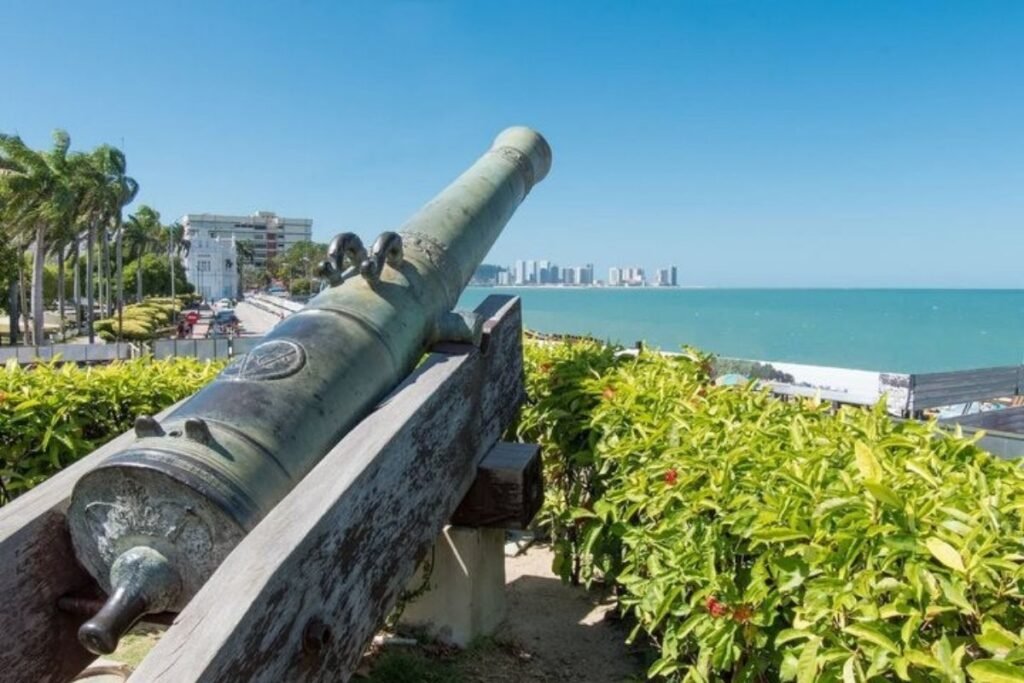
Where you stay in Penang can make quite a difference to your experience. The island is larger than many visitors expect, and although buses and Grab make it relatively easy to get around, travelling between areas can take time.
We based ourselves in Tanjung Bungah for our two-week stay and enjoyed having wonderful views across the island. It was a comfortable base, but after exploring more of Penang, we realised there were other areas we would consider next time, depending on what we wanted to do.
George Town
George Town is the most convenient base if your main interests are food, heritage, markets and exploring the historic streets. Staying centrally means you can walk to many eateries and attractions, although the historic area is more spread out than it first appears.
- Best for: First-time visitors, food lovers, heritage and sightseeing.
- Accommodation: Heritage hotels, boutique stays, guesthouses and modern hotels.
- Getting around: Walking, local buses and Grab.
- Things to consider: Some streets can be busy and noisy, and not every hotel has convenient parking or easy vehicle access.
Our Tip: If food is your main reason for visiting Penang, we would seriously consider staying in or close to George Town. It makes it easier to head out for breakfast, explore the markets and return to your accommodation when the heat becomes too much.
Tanjung Bungah
Tanjung Bungah sits between George Town and Batu Ferringhi and offers a more residential coastal setting. It has a mix of apartments, hotels, local eateries and markets, with regular bus services connecting it to other parts of the island.
We stayed here for two weeks and loved the views from our accommodation. We also had some excellent local food nearby, including our regular roti canai breakfast spot and 33 Best Food Hub night market.
- Best for: Longer stays, a quieter base and travellers who enjoy exploring local neighbourhoods.
- Accommodation: Apartments, hotels and serviced accommodation.
- Getting around: Bus and Grab, with some local eateries within walking distance.
- Things to consider: It is not as convenient for walking around George Town, and the beaches may not be what you imagine when you think of a tropical island.
Our Tip: Tanjung Bungah worked well for us, particularly because we were staying longer and did not mind using public transport. However, we would look more closely at other parts of the island next time, especially if we wanted to spend less time travelling between our accommodation and the places we planned to visit.
Batu Ferringhi
Batu Ferringhi is Penang’s main beach resort area, with larger hotels, restaurants, a night market and a more holiday-focused atmosphere. It is popular with travellers who want resort facilities and a coastal setting while still being able to visit George Town.
- Best for: Resort stays, families and travellers wanting a beachside base.
- Accommodation: Beachfront resorts, hotels and apartments.
- Getting around: Bus, Grab and walking within the main resort area.
- Things to consider: It is further from George Town, and the beaches are not necessarily the clear, turquoise-water experience some visitors expect.
Our Tip: If you are choosing Batu Ferringhi mainly for the beach, research the beach conditions and your accommodation carefully. We found Penang’s food and culture far more appealing than its beaches, so we would not choose a resort here solely for swimming.
Other Parts of the Island
Penang has plenty of accommodation beyond the main tourist areas, including quieter coastal towns and more residential neighbourhoods. These can be worth considering if you are staying longer, have your own transport or prefer to experience a more local side of the island.
Our Tip: If you are considering staying further out, check the actual travel time to the places you want to visit. A beautiful apartment with a great view can be wonderful, but it is worth balancing that against how much time you want to spend getting around.
Our Accommodation Tip
For a first visit focused on food and sightseeing, George Town would be our first choice. If you are staying longer and enjoy exploring local areas, Tanjung Bungah or another well-connected neighbourhood can also work well.
Check the travel time to the places you want to visit before booking, particularly if you will be relying on buses or Grab.
Getting Around Penang
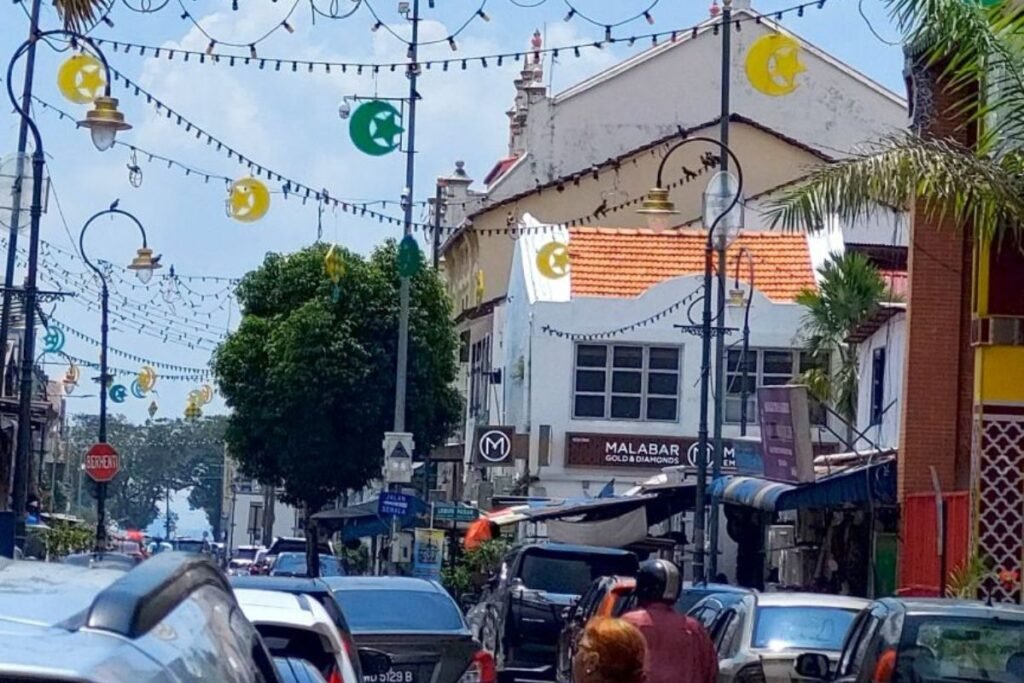
Getting around Penang is relatively straightforward, but the island is larger than many visitors expect. George Town is best explored on foot, while buses and Grab are useful for travelling between different areas. We found public transport affordable and easy to use, and it gave us the freedom to explore well beyond the main tourist spots.
Getting to Penang from Kuala Lumpur
We travelled from Kuala Lumpur to Penang by train, and it was a comfortable and enjoyable way to make the journey. The train took us to Butterworth on the mainland, where we transferred to the ferry for the short crossing to George Town.
- Train: We travelled from KL to Butterworth on the ETS train. It was comfortable, but it was full from the beginning, so we recommend booking ahead.
- Ferry: The ferry terminal is a short walk from Butterworth railway station. We purchased our tickets at the terminal and enjoyed the crossing to Penang Island.
- Onward transport: Once we arrived in George Town, we booked a Grab to our accommodation in Tanjung Bungah.
The whole journey was smooth and easy to manage. The train cost us around NZ$25 per person and the ferry around NZ$2 per person at the time, although prices may have changed.
Our Tip: Bring noise-cancelling headphones if you have them. We found the train comfortable, but several passengers were watching videos and television on their phones at full volume. Our headphones were a lifesaver.
Getting Around by Bus
The local buses became one of our favourite ways to explore Penang. They were affordable, easy to use and connected us with many of the places we wanted to visit.
We would often catch a bus without having every stop planned. If we spotted a market, an interesting street or an eatery full of locals, we would get off and have a look around. Some of our best food discoveries happened this way.
- George Town: Buses connect the city with many of the island’s main areas.
- Tanjung Bungah & Batu Ferringhi: Regular services make it possible to travel along the northern coast without hiring a car.
- Local exploration: Buses are a great way to discover neighbourhoods and eateries beyond the main tourist areas.
- Cost: Fares are inexpensive, making buses a good option for longer stays.
Our Tip: Have small notes or coins available for bus fares, and check the latest routes and payment options before travelling. We also recommend allowing extra time, particularly if you are heading somewhere for a booking or tour.
Using Grab
Grab was another useful option during our stay, particularly when we had luggage, wanted to travel directly somewhere or did not feel like waiting for a bus. However, we did encounter a few frustrations that are worth being aware of.
We stayed in an Airbnb apartment, and the app often struggled to recognise our exact pickup location. After a few attempts, we found a nearby spot that worked reliably and used it for both pickups and drop-offs. That made things much easier.
We also had several occasions where a driver accepted our booking, but we then watched them drive straight past us or head in another direction. We could not tell exactly what was happening, but it sometimes appeared they may have taken another job along the way. A five-minute wait could turn into 30 minutes, and it happened often enough that we began allowing extra time.
- Choose a reliable pickup point: If the app struggles to recognise your accommodation, find a nearby location that works and use it consistently.
- Check the driver’s progress: Keep an eye on the app after your booking is accepted, particularly if you have somewhere you need to be.
- Allow extra time: Do not rely on the estimated arrival time when you have a ferry, flight or tour to catch.
- Check your final fare: Review any additional charges, including tolls, before assuming the amount is correct.
On our journey to the ferry terminal, we noticed a toll charge even though we had not travelled on a toll road. It was not a large amount, but we still checked it because small charges can add up over time.
Our Tip: Grab is convenient, but it pays to check your pickup location, allow extra time and review your final fare. If something does not look right, query it through the app. We would still use Grab in Penang, but we would not leave an important journey until the last minute.
Walking Around George Town
Walking is one of the best ways to experience George Town’s historic streets, markets and food scene, but the area is more spread out than it first appears.
- Wear comfortable shoes: You may end up walking further than expected.
- Allow for the heat: Carry water and take breaks.
- Use offline maps: Helpful when navigating smaller streets and finding specific eateries.
- Consider a tour: A guided walking or food tour can help you get your bearings before exploring independently.
Our Tip: We recommend taking a tour early in your stay. You can read more about our experience and why we would do this next time in the Explore George Town section above.
Hiring a Car or Scooter
We did not feel the need to hire a car or scooter during our stay. Buses, Grab and walking gave us enough flexibility to explore the areas we wanted to visit.
A rental vehicle may be useful if you plan to spend a lot of time in more remote parts of the island, but for a typical food and sightseeing holiday, we would be quite happy using public transport again.
Our Tip: If you are considering hiring a vehicle, think about where you are staying and how often you will actually need it. Traffic and parking around George Town can be challenging, so a car is not necessarily the easiest option for exploring the city.
Our Penang Transport Tip
For us, the best way to get around Penang was to combine buses, Grab and walking. The buses were ideal when we had time to explore, while Grab was useful for direct journeys and tired legs. We would happily use the same combination again rather than hiring a car.
Best Time to Visit Penang
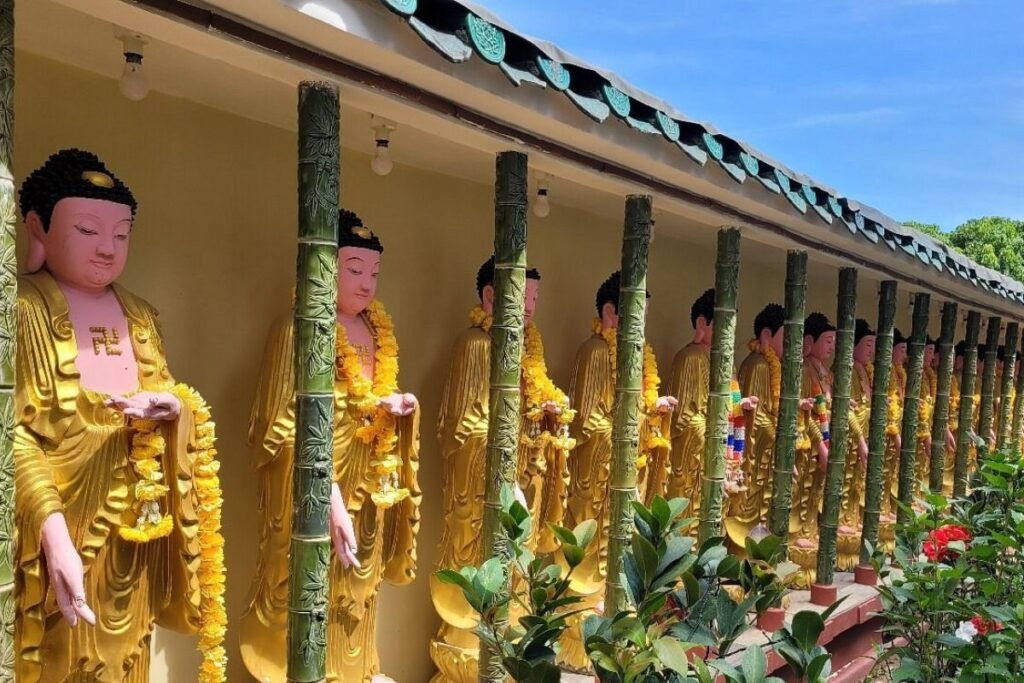
Penang is a year-round destination, with warm temperatures, high humidity and the possibility of rain in any month. The weather can influence how you plan your days, but it does not need to determine whether you visit.
For us, Penang is a destination where the food, culture and everyday experiences are the main attractions, so we would not worry too much about finding the perfect beach-weather season.
December to March
These months are generally considered one of the more favourable periods for visiting Penang, with relatively drier conditions, particularly around January and February. It is also a popular time for visitors escaping colder climates.
- Weather: Hot and humid, with a better chance of settled conditions.
- Good for: Exploring George Town, food tours, sightseeing and outdoor activities.
- Things to consider: Popular accommodation and attractions can be busier during holidays and peak travel periods.
April to May
April and May are often wetter months, with tropical showers and thunderstorms becoming more frequent. Rain can be heavy, but it does not necessarily last all day.
- Weather: Hot, humid and often wetter.
- Good for: Food experiences, markets, cooking classes and sightseeing between showers.
- Things to consider: Plan outdoor activities with some flexibility and allow for sudden rain.
June to August
June to August can be a pleasant time to visit, although Penang remains warm and humid and rain is still possible. Conditions vary from year to year, so it is best not to rely too heavily on seasonal averages.
- Weather: Tropical heat, humidity and occasional showers.
- Good for: Exploring the island, food tours and combining Penang with other Malaysian destinations.
- Things to consider: School holidays and public holidays can affect accommodation prices and visitor numbers.
September to November
These months are generally among Penang’s wetter periods, with October and November often receiving significant rainfall. However, there can still be plenty of opportunities to explore between showers.
- Weather: Hot and humid, with a greater likelihood of heavy rain.
- Good for: Food-focused travel, indoor attractions and flexible sightseeing.
- Things to consider: Allow extra time for outdoor plans and check conditions before heading to Penang Hill or other viewpoints.
Things to Know Before You Go

A little planning can make your Penang stay more comfortable, particularly if you are visiting during a busy holiday period or have specific attractions and food experiences you want to enjoy.
Check Public Holidays & Bookings
Public and school holidays can affect accommodation prices, transport and visitor numbers, particularly at popular attractions such as Penang Hill.
- Book popular attractions ahead: Especially if you have limited time or are travelling during a busy period.
- Check opening days: Some eateries and attractions may close on particular days or during religious holidays.
- Allow flexibility: Weather, traffic and busy periods can affect your plans.
Respect Local Customs
Penang is home to a diverse mix of cultures and religions, and you will see mosques, temples, churches and other places of worship throughout the island.
- Dress respectfully: Cover shoulders and knees where required when visiting religious sites.
- Remove shoes: Follow local customs and any signs at temples or other places of worship.
- Be mindful of food customs: Halal and non-halal eateries are both common, so check if you have particular dietary requirements.
- Ask before photographing people: Especially during religious activities or in smaller local communities.
Before You Travel to Malaysia
For broader practical information, including passport and entry requirements, the Malaysia Digital Arrival Card, money, SIM cards and other travel essentials, head to our Malaysia Travel Guide.
One important reminder is to complete your Malaysia Digital Arrival Card through the official government website before travelling. The official form is free, and we learned the hard way how expensive it can be when you end up using the wrong service.
Our Penang Tip
Do a little research before you arrive, particularly if there are specific dishes or eateries you want to try, but do not plan every meal or every hour of your day.
Penang is a place where we found it worthwhile to slow down, explore local areas and follow our curiosity. Some of our favourite memories came from getting off a bus somewhere interesting, wandering into a market or discovering a small eatery we had never heard of before.
Final Thoughts
Penang was everything we had hoped for when it came to food. We arrived with a bucket list, but some of our favourite meals came from places we discovered by chance. It reminded us that the best travel experiences are not always the ones you plan.
We would happily return, explore a different part of the island and discover more of its incredible food scene. There is still so much we have yet to taste.
If you are planning a wider journey through Malaysia, explore our Malaysia Travel Guide or continue to our Kuala Lumpur Travel Guide for more inspiration.
“Fill your life with experiences, not things. Have stories to tell, not stuff to show.”
🌍 Travel Planning Resources
These are the tools we personally use and trust when planning our travels from finding a place to stay to booking activities, transport and insurance. Let your “Tohu” guide you “Trust the Journey” and follow what feels right for you.
- ✈️Flights – Compare great deals with Trip.com then Kiwi.com for flexible, affordable options.
- 🚐 Campervans – Compare rental deals with Motorhome Republic across Aotearoa and beyond.
- 🛏️ Stays – Compare hotels on Trip.com and TripAdvisor or Booking.com.
- 🚐 Rental Cars – Compare prices and book through Airport Rentals by Motorhome Republic for trusted brands and easy airport pickup.
- 🎟️ Activities – Browse tours and experiences on Viator, Get Your Guide, or TripAdvisor
- 🚆12Go Asia – Compare and book trains, buses, and ferries across Asia in one place with 12Go.
- 🛡️ Travel Insurance – Get flexible short-term coverage with Insubuy for your next holiday.
- 💳 Travel Money – Send, spend and manage money internationally with Wise, with easy currency conversion and a handy option for travellers.
- 🔒 Protect Your Privacy with a VPN – We recommend Surfshark VPN for secure and private browsing while travelling. It’s fast, affordable and works worldwide, perfect for public Wi-Fi at airports, cafes and hotels.
- 📱 Travel eSIM – Stay connected with Airalo
- 💼 Lounge Access – Treat yourself with Priority Pass for UK or US
- 🎶 Events & Concerts – Book tickets worldwide through Ticketmaster.
🧭 Note: Some booking links can be a bit shy when you’re using a VPN. If one doesn’t open, try pausing your VPN or switching to a different server location or secure Wi-Fi network to get things flowing again.