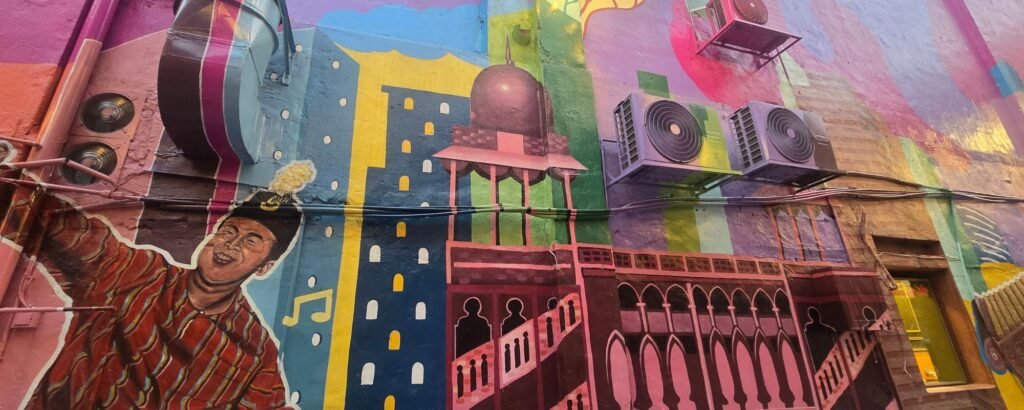
Kuala Lumpur is Malaysia’s vibrant capital, where modern skyscrapers sit alongside historic buildings, colourful markets, temples and mosques. It is a city of contrasts, with the Petronas Twin Towers dominating the skyline, bustling streets around Chinatown and some of the largest shopping malls we have ever seen. Beyond the city centre, attractions such as Batu Caves and the nearby highlands offer plenty of opportunities to explore further.
Why Visit Kuala Lumpur?
KL is an excellent destination for travellers who enjoy food, culture, shopping and sightseeing. Its extensive train network and affordable Grab rides make it relatively easy to explore, while the variety of accommodation means there is something to suit most budgets and travel styles. Whether you are visiting for a few days or using the city as a base for exploring more of Malaysia, there is plenty to keep you occupied. And if you love food as much as we do, the mix of Malay, Chinese, Indian and other cuisines is reason enough to visit.
Our Kuala Lumpur Experience
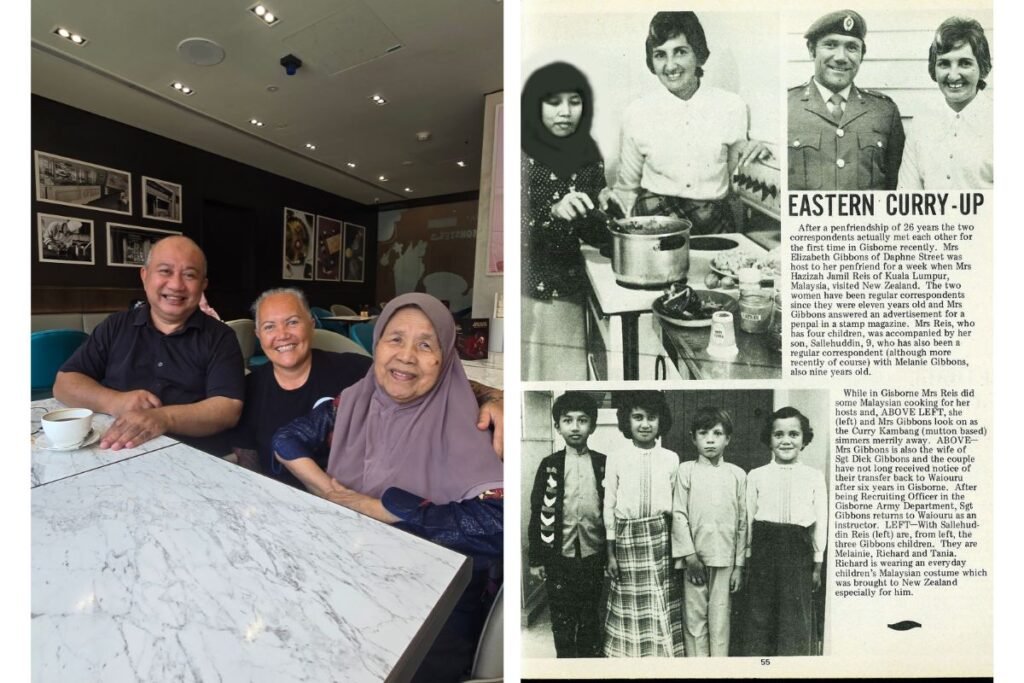
Kuala Lumpur has always been more than just another travel destination for me. Our connection to the city began in 1948, when my mum answered a penpal advertisement placed by a young Malaysian girl named Hazizah. They wrote to each other for years, sharing stories of their lives and families, and Hazizah kept all of my mum’s letters.
Their friendship eventually became a connection between our families. Hazizah, who worked as an air hostess for Malaysia Airlines, travelled to New Zealand with her son, Sallehuddin, to visit us in Gisborne. Their visit even made the newspapers, and she met my Taua, uncles, aunties and friends. In 1982, our whole family travelled to Kuala Lumpur, where we met her husband and the rest of her children.
More than four decades later, Toni and I returned to KL and had the privilege of spending time with Hazizah and her family again. Now 87, she remembered so much about my mum and our family. Listening to her stories and seeing the warmth she still held for my mum was incredibly moving. For a moment, it felt as though Mum was right there with us.
Hazizah had one request: that our families continue to keep in touch for generations to come. It is a promise that means a great deal to me, and one of the reasons Kuala Lumpur will always hold a special place in my heart.
These days, our visits to KL are a lovely mix of catching up with friends and family, revisiting favourite eateries and exploring the city together. We enjoy wandering through Chinatown, watching the River of Life light up at night, discovering new food spots and occasionally heading beyond the city on a day trip. One of our favourite memories was relaxing in our hotel pool on the 53rd floor, looking out across the skyline after a busy day.
KL may be a large, bustling city, but for us, it has always felt like somewhere we belong. The food, the people and the memories keep drawing us back, and we are always happy to discover another reason to return.
Table of Contents
Best Things to Do in Kuala Lumpur
Kuala Lumpur has plenty to keep you occupied, whether you enjoy sightseeing, shopping, food or simply wandering through a city and seeing where the day takes you. We have explored many of its well-known attractions over several visits, and some of our favourite moments have been the ones where we have slowed down and enjoyed the atmosphere rather than rushing from one place to the next.
Petronas Twin Towers, KLCC & Lake Symphony
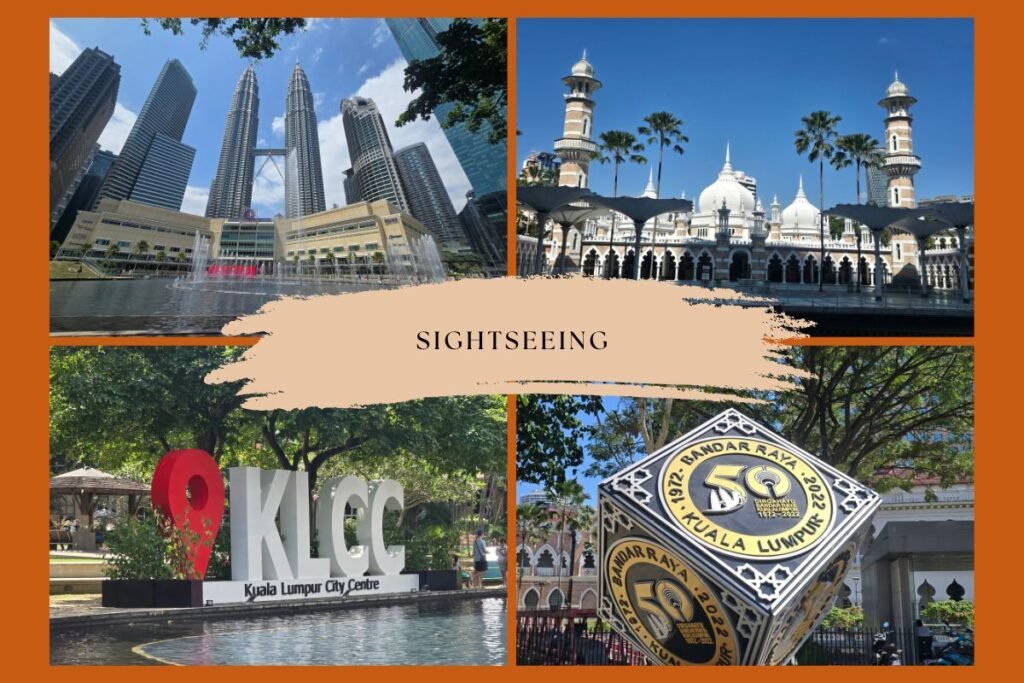
The Petronas Twin Towers are Kuala Lumpur’s most recognisable landmark and one of those places that really does impress when you see it in person. Rising above the KLCC precinct, the towers are surrounded by shopping, restaurants, parkland and plenty of places to sit and enjoy the city.
- Petronas Twin Towers: Visit the observation deck and Skybridge for views across KL. Book ahead if you want to go up, as tickets can sell out. We missed out on our visit because we had not booked in advance.
- Suria KLCC: The enormous shopping centre at the base of the towers is worth exploring, even if you are not planning to buy anything. There are plenty of places to eat, and it is a welcome escape from the heat.
- Lake Symphony: Outside the shopping centre, the lake and surrounding park are lovely places to slow down. You can walk around, find somewhere for lunch, watch the activity around you or simply sit and enjoy being in the city. The lake also hosts illuminated fountain shows in the evening.
- Getting there: KLCC station is connected to the shopping centre, so you can arrive by train and make your way through the underground connection without having to navigate the busy streets.
Our Tip: You do not need to pay to go up the towers to enjoy this area. We loved spending time around KLCC, and our hotel pool on the 53rd floor gave us some pretty spectacular skyline views of its own.
Chinatown, Petaling Street & Central Market
Chinatown is one of our favourite areas to wander, especially when we are looking for something to eat. It is busy, colourful and full of little streets where you can easily spend a few hours exploring.
- Petaling Street Market: Browse the stalls selling clothing, bags, souvenirs and all sorts of other goods. It is a lively place to experience, but do not assume everything is a bargain. Have a look around and compare prices before buying.
- Chinatown: Explore the surrounding streets, temples, traditional shops and food stalls. We particularly enjoy the mix of old buildings and everyday street life.
- Central Market: A short walk from Petaling Street, this historic market is a good place to browse Malaysian crafts, souvenirs and local products. It is also a useful stop when you want a break from the heat.
Our Tip: Allow time to wander beyond the main market street. Some of the most interesting little shops and food spots are tucked away in the surrounding streets.
Merdeka Square & the River of Life
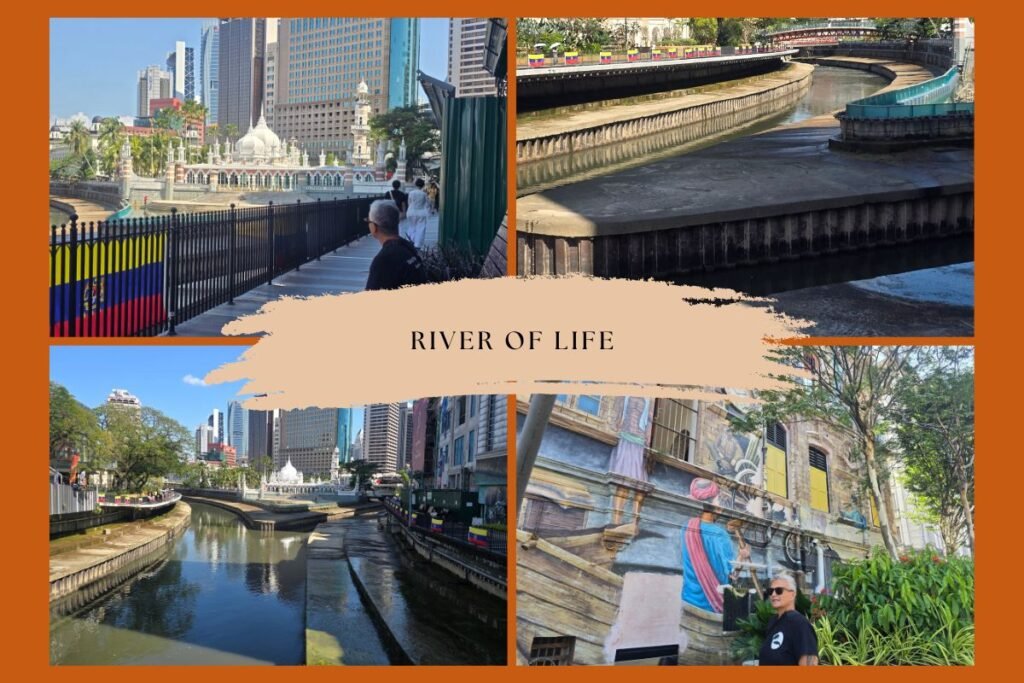
Merdeka Square and the nearby River of Life are well worth including in a city-centre walk. The area brings together some of KL’s most beautiful historic buildings, open spaces and riverfront scenery.
- Merdeka Square: A lovely place to admire the surrounding colonial-era architecture and learn a little about Malaysia’s history. The Sultan Abdul Samad Building is particularly impressive.
- River of Life: The riverfront is attractive during the day, but we especially enjoyed visiting at night when the lighting and mist effects transformed the area. It was one of those unexpected KL experiences that we really loved.
- Masjid Jamek: This beautiful mosque sits near the meeting of the rivers. It was closed for renovations when we visited, but we still enjoyed admiring it from outside.
Our Tip: If you have the time, visit the River of Life after dark. The atmosphere is quite different from the daytime, and it makes a lovely stop after exploring the nearby markets and historic streets.
Bukit Bintang: Shopping, Food & City Life
Bukit Bintang is one of Kuala Lumpur’s busiest shopping and entertainment districts. It is a great area to visit if you enjoy large shopping malls, restaurants, street food and the energy of a city that seems to keep going well into the evening.
- Shopping: Explore the enormous malls, including Pavilion Kuala Lumpur, along with smaller shops and shopping streets. There is plenty to browse, although we would not say Malaysia is necessarily the cheapest place in Asia for shopping.
- Food: Bukit Bintang has an incredible range of places to eat, from food courts and casual restaurants to street food around Jalan Alor. It is an easy area to visit when you are hungry and not quite sure what you feel like eating.
- Evening atmosphere: The area becomes particularly lively after dark, with bright lights, busy streets and plenty of people out enjoying the city.
Our Tip: If you are staying elsewhere in KL, Bukit Bintang is easy to reach by train or Grab. We would happily visit for the food alone, but it is also a good place to spend a few hours browsing and people-watching.
Batu Caves
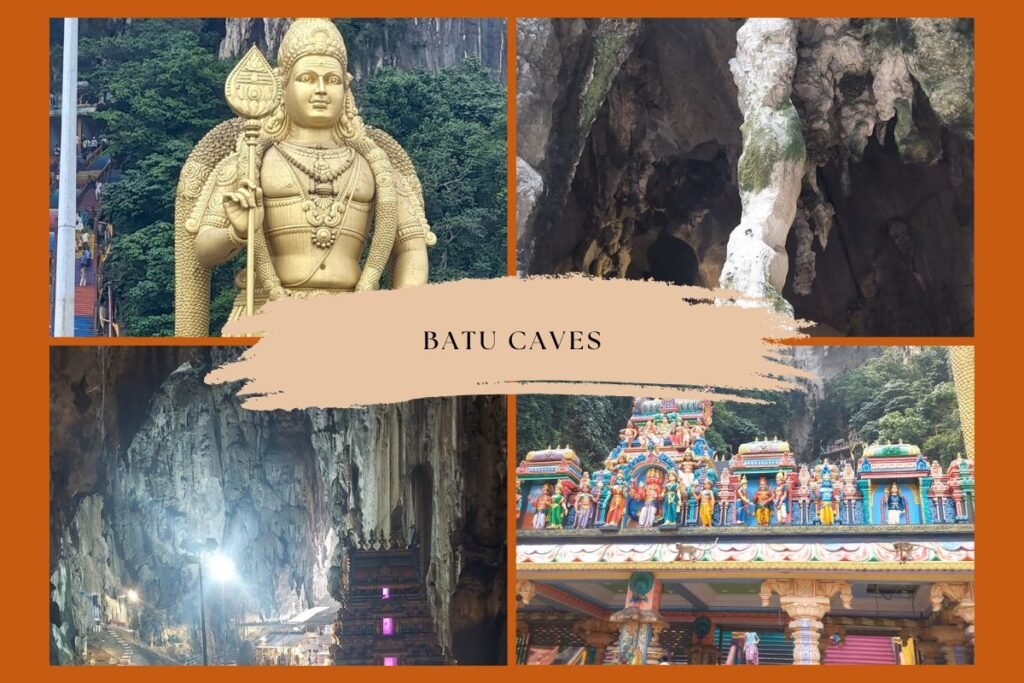
Batu Caves is one of Kuala Lumpur’s most popular attractions and well worth making the trip out of the city centre. The enormous golden statue of Lord Murugan and the colourful staircase leading up to the limestone caves make it an impressive sight before you even begin climbing.
We visited as part of a tour and climbed the stairs to explore the main cave. It was hot work, but the views and the experience were worth the effort.
- The staircase: There are 272 steps to the main Temple Cave, so take your time, especially in the heat.
- The caves: Inside, you will find a large limestone cavern containing Hindu shrines and temples. It is an active place of worship, so dress respectfully.
- The monkeys: Keep a close eye on your belongings. The monkeys are very confident and will happily investigate anything they think might contain food.
- Getting there: Batu Caves can be reached by KTM Komuter train, Grab or an organised tour. A tour can be convenient if you would like to combine it with other attractions.
Our Tip: Go earlier in the day if you can, take water and wear comfortable shoes. Keep food out of sight and do not encourage the monkeys, no matter how cute they look.
Explore Kuala Lumpur by Bike
We spotted several guided bike tours making their way through the city, and the guides sounded so passionate about the places they were showing their groups that it made us wish we had joined one. We did not get around to doing a tour ourselves, but it is something we would consider on a future visit.
If you enjoy exploring on two wheels, a guided tour could be a different way to discover KL’s smaller streets, historic areas and local food spots. Check the route, distance and traffic conditions before booking, and choose a tour that suits your confidence and fitness level.
Genting Highlands
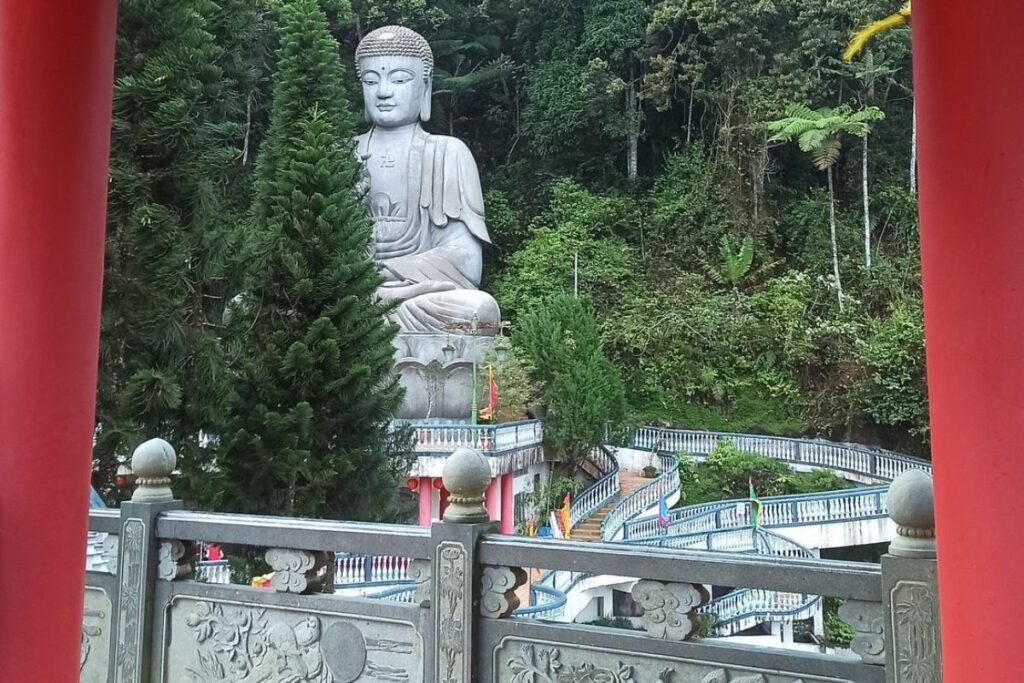
Genting Highlands is a popular mountain resort destination north of Kuala Lumpur, known for its cooler temperatures, cable car, shopping, entertainment and theme parks. It makes an interesting change from the heat and bustle of the city.
We visited on an organised tour and enjoyed the experience, although we felt too much of our time was spent at the outlet shopping mall. If we return, we would prefer to make our own way there and explore at our own pace.
- Awana SkyWay: The cable car is one of the highlights, taking you up into the highlands with views across the surrounding mountains and rainforest.
- Shopping & entertainment: Genting has enormous shopping complexes, restaurants, indoor attractions and entertainment venues, so there is plenty to do even when the weather is not ideal.
- Theme parks: Genting SkyWorlds and Skytropolis offer a range of rides and attractions for those who enjoy theme parks.
- Getting there: You can visit on an organised tour or travel independently using a combination of bus and cable car. Allow around an hour or more from KL, depending on traffic and your departure point.
Our Tip: If shopping is not your main interest, check the itinerary carefully before booking a tour. We enjoyed Genting, but next time we would rather spend more time exploring the resort and less time at the outlet mall.
Cameron Highlands
Cameron Highlands is another popular escape from Kuala Lumpur, offering a very different experience from Genting. Known for its tea plantations, cooler climate, rolling green hills and agricultural landscapes, it is a lovely option for travellers wanting to spend time away from the city.
We have not included it as one of our personal KL experiences, but it is worth considering if you have extra time in Malaysia.
- Tea plantations: Visit the famous tea-growing areas and enjoy the views across the hills. Some plantations offer tours, cafés and opportunities to learn about tea production.
- Cooler climate: The highlands are a welcome change from the tropical heat, although rain and mist are common.
- Markets & farms: The area is known for fresh produce, strawberries, flower gardens and local markets.
- Walking & nature: There are forest trails and scenic areas to explore, with options ranging from short walks to more challenging hikes.
- Getting there: Cameron Highlands is several hours by road from Kuala Lumpur. While a long day trip is possible, we would recommend staying at least one night if you want time to enjoy the area without rushing.
Our Tip: Cameron Highlands can become busy during weekends and Malaysian school holidays. If your itinerary allows, consider visiting midweek and allow extra time for the winding mountain roads.
Where to Stay in Kuala Lumpur
Kuala Lumpur is a large city, but its excellent public transport makes it easier to explore than you might expect. From our experience, you do not necessarily need to stay right in the centre. Anywhere central, or a little further out with easy access to a main train line, can make a great base.
We have stayed in several different parts of KL, including near KL Sentral, in the city centre and in Pudu. Each offered something different, and after spending a month in the city, we came to appreciate that there is no single best area for everyone.
KL Sentral: Excellent for Getting Around
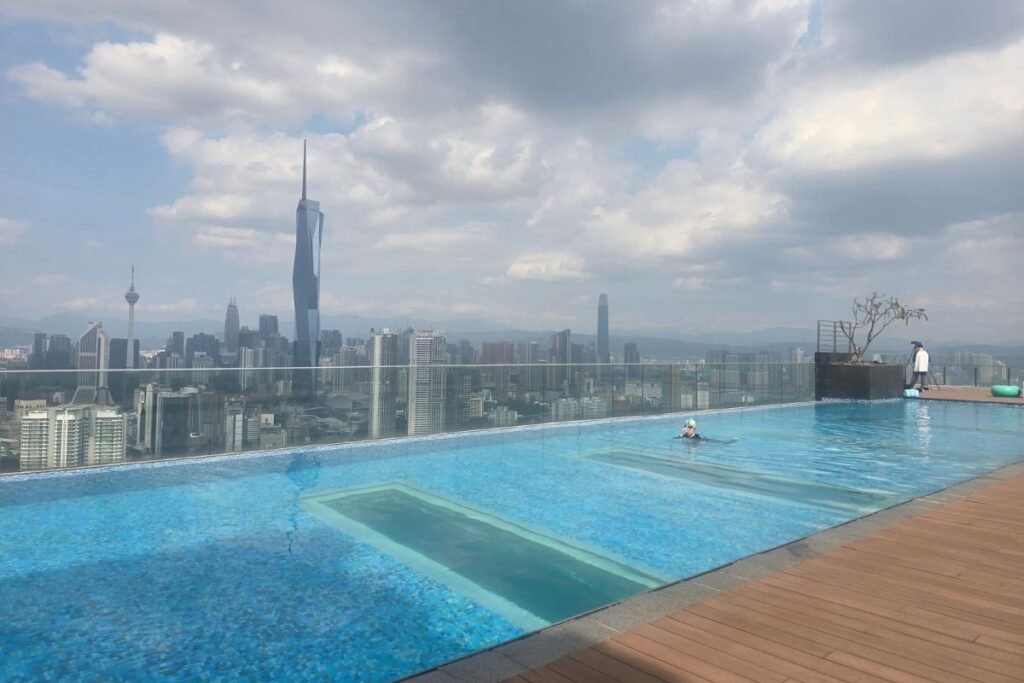
We stayed near KL Sentral and found it brilliant for moving around the city. As one of Kuala Lumpur’s main transport hubs, it connects you with several train services, making it a particularly convenient base if you plan to explore different parts of KL or travel further afield.
- Best for: Travellers who value easy transport connections, especially those arriving by train or planning day trips.
- Getting around: Excellent access to train services, with Grab available for places that are less convenient to reach by public transport.
- Food & shopping: Plenty of eateries and shopping options in and around the area.
- Our experience: We loved how easy it was to get from one part of the city to another without having to rely on taxis for every journey.
Our Tip: If you are choosing accommodation near KL Sentral, check the actual walking route to the station. A hotel may look close on a map but still involve busy roads, stairs or a longer walk than expected.
KLCC & the City Centre: Close to the Action
Staying in central KL puts you within easy reach of many of the city’s major attractions, shopping malls and restaurants. We loved being able to walk to so many places, but we also found the area constantly busy and noisy.
- Best for: First-time visitors who want to be close to major sights, shopping and restaurants.
- Getting around: Excellent train connections, with many attractions within walking distance depending on your accommodation.
- What we loved: Being able to head out on foot and explore without needing to plan every journey.
- Things to consider: Traffic, crowds and city noise can be part of the experience, particularly around the busiest streets.
Our Tip: If you enjoy being in the middle of everything, central KL is a great choice. If you prefer quieter evenings, look for accommodation slightly away from the main roads or check recent reviews for comments about noise.
Bukit Bintang: Shopping, Food & Entertainment
Bukit Bintang is another popular area to consider, particularly if shopping and eating out are high on your list. It is one of KL’s liveliest districts, with enormous malls, restaurants, food courts and busy streets.
- Best for: Shopping, food, nightlife and travellers who enjoy a lively city atmosphere.
- Getting around: Good public transport connections, including MRT and monorail services.
- Food: A huge range of choices, from casual local eateries to restaurants and food courts.
- Things to consider: It can be busy and noisy, so it may not suit everyone looking for a peaceful base.
We have spent plenty of time exploring Bukit Bintang, and it is certainly an area worth considering if you want to be close to the action.
Pudu: A More Local Side of KL
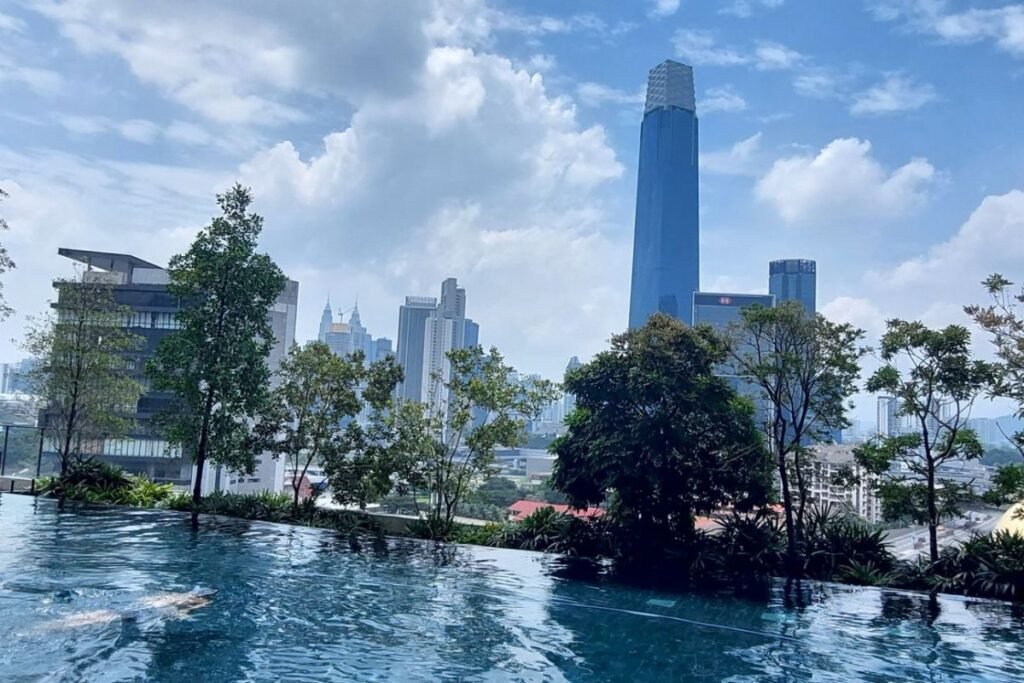
We also stayed in Pudu, and this was a very different experience from staying in the city centre. Public transport was available, although it was a bit of a walk from our accommodation, but we loved the local atmosphere and the incredible range of eateries nearby.
Because we were in KL for a month, we had plenty of time to explore the surrounding streets, markets and side alleys. Pudu felt much more like a locals’ area, and that was exactly what we enjoyed about it.
- Best for: Travellers who enjoy local neighbourhoods, markets and everyday city life.
- Food: Some amazing local eateries, with plenty of opportunities to discover places away from the main tourist areas.
- Getting around: Good transport options, but check how far your accommodation is from the nearest station.
- Our experience: We loved wandering through the markets and smaller streets, discovering places we probably would not have found if we had stayed only in the tourist centre.
Our Tip: If you are considering Pudu, pay close attention to the location of your accommodation. Being within a comfortable walk of a train station can make a big difference, especially after a long day exploring.
Staying Further Out: Worth Considering
During our month in KL, we ventured into several suburbs beyond the main tourist areas. We found that many offered the same everyday services, shopping and food options, often with a more local atmosphere.
One of our more unusual discoveries was a Tit Tar clinic, where we experienced a traditional Chinese form of manual therapy. It was certainly not a gentle manipulation, but we were very happy with the results and would consider seeking out a similar experience on our next visit.
Toni also found a dentist during our explorations and had a full dental service, including several fillings. The care was outstanding, and the cost was a fraction of what we would have expected to pay in New Zealand.
These experiences reminded us that there is much more to KL than its famous attractions. Sometimes the most interesting discoveries happen when you venture into neighbourhoods where people are simply going about their everyday lives.
Our Kuala Lumpur Accommodation Tip
If we were choosing where to stay again, we would focus on three things:
- Transport: Is the accommodation close to a main train line or an easy Grab pickup point?
- Your interests: Do you want to walk to major attractions, be close to shopping and restaurants, or experience a more local neighbourhood?
- Noise & comfort: Check recent reviews, especially if you are staying in a busy central area or prefer quieter evenings.
For a short first visit, central KL or somewhere near KL Sentral would be our preference. For a longer stay, we would happily consider Pudu or another well-connected neighbourhood where we could settle in and explore at a slower pace.
Getting Around Kuala Lumpur
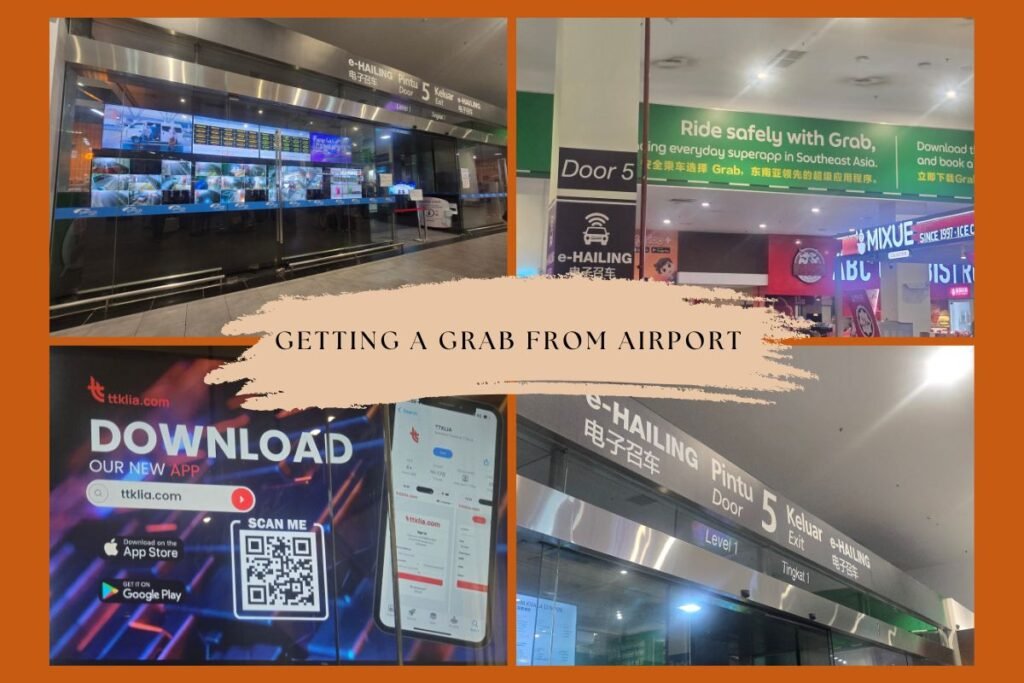
Kuala Lumpur is a large, sprawling city, but we have found it surprisingly easy to get around. The train network is excellent, Grab is convenient for places that are harder to reach, and the stations are generally well signposted. We have explored plenty of KL without needing to hire a car.
Getting from KLIA to the City
Kuala Lumpur International Airport is enormous, so allow plenty of time to make your way through the terminal, collect your luggage and reach the transport area. We have used both Grab and the KLIA Ekspres, and each has its advantages.
Grab or Taxi
On one visit, we took a Grab directly from the airport to our accommodation. The pickup area was well organised and easy to find, and the journey took around an hour, although it can take longer during peak traffic.
- Best for: Door-to-door convenience, especially with luggage or when travelling as a couple or group.
- Our experience: We paid around NZ$30 for the two of us at the time.
- Things to consider: Traffic can make the journey considerably longer, so allow extra time when heading back to the airport.
KLIA Ekspres
On another visit, we took the airport train to KL Sentral and then a Grab to our accommodation. The train was much faster, although by the time we added the Grab, the total cost was similar to what we had paid for a direct airport transfer. We later realised our accommodation was actually within walking distance of KL Sentral!
- Best for: Avoiding road traffic and reaching KL Sentral quickly.
- Journey: The regular express service takes approximately 28 minutes from KLIA Terminal 1 to KL Sentral, or 33 minutes from Terminal 2.
- Connections: From KL Sentral, you can continue by train, Grab or taxi to your accommodation.
- Our experience: Fast, comfortable and easy to use, but not necessarily the cheapest option for two people once you include the final transfer.
Our Tip: Compare the total cost for everyone travelling, not just the price of one train ticket. If your accommodation is close to KL Sentral, the train can be a brilliant option. If you have several bags or are staying further away, a direct Grab may be more convenient.
Getting Around by Train
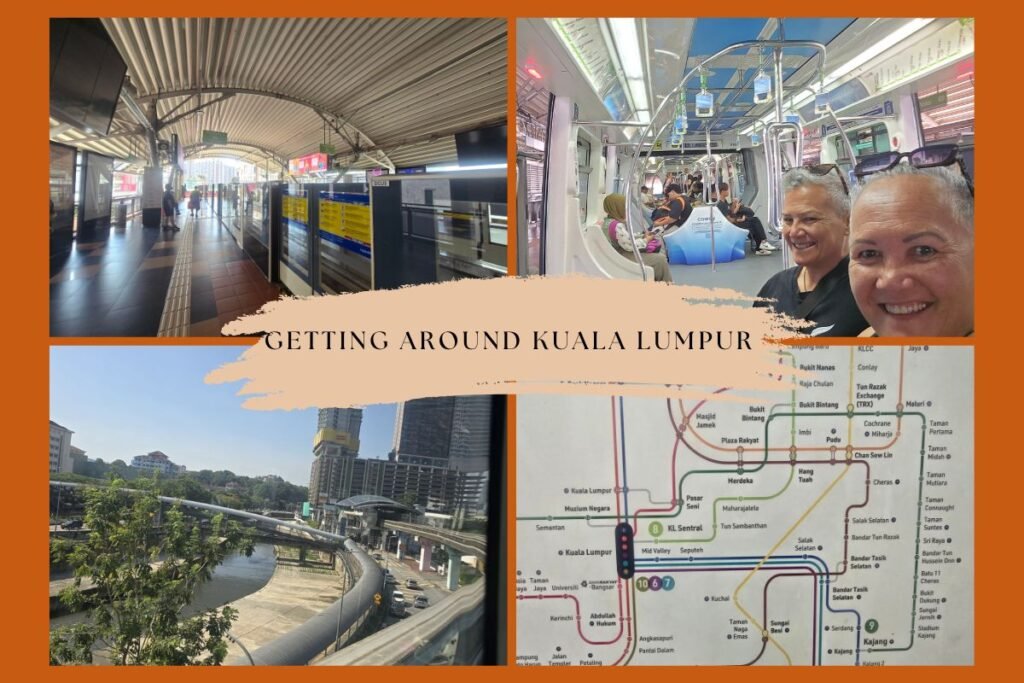
KL’s train network has been one of our favourite things about travelling in the city. We have used it extensively and found the trains clean, efficient and easy to navigate once we understood the different lines.
The network includes MRT, LRT, monorail and commuter services, connecting many of the main sightseeing areas, shopping districts and suburbs. KL Sentral is a major interchange, making it particularly useful for travelling across the city.
- Easy to navigate: Stations are generally well signposted, with route maps and information available.
- Helpful staff: Whenever we were unsure, we found station staff and information desks very helpful.
- Good value: Train travel is an affordable way to cover longer distances without sitting in traffic.
- Connections: Some journeys require changing lines, so check your route before setting off.
Our Tip: Do not be put off by the size of the stations. They can look enormous at first, but we found them much easier to navigate than expected. If you are unsure, ask someone. We have always found Malaysians friendly and willing to help.
Using Grab
Grab has been our go-to option when a train station is too far away, we have luggage or we simply do not feel like walking any further. It is particularly useful for reaching accommodation, local eateries and attractions that are not conveniently located near a station.
- Convenient: Enter your destination and check the fare before confirming the ride.
- Useful for shorter trips: Especially when the heat or distance makes walking less appealing.
- Traffic: Allow extra time during busy periods, particularly if you have a flight or train to catch.
- Pickup points: Large malls, stations and airports may have designated ride-hailing areas, so check the pickup instructions carefully.
Our Tip: Make sure you have mobile data before leaving the airport. It makes booking Grab, checking train routes and finding your accommodation much easier.
Walking Around Kuala Lumpur
We enjoy walking and have covered plenty of KL on foot, particularly around Chinatown, Central Market, Merdeka Square, KLCC and Bukit Bintang. It is a great way to discover smaller streets, markets and eateries that you might otherwise miss.
However, KL is not always the easiest city for pedestrians. Some areas have excellent walkways and underground connections, while others involve busy roads, uneven footpaths or longer distances than they appear on a map.
Our Tip: Check the walking route rather than relying only on the distance shown on a map. A short Grab ride or train journey can be worthwhile when it is hot, raining or you have already spent the day exploring.
Travelling Beyond Kuala Lumpur
KL is also a useful base for exploring more of Malaysia. We have found it easy to travel between cities by train and bus, and there are plenty of options for day trips or longer journeys.
- Batu Caves: Easily reached by KTM Komuter train, Grab or an organised tour.
- Malacca: A popular day trip or overnight destination, approximately two hours or more by road depending on traffic.
- Genting Highlands: Accessible by bus and cable car, or as part of an organised tour.
- Cameron Highlands: Better suited to an overnight stay or longer, as the road journey takes several hours.
- Penang: Reachable by train to Butterworth, followed by the ferry to George Town, or by domestic flight.
We particularly enjoyed taking the train from KL to Butterworth on our way to Penang. It was comfortable and straightforward, although the train was full from the beginning, so we would recommend booking ahead.
Our Tip: Noise-cancelling headphones were a lifesaver on our train journey. Several passengers were watching videos and television on their phones at full volume, and the competing sounds became quite overwhelming. If you enjoy a quieter journey, they are well worth packing.
Our Kuala Lumpur Transport Tip
For us, the best combination is train for longer journeys, Grab for the gaps and walking when the area is enjoyable to explore on foot. We would not bother hiring a car for a typical KL city stay. The public transport is too convenient, and avoiding the traffic and parking is part of what makes exploring the city so easy.
Best Time to Visit Kuala Lumpur
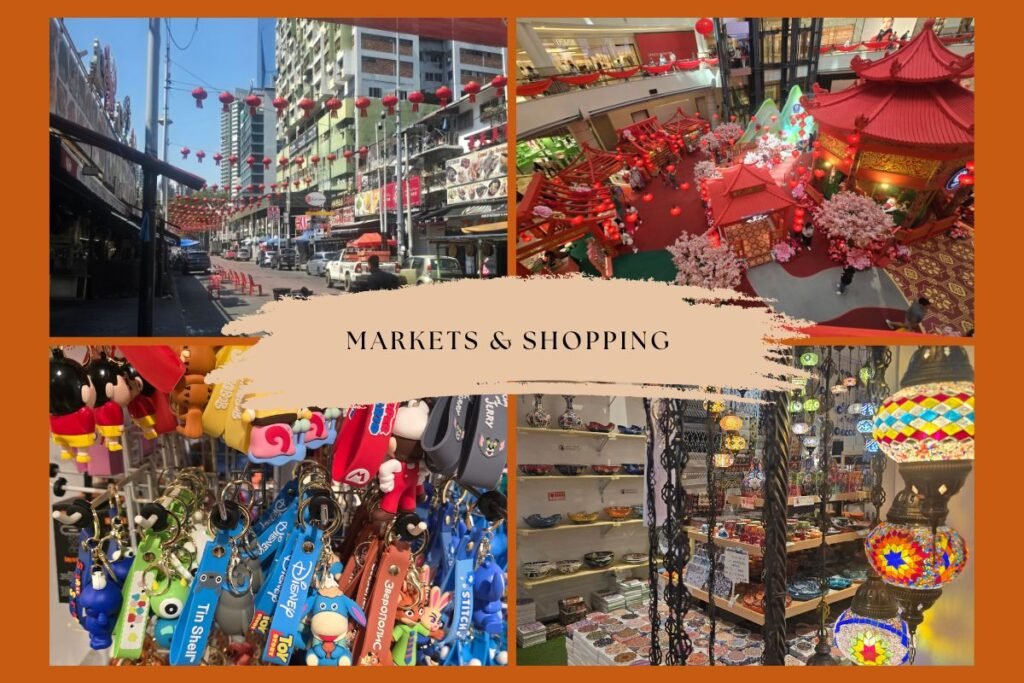
Kuala Lumpur is a year-round destination, so we would not let the weather alone determine when you visit. It is hot and humid throughout the year, with tropical rain and thunderstorms possible in any month. The main difference between seasons is how much rain you are likely to encounter rather than a dramatic change in temperature.
Weather Throughout the Year
- June to August: Generally one of the relatively drier periods, making it a popular time for sightseeing. It is still hot and humid, and rain is always possible.
- April to May and October to November: These are generally wetter periods, with more frequent thunderstorms during the monsoon transitions.
- December to March: Warm and humid, with a mixture of sunshine and rain. February can be relatively drier, but there is no guaranteed dry season in KL.
Our Experience with KL’s Weather
We have visited Kuala Lumpur in June and July and found it humid but manageable. More recently, we visited in February, when we experienced hot, humid days and rain mostly at night. The weather did not stop us from getting out and exploring, and we simply adjusted our plans when needed.
Planning Around the Heat & Rain
KL is an easy city to enjoy regardless of the weather. There are plenty of indoor attractions, enormous shopping malls, covered connections and places to stop for food when the heat or rain becomes too much.
- Sightseeing: Plan outdoor attractions such as Batu Caves and Merdeka Square for earlier in the day when possible.
- Rainy periods: Keep a little flexibility in your plans. A heavy downpour can be a good excuse to explore a mall, visit a museum or settle in somewhere for lunch.
- Highlands: If you are heading to Genting or Cameron Highlands, check the forecast separately, as mountain weather can be quite different from KL.
- Public holidays: Check Malaysian public and school holidays before booking, particularly if you are planning popular attractions or trips to the highlands.
Our Tip: We would choose our travel dates around the places we want to visit, flight prices and any special events rather than trying to find a completely dry month. Pack a small umbrella, wear comfortable shoes and allow yourself time to stop when the heat gets too much.
Things to Know Before You Go
Kuala Lumpur is a relatively easy city to explore, but a few practical things can make your visit more comfortable. These are the little details we have found useful during our stays, particularly when spending longer in the city.
Getting Around & Walking
- Stay near a train line: You do not need to be right in the city centre, but easy access to a station can make a big difference. Check the actual walking route from your accommodation.
- Allow for traffic: KL can become very congested, especially during peak periods. Give yourself extra time when travelling to the airport or catching a train.
- Check walking routes: Some areas have excellent footpaths and covered connections, while others involve uneven surfaces, busy roads or awkward crossings.
- Use Grab for the gaps: A short ride can be worthwhile when the heat, rain or distance makes walking less appealing.
Shopping & Everyday Costs
KL has some enormous shopping malls, but we would not assume everything is cheaper than in New Zealand. We found that shopping prices varied considerably, and the biggest bargains were not necessarily in the major malls.
- Compare prices: Especially for clothing, electronics and branded goods.
- Markets: Petaling Street and other markets can be fun to browse, but check quality and prices before buying.
- Food: Local eateries and hawker-style food courts can offer excellent value, and we often found them more interesting than eating in the malls.
- Cash: Keep some Malaysian ringgit handy for smaller eateries, markets and local businesses, even though cards are widely accepted in larger establishments.
Food, Culture & Respectful Travel
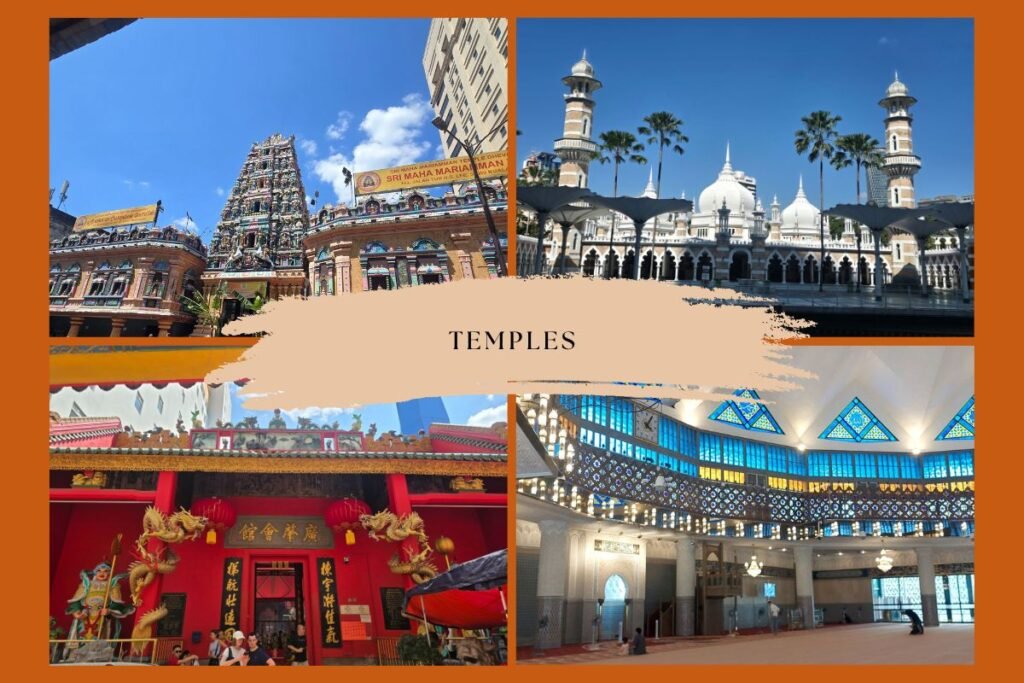
One of the things we love about KL is the mix of cultures and the incredible variety of food that comes with it. Malay, Chinese, Indian and other communities have all contributed to the city’s character.
- Places of worship: Dress respectfully when visiting mosques and temples. Some require shoulders and knees to be covered, and shoes may need to be removed.
- Food choices: Malaysia is a Muslim-majority country, but KL has a wide range of halal and non-halal eateries. Pork is available at many Chinese and other non-halal establishments.
- Local eateries: Do not be afraid to venture beyond the main tourist areas. Some of our favourite food discoveries have been in neighbourhoods where we were simply wandering and seeing what looked good.
- Durian: This famously pungent fruit is popular in Malaysia, but many hotels and apartments do not allow it inside. Check before bringing any back to your accommodation.
Mobile Data & Useful Apps
Having mobile data makes exploring KL much easier, particularly when using Grab, checking train routes or finding your way through unfamiliar streets.
- Grab: Useful for booking rides and checking fares before travelling.
- Maps: Download offline maps as a backup, especially if you plan to explore beyond the main tourist areas.
- Train routes: Check which line you need and whether your journey involves changing stations.
- Translation: English is widely spoken in KL, but a translation app can still be useful in smaller local businesses.
Public Holidays & Busy Periods
Malaysia has a wide range of national, state, religious and cultural holidays. These can affect accommodation prices, transport availability, attraction opening hours and how busy popular destinations become.
If you are planning to visit Batu Caves, Genting Highlands or Cameron Highlands during a holiday period, check opening hours and book transport or accommodation ahead where necessary.
Our Tip: KL rewards travellers who leave a little room in their plans. We have discovered some wonderful markets, side alleys and local eateries simply by wandering beyond the main tourist areas. Give yourself time to explore, but keep the heat, traffic and distances in mind.
Before You Travel to Malaysia
For entry requirements, the Malaysia Digital Arrival Card, money, SIM cards and other country-wide travel information, read our Malaysia Travel Guide. We have included our personal MDAC experience there, along with the important reminder to use the official, free Immigration Department website rather than paying a third-party service.
Final Thoughts
KL is a city that can suit many different styles of travel. You might spend a few days seeing the major attractions, stay a week and explore further, or settle in for a month as we did and discover a more local side of the city. There is no need to see everything in one visit.
For us, the best way to enjoy Kuala Lumpur is to have a few places in mind, make good use of the trains and leave plenty of room for the unexpected. And, of course, never be too far away from somewhere good to eat.
If you are continuing your journey through Malaysia, our Penang Travel Guide is a great place to start planning your next stop, especially if food is one of your favourite reasons to travel.
“Every hundred feet, the world changes.”
🌍 Travel Planning Resources
These are the tools we personally use and trust when planning our travels from finding a place to stay to booking activities, transport and insurance. Let your “Tohu” guide you “Trust the Journey” and follow what feels right for you.
- ✈️Flights – Compare great deals with Trip.com then Kiwi.com for flexible, affordable options.
- 🚐 Campervans – Compare rental deals with Motorhome Republic across Aotearoa and beyond.
- 🛏️ Stays – Compare hotels on Trip.com and TripAdvisor or Booking.com.
- 🚐 Rental Cars – Compare prices and book through Airport Rentals by Motorhome Republic for trusted brands and easy airport pickup.
- 🎟️ Activities – Browse tours and experiences on Viator, Get Your Guide, or TripAdvisor
- 🚆12Go Asia – Compare and book trains, buses, and ferries across Asia in one place with 12Go.
- 🛡️ Travel Insurance – Get flexible short-term coverage with Insubuy for your next holiday.
- 💳 Travel Money – Send, spend and manage money internationally with Wise, with easy currency conversion and a handy option for travellers.
- 🔒 Protect Your Privacy with a VPN – We recommend Surfshark VPN for secure and private browsing while travelling. It’s fast, affordable and works worldwide, perfect for public Wi-Fi at airports, cafes and hotels.
- 📱 Travel eSIM – Stay connected with Airalo
- 💼 Lounge Access – Treat yourself with Priority Pass for UK or US
- 🎶 Events & Concerts – Book tickets worldwide through Ticketmaster.
🧭 Note: Some booking links can be a bit shy when you’re using a VPN. If one doesn’t open, try pausing your VPN or switching to a different server location or secure Wi-Fi network to get things flowing again.