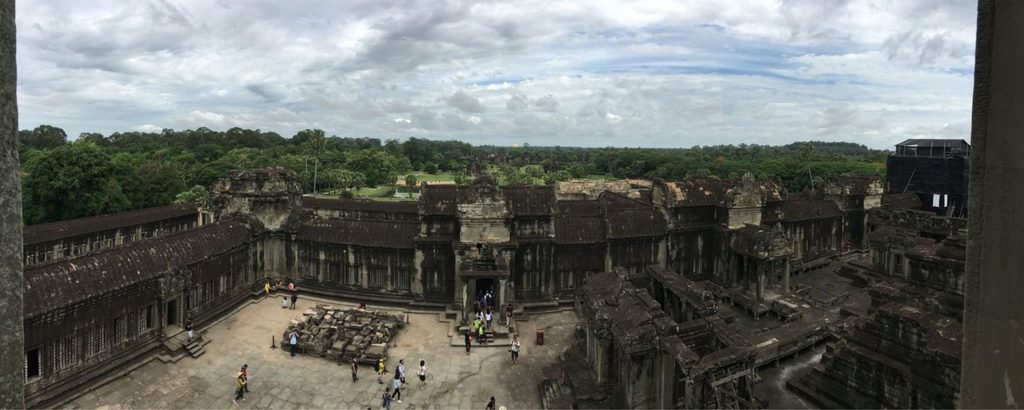
Cambodia is a country of ancient temples, busy cities, rural villages and a history that is both fascinating and incredibly difficult. For many travellers, Angkor Wat is the reason Cambodia first appears on the travel list, but there is much more to the country than its most famous temple. From the streets and markets of Phnom Penh to the temples surrounding Siem Reap and the everyday life you see along the way, Cambodia offers a very different experience from many of its Southeast Asian neighbours.
Why Visit Cambodia?
Cambodia may not be a destination everyone thinks of when planning a trip through Southeast Asia, but it can be an easy country to add when travelling through Vietnam or Thailand. Angkor Wat alone draws visitors from around the world, while Phnom Penh provides a very different look at Cambodia, both as it is today and through the events that have shaped the country.
Food, markets, temples and local life all form part of the experience, but Cambodia is also somewhere where understanding a little of the country’s history really matters. Some places are confronting to visit, while others are extraordinary simply because they have survived for centuries. Together, they help you understand Cambodia beyond the usual photographs of Angkor Wat.
Our Experience in Cambodia
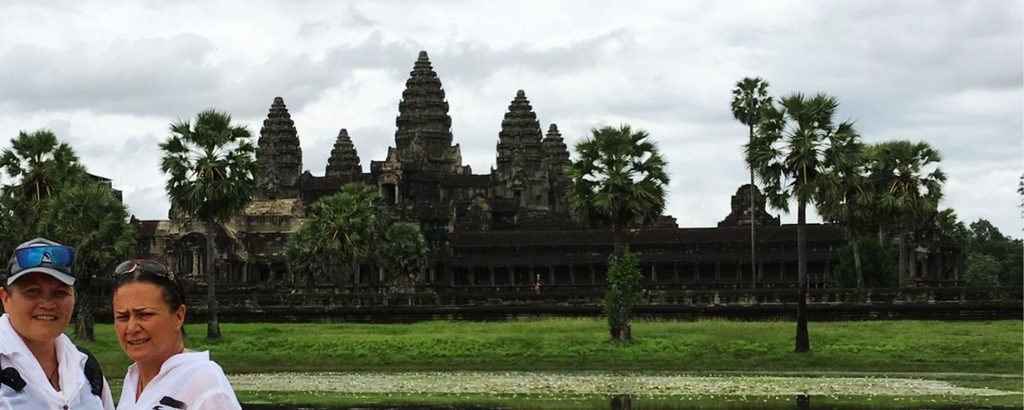
We travelled into Cambodia by bus from Ho Chi Minh City, crossing the border and continuing on to Phnom Penh. After two weeks travelling through Vietnam, Cambodia immediately felt different. It was another country, another culture and another part of Southeast Asia that we were keen to understand rather than simply tick off a list.
For me, there was also a deeper connection to Cambodia’s history. I had lived in Singapore as a teenager during a period when the events of the Khmer Rouge years were still very recent. Decades later, travelling through Cambodia and learning more about what had happened made some of those memories and stories feel much more real.
There were difficult moments during our visit, particularly when learning about Cambodia’s recent history, but that is only one part of the country we experienced. Cambodia was also welcoming, fascinating and full of everyday moments that stayed with us. And then there was Angkor. No matter how many photographs we had seen beforehand, nothing quite prepared us for standing among temples that had been there for hundreds of years.
Contents
Places to Visit in Cambodia
Cambodia is relatively easy to travel around, and you don’t need to visit a long list of destinations to get a good feel for the country. For a first visit, Phnom Penh and Siem Reap are the two main places we would concentrate on, particularly if Cambodia forms part of a longer Southeast Asia trip.
Phnom Penh
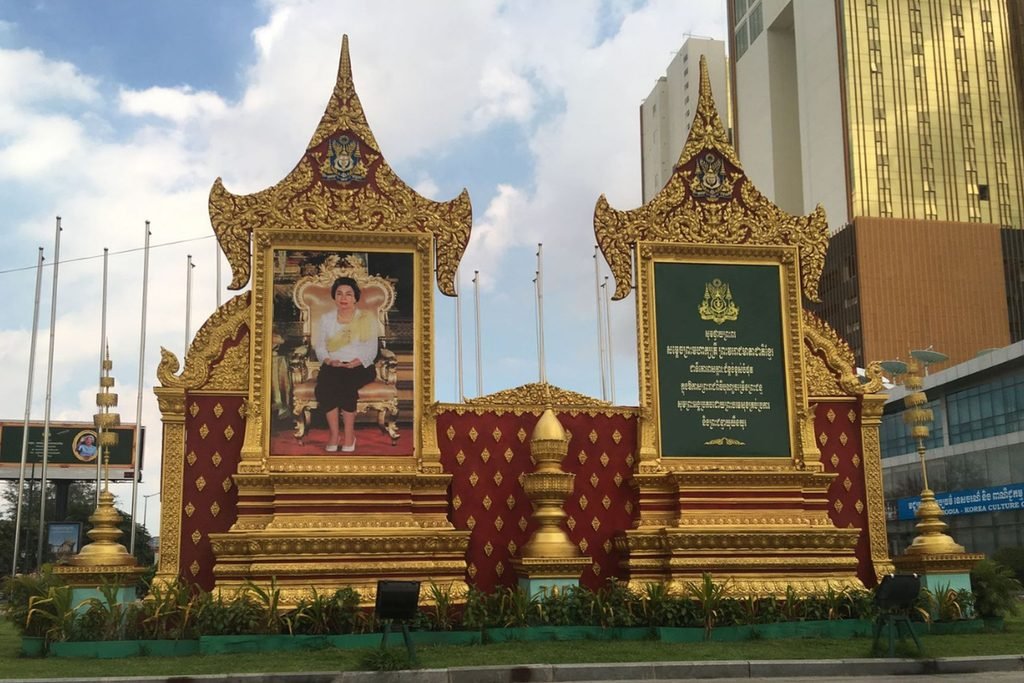
Cambodia’s capital sits where the Mekong and Tonlé Sap rivers meet and is a busy mix of markets, temples, cafés, modern development and older neighbourhoods. We arrived here by bus from Ho Chi Minh City, so Phnom Penh was our first introduction to Cambodia.
There is plenty to see around the city, including the Royal Palace, Silver Pagoda, riverside and local markets. Phnom Penh is also where many travellers begin learning about Cambodia’s more recent history.
Two of the most significant places are the Tuol Sleng Genocide Museum and Choeung Ek Genocidal Center, commonly known as the Killing Fields. These are not places we would describe as tourist attractions or simply add to a sightseeing checklist. They are places of remembrance, and visiting them can be confronting. We will talk about our experience and the history behind them separately, with the respect the subject deserves.
- Don’t Miss: Royal Palace, Silver Pagoda, local markets and the riverside.
- Getting Around: Tuk-tuks are one of the easiest ways to cover shorter distances around the city.
- Good to Know: Phnom Penh can be busy, hot and humid, so don’t try to squeeze too much into one day.
- How Long to Spend: Around 2–3 days gives you enough time to explore without rushing.
Siem Reap & Angkor
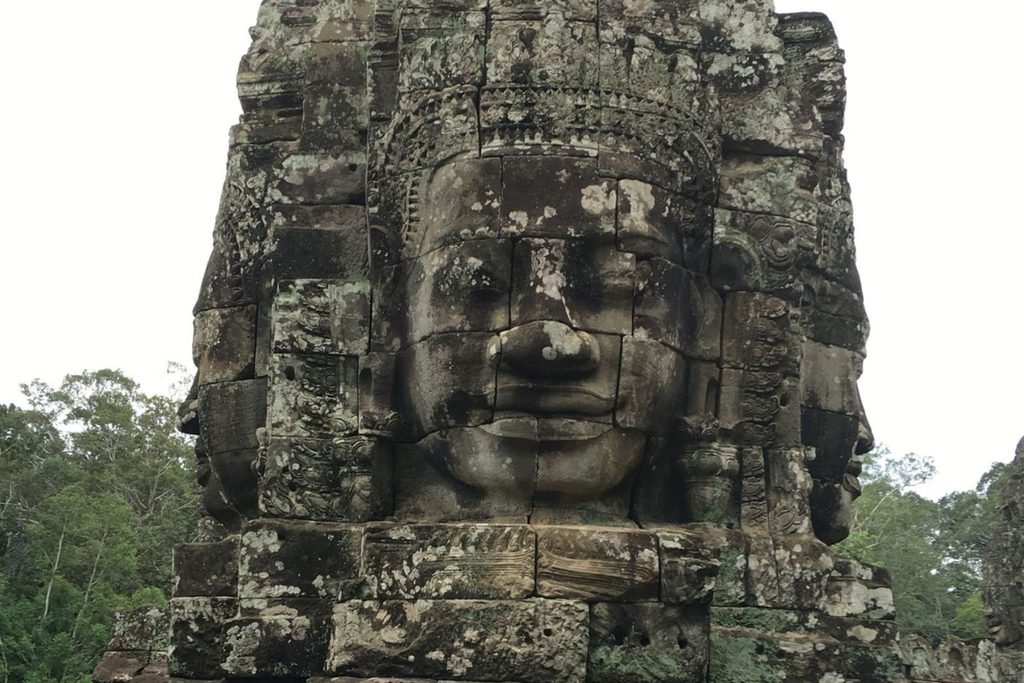
For most visitors, Siem Reap is the gateway to the Angkor Archaeological Park, home to Angkor Wat and an extraordinary collection of temples spread across a huge area.
But Siem Reap itself is worth allowing time for. There are markets, restaurants, cafés, spas and plenty of places to wander once you have finished exploring the temples for the day. It is also a good place to organise tours, tuk-tuks and guides for Angkor.
We knew Angkor Wat would be impressive, but the scale of the wider temple complex surprised us. Angkor Wat may be the famous one, but it is only part of the experience. Bayon, Ta Prohm and the ancient city of Angkor Thom each have a completely different feel.
And don’t underestimate the heat. Temple days can involve a lot of walking, climbing and time in the sun, so starting early and taking breaks makes the experience much more enjoyable.
- Don’t Miss: Angkor Wat, Bayon, Ta Prohm and Angkor Thom.
- Around Town: Markets, restaurants, cafés and spas make Siem Reap an easy place to slow down between temple days.
- Getting Around: Tuk-tuks and organised tours are both popular ways to explore the Angkor complex.
- Good to Know: Start your temple days early, carry plenty of water and don’t try to see every temple in one day.
- How Long to Spend: Allow at least 3–4 days for the temples as well as some slower time around Siem Reap.
Beyond Phnom Penh & Siem Reap
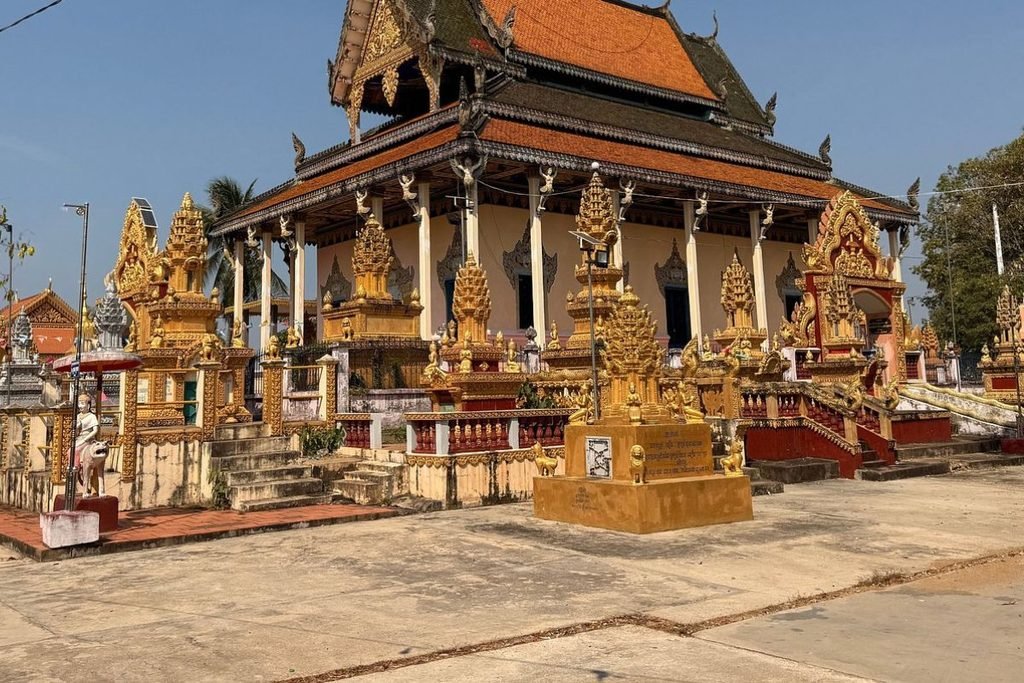
If you have more time, Cambodia has plenty more to explore. Battambang is known for its countryside and slower pace, while the country’s southern coast offers places such as Kampot and Kep. Travellers wanting beaches and island time can also head towards Koh Rong and Koh Rong Sanloem.
We wouldn’t suggest adding places simply to fill an itinerary. If Cambodia is part of a bigger Southeast Asia trip, Phnom Penh and Siem Reap give you a very good introduction, and you can always stay longer if the country captures your interest.
Things to Do in Cambodia
As we were travelling Cambodia as part of a guided tour, many of the main sights and experiences were already included in our itinerary. What we liked, though, was that there was still enough free time built in for us to head off on our own, explore the streets and markets, find somewhere local to eat and experience a little of everyday Cambodia away from the organised tour.
That gave us a good mix. We were able to visit the places we had travelled to Cambodia to see, while still having time to wander, explore and make our own discoveries along the way. Some experiences were incredible, others were confronting, and together they gave us a much better understanding of the country.
Explore Angkor Wat
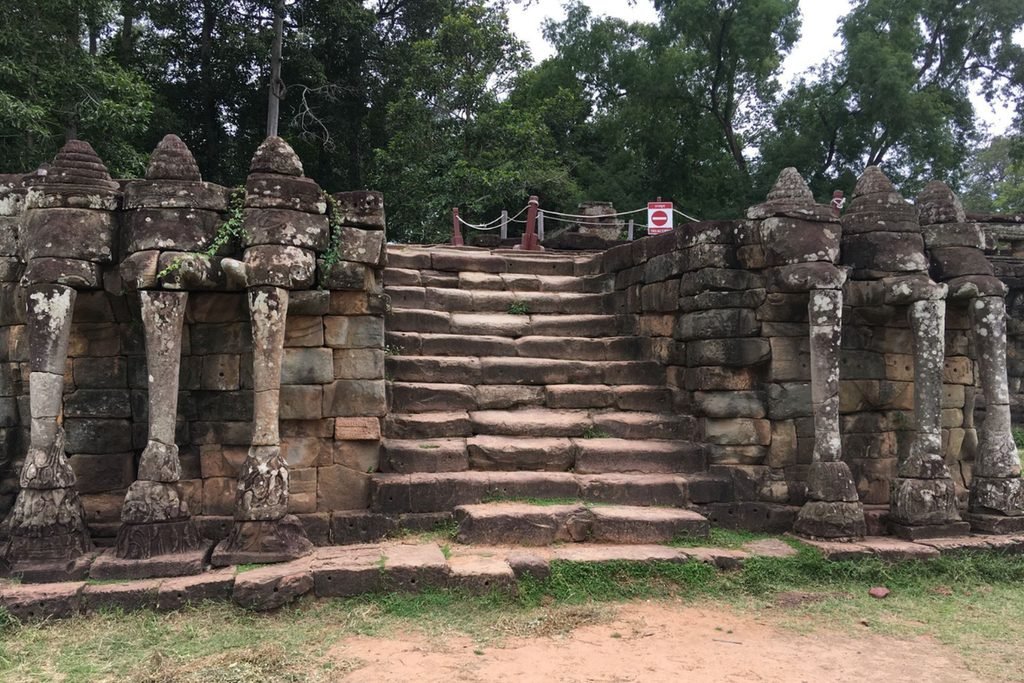
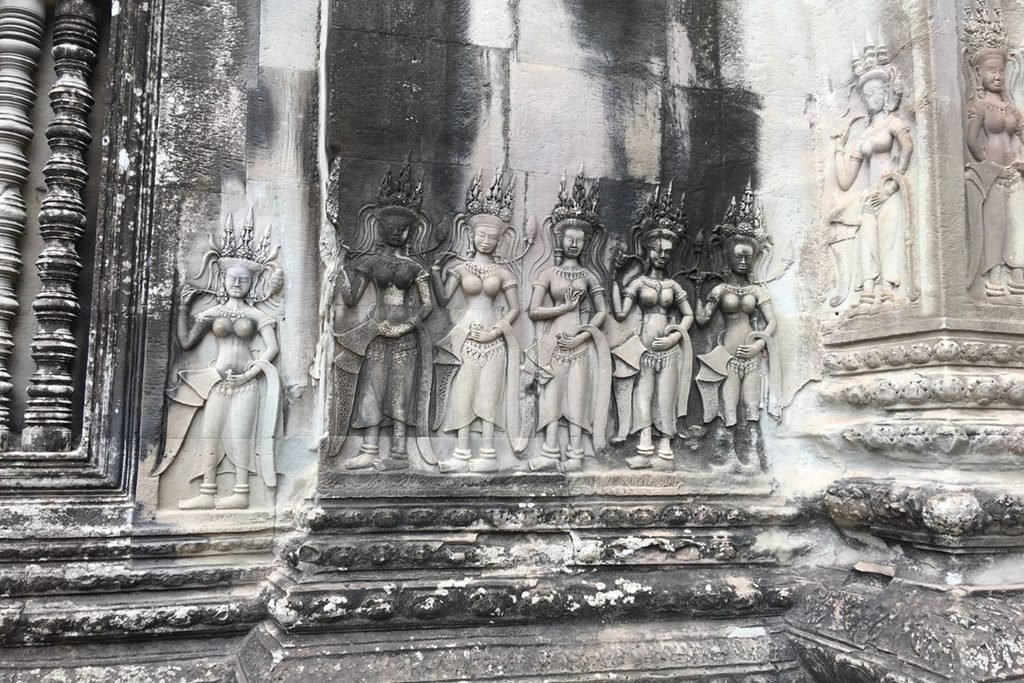
Angkor Wat is Cambodia’s most famous landmark, and for good reason. Photographs give you some idea of what to expect, but they don’t really prepare you for the size and detail of the temple when you finally stand in front of it.
Many visitors arrive for sunrise, but whichever time you choose, allow plenty of time rather than treating Angkor Wat as a quick photo stop. There is a lot to explore, and the heat can make even an easy day of walking feel much harder.
- Allow plenty of time: This isn’t somewhere you want to rush.
- Start early: Temperatures rise quickly as the day goes on.
- Take water: You’ll be walking more than you might expect.
- Dress respectfully: Angkor Wat remains an important religious site.
- Wear comfortable shoes: Expect uneven surfaces, steps and plenty of time on your feet.
Discover the Temples Beyond Angkor Wat
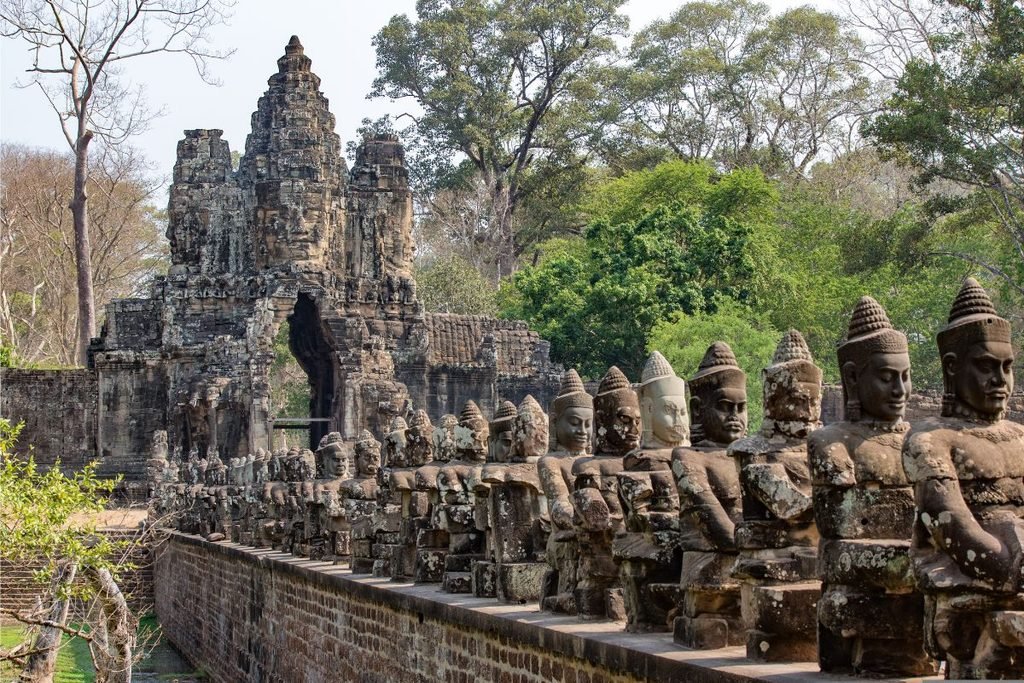
One of the biggest surprises for us was realising just how much there is beyond Angkor Wat. The wider Angkor Archaeological Park contains temples, ancient gateways, terraces and enormous stone faces spread across a vast area.
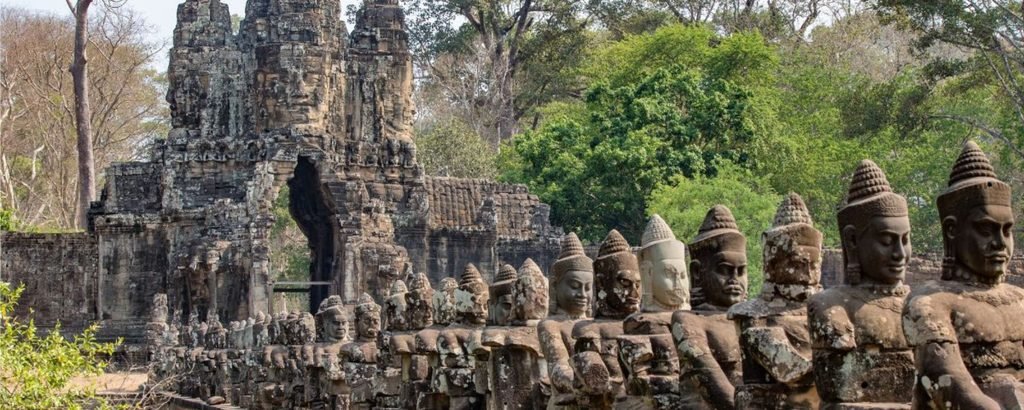
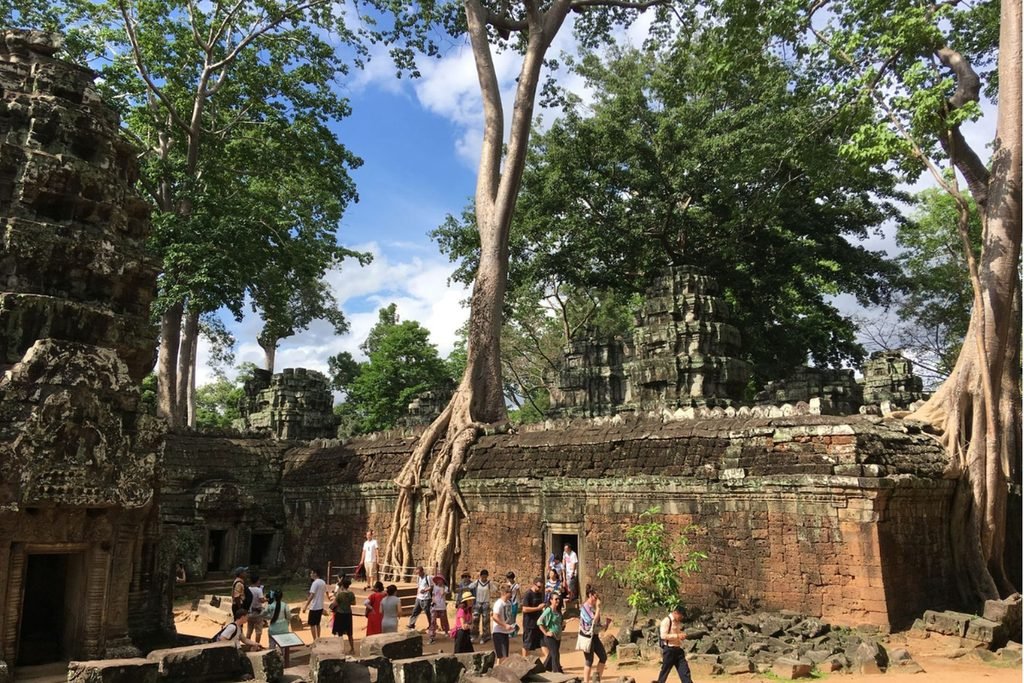
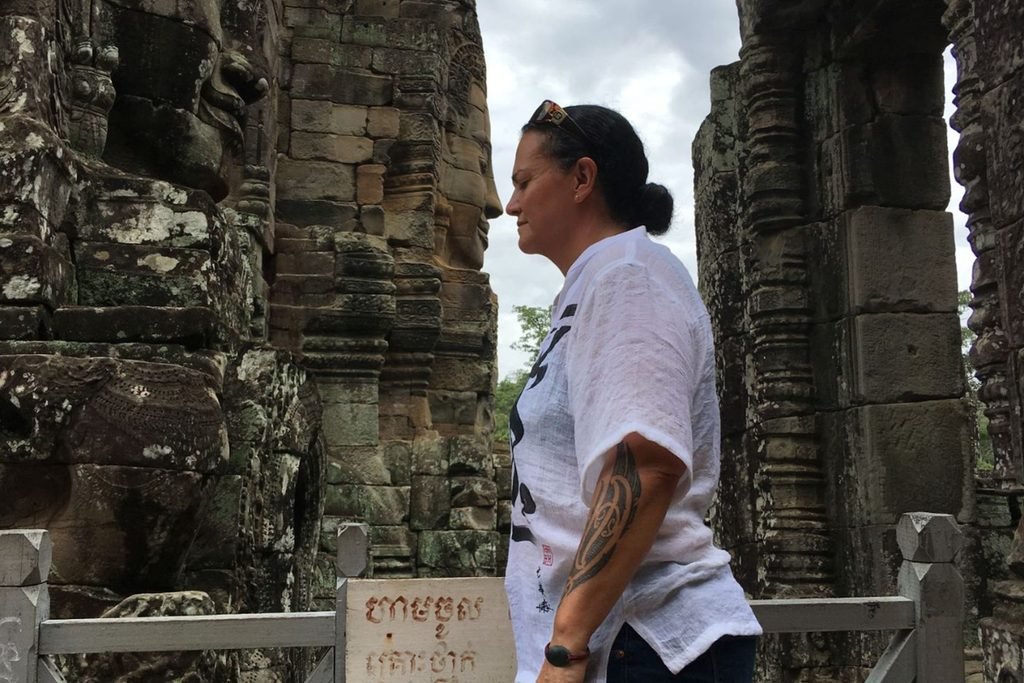
Bayon was particularly memorable with its huge carved faces, while Ta Prohm, where tree roots have grown through and around the ruins, feels completely different again. Exploring several temples gives you a much better appreciation of the scale of Angkor than visiting Angkor Wat alone.
- Bayon: Famous for its enormous carved stone faces.
- Ta Prohm: Known for the huge tree roots growing through the ruins.
- Angkor Thom: The ancient walled city containing Bayon and several other significant sites.
- Don’t try to see everything: The complex is enormous, and temple fatigue is real.
- Take breaks: Shade, water and a slower pace make a big difference in the heat.
Spend Time in Siem Reap
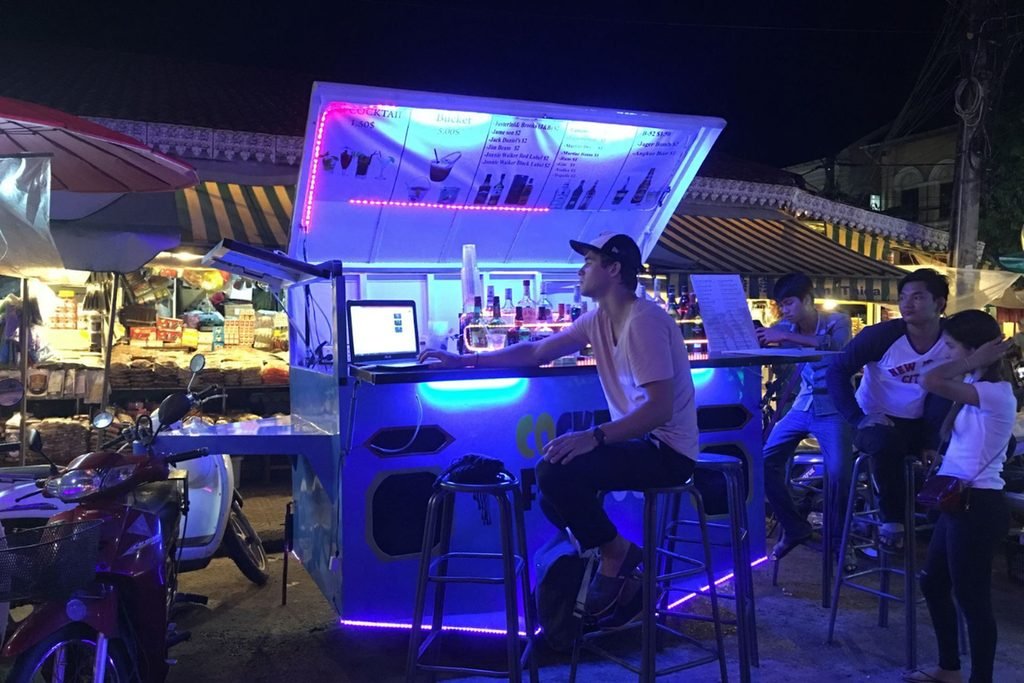
After a long, hot day exploring temples, Siem Reap is an easy place to slow things down. Wander through the markets, find somewhere for a meal, enjoy a massage or simply sit somewhere cool and watch the world go by.
The town is very geared towards travellers, which also makes it an easy base for organising tuk-tuks, guides and temple tours.
- Explore the markets: Good for food, souvenirs and an evening wander.
- Try the local food: There are plenty of restaurants and smaller eateries to choose from.
- Book a massage: Particularly welcome after a full day walking around the temples.
- Organise a tuk-tuk: An easy way to explore both Siem Reap and Angkor.
- Leave some free time: Not every hour needs to be filled with temples and tours.
Explore Phnom Penh
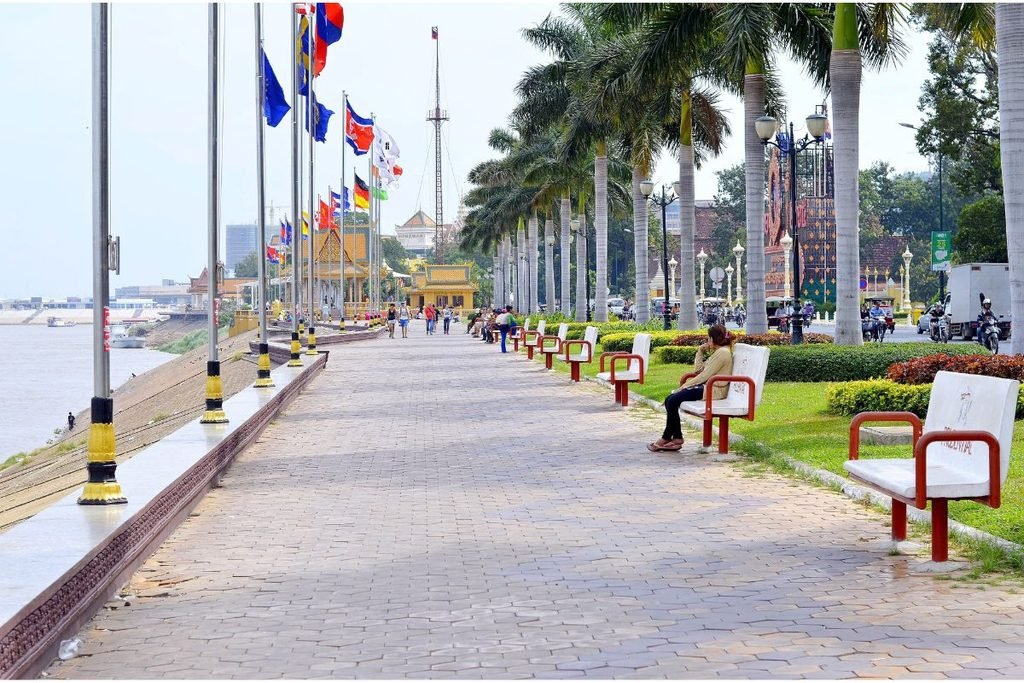
Phnom Penh deserves more than simply being used as a transit point on the way to Siem Reap. Visit the Royal Palace and Silver Pagoda, explore the markets and spend some time along the riverfront.
We also enjoyed simply watching everyday life around the city. Sometimes those ordinary moments give you as much of a feel for a place as the major sights do.
- Royal Palace: One of Phnom Penh’s best-known landmarks.
- Silver Pagoda: Located within the Royal Palace complex.
- Markets: An easy way to experience the colour, food and everyday activity of the city.
- Riverfront: Good for a wander and watching daily life along the rivers.
- Allow time to explore: Phnom Penh is worth more than a quick overnight stop.
Visit Cambodia’s Places of Remembrance
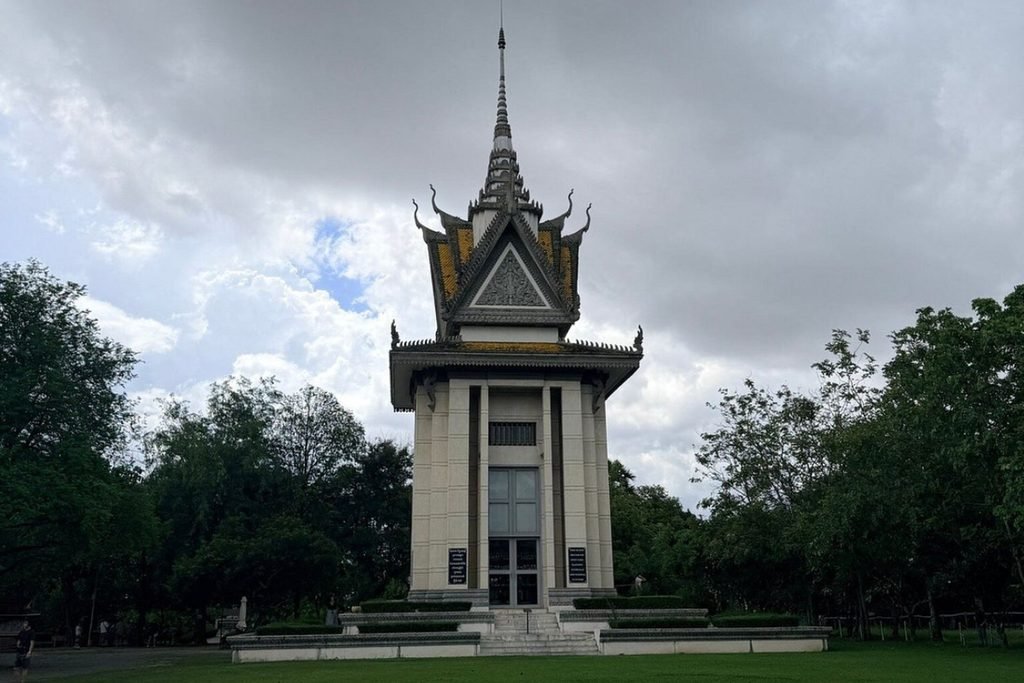
For travellers who choose to learn more about Cambodia’s recent history, Tuol Sleng Genocide Museum and Choeung Ek Genocidal Center are two important places of remembrance in Phnom Penh.
They can be extremely confronting, and we don’t think they belong on a casual sightseeing checklist. If you visit, allow yourself time and approach both places with respect. Understanding this period of Cambodia’s history also gives important context to the country you are travelling through today.
We’ll cover these places and our own experience in a separate post rather than trying to reduce such an important subject to a few paragraphs here.
- Tuol Sleng Genocide Museum: A former school that became the Khmer Rouge’s S-21 prison.
- Choeung Ek: The best-known of Cambodia’s Khmer Rouge execution and mass-grave sites.
- Allow yourself time: These are emotionally difficult places to visit.
- Be respectful: Both are places of remembrance, not simply sightseeing stops.
Want to understand more about this period of Cambodia’s history? Read our full story about the Khmer Rouge period, our visits to Tuol Sleng and Choeung Ek, and why these places of remembrance left such a lasting impression on us.
→ Read Our Full Cambodia Khmer Rouge History & Places of Remembrance Story
Try Cambodian Food
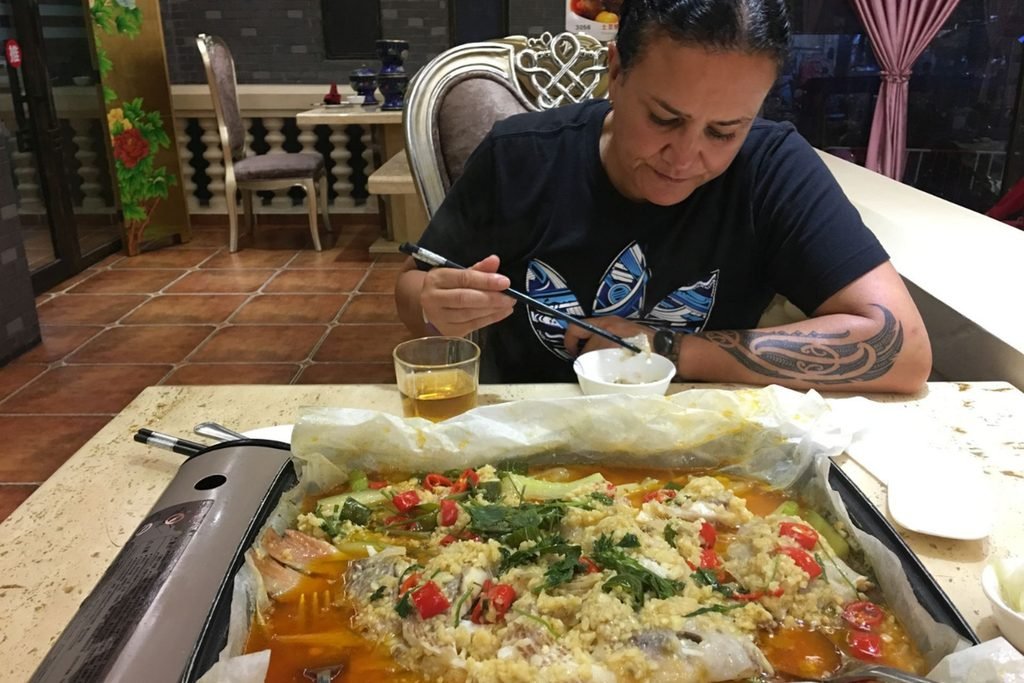
Food is always a big part of travelling for us, and Cambodia gave us one of those unexpected meals that we still remember.
When we first arrived in Phnom Penh, the rain was absolutely pouring down, so rather than venturing too far from our hotel, we found a small restaurant nearby and decided to give it a try. It turned out to be a gem. We ordered a popular local dish, Trei Jien Ju, a fried fish dish covered with loads of garlic, and it was absolutely delicious. It remains one of the best fish dishes we have eaten on our travels.
That’s often the beauty of travelling. Some of the meals you remember most aren’t the ones you researched or planned, but the little places you stumble across because you happen to be nearby.
Cambodian food is well worth exploring beyond the hotel restaurants and tourist menus.
- Fish amok: A creamy, fragrant fish curry and one of Cambodia’s best-known dishes.
- Lok lak: Stir-fried beef generally served with rice and a dipping sauce.
- Khmer curry: Usually milder than many neighbouring Southeast Asian curries.
- Noodle soups: An easy local meal to look out for, particularly at smaller eateries.
- Local restaurants and markets: Don’t overlook the simple places you stumble across while exploring.
- Food tours and cooking classes: A good way to learn more about Cambodian ingredients and flavours.
Looking for things to do in Cambodia? Browse Viator for temple tours, food experiences, day trips and guided activities in Phnom Penh, Siem Reap and beyond.
→ Explore Cambodia Tours & Experiences with Viator
Where to Stay in Cambodia
Cambodia has accommodation to suit most budgets, from simple guesthouses and hostels through to comfortable hotels and luxury resorts. As we were travelling on a tour, our accommodation was already organised for us, so we didn’t have to compare hotels or decide which areas to stay in.
For independent travellers, we would pay particular attention to location. Being within easy reach of restaurants, markets and transport makes it much easier to head out and explore when you have some free time.
Where to Stay in Phnom Penh
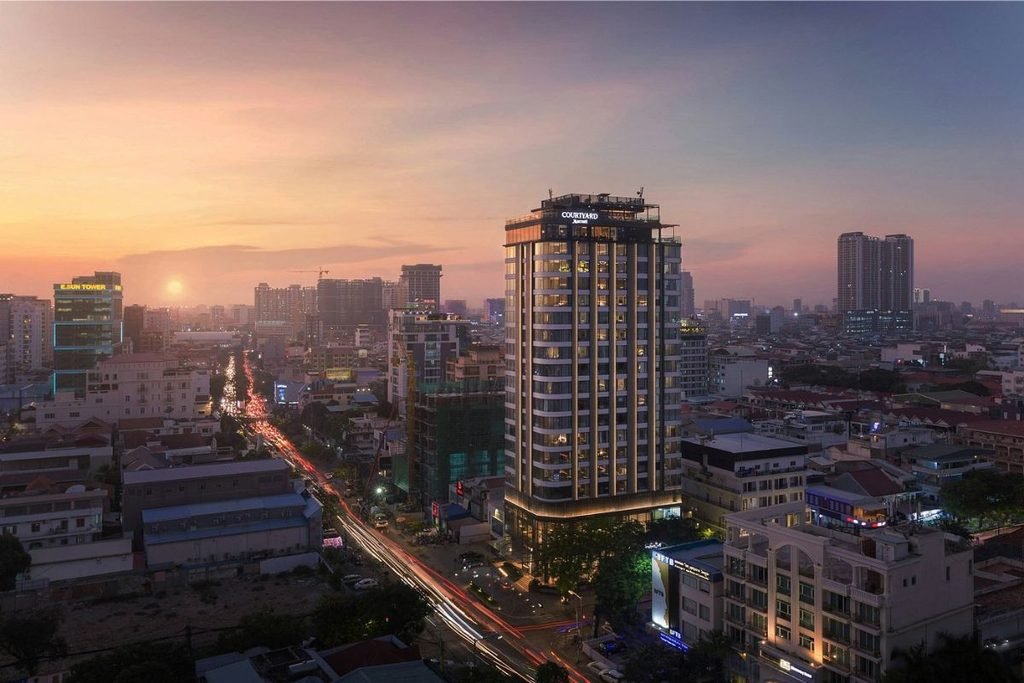
Staying fairly central or near the riverside gives you easy access to restaurants, markets and many of Phnom Penh’s main sights. Tuk-tuks are readily available when you want to travel further.
When comparing accommodation, look for:
- Central location: Handy for restaurants, markets and exploring on foot.
- Air-conditioning: Cambodia can be extremely hot and humid.
- Good transport access: Tuk-tuks are an easy way to get around the city.
- Nearby eateries: Particularly useful when you don’t feel like travelling far after a full day exploring.
- Recent reviews: Check comments about cleanliness, noise and the surrounding area before booking.
Where to Stay in Siem Reap
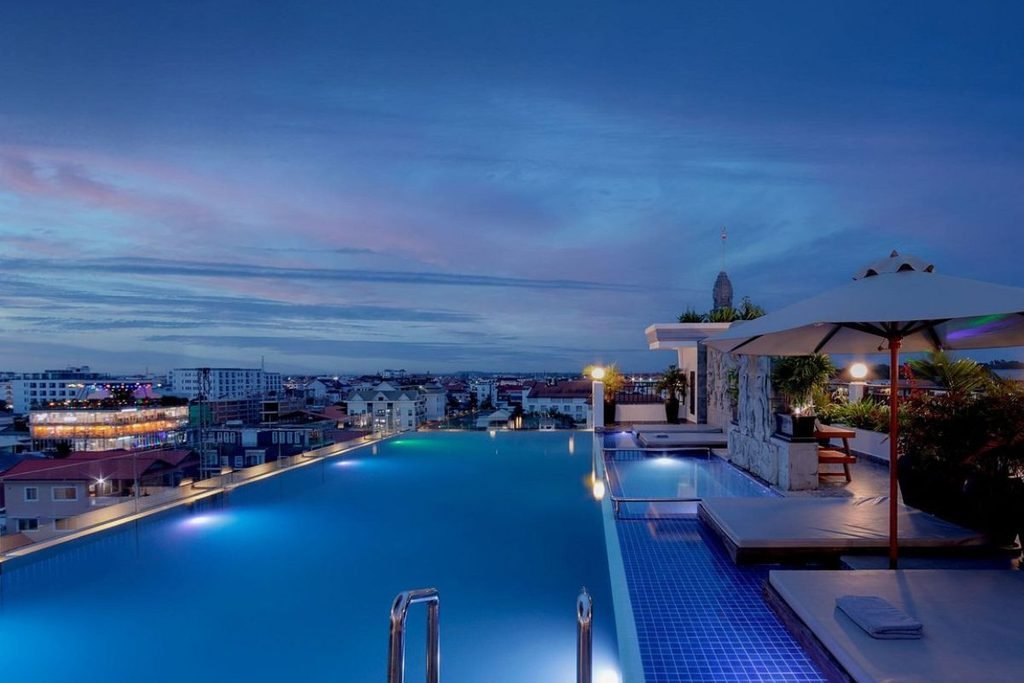
Siem Reap has a huge range of accommodation because it is the main base for visiting Angkor. We would look for somewhere close enough to the centre for restaurants and markets but away from the busiest nightlife areas.
A few things worth considering:
- Location: Easy access to Siem Reap town and somewhere convenient for your Angkor pickup.
- Air-conditioning: You’ll appreciate coming back to a cool room after a hot temple day.
- Swimming pool: Not essential, but very welcome after hours exploring Angkor.
- Breakfast: Handy when you’re heading out early for temple tours or sunrise.
- Quiet room: Check recent reviews if you’re staying near the busier central streets.
You don’t need luxury accommodation to enjoy Cambodia, but after a long day in the heat, a comfortable room and somewhere cool to retreat to can make a big difference.
Looking for somewhere to stay in Cambodia? Compare hotels and accommodation on Trip.com to find somewhere that suits your location, travel style and budget.
→ Compare Accommodation in Cambodia with Trip.com
Getting Around Cambodia
Getting around Cambodia can be relatively straightforward, particularly between the main traveller destinations. As we were travelling on a guided tour, most of our longer transport was already organised.
Travelling from Vietnam to Cambodia
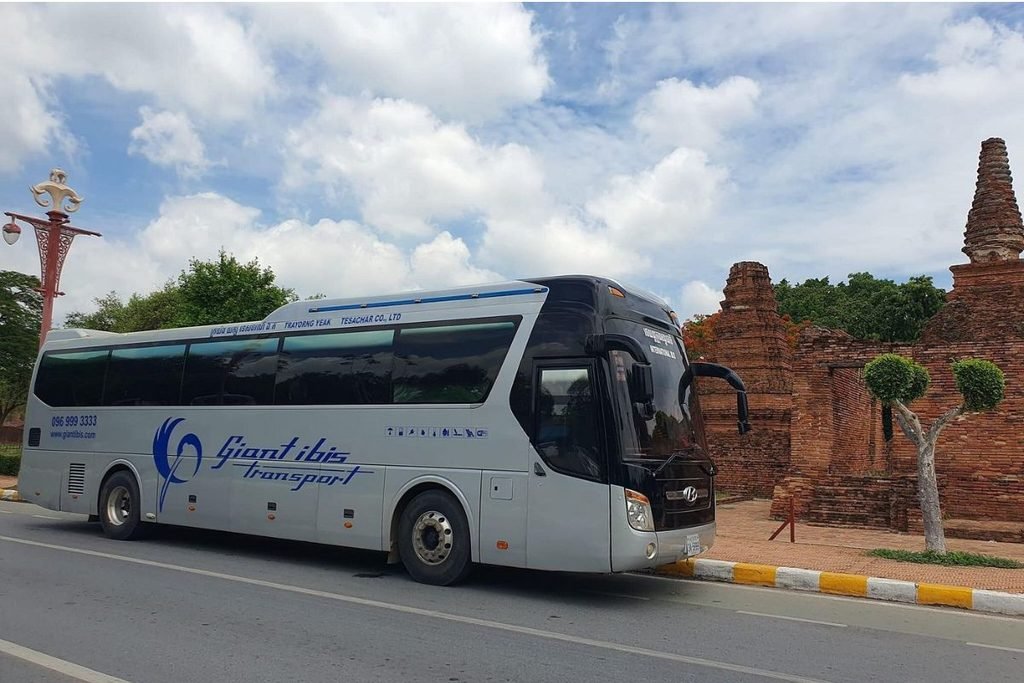
We entered Cambodia overland, travelling by bus from Ho Chi Minh City to Phnom Penh. We chose the bus because it fitted our budget at the time and it got us where we needed to go, but it’s probably not a journey we would choose to do again.
It took a long time, the bus wasn’t particularly comfortable and you also have the border crossing along the way. While travelling overland does give you a chance to see more of the countryside, next time we would save a little more and fly.
- Border Crossing: Keep your passport and anything you need for immigration somewhere easy to reach.
- Good to Know: Compare the total travel time and current flight prices before deciding. The bus can suit travellers on a tighter budget, while flying may be worth the extra cost if time and comfort are more important to you.
Travelling from Phnom Penh to Siem Reap
Our tour also travelled overland by bus from Phnom Penh to Siem Reap. Once again, it was a long journey and we found the ride uncomfortable and bumpy in places.
It did allow us to see more of Cambodia outside the main cities, which is always interesting, but having experienced it once, we would choose to fly between Phnom Penh and Siem Reap next time.
That doesn’t mean the bus is a bad option. It’s an affordable way to travel and plenty of travellers are happy to go overland. For us, though, the time and comfort would make flying our preference next time.
- Good to Know: Compare bus, private transfer and flight options before booking. Price, journey time and comfort can vary, so choose what works best for your travel style and budget.
Thinking of flying to or within Cambodia? Compare flight options and prices on Trip.com to find a route that works with your itinerary and budget.
Tuk-Tuks
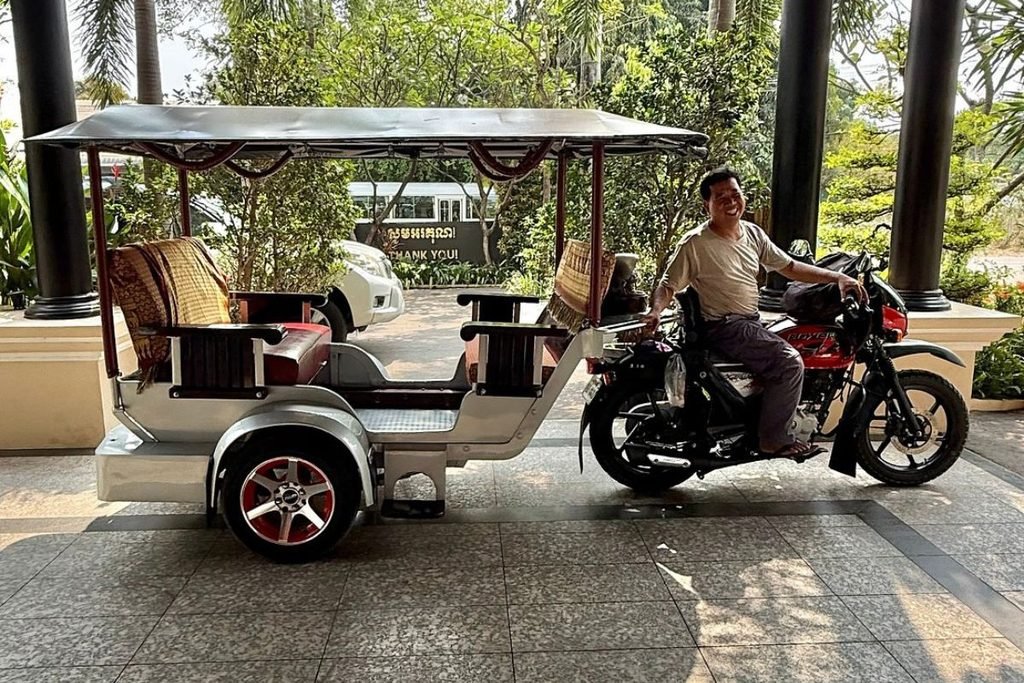
For shorter trips, tuk-tuks are part of the Cambodia experience. We used them when heading out independently and found them an easy way to explore without needing to organise a car.
Outside most hotels you’ll find tuk-tuk drivers waiting for passengers, usually with big smiles and plenty of enthusiasm as they vie for your business. Once you choose a driver, don’t be surprised if they’re hoping you’ll choose them again the next day.
That’s exactly what happened with us, and it actually worked brilliantly. We found a tuk-tuk driver we liked, told him where we wanted to go and roughly when, and from then on he was there waiting for us whenever we’d arranged to head out. It took away the hassle of finding transport each time and the service was great.
They’re particularly useful around Phnom Penh and Siem Reap and can also be arranged for longer trips, including exploring the Angkor temples.
- Agree on the fare: Confirm the price before you set off or arrange a price in advance if you’re using the driver for several trips.
- Keep their details: If you find a good driver, arrange your next journey directly with them.
- Temple days: You can arrange a tuk-tuk and driver for the day when exploring Angkor.
- Tohu Tip: If you find a friendly, reliable driver you’re comfortable with, stick with them. It worked really well for us and made getting around incredibly easy.
Walking
We love exploring on foot because you notice far more than you do through a vehicle window, but Cambodia’s heat and humidity can quickly change how far you feel like walking.
- Start early: Particularly if you’re exploring temples.
- Take water: Even for what looks like a relatively short walk.
- Wear comfortable shoes: Uneven surfaces are common, especially around temple sites.
- Take your time: There’s no prize for trying to cover everything in one day.
What to Eat in Cambodia
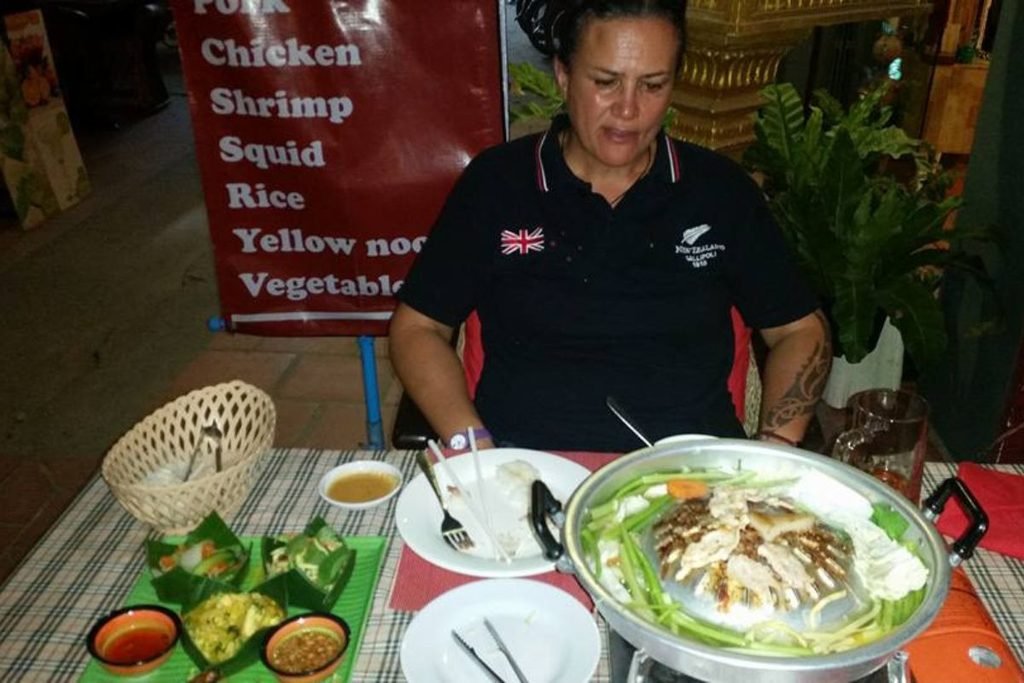
Cambodian food doesn’t always get the same attention as the cuisines of neighbouring Thailand and Vietnam, but don’t overlook it. We found plenty to enjoy, from simple local meals to that memorable garlic fish we stumbled across on our first wet evening in Phnom Penh.
Khmer cooking tends to use plenty of fresh herbs, vegetables, rice, noodles, fish and meat, with flavours that can be fragrant and savoury without necessarily having the heat you might associate with some other Southeast Asian cuisines.
A few dishes to look out for include:
- Fish Amok: One of Cambodia’s best-known dishes, usually made with fish cooked in a creamy coconut-based curry and often served with rice.
- Lok Lak: Stir-fried beef served with rice and commonly accompanied by a pepper and lime dipping sauce.
- Khmer Curry: A mild, fragrant curry usually made with coconut milk, vegetables and meat.
- Trei Jien Ju: The fried fish dish we discovered in Phnom Penh, served with loads of garlic. Ours was absolutely delicious.
- Nom Banh Chok: Cambodian rice noodles usually served with a fragrant fish-based curry or gravy and fresh herbs.
- Noodle Soups: An easy meal to find at local eateries and markets, particularly earlier in the day.
Eating Local
Some of our favourite food experiences throughout Southeast Asia have come from small local restaurants and places we simply stumbled across, rather than somewhere we’d researched beforehand. Cambodia was no exception.
Don’t feel that every meal needs to come from a well-known restaurant. Have a look at where locals are eating, wander through the markets and be willing to try something you haven’t seen before.
Good to Know:
- Choose busy stalls and eateries where food is being cooked fresh.
- If you’re unsure about street food, start with dishes that are cooked and served hot.
- Carry some small-denomination cash for markets and smaller local eateries.
- Don’t be afraid to ask what something is before ordering. Sometimes that’s how you find the dish you end up remembering most.
Best Time to Visit Cambodia
Cambodia has a tropical climate, so expect warm temperatures throughout the year. Rather than four distinct seasons, travel tends to be planned around the dry and wet seasons.
The most popular time to visit is generally during the drier months from November through to February, when humidity is lower and temperatures are a little more comfortable. This can make a big difference when you’re spending hours walking around places such as Angkor.
Dry Season: November to April
The dry season is generally the easiest time for sightseeing and travelling around Cambodia, although temperatures begin climbing as you head towards April.
- November to February: Generally cooler, drier and popular with visitors.
- March and April: Hotter, with daytime temperatures making sightseeing more tiring.
- Good to Know: The more comfortable weather also brings more visitors, particularly around Angkor.
Wet Season: May to October
Cambodia’s wet season doesn’t necessarily mean rain all day, every day. You can have sunshine followed by a heavy tropical downpour, sometimes within the space of a few hours.
We certainly experienced that in Phnom Penh. On our first day the rain came down so heavily that wandering too far from the hotel wasn’t particularly appealing. Of course, that rainy evening also led us to our little local restaurant and one of the best fish dishes we’ve eaten, so it wasn’t all bad.
- Expect: Hot, humid conditions with regular heavy showers.
- Advantages: Fewer visitors in some places and greener countryside.
- Pack: A lightweight rain jacket or poncho, breathable clothing and something waterproof for your phone and valuables.
- Tohu Tip: Don’t let a tropical downpour ruin the day. Plans may need to change, but sometimes those changes lead to the experiences you remember most.
When Would We Visit?
If we were planning another trip, November through February would probably be our first choice, particularly if we were spending several days exploring Angkor.
Whatever time of year you visit, prepare for the heat. Water, sun protection, comfortable clothing and a slower pace can make a huge difference when you’re out exploring all day.
Things to Know Before You Go
Cambodia is not particularly difficult to travel through, but there are a few things worth knowing before you arrive. Some were things we had organised through our tour, while others became much clearer once we were actually there.
Entry Requirements & Visas
Visa and entry requirements depend on your nationality and can change, so always check the official Cambodian government information before travelling rather than relying solely on a travel blog or social media post.
- Passport: Check the required validity period before travelling.
- Visa: Many visitors require a visa or e-Visa to enter Cambodia.
- Overland Entry: If you’re entering Cambodia by land, check the current visa requirements for your specific border crossing before travelling. Not all border checkpoints have the same visa facilities or accept the same entry methods, so confirm the requirements through the official Cambodian government website before you leave.
- Keep Copies: Have digital copies of your passport, travel insurance and important travel documents.
Money
Cambodia’s official currency is the Cambodian riel (KHR), although US dollars are also widely used in many tourist areas.
- Carry Smaller Notes: Useful for markets, tuk-tuks and smaller purchases.
- Check Your Change: You may pay in one currency and receive change in another.
- Cards: Accepted at many hotels and larger businesses, but don’t rely on them everywhere.
- ATMs: Available in the main cities and tourist areas, although withdrawal fees can apply.
Language
Khmer is Cambodia’s official language, but we found English was spoken in many of the places travellers regularly visit, particularly around hotels, restaurants, tours and major attractions.
Learning a couple of Khmer words before you arrive is still a lovely way to connect with people, even if your pronunciation isn’t perfect.
Temples & Respectful Dress
Cambodia’s temples are not simply historic attractions. Many remain important religious and cultural places, so dress and behaviour matter.
- Cover Shoulders & Knees: Particularly when entering temples and religious sites.
- Remove Hats: Where requested.
- Watch for Signs: Some areas may have restrictions on photography or access.
- Be Respectful: Avoid climbing on structures unless it is clearly permitted.
Heat & Sun
The Cambodian heat can be relentless, particularly when you’re exploring Angkor for several hours.
- Carry Water: Don’t wait until you’re thirsty.
- Wear a Hat: Shade can be limited around some sites.
- Use Sunscreen: Even on cloudy days.
- Start Early: Particularly for temple days.
- Slow Down: Build breaks into your day rather than trying to see everything at once.
Staying Connected
Wi-Fi is common in hotels, cafés and restaurants in the main traveller areas. If you want internet access while you’re out exploring, a local SIM or eSIM can make things much easier for maps, translations, booking transport and keeping in touch.
Travelling with an eSIM? We use Airalo to stay connected when travelling overseas. You can organise your eSIM before you leave home, then have mobile data ready for your trip without needing to find a local SIM when you arrive.
→ Check Airalo eSIM options for Cambodia
Travel Insurance
We always recommend travelling with comprehensive travel insurance, particularly when travelling internationally.
Check that your policy covers the activities you intend to do, medical treatment, cancellations and disruption, and keep your insurer’s emergency contact details somewhere you can easily access them.
A Little Patience Goes a Long Way
Travel in Cambodia won’t always run exactly to schedule. Traffic, road conditions, weather and transport can all change your plans.
Go in expecting things to sometimes take a little longer, leave some breathing room in your itinerary and don’t try to control every part of the journey. Cambodia is much easier to enjoy when you’ve left yourself time to simply experience it.
How Long to Spend in Cambodia
If Cambodia is part of a longer Southeast Asia trip, around 7–10 days gives you enough time to explore the main destinations without racing from one place to the next.
- Phnom Penh: Allow around 2–3 days for the city, markets, Royal Palace and places of remembrance.
- Siem Reap: Allow at least 3–4 days, particularly if you want more than one day exploring Angkor.
- Extra Time: Add a few more days if you want to explore places such as Battambang, Kampot, Kep or Cambodia’s islands.
- Travel Days: Allow for the time it takes to move between destinations, particularly if you’re travelling overland.
For a first visit, that gives you a good introduction while still leaving room to add another destination if you have more time.
Final Thoughts
One thing we have learnt from travelling is that you don’t need to plan every moment of a trip. Leave some space to wander away from the itinerary, eat somewhere you hadn’t researched, talk to people and see where the day takes you.
Cambodia gave us plenty of those moments. So go with an open mind, be respectful of the places you visit and the people you meet, and allow yourself to experience the country rather than simply work your way through a sightseeing list.
“Don’t be a tourist, be a traveller.”
🌍 Travel Planning Resources
These are the tools we personally use and trust when planning our travels from finding a place to stay to booking activities, transport and insurance. Let your “Tohu” guide you “Trust the Journey” and follow what feels right for you.
- ✈️Flights – Compare great deals with Trip.com then Kiwi.com for flexible, affordable options.
- 🚐 Campervans – Compare rental deals with Motorhome Republic across Aotearoa and beyond.
- 🛏️ Stays – Compare hotels on Trip.com and TripAdvisor or Booking.com.
- 🚐 Rental Cars – Compare prices and book through Airport Rentals by Motorhome Republic for trusted brands and easy airport pickup.
- 🎟️ Activities – Browse tours and experiences on Viator, Get Your Guide, or TripAdvisor
- 🚆12Go Asia – Compare and book trains, buses, and ferries across Asia in one place with 12Go.
- 🛡️ Travel Insurance – Get flexible short-term coverage with Insubuy for your next holiday.
- 💳 Travel Money – Send, spend and manage money internationally with Wise, with easy currency conversion and a handy option for travellers.
- 🔒 Protect Your Privacy with a VPN – We recommend Surfshark VPN for secure and private browsing while travelling. It’s fast, affordable and works worldwide, perfect for public Wi-Fi at airports, cafes and hotels.
- 📱 Travel eSIM – Stay connected with Airalo
- 💼 Lounge Access – Treat yourself with Priority Pass for UK or US
- 🎶 Events & Concerts – Book tickets worldwide through Ticketmaster.
🧭 Note: Some booking links can be a bit shy when you’re using a VPN. If one doesn’t open, try pausing your VPN or switching to a different server location or secure Wi-Fi network to get things flowing again.