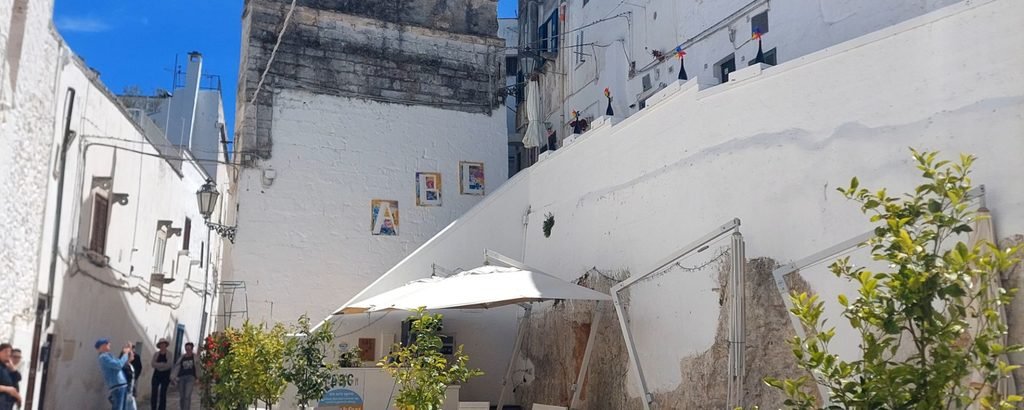
From swimming along the Adriatic and Ionian coastlines to exploring historic towns and discovering traditional stone houses, Puglia offers an incredible variety of things to see and do. Located in the heel of Italy’s boot, this southern region combines beautiful beaches, centuries of history, distinctive architecture and wonderful local food. Whether you’re wandering through whitewashed streets, visiting a traditional fishing harbour or discovering the famous trulli of Alberobello, there’s plenty to experience beyond the region’s better-known destinations.
What Makes Puglia Worth Exploring?
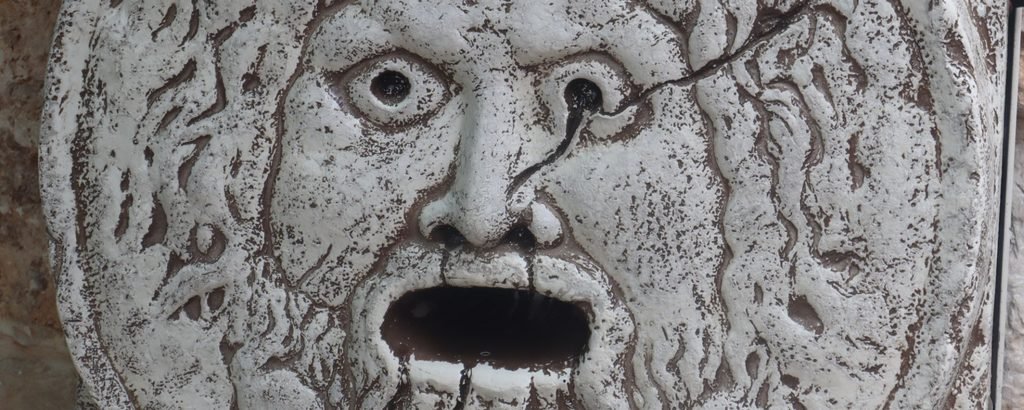
Looking for somewhere in Italy that offers beautiful beaches, fascinating towns and plenty of opportunities to explore? Puglia brings all three together. You can spend the morning discovering historic streets and local markets, enjoy lunch overlooking a harbour and finish the afternoon beside the sea. Each part of the region offers something different, from the Baroque architecture of Lecce to the coastal towns of Salento and the traditional villages of the Valle d’Itria. It’s this variety that makes Puglia such an appealing destination.
Our Experience
Our journey through Puglia took us along the southern coastline, where we spent five nights in a traditional trullo overlooking the sea near Marina di Pescoluse. Visiting in April meant we could enjoy quiet beaches, swim in the clear water and explore without the summer crowds. We visited Gallipoli and Santa Maria di Leuca, taking time to discover their historic streets, waterfronts and coastal scenery. Further north, we explored more of Puglia’s towns, including Ostuni, Polignano a Mare and Alberobello. What we particularly enjoyed was the contrast between the places we visited, from lively historic centres to peaceful stretches of coastline. Each stop gave us another reason to appreciate this part of southern Italy.
Table of Contents
- What Makes Puglia Worth Exploring?
- Our Experience
- Explore Puglia’s Beautiful Coastal Towns
- Discover Puglia’s Beautiful Beaches
- Visit the Famous Trulli of Alberobello
- Wander Through Puglia’s Historic Towns
- Visit Santa Maria di Leuca
- Experience Puglia’s Food and Local Traditions
- Take a Day Trip to Matera
- Practical Tips for Exploring Puglia
- Final Thoughts on the Best Things to Do in Puglia
Explore Puglia’s Beautiful Coastal Towns
One of the highlights of travelling through Puglia is discovering its historic coastal towns, where fishing harbours, old stone buildings and waterfront promenades form part of everyday life. Along both the Adriatic and Ionian coastlines, you’ll find places to explore on foot, enjoy fresh seafood and admire beautiful sea views.
Three towns worth including on your itinerary are Gallipoli, Polignano a Mare and Monopoli. Each offers something different, from an island old town to dramatic limestone cliffs and traditional fishing harbours.
Gallipoli – Explore the Historic Island Old Town
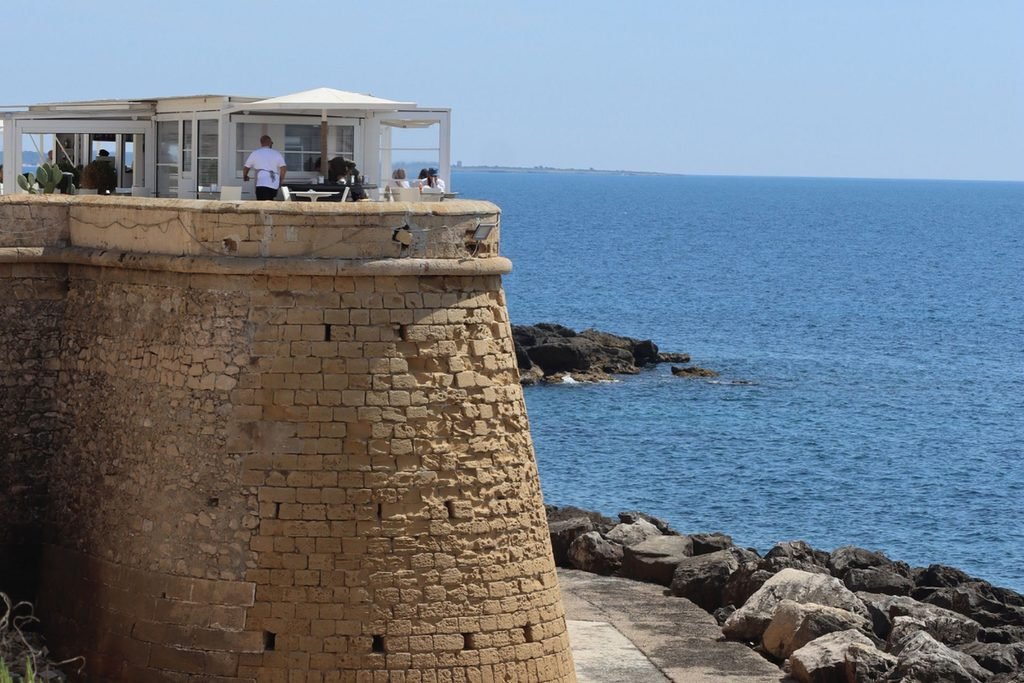
Situated on Puglia’s Ionian coastline, Gallipoli was one of the towns we explored during our stay in southern Puglia. Its historic centre occupies a small island connected to the newer part of town by a bridge.
We enjoyed wandering through the narrow streets of the old town, discovering historic churches, traditional buildings and small shops. Around the harbour, colourful fishing boats and waterfront views offered plenty of opportunities to stop and take photographs.
The Castello Angioino, near the entrance to the old town, is another landmark worth seeing. You can also follow the coastal walls for views across the Ionian Sea.
What to do in Gallipoli:
- Explore the island old town: Wander through narrow streets and historic piazzas.
- Visit the fishing harbour: Watch the boats and enjoy the waterfront atmosphere.
- Admire Castello Angioino: See the historic castle near the entrance to the old town.
- Walk along the coastal walls: Enjoy views across the Ionian Sea.
- Enjoy a waterfront meal: Find somewhere to try local seafood.
Polignano a Mare – Admire the Dramatic Coastal Views
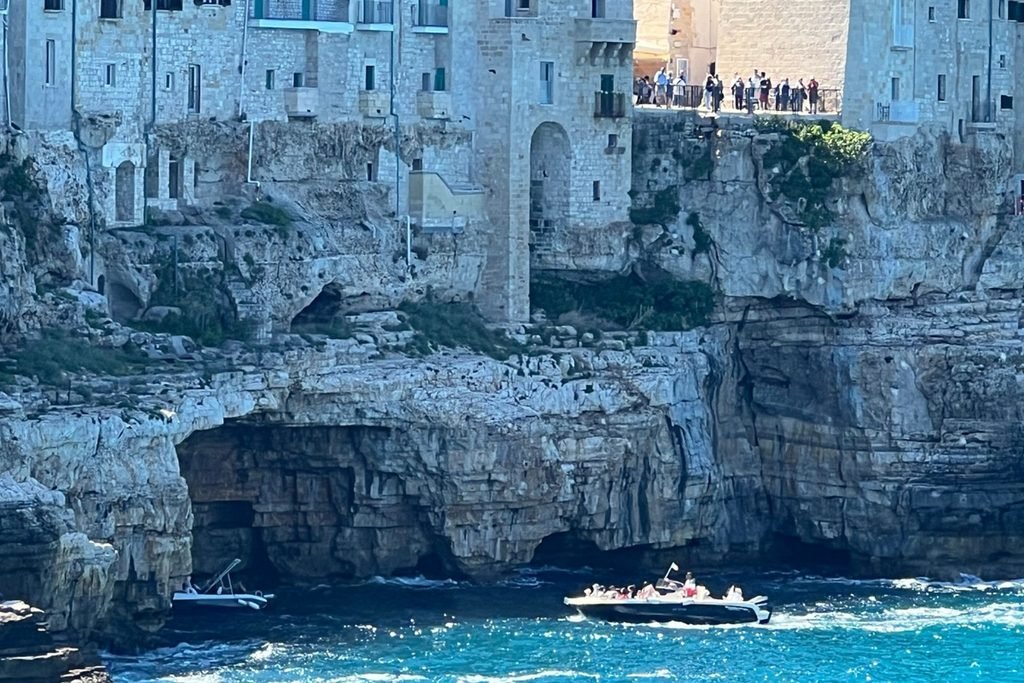
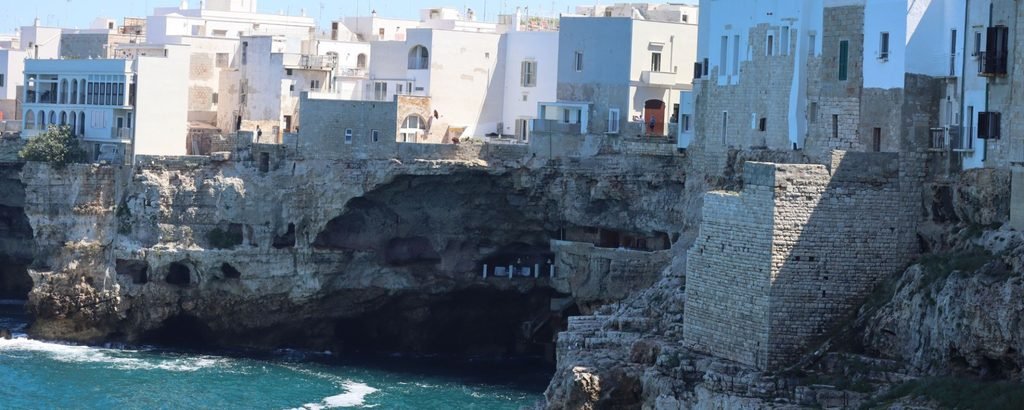
Perched above the Adriatic Sea, Polignano a Mare is one of Puglia’s most striking coastal towns. Its historic centre sits on limestone cliffs, with narrow streets leading to terraces and viewpoints overlooking the water.
We found the town’s elevated position particularly interesting. As you wander through its historic streets, small openings between the buildings reveal spectacular views of the coastline.
One of the most recognisable sights is Lama Monachile, a small beach between towering cliffs. The bridge above provides an excellent viewpoint, while the beach itself deserves a closer look in our beach section below.
Polignano a Mare also celebrates its connection to Italian singer Domenico Modugno, whose famous song Volare remains part of the town’s cultural identity.
What to do in Polignano a Mare:
- Explore the historic centre: Discover narrow lanes, traditional buildings and small piazzas.
- Find the coastal viewpoints: Enjoy views from terraces overlooking the Adriatic.
- See Lama Monachile: Admire the famous cove from the bridge above.
- Discover the Domenico Modugno statue: Visit the monument dedicated to the Italian singer.
Monopoli – Discover a Traditional Fishing Harbour
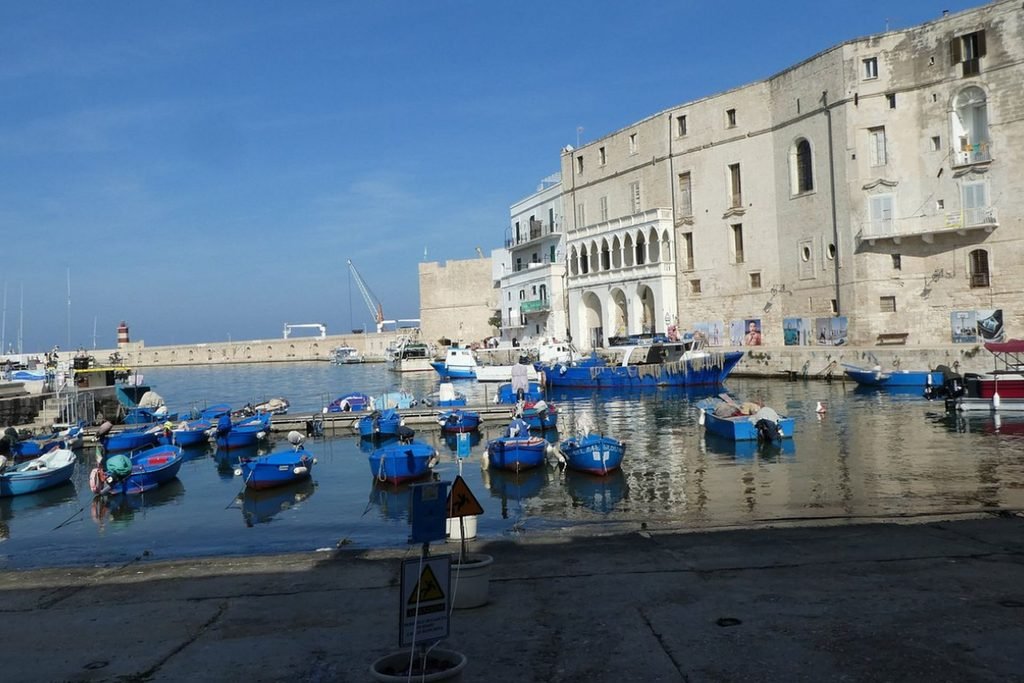
Further along the Adriatic coast, Monopoli combines a traditional fishing harbour with a charming historic centre. Its whitewashed buildings, narrow lanes and waterfront setting make it an appealing stop while exploring central Puglia.
The Porto Vecchio, or old harbour, is one of the town’s main attractions. Small fishing boats gather beside historic buildings, creating a lovely setting for a waterfront walk.
From the harbour, you can explore the old town’s churches, piazzas and winding streets before continuing towards the seafront.
What to do in Monopoli:
- Visit Porto Vecchio: Discover the traditional fishing harbour and colourful boats.
- Explore the historic centre: Wander through whitewashed streets and small piazzas.
- See Castello Carlo V: Admire the historic fortress beside the waterfront.
- Walk along the seafront: Enjoy views across the Adriatic Sea.
Discover Puglia’s Beautiful Beaches
With coastlines stretching along both the Adriatic and Ionian seas, Puglia offers everything from long sandy beaches to small coves surrounded by limestone cliffs. Some beaches sit within walking distance of historic towns, while others stretch along quieter sections of coastline.
One of the things we particularly enjoyed about visiting in April was having beautiful stretches of beach almost entirely to ourselves. Although the water was still refreshing, that didn’t stop us from swimming!
Here are some of the beaches worth exploring during a journey through Puglia.
Marina di Pescoluse – The Beaches We Enjoyed Most
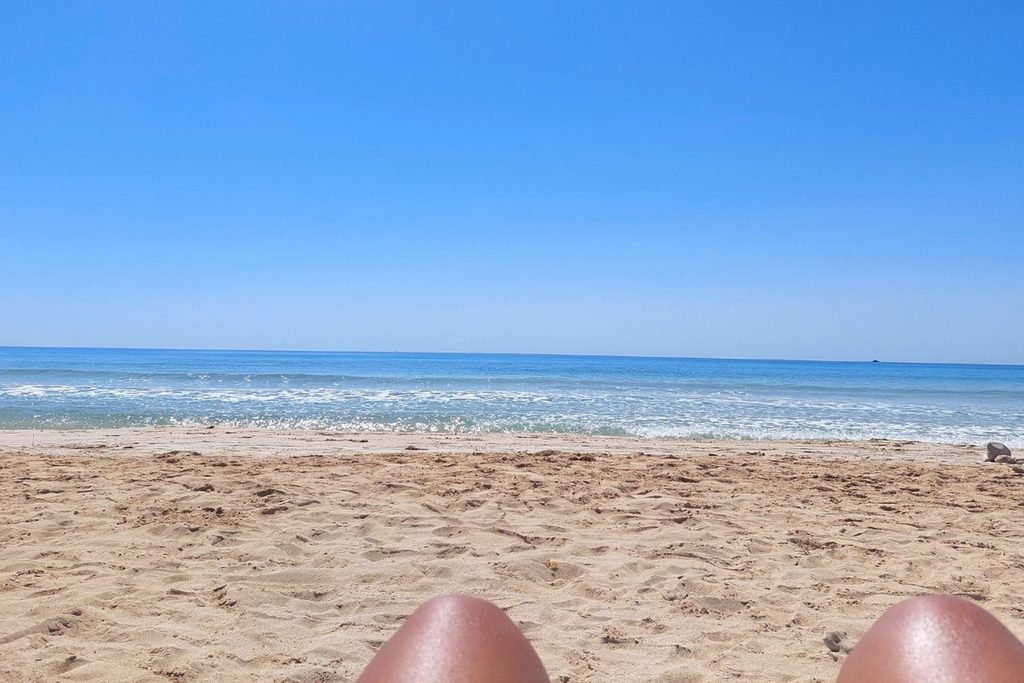
Our five-night stay near Marina di Pescoluse gave us the perfect opportunity to enjoy southern Puglia’s coastline. Often nicknamed the Maldives of Salento, this area features long stretches of pale sand and clear, shallow water along the Ionian Sea.
We visited in April, well before the summer crowds arrived. Having so much beach to ourselves was a real treat. We could walk along the sand, swim and enjoy the coastline without competing for space.
Why visit Marina di Pescoluse?
- Beautiful sandy beaches: Long stretches of pale sand and clear, shallow water.
- Excellent for swimming: Gentle access to the sea makes it appealing for a relaxing beach day.
- Quieter outside summer: Our April visit meant peaceful beaches and very few people.
- Summer facilities: Beach clubs and visitor services operate during the warmer months.
Polignano a Mare – A Beach Between the Cliffs
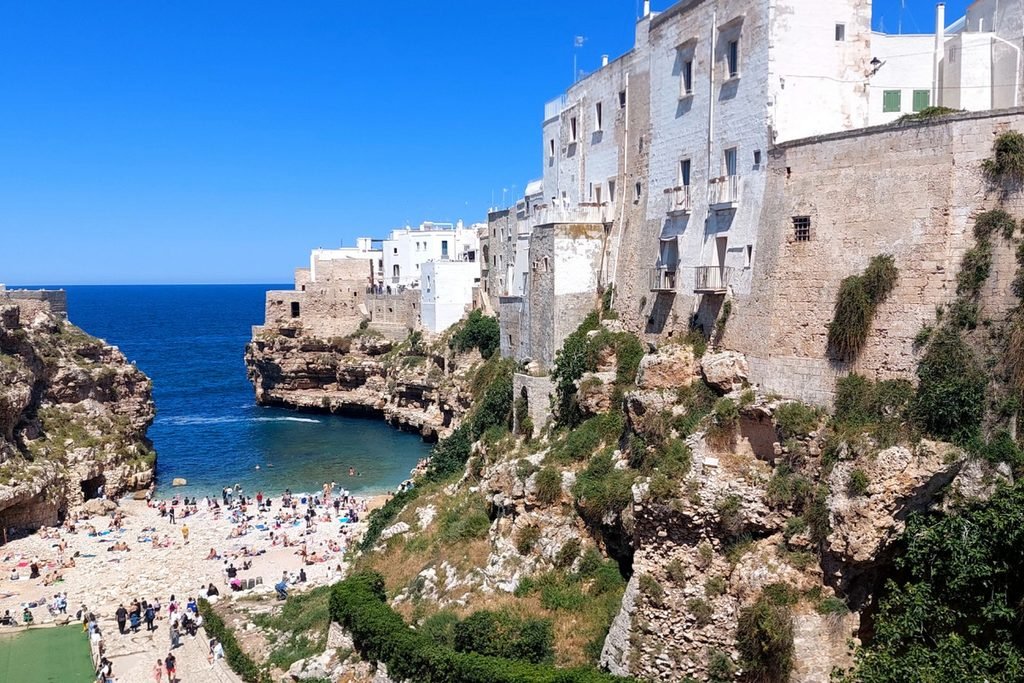
One of the most interesting things about Polignano a Mare is how the historic town sits high on limestone cliffs overlooking the Adriatic Sea. Yet right in the middle of town, a narrow opening between the cliffs leads down to Lama Monachile, a small beach that attracts enormous crowds.
We found the contrast fascinating. Above the beach, historic buildings cling to the clifftops, while below, beachgoers pack into the small cove, enjoying the turquoise water and dramatic surroundings.
It’s quite a sight from the bridge overlooking the beach!
What makes this beach special?
- Unique location: A small beach tucked between towering limestone cliffs in the centre of town.
- Spectacular views: The bridge above offers a fantastic view of the beach and surrounding buildings.
- Popular swimming spot: Despite its size, the cove attracts large numbers of beachgoers.
- Pebble shoreline: Water shoes are useful if you plan to swim or spend time on the beach.
Santa Maria di Leuca – Explore the Southern Coastline

At the southern end of the Salento peninsula, Santa Maria di Leuca offers a different beach experience. Rather than one long sandy shoreline, the surrounding coast features rocky swimming spots, sheltered coves and fascinating sea caves.
During our visit, we explored Santa Maria di Leuca and enjoyed its coastal setting. For visitors who love the water, the surrounding coastline offers plenty of opportunities to discover something different from Puglia’s sandy beaches.
Coastal experiences worth considering:
- Explore the sea caves: Join a boat excursion to discover caves along the rocky coastline.
- Find swimming spots: Look for accessible coves and places to enter the water safely.
- Visit Felloniche: Discover nearby beaches and swimming areas along the Ionian coast.
- Enjoy a boat trip: See sections of coastline that are difficult to reach on foot.
Gallipoli – Sandy Beaches Along the Ionian Coast
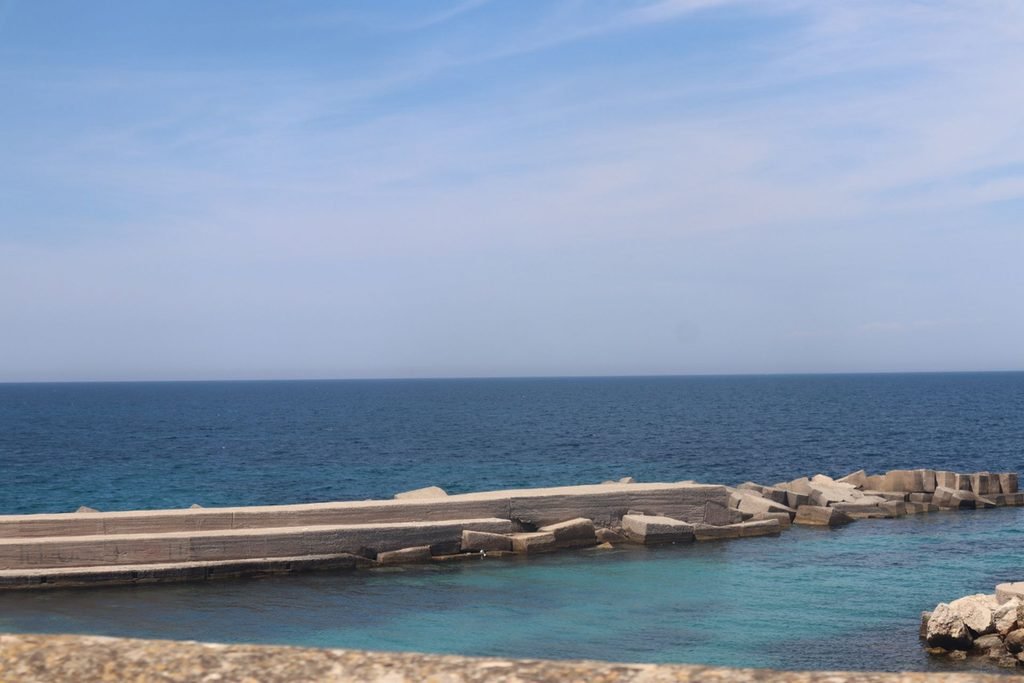
Although Gallipoli attracts visitors for its historic island old town, the surrounding coastline also offers some beautiful beaches.
One of the most accessible is Spiaggia della Purità, a sandy beach beneath the old town walls. Its location makes it easy to combine sightseeing with time beside the sea.
Beaches worth exploring around Gallipoli:
- Spiaggia della Purità: A sandy beach beside the historic old town.
- Baia Verde: A popular stretch of coastline with clear water and summer beach clubs.
- Punta della Suina: A scenic beach area south of Gallipoli, with sandy sections and rocky surroundings.
- Outside peak season: Fewer visitors can make the coastline more enjoyable for a peaceful walk.
Bari – Beaches Close to the City
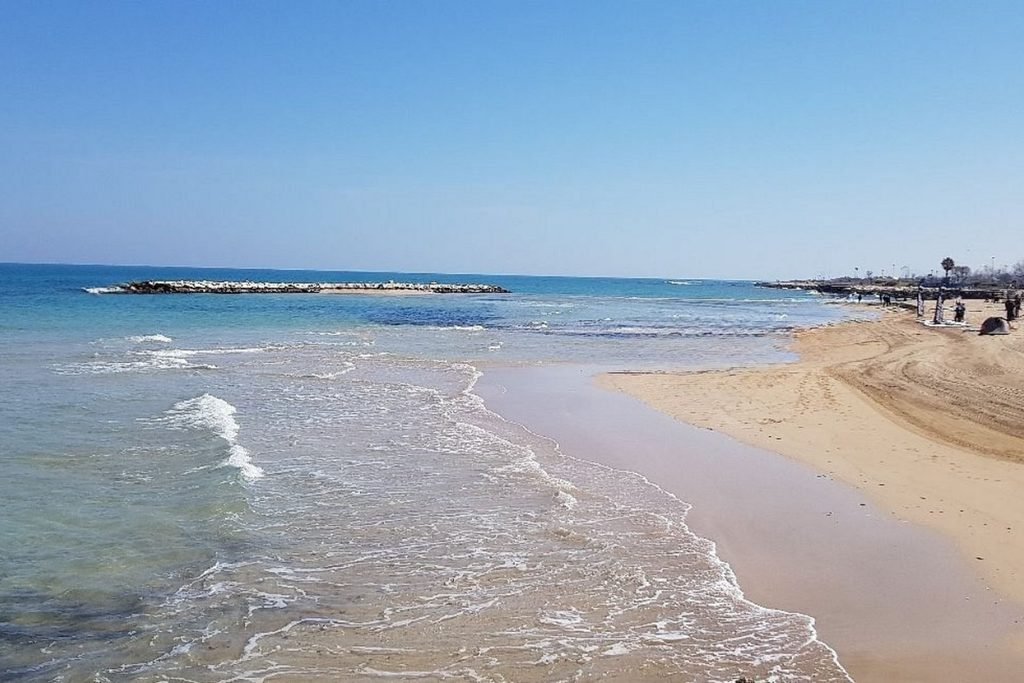
Bari may be better known for its historic old town and traditional food, but you can still enjoy time beside the Adriatic Sea without leaving the city.
Pane e Pomodoro Beach is one of Bari’s most accessible public beaches. Its sandy shoreline and proximity to the waterfront promenade make it convenient after exploring the city.
Why consider Bari’s beaches?
- Convenient location: Enjoy the beach without travelling far from the city centre.
- Public access: Pane e Pomodoro offers a sandy area for relaxing and swimming.
- Local atmosphere: The beach attracts residents as well as visitors.
- Combine activities: Explore Bari’s old town before heading to the waterfront.
Visit the Famous Trulli of Alberobello
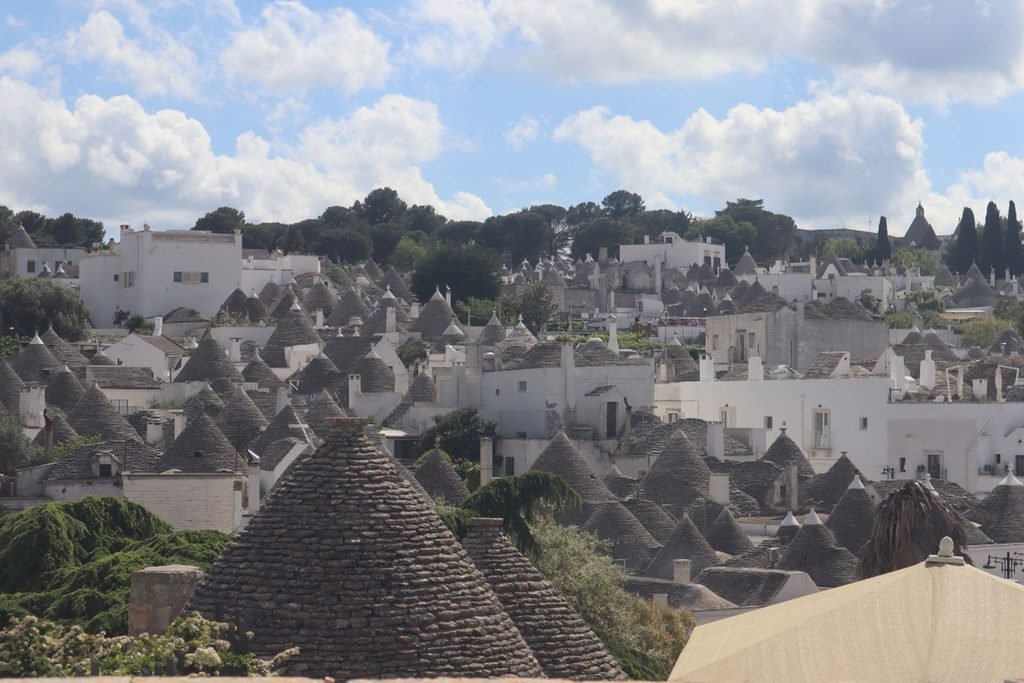
One of Puglia’s most distinctive attractions is the traditional trulli of Alberobello, a town famous for its unusual whitewashed stone houses with cone-shaped roofs. Walking through its historic neighbourhoods feels quite different from exploring the coastal towns elsewhere in the region.
These remarkable buildings date back centuries, and their dry-stone construction, without mortar, makes them particularly fascinating. In 1996, UNESCO recognised Alberobello’s trulli districts as a World Heritage Site.
During our travels through Puglia, we also had the opportunity to stay in a traditional trullo near Marina di Pescoluse. Ours had a bedroom inside the stone building and an outdoor kitchen, giving us a memorable experience of this distinctive style of accommodation.
What to See and Do in Alberobello
- Explore Rione Monti: Wander through the town’s best-known trulli district, where hundreds of traditional stone houses line the streets.
- Visit Rione Aia Piccola: Discover a quieter residential neighbourhood where many trulli remain private homes.
- See Trullo Sovrano: Visit an unusual two-storey trullo that now operates as a museum.
- Admire the rooftops: Find a viewpoint overlooking the clustered cone-shaped roofs for one of Alberobello’s most recognisable scenes.
- Browse local shops: Some trulli now house small shops selling souvenirs, crafts and regional products.
Is Alberobello Worth Visiting?
Absolutely, particularly if you’re interested in traditional architecture and local history. Alberobello offers something quite different from Puglia’s beaches and historic harbours.
The main tourist streets can become busy, so exploring beyond the most popular areas gives you a chance to appreciate the buildings and their unusual construction.
Our tip: If staying in a trullo appeals to you, you don’t necessarily need to stay in Alberobello. You’ll find traditional trulli accommodation elsewhere in Puglia, including rural settings where you can enjoy a completely different atmosphere.
Wander Through Puglia’s Historic Towns
Beyond its beautiful coastline, Puglia has an incredible collection of historic towns, each with its own architecture, traditions and atmosphere. From whitewashed buildings and narrow stone lanes to grand Baroque churches, exploring these towns offers a fascinating look at the region’s history.
Some sit high above the surrounding countryside, while others feature lively piazzas, local markets and family-run restaurants. Walking through the historic centres is often the best way to discover their character, particularly when you venture beyond the main tourist streets.
Ostuni – Explore the White City
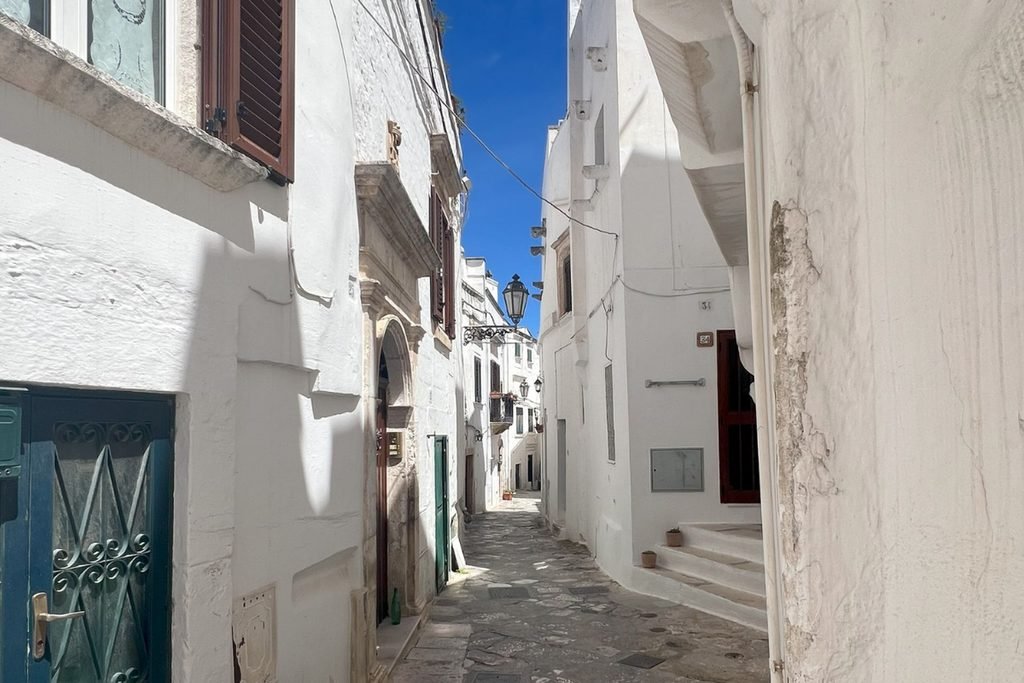
Known as La Città Bianca, or the White City, Ostuni is one of Puglia’s most recognisable hilltop towns. Its whitewashed buildings rise above the surrounding olive groves, creating a striking sight as you approach.
We enjoyed exploring Ostuni’s historic centre, where narrow cobbled streets, stairways and small piazzas wind between whitewashed houses. Around almost every corner, there’s another interesting building, doorway or viewpoint.
The town’s elevated position also offers lovely views across the surrounding countryside towards the Adriatic Sea.
Things to see and do in Ostuni:
- Explore the old town: Wander through narrow lanes, stone archways and whitewashed streets.
- Visit Ostuni Cathedral: Admire its impressive Gothic-style façade and distinctive rose window.
- Enjoy Piazza della Libertà: Stop at the town’s main square, surrounded by historic buildings, cafés and restaurants.
- Find the viewpoints: Look out across olive groves and the countryside towards the coast.
- Browse local shops: Discover ceramics, regional products and small boutiques tucked into the historic streets.
Our tip: Wear comfortable shoes. Ostuni’s historic centre has plenty of slopes, steps and uneven stone surfaces.
Lecce – Discover the Baroque Architecture
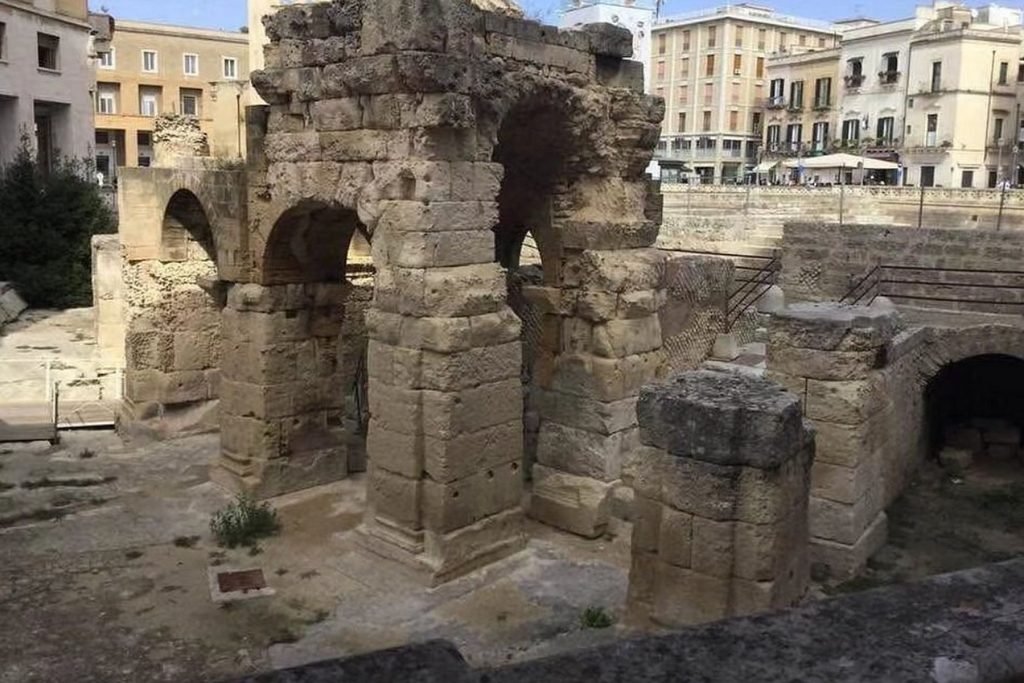
Often called the Florence of the South, Lecce is famous for its elaborate Baroque architecture. Local stonemasons used the region’s golden-coloured limestone to create beautifully detailed churches, palaces and historic buildings.
Located in southern Puglia’s Salento peninsula, Lecce offers a different experience from the region’s smaller whitewashed towns. Its grand buildings and lively piazzas make it particularly appealing for visitors interested in history, architecture and local culture.
Things to see and do in Lecce:
- Visit Basilica di Santa Croce: Admire the intricate stone carvings covering its remarkable façade.
- Explore Piazza del Duomo: Discover one of the city’s most impressive historic squares.
- See the Roman Amphitheatre: View the remains of an ancient arena near Piazza Sant’Oronzo.
- Wander through the old town: Explore historic streets, small shops and traditional restaurants.
- Discover local crafts: Look for Lecce’s traditional papier-mâché figures, which local artisans have created for generations.
Our tip: Allow time to explore Lecce on foot. Many of its architectural details are easy to miss when you’re rushing between major landmarks.
Locorotondo – Discover a Traditional Hilltop Village
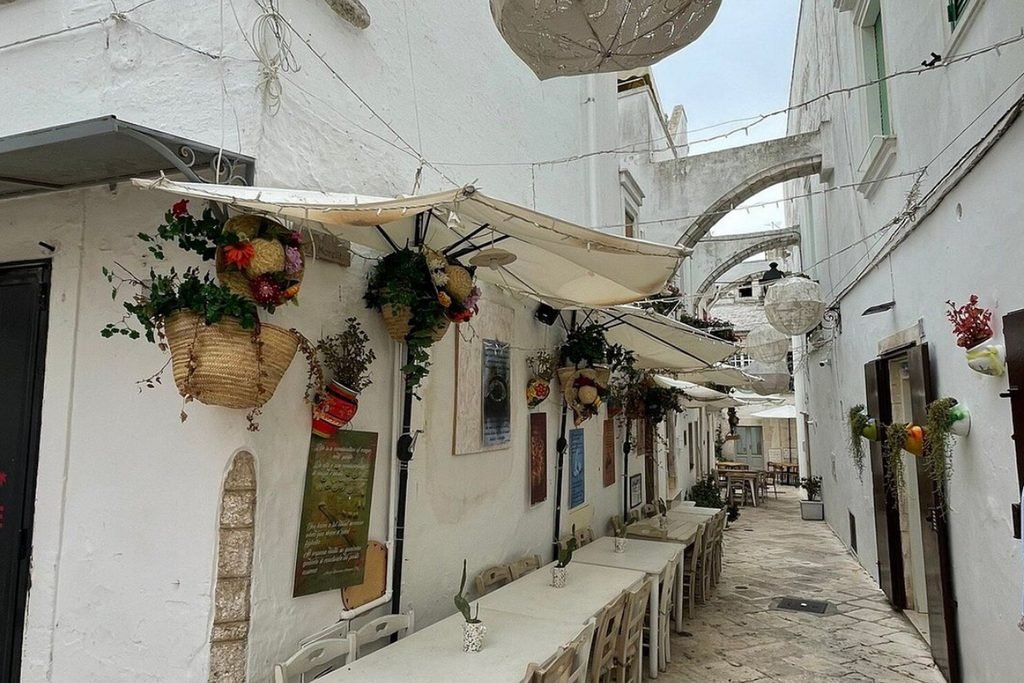
Situated in the beautiful Valle d’Itria, Locorotondo is a picturesque hilltop town with a distinctive circular historic centre. Its name means round place, reflecting the layout of its old streets.
Unlike nearby Alberobello, which is famous for its cone-shaped trulli, Locorotondo features traditional whitewashed houses with steeply pitched stone roofs known as cummerse.
The historic centre offers narrow lanes, flower-filled balconies, small churches and peaceful piazzas. Beyond the town, vineyards and olive groves stretch across the surrounding countryside.
Things to see and do in Locorotondo:
- Explore the circular old town: Follow its narrow lanes and discover traditional whitewashed houses.
- Admire the cummerse rooftops: Look for the distinctive sloping stone roofs.
- Enjoy the viewpoints: Take in views across the Valle d’Itria countryside.
- Visit the historic churches: Discover the town’s religious architecture and quiet piazzas.
- Try local wine: Locorotondo produces white wines that reflect the region’s winemaking traditions.
Our tip: Locorotondo makes an appealing stop when exploring the Valle d’Itria. You can combine it with nearby towns such as Alberobello and Martina Franca for a day of sightseeing.
Visit Santa Maria di Leuca – The Southern Tip of Puglia
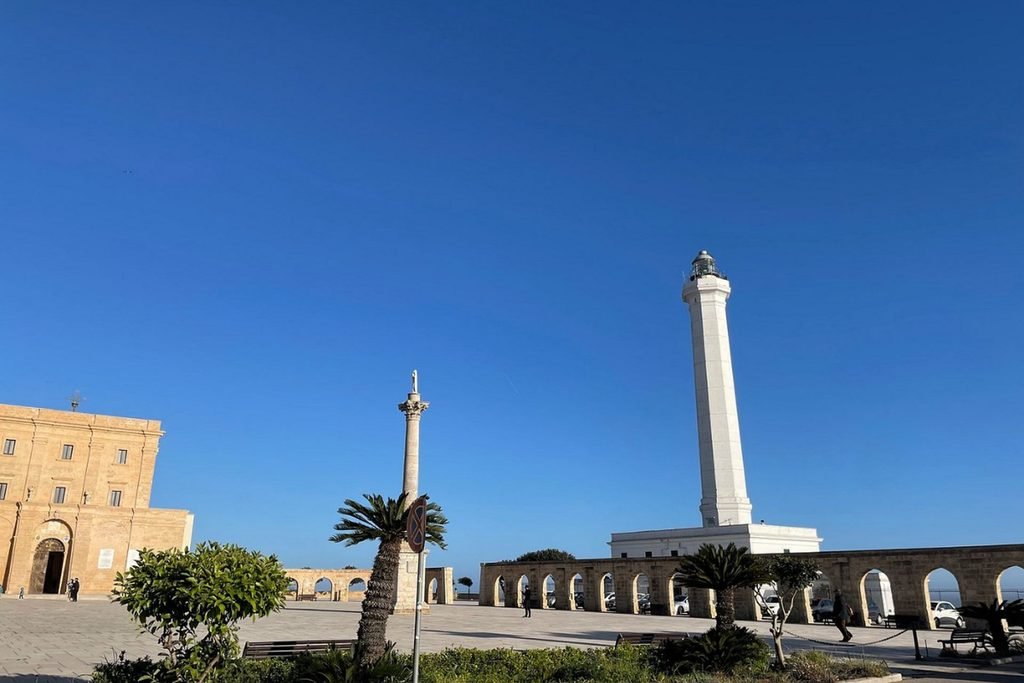
At the southern end of the Salento peninsula, Santa Maria di Leuca is one of Puglia’s most interesting coastal destinations. The town sits near the point where the Adriatic and Ionian seas traditionally meet, with a beautiful waterfront, historic landmarks and dramatic coastal scenery.
We visited Santa Maria di Leuca during our stay near Marina di Pescoluse. What makes this destination particularly appealing is the opportunity to explore the coastline while discovering some of southern Puglia’s most recognisable landmarks.
Things to See and Do in Santa Maria di Leuca
- Visit the lighthouse: Standing approximately 47 metres tall, the lighthouse is one of the area’s most recognisable landmarks. Its elevated position offers impressive views across the coastline.
- Explore the Basilica of Santa Maria de Finibus Terrae: This historic sanctuary stands near the lighthouse. Its Latin name refers to the end of the land, reflecting the town’s position at the southern tip of the peninsula.
- Admire the coastal views: The elevated area around the sanctuary offers sweeping views across the sea, harbour and surrounding coastline.
- Walk along the waterfront: Santa Maria di Leuca has an attractive promenade lined with historic villas, cafés and restaurants. It’s a lovely place to enjoy the seaside atmosphere.
- Discover the sea caves: Boat excursions explore the caves and rocky coastline surrounding Santa Maria di Leuca. Some tours visit caves on both sides of the peninsula, offering a different perspective from the water.
- See the monumental staircase: A long staircase connects the elevated sanctuary area with the lower town. Nearby, the final section of the Apulian Aqueduct forms another distinctive landmark.
Is Santa Maria di Leuca Worth Visiting?
Absolutely, especially if you’re exploring southern Puglia by car. Santa Maria di Leuca offers a combination of coastal scenery, historic landmarks and opportunities to enjoy the water.
Unlike Puglia’s larger historic towns, the main attractions here centre on the lighthouse, sanctuary, harbour and surrounding coastline.
Our tip: Combine Santa Maria di Leuca with a visit to Marina di Pescoluse or other coastal stops along the Salento peninsula. It’s a great way to experience more of southern Puglia without spending the entire day in one place.
Experience Puglia’s Food and Local Traditions

Food plays an important role in everyday life throughout Puglia. The region’s cuisine centres on fresh seafood, locally grown vegetables, olive oil, handmade pasta and simple traditional recipes that families have enjoyed for generations.
Unlike some of Italy’s more elaborate regional cuisines, Puglia’s cooking often relies on a handful of quality ingredients. From small bakeries and local markets to waterfront restaurants, there are plenty of opportunities to discover the flavours of southern Italy.
Traditional Foods to Try in Puglia
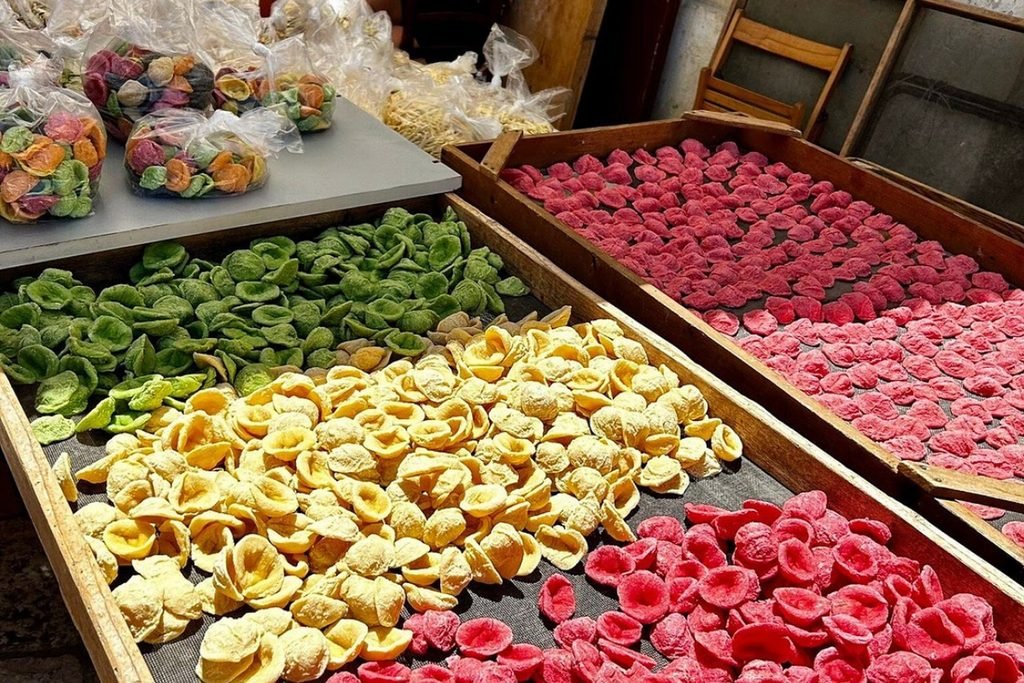
- Orecchiette pasta: Puglia’s famous ear-shaped pasta often comes with cime di rapa (turnip greens), garlic and olive oil. In Bari’s old town, you may even see local women making it by hand.
- Focaccia Barese: A regional favourite featuring soft, olive oil-rich bread topped with tomatoes and olives. It’s a delicious snack to pick up from a local bakery.
- Burrata cheese: Originally from Puglia, this creamy cheese has a mozzarella-like outer layer and a rich, soft centre. Enjoy it with fresh tomatoes, bread or local vegetables.
- Fresh seafood: Coastal towns such as Gallipoli, Monopoli and Bari offer opportunities to enjoy grilled fish, mussels, octopus and other seafood dishes.
- Panzerotti: These small, folded pastries resemble miniature calzones. Traditionally fried and filled with tomato and mozzarella, they’re a popular street food.
- Taralli: Small, crunchy savoury rings made with flour, olive oil and white wine. You’ll find them in bakeries, markets and grocery shops throughout the region.
Explore Local Markets and Food Traditions
One of the enjoyable things about travelling through Puglia is discovering the local food culture beyond restaurant menus.
Markets and small food shops offer a glimpse into the ingredients that shape the region’s cooking.
Food experiences worth considering:
- Visit a local market: Browse seasonal produce, olives, cheeses and regional specialities.
- Watch traditional pasta-making: Bari’s old town is particularly well known for its handmade orecchiette.
- Join a cooking class: Learn to prepare regional dishes such as fresh pasta or traditional focaccia.
- Try an olive oil tasting: Puglia is one of Italy’s major olive oil-producing regions, with groves stretching across the countryside.
- Enjoy a seafood meal: Coastal restaurants provide an opportunity to sample locally caught fish and traditional dishes.
Discover Puglia’s Local Wines
Puglia also has a long winemaking history, with vineyards producing a range of red, white and rosé wines.
Some of the region’s best-known varieties include:
- Primitivo: A full-bodied red wine, particularly associated with the Manduria area.
- Negroamaro: A red grape commonly grown in Salento and used for both red and rosé wines.
- Locorotondo DOC: A fresh, dry white wine produced in the Valle d’Itria.
You don’t need to visit a vineyard to enjoy local wine. Many restaurants and wine bars offer regional selections alongside traditional Puglian dishes.
Our Tip for Enjoying Puglia’s Food
Don’t overlook the small bakeries, neighbourhood restaurants and local food shops. Some of Italy’s most enjoyable food experiences come from trying everyday specialities rather than seeking out expensive restaurants.
If you enjoy discovering a destination through its food, consider joining a local food tour or traditional cooking class. It’s a wonderful way to learn about the ingredients, recipes and traditions that make Puglia’s cuisine distinctive.
Take a Day Trip to Matera
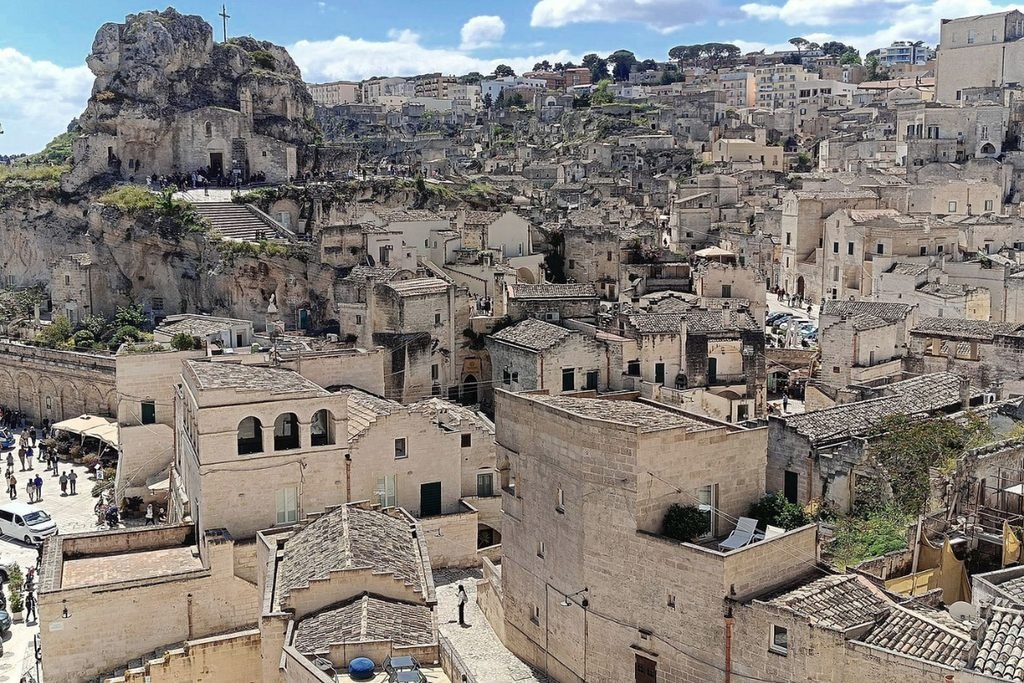
Just across the regional border in Basilicata, Matera offers one of southern Italy’s most extraordinary historic experiences. Famous for its ancient cave dwellings, the city provides a fascinating contrast to Puglia’s whitewashed towns, sandy beaches and traditional trulli.
Matera’s historic districts, known as the Sassi, contain homes, churches and passageways carved directly into the limestone. People have lived in this area for thousands of years, and UNESCO recognised the Sassi as a World Heritage Site in 1993.
Once associated with severe poverty and difficult living conditions, Matera has undergone extensive restoration. Today, visitors can explore its historic neighbourhoods, discover ancient cave churches and even stay overnight in converted cave accommodation.
Things to See and Do in Matera
- Explore the Sassi districts: Wander through Sasso Caveoso and Sasso Barisano, where narrow stairways and stone passageways connect centuries-old cave dwellings.
- Visit a traditional cave house: Several museums recreate the living conditions of families who once occupied these remarkable homes.
- Discover the rock churches: Explore ancient churches carved into the limestone, some featuring historic frescoes.
- Admire the views: Matera has several viewpoints overlooking the Sassi and surrounding landscape.
- Visit Matera Cathedral: Standing above the historic districts, the cathedral offers another perspective of the city and its history.
- Explore the surrounding ravine: The landscape across the Gravina gorge provides walking opportunities and views back towards Matera’s historic centre.
Planning a Day Trip to Matera
Matera makes an excellent day trip from parts of central Puglia, particularly if you’re staying around Bari, Alberobello or the Valle d’Itria.
A few things to consider:
- Allow enough time: The historic districts cover a large area, with plenty of stairways and uneven paths.
- Parking: Parking near Matera’s historic centre is limited, so aim to arrive early, particularly during busy periods. Allow time for a short walk from the parking area into the old town.
- Plan for walking: Exploring the Sassi involves slopes, stone surfaces and steps.
- Consider a guided tour: A local guide can explain the history of the cave dwellings and the remarkable changes Matera has experienced.
- Stay overnight if possible: An evening in Matera offers the chance to see the historic buildings illuminated after many day visitors have departed.
Is Matera Worth Adding to Your Puglia Itinerary?
Yes, particularly if you enjoy history, architecture and unusual destinations. Matera offers something completely different from the coastal towns and traditional villages of Puglia.
Although it lies outside Puglia itself, its location makes it a worthwhile addition to a journey through southern Italy.
Practical Tips for Exploring Puglia
Puglia is a wonderful region to explore, but a little planning can help you make the most of your visit. With historic towns, coastal attractions and smaller villages spread across the region, it’s worth considering how you’ll travel and which experiences interest you most.
Here are a few things we recommend keeping in mind:
- Allow enough time: Puglia covers a large area, so avoid trying to visit every town and beach in just a few days. Choose a few places that interest you and explore from there.
- Consider hiring a car: Having your own transport gives you more freedom to discover smaller villages, beaches and rural attractions. However, trains and buses connect many of the larger towns.
- Wear comfortable shoes: Historic centres often feature cobbled streets, steep lanes and uneven steps, particularly in places such as Ostuni and Matera.
- Visit outside peak summer: We travelled in April and loved the quieter beaches and towns. Summer brings warmer swimming conditions but also larger crowds.
- Check beach facilities: Some beach clubs and seasonal businesses may not operate during spring and autumn.
- Watch for restricted traffic zones: Many Italian towns have Zona a Traffico Limitato (ZTL) areas where unauthorised vehicles cannot enter. Look for signs before driving into historic centres.
- Make time for local food: Try regional specialities, browse local markets and enjoy meals away from the busiest tourist areas.
Our tip: We travelled around Italy using toll-free roads whenever practical. This often took us through smaller towns and rural areas we might otherwise have missed. If you’re not in a hurry, it’s another way to experience more of the countryside.
Ready to explore more of Puglia? Our Planning a Journey Through Puglia guide covers everything you need to organise your trip, while Where to Stay in Puglia helps you choose the right accommodation for your adventure.
Final Thoughts on the Best Things to Do in Puglia
What we enjoyed most about Puglia was the variety of experiences within one region. We could explore a historic town, enjoy lunch beside the water and finish the day swimming along a beautiful stretch of coastline.
Our April visit gave us the opportunity to enjoy quiet beaches, fascinating architecture and coastal towns without the height of the summer crowds. Staying in a traditional trullo also added something memorable to our journey.
Whether you’re interested in historic towns, beautiful beaches, local food or discovering somewhere a little different, Puglia has plenty to offer. You don’t need to visit every attraction to appreciate the region. Sometimes choosing a few places and giving yourself time to explore makes for a much more enjoyable journey.
“Travel has a way of making you feel alive, reminding you how wonderful it is to 40be curious, adventurous and free.”
🌍 Travel Planning Resources
These are the tools we personally use and trust when planning our travels from finding a place to stay to booking activities, transport and insurance. Let your “Tohu” guide you “Trust the Journey” and follow what feels right for you.
- ✈️Flights – Compare great deals with Trip.com then Kiwi.com for flexible, affordable options.
- 🚐 Campervans – Compare rental deals with Motorhome Republic across Aotearoa and beyond.
- 🛏️ Stays – Compare hotels on Trip.com and TripAdvisor or Booking.com.
- 🚐 Rental Cars – Compare prices and book through Airport Rentals by Motorhome Republic for trusted brands and easy airport pickup.
- 🎟️ Activities – Browse tours and experiences on Viator, Get Your Guide, or TripAdvisor
- 🚆12Go Asia – Compare and book trains, buses, and ferries across Asia in one place with 12Go.
- 🛡️ Travel Insurance – Get flexible short-term coverage with Insubuy for your next holiday.
- 💳 Travel Money – Send, spend and manage money internationally with Wise, with easy currency conversion and a handy option for travellers.
- 🔒 Protect Your Privacy with a VPN – We recommend Surfshark VPN for secure and private browsing while travelling. It’s fast, affordable and works worldwide, perfect for public Wi-Fi at airports, cafes and hotels.
- 📱 Travel eSIM – Stay connected with Airalo
- 💼 Lounge Access – Treat yourself with Priority Pass for UK or US
- 🎶 Events & Concerts – Book tickets worldwide through Ticketmaster.
🧭 Note: Some booking links can be a bit shy when you’re using a VPN. If one doesn’t open, try pausing your VPN or switching to a different server location or secure Wi-Fi network to get things flowing again.