
Choosing where to stay in the Dolomites is an important part of planning a visit to this spectacular region of northern Italy.
With charming alpine villages, traditional farmhouses, mountain resorts and peaceful valleys, there’s accommodation to suit almost every style of travel.
However, the Dolomites are much larger than many visitors realise. Choosing the right base can make a significant difference to how much you see and experience.
Whether you’re planning a hiking holiday, scenic road trip or relaxing mountain escape, this guide will help you choose. We’ll explore the best areas to stay and what makes each location special.
Where Is the Best Place to Stay in the Dolomites?

Is it better to stay in a lively mountain town or a peaceful alpine village? The answer depends on what you want to experience during your visit. Ortisei and Cortina d’Ampezzo are popular choices for travellers who enjoy restaurants, shops and easy access to mountain attractions.
Val di Funes offers a quieter setting, with traditional villages and beautiful countryside.
Dobbiaco and San Candido are excellent bases for exploring lakes and cycling trails. Meanwhile, Alta Badia and Alpe di Siusi appeal to visitors seeking mountain scenery and outdoor activities.
There’s no single perfect location for everyone. Understanding the different areas will help you choose a base that suits your interests, transport and travel plans.
Our Experience Staying in the Dolomites

During our Italian road trip, we spent six wonderful days in the Dolomites in late May. We stayed in a self-catering apartment in San Martino, near Santa Maddalena in Val di Funes.
Having our leased car gave us the freedom to explore somewhere different each day. We discovered mountain villages, hiking trails, beautiful lakes and surrounding valleys before returning to our peaceful base.
We particularly loved the traditional alpine houses, enormous timber barns and beautifully maintained properties scattered throughout the countryside.
Staying away from the busier resort towns allowed us to experience the quieter side of the Dolomites. We enjoyed shopping at local butchers and preparing most of our evening meals at our accommodation.
Although lingering snow had closed some higher hiking trails, we still found plenty to keep us busy. We absolutely loved the area we’d chosen.
Val di Funes was a wonderful base for our style of travelling, and we’d happily stay there again.
Table of Contents
- Best Areas to Stay in the Dolomites
- Val di Funes – Best for Peaceful Villages and Mountain Scenery
- Ortisei and Val Gardena – Best for Hiking and Cable Cars
- Cortina d’Ampezzo – Best for Exploring the Eastern Dolomites
- Dobbiaco and San Candido – Best for Lakes, Cycling and Outdoor Adventures
- Alta Badia – Best for Traditional Villages, Mountain Scenery and Excellent Food
- Alpe di Siusi – Best for Alpine Meadows and a Peaceful Mountain Retreat
- Choosing the Right Accommodation in the Dolomites
- Tips for Booking Accommodation in the Dolomites
- Final Thoughts
Best Areas to Stay in the Dolomites
The Dolomites stretch across several valleys and mountain regions, each offering a different experience. Some areas are ideal for hikers wanting easy access to cable cars and mountain trails. Others suit travellers who prefer traditional villages, scenic drives or peaceful countryside.
Choosing accommodation close to the places you most want to visit can save considerable travelling time. This is particularly helpful if you’re planning to explore several attractions during your stay.
Don’t Confuse San Martino with San Martino di Castrozza
When searching for accommodation, we discovered that similarly named villages could make navigating the Dolomites surprisingly confusing.
We chose San Martino near Santa Maddalena, in Val di Funes (Villnöss), South Tyrol. However, Google Maps sometimes directed us towards San Martino di Castrozza, in the province of Trento.
Both are in the Dolomites, but they’re in different areas. We encountered similar confusion when searching for Santa Maddalena.
The easiest solution was to open our accommodation booking through Booking.com and follow its map location.
Before booking, check the full address, province and surrounding attractions. It’s worth confirming that your accommodation is actually in the valley you intend to explore.
Here’s a quick comparison to help you decide which area might suit your holiday.
| Area | Best For |
| Val di Funes | Peaceful villages, traditional farmhouses and beautiful mountain scenery |
| Ortisei and Val Gardena | Hiking, cable cars, restaurants and convenient mountain access |
| Cortina d’Ampezzo | Mountain resort atmosphere, scenic drives and eastern Dolomites attractions |
| Dobbiaco and San Candido | Alpine lakes, cycling trails and outdoor adventures |
| Alta Badia | Traditional villages, mountain scenery and excellent restaurants |
| Alpe di Siusi | Alpine meadows, walking trails and a peaceful mountain retreat |
Val di Funes – Best for Peaceful Villages and Mountain Scenery
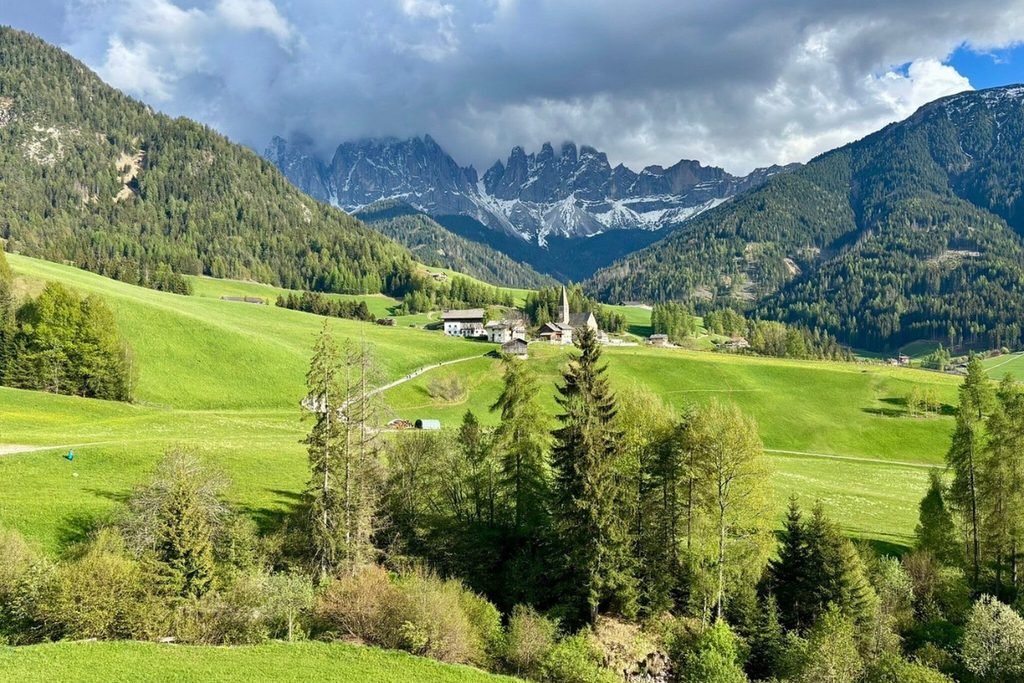
Val di Funes (Villnösstal) is one of the most picturesque valleys in the Dolomites. It’s known for its traditional alpine villages, beautiful countryside and extraordinary views of the jagged Odle mountain range.
Unlike the larger resort towns, Val di Funes has a quieter, more rural atmosphere. Traditional farmhouses are scattered throughout the valley, surrounded by pastures, forests and small settlements. These have retained much of their South Tyrolean character.
The villages of Santa Maddalena, San Pietro and San Martino are particularly appealing for visitors looking for somewhere peaceful to stay.
We chose accommodation in San Martino and absolutely loved the location. Every time we drove through the valley, we admired the enormous traditional houses, beautifully maintained farms and impressive timber buildings.
The surrounding countryside was incredibly peaceful, making it a lovely place to return to after a day of exploring.
Why stay in Val di Funes?
- Peaceful accommodation away from the busier mountain resorts.
- Beautiful views of the Odle mountain range.
- Access to scenic walking trails and traditional mountain huts.
- Charming villages and traditional South Tyrolean architecture.
- Farm stays, guesthouses and self-catering accommodation.
Things to consider: Val di Funes is better suited to travellers who enjoy a quieter atmosphere. Restaurants, shops and public transport options are more limited than in larger towns. Having a car makes exploring the wider Dolomites considerably easier.
Our recommendation: Val di Funes is a wonderful place to stay if you love peaceful countryside and traditional villages. It’s particularly suited to travellers who don’t mind driving to reach some of the major attractions. It was certainly the right choice for us.
Looking for a peaceful alpine escape? Explore accommodation in Val di Funes and find your perfect mountain retreat.
Ortisei and Val Gardena – Best for Hiking and Cable Cars

Ortisei (St. Ulrich) is one of the most popular places to stay in the Dolomites. It’s particularly appealing to visitors wanting easy access to mountain trails, cable cars and famous viewpoints.
Located in Val Gardena, Ortisei is an attractive alpine town with colourful buildings and traditional South Tyrolean architecture. Its pedestrian-friendly streets offer a good selection of restaurants, cafés and accommodation.
One of the biggest advantages of staying here is convenience. Cable cars from Ortisei provide access to Seceda and Alpe di Siusi. This makes it an excellent base for hikers wanting less driving and more time in the mountains.
We visited Ortisei when we took the cable car to Seceda. We spent several hours hiking and enjoying the extraordinary mountain views. Although we didn’t stay in town, we could certainly appreciate why it’s such a popular base.
Val Gardena also includes Santa Cristina and Selva di Val Gardena. Both villages are worth considering when looking for accommodation.
Why stay in Ortisei and Val Gardena?
- Convenient access to Seceda, Alpe di Siusi and surrounding hiking trails.
- Cable cars connecting visitors with mountain viewpoints and walking routes.
- A good selection of hotels, guesthouses and self-catering apartments.
- Restaurants, cafés, shops and supermarkets within easy reach.
- Public transport connections to other villages and attractions in the valley.
- A choice between lively resort towns and quieter alpine accommodation.
Things to consider: Ortisei is a popular destination, particularly during the main summer hiking season and winter ski season. Accommodation in central locations can be expensive, so booking ahead is advisable.
If you prefer a quieter atmosphere, Santa Cristina may be worth considering. Selva di Val Gardena is particularly convenient for accessing mountain passes and outdoor activities.
Our recommendation: Ortisei is an excellent choice for first-time visitors to the Dolomites. It’s particularly suitable for those planning a hiking-focused holiday or travelling without a car. With mountain transport, restaurants and shops nearby, it’s one of the most convenient places to base yourself in the region.
Planning a hiking adventure? Discover places to stay in Ortisei and Val Gardena, close to mountain trails and cable cars.
Cortina d’Ampezzo – Best for Exploring the Eastern Dolomites
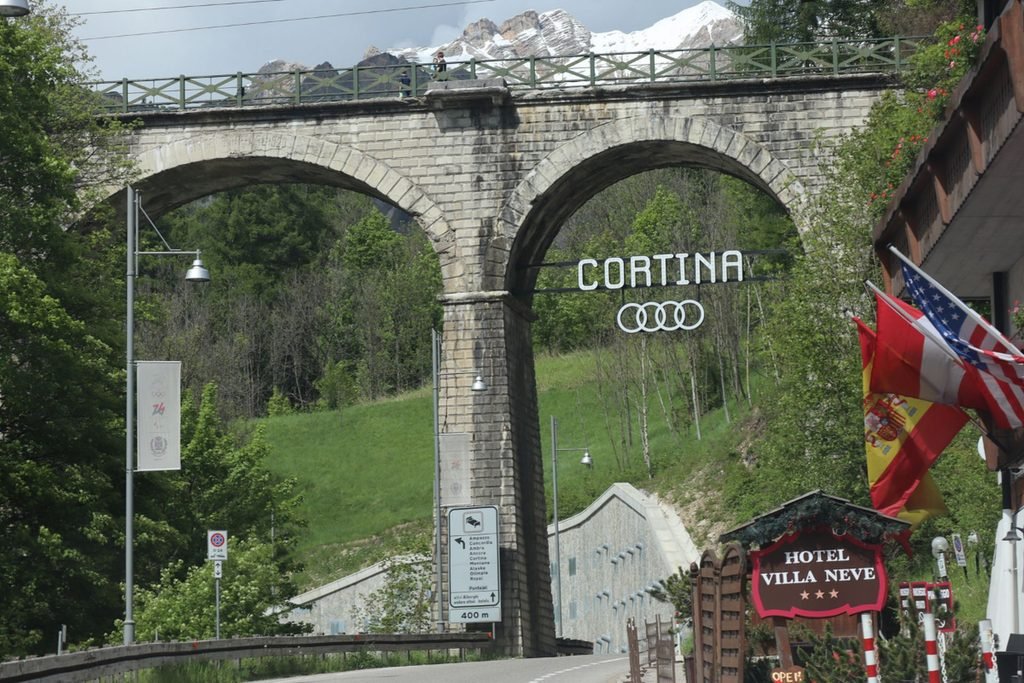
Cortina d’Ampezzo is one of the most famous mountain towns in the Italian Dolomites. Surrounded by dramatic limestone peaks, it combines spectacular alpine scenery and outdoor activities with an attractive town centre.
Located in the Veneto region, Cortina is an excellent base for exploring the eastern Dolomites. It’s particularly appealing to visitors interested in hiking, mountain lakes and scenic drives. The town has a lively atmosphere, with colourful buildings, boutique shops, cafés, restaurants and a wide range of accommodation.
One of Cortina’s biggest advantages is its location.Several spectacular mountain passes, walking trails and viewpoints are within easy reach. These include Passo Falzarego, Cinque Torri and the Lagazuoi cable car.
The famous Tre Cime di Lavaredo and Lago di Braies can also be visited on day trips. However, both require additional travelling time.
We’d driven through Cortina earlier in our Italian adventure without stopping. The town looked so appealing that we decided to return during our six days in the Dolomites.
I’m glad we did. Wandering through the attractive streets, admiring the buildings and enjoying the mountain views gave us a chance to appreciate Cortina. It was lovely to explore the town rather than simply pass through.
Why stay in Cortina d’Ampezzo?
- An excellent base for exploring the eastern Dolomites.
- Access to popular hiking areas, including Cinque Torri and nearby mountain trails.
- Scenic drives through Passo Falzarego and surrounding mountain passes.
- A lively town centre with restaurants, cafés and shops.
- A wide choice of hotels, apartments and alpine accommodation.
- Opportunities for both summer outdoor activities and winter sports.
Things to consider: Cortina is one of the Dolomites’ best-known resort towns, and accommodation can be expensive during peak holiday periods. It’s also a larger, busier destination than the peaceful villages of Val di Funes.
Although there are local buses and seasonal transport services, having a car can make it easier to explore attractions spread across the surrounding mountains. If you’re travelling without one, check transport connections to your preferred hiking areas before booking.
Our recommendation: Cortina d’Ampezzo is a great choice for combining mountain adventures with the convenience of a lively alpine town.
It’s particularly well suited to visitors exploring the eastern Dolomites. It’s also ideal for those wanting restaurants, shops and other facilities close to their accommodation.
Want to stay in the heart of the eastern Dolomites? Explore accommodation in Cortina d’Ampezzo.
Dobbiaco and San Candido – Best for Lakes, Cycling and Outdoor Adventures
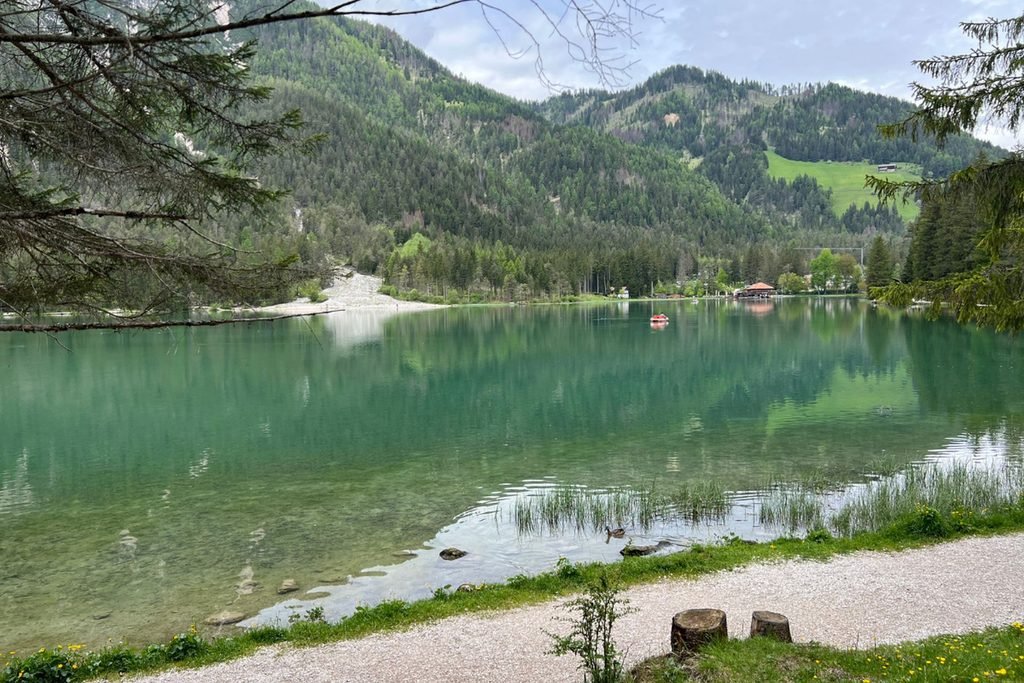
Dobbiaco (Toblach) and San Candido (Innichen) are excellent places to stay in the eastern Dolomites. Both appeal to travellers who enjoy cycling, lakeside walks and exploring traditional South Tyrolean towns.
Located in the Puster Valley, these neighbouring towns offer a more relaxed alternative to the larger mountain resorts. They also provide convenient access to some of the region’s most popular natural attractions.
Dobbiaco is particularly well positioned for visiting Lago di Braies, Lago di Dobbiaco and Lago di Landro. It’s an appealing base for anyone wanting to explore the beautiful alpine lakes.
San Candido, meanwhile, has an attractive historic centre with colourful buildings, traditional churches, cafés and restaurants. It’s also a popular starting point for cycling adventures, including the scenic route towards Lienz in Austria.
During our stay in the Dolomites, we spent a wonderful day cycling through this area. We hired bicycles from Huski Rentals in Monguelfo.
The well-maintained cycling trails took us through beautiful villages and countryside towards Lago di Landro. Along the way, we enjoyed a panoramic viewpoint overlooking the Tre Cime mountains.
On our return journey, we stopped for lunch at Ristorante al Lago di Dobbiaco.
It was one of our favourite days in the Dolomites. We could certainly appreciate why this area would make such an enjoyable holiday base.
Why stay in Dobbiaco or San Candido?
- Convenient access to Lago di Braies, Lago di Dobbiaco and Lago di Landro.
- Excellent cycling trails connecting towns, villages and neighbouring valleys.
- Attractive traditional town centres with restaurants, cafés and shops.
- Good rail and bus connections along the Puster Valley.
- A variety of hotels, guesthouses, apartments and traditional farm stays.
- Opportunities for lakeside walks, mountain hikes and scenic day trips.
Things to consider: Both towns are well connected by public transport, but some mountain attractions require additional bus journeys or transfers.
Popular destinations such as Lago di Braies can become busy during summer. Seasonal access arrangements are also worth checking in advance.
Dobbiaco is particularly convenient for visitors interested in lakes and cycling. San Candido offers a charming town atmosphere, with plenty of facilities within walking distance.
Our recommendation: Dobbiaco and San Candido are excellent choices if cycling and exploring the Dolomites’ beautiful lakes are high on your itinerary. They’re also worth considering if you’re travelling by train and want a base with good public transport connections.
Love lakes, cycling and charming alpine towns? Find accommodation in Dobbiaco and San Candido.
Alta Badia – Best for Traditional Villages, Mountain Scenery and Excellent Food
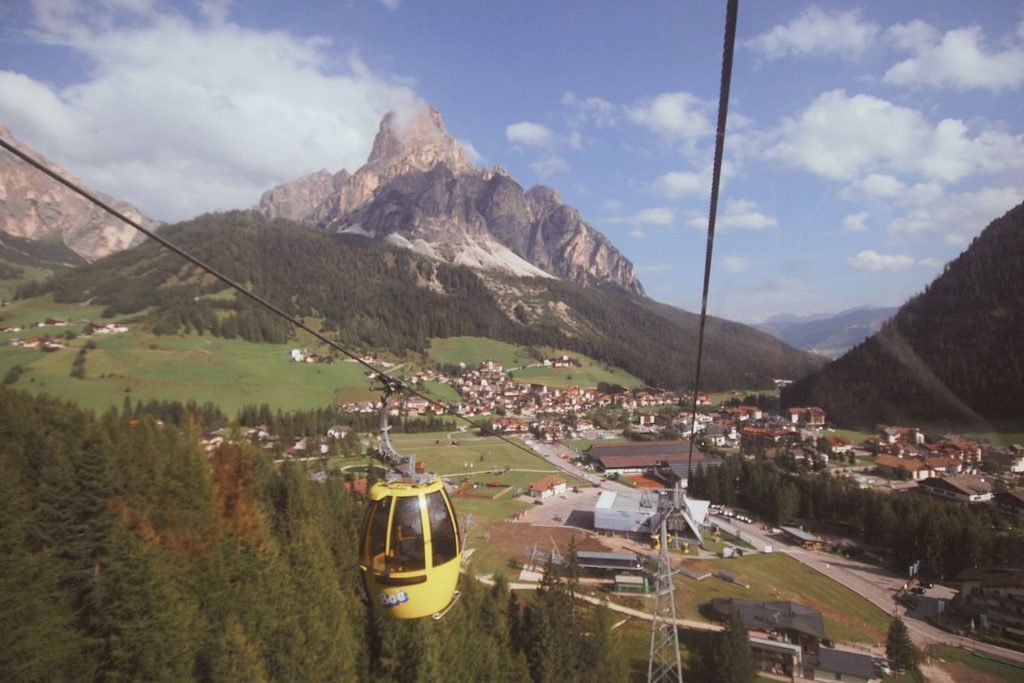
Alta Badia is one of the most appealing areas to stay in the Dolomites. It’s particularly attractive to travellers who enjoy traditional alpine villages, spectacular mountain scenery and excellent regional cuisine.
Located in South Tyrol, Alta Badia is surrounded by the dramatic peaks of the Sella massif and Fanes mountain group.
The area is known for its strong Ladin heritage. Local traditions, language and food remain an important part of everyday life.
Unlike staying in one large resort town, Alta Badia offers a collection of attractive villages, each with its own character. Corvara, Colfosco, La Villa, San Cassiano and Badia are among the most popular places to look for accommodation.
Corvara is a convenient choice for visitors wanting restaurants, shops and easy access to mountain lifts. Meanwhile, Colfosco offers an impressive setting beneath the surrounding peaks. San Cassiano is particularly well known for its mountain hospitality and dining experiences, and Badia provides a quieter village atmosphere.
The area is also an excellent base for exploring nearby mountain passes, including Passo Gardena and Passo Campolongo. There are also numerous hiking and cycling routes to enjoy.
Although we didn’t stay in Alta Badia, it’s certainly somewhere we’d consider for a future visit. There are still so many mountain trails and traditional villages waiting to be discovered.
Why stay in Alta Badia?
- Traditional alpine villages with strong Ladin cultural influences.
- Spectacular mountain scenery and access to hiking trails.
- Mountain lifts connecting visitors with elevated walking areas.
- Excellent restaurants serving traditional and contemporary regional cuisine.
- Scenic drives through some of the Dolomites’ famous mountain passes.
- A choice of luxury hotels, family-run guesthouses and self-catering apartments.
Things to consider: Alta Badia covers several villages, so choosing the right location is important. Corvara and La Villa offer convenient access to facilities and transport, while smaller villages may be more appealing to travellers seeking peace and quiet.
Accommodation prices vary considerably, particularly during the main summer and winter seasons. Some mountain lifts and restaurants also operate seasonally, so it’s worth checking opening dates when planning a spring or autumn visit.
Our recommendation: Alta Badia is a wonderful choice for travellers who want to combine mountain activities with traditional village life and excellent regional food. It’s particularly appealing for couples, food lovers and hikers looking for a scenic alpine base.
Dreaming of traditional alpine villages and spectacular mountain scenery? Discover places to stay in Alta Badia.
Alpe di Siusi – Best for Alpine Meadows and a Peaceful Mountain Retreat
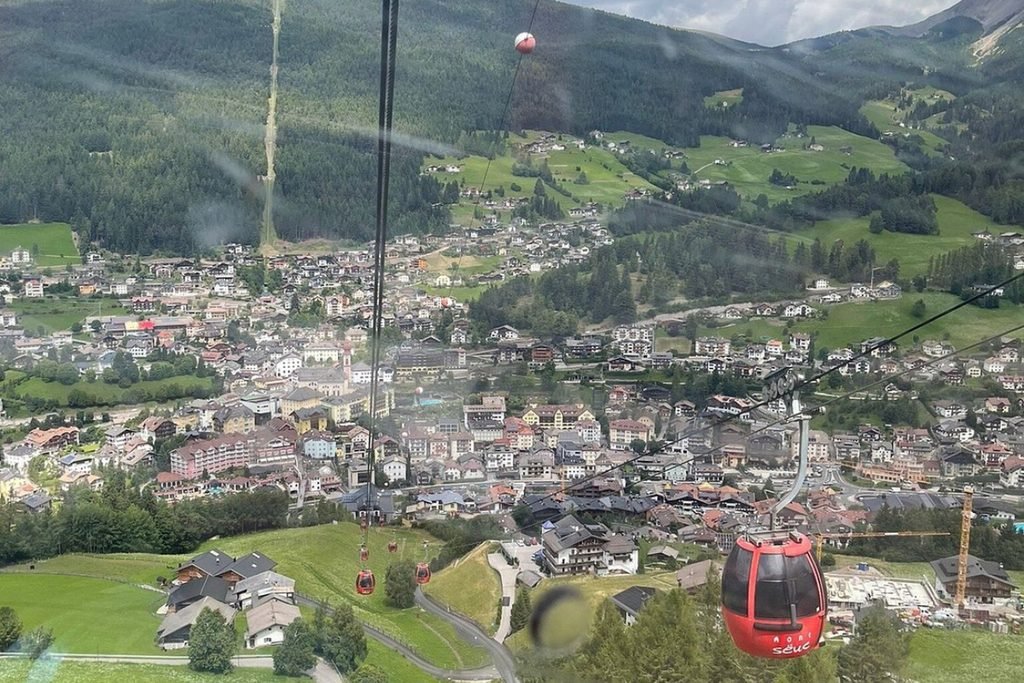
Alpe di Siusi (Seiser Alm) is one of the most beautiful places to stay in the Dolomites. It’s particularly appealing to travellers wanting to immerse themselves in the mountains rather than visit on day trips.
Situated above Siusi allo Sciliar and Castelrotto, Alpe di Siusi is Europe’s largest high-altitude alpine meadow. It’s surrounded by the impressive Sassolungo and Sciliar mountain ranges.
Unlike the busier resort towns, accommodation on the plateau offers a peaceful mountain setting. Traditional alpine hotels, mountain lodges and guesthouses are scattered across the meadows.
During the warmer months, the area is popular for walking, hiking and cycling. Winter transforms it into a destination for skiing and other snow activities.
One of the biggest attractions is being able to step outside your accommodation and begin exploring the surrounding trails. There’s no need to drive somewhere first.
Although we didn’t stay at Alpe di Siusi, it’s certainly somewhere we’d consider for a future visit. The combination of mountain scenery, open meadows and traditional alpine accommodation is particularly appealing.
Why stay in Alpe di Siusi?
- Beautiful alpine meadows surrounded by dramatic mountain peaks.
- Direct access to walking, hiking and cycling trails.
- A peaceful atmosphere away from the larger resort towns.
- Traditional mountain hotels, lodges and alpine accommodation.
- Wonderful opportunities for photography and enjoying the mountain scenery.
- Easy access to outdoor activities during both summer and winter.
Things to consider: Accommodation directly on the plateau is more limited than in the surrounding villages, and prices can be higher because of the location.
Private vehicle access to Alpe di Siusi is restricted during certain hours, and additional regulations apply to overnight guests. It’s important to check the current access arrangements with your accommodation provider before arriving.
Mountain lifts and some accommodation operate seasonally, so visitors travelling in spring or autumn should confirm opening dates in advance.
If you’d prefer a wider choice of restaurants, shops and accommodation, Siusi allo Sciliar or Castelrotto are good alternatives. Both villages offer a traditional South Tyrolean atmosphere with access to the Alpe di Siusi area.
Our recommendation: Alpe di Siusi is an excellent choice for couples, hikers and nature lovers who want a peaceful mountain retreat. If your idea of a perfect holiday involves waking up to spectacular alpine scenery and spending your days outdoors, this could be one of the most rewarding places to stay in the Dolomites.
Want to wake up surrounded by mountain scenery? Explore accommodation in Alpe di Siusi.
Choosing the Right Accommodation in the Dolomites
Once you’ve decided which area of the Dolomites suits your holiday, the next step is choosing the right accommodation.
From comfortable mountain hotels and self-catering apartments to traditional farm stays and remote alpine refuges, there’s something for every travel style and budget.
Your choice will depend on how long you’re staying, whether you have a car and how much exploring you’re planning.
Some travellers prefer the convenience of restaurants and hotel facilities. Others enjoy having their own space and preparing meals using local ingredients.
Hotels and Alpine Resorts
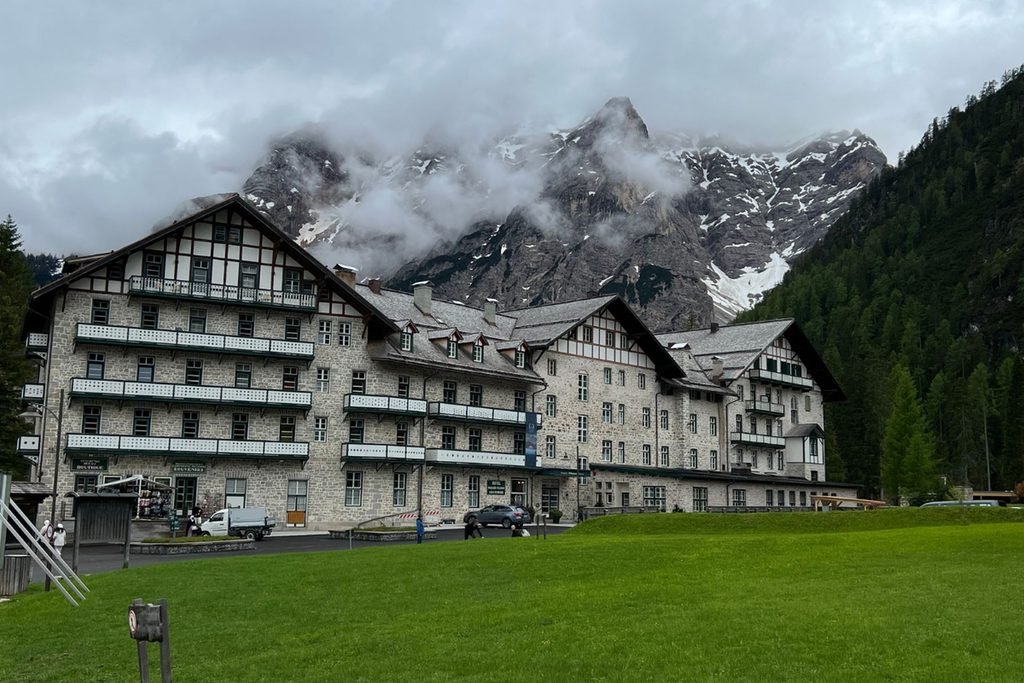
The Dolomites offer an excellent selection of hotels, from small family-run establishments to luxury mountain resorts. Many feature spas, swimming pools and panoramic views.
Many hotels reflect the region’s traditional alpine architecture, with timber balconies, welcoming interiors and restaurants serving South Tyrolean cuisine.
Larger resort towns such as Ortisei, Cortina d’Ampezzo and Corvara offer excellent accommodation choices. Many are conveniently located near shops, restaurants and mountain transport.
Best suited to: Couples, families and travellers who prefer hotel facilities, daily housekeeping and the convenience of having meals available.
Things to consider: Hotels in popular mountain resorts can be expensive during peak periods. Check whether breakfast, parking, wellness facilities and local transport passes are included in the price.
Apartments and Self-Catering Accommodation
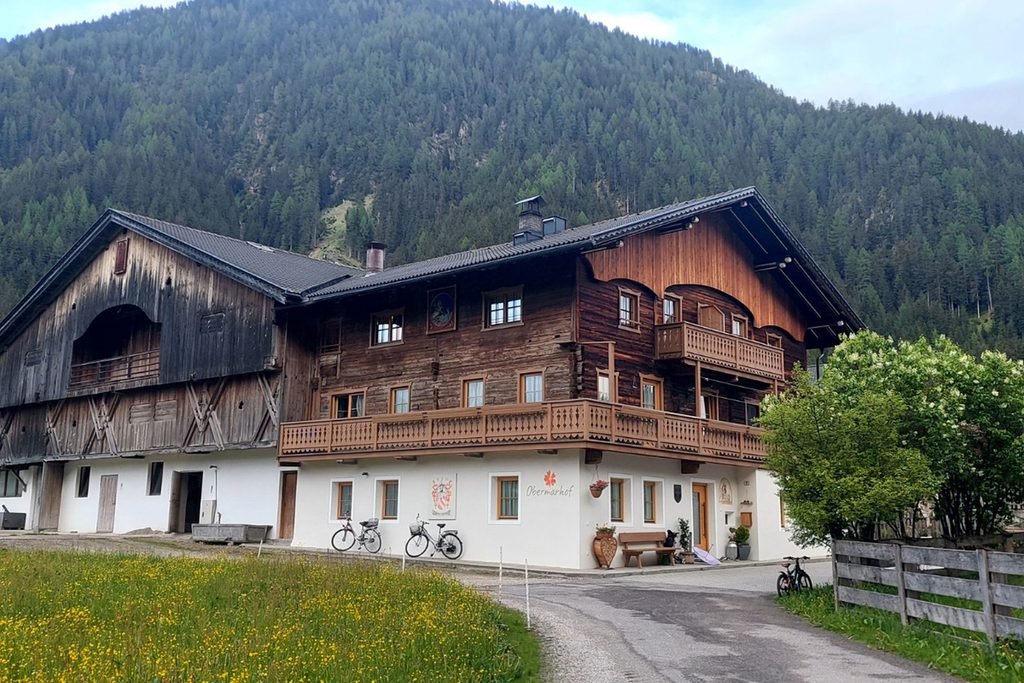
Self-catering apartments are an excellent choice for travellers who enjoy independence. They’re particularly convenient for longer stays or exploring the Dolomites by car.
Having a kitchen allows you to prepare your own meals, enjoy relaxed evenings and save money on restaurant expenses. Apartments can also provide more living space than a standard hotel room, making them appealing for families or longer stays.
Self-catering suited us particularly well during our six days in the Dolomites. Having our own kitchen gave us the freedom to prepare meals using local ingredients and enjoy relaxed evenings after exploring.
It meant we could spend our days exploring without worrying about finding a restaurant every evening.
Best suited to: Couples, families, road-trippers and travellers planning a longer stay.
Things to consider: Check for kitchen facilities, parking, heating and any additional cleaning fees. In smaller villages, supermarkets and restaurants may be limited, so it’s worth checking what’s nearby before booking.
Traditional Farm Stays
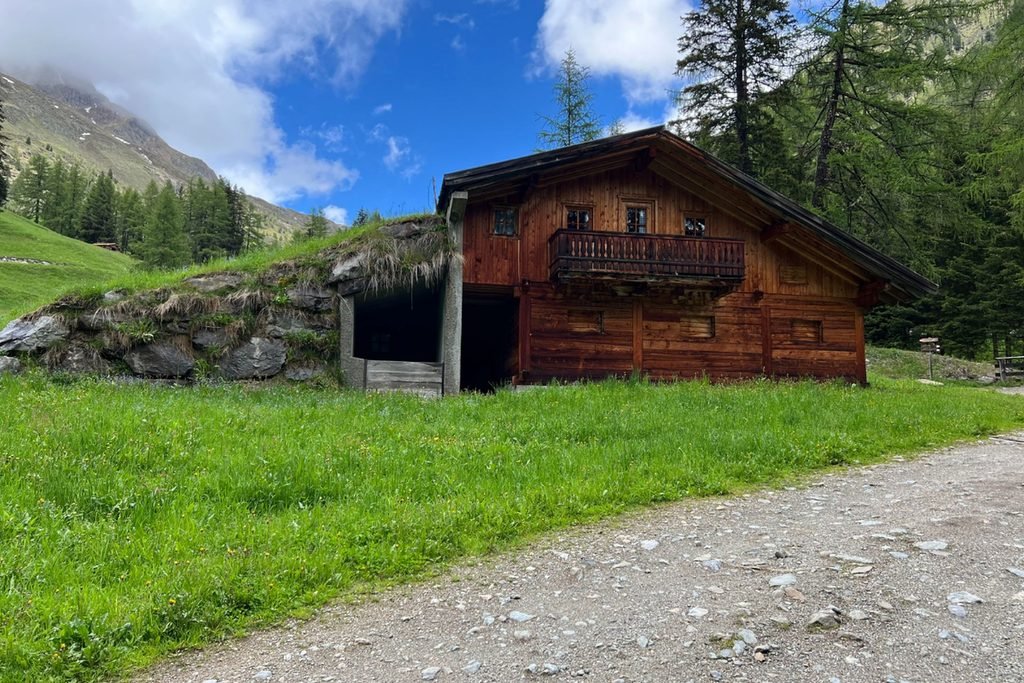
For something a little different, consider staying at a traditional South Tyrolean farmhouse. These are often advertised as Urlaub auf dem Bauernhof, meaning a holiday on a farm.
These properties offer an opportunity to experience the region’s rural heritage. Accommodation ranges from guest rooms to fully equipped apartments on working farms.
Many are surrounded by pastures, forests and mountain scenery, with traditional timber buildings adding to their appeal.
Some farm stays offer homemade breakfasts or locally produced foods, although facilities vary between properties.
Best suited to: Nature lovers, families and travellers looking for peaceful surroundings and a more traditional alpine experience.
Things to consider: Farm stays are often located outside the main towns, so having a car can be useful. Check whether meals are provided and how far the property is from shops, restaurants and public transport.
Mountain Huts and Refuges
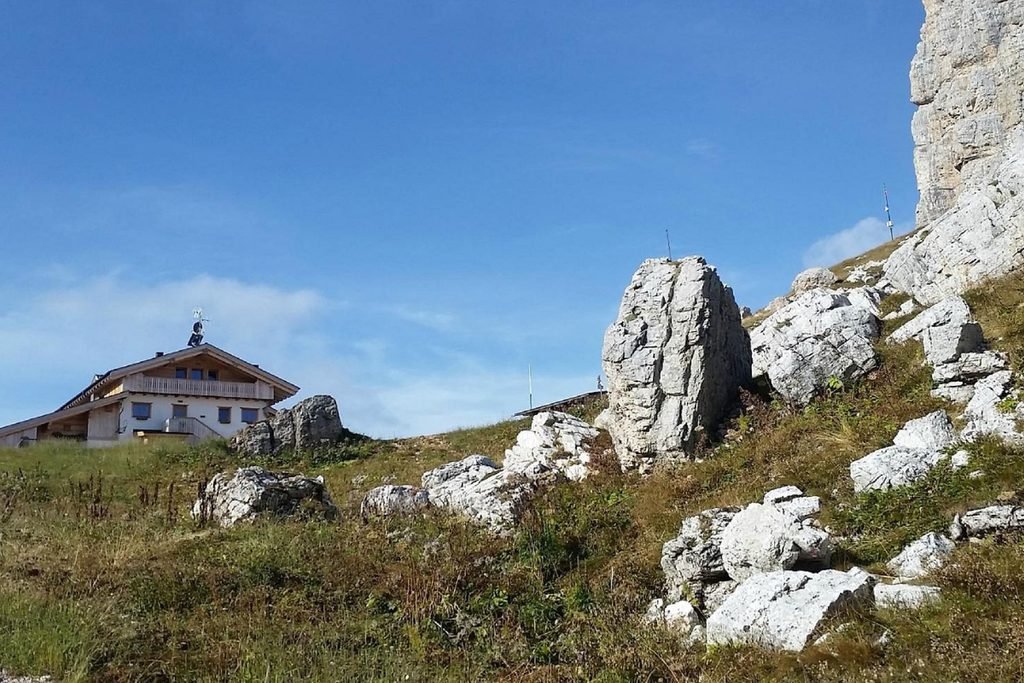
For hikers wanting more time in the mountains, staying overnight in a mountain hut or refuge can be a memorable experience.
Known as Rifugi in Italian, these mountain accommodations are often located along hiking routes. They provide meals and overnight facilities for walkers.
Accommodation varies considerably. Some refuges offer private rooms, while others have shared dormitories and communal bathrooms.
Facilities are generally simpler than those found in hotels. However, the opportunity to stay high in the mountains is part of their appeal.
Many serve traditional regional meals, allowing visitors to enjoy a hearty dinner after a day on the trails.
Best suited to: Experienced hikers, walkers planning multi-day routes and travellers seeking a more adventurous mountain experience.
Things to consider: Mountain refuges generally operate seasonally, and popular huts can book out well in advance. Check access routes, required equipment, bedding arrangements and payment options before travelling.
If you’re planning to stay in a refuge, remember that reaching your accommodation may involve several hours of hiking. Choose a location that suits your experience and fitness level.
Tips for Booking Accommodation in the Dolomites
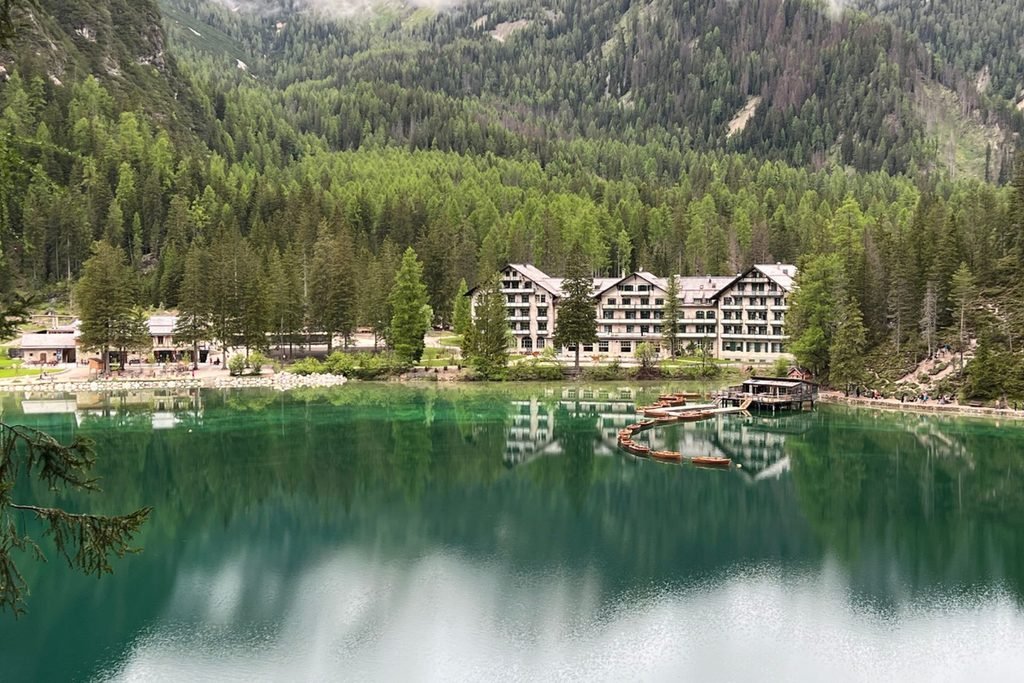
Finding the right accommodation in the Dolomites takes a little planning. This is particularly important during the busy summer hiking and winter ski seasons. Location, seasonal availability and access to nearby attractions are all worth considering before making a reservation.
Here are a few tips to help you choose accommodation that suits your travel plans.
- Book early for peak seasons: July, August and the main winter ski months are popular, particularly in towns such as Ortisei and Cortina d’Ampezzo. Booking ahead generally gives you a wider choice of properties and prices.
- Consider travelling outside peak season: Late spring and early autumn can offer quieter villages and attractive accommodation options, although some mountain facilities may be closed.
- Check seasonal opening dates: Not all hotels, restaurants and mountain huts operate year-round. Some close between the winter and summer seasons.
- Look carefully at the location: Accommodation advertised as being in the Dolomites may be some distance from the attractions you want to visit. Check actual driving times rather than relying on distance alone.
- Confirm parking arrangements: If you’re travelling by car, check whether parking is available and whether it’s included in the accommodation price.
- Check what’s included: Breakfast, tourist taxes, cleaning fees and access to wellness facilities may be charged separately.
- Look for local guest benefits: Some accommodation providers offer regional guest cards that include public transport or discounts on selected attractions. Benefits vary by location and provider.
- Read recent guest reviews: Pay particular attention to comments about cleanliness, accessibility, heating, parking and the accuracy of the property description.
Consider the Time of Year
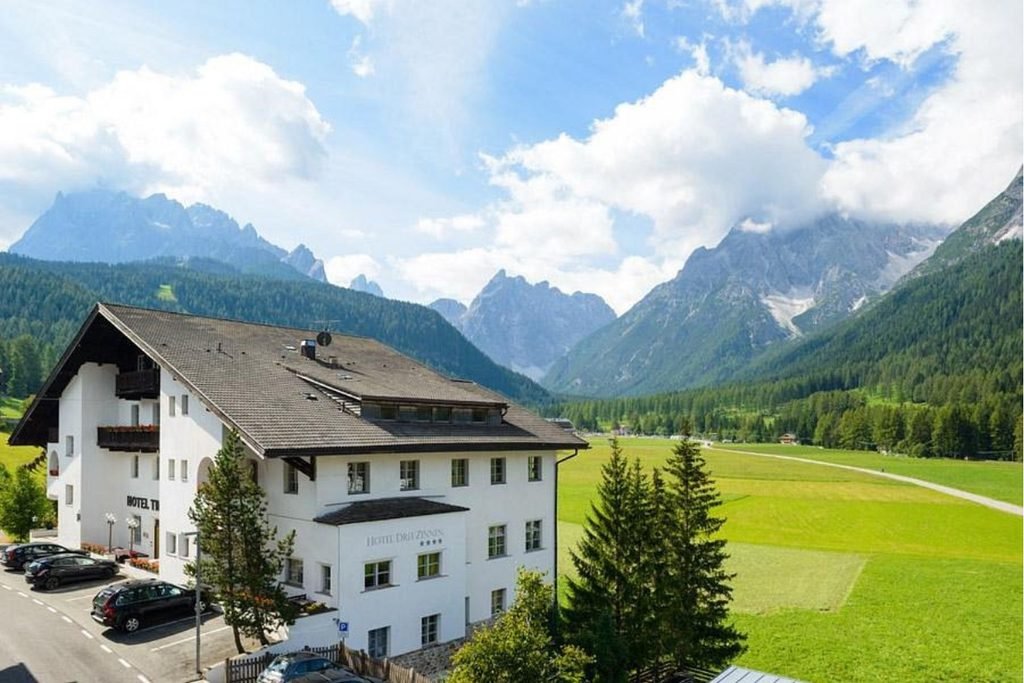
The season you choose can influence not only accommodation prices but also which activities are available.
We visited in late May, when the valleys were beautifully green, the villages were peaceful and the weather was generally favourable. However, some higher hiking trails remained closed because of snow.
Although we still enjoyed six wonderful days exploring, it reinforced the importance of checking seasonal conditions before booking a mountain holiday.
If hiking at higher elevations is your main priority, summer generally offers the widest choice of accessible trails and operating cable cars. If you prefer quieter villages and scenic drives, the shoulder seasons may be appealing, provided you’re prepared for some seasonal closures.
Our advice is to choose your accommodation and travel dates together, rather than booking somewhere first and discovering later that the activities you’re most interested in aren’t available.
Ready to explore the Dolomites? Discover spectacular mountain scenery, beautiful lakes and unforgettable experiences in our guide to Best Things to Do in the Dolomites. For help organising your adventure, explore Planning a Journey Through the Dolomites, packed with useful travel tips and advice.
Final Thoughts
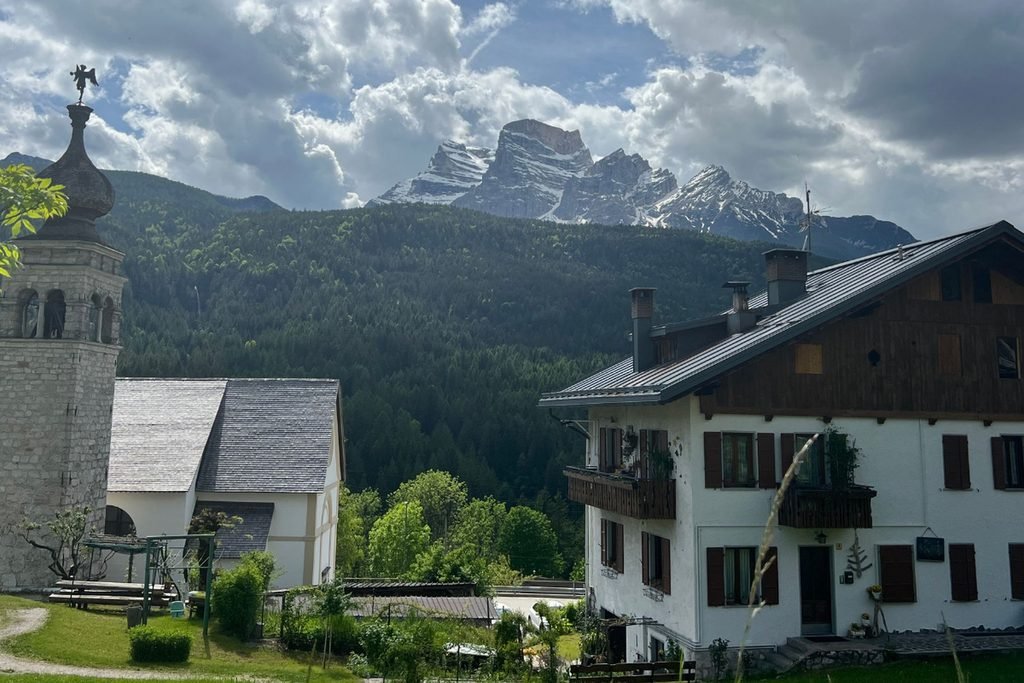
Choosing where to stay in the Dolomites really comes down to the kind of holiday you’re planning. Whether you prefer a lively mountain town with restaurants and cable cars nearby or a peaceful alpine village surrounded by traditional farmhouses, there’s something to suit every style of traveller.
For us, staying in San Martino in Val di Funes was a wonderful decision. We loved returning to the quiet countryside after days spent hiking, cycling and discovering the surrounding mountains. Having our own transport gave us the freedom to explore different parts of the region, while our accommodation provided a relaxing place to unwind and enjoy meals prepared with local ingredients.
Although six days gave us a wonderful introduction to the Dolomites, there are still so many places we’d love to discover. When we return, we’d happily stay in Val di Funes again, although exploring another valley would be equally tempting.
Wherever you choose to stay, take the time to enjoy the villages and local surroundings, not just the famous mountain attractions. They’re an important part of what makes the Dolomites such a memorable destination.
“A beautiful place to stay is more than somewhere to sleep. It’s somewhere you look forward to coming home to after every adventure.”
🌍 Travel Planning Resources
These are the tools we personally use and trust when planning our travels from finding a place to stay to booking activities, transport and insurance. Let your “Tohu” guide you “Trust the Journey” and follow what feels right for you.
- ✈️Flights – Compare great deals with Trip.com then Kiwi.com for flexible, affordable options.
- 🚐 Campervans – Compare rental deals with Motorhome Republic across Aotearoa and beyond.
- 🛏️ Stays – Compare hotels on Trip.com and TripAdvisor or Booking.com.
- 🚐 Rental Cars – Compare prices and book through Airport Rentals by Motorhome Republic for trusted brands and easy airport pickup.
- 🎟️ Activities – Browse tours and experiences on Viator, Get Your Guide, or TripAdvisor
- 🚆12Go Asia – Compare and book trains, buses, and ferries across Asia in one place with 12Go.
- 🛡️ Travel Insurance – Get flexible short-term coverage with Insubuy for your next holiday.
- 💳 Travel Money – Send, spend and manage money internationally with Wise, with easy currency conversion and a handy option for travellers.
- 🔒 Protect Your Privacy with a VPN – We recommend Surfshark VPN for secure and private browsing while travelling. It’s fast, affordable and works worldwide, perfect for public Wi-Fi at airports, cafes and hotels.
- 📱 Travel eSIM – Stay connected with Airalo
- 💼 Lounge Access – Treat yourself with Priority Pass for UK or US
- 🎶 Events & Concerts – Book tickets worldwide through Ticketmaster.
🧭 Note: Some booking links can be a bit shy when you’re using a VPN. If one doesn’t open, try pausing your VPN or switching to a different server location or secure Wi-Fi network to get things flowing again.