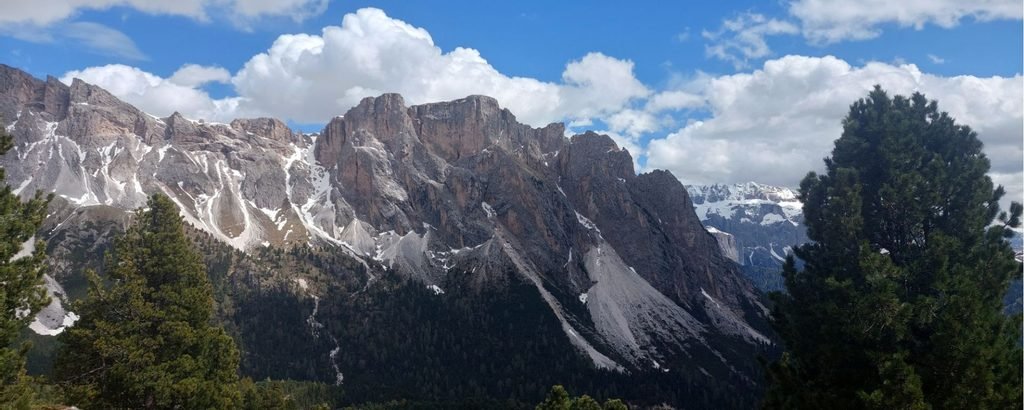
The Italian Dolomites are an outdoor lover’s paradise, with towering limestone peaks, alpine lakes and spectacular scenery. Hiking trails and scenic cycling routes offer endless opportunities to explore.
Whether you enjoy challenging hikes, peaceful lakeside walks, cable car rides or traditional villages, there’s something for everyone.
Discover Seceda’s famous ridgeline, the crystal-clear waters of Lago di Braies and the iconic peaks of Tre Cime di Lavaredo.
Our guide to the best things to do in the Dolomites shares unforgettable experiences, must-see attractions and practical travel tips..
What Makes the Dolomites So Special?

What sets the Dolomites apart is the extraordinary variety of landscapes and activities. You can hike beneath enormous limestone peaks, cycle along well-maintained valley trails or take a cable car into the mountains. The region appeals to experienced hikers and travellers who prefer a slower pace. There are accessible lakeside walks, scenic mountain roads and villages filled with distinctive alpine architecture. Many trails also lead to traditional mountain restaurants, where you can enjoy a meal surrounded by spectacular scenery. You don’t need to be an experienced hiker to appreciate this remarkable region.
Our Experience Discovering the Best Things to Do in the Dolomites

As passionate hikers, the Dolomites were one of our most anticipated destinations during our Italian road trip. We spent six days based in San Martino, near Santa Maddalena in South Tyrol, arriving towards the end of May. Lingering snow meant several planned mountain hikes were still closed, but we found plenty of other ways to explore. We cycled from Monguelfo towards Lago di Landro and hiked above Santa Maddalena to Malga Ascht-Alm. We also took the gondola from Ortisei to Seceda, spending three hours exploring the mountain trails. Other highlights included walking around magnificent Lago di Braies and revisiting Cortina d’Ampezzo, a town we’d previously driven through. What impressed us most was that every activity offered something different. From peaceful mountain walks to beautifully maintained cycling trails and alpine lakes, there was so much variety. Even with some trails inaccessible, we never ran out of places to discover. The Dolomites quickly became one of our favourite destinations in Italy.
Table of Contents
- What Makes the Dolomites So Special?
- Our Experience Discovering the Best Things to Do in the Dolomites
- Best Hiking Trails in the Dolomites
- Cycling Through the Dolomites
- Discover the Most Beautiful Lakes in the Dolomites
- Take a Cable Car into the Mountains
- Explore the Charming Alpine Villages and Towns
- Enjoy a Scenic Drive Through the Dolomites
- Discover Traditional South Tyrolean Food
- Practical Tips for Enjoying Outdoor Activities in the Dolomites
- Final Thoughts
Best Hiking Trails in the Dolomites
Hiking is undoubtedly one of the best things to do in the Dolomites. Trails wind through alpine meadows and beneath towering limestone peaks. Many lead to mountain huts serving traditional South Tyrolean food.
Whether you prefer a gentle lakeside walk or a challenging mountain adventure, there are trails to suit different fitness levels.
One of the things we particularly loved was the variety. Some walks took us high into the mountains, while others followed peaceful valleys or lakeshores. You don’t necessarily need to tackle a demanding hike to enjoy extraordinary scenery.
Here are three walks we completed during our visit. We’ve also included one of the Dolomites’ most famous hiking routes, worth considering when conditions allow.
Hiking Seceda from Ortisei
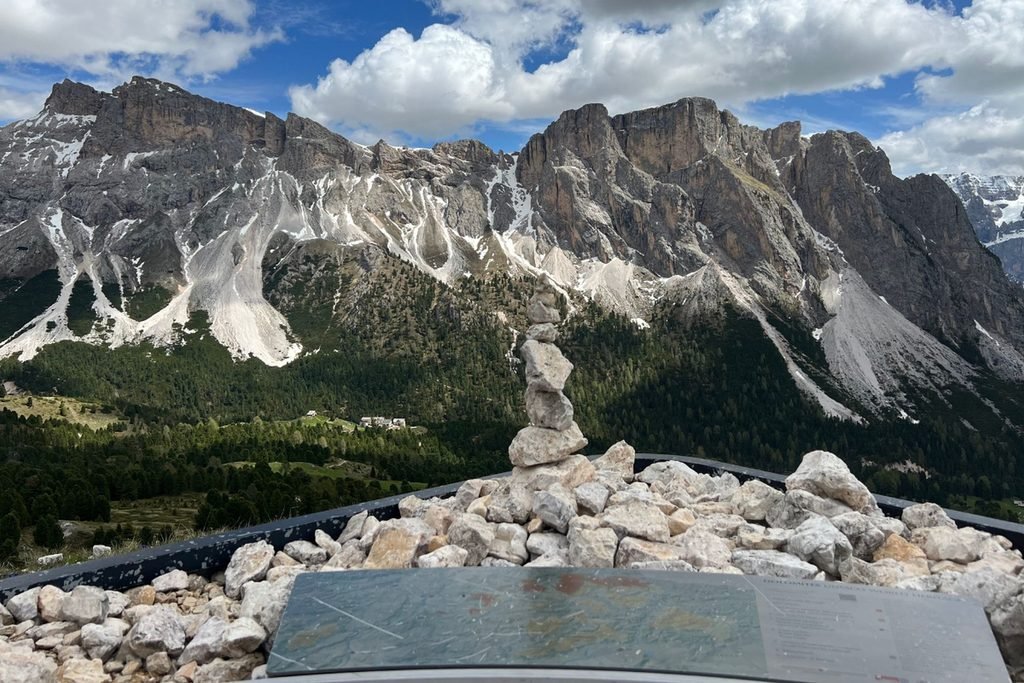
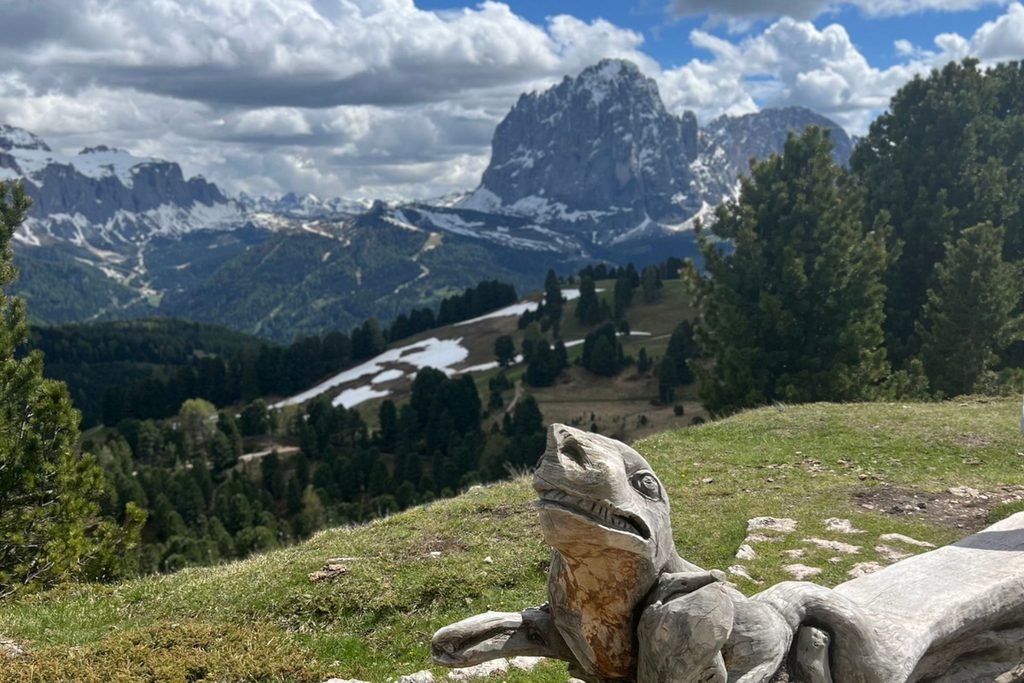
Seceda is one of the most recognisable mountain landscapes in the Dolomites. Its dramatic ridgeline and jagged peaks rise sharply above the surrounding alpine meadows.
The easiest way to reach the upper hiking area is by taking the Ortisei–Furnes gondola. From there, the Furnes–Seceda cable car takes you further up the mountain. A short uphill walk leads towards the famous panoramic viewpoint, while several marked trails continue across the mountain.
We spent approximately three hours hiking around Seceda, stopping frequently to appreciate the scenery. One of our favourite moments was finding a quiet spot away from the busier viewpoints. We sat down with our homemade sandwiches and simply enjoyed the peace and spectacular mountain views.
What to know before hiking Seceda:
- Difficulty: Easy to moderate near the upper station, with more challenging routes available.
- Duration: Allow 1–2 hours for viewpoints and short walks, or 3–5 hours for longer hikes.
- Access: Gondola and cable car from Ortisei, subject to seasonal operating dates.
- Terrain: Alpine paths with some uneven and exposed sections, depending on your chosen route.
- Best for: Mountain panoramas, photography and flexible hiking options.
Although the cable car removes much of the uphill effort, remember that you’re still at high altitude. Conditions can be considerably colder and windier than in Ortisei, so carry warm clothing even on a clear day.
Hiking Santa Maddalena to Malga Ascht-Alm
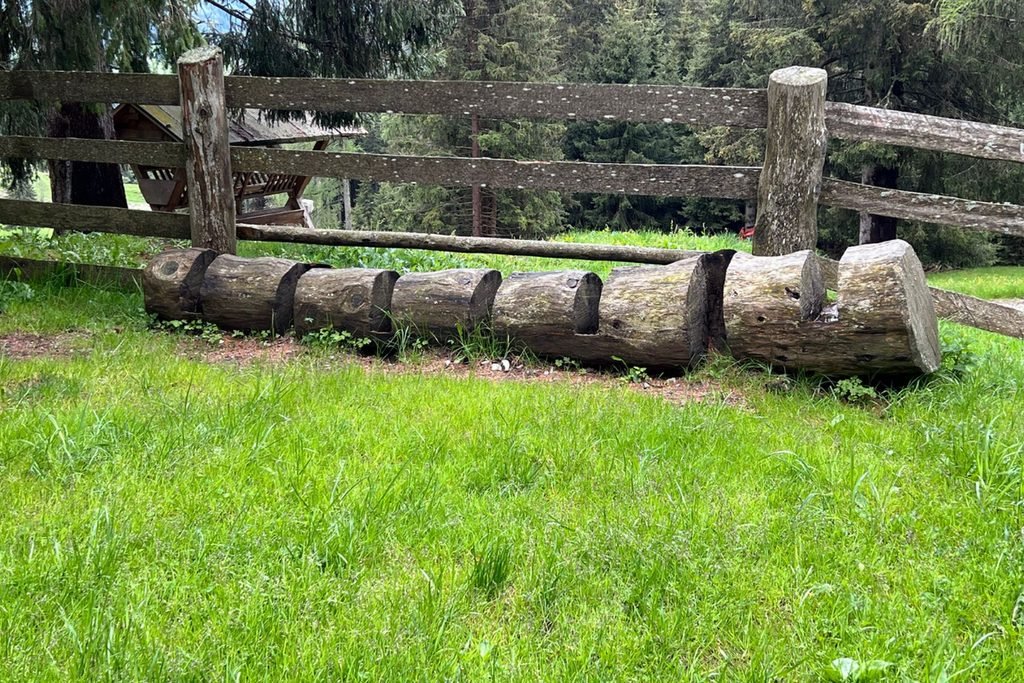
For a quieter mountain experience, the walking trails around Santa Maddalena in Val di Funes are a wonderful alternative. They’re ideal for escaping some of the busier Dolomites attractions.
The valley sits beneath the impressive Odle mountain range. Traditional alpine farms, green pastures and forest trails create a particularly peaceful setting.
We drove up to Santa Maddalena before setting out towards Malga Ascht-Alm (Aschtalm), a traditional mountain restaurant.
The scenery along the way was extraordinary, with enormous mountain peaks rising above the valley. Beautiful traditional buildings were scattered across the hillsides. Arriving at the mountain restaurant and enjoying a delicious meal made the walk even more memorable.
What to know before hiking to Malga Ascht-Alm:
- Difficulty: Generally easy to moderate, depending on your starting point and route.
- Duration: Allow approximately 2–3 hours for a return walk from the upper valley trailheads, excluding your meal stop.
- Access: Walking routes in the Santa Maddalena and Val di Funes area, with parking available at designated trailheads.
- Terrain: Forest tracks and alpine paths with some uphill sections.
- Best for: Traditional mountain scenery, quieter walking trails and a meal at an alpine hut.
There are several walking routes in this area. Check the trail signs and choose one suited to your fitness level. Starting points and distances vary, and some routes involve considerably more climbing than others.
It’s also worth checking whether Malga Ascht-Alm is open before setting out, particularly outside the main summer season.
Walking Around Lago di Braies
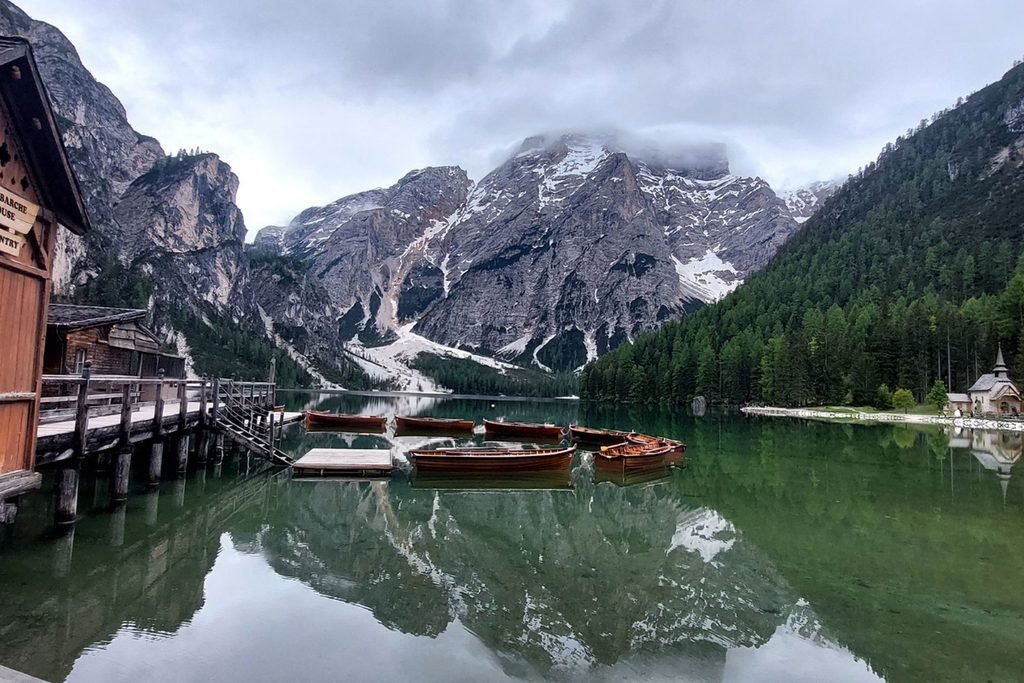
The circular walk around Lago di Braies is one of the most rewarding easy walks in the Dolomites. It offers remarkable mountain scenery without requiring a long or strenuous hike.
The trail follows the shoreline of the lake, passing through forested sections and beneath steep limestone slopes. The views change as you make your way around, with the mountains reflected in the remarkably clear water.
This was one of our absolute favourite walks. The towering mountains, peaceful shoreline and mirror-like reflections made Lago di Braies unforgettable. It was every bit as impressive as we’d hoped.
What to know before walking Lago di Braies:
- Distance: Approximately 3.5 kilometres around the lake.
- Duration: Allow 1–1.5 hours, or longer if you enjoy stopping for photographs.
- Difficulty: Easy to moderate, with some steps, uneven surfaces and narrow sections.
- Access: Designated parking areas and seasonal public transport connections.
- Best for: Lakeside scenery, photography and a relatively short mountain walk.
This walk is generally suitable for reasonably active visitors. However, the entire circuit isn’t suitable for wheelchairs or pushchairs. Some sections have steps and uneven terrain.
For a quieter experience, consider visiting early in the morning, particularly during the busy summer months.
Hiking Tre Cime di Lavaredo
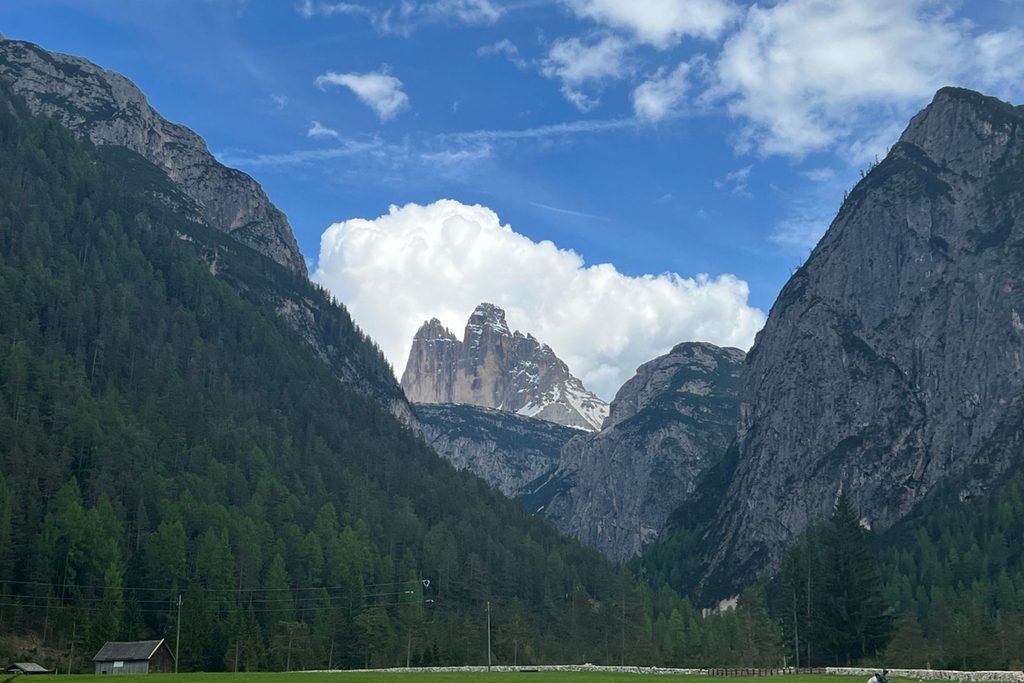
Tre Cime di Lavaredo is one of the Dolomites’ most famous hiking destinations. Three enormous limestone towers rise above rocky trails, alpine huts and dramatic mountain scenery.
The classic circuit begins near Rifugio Auronzo and follows marked mountain paths around the peaks. Along the way, hikers pass spectacular viewpoints and traditional mountain refuges.
Unlike the other walks in this section, we didn’t complete the Tre Cime circuit. Instead, we visited a panoramic viewpoint near Lago di Landro during our cycling adventure. From the valley, we could admire the distinctive peaks.
However, the full circuit remains high on our list for a return visit.
What to know before hiking Tre Cime di Lavaredo:
- Distance: Approximately 9–10 kilometres for the classic circuit, depending on the route.
- Duration: Allow around 3–4 hours, excluding longer stops.
- Difficulty: Moderate, with rocky terrain and several uphill and downhill sections.
- Access: The seasonal toll road towards Rifugio Auronzo, subject to current access and reservation arrangements.
- Best for: Iconic mountain scenery, panoramic viewpoints and a memorable alpine hiking experience.
The route reaches elevations above 2,000 metres, so snow and ice can remain on the trails well into the warmer months.
Always check conditions carefully before attempting the circuit. Pleasant weather in the valleys doesn’t necessarily mean the mountain trails are accessible.
Choosing the Right Hike in the Dolomites
With so many walking trails available, the best choice depends on your fitness level and the time of year. It’s also worth considering how much climbing you want to do.
For an easy introduction, Lago di Braies is an excellent option. Seceda offers spectacular high-altitude scenery with convenient cable car access.
The trails around Santa Maddalena are ideal if you prefer quieter surroundings. Tre Cime is popular with walkers seeking a longer mountain adventure.
Whatever route you choose, always check current trail conditions before setting out. As we discovered in late May, lovely weather in the valleys doesn’t mean higher trails are accessible. Snow can still make some routes impassable.
Cycling Through the Dolomites
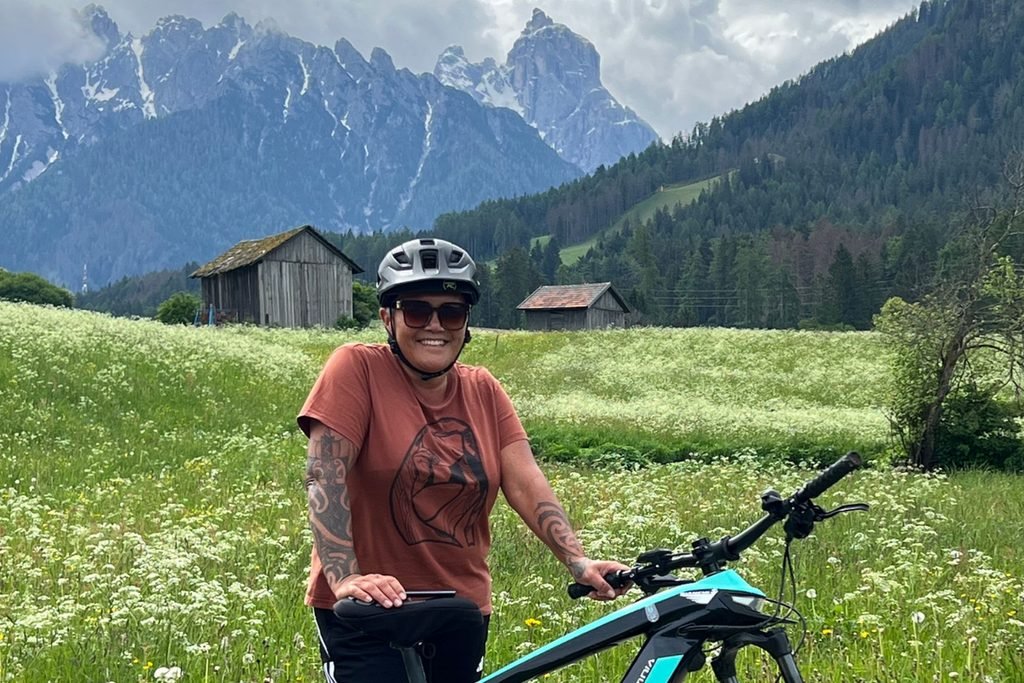
Cycling is one of the best ways to explore the Dolomites at a slower pace. An extensive network of well-maintained paths connects traditional alpine villages, scenic lakes and beautiful mountain valleys.
The region is famous for challenging mountain biking trails and steep road cycling routes. However, there are also plenty of gentler options for recreational cyclists.
One of the biggest advantages of cycling is noticing the smaller details you might miss when travelling by car. The routes pass traditional farmhouses, peaceful villages, rivers and lakes. Towering mountain peaks provide an incredible backdrop along the way.
Cycling from Monguelfo to Lago di Landro
During our visit, we hired bicycles from Huski Rentals in Monguelfo (Welsberg). We followed the cycling routes towards Lago di Landro, stopping at the panoramic viewpoint overlooking Tre Cime di Lavaredo.
This was one of our favourite activities in the Dolomites. The cycling paths were beautifully maintained, clearly signposted and easy to follow. We could concentrate on enjoying the scenery rather than worrying about navigating unfamiliar roads.
The route took us through lovely alpine villages, stretches of forest and open countryside. We stopped regularly to explore the towns along the way, admire the traditional architecture and take photographs.
At Lago di Landro, we stopped at the Vista Panoramica viewpoint. From here, we could see the famous Tre Cime peaks rising above the surrounding mountains.
On our return journey, we stopped at Ristorante al Lago di Dobbiaco for lunch beside the lake. It was a lovely place to relax before continuing our ride back towards Monguelfo.
Hiring Bicycles in the Dolomites

There are numerous bicycle rental shops throughout the Dolomites, particularly in popular cycling areas. These include Dobbiaco, San Candido, Monguelfo and Val Gardena.
Most offer conventional bicycles, mountain bikes and e-bikes. This makes it easier to find something suited to your preferred route and fitness level.
We hired our bikes from Huski Rentals Welsberg, where we received excellent service. We visited towards the end of May, outside the peak summer season. As a result, we paid approximately half the usual rental price, which was a fantastic bonus.
A few things worth considering when hiring bicycles:
- Choose the right bike: A conventional bicycle is suitable for many valley paths, while an e-bike can make longer distances and uphill sections more manageable.
- Ask about the route: Rental staff can often recommend suitable trails based on your experience and available time.
- Check what’s included: Helmets, locks and other accessories may be included or available for an additional charge.
- Consider a one-way ride: Some rental operators offer arrangements that allow you to return your bicycle at another location, although availability varies.
- Compare seasonal prices: Travelling outside peak season may offer savings, as we discovered.
Other Popular Cycling Routes in the Dolomites
If you’re planning to spend more time cycling, there are several established routes worth considering.
- Dobbiaco to San Candido: A relatively gentle valley ride connecting two attractive South Tyrolean towns, with mountain views and opportunities to stop along the way.
- San Candido to Lienz: A popular cross-border cycling route that follows the valley downhill towards Lienz in Austria. It’s particularly appealing for recreational cyclists, with train connections available for the return journey.
- Val Pusteria Cycle Path: A longer regional cycling route connecting towns and villages throughout the Puster Valley, with opportunities to complete shorter sections.
- Dobbiaco to Cortina d’Ampezzo: A scenic route following sections of a former railway line, passing mountain scenery and lakes including Lago di Dobbiaco and Lago di Landro. Some sections involve sustained climbing, so check the elevation profile before setting out.
Tips for Cycling in the Dolomites
Although many valley routes are suitable for casual cyclists, it’s worth remembering that you’re travelling through a mountain region.
Check the elevation profile before choosing a route, as even well-maintained cycling paths can include long uphill sections. Distances that appear manageable on a map may require more effort than expected.
Carry water, a light jacket and a few snacks, particularly if you’re cycling outside the main summer season. Some cafés and restaurants may be closed during quieter months.
Follow local cycling signs and respect pedestrians on shared paths. Also, check whether bicycles are permitted on any public transport you plan to use.
For us, cycling was a wonderful change from hiking and driving. We loved travelling between villages, stopping whenever we wanted and enjoying the mountain scenery at our own pace. It became one of the highlights of our stay.
Discover the Most Beautiful Lakes in the Dolomites
The Dolomites are home to some of Italy’s most spectacular alpine lakes. Their crystal-clear waters reflect towering limestone peaks, dense forests and dramatic mountain scenery.
Some lakes are easily accessible from nearby roads, while others require a hike through the mountains. Both offer wonderful opportunities to enjoy the outdoors.
Whether you love photography, lakeside walks, kayaking or simply relaxing, visiting an alpine lake is a must in the Dolomite
Lago di Braies (Pragser Wildsee)
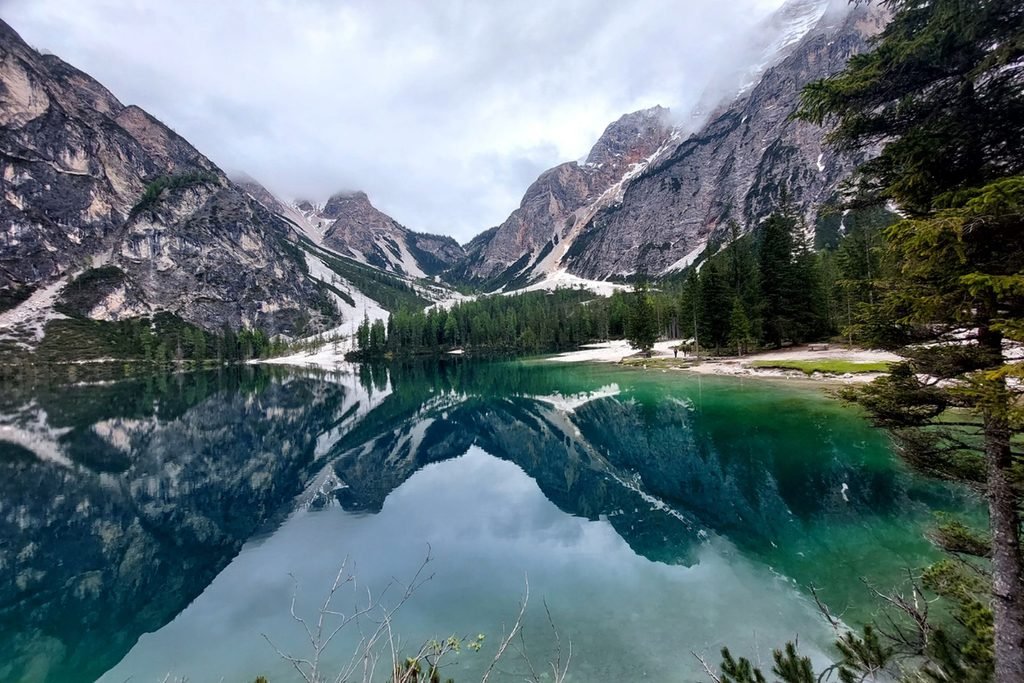
Lago di Braies is undoubtedly one of the most beautiful lakes in the Dolomites. It’s famous for its emerald-green water, dramatic mountain backdrop and remarkable reflections.
Steep limestone peaks and forested slopes surround the lake, creating scenery that changes with the light and weather. On calm days, the mountains reflect so clearly that the water almost resembles a mirror.
Of all the lakes we visited, this was one of my absolute favourites. The sheer scale of the surrounding mountains was incredible. The reflections were also some of the clearest we’d seen anywhere.
Things to do at Lago di Braies:
- Walk around the lake: Follow the approximately 3.5-kilometre circular trail for changing views of the water and mountains.
- Hire a traditional wooden rowing boat: A popular way to enjoy the lake during the seasonal operating period.
- Enjoy photography: The historic wooden boathouse, surrounding peaks and reflections provide wonderful photographic opportunities.
- Relax beside the water: Take time to appreciate the scenery from the accessible shoreline areas near the main entrance.
Lago di Braies is extremely popular, particularly during summer, when seasonal vehicle restrictions and parking arrangements may apply. Check current access information before visiting, and consider arriving early to avoid the busiest periods.
Lago di Dobbiaco (Toblacher See)
Located near Dobbiaco, Lago di Dobbiaco is a peaceful alpine lake surrounded by forests and mountains. It’s an excellent destination for a relaxed outing.
The lake sits within the Val di Landro valley and is easily accessible by road, bicycle or public transport.
A relatively gentle walking trail circles the shoreline, with information panels explaining the surrounding natural environment and local wildlife.
Things to do at Lago di Dobbiaco:
- Follow the approximately 2.5-kilometre lakeside nature trail.
- Watch for waterbirds and other wildlife around the shoreline.
- Enjoy a meal or refreshments at a nearby restaurant.
- Stop beside the lake while cycling through the valley.
We stopped for lunch at Ristorante al Lago di Dobbiaco during our cycling adventure. It was a lovely place to take a break and enjoy the surroundings.
Unlike some of the more dramatic high-altitude lakes, Lago di Dobbiaco has a gentler atmosphere. This makes it particularly appealing for families and visitors looking for an easy outing.
Lago di Landro (Dürrensee)
Lago di Landro is another beautiful alpine lake along the scenic route between Dobbiaco and Cortina d’Ampezzo. Impressive limestone mountains surround its waters.
The lake is known for its pale turquoise and green colours. The surrounding peaks create a striking contrast against the valley floor.
Its location makes it an easy addition to a scenic drive or cycling adventure. It’s particularly convenient for visitors exploring the eastern Dolomites.
Things to do at Lago di Landro:
- Stop at the shoreline to enjoy the mountain scenery.
- Photograph the reflections and changing colours of the lake.
- Explore nearby walking and cycling paths.
- Visit the panoramic viewpoint towards Tre Cime di Lavaredo.
One of the advantages of Lago di Landro is its proximity to several other attractions, allowing visitors to combine a lake visit with cycling, walking or exploring nearby villages.

Other Beautiful Lakes Worth Visiting
Although we didn’t visit every lake in the Dolomites, there are several others worth adding to your itinerary if you have more time.
- Lago di Carezza (Karersee): Famous for its vivid emerald and turquoise colours, with the Latemar mountains reflected in the water. A short walking trail provides several viewpoints around the lake.
- Lago di Misurina: A picturesque lake surrounded by mountain peaks, with lakeside walking opportunities, cafés and restaurants. It’s also a convenient stop when exploring the area around Tre Cime di Lavaredo.
- Lago di Sorapis: Known for its striking milky-turquoise water, reached by a mountain hiking trail near Cortina d’Ampezzo. The route includes exposed sections and is best suited to experienced, properly equipped hikers.
- Lago di Federa: A scenic mountain lake beneath the Croda da Lago range, reached by hiking trails through forest and alpine countryside.
- Lago di Anterselva (Antholzer See): A beautiful lake in the Valle di Anterselva, surrounded by forest and mountains, with an enjoyable walking trail around its shoreline.
Tips for Visiting the Dolomites’ Lakes
While many of the lakes are accessible throughout the year, the activities available depend on the season and local conditions.
Spring and autumn can be particularly rewarding for photography, with changing colours, quieter surroundings and snow sometimes remaining on the surrounding mountains.
During summer, popular lakes can become busy, so arriving early or later in the day may provide a more relaxed experience.
Remember that swimming, boating and other water activities are not permitted at every lake, and restrictions may apply to protect fragile alpine environments. Always follow local signs and regulations.
For us, the lakes added another dimension to our time in the Dolomites. Each had its own character, from the extraordinary reflections at Lago di Braies to the peaceful surroundings of Lago di Dobbiaco and the mountain scenery around Lago di Landro.
Take a Cable Car into the Mountains
One of the best things to do in the Dolomites is take a cable car high into the mountains. Spectacular panoramic views, alpine walking trails and traditional mountain restaurants await.
The region has an extensive network of gondolas, cable cars and chairlifts. These make some of its most impressive landscapes accessible without hours of strenuous climbing.
For hikers, mountain lifts provide a convenient starting point for exploring higher trails. If you prefer a relaxed outing, simply reaching the upper stations can be an unforgettable experience. The surrounding scenery is well worth the journey.
Seceda Cable Car from Ortisei
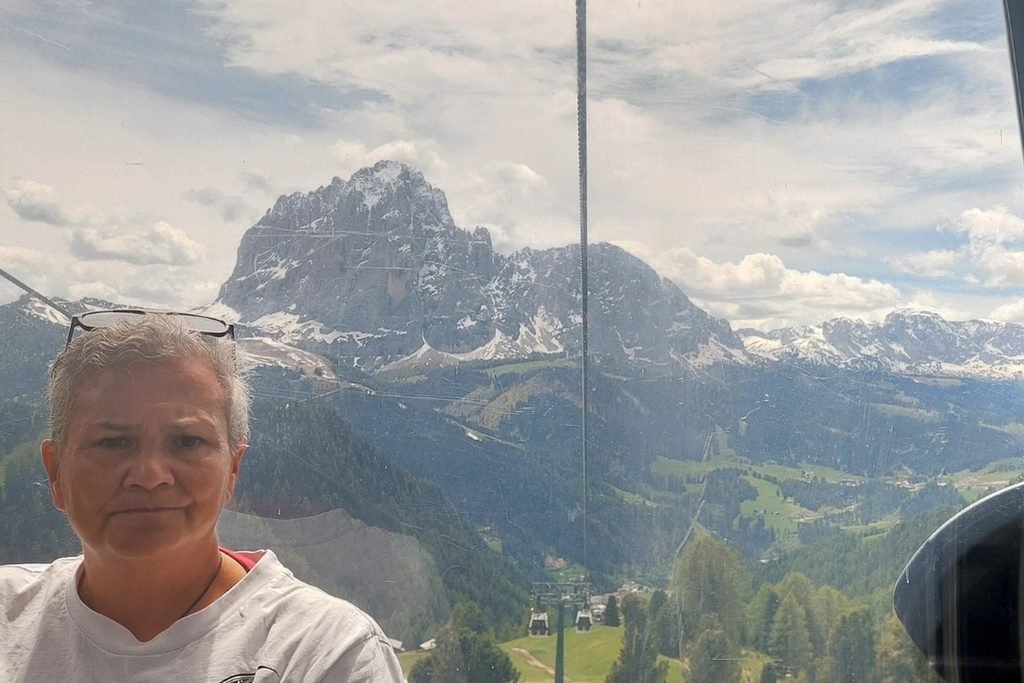
Seceda is one of the most spectacular cable car destinations in the Dolomites, offering visitors the chance to experience its famous jagged ridgeline without having to complete a demanding mountain hike.
The journey begins in Ortisei, where the Ortisei–Furnes gondola connects with the Furnes–Seceda cable car, taking visitors to an elevation of approximately 2,500 metres.
Even if you’re not planning to hike, the cable car journey is an experience in itself. From the upper station, a short uphill walk leads towards the famous panoramic viewpoint, where you can appreciate the extraordinary scale of the surrounding mountains.
Why visit Seceda?
- Experience one of the Dolomites’ most recognisable mountain landscapes.
- Enjoy spectacular views without a strenuous uphill climb.
- Take a short walk to the panoramic viewpoint.
- Visit a mountain restaurant during its operating season.
Although the viewpoint is relatively close to the upper station, the paths can be steep or uneven, so comfortable walking shoes and warm clothing are recommended.
Alpe di Siusi Cable Car
Alpe di Siusi (Seiser Alm) is Europe’s largest high-altitude alpine meadow, surrounded by the impressive Sassolungo and Sciliar mountain groups.
The cable car from Siusi allo Sciliar takes visitors up to Compatsch, one of the main access points for exploring the plateau.
Unlike the dramatic, jagged ridgeline of Seceda, Alpe di Siusi is known for its expansive grassy meadows, traditional alpine huts and extensive network of walking and cycling routes.
Visitors can enjoy:
- Gentle walks across the alpine plateau.
- Longer hiking routes towards surrounding mountain peaks.
- Traditional South Tyrolean meals at mountain huts.
- Panoramic views across the surrounding mountain ranges.
Alpe di Siusi is particularly appealing for visitors wanting to enjoy mountain scenery without tackling steep, rocky hiking trails, although some routes still involve considerable elevation changes.
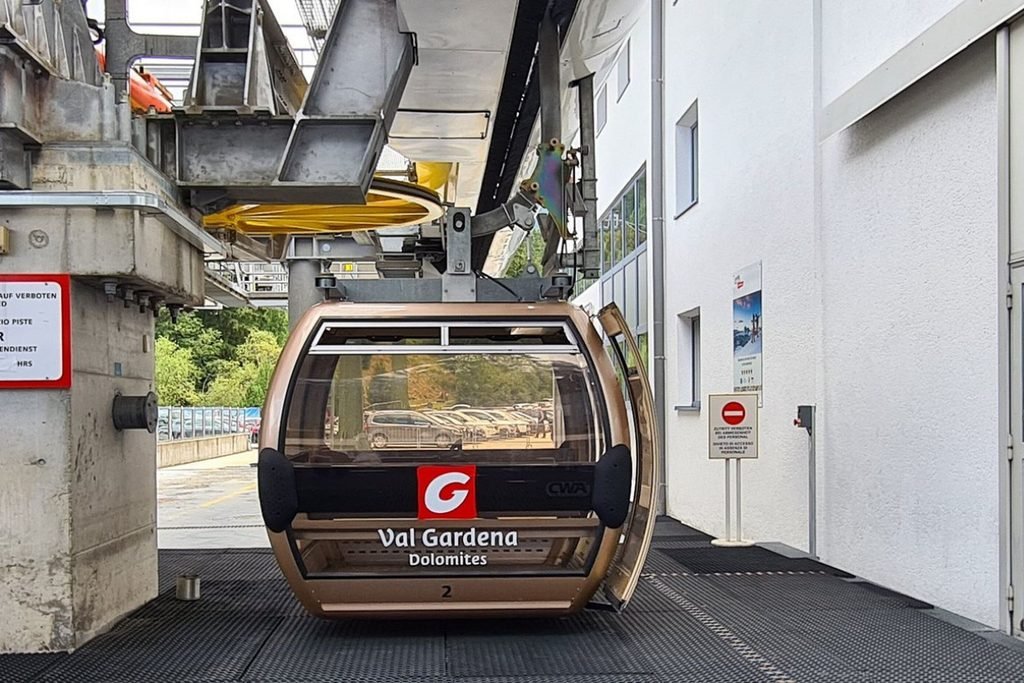
Lagazuoi Cable Car
Located near Passo Falzarego, west of Cortina d’Ampezzo, the Lagazuoi cable car provides access to one of the most impressive panoramic viewpoints in the eastern Dolomites.
The cable car travels from the mountain pass to an elevation of approximately 2,750 metres, where visitors can enjoy extensive views across the surrounding peaks.
Lagazuoi is also historically significant, with tunnels, trenches and other remains from the First World War scattered throughout the mountain.
Highlights of visiting Lagazuoi include:
- Panoramic views from the upper mountain station.
- Short walks to spectacular viewpoints.
- Exploring historical First World War sites.
- Visiting Rifugio Lagazuoi, a mountain refuge near the summit.
The historical tunnel routes are considerably more demanding than simply visiting the viewpoints and require appropriate equipment and preparation.
Col Raiser Gondola
The Col Raiser gondola departs from Santa Cristina in Val Gardena, providing access to beautiful alpine meadows beneath the Odle mountain range.
This area is popular with hikers because of its extensive trail network, traditional mountain huts and views of the surrounding limestone peaks.
From the upper station, visitors can choose between shorter walks and longer routes connecting with other parts of the Val Gardena hiking network.
Col Raiser is a particularly good option for those who want to combine mountain scenery with a traditional alpine restaurant stop.
Tips for Using Cable Cars in the Dolomites
Cable cars are a wonderful way to reach the mountains, but operating schedules vary considerably throughout the year, particularly during the quieter periods between winter and summer.
Before planning your visit, keep these points in mind:
- Check operating dates: Not all cable cars run year-round, and some close for several weeks between seasons.
- Allow time at the top: Even a short visit can turn into several hours once you begin exploring the viewpoints and trails.
- Prepare for cooler temperatures: Mountain stations can be significantly colder and windier than the towns below.
- Check ticket options: Return tickets, single journeys and regional lift passes may be available, depending on the operator.
- Watch the last departure time: Make sure you know when the final cable car descends, especially if you’re planning a longer walk.
- Consider visibility: Cloud, fog and strong winds can affect the views, and severe weather may temporarily interrupt services.
We were fortunate to have suitable conditions for our visit to Seceda, but travelling towards the end of May meant checking which mountain facilities were operating and which trails remained affected by snow.
Even if hiking isn’t your main interest, taking a cable car into the Dolomites is an experience worth including in your itinerary. The opportunity to stand among those enormous mountain peaks and appreciate the landscape from above is something you won’t easily forget.
Explore the Charming Alpine Villages and Towns
The mountains and lakes attract plenty of attention, but exploring traditional villages is equally rewarding. The Dolomites are filled with charming alpine towns and beautifully maintained settlements.
You’ll discover distinctive timber houses, colourful balconies, historic churches and enormous farm buildings. These reflect the region’s strong agricultural heritage.
One of the things that fascinated us most was the architecture. Many of the houses were enormous, almost barn-like structures, with beautifully crafted timber exteriors and substantial roofs. Even the woodsheds were impressive buildings, often filled with perfectly stacked firewood.
The villages we passed through seemed exceptionally well cared for, with tidy gardens, green pastures and beautiful traditional buildings.
There was a wonderful sense of peace wherever we went. We often found ourselves stopping simply to admire the houses and surrounding countryside.
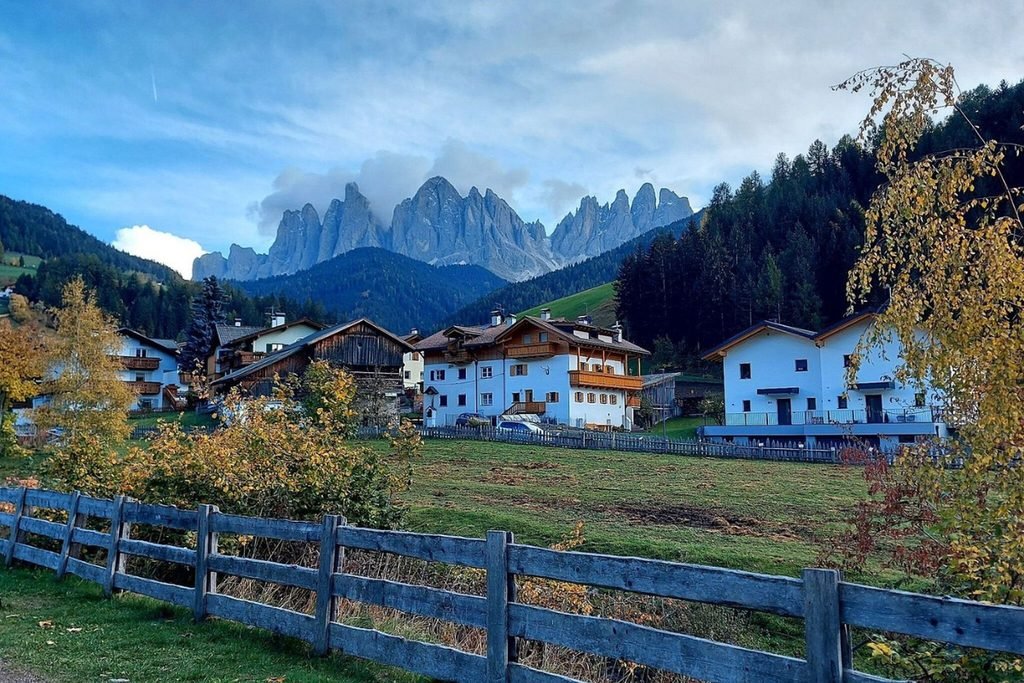
Santa Maddalena and Val di Funes
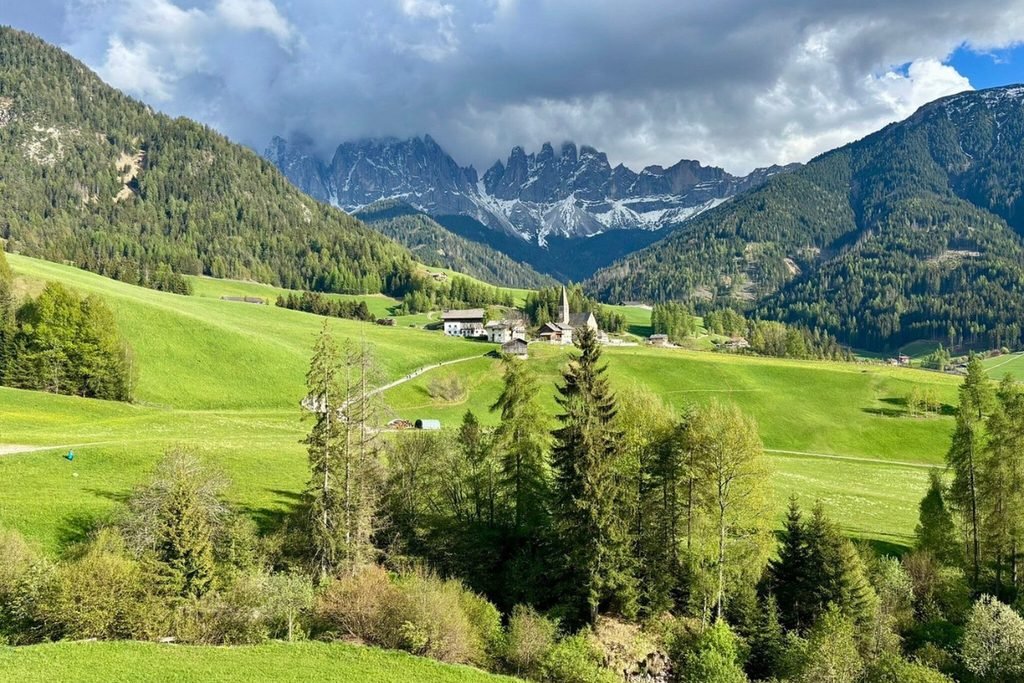
Santa Maddalena (St. Magdalena) is one of the most picturesque villages in the Dolomites. It sits in the peaceful Val di Funes valley beneath the dramatic Odle mountain range.
The village is particularly famous for its traditional church surrounded by green pastures. The jagged mountain peaks create one of the region’s most recognisable photographic scenes.
We stayed nearby in San Martino, so this was an area we became particularly fond of. The surrounding countryside was extraordinary, with enormous alpine farmhouses, traditional timber buildings and beautifully maintained properties scattered throughout the valley.
Things to do around Santa Maddalena:
- Visit the famous Santa Maddalena Church and surrounding viewpoints.
- Discover the traditional alpine architecture and rural villages.
- Follow walking trails through the valley and surrounding countryside.
- Visit local mountain restaurants and sample South Tyrolean specialities.
For anyone who prefers quieter surroundings to busy resort towns, Val di Funes is a wonderful area to spend time.
Ortisei in Val Gardena
Ortisei (St. Ulrich) is one of the best-known alpine towns in Val Gardena, surrounded by impressive mountains and offering convenient access to some of the Dolomites’ most popular attractions.
The town has a charming centre with traditional buildings, pedestrian-friendly streets, cafés, restaurants and shops selling local products.
Ortisei is particularly well known for its long tradition of woodcarving, an important part of the valley’s Ladin cultural heritage. Local workshops and galleries showcase beautifully crafted wooden sculptures and other traditional artwork.
Things to do in Ortisei:
- Wander through the attractive pedestrianised town centre.
- Browse local woodcarving workshops and artisan shops.
- Take the cable car towards Seceda for panoramic mountain views.
- Access Alpe di Siusi using the cable car from Ortisei.
- Enjoy traditional South Tyrolean food at local restaurants.
We visited Ortisei on our way to Seceda and found it an attractive mountain town, with its colourful buildings and dramatic surroundings adding to the experience.
Cortina d’Ampezzo
Surrounded by some of the eastern Dolomites’ most impressive peaks, Cortina d’Ampezzo is a lively alpine town combining traditional mountain character with elegant shops, cafés and restaurants.
Its attractive town centre is ideal for wandering, with colourful buildings, pedestrian areas and views of the surrounding mountains appearing between the streets.
Cortina has long been associated with winter sports and mountain tourism, but it is equally appealing outside the ski season.
Things to do in Cortina d’Ampezzo:
- Explore the historic town centre and pedestrian streets.
- Visit local shops, cafés and traditional restaurants.
- Admire the distinctive alpine architecture.
- Discover nearby scenic mountain passes and viewpoints.
- Use the town as a base for hiking and other outdoor activities.
We had passed through Cortina earlier in our travels but hadn’t stopped, so we made a point of returning during our stay in the Dolomites.
I’m so glad we did. The town was every bit as attractive as we’d imagined, and spending time wandering through its streets gave us another opportunity to appreciate the region beyond its hiking trails.
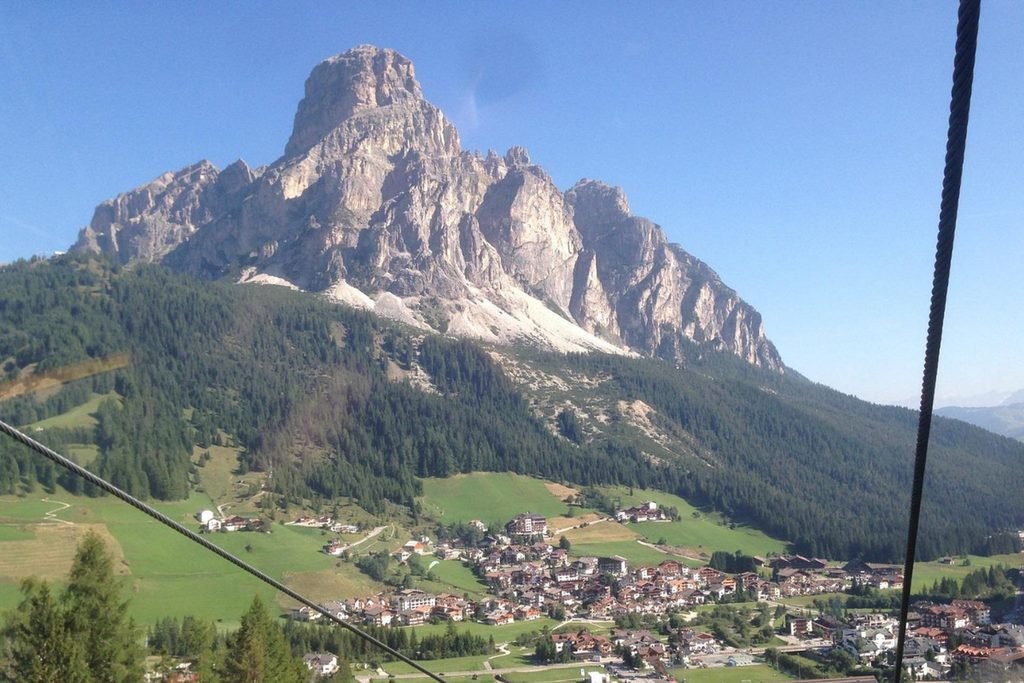
Other Alpine Towns and Villages Worth Visiting
There are many other towns and villages scattered throughout the Dolomites, each offering a slightly different atmosphere.
- Dobbiaco (Toblach): An attractive town in the Puster Valley, conveniently located for visiting Lago di Dobbiaco, Lago di Braies and the surrounding cycling routes.
- San Candido (Innichen): Known for its colourful town centre, historic churches and mountain backdrop, with easy access to walking and cycling trails.
- Castelrotto (Kastelruth): A traditional South Tyrolean village near Alpe di Siusi, with beautifully decorated buildings and a historic village square.
- Selva di Val Gardena (Wolkenstein): A popular mountain resort surrounded by dramatic peaks, offering access to hiking trails, cable cars and scenic mountain passes.
- Sesto (Sexten): A mountain village in the eastern Dolomites, known for its impressive mountain scenery and proximity to hiking routes around the Sesto Dolomites.
Enjoy a Scenic Drive Through the Dolomites
One of the best things to do in the Dolomites is simply get behind the wheel and discover the spectacular mountain roads connecting its valleys, villages and alpine passes. With enormous limestone peaks towering above the roads, green pastures stretching across the valley floors and traditional farmhouses scattered throughout the countryside, the scenery is constantly changing.
Unlike many destinations where driving is simply a way of reaching an attraction, travelling through the Dolomites can be an adventure in its own right. Some routes climb through dramatic mountain passes, while others wind through peaceful valleys and villages where you’ll find yourself wanting to stop every few kilometres.
We travelled throughout the region in our leased car, and some of our favourite moments came from taking alternative routes, discovering unexpected viewpoints and exploring places that weren’t originally on our itinerary.
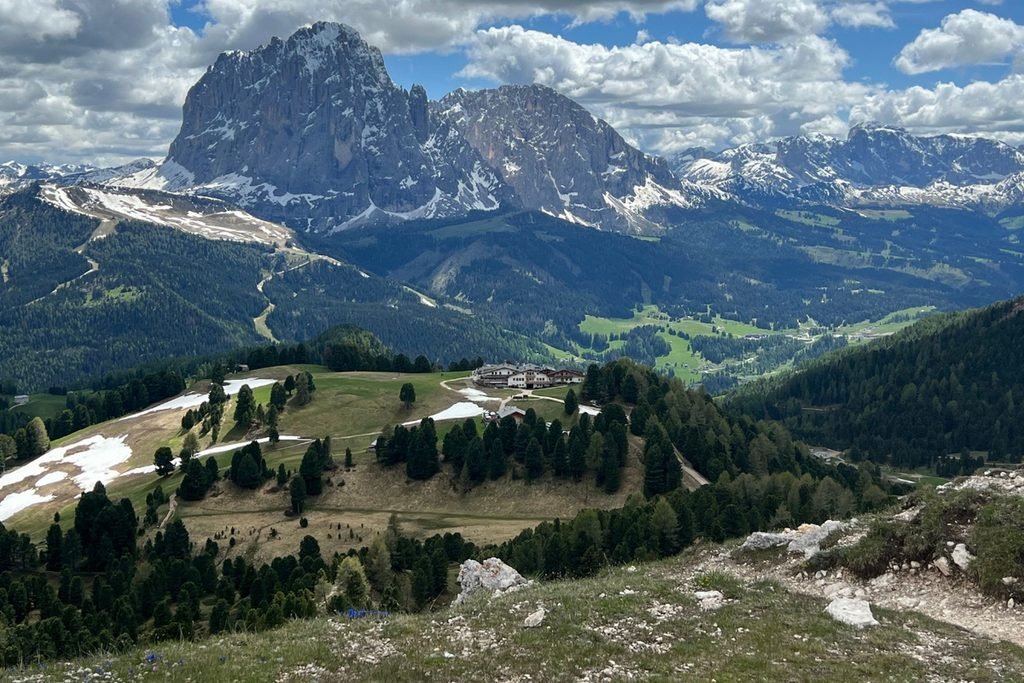
Drive Through Passo Gardena
Passo Gardena (Grödner Joch) is one of the most spectacular mountain passes in the Dolomites, connecting Val Gardena with Val Badia at an elevation of approximately 2,121 metres.
The road winds between towering limestone formations, with panoramic views of the Sella massif, Cir peaks and surrounding mountain valleys.
There are several places to stop along the route, making it popular with photographers, cyclists and travellers enjoying a scenic drive.
Highlights of Passo Gardena include:
- Dramatic views of the surrounding limestone peaks.
- Panoramic viewpoints and designated stopping areas.
- Access to mountain walking trails.
- Traditional alpine restaurants and mountain huts in the surrounding area.
Allow plenty of time for photographs, particularly if you’re combining the drive with other mountain passes.
Explore Passo Sella
Located between Val Gardena and Val di Fassa, Passo Sella (Sellajoch) is another remarkable mountain pass, reaching an elevation of approximately 2,240 metres.
The road passes beneath the enormous Sassolungo mountain group, with dramatic rock formations rising above the surrounding alpine meadows.
Passo Sella is particularly popular for its mountain views and access to hiking trails, but it’s equally rewarding for visitors who simply want to appreciate the scenery from the road.
There are designated parking areas and viewpoints along the pass, although these can become busy during the summer months.
Discover Passo Falzarego
Passo Falzarego is a scenic mountain pass near Cortina d’Ampezzo, surrounded by dramatic peaks and landscapes shaped by the region’s First World War history.
At approximately 2,105 metres above sea level, the pass provides access to the Lagazuoi cable car and several mountain walking routes.
The surrounding scenery includes steep rock faces, alpine valleys and impressive viewpoints, making it a worthwhile destination even if you’re not planning a hike.
Visitors interested in history can also discover the remains of wartime fortifications and mountain positions in the surrounding area.
Drive Through Val di Funes
Not every scenic drive in the Dolomites involves climbing a high mountain pass.
Val di Funes (Villnösstal) offers one of the most picturesque valley drives in the region, with traditional alpine villages, beautifully maintained farmhouses and the jagged Odle peaks rising above the countryside.
The road passes through small settlements and green pastures, with opportunities to stop and appreciate the traditional South Tyrolean architecture.
This was the valley where we stayed, and we never tired of the scenery. The enormous farm buildings, carefully maintained properties and peaceful surroundings were just as fascinating to us as the mountains themselves.
For travellers who prefer a relaxed drive with opportunities for short walks and village visits, Val di Funes is a wonderful choice.
Our Unexpected Visit to Hotel Hubertus
Sometimes the most memorable discoveries happen when you take a different road.
While driving towards Ortisei for our Seceda adventure, we decided to follow an alternative route that took us past Hotel Hubertus in Valdaora (Olang).
The funny thing was that the hotel had featured on television back home in New Zealand just the night before. Our family had been watching and asked whether we’d seen it during our travels.
And there it was, right in front of us!
Naturally, we couldn’t resist stopping to have a look.
Hotel Hubertus is famous for its striking contemporary alpine architecture, particularly its extraordinary elevated infinity pool extending out from the building, with mountain views beyond.
Seeing it in person was quite something, especially after our family had only just been talking about it. It was one of those unexpected little coincidences that make travelling so enjoyable.
Tips for Enjoying a Scenic Drive
The Dolomites are a wonderful region for a road trip, but the mountain roads deserve a little extra planning.
- Allow extra time: Mountain roads are winding, and you’ll probably want to stop regularly for photographs.
- Check road conditions: Snow can affect higher passes outside the main summer season.
- Use designated parking areas: Avoid stopping on narrow roads or blocking access for other vehicles.
- Watch for cyclists: The mountain passes are popular with road cyclists, particularly during warmer months.
- Plan a flexible route: Weather conditions and visibility can change quickly in the mountains.
- Check seasonal restrictions: Some roads and popular destinations may have traffic controls or access restrictions during busy periods.
If you’re planning a longer journey through Europe, read our guide to Leasing a Car in Europe, where we share our experience travelling approximately 12,000 kilometres in our leased vehicle.
For us, driving through the Dolomites was never just about getting from one destination to another. It was about discovering the villages, mountain scenery and unexpected places along the way, often without knowing what we’d find around the next bend.
Discover Traditional South Tyrolean Food
One of the pleasures of visiting the Dolomites is discovering its distinctive South Tyrolean cuisine, where Italian, Austrian and Alpine traditions come together. Unlike the pasta, pizza and Mediterranean flavours associated with much of Italy, food in this region is often hearty and comforting, with traditional dumplings, cured meats, mountain cheeses and homemade dishes reflecting its agricultural heritage.
You’ll find everything from welcoming mountain restaurants serving traditional meals to small village bakeries, local butchers and food shops selling regional specialities. Whether you’re eating out or preparing your own meals, trying the local food is another wonderful way to experience the culture of the Dolomites.
Traditional South Tyrolean Dishes to Try
There are several regional specialities worth looking out for during your visit.
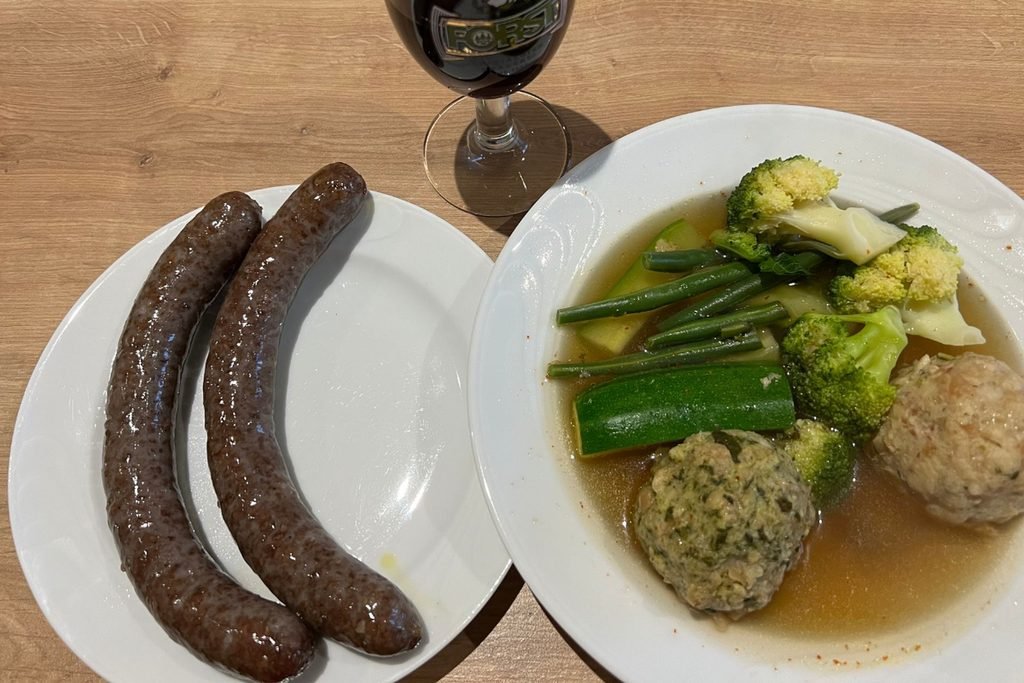
- Canederli (Knödel): Traditional bread dumplings often prepared with speck, cheese or spinach. They can be served in broth, with melted butter or alongside hearty meat dishes.
- Speck Alto Adige: A lightly smoked and cured ham that’s a South Tyrolean speciality, often served with bread, cheese or as part of a traditional platter.
- Schlutzkrapfen: Half-moon-shaped pasta parcels, commonly filled with spinach and ricotta, then served with melted butter and Parmesan.
- Spätzle: Small, soft egg dumplings, sometimes made with spinach and served with cheese or creamy sauces.
- Gulasch: A rich, slow-cooked meat stew influenced by Central European cooking traditions, often accompanied by dumplings or polenta.
- Kaiserschmarrn: A traditional shredded pancake, lightly caramelised and usually served with fruit compote or icing sugar.
- Apple Strudel: A popular Alpine dessert made with thin pastry, apples, cinnamon and raisins, often served warm.
You’ll notice many dishes have both Italian and German names, reflecting the region’s bilingual culture and strong Austrian influences.
Shopping at Local Butchers and Food Stores
During our six days in the Dolomites, we cooked our evening meals at our accommodation rather than eating out, which gave us a wonderful opportunity to discover local ingredients and traditional foods.
We particularly enjoyed visiting the village butchers, where we could find regional meat products and specialities quite different from those we’d encountered elsewhere in Italy.
One of our favourite discoveries was a type of traditional dumpling that reminded us of a large meatball. We’d heard about a particular village where they were recommended, so naturally, we decided to make the trip and buy some.
Unfortunately, I can’t remember the name of the village, but it turned out to be another beautiful little place, and the drive itself was well worth it.
These small food discoveries were part of what made travelling through the Dolomites so enjoyable. Rather than always choosing familiar ingredients, we could try something different and prepare meals using products from the surrounding region.
If you’re staying in self-catering accommodation, visiting a local butcher, bakery or food shop is a great way to sample South Tyrolean specialities while keeping your food costs manageable.

Enjoy a Meal at a Traditional Mountain Hut
Another memorable food experience in the Dolomites is stopping at a traditional mountain hut, known locally as a Malga or Alm.
These alpine establishments are often located along hiking trails or in mountain pastures, serving hearty regional meals to walkers and visitors.
Menus commonly feature dumplings, soups, meat dishes, cheeses and homemade desserts, although the selection varies between establishments.
During our hike above Santa Maddalena, we visited Malga Ascht-Alm, a lovely mountain restaurant surrounded by spectacular alpine scenery.
After spending time walking through the mountains, sitting down to a delicious meal in such beautiful surroundings was a real highlight.
For anyone planning a mountain walk, it’s worth checking whether there’s a traditional alpine restaurant along the route. Just remember that many operate seasonally, so confirm opening dates before relying on them for food.
Practical Tips for Enjoying Outdoor Activities in the Dolomites
With so many outdoor adventures available, a little preparation will help you make the most of your time in the Dolomites. Whether you’re hiking, cycling or visiting mountain viewpoints, it’s important to remember that conditions can change quickly, particularly at higher elevations.
Here are a few additional tips worth keeping in mind:
- Plan activities around the weather: Clear mornings can be ideal for mountain hikes and viewpoints, while afternoons may bring cloud, rain or thunderstorms. Check local forecasts before heading out.
- Know your limits: Choose walking and cycling routes that suit your fitness and experience. Some mountain trails include steep climbs, exposed sections or loose rocky surfaces.
- Allow extra time: Distances can be deceptive in mountainous terrain. Factor in elevation changes, rest stops and plenty of time to appreciate the scenery.
- Check mountain hut opening dates: Not all restaurants and refuges operate year-round, particularly during the quieter spring and autumn periods.
- Carry essential supplies: Take sufficient water, snacks, sun protection, a waterproof jacket and a basic first-aid kit when heading into the mountains.
- Respect trail closures: Snow, rockfall and maintenance can make some routes unsafe. Never ignore closure signs or attempt to cross inaccessible sections.
- Have a backup plan: Keep a few lower-altitude activities in mind in case mountain conditions prevent you from completing your original plans.
One of the most useful lessons from our late-May visit was learning to be flexible. Although several higher trails were still closed because of snow, we discovered that there was far more to the Dolomites than the hikes we’d originally planned.
Planning your own Dolomites adventure? Explore our complete guide to Planning a Journey Through the Dolomites for practical travel tips, scenic routes and everything you need to know before visiting. Then discover Where to Stay in the Dolomites to find the perfect base for your mountain getaway.
Final Thoughts
The Dolomites were everything we’d hoped for and so much more. As people who love hiking and spending time outdoors, we’d arrived with high expectations, but nothing quite prepared us for the sheer scale of the mountains or the beauty of the surrounding villages and valleys.
What made this region particularly special was the variety. One day we could be hiking high above the valleys, the next cycling between alpine villages or walking beside a lake with mountains reflected perfectly in its water.
Even the quieter moments, admiring traditional farmhouses, discovering local food or enjoying our homemade sandwiches surrounded by enormous peaks, became some of our favourite memories.
Six days gave us a wonderful introduction to the Dolomites, but it certainly wasn’t enough to satisfy our desire to explore more. There are still so many trails we’d love to hike and places we’d like to discover, and I know we’ll return one day.
“The best adventures aren’t always about reaching the highest peak, but discovering everything that makes the journey worthwhile.”
🌍 Travel Planning Resources
These are the tools we personally use and trust when planning our travels from finding a place to stay to booking activities, transport and insurance. Let your “Tohu” guide you “Trust the Journey” and follow what feels right for you.
- ✈️Flights – Compare great deals with Trip.com then Kiwi.com for flexible, affordable options.
- 🚐 Campervans – Compare rental deals with Motorhome Republic across Aotearoa and beyond.
- 🛏️ Stays – Compare hotels on Trip.com and TripAdvisor or Booking.com.
- 🚐 Rental Cars – Compare prices and book through Airport Rentals by Motorhome Republic for trusted brands and easy airport pickup.
- 🎟️ Activities – Browse tours and experiences on Viator, Get Your Guide, or TripAdvisor
- 🚆12Go Asia – Compare and book trains, buses, and ferries across Asia in one place with 12Go.
- 🛡️ Travel Insurance – Get flexible short-term coverage with Insubuy for your next holiday.
- 💳 Travel Money – Send, spend and manage money internationally with Wise, with easy currency conversion and a handy option for travellers.
- 🔒 Protect Your Privacy with a VPN – We recommend Surfshark VPN for secure and private browsing while travelling. It’s fast, affordable and works worldwide, perfect for public Wi-Fi at airports, cafes and hotels.
- 📱 Travel eSIM – Stay connected with Airalo
- 💼 Lounge Access – Treat yourself with Priority Pass for UK or US
- 🎶 Events & Concerts – Book tickets worldwide through Ticketmaster.
🧭 Note: Some booking links can be a bit shy when you’re using a VPN. If one doesn’t open, try pausing your VPN or switching to a different server location or secure Wi-Fi network to get things flowing again.