
Venice is one of Italy’s most recognisable destinations, famous for its canals, historic bridges, grand palaces and narrow pedestrian streets. Built across a collection of islands in the Venetian Lagoon, this remarkable city offers a travel experience unlike anywhere else in Italy. From gondolas gliding along the waterways to centuries-old buildings overlooking the Grand Canal, there is plenty to discover beyond its famous landmarks. Planning a journey to Venice involves more than choosing what to see. Knowing when to visit, where to stay and how to get around can make a considerable difference, particularly in a city that attracts millions of visitors each year.
Is Venice Worth Visiting?

Absolutely, Venice is worth visiting at least once, even if you generally prefer quieter destinations. Its network of canals, bridges and hidden alleyways creates an atmosphere that is difficult to appreciate fully until you are there. However, Venice is also one of Italy’s busiest tourist destinations, and large crowds can make sightseeing challenging. Visiting during the week, allowing enough time to wander and choosing your accommodation carefully can help you make the most of your stay. While some travellers fall in love with Venice and return repeatedly, others find that one visit is enough. Either way, its history, architecture and unusual setting make it a memorable addition to an Italian itinerary.
Our Experience Exploring Venice
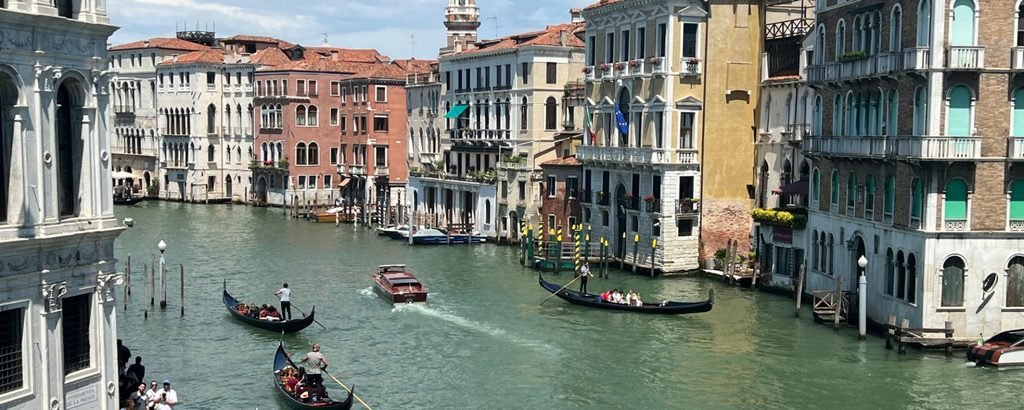
We’ve visited Venice twice, and each visit gave us a completely different impression of the city. My first trip was in July, when I spent three days staying in an apartment right in the historic centre. Despite the intense summer heat and crowds, I loved wandering through the narrow streets, discovering little shops and getting hopelessly lost among the canals and bridges. Years later, I returned with Toni in May, this time staying on the mainland and travelling into Venice by train. The weather changed from overcast skies to heavy rain before turning hot and muggy, while the weekend crowds made navigating the streets increasingly difficult. Although my second visit wasn’t quite as magical as the first, watching Toni discover Venice for the first time was a highlight. Would we return? Probably not. Would we recommend visiting? Definitely. Venice is one of those places you really need to see for yourself.
Table of Contents
Best Things to Do in Venice
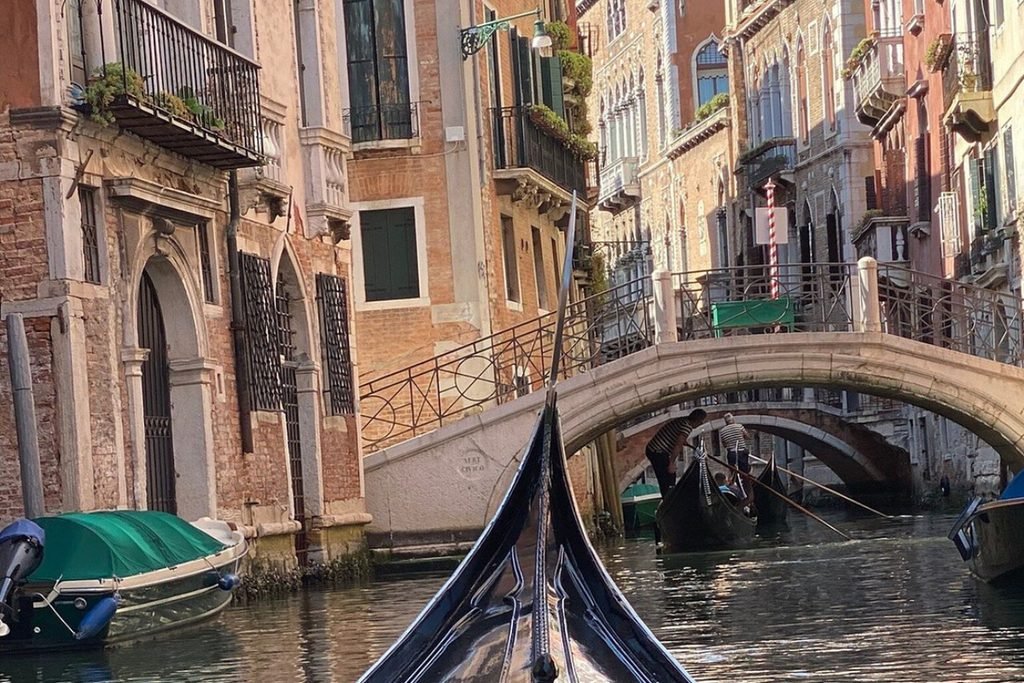
Venice may be a relatively small city, but its canals, historic landmarks and winding streets offer plenty to discover. Some of the best things to do in Venice involve its famous attractions, while others are as simple as wandering away from the main tourist areas.
Here are a few highlights worth including in your visit:
- Take a gondola ride: Glide through Venice’s canals aboard a traditional gondola. On my first visit, our gondolier even sang as we travelled along the waterways.
- Visit Doge’s Palace: Discover the grand halls, elaborate ceilings and remarkable artwork inside one of Venice’s most impressive historic buildings.
- Explore Piazza San Marco: Admire St Mark’s Basilica, the surrounding architecture and the lively atmosphere of Venice’s most famous square.
- Walk across Rialto Bridge: One of Venice’s most recognisable landmarks, offering views over the Grand Canal.
- Join a walking tour: Learn about Venice’s history while discovering narrow alleyways, hidden squares and places you might otherwise overlook.
- Visit Murano Island: Take a boat trip to this colourful island, famous for its traditional Venetian glassmaking.
One of my favourite parts of Venice was simply wandering without a particular destination. Every bridge seemed to lead somewhere interesting, although finding my way back was another story!
Planning your sightseeing? Read our guide to the Best Things to Do in Venice for a closer look at the city’s famous attractions, memorable activities and experiences worth adding to your itinerary.
Where to Stay in Venice
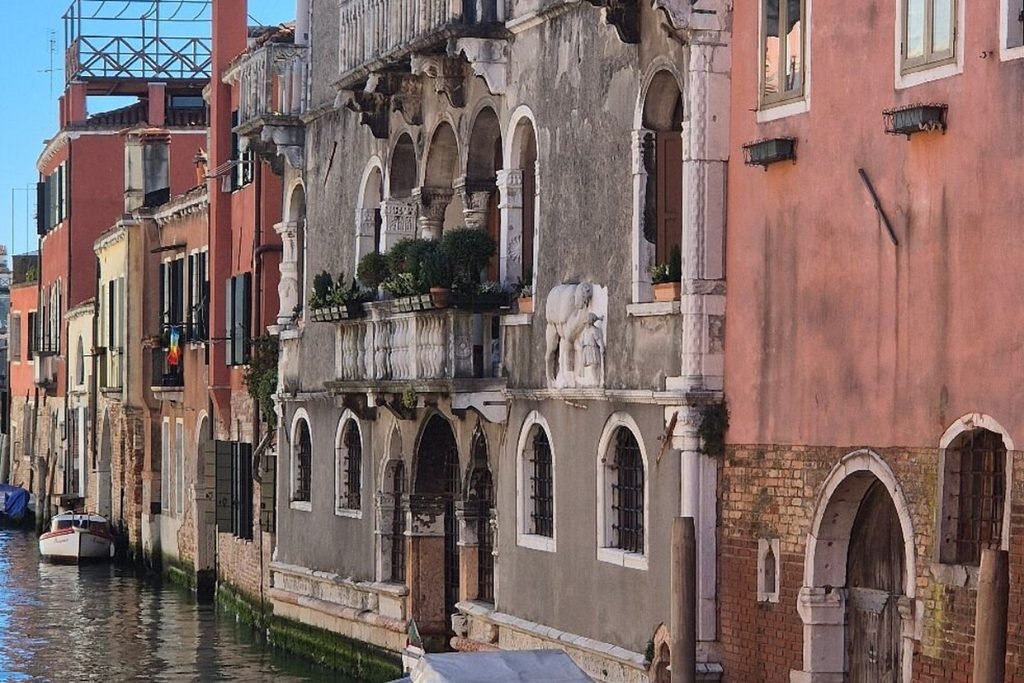
Choosing where to stay in Venice can make a big difference to your visit, particularly when considering accommodation costs, transport connections and parking. While staying in the historic centre puts you among the canals and famous landmarks, mainland Venice and nearby towns offer practical alternatives, often at more affordable prices.
There are three main areas worth considering:
- Venice Historic Centre: Ideal for first-time visitors wanting to stay among the canals, bridges and attractions. Accommodation can be expensive, but you’ll have the advantage of exploring early in the morning and later in the evening when the day-trippers have left.
- Mestre (Mainland Venice): A convenient and often cheaper alternative, with frequent train connections to Venezia Santa Lucia station. It’s particularly practical for travellers with a car who need accommodation with parking.
- Surrounding Towns: Places such as Treviso offer a quieter atmosphere, local restaurants and train connections to Venice. These are good options for travellers who prefer staying away from the busiest tourist areas.
We’ve experienced both staying in the heart of Venice and choosing mainland accommodation. On our second visit, we were travelling through Italy in our Leased Car through Europe, so finding a hotel with parking and easy access to the train station was essential.
Looking for the best place to base yourself? Read our guide to Where to Stay in Venice and Surrounding Towns for a closer look at accommodation options, convenient locations and practical tips for choosing the right area for your visit.
Best Time to Visit Venice
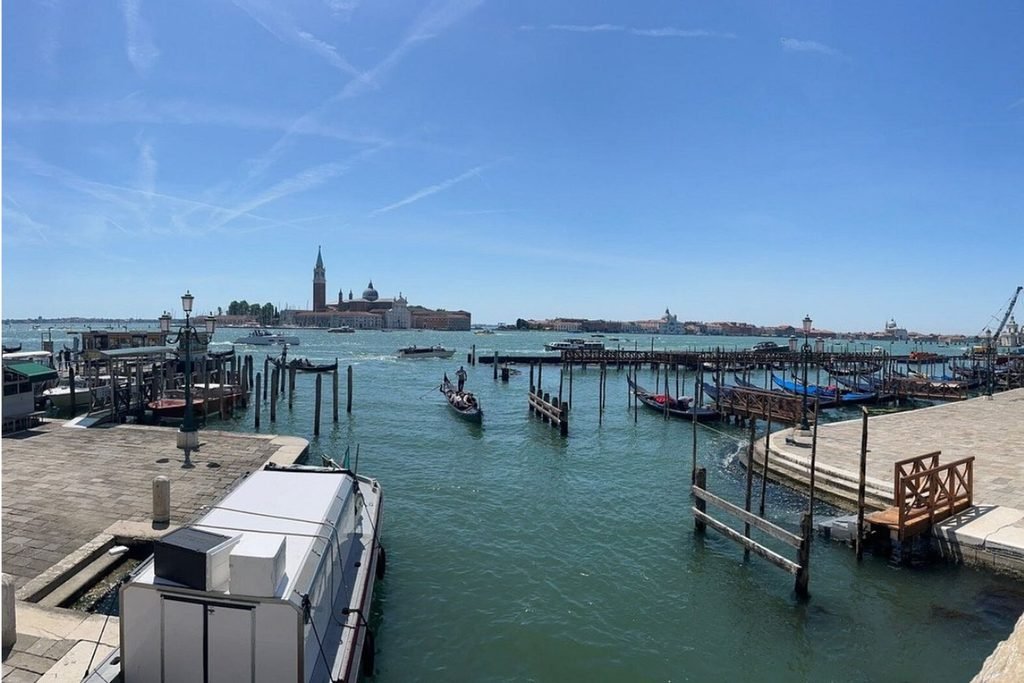
The best time to visit Venice is during spring (April to May) or autumn (September to October), when temperatures are generally more comfortable for sightseeing. However, Venice attracts visitors throughout the year, so even travelling outside the peak summer months doesn’t guarantee quieter streets.
Here’s what to expect during the different seasons:
- Spring (March to May): Generally mild temperatures, although rain is possible. Visitor numbers increase around Easter and public holidays.
- Summer (June to August): Long, hot days with high humidity and peak tourist crowds. Accommodation prices are often at their highest.
- Autumn (September to November): Cooler temperatures and potentially fewer visitors later in the season. Rain and acqua alta (high-water flooding) become more likely.
- Winter (December to February): Colder weather and quieter periods outside major events. February’s Venice Carnival can bring large crowds and higher accommodation prices.
Having visited in both July and May, we found that the time of day and day of the week mattered just as much as the season. July was extremely hot, but staying overnight allowed me to head out early and photograph the canals before the streets became crowded.
Our May visit fell on a weekend, with weddings, hen and stag parties adding to the already busy atmosphere. By early afternoon, the crowds around Rialto Bridge were shoulder to shoulder, and the humid weather made walking increasingly uncomfortable.
Our recommendation: If your itinerary allows, plan your visit between Monday and Thursday, avoid major public holidays and start sightseeing early. Staying overnight in the historic centre also gives you the opportunity to appreciate Venice before the busiest day-trippers arrive.
Getting to and Around Venice

Getting to Venice is relatively straightforward, with excellent train connections from mainland Italy and nearby European cities. However, getting around Venice is quite different from most destinations, as the historic centre has no roads for cars. Instead, visitors travel on foot or use the city’s network of public waterbuses.
Getting to Venice
- By train: Venezia Santa Lucia is the main railway station in Venice’s historic centre, with direct connections from cities including Rome, Florence, Milan and Verona. Trains from Mestre take approximately 10 minutes.
- By car: Vehicles cannot enter the historic pedestrian centre. Parking is available at Piazzale Roma and Tronchetto, although fees can be expensive. Alternatively, leave your car at mainland accommodation and catch the train into Venice.
- By air: Venice Marco Polo Airport is the main international airport, with bus and water transport connections to the historic centre.
On our second visit, we left our leased car at our mainland hotel and caught the train into Venice. It was an easy option that saved us the hassle of finding parking closer to the canals.
Getting Around Venice
Once you arrive, walking is one of the best ways to discover Venice. Its narrow streets, bridges and canals connect different neighbourhoods, although navigating them can be surprisingly confusing.
We even purchased a paper map during our second visit, but that didn’t stop us getting lost! There were signs pointing towards the major landmarks, yet every interesting alleyway seemed to lead us in another direction.
For longer distances, there are several transport options:
- Vaporetto (public waterbus): Venice’s main public boat service, connecting stops along the Grand Canal and surrounding islands.
- Water taxis: Private motorboats offering direct transfers, although considerably more expensive than public transport.
- Gondolas: Traditional boats primarily used for sightseeing rather than everyday transport.
After several hours of walking in the muggy May weather, we decided to catch a vaporetto back towards the train station. It was crowded and relatively expensive for such a short journey, but we were grateful to avoid navigating our way back through the busy streets.
Good to know: Public waterbus tickets can be expensive for individual journeys. If you plan to use several services or visit nearby islands, compare single fares with the available multi-day transport passes before purchasing.
Practical Tips for Visiting Venice
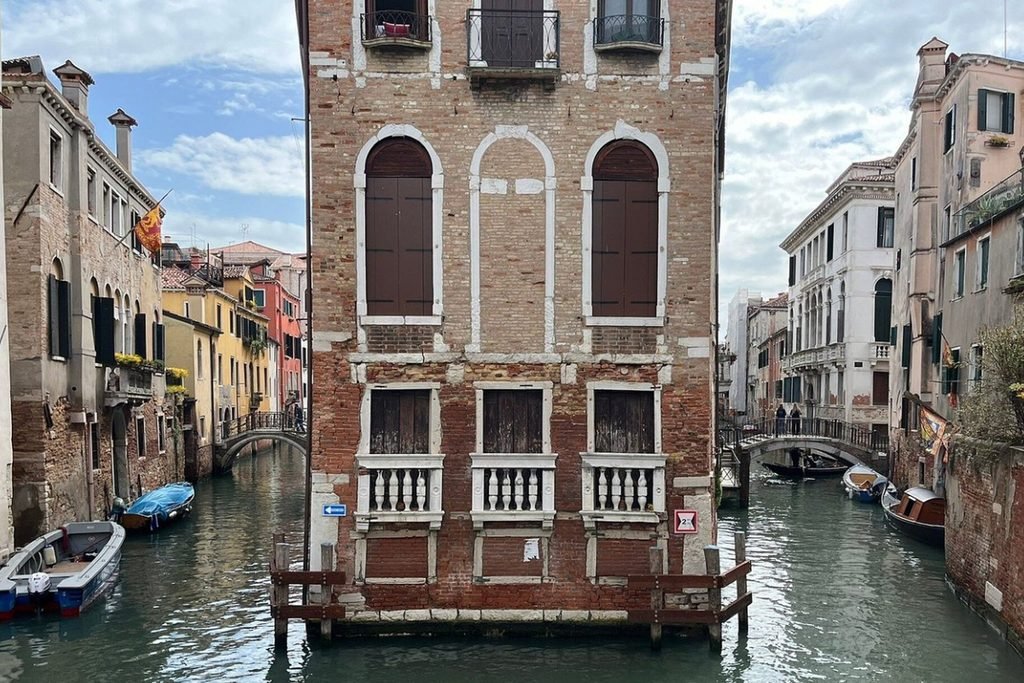
A little preparation can make visiting Venice much easier, particularly when navigating its historic streets and popular attractions. Here are a few practical things worth knowing before you arrive.
- Check the Venice access fee: Venice operates a visitor access fee on selected dates for certain day visitors. Check the official Venice Access Fee website before travelling, as exemptions and registration requirements may apply, including for overnight guests.
- Book major attractions in advance: Popular sites such as Doge’s Palace can have long queues. Reserving tickets online may save valuable sightseeing time.
- Wear comfortable shoes: Venice involves plenty of walking, often over uneven paving and numerous bridges with steps.
- Carry a refillable water bottle: Public drinking fountains are available throughout Venice, providing a convenient way to refill your bottle.
- Keep an eye on your belongings: Busy attractions, railway stations and crowded waterbuses are places to be particularly mindful of pickpockets.
- Be prepared for high water: Venice occasionally experiences acqua alta, when unusually high tides flood low-lying areas. Check local forecasts and follow temporary pedestrian routes when necessary.
- Respect local regulations: Avoid sitting on historic monuments or eating on bridges and steps where prohibited. Swimming in the canals is forbidden, and fines can apply for breaking local rules.
One final tip: Leave a little room in your itinerary for an unplanned discovery. Some of Venice’s most interesting corners are tucked away from the main sightseeing routes, and you never quite know what you’ll find around the next bend.
Final Thoughts on Visiting Venice
Venice is certainly one of Italy’s most extraordinary destinations, and I’m glad I’ve had the opportunity to visit twice. My first trip will always hold special memories, from the singing gondolier to wandering through the city at night and seeing Piazza San Marco covered in water, with restaurant waiters carrying on in their gumboots as though nothing was unusual.
Returning years later with Toni was a different experience. Although the magic wasn’t quite the same for me, watching her discover Venice for the first time made the visit worthwhile. It reminded me that even when you’ve been somewhere before, seeing it through someone else’s eyes can bring a whole new perspective.
We’ve discovered many Italian towns we’d happily return to, but Venice probably isn’t one of them. Not because we didn’t appreciate it, but because we feel we’ve experienced what we came to see. Would we recommend Venice? Without hesitation. It’s a remarkable city that deserves a place on your Italian travel itinerary, even if you only visit once.
“You don’t have to return to every place you visit. Some destinations leave their mark the first time, and the memories are enough to last a lifetime.”
🌍 Travel Planning Resources
These are the tools we personally use and trust when planning our travels from finding a place to stay to booking activities, transport and insurance. Let your “Tohu” guide you “Trust the Journey” and follow what feels right for you.
- ✈️Flights – Compare great deals with Trip.com then Kiwi.com for flexible, affordable options.
- 🚐 Campervans – Compare rental deals with Motorhome Republic across Aotearoa and beyond.
- 🛏️ Stays – Compare hotels on Trip.com and TripAdvisor or Booking.com.
- 🚐 Rental Cars – Compare prices and book through Airport Rentals by Motorhome Republic for trusted brands and easy airport pickup.
- 🎟️ Activities – Browse tours and experiences on Viator, Get Your Guide, or TripAdvisor
- 🚆12Go Asia – Compare and book trains, buses, and ferries across Asia in one place with 12Go.
- 🛡️ Travel Insurance – Get flexible short-term coverage with Insubuy for your next holiday.
- 💳 Travel Money – Send, spend and manage money internationally with Wise, with easy currency conversion and a handy option for travellers.
- 🔒 Protect Your Privacy with a VPN – We recommend Surfshark VPN for secure and private browsing while travelling. It’s fast, affordable and works worldwide, perfect for public Wi-Fi at airports, cafes and hotels.
- 📱 Travel eSIM – Stay connected with Airalo
- 💼 Lounge Access – Treat yourself with Priority Pass for UK or US
- 🎶 Events & Concerts – Book tickets worldwide through Ticketmaster.
🧭 Note: Some booking links can be a bit shy when you’re using a VPN. If one doesn’t open, try pausing your VPN or switching to a different server location or secure Wi-Fi network to get things flowing again.