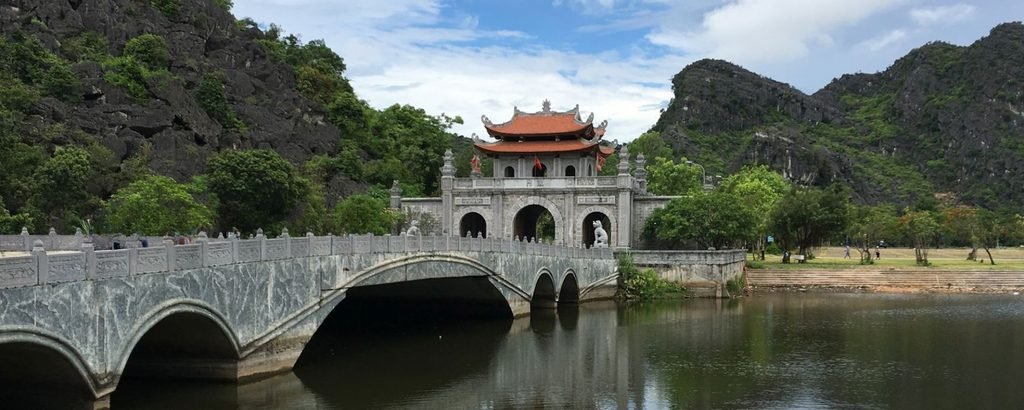
Vietnam is one of those countries where there is far more to see and do than most travellers will ever have time for. From the busy streets of Hanoi and Ho Chi Minh City to ancient towns, beaches, limestone mountains and the incredible scenery of Halong Bay, narrowing down what to include can be harder than finding things to do.
Rather than giving you another enormous list of every attraction in Vietnam, we’ve chosen two of our favourite experiences from each of the main places we visited. Halong Bay gets just one, because for us the cruise itself is the experience, with many of the activities included along the way.
We’ve also included Sapa, Ninh Binh and Hue for travellers with a little more time. These are destinations worth considering for an overnight stay or longer rather than trying to squeeze everything into an already busy itinerary. Vietnam is a long country, and one thing we’d do differently when planning is leave enough time to actually enjoy each place rather than constantly moving on to the next one.
These aren’t necessarily Vietnam’s biggest or most famous attractions. They’re simply the experiences we’d choose if we were planning our trip again.
Table of Contents
Hanoi: History and Life in the Old Quarter
Hanoi was our introduction to Vietnam, and what an introduction it was. At first the traffic, noise, motorbikes and sheer number of people felt overwhelming, but it didn’t take long for us to start appreciating the organised chaos of the city.
If we had to choose just two experiences from Hanoi, we’d combine one of its most important historical sites with time simply exploring the part of the city we enjoyed most.
Visit the Ho Chi Minh Mausoleum
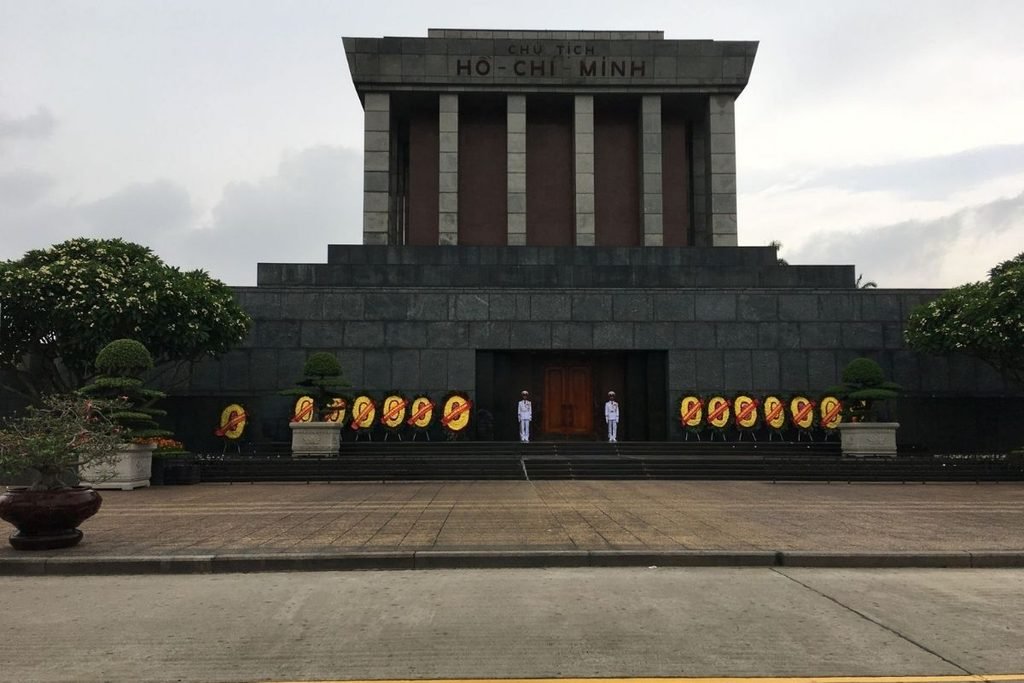
Located in Ba Dinh Square, the Ho Chi Minh Mausoleum is one of Hanoi’s most significant historical landmarks and the resting place of Ho Chi Minh.
Even if you don’t know a great deal about Vietnam’s modern history before arriving, visiting this area gives you a better understanding of Ho Chi Minh’s importance to the country and Vietnam’s struggle for independence.
Don’t rush away after visiting the mausoleum either. There are several important sites around the Ba Dinh area, making it worth allowing some time to explore.
- Why we’d choose it: It adds historical context to everything else you experience while travelling through Vietnam.
- Good to know: Dress respectfully and check current opening days and visiting hours before you go. The mausoleum doesn’t open every day, and access can be affected by official events and annual maintenance.
Explore Hanoi’s Old Quarter
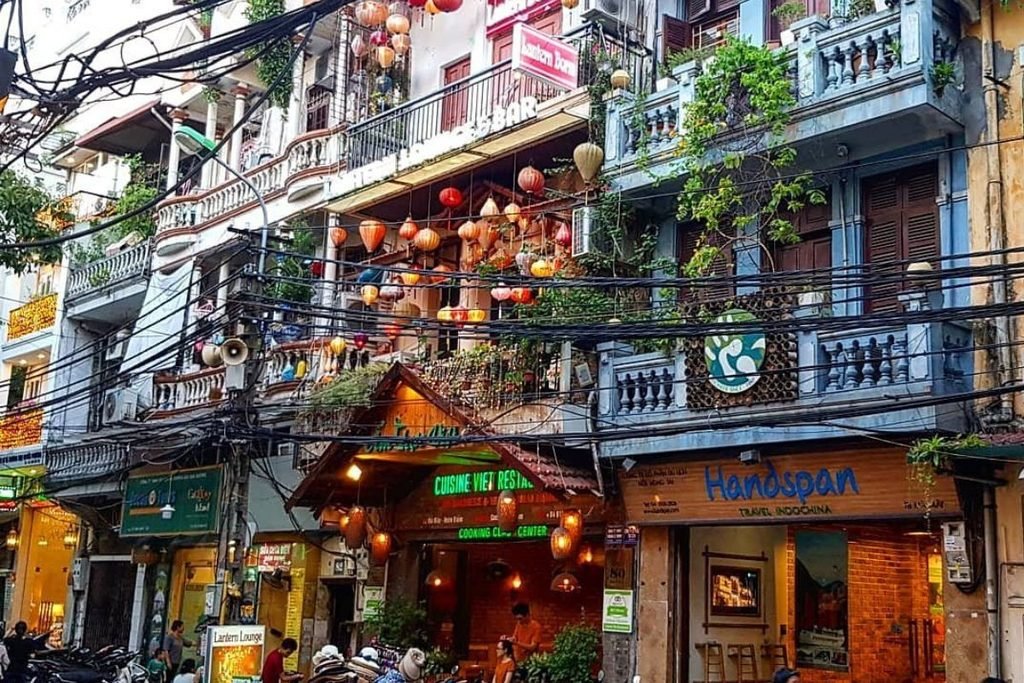
If the mausoleum introduces you to Vietnam’s history, the Old Quarter throws you straight into everyday Hanoi.
We stayed right in the centre, surrounded by narrow streets packed with small eateries, markets, shops, traditional buildings and more motorbikes than we knew what to do with.
Initially, we found the traffic overwhelming. Even crossing the road felt like an achievement. But once we settled into the rhythm of Hanoi, the Old Quarter became one of the most interesting parts of our stay.
There’s no need to race around ticking off attractions. Spend some time wandering, stop for something to eat, visit the markets, have a massage and make your way down towards Hoan Kiem Lake.
- Why we’d choose it: Food, markets, history and everyday Hanoi all come together in one wonderfully chaotic part of the city.
- Good to know: Footpaths aren’t necessarily pedestrian territory. They’re often occupied by parked motorbikes, tables, stalls and people, so you’ll sometimes find yourself walking along the edge of the road.
- Tohu Tip: Give Hanoi a little time. Our first reaction to the traffic was probably along the lines of how are we going to survive this? Once we stopped fighting the chaos and learned how the city moved, we enjoyed it so much more.
Halong Bay: Take an Overnight Cruise
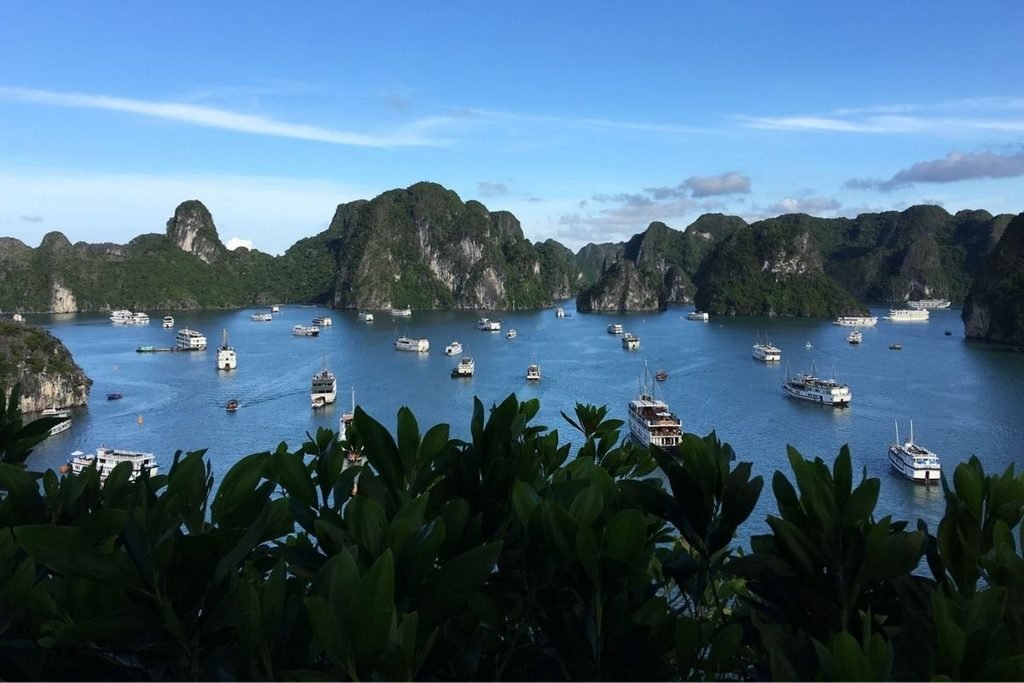
For us, Halong Bay doesn’t need a long list of separate things to do. The cruise itself is the experience, and many of the activities you associate with Halong Bay are usually built into the itinerary.
Sailing between the enormous limestone karsts rising from the water is what makes this part of Vietnam so memorable. The scenery constantly changes as the boat moves through the bay, and staying overnight gives you much more time to enjoy it than simply arriving, taking a few photos and heading back to Hanoi.
Depending on the cruise you choose, your itinerary may include:
- Kayaking between the limestone formations
- Visiting caves or grottoes
- Swimming or stopping at a beach
- Visiting viewpoints
- Cooking demonstrations or other activities onboard
- Sunset and early-morning activities
- Meals while cruising through the bay
Waking up surrounded by the limestone landscape is part of what makes Halong Bay feel so different from anywhere else on a Vietnam trip.
- Why we’d choose it: The scenery is spectacular, but it’s also a chance to slow the pace down after the intensity of Hanoi.
- Good to know: Cruise itineraries vary considerably. Don’t choose purely on price. Check the boat, cabin, meals, activities, route and exactly what’s included before booking.
- Tohu Tip: You don’t need to book separate tours for every Halong Bay activity you read about. Choose the cruise first, then look at what its itinerary already includes. Otherwise, you can end up researching a whole lot of activities that are already part of your package.
Da Nang: Mountain Views and Coastal Landmarks
Da Nang gave us a completely different side of Vietnam. After the intensity of Hanoi, it felt more open and easier to move around, with beaches, mountains and some impressive attractions within easy reach of the city.
If we were choosing just two experiences from our time around Da Nang, we’d go with Ba Na Hills and the Golden Bridge, followed by a combination of Marble Mountains and Lady Buddha.
See the Golden Bridge at Ba Na Hills
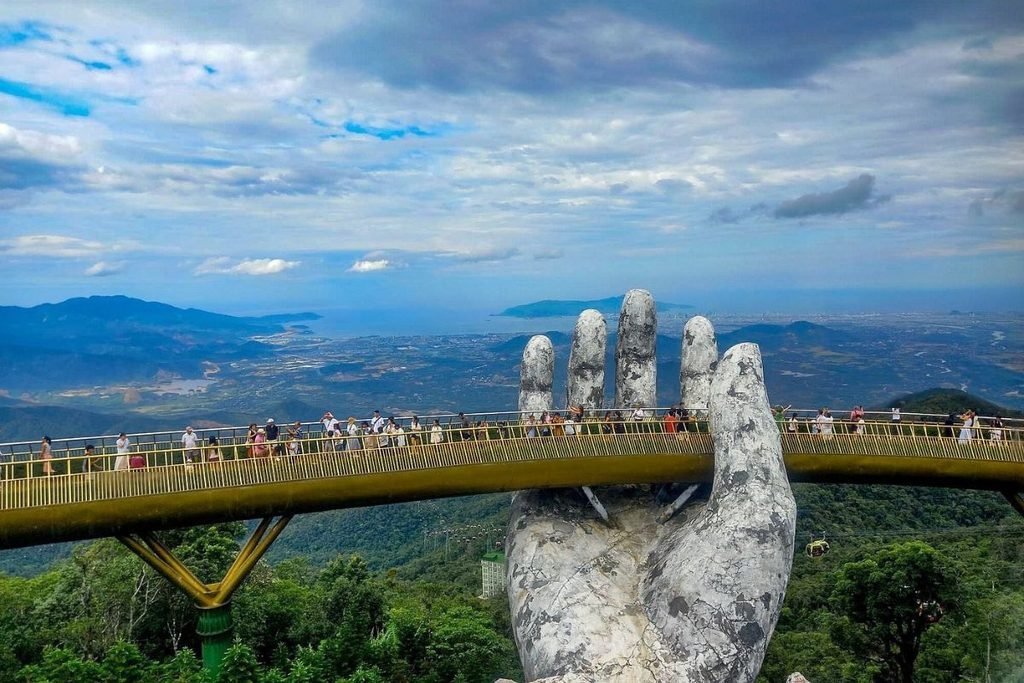
The Golden Bridge is one of those attractions you’ve probably seen long before arriving in Vietnam. The walkway appears to be supported by two enormous stone hands, high in the mountains at Ba Na Hills.
Seeing it in person was definitely one of the memorable parts of our time around Da Nang, but there’s much more to Ba Na Hills than the bridge itself. Getting there involves a spectacular cable-car journey into the mountains, and once you’re at the top there’s plenty to explore.
- Why we’d choose it: The Golden Bridge is unlike anything else we saw in Vietnam, and the mountain setting makes the whole journey part of the experience.
- Good to know: Ba Na Hills is extremely popular, so expect crowds around the bridge. You’re also much higher than Da Nang, which means the weather can be completely different from what you’ve left behind at the coast.
- Tohu Tip: Give yourself plenty of time. Don’t travel all the way up there just to race across the Golden Bridge, take the photo and leave. There’s much more to see once you’re at the top.
Visit Marble Mountains and Lady Buddha
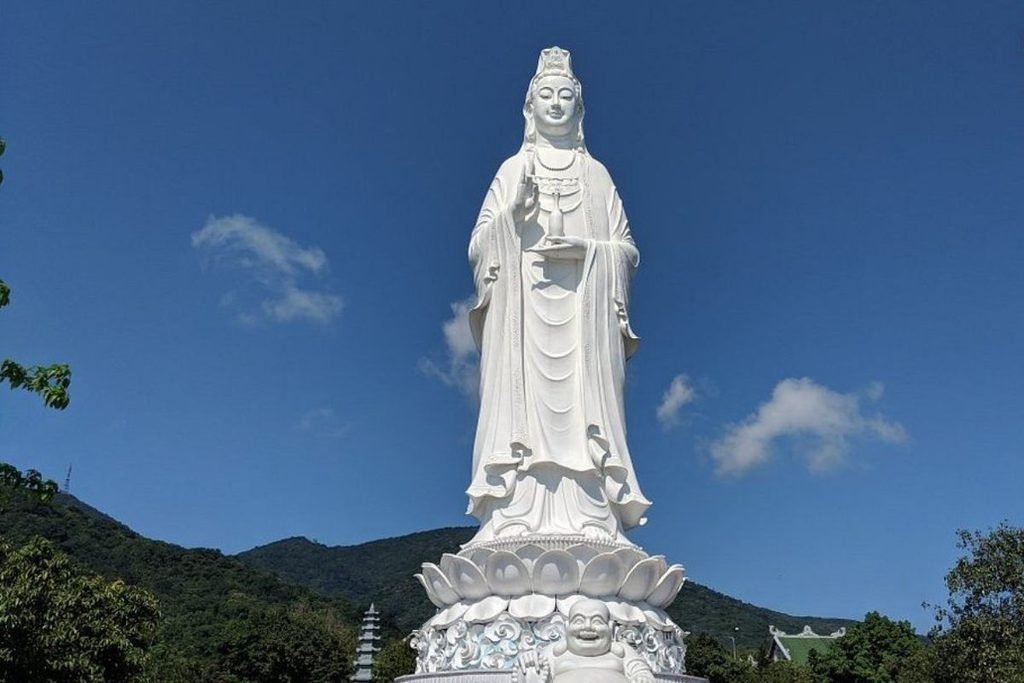
For our second pick, we’d combine Marble Mountains and the Lady Buddha at Linh Ung Pagoda. They’re quite different experiences, but both show another side of Da Nang beyond its beaches and modern city.
At Marble Mountains, you can explore pagodas, caves, viewpoints and pathways amongst the limestone and marble hills. There are steps involved and some areas can be challenging in the heat, so you don’t need to tackle every pathway to enjoy the experience.
The enormous Lady Buddha statue on the Son Tra Peninsula is another impressive sight, standing high above the coastline with beautiful views across Da Nang and the sea.
- Why we’d choose them: Together they combine scenery, culture and religious sites, and make an easy contrast to the busier attractions at Ba Na Hills.
- Good to know: Wear comfortable shoes for Marble Mountains and remember you’re visiting religious sites, so dress respectfully.
- Easy Access: If climbing lots of steps isn’t for you, Marble Mountains has a lift that can reduce some of the climb, although not every area is step-free.
- Tohu Tip: Don’t feel you have to reach every viewpoint at Marble Mountains. In Vietnam’s heat and humidity, knowing when you’ve seen enough is sometimes the smartest travel decision of the day.
Hoi An: Ancient Streets and Local Food
Hoi An was somewhere we were very happy to slow down. After visiting some of Vietnam’s bigger cities, the historic streets, lanterns, riverside setting and slower pace gave this part of the trip a completely different feel.
If we were choosing only two experiences, we’d spend time exploring Hoi An Ancient Town, then take a local food tour. The food tour was one of the real highlights of our stay and led us back to places we may never have discovered ourselves.
Explore Hoi An Ancient Town
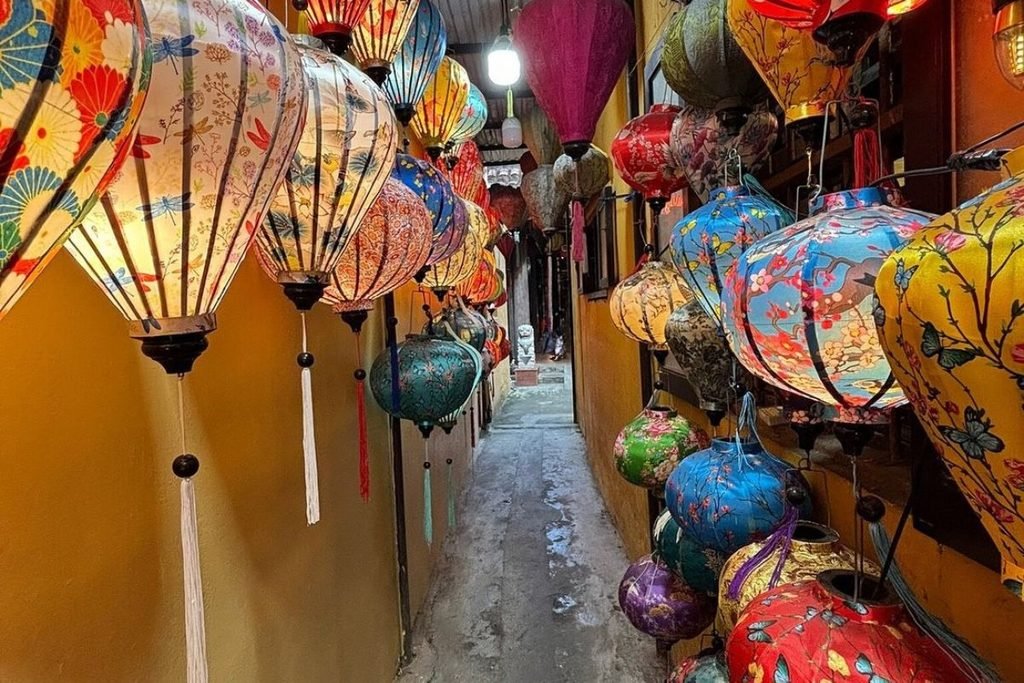
Hoi An Ancient Town is beautiful during the day, but we’d make sure you experience it again in the evening, when the lanterns come on and the streets around the river take on a completely different atmosphere.
You don’t really need a complicated sightseeing plan here. Part of the enjoyment is simply wandering through the old streets, stopping at shops and cafes, exploring the markets and making your way towards the river.
As evening arrives, the area becomes busier, with lanterns glowing from buildings and boats moving along the water.
- Why we’d choose it: Hoi An is one of those places where the atmosphere is as much a part of the experience as any individual attraction.
- Good to know: The Ancient Town can become very busy in the evening. Go earlier if you’d like some quieter time before the crowds build.
- Tohu Tip: Don’t visit Hoi An Ancient Town just once. See it during the day and return after dark. It feels like two different places.
Take a Hoi An Food Tour
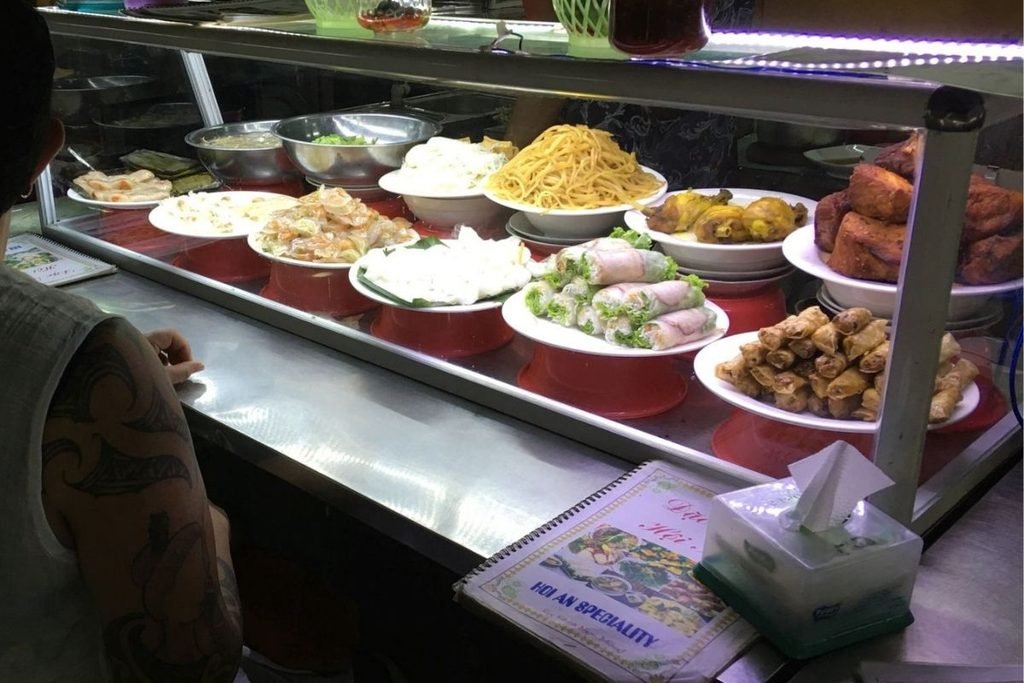
We loved our food tours throughout Vietnam, but Hoi An’s was particularly worthwhile because it introduced us to small local eateries we probably wouldn’t have found on our own.
Taking the tour early in our stay meant we could learn about some of Hoi An’s regional dishes, try different foods and find places we wanted to return to.
And return we did.
During our five days in Hoi An, we went back night after night to several of the places we’d discovered on the tour. For us, that’s about the best recommendation we can give.
- Why we’d choose it: It’s not just about eating. A good local guide helps you understand what you’re eating, how it’s eaten and where locals actually go.
- Good to know: Book your food tour near the beginning of your stay, mention any dietary requirements when booking and arrive hungry.
- Tohu Tip: Make a note of the places you love during the tour. That’s exactly what we did, and some became our regular dinner stops for the rest of our time in Hoi An.
Ho Chi Minh City: History and the Mekong Delta
Ho Chi Minh City was our final stop in Vietnam, and by then we had become much more accustomed to the traffic, heat and constant activity that had felt so overwhelming when we first arrived in Hanoi.
For our two picks here, we’d choose experiences that show two very different sides of southern Vietnam: the War Remnants Museum for its history, and a trip into the Mekong Delta to experience life beyond the city.
Visit the War Remnants Museum

The War Remnants Museum isn’t an easy attraction to visit, but it is an important one.
Its exhibitions, photographs and displays explore the Vietnam War and its consequences, including the impact on Vietnamese civilians. Some of what you see can be confronting and upsetting, so this isn’t somewhere we’d recommend rushing through simply because it’s on a sightseeing list.
Give yourself time to take it in and, if you need to, step away from some of the more difficult exhibits.
- Why we’d choose it: It gives you a much deeper understanding of a period of history that continues to shape how many people understand Vietnam today.
- Good to know: Some photographs and exhibits are graphic and distressing, so this attraction won’t suit everyone.
- Tohu Tip: Allow enough time to explore at your own pace. This isn’t the sort of museum we’d squeeze between several other attractions in a packed sightseeing day.
Explore the Mekong Delta
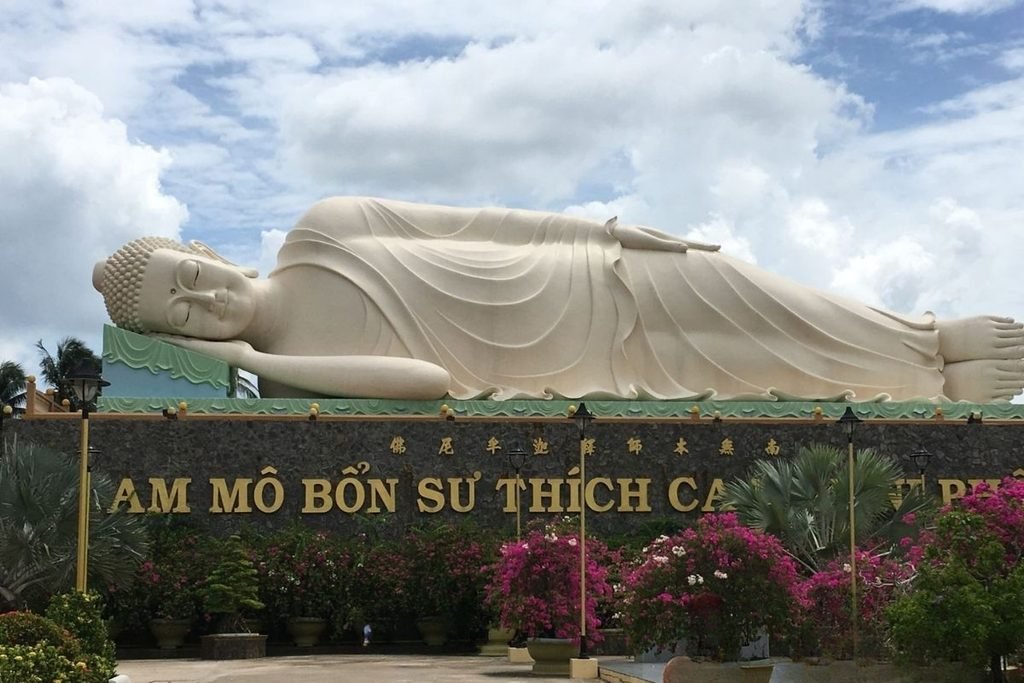
Our trip into the Mekong Delta was one of the highlights of our time in southern Vietnam.
Leaving Ho Chi Minh City behind and heading into the delta gives you a completely different perspective. The busy streets and high-rise buildings gradually give way to rivers, canals, villages, farmland and tropical vegetation.
Tours vary, but depending on the itinerary you choose, you may experience:
- Boat trips along the Mekong and smaller waterways
- Local villages and communities
- Tropical fruit and regional foods
- Small family businesses and workshops
- Traditional boats
- Rural landscapes very different from Ho Chi Minh City
It’s a popular day trip, but we’d look carefully at the itinerary before booking. Some tours can include a lot of stops, so choose one that gives you enough time to actually experience the delta rather than spending the day getting on and off buses and boats.
- Why we’d choose it: It was one of the best ways we found to see another side of Vietnam beyond the major cities.
- Good to know: It’s a long day from Ho Chi Minh City, so expect an early start and plenty of travel.
- Tohu Tip: If you have more time, consider staying overnight in the Mekong Delta. A day tour gives you a taste of the region, but an overnight stay allows you to experience it once many of the day-trippers have gone.
Have More Time? Overnight Trips Worth Adding
If you have a little more time in Vietnam, there are several places worth adding beyond the main stops. Ninh Binh, Sapa and Hue would be high on our list.
These aren’t places we’d squeeze into an already packed itinerary just to say we’d been there. Give them at least a night or two where possible, slow the pace down and make the journey part of the experience.
Ninh Binh
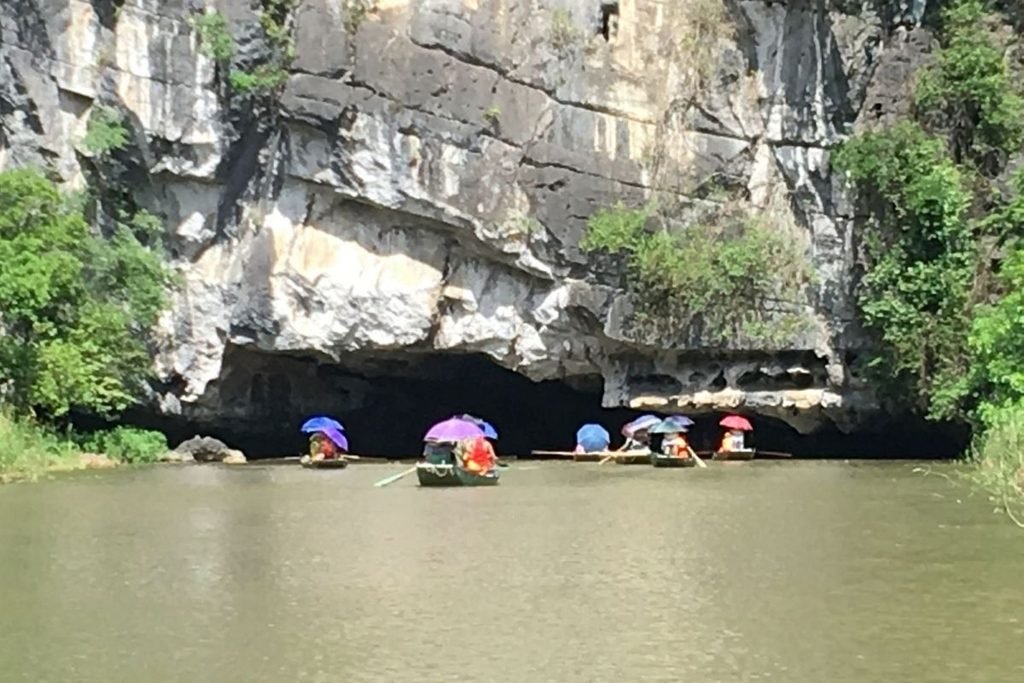
We visited Ninh Binh as a day trip from Hanoi, and it ended up being one of the highlights of our time in northern Vietnam.
Our tour included Trang An, Hoa Lu Ancient Capital and Mua Caves, along with lunch and bicycles. It was a full day and gave us a wonderful contrast to the noise and traffic of Hanoi.
The standout for us was the boat trip through Trang An, travelling along peaceful waterways surrounded by towering limestone mountains and passing through caves along the way.
And just when you think you’ve escaped the vendors for a while, they find you on the river too. Boats can pull alongside selling goods, and there are more vendors waiting at some of the stops. Supporting local communities is important, but you also don’t need to feel pressured into buying something every time you’re approached.
- Why add it: Limestone mountains, waterways, caves, temples and countryside all within relatively easy reach of Hanoi.
- Good to know: You can visit on a long day tour, as we did, but we’d seriously consider staying overnight next time rather than fitting everything into one day.
- Tohu Tip: Check whether your boat trip includes Trang An or Tam Coc, as tour itineraries vary.
Sapa
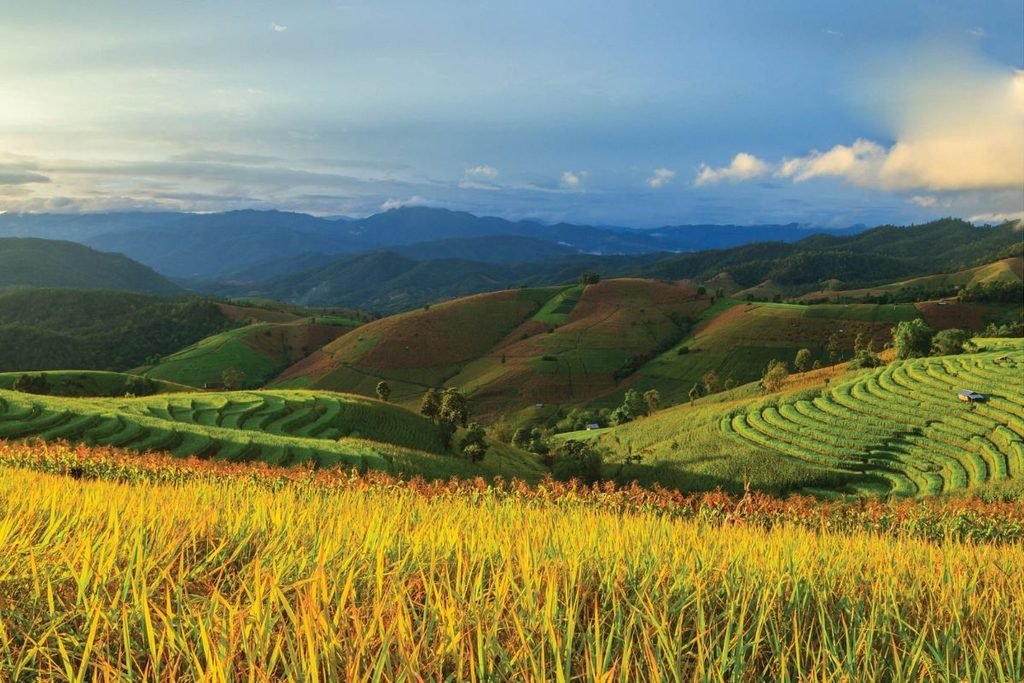
Sapa is one we’d consider adding when we return to northern Vietnam, particularly if we had enough time to stay for a couple of nights rather than rushing there and back.
Located in Vietnam’s mountainous north, the area is known for its terraced rice fields, valleys, mountain scenery and ethnic minority communities.
Depending on how you like to travel, you can spend your time walking through the countryside, visiting villages, taking in the mountain views or simply enjoying a much cooler, slower environment than Vietnam’s major cities.
- Why add it: Completely different landscapes and experiences from Hanoi and Halong Bay.
- Good to know: Sapa involves additional travel from Hanoi, so we’d only add it if we had enough days to make the journey worthwhile.
- Tohu Tip: You don’t need to choose the hardest trek available. Look for a walk that suits your fitness, mobility and the weather conditions, particularly if the tracks are wet.
Hue
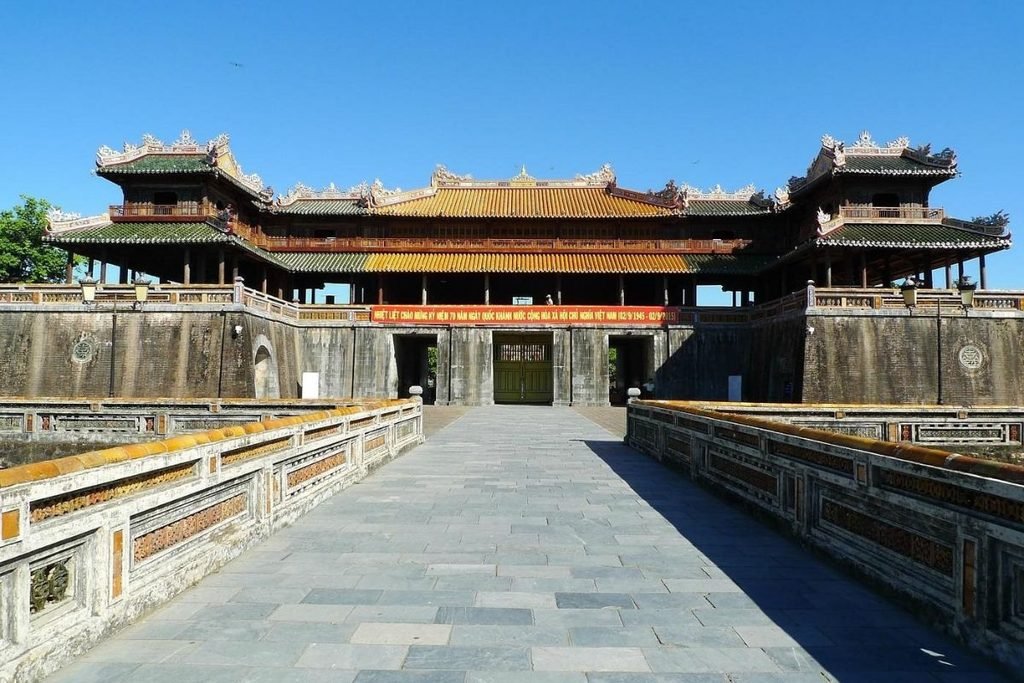
Hue is another destination we’d consider giving at least one or two nights, particularly when travelling between central and southern Vietnam.
As Vietnam’s former imperial capital, Hue offers a much stronger focus on royal history, architecture and heritage than many of the other places on this itinerary.
The Imperial City is the major attraction, but Hue is also known for its royal tombs, pagodas and distinctive central Vietnamese food. This is also the home of Bun Bo Hue, so we’d certainly be making room for that while we were there.
- Why add it: History, imperial architecture and a different side of central Vietnamese culture.
- Good to know: Hue works particularly well as part of a longer journey through central Vietnam rather than treating it as a rushed excursion from Hoi An.
- Tohu Tip: If you’re travelling overland between Hue and Da Nang/Hoi An, make the journey part of the day rather than simply getting from A to B. The coastal and mountain scenery through this part of Vietnam is worth seeing.
How Much Should You Try to Fit In?
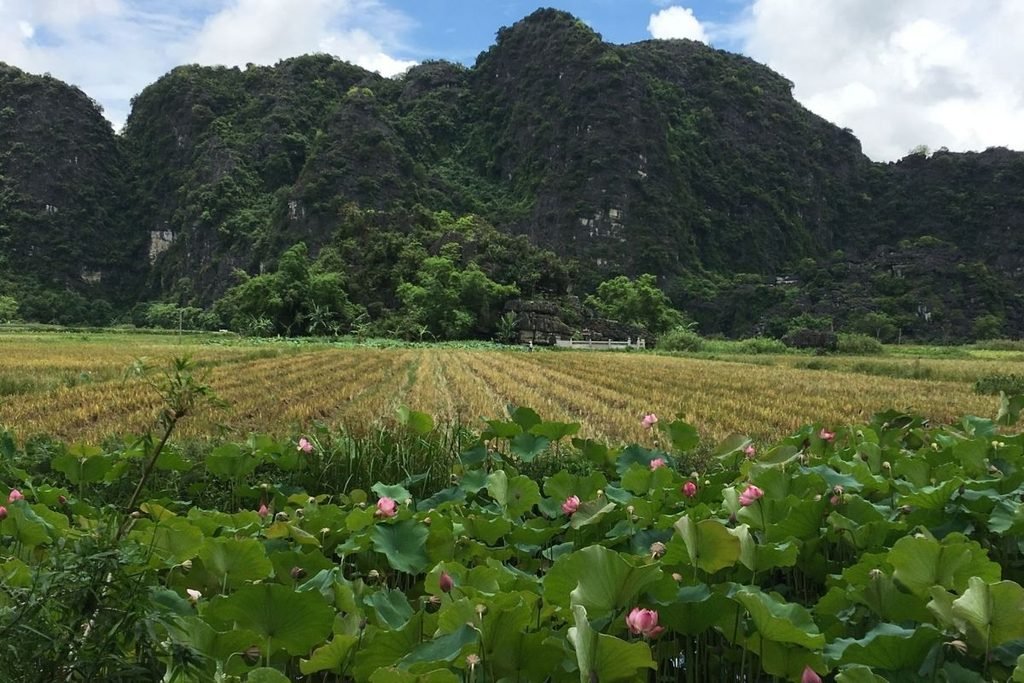
This is probably the biggest lesson we’d take into our next Vietnam trip: you don’t have to see everything.
Our organised tour allowed us to see an enormous amount in 14 days, but the pace was demanding, particularly in the heat and humidity. Early starts, sightseeing, travel days and constantly changing accommodation eventually catch up with you.
If you’re planning independently:
- Choose the places you genuinely want to experience.
- Allow some downtime between big sightseeing days.
- Remember that travel between destinations can take longer than expected.
- Don’t add another city simply because everyone says you must go there.
- If you have extra days, consider staying longer somewhere you love rather than automatically adding another destination.
Vietnam isn’t going anywhere. In fact, we’re already planning to return, and next time we’d happily see fewer places and spend longer enjoying them.
“Travel far enough, you meet yourself.”
🌍 Travel Planning Resources
These are the tools we personally use and trust when planning our travels from finding a place to stay to booking activities, transport and insurance. Let your “Tohu” guide you “Trust the Journey” and follow what feels right for you.
- ✈️Flights – Compare great deals with Trip.com then Kiwi.com for flexible, affordable options.
- 🚐 Campervans – Compare rental deals with Motorhome Republic across Aotearoa and beyond.
- 🛏️ Stays – Compare hotels on Trip.com and TripAdvisor or Booking.com.
- 🚐 Rental Cars – Compare prices and book through Airport Rentals by Motorhome Republic for trusted brands and easy airport pickup.
- 🎟️ Activities – Browse tours and experiences on Viator, Get Your Guide, or TripAdvisor
- 🚆12Go Asia – Compare and book trains, buses, and ferries across Asia in one place with 12Go.
- 🛡️ Travel Insurance – Get flexible short-term coverage with Insubuy for your next holiday.
- 💳 Travel Money – Send, spend and manage money internationally with Wise, with easy currency conversion and a handy option for travellers.
- 🔒 Protect Your Privacy with a VPN – We recommend Surfshark VPN for secure and private browsing while travelling. It’s fast, affordable and works worldwide, perfect for public Wi-Fi at airports, cafes and hotels.
- 📱 Travel eSIM – Stay connected with Airalo
- 💼 Lounge Access – Treat yourself with Priority Pass for UK or US
- 🎶 Events & Concerts – Book tickets worldwide through Ticketmaster.
🧭 Note: Some booking links can be a bit shy when you’re using a VPN. If one doesn’t open, try pausing your VPN or switching to a different server location or secure Wi-Fi network to get things flowing again.