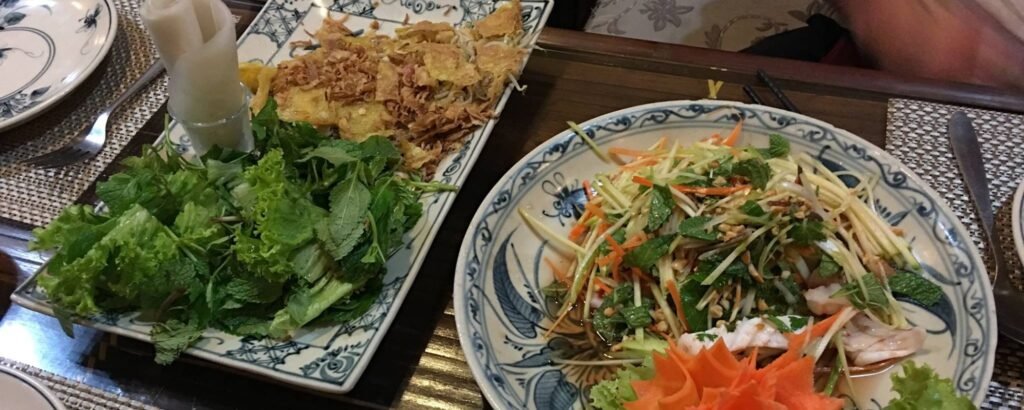
Vietnam was always going to be a country where we ate well, but we didn’t expect the food to become such a big part of our journey. From tiny street stalls and busy markets to family-run eateries and organised food tours, some of our favourite memories of Vietnam revolve around what we were eating and who we were eating it with.
What we loved most was how fresh and light Vietnamese food could be while still having so much flavour. Fresh herbs, rice noodles, grilled meats, seafood, chilli, lime, fish sauce and beautiful broths appeared again and again, but the dishes changed as we travelled from north to south.
A Cuisine Shaped by History
Vietnamese food hasn’t developed in isolation. Centuries of trade, migration, neighbouring cultures and colonial history have all left their mark, with different influences becoming more noticeable depending on where you travel.
The French influence is perhaps one of the easiest for visitors to recognise. During the colonial period, ingredients and foods such as baguettes, pâté, coffee and condensed milk became part of the changing food culture. Vietnam took those influences and made them its own.
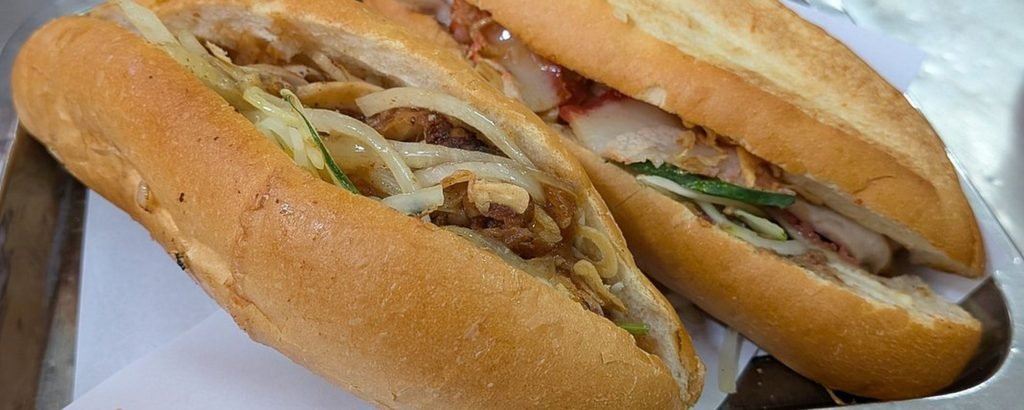
The best example has to be banh mi. The French-style baguette became the base for a sandwich filled with distinctly Vietnamese flavours such as grilled meats, pickled vegetables, cucumber, fresh herbs and chilli, often alongside pâté or mayonnaise. Your original food notes described it perfectly as a blend of French and Vietnamese cuisine.
But France is only part of the story. Vietnamese cuisine has also been shaped by Chinese culinary traditions, neighbouring Cambodia and Laos, regional trade and Vietnam’s own diverse communities. Rice and noodles, cooking techniques, spices and ingredients have moved across borders for centuries, then evolved differently within Vietnam.
The result isn’t one single style of Vietnamese food. Northern, central and southern Vietnam each bring something different to the table, which is one of the reasons eating your way through the country is so much fun.
Table of Contents
Our Vietnamese Food Experience
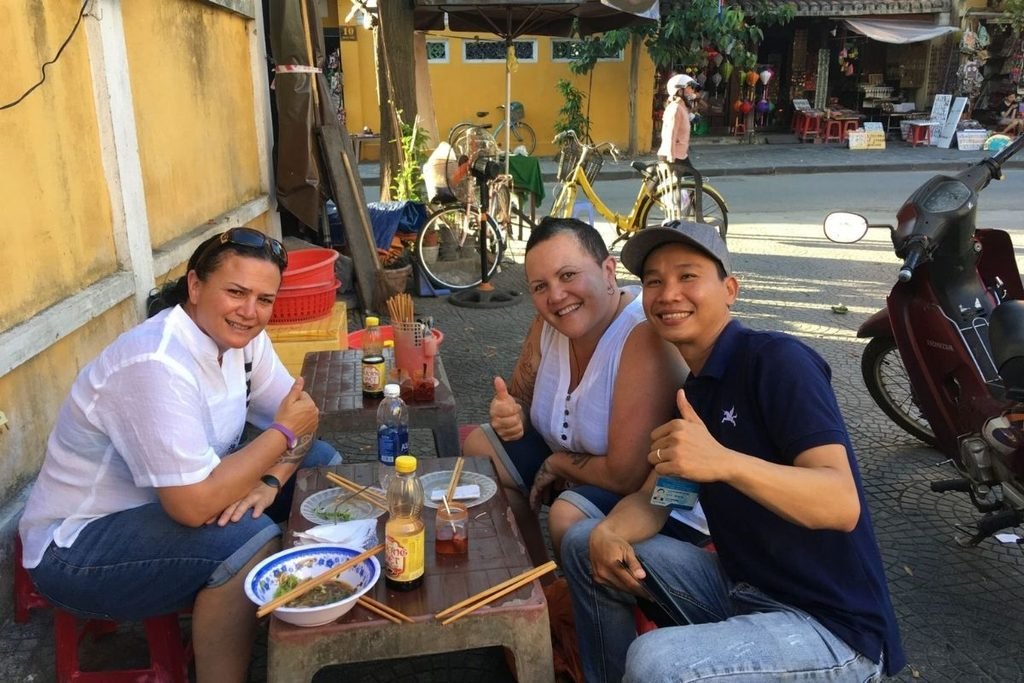
We quickly discovered that one of the best ways to understand Vietnamese food was to let somebody local show us what to eat. We took food tours during our travels and they became some of our favourite experiences.
They weren’t just about trying ten different dishes in one evening. A good local guide showed us:
- What the dish actually was
- How it was meant to be eaten
- Which sauces and herbs went with it
- Where locals went to eat
- Small eateries we probably would have walked straight past
- Regional dishes we wouldn’t necessarily have recognised on a menu
We’d often make a note of our favourites and go back later without the tour. Hoi An was a perfect example. We found several places on our food tour that we returned to night after night during our five-day stay.
And that probably sums up our experience of Vietnamese food. Don’t just eat the dishes you’ve heard of before you arrive. Follow the locals, try something you don’t recognise and don’t be put off because a little eatery doesn’t look flash from the outside.
Some of the simplest places served us some of the best food.
Vietnamese Dishes to Try
One of the joys of travelling through Vietnam is discovering that the food changes as you move around the country. Some dishes are found almost everywhere, while others are closely connected to a particular city or region.
You certainly don’t need to work your way through a checklist, but these are some of the dishes we’d look out for.
Pho
You can’t really talk about Vietnamese food without starting with pho, the fragrant noodle soup that has become one of Vietnam’s best-known dishes.
Pho originated in northern Vietnam and traditionally combines rice noodles with a deeply flavoured broth, meat and fresh accompaniments.
You’ll commonly see:
- Pho Bo: Beef pho
- Pho Ga: Chicken pho
- Fresh herbs and bean sprouts
- Lime and chilli
- Fish sauce and other condiments on the table
One thing we learned in Vietnam was taste your broth before you start adding everything to it. A good pho broth has taken time to make, so give it a chance before reaching for the chilli and sauces.
Where to try it: You’ll find pho throughout Vietnam, but Hanoi is a particularly good place to experience its northern roots.
Banh Mi
Banh mi is one of the clearest examples of Vietnam taking an outside influence and making it completely its own.
The French introduced the baguette during the colonial period, but what developed in Vietnam is far removed from a simple French sandwich.
A typical banh mi starts with a light, crisp baguette and can be filled with combinations such as:
- Grilled or roasted pork
- Chicken
- Vietnamese cold meats
- Pâté
- Pickled carrot and daikon
- Cucumber
- Fresh coriander and herbs
- Chilli
- Mayonnaise or sauces
There isn’t one single version. Fillings vary between vendors and regions, which is half the fun of trying them as you travel. Your old food notes described banh mi as a combination of French and Vietnamese culinary influences, and that’s exactly what makes it so interesting.
Tohu Tip: Don’t assume the busiest-looking banh mi stall will have a long wait. These vendors can assemble sandwiches incredibly quickly, making banh mi an easy meal when you’re out exploring.
Goi Cuon
After plenty of noodles, grilled meat and banh mi, goi cuon can be a lovely fresh change.
Often called Vietnamese fresh spring rolls, they’re made using translucent rice paper wrapped around combinations of:
- Rice vermicelli
- Fresh herbs
- Vegetables
- Prawns
- Pork
They’re generally served with a dipping sauce, which might be based around fish sauce, hoisin or peanuts.
What makes them so good is the contrast. You get the soft rice paper and noodles, crunch from the vegetables, fresh herbs and savoury meat or seafood, then the dipping sauce brings everything together.
Good to know: Don’t confuse these with the fried spring rolls you’ll also see throughout Vietnam. Goi cuon are fresh rather than deep-fried, making them a much lighter option.
Cao Lau
If you’re visiting Hoi An, Cao Lau is one of the regional dishes to look out for. It is quite different from the bowls of noodle soup you may already have eaten elsewhere in Vietnam.
Cao Lau combines:
- Thick, chewy rice noodles
- Slices of pork
- Fresh herbs and greens
- Crispy toppings
- A small amount of rich, savoury sauce
Unlike pho, Cao Lau isn’t swimming in broth. The noodles and toppings are served with just enough sauce to bring everything together, giving you a wonderful mix of chewy, crispy and fresh textures.
Cao Lau is strongly associated with Hoi An, so this is one we’d definitely try while you’re there rather than waiting until you reach another part of Vietnam.
Where to try it: Hoi An.
Mi Quang
Another central Vietnamese favourite is Mi Quang, originating from Quang Nam Province, the region surrounding Hoi An and close to Da Nang.
It’s another noodle dish that doesn’t arrive with a huge bowl of broth. Instead, wide rice noodles are served with a smaller amount of intensely flavoured liquid, along with combinations of meat or seafood and plenty of toppings.
Depending on where you order it, you might find:
- Chicken, pork or prawns
- Wide rice noodles
- Fresh herbs and greens
- Peanuts
- Fried shallots
- Egg
- Lime and chilli
- Crispy rice crackers
This is exactly why we enjoyed eating our way through Vietnam. Two noodle dishes can look vaguely similar on a menu and taste completely different once they arrive.
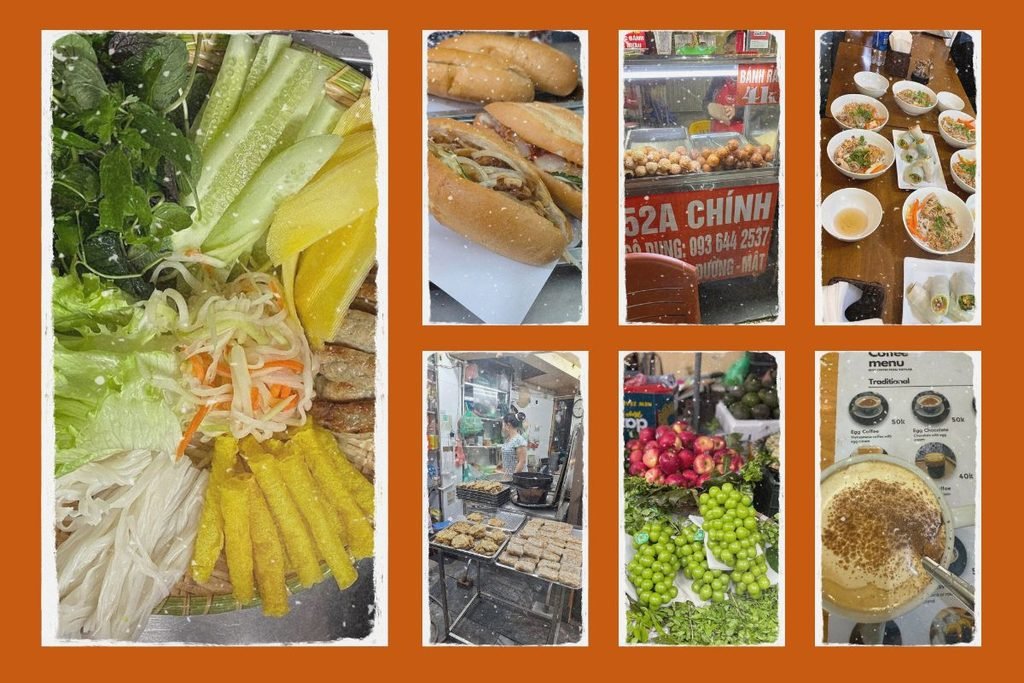
Banh Xeo
Banh Xeo is one of those dishes where the texture is just as important as the flavour.
It’s a thin, crispy Vietnamese pancake traditionally made from a rice-flour batter and often coloured yellow with turmeric. The name refers to the sizzling sound the batter makes when it hits the hot pan.
Inside you might find:
- Pork
- Prawns
- Bean sprouts
- Other vegetables depending on the region
But don’t simply attack the whole pancake with a knife and fork.
Pieces of the crispy pancake are commonly eaten with fresh herbs and leafy greens, then dipped into sauce. You get hot and crispy, cool and fresh, salty, sweet, sour and sometimes spicy all in the same mouthful.
You’ll also find different versions as you travel, with the size, fillings and accompaniments changing between regions.
Tohu Tip: If you aren’t sure how you’re supposed to eat something, watch the locals or ask. Some of our best food experiences came from learning how a dish was meant to be put together, rather than simply eating each component separately.
Bun Cha
If you’re in Hanoi, Bun Cha is one dish we’d definitely put on your food list.
It combines smoky grilled pork with rice vermicelli noodles, fresh herbs and a light dipping sauce. Rather than everything arriving mixed together in one bowl, the different components are often served separately and you bring them together as you eat.
You can expect:
- Grilled pork, often including patties and slices of pork
- Rice vermicelli noodles
- Fresh herbs and greens
- A sweet, salty and slightly tangy dipping sauce
- Sometimes crispy spring rolls on the side
It’s another great example of what we loved about Vietnamese food. The grilled meat can be rich and smoky, but all those fresh herbs and noodles keep the whole meal feeling surprisingly light.
Where to try it: Hanoi.
Tohu Tip: This is another dish where watching how the locals eat it helps. Don’t be afraid to ask your food tour guide or server what goes with what.
Bun Bo Hue
If you enjoy pho but want something with a little more punch, look out for Bun Bo Hue.
Originating in Hue in central Vietnam, this noodle soup is known for its aromatic, spicy broth, with lemongrass being one of its defining flavours.
A bowl can include:
- Thick rice noodles
- Beef and sometimes pork
- A rich, spicy broth
- Lemongrass
- Fresh herbs
- Lime
- Chilli
It’s generally bolder and spicier than pho, so don’t expect the two soups to taste alike simply because they both arrive as noodles in broth.
Where to try it: Hue is its home, although you’ll find it in other parts of Vietnam.
Good to know: Different versions can contain cuts of meat or ingredients you may not normally order at home. If you’re unsure, ask what’s included before ordering.
Bun Thit Nuong
At the other end of the scale is Bun Thit Nuong, a fresh rice vermicelli dish topped with beautifully grilled meat, usually pork.
Rather than sitting in a bowl of hot broth, the noodles are combined with ingredients such as:
- Grilled marinated pork
- Rice vermicelli
- Fresh herbs
- Cucumber and vegetables
- Bean sprouts
- Crushed peanuts
- Fried shallots
- Nuoc cham dipping sauce
The combination of smoky grilled meat, cool noodles, crunchy vegetables, herbs and the sweet, salty and tangy dressing makes this another dish that feels surprisingly light despite being packed with flavour.
It’s particularly good when you’ve spent hours walking around in the heat and a steaming bowl of soup is the last thing you feel like eating.
Where to try it: You’ll find versions throughout Vietnam, particularly in central and southern areas.
Tohu Tip: Don’t automatically reach for extra sauce or chilli as soon as your meal arrives. Taste everything first. Vietnamese dishes are often already beautifully balanced between salty, sweet, sour, fresh and spicy flavours.
Vietnamese Coffee
Vietnam takes its coffee seriously, and even if you’re normally a simple flat-white drinker, Vietnamese coffee is worth trying at least once.
Coffee was introduced to Vietnam by the French, but over time the Vietnamese developed their own distinctive coffee culture and brewing methods. Strong, dark coffee is commonly brewed slowly through a small metal filter called a phin.
A few to look out for include:
- Ca Phe Sua Da: Strong Vietnamese coffee with sweetened condensed milk, served over ice.
- Ca Phe Sua Nong: The hot version with condensed milk.
- Ca Phe Den Da: Black Vietnamese coffee served over ice.
- Egg Coffee: A Hanoi speciality topped with a thick, creamy mixture made from egg yolk, sugar and condensed milk.
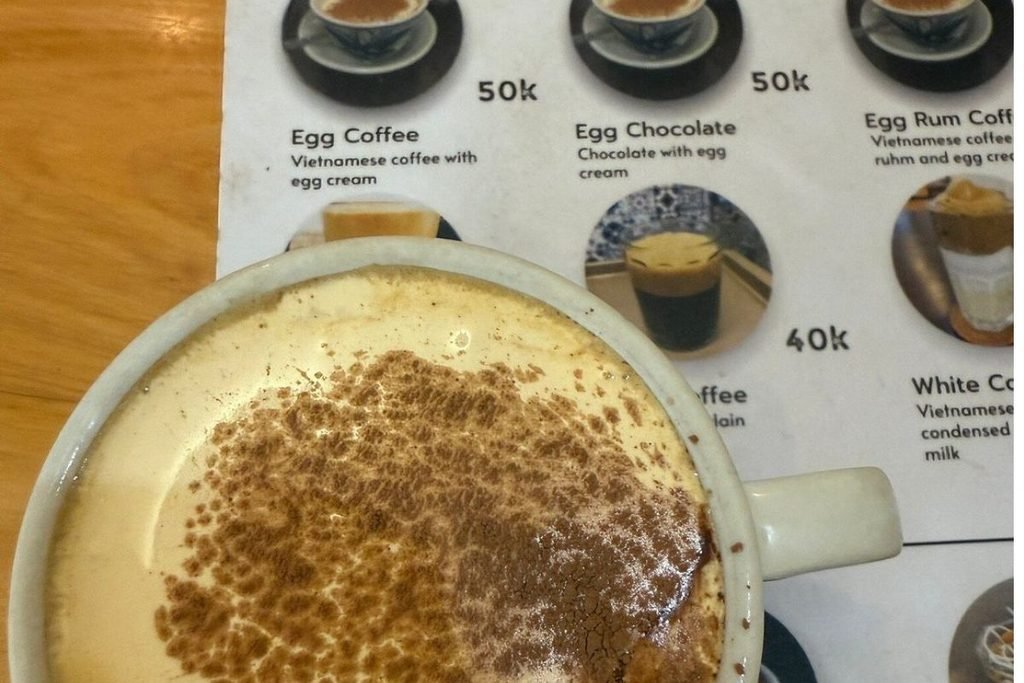
Egg Coffee
We have to give Egg Coffee its own mention because it sounds much stranger than it tastes.
Originating in Hanoi, it combines strong Vietnamese coffee with a creamy topping traditionally made from whipped egg yolk, sugar and condensed milk.
The result is rich, sweet and almost dessert-like. Think coffee with a creamy custard-style topping, rather than coffee that tastes like scrambled eggs.
Where to try it: Hanoi is the place to try the original style, although you’ll now find versions elsewhere in Vietnam.
Good to know: Vietnamese coffee can be strong, and condensed milk makes it deceptively easy to drink. If you’re sensitive to caffeine, take that into account before ordering another one because the first tasted so good.
Banh Chuoi Nuong
For something sweet, look out for Banh Chuoi Nuong, a Vietnamese baked banana cake or bread pudding.
It traditionally makes use of ripe bananas along with ingredients such as bread or baguette, coconut milk and condensed milk, creating a soft, rich dessert with caramelised banana flavours.
It’s also another interesting little connection to Vietnam’s food history. Even something as simple as leftover baguette has been incorporated into a dessert that feels completely Vietnamese.
You’ll find different versions, and it can be served warm or at room temperature.
Tohu Tip: Don’t overlook Vietnam’s little cafes and dessert stalls. Some of the best food discoveries aren’t necessarily a full meal. Sometimes it’s a coffee, something sweet and a seat somewhere watching everyday Vietnamese life go by.
Street Food, Markets & Food Tours
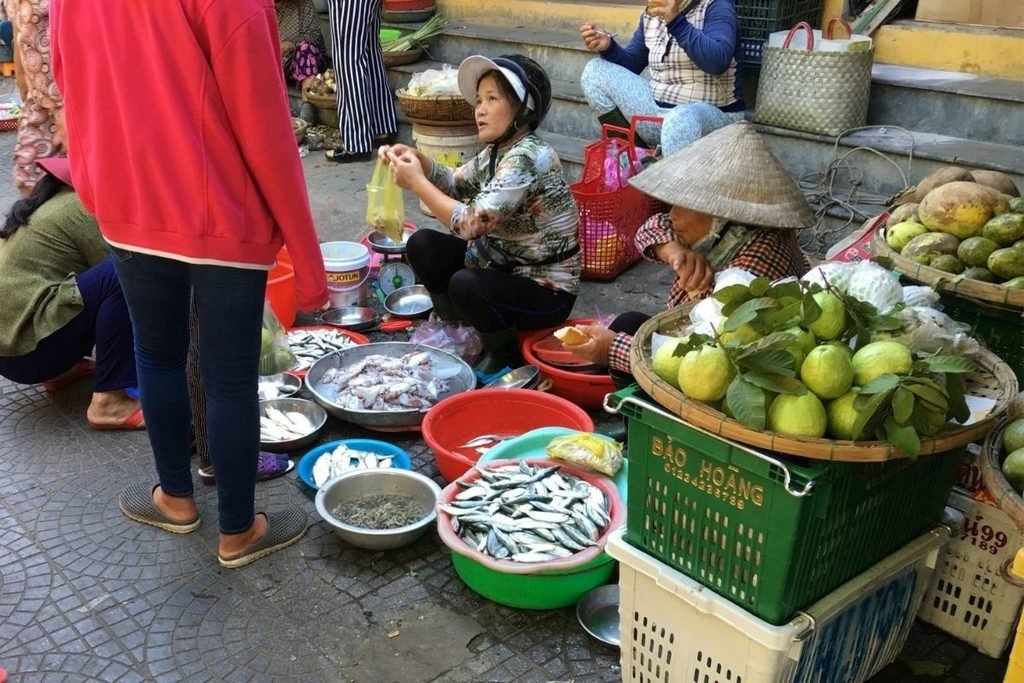
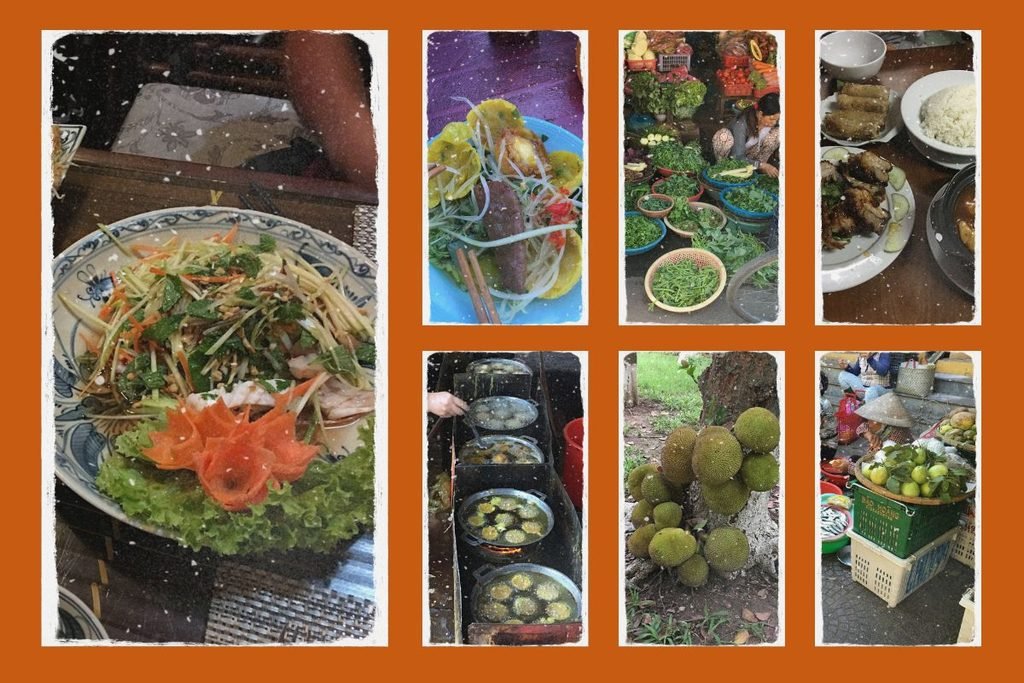
Some of our favourite food experiences in Vietnam weren’t in restaurants at all. They were at markets, street stalls and small local eateries where the menu might be tiny, the tables even tinier, but the food was fantastic.
One of the best things we did was take food tours early in our stay. It gave us a much better understanding of what we were looking at, what to order and, sometimes just as importantly, how we were supposed to eat it.
Our guides introduced us to:
- Small local eateries we probably would have walked straight past
- Regional dishes we hadn’t heard of
- Different herbs, sauces and accompaniments
- Foods we might not have been brave enough to order ourselves
- Places we could return to later
This worked particularly well for us in Hoi An. We discovered several places on our food tour that we enjoyed so much we went back night after night during our five-day stay.
Tohu Tip: If you’re taking a food tour, do it near the beginning of your stay rather than the last night. That way you have time to return to the places you loved.
Understanding the Flavours
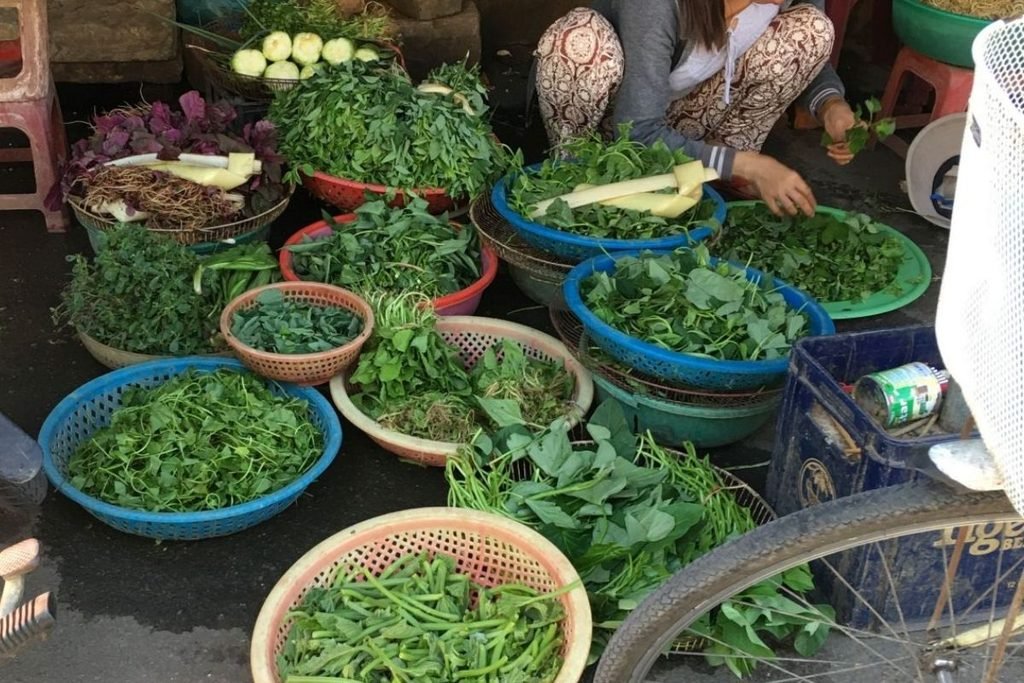
One of the things we loved most about Vietnamese food was how fresh and light it could taste while still being packed with flavour.
You’ll quickly become familiar with ingredients such as:
- Fresh coriander, mint, basil and other herbs
- Fish sauce
- Nuoc cham dipping sauce
- Lime
- Chilli
- Pickled vegetables
- Peanuts
- Rice noodles
- Fresh vegetables and greens
You may also come across herbs and ingredients you don’t immediately recognise. Vietnamese cuisine uses an enormous variety of fresh leaves and aromatics, including Vietnamese coriander, perilla, fish mint and other herbs that may be completely new to you.
Don’t worry about identifying every leaf on your plate. Try them together with the dish first. They’re usually there because they add another layer of flavour, not simply as decoration.
Food Changes as You Travel
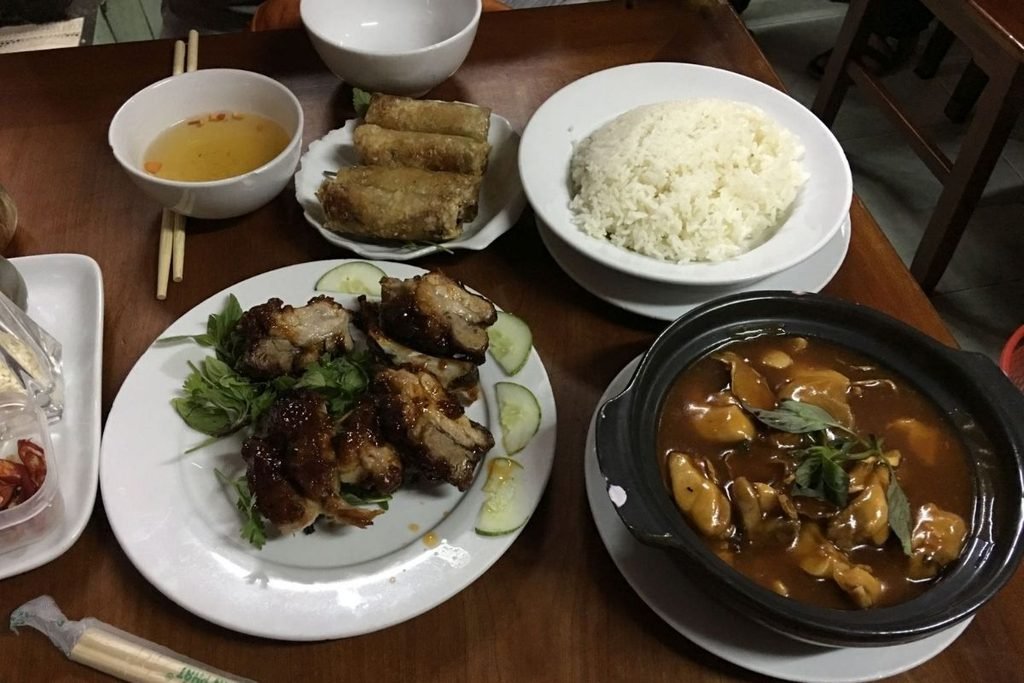
Vietnamese food isn’t one single style of cooking. The flavours and specialities change as you travel from north to south, which is another reason not to eat the same familiar dish everywhere you go.
As a broad guide:
- Northern Vietnam: Often known for more subtle, balanced flavours. Hanoi is the place to look for dishes such as Pho, Bun Cha and Cha Ca.
- Central Vietnam: Often bolder and spicier, with strong regional dishes including Bun Bo Hue, Mi Quang and Hoi An’s Cao Lau.
- Southern Vietnam: You’ll often notice sweeter flavours, plenty of fresh herbs and a huge variety of street food.
There are variations everywhere, so don’t get too caught up in what a dish is supposed to look like. The same dish can change from one city, family or food stall to another.
That’s part of the experience.
A Few Food Tips Before You Go
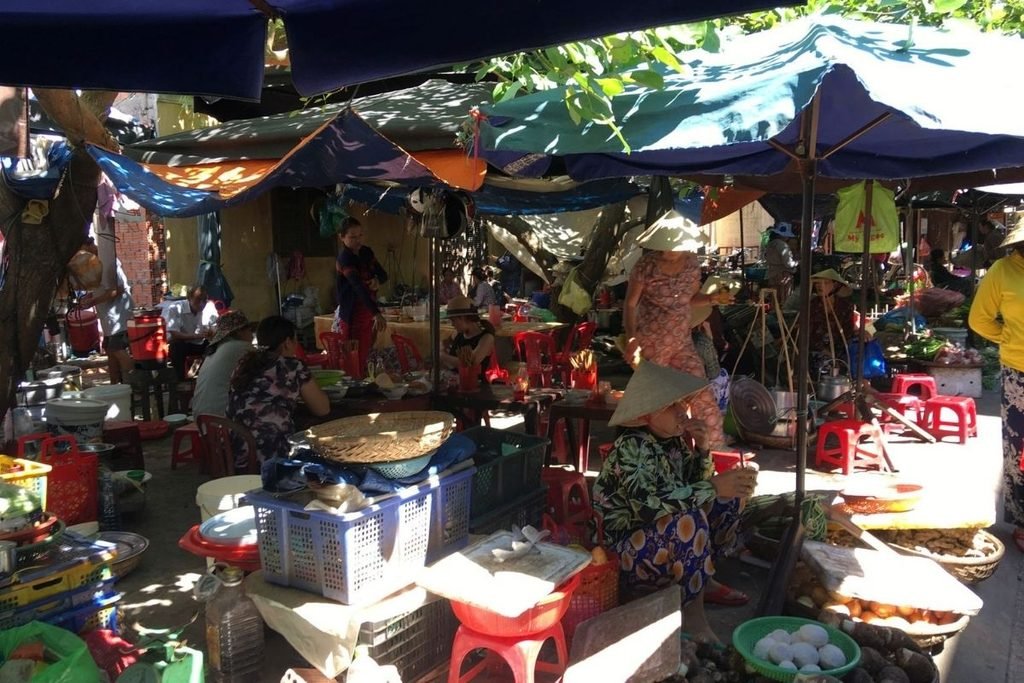
We ate incredibly well in Vietnam, but like many travellers, we did have a stomach upset during our trip.
It didn’t stop us enjoying the food, but it did remind us to be sensible.
A few things we’d recommend:
- Look for busy stalls and eateries with plenty of local customers.
- Choose food that is being cooked fresh and served hot where possible.
- Carry hand sanitiser when you’re eating on the go.
- If something doesn’t look or smell right, leave it.
- Don’t assume an expensive restaurant automatically means better food.
- Speak with your doctor or travel clinic before leaving home about vaccinations and any medications they recommend carrying.
- Consider packing electrolytes and the basic stomach medications recommended by your health professional.
Most importantly, don’t let fear stop you from trying the food. Some of our favourite meals came from simple local places we may never have chosen without a food tour or recommendation.
Tohu Tip: One thing that’s easy to overlook with street food is how fresh ingredients are washed. We tend to choose food that’s cooked and served hot rather than raw salads or uncooked vegetables, as you don’t always know what water has been used to wash them. In restaurants, if you’re ordering a salad, don’t be shy about asking whether the vegetables have been washed using filtered or treated water. It’s a simple question that can save an upset stomach from spoiling a few days of your trip.
Final Thoughts
Vietnam was one of those destinations where food became part of the journey rather than simply something we stopped to eat.
From our first bowls of noodles to banh mi, sizzling pancakes, tiny local eateries, markets and food tours, there always seemed to be something new to try. And just when we thought we understood Vietnamese food, we’d move to another part of the country and discover a completely different set of flavours.
Our biggest advice is simple: be curious.
Take a food tour, follow the locals, try the little place you might normally walk past and order something you haven’t heard of before. You won’t love everything, but chances are some of your strongest memories of Vietnam will involve a plastic stool, a busy street and a plate of something absolutely delicious.
“The world is full of magical things, patiently waiting for our senses to grow sharper.”
🌍 Travel Planning Resources
These are the tools we personally use and trust when planning our travels from finding a place to stay to booking activities, transport and insurance. Let your “Tohu” guide you “Trust the Journey” and follow what feels right for you.
- ✈️Flights – Compare great deals with Trip.com then Kiwi.com for flexible, affordable options.
- 🚐 Campervans – Compare rental deals with Motorhome Republic across Aotearoa and beyond.
- 🛏️ Stays – Compare hotels on Trip.com and TripAdvisor or Booking.com.
- 🚐 Rental Cars – Compare prices and book through Airport Rentals by Motorhome Republic for trusted brands and easy airport pickup.
- 🎟️ Activities – Browse tours and experiences on Viator, Get Your Guide, or TripAdvisor
- 🚆12Go Asia – Compare and book trains, buses, and ferries across Asia in one place with 12Go.
- 🛡️ Travel Insurance – Get flexible short-term coverage with Insubuy for your next holiday.
- 💳 Travel Money – Send, spend and manage money internationally with Wise, with easy currency conversion and a handy option for travellers.
- 🔒 Protect Your Privacy with a VPN – We recommend Surfshark VPN for secure and private browsing while travelling. It’s fast, affordable and works worldwide, perfect for public Wi-Fi at airports, cafes and hotels.
- 📱 Travel eSIM – Stay connected with Airalo
- 💼 Lounge Access – Treat yourself with Priority Pass for UK or US
- 🎶 Events & Concerts – Book tickets worldwide through Ticketmaster.
🧭 Note: Some booking links can be a bit shy when you’re using a VPN. If one doesn’t open, try pausing your VPN or switching to a different server location or secure Wi-Fi network to get things flowing again.