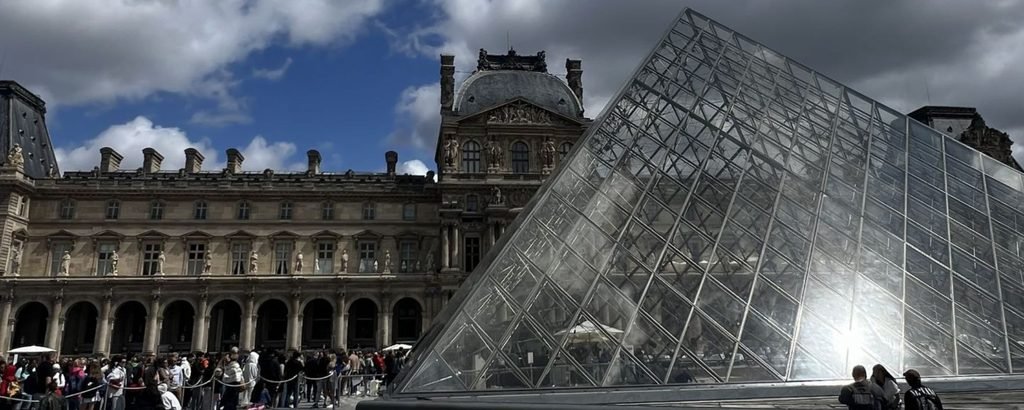
Paris is one of the world’s most iconic cities, where centuries of history meet beautiful architecture, vibrant neighbourhoods and the unmistakable atmosphere of French city life.
Beyond the capital, the magnificent Palace of Versailles offers a fascinating glimpse into France’s royal past. Together, Paris and Versailles make an unforgettable combination for travellers wanting to experience the history, culture and character of France.
Is Paris and Versailles Worth Visiting?
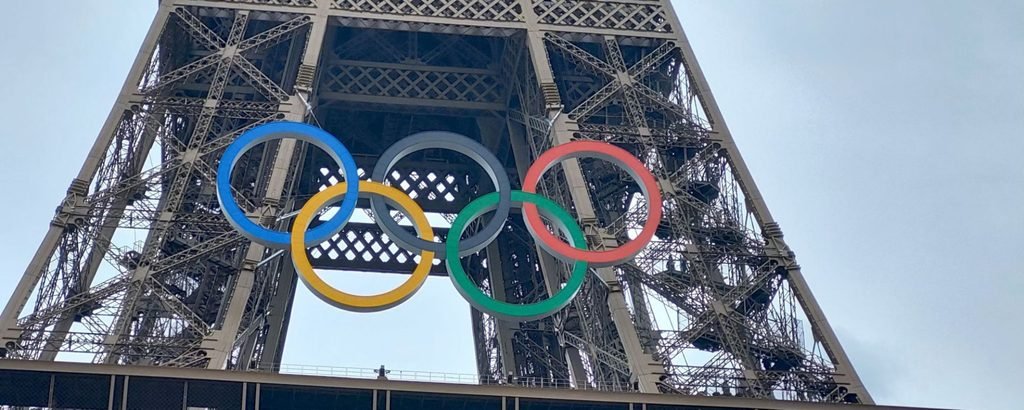
Absolutely! Paris is a destination that attracts millions of visitors each year, and it’s easy to understand why.
Some of the main reasons to visit include:
- Iconic Landmarks: Discover the Eiffel Tower, Arc de Triomphe and Notre-Dame Cathedral.
- World-Famous Art: Explore the Louvre Museum, home to the Mona Lisa and thousands of other artworks and historical artefacts.
- Historic Neighbourhoods: Wander through Montmartre, the Latin Quarter and other distinctive areas of the city.
- The Seine River: Enjoy scenic walks, historic bridges and sightseeing cruises through the heart of Paris.
- French Food and Cafés: Experience traditional boulangeries, local restaurants and Parisian café culture.
- Palace of Versailles: Discover the extravagant royal palace, magnificent gardens and fascinating history of the French monarchy.
Although Paris can be busy and expensive, its remarkable attractions and atmosphere make it a destination well worth experiencing.
Our Experience Exploring Paris and Versailles
My first visit to Paris was with a group of girlfriends, travelling from London aboard the high-speed Eurostar. It was my first opportunity to explore a city I’d wanted to visit for years, and we made the most of our time discovering its famous attractions.
Years later, I returned with Toni in July 2024, towards the end of our three-month European road trip.
Paris was quite a contrast to the smaller French towns and villages we’d been exploring. With preparations underway for the 2024 Olympic Games, the city was particularly busy. Although Toni isn’t particularly fond of large crowds, we enjoyed exploring together and experiencing Paris from a different perspective.
It was also our final European destination before returning our leased car and flying to Hong Kong.
Table of Contents
- Is Paris and Versailles Worth Visiting?
- Our Experience Exploring Paris and Versailles
- Exploring Paris’s Famous Landmarks
- Exploring Paris by the Seine River
- Exploring Montmartre and Sacré-Cœur
- Visiting the Palace of Versailles
- Where to Stay in Paris
- Getting Around Paris
- A Taste of Paris – Cafés, Boulangeries and French Cuisine
- Best Time to Visit Paris and Versailles
- Practical Tips for Visiting Paris and Versailles
- Final Thoughts on Exploring Paris and Versailles
Exploring Paris’s Famous Landmarks
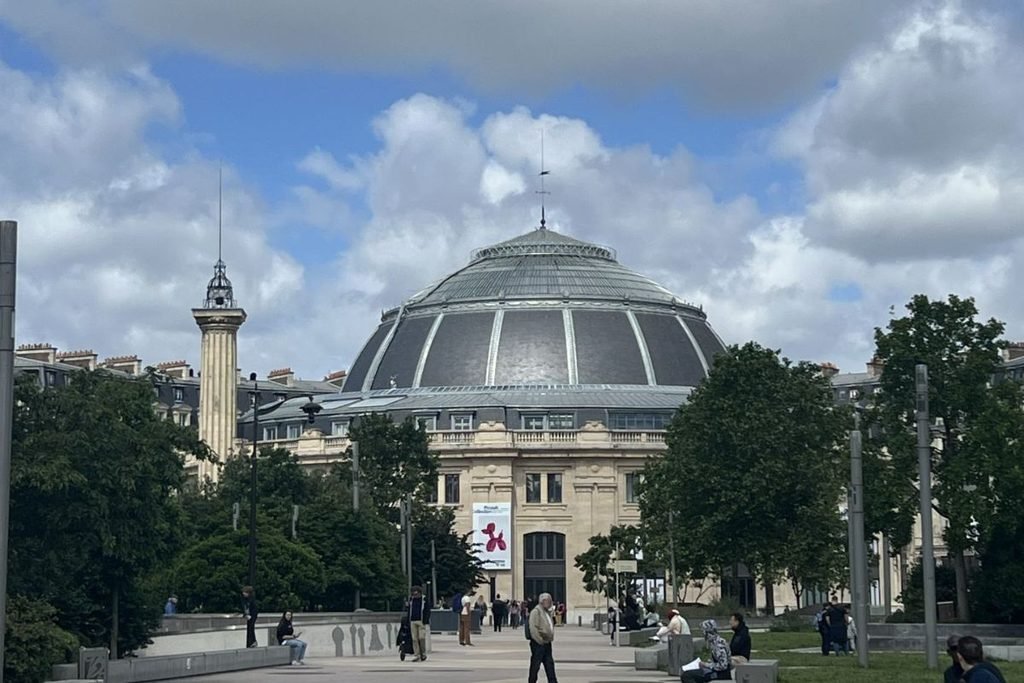
Paris is home to some of the most recognisable landmarks in the world, with centuries of history reflected in its monuments, museums and grand boulevards. Many of the city’s major attractions are spread across different neighbourhoods, so allowing plenty of time to explore makes sightseeing much more enjoyable.
Visiting the Eiffel Tower
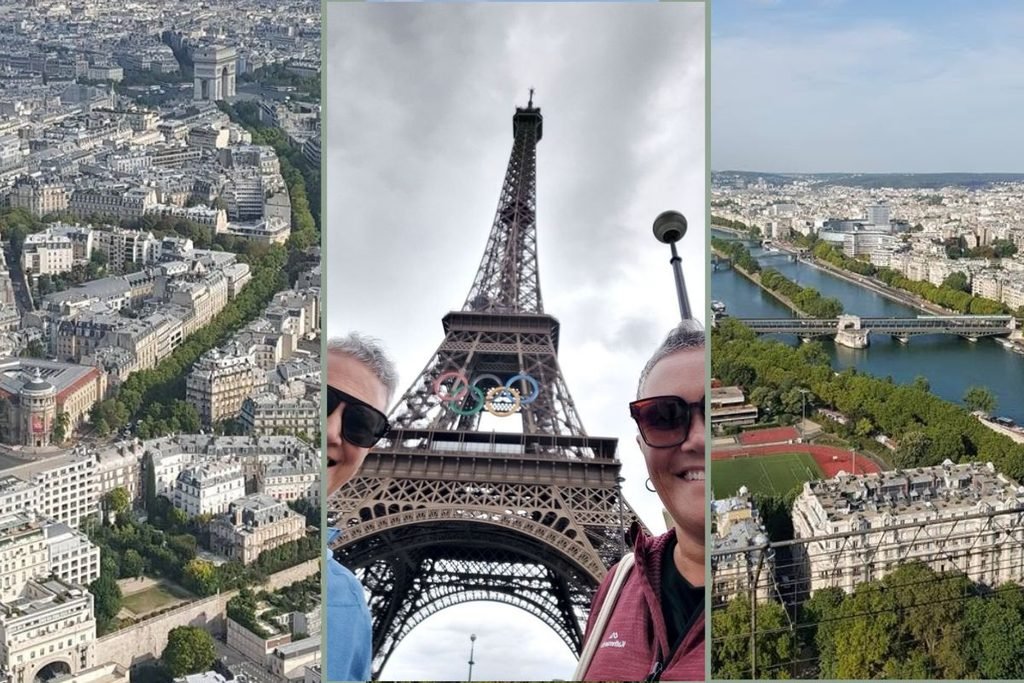
The Eiffel Tower (Tour Eiffel) is Paris’s most famous landmark and one of the most recognisable structures in the world.
Standing approximately 330 metres tall, the iron tower was originally constructed for the 1889 World’s Fair and has since become a symbol of France.
Visitors can experience the tower in several ways:
- Second Floor: Enjoy panoramic views across Paris, with access by lift or stairs.
- Summit: Travel higher for spectacular views over the city.
- Champ de Mars: A large public green space offering excellent views of the tower.
- Trocadéro: A popular viewpoint across the Seine, particularly for photographs.
Our Experience: Visiting the Eiffel Tower had been on my bucket list for years, so finally standing beneath it during my first Paris trip was incredibly exciting.
We went up the Eiffel Tower, and seeing Paris spread out below us was one of the highlights of that visit. It was one of those moments when I couldn’t quite believe I was finally there.
When I returned with Toni in 2024, we admired the tower from ground level rather than going up again. It was just as special seeing it a second time, particularly being able to share one of my favourite Paris landmarks with Toni.
Exploring the Louvre Museum
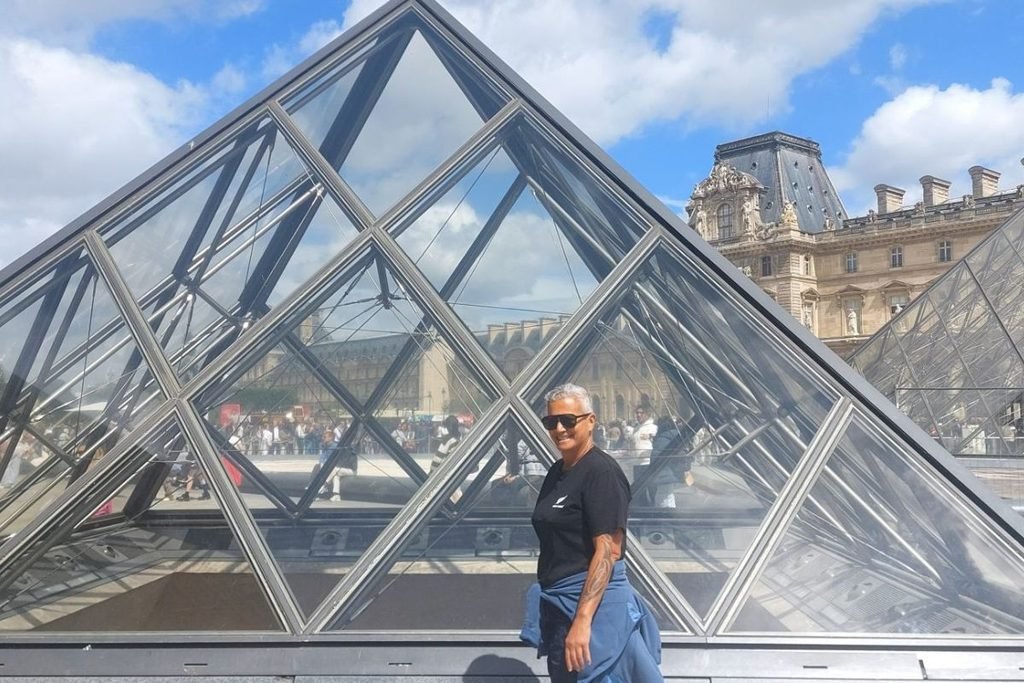
The Louvre Museum (Musée du Louvre) is one of the world’s most famous art museums, housed in a former royal palace in the heart of Paris.
Home to an extraordinary collection of paintings, sculptures and historical artefacts, the Louvre attracts visitors from around the world.
Some of its most famous attractions include:
- Mona Lisa: Leonardo da Vinci’s celebrated portrait and one of the museum’s biggest attractions.
- Venus de Milo: An ancient Greek marble sculpture dating back more than 2,000 years.
- Winged Victory of Samothrace: An impressive Greek sculpture displayed at the top of a grand staircase.
- Napoleon III Apartments: Lavishly decorated rooms showcasing the luxury of France’s Second Empire.
- Louvre Pyramid: The distinctive glass entrance in the museum’s historic courtyard.
Our Experience: During my first visit to Paris, seeing the Mona Lisa was one of the main reasons I wanted to explore the Louvre.
What surprised me most was how small the painting actually was! With so many people gathered around it, we had to wait our turn to get close enough for a photograph. Once we’d finally taken our photos, finding our way out became another adventure. The museum was enormous, with corridors and galleries leading in every direction. It felt like a maze!
Despite the crowds, I thoroughly enjoyed discovering the other artwork and historical artefacts throughout the museum.
Visiting Tip: Book tickets in advance where possible and allow several hours to explore. The Louvre is much larger than many visitors expect, so choosing a few collections or artworks beforehand can help you make the most of your time.
Discovering Notre-Dame Cathedral
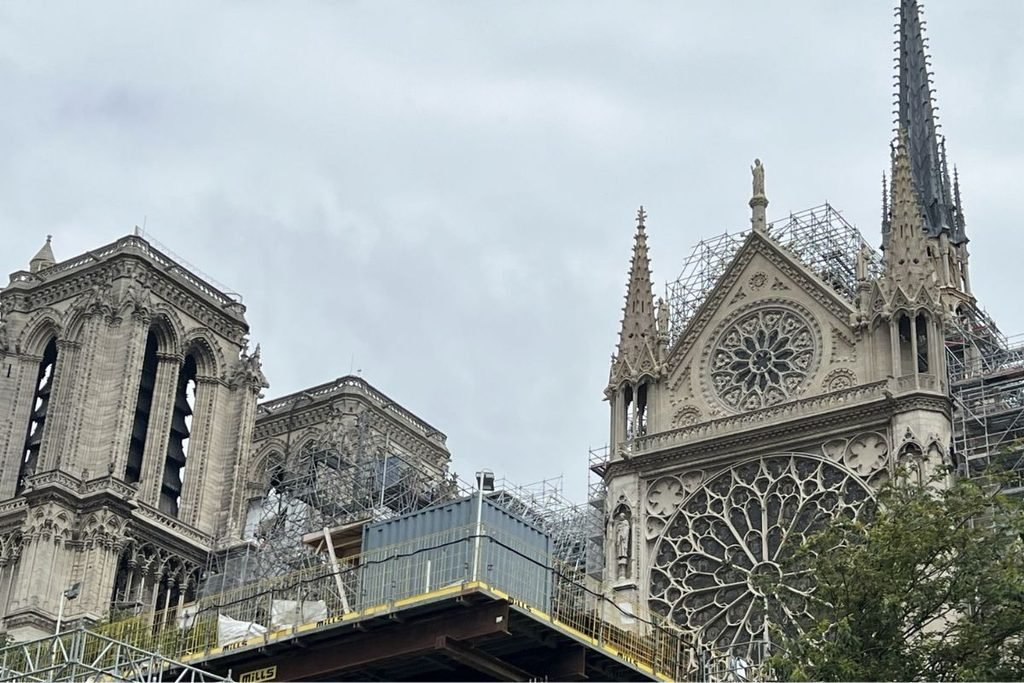
Notre-Dame Cathedral (Cathédrale Notre-Dame de Paris) is one of France’s most important historic landmarks, located on the Île de la Cité, an island in the Seine River. Construction began in 1163, and the cathedral became a remarkable example of French Gothic architecture, famous for its stained-glass rose windows, intricate stone carvings and impressive towers.
In April 2019, a devastating fire destroyed much of the cathedral’s roof and its famous spire. Following an extensive restoration project, Notre-Dame reopened to visitors in December 2024.
Today, visitors can once again admire the cathedral’s restored interior, while the surrounding riverbanks and bridges offer beautiful views of its exterior.
Our Experience: I was fortunate enough to visit Notre-Dame during my first trip to Paris, several years before the fire. Seeing the cathedral in its original condition was a memorable experience, particularly knowing how much history was contained within its walls.
One thing I haven’t forgotten, though, was paying €15 for a beer at a nearby café! We were later told that if we’d sat inside, it would have been slightly cheaper, and standing at the bar would have been cheaper again. Apparently, where you chose to drink could make quite a difference to the price!
Looking back, I’m especially grateful we had the opportunity to see Notre-Dame before the fire changed its appearance.
Visiting Tip: Entry to the cathedral is free, although some areas and activities may require separate tickets. Check the official Notre-Dame website for current visiting arrangements, and consider exploring the surrounding streets of Île de la Cité while you’re there.
Visiting the Arc de Triomphe and Champs-Élysées
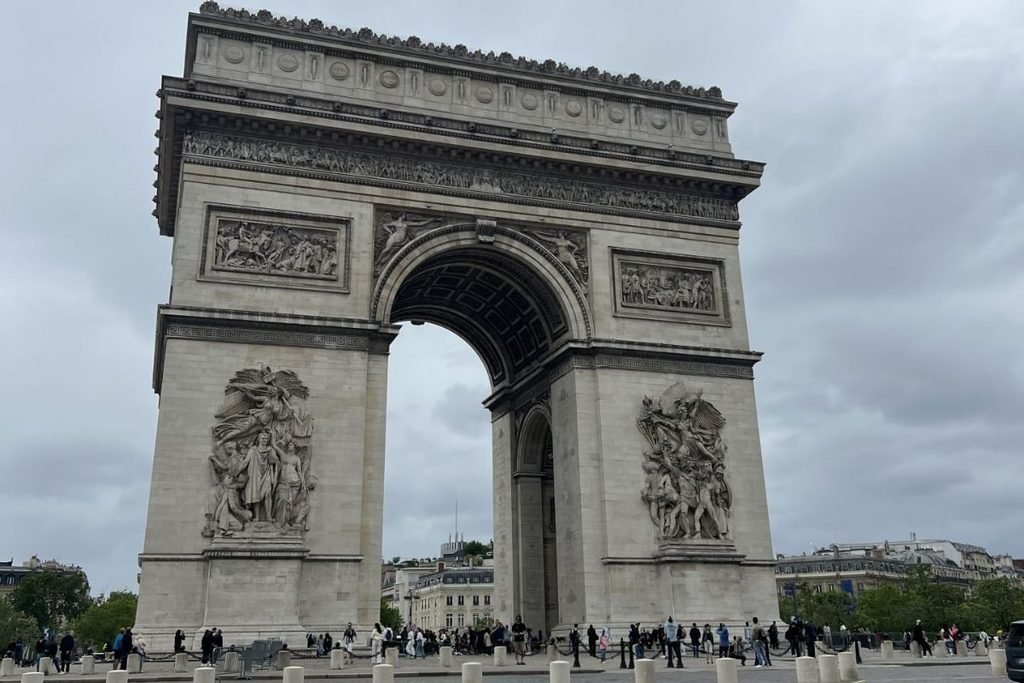
The Arc de Triomphe is one of Paris’s most impressive monuments, standing at the western end of the famous Champs-Élysées. Commissioned by Napoleon Bonaparte in 1806, the monument honours those who fought and died for France during the French Revolutionary and Napoleonic Wars.
Beneath the arch lies the Tomb of the Unknown Soldier, where an eternal flame burns in remembrance of those who lost their lives during the First World War. Visitors can climb to the rooftop terrace for panoramic views across Paris, including the twelve avenues radiating from the surrounding roundabout.
The Champs-Élysées stretches from the Arc de Triomphe towards Place de la Concorde and is known for its grand buildings, shops, cafés and restaurants.
Our Experience: During our 2024 visit, Toni and I walked from the Eiffel Tower towards the Arc de Triomphe, taking in the sights along the way.
What fascinated us most was the enormous roundabout surrounding the monument. Watching vehicles approach from so many directions, weaving around one another in what appeared to be complete chaos, was quite an experience! We were happy to admire the monument from ground level rather than climbing to the top. With so much of Paris still to explore, we continued our sightseeing adventure on foot.
Visiting Tip: Don’t attempt to cross the busy roundabout to reach the monument. Use the designated underground pedestrian passage, which provides safe access to the Arc de Triomphe.
Exploring Paris by the Seine River
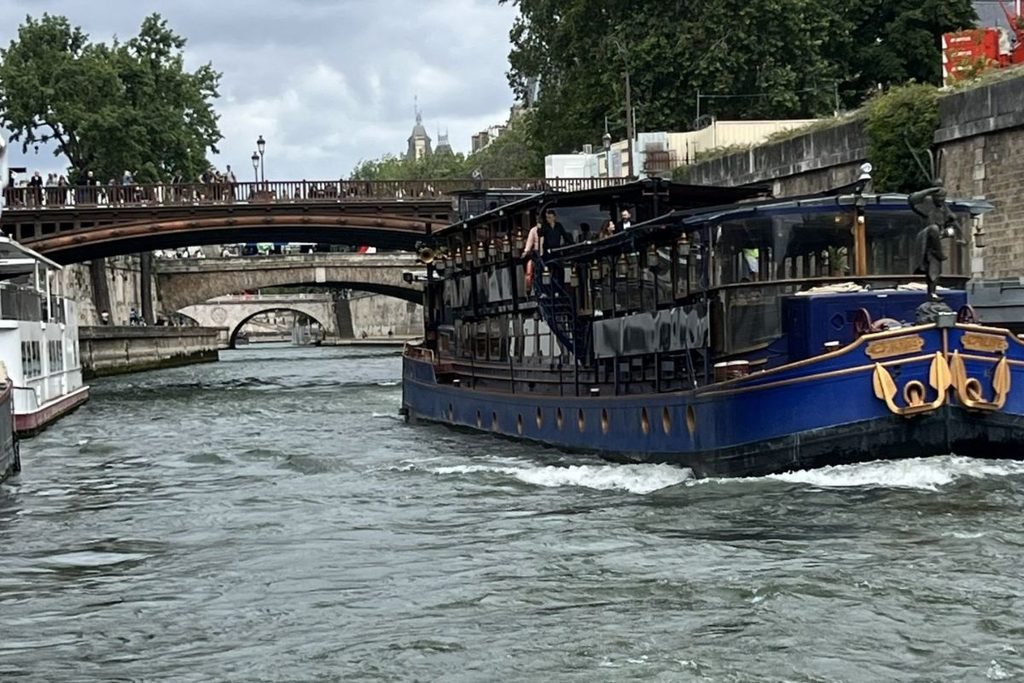
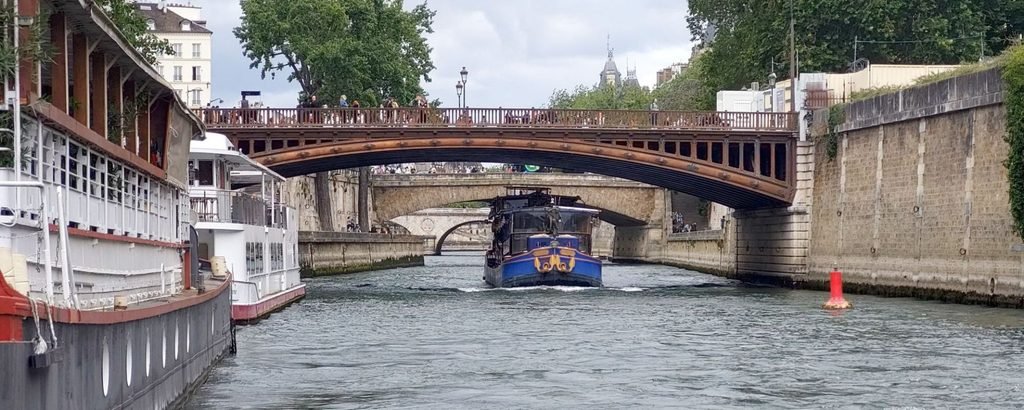
The Seine River flows through the heart of Paris, passing some of the city’s most famous landmarks, historic bridges and beautiful waterfront buildings.
Exploring along the river is a wonderful way to appreciate the city’s architecture and atmosphere, whether you’re walking beside the water or enjoying the views from a sightseeing boat.
Walking Along the Seine
The banks of the Seine River offer some of Paris’s most scenic walking routes, passing historic bridges, magnificent buildings and beautiful waterfront views.
Along the way, you’ll discover riverside cafés, impressive architecture and familiar landmarks such as the Eiffel Tower, Louvre Museum and Notre-Dame Cathedral. Some stretches are lively with sightseeing boats and visitors, while others offer quieter places to sit and enjoy the surroundings.
Our Experience: During our 2024 visit, Toni and I thoroughly enjoyed spending time beside the Seine, admiring the architecture and watching the boats travelling along the river.
With preparations underway for the Paris Olympic Games, the waterfront was particularly lively, and there was plenty happening around us. Despite all the activity, we still found moments to simply enjoy the river and take in the atmosphere of Paris.
Exploring Paris by Hop-On Hop-Off Boat
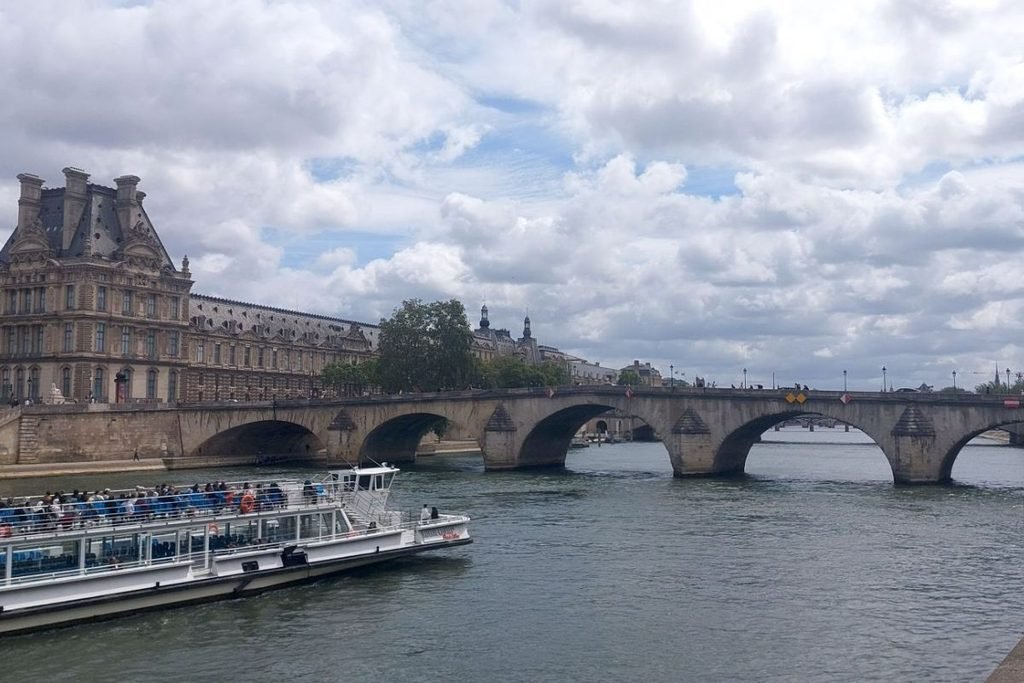
A hop-on hop-off sightseeing boat is a wonderful way to explore Paris from the Seine River, offering views of the city’s famous landmarks, historic bridges and beautiful waterfront architecture. Unlike a traditional river cruise, these boats allow passengers to disembark at designated stops, explore nearby attractions and return when they’re ready to continue.
Our Experience: During my first visit to Paris, we used a hop-on hop-off sightseeing bus, which was an excellent introduction to the city and its different neighbourhoods.
When Toni and I returned in 2024, we decided to try the hop-on hop-off boat instead. The boat became our main form of sightseeing transport, allowing us to travel between attractions while enjoying the scenery along the Seine.
Having experienced both, we found that each offered different benefits:
- Sightseeing Bus: Great for exploring the streets, neighbourhoods and attractions further away from the river.
- Sightseeing Boat: A more relaxing experience with beautiful waterfront views and convenient access to many major landmarks.
We felt the boat covered more of what we wanted to see, although it was more expensive than the bus. For us, the additional cost was worthwhile.
Visiting Tip: Consider which attractions you want to visit before choosing between the two. The boat is ideal for sightseeing along the Seine, while the bus provides access to more areas beyond the river.
Exploring Montmartre and Sacré-Cœur
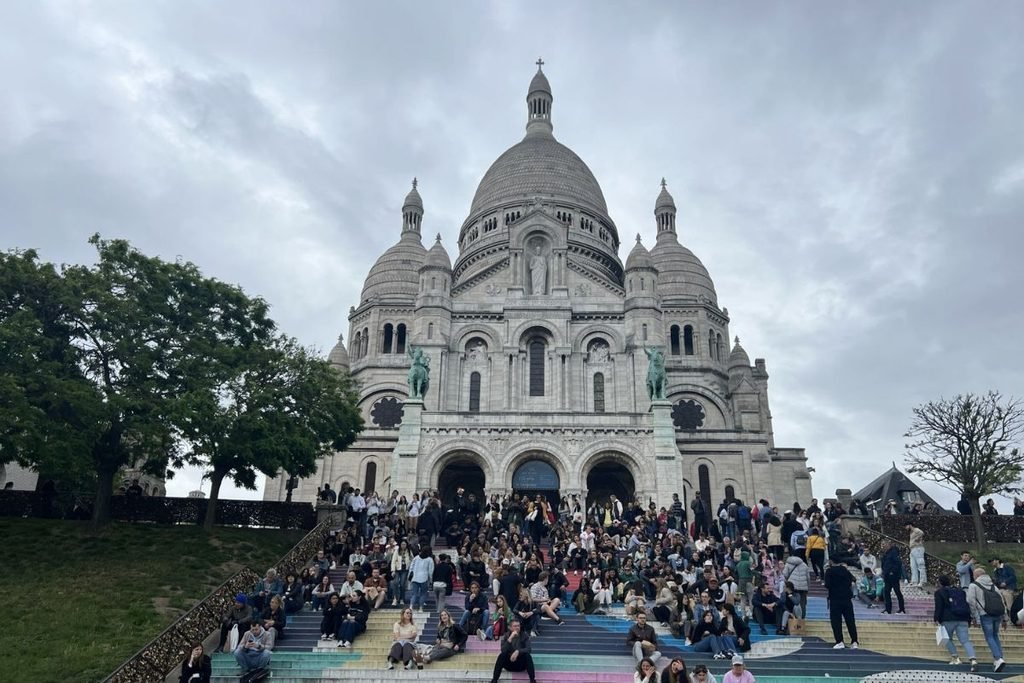
Perched on a hill overlooking Paris, Montmartre is a historic neighbourhood known for its artistic heritage, cobbled streets, lively cafés and beautiful views across the city.
Once home to famous artists such as Pablo Picasso and Vincent van Gogh, Montmartre has retained much of its village-like character despite being one of Paris’s most popular tourist areas. At the top of the hill stands the magnificent Sacré-Cœur Basilica, one of the neighbourhood’s most recognisable landmarks.
Discovering Montmartre
Montmartre offers a different atmosphere from the grand boulevards and busy streets of central Paris, with narrow lanes, small squares and traditional Parisian buildings.
Some of the area’s highlights include:
- Sacré-Cœur Basilica: A striking white-domed church overlooking Paris, with free entry to the main basilica.
- Place du Tertre: A lively square famous for its street artists, portrait painters and outdoor cafés.
- Rue de l’Abreuvoir: A picturesque cobbled street lined with historic buildings.
- Montmartre’s Cafés and Restaurants: Plenty of opportunities to enjoy French food while soaking up the neighbourhood’s atmosphere.
- Panoramic Views: The elevated position provides sweeping views across the rooftops of Paris.
Although Montmartre attracts plenty of visitors, wandering away from the busiest streets can reveal quieter corners and a more relaxed side of the neighbourhood.
Our Experience in Montmartre
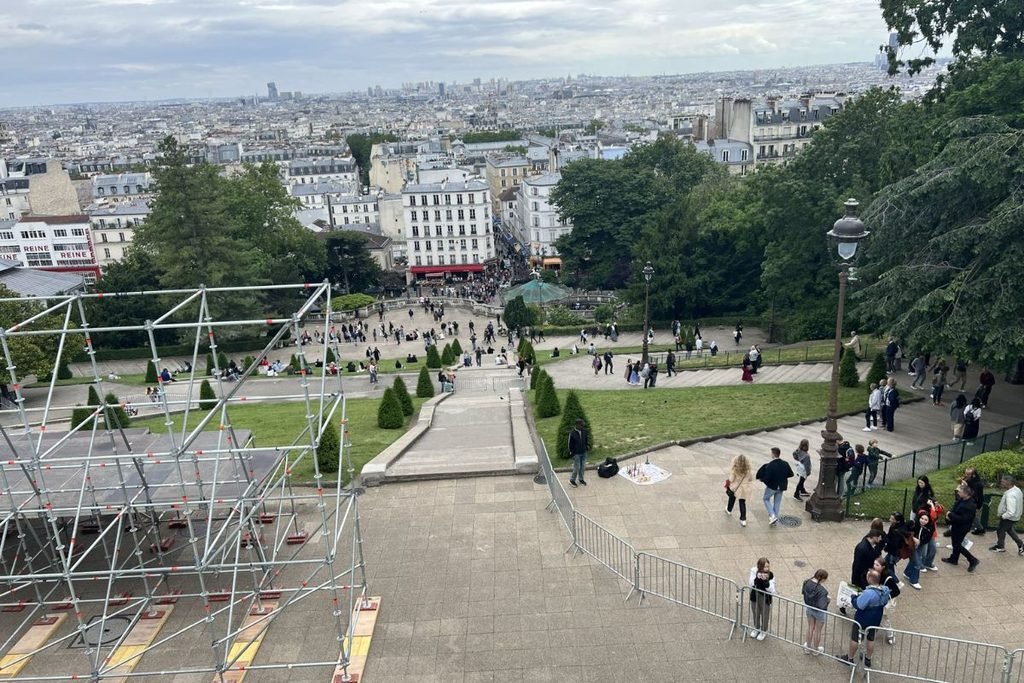
During our 2024 visit, Toni and I caught the Metro to Montmartre, where we enjoyed wandering through the neighbourhood and soaking up its atmosphere.
We stopped for a beautiful meal at a local restaurant, which was a welcome break after a busy day of sightseeing.
Afterwards, we decided to walk downhill rather than return straight to the Metro. What followed was another two hours of wandering through Paris as we made our way towards the train station. By the time we finished, we’d spent around eight hours exploring the city and were absolutely exhausted!
Despite our tired feet, it had been a wonderful day, and Montmartre was a lovely place to finish our sightseeing before heading back to our accommodation.
Visiting the Palace of Versailles
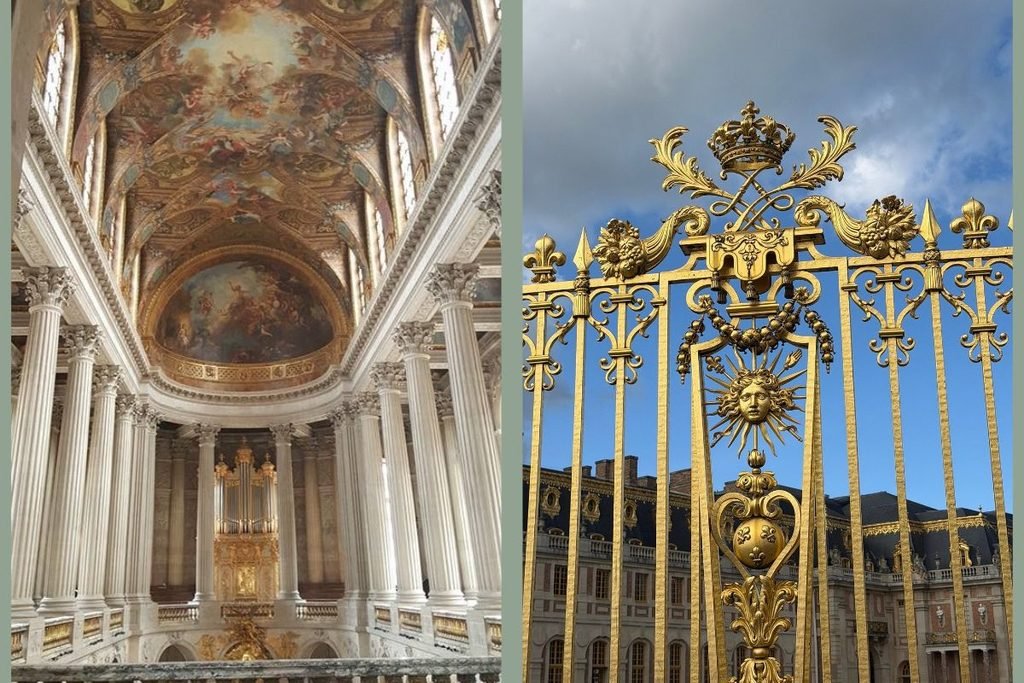
Located approximately 20 kilometres southwest of central Paris, the Palace of Versailles (Château de Versailles) is one of France’s most extraordinary historic attractions.
Once the principal royal residence of French kings, Versailles is famous for its magnificent architecture, lavishly decorated rooms and extensive formal gardens. Today, the palace offers visitors a fascinating insight into the wealth, power and lifestyle of the French monarchy before the French Revolution.
Exploring the Palace of Versailles
Originally a hunting lodge, Versailles was transformed into an enormous royal palace during the reign of King Louis XIV, who moved the royal court and government there in 1682. The palace became a symbol of royal power and extravagance, with elaborate interiors, priceless artworks and beautifully decorated ceremonial rooms.
Some of the main highlights include:
- Hall of Mirrors: A spectacular gallery featuring 357 mirrors, ornate chandeliers and painted ceilings overlooking the gardens.
- King’s State Apartments: Lavishly decorated rooms used for royal ceremonies and official occasions.
- Queen’s Apartments: Historic rooms associated with France’s queens, including Marie Antoinette.
- Royal Chapel: An impressive chapel featuring magnificent architecture and decorative details.
- Royal Art Collections: Paintings, sculptures and furnishings reflecting centuries of French royal history.
The sheer scale of Versailles is remarkable, with each room offering another glimpse into the extraordinary lifestyle of the French royal court.
Visitors should allow at least half a day to explore the palace, with additional time if planning to visit the gardens and wider estate.
The Gardens and Grounds of Versailles
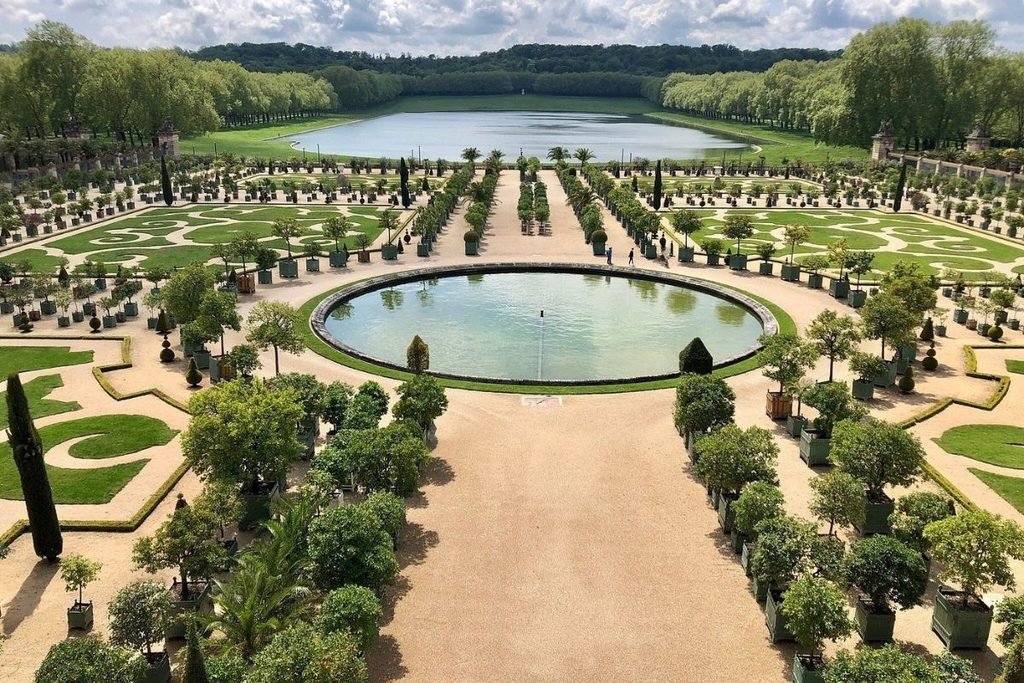
The Gardens of Versailles are almost as impressive as the palace itself, featuring beautifully landscaped lawns, ornamental fountains, sculptures and tree-lined pathways.
Designed during the reign of King Louis XIV by landscape architect André Le Nôtre, the gardens were created to demonstrate the wealth and power of the French monarchy. The grounds extend far beyond the main palace, offering visitors plenty to explore.
Some of the highlights include:
- Formal Gardens: Elaborate flowerbeds, perfectly trimmed hedges and symmetrical pathways.
- Grand Canal: An enormous cross-shaped waterway stretching through the estate.
- Ornamental Fountains: Beautifully decorated fountains, some featuring sculptures inspired by classical mythology.
- Grand Trianon: An elegant palace built as a retreat from the formalities of royal court life.
- Petit Trianon: A smaller palace closely associated with Queen Marie Antoinette.
- Queen’s Hamlet: A picturesque collection of rustic buildings created for Marie Antoinette within the wider estate.
Visitors can explore the gardens on foot, although the distances between attractions can be considerable. Small tourist trains and other transport options are available within the estate.
Visiting Tip: Access to the gardens may require a paid ticket during the Musical Fountains Shows and Musical Gardens season. The Trianon estate also has separate admission arrangements, so check what’s included before purchasing tickets.
Our Experience Visiting Versailles
During my first trip to Paris, one of the girlfriends I was travelling with suggested taking a day trip to the Palace of Versailles. I’d never heard of Versailles before, so I had absolutely no idea what to expect. We caught the train from Paris, and what we discovered was beyond anything I could have imagined.
The sheer extravagance of the palace was astonishing. Everywhere we looked, there were elaborate gold decorations, magnificent paintings, ornate furnishings and beautifully decorated ceilings. Walking through the rooms, I couldn’t help thinking about the enormous wealth of the French monarchy and the contrast between their luxurious lifestyle and the hardships faced by ordinary people during that period.
Knowing that these inequalities contributed to the unrest surrounding the French Revolution made the experience even more thought-provoking.
What started as an unexpected suggestion turned into one of the most memorable experiences of my first visit to France.
Versailles wasn’t originally on my bucket list, but I’m certainly glad we went. It was a fascinating glimpse into French royal history and a reminder that sometimes the places you know the least about can leave the biggest impression. When Toni and I were planning our 2024 European road trip, we’d hoped to visit Versailles together. Our original idea was to drive from Mont Saint-Michel, spend a night in Versailles and then continue towards Italy. Unfortunately, the driving distances and time involved didn’t quite work with our itinerary, so we had to leave it out.
Getting to Versailles from Paris
The Palace of Versailles is an easy day trip from Paris, with several train services connecting the capital to Versailles.
The most convenient option for many visitors is the RER C train, which travels to Versailles Château Rive Gauche station, approximately a 10-minute walk from the palace entrance.
Other transport options include:
- SNCF Line N: Departs from Paris Montparnasse and arrives at Versailles Chantiers, approximately a 20-minute walk from the palace.
- SNCF Line L: Departs from Paris Saint-Lazare and arrives at Versailles Rive Droite, approximately a 15–20-minute walk from the palace.
- Organised Tours: Guided day trips from Paris are available for visitors who prefer transport and sightseeing arrangements to be organised in advance.
Visiting Tip: Allow a full day if you want to explore both the palace and its extensive gardens. Booking your palace admission in advance is recommended, particularly during busy periods.
Where to Stay in Paris
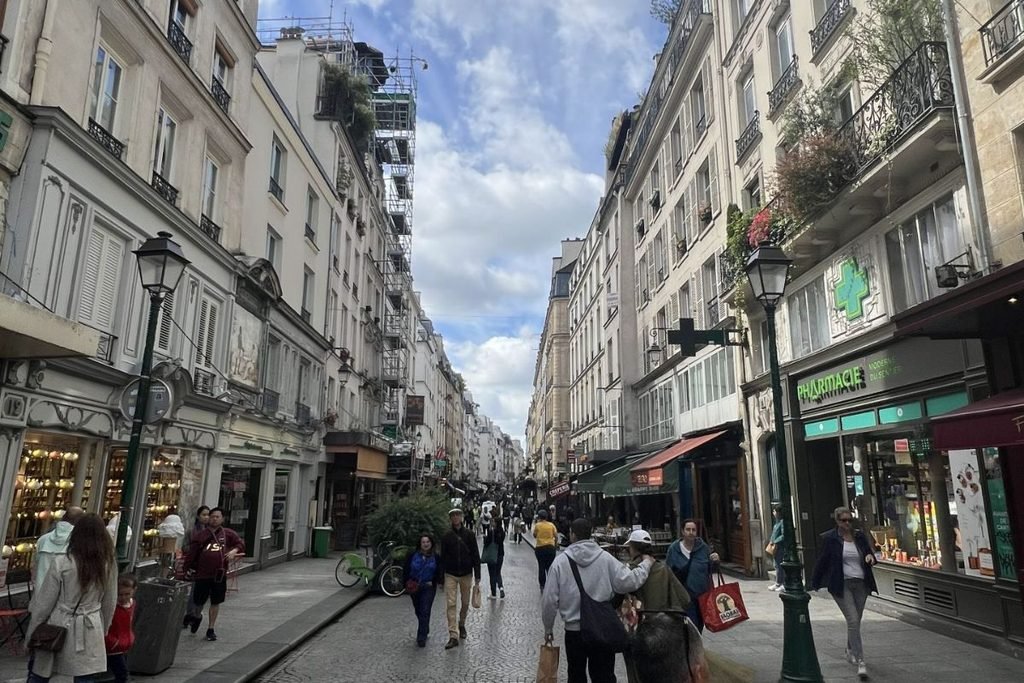
Choosing where to stay in Paris depends on your budget, preferred attractions and how you plan to get around the city.
Accommodation ranges from luxury hotels and boutique apartments in central Paris to more affordable options in the surrounding suburbs. While staying close to the main attractions is convenient, accommodation further out can offer better value, particularly when travelling with a car.
With Paris’s extensive public transport network, it’s possible to stay outside the city centre and still enjoy a full day of sightseeing.
Staying in Central Paris
Staying in central Paris puts visitors close to famous landmarks, restaurants, cafés and historic neighbourhoods, making it easier to explore on foot.
Some popular areas to consider include:
- Le Marais: A lively historic neighbourhood with boutique shops, restaurants and beautiful architecture.
- Saint-Germain-des-Prés: Known for its traditional cafés, attractive streets and convenient central location.
- Latin Quarter: A vibrant area with restaurants, historic buildings and a lively atmosphere.
- Montmartre: A character-filled neighbourhood with artistic heritage, cafés and views across Paris.
- Near the Eiffel Tower: Convenient for visitors wanting to stay close to one of the city’s most famous attractions.
Central accommodation can be expensive, particularly during busy travel periods, and rooms may be smaller than expected.
Visiting Tip: When comparing accommodation, check the distance to the nearest Metro or train station rather than focusing only on how far the property is from major attractions. Good transport connections can make a considerable difference to your stay.
Our Accommodation Experiences in Paris
We’ve stayed in two very different types of accommodation during our visits to Paris, and both experiences taught us something about choosing where to stay.
My First Visit – A Tiny Paris Airbnb
During my first visit with a group of girlfriends, we stayed in a small Airbnb apartment in Paris.
And when I say small, I mean really small! Our sleeping arrangements included a pull-out couch in the kitchen, which certainly made for an interesting experience.
It wasn’t luxurious, but it gave us somewhere to sleep after long days exploring the city. With so much sightseeing planned, we spent very little time at the apartment anyway.
Our 2024 Visit – Staying in Le Blanc-Mesnil
When Toni and I returned to Paris in July 2024, our accommodation requirements were quite different.
We were travelling with our leased Citroën C3 Aircross, so finding somewhere affordable with parking was a priority.
Accommodation close to central Paris was expensive, particularly when we needed somewhere to leave the car safely. After comparing our options, we booked an Airbnb in Le Blanc-Mesnil, outside the city centre.
The location worked well for us:
- Parking: We could leave our leased car at the accommodation while sightseeing.
- Train Access: The train station was close enough to walk to.
- Convenient Journey: It took approximately 45 minutes to reach central Paris by train.
- Better Value: Staying outside the city centre helped us avoid the higher accommodation costs closer to the main attractions.
We’d deliberately planned our stay around the train connections, knowing we wouldn’t need the car while exploring Paris.
On the day of our departure, we drove to the lease company’s vehicle return depot, handed back the car and caught their complimentary shuttle to the airport terminal for our flight to Hong Kong.
After three months of travelling around Europe, it was a straightforward way to finish our road trip without having to navigate central Paris by car.
Staying Outside Paris with a Car
If you’re exploring France on a European road trip, choosing accommodation outside central Paris can make travelling with a car considerably easier.
Before booking, there are a few things worth checking:
- Parking Restrictions: Confirm whether parking is included in the accommodation price and whether there are any vehicle height or access restrictions.
- Security: Look for private or secure parking, particularly if you’re leaving your vehicle unattended for the day.
- Public Transport Costs: Factor in return train fares when comparing accommodation prices.
- Low-Emission Zones: Check current driving restrictions and whether your vehicle requires a French Crit’Air emissions sticker.
- Vehicle Return Arrangements: If returning a rental or leased car near Paris, check the depot location, opening hours and airport transfer options.
Our Recommendation: Before booking, check the accommodation’s location on a map and look at the surrounding roads. Being close to a major road or motorway can make arriving and departing much easier without having to drive through central Paris.
Getting Around Paris
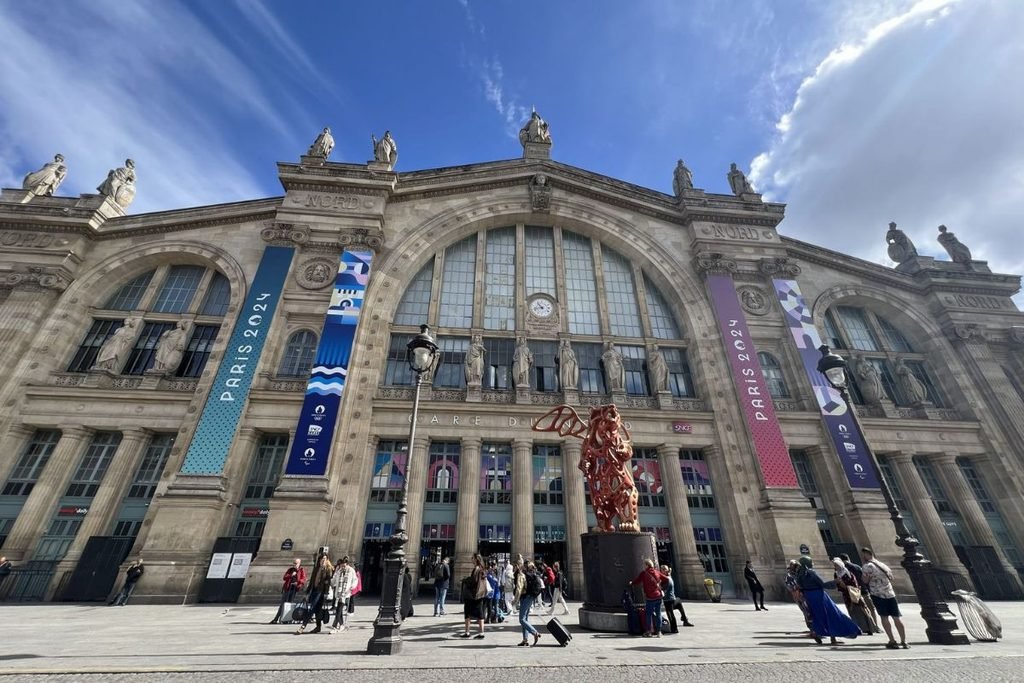
Paris has an extensive public transport network, making it relatively easy to explore the city without a car.
The Metro, RER trains, buses and sightseeing services connect many of the major attractions, while walking is a wonderful way to discover the city’s historic streets and neighbourhoods. With Paris covering such a large area, combining different transport options can help visitors make the most of their sightseeing time.
Using the Paris Metro and Trains
The Paris Metro is one of the quickest ways to travel around the city, with stations located throughout central Paris and connections to many popular attractions.
The RER train network provides additional connections across the city and into surrounding suburbs, including routes towards Versailles and the airports.
A few things worth knowing:
- Metro: Ideal for travelling between central Paris neighbourhoods and attractions.
- RER Trains: Useful for longer journeys, including travelling to some outer suburbs and Versailles.
- Regional Trains: Connect Paris with surrounding towns and other destinations throughout France.
- Tickets and Passes: Different fare options are available depending on your journey, so check which ticket covers your intended route.
- Station Connections: Some larger stations involve considerable walking between platforms, so allow extra time when changing services.
Our Experience: During my first visit to Paris, we arrived from London aboard the Eurostar, which was an exciting experience in itself.
After arriving at the busy Paris train station, we had to navigate our way to another platform for our onward journey to our accommodation. Fortunately, we didn’t need to leave the station, although finding our way through such a large transport hub was an adventure!
When Toni and I returned in 2024, we relied on the train from Le Blanc-Mesnil into central Paris, with the journey taking approximately 45 minutes. We also used the Metro when travelling to Montmartre, although we generally preferred exploring above ground whenever possible.
Travel Tip: Before setting out, check your return train route and the location of your station. Paris has several major railway stations, and they’re not all connected in the same way.
Walking Around Paris
Walking is one of the best ways to experience Paris, allowing you to discover beautiful architecture, hidden streets, local cafés and interesting neighbourhoods that you might otherwise miss.
Many of the city’s famous attractions are within walking distance of one another, although Paris is much larger than it first appears on a map.
A few things worth considering:
- Comfortable Footwear: Expect to cover considerable distances, particularly when sightseeing all day.
- Plan Your Route: Group nearby attractions together to avoid unnecessary backtracking.
- Allow Extra Time: Interesting streets, shops and cafés can easily turn a short walk into a longer adventure.
- Combine Transport: Use trains, the Metro or sightseeing services for longer distances, then explore individual neighbourhoods on foot.
Our Experience: Toni and I thoroughly enjoyed walking around Paris, although we quickly discovered just how easy it was to lose our bearings!
The streets seemed to stretch in every direction, and what looked like a short distance on the map sometimes turned into a much longer walk than anticipated.
We didn’t mind too much, as wandering gave us the opportunity to discover parts of Paris we might otherwise have missed. However, after a full day of sightseeing, we certainly appreciated having public transport available for the journey back to our accommodation.
Our Tip: Don’t try to see everything in one day. Paris is a city worth exploring at a comfortable pace, with time to enjoy the surroundings rather than simply rushing between landmarks.
A Taste of Paris – Cafés, Boulangeries and French Cuisine?
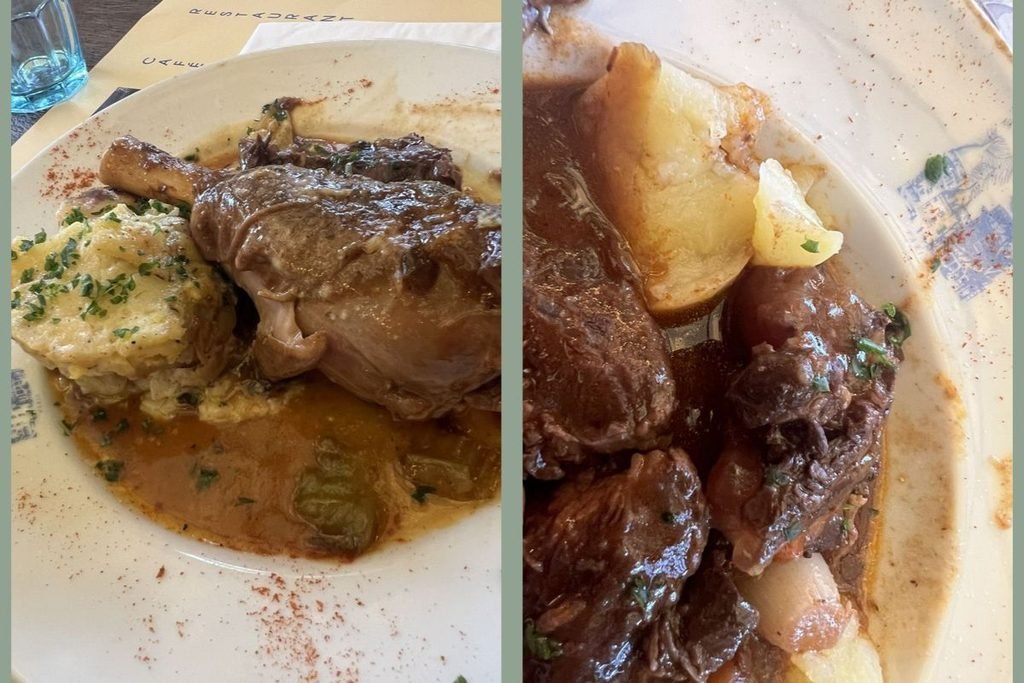
Paris is a wonderful destination for food lovers, with traditional boulangeries, neighbourhood cafés, bustling bistros and tempting pâtisseries found throughout the city.
From freshly baked pastries in the morning to classic French dishes served in local restaurants, there’s plenty to enjoy without needing to dine somewhere expensive.
Some French favourites worth trying include:
- Croissants and Pain au Chocolat: Buttery, flaky pastries, perfect with a morning coffee.
- Baguettes: Freshly baked bread, ideal for sandwiches or a simple picnic.
- Croque Monsieur: A toasted ham and cheese sandwich, often served in cafés.
- Steak Frites: A traditional bistro favourite of steak and French fries.
- Crêpes: Thin pancakes with a variety of sweet or savoury fillings.
- French Pâtisseries: Delicious treats including macarons, éclairs and fruit tarts.
Our Experience: One of the simple pleasures Toni and I enjoyed throughout France was visiting local boulangeries.
Starting the morning with coffee and fresh croissants became part of our daily routine, while picking up a baguette for lunch was an easy and affordable option when travelling.
We found that some of our most enjoyable food experiences came from these everyday stops rather than elaborate meals.
Our Tip: Look beyond the restaurants immediately surrounding major tourist attractions. Exploring neighbourhood bakeries and smaller cafés can be a lovely way to experience French food while keeping costs manageable.
Best Time to Visit Paris and Versailles
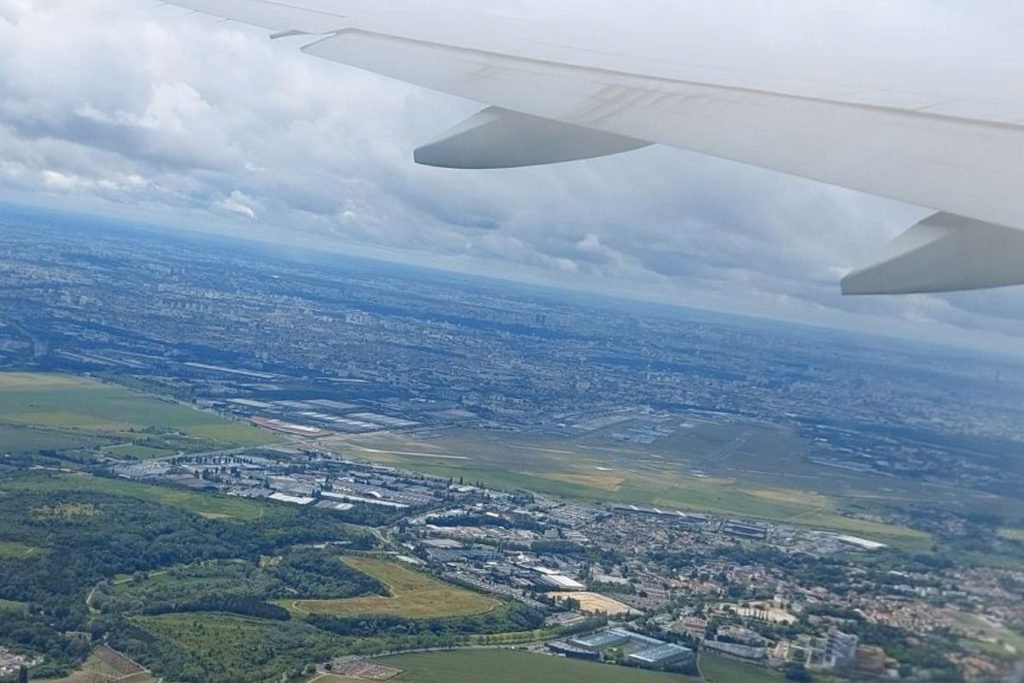
Paris and Versailles can be enjoyed throughout the year, with each season offering a different experience. The best time to visit depends on whether you prefer warmer weather, fewer crowds or a quieter sightseeing experience.
- Spring (March–May): A beautiful time to explore Paris as gardens begin to bloom and temperatures become milder. Popular attractions can still be busy, particularly around Easter.
- Summer (June–August): Longer daylight hours are ideal for sightseeing, riverside walks and exploring Versailles. However, this is a popular travel period, with larger crowds and potentially higher accommodation prices.
- Autumn (September–November): Cooler temperatures and changing autumn colours make walking around the city particularly enjoyable.
- Winter (December–February): A quieter time for some attractions, with festive decorations and Christmas markets adding to the atmosphere in December. Expect colder temperatures and shorter daylight hours.
Our Experience: Toni and I visited Paris in July 2024, approximately a week before the Olympic Games began.
It was an overcast day, which we were actually quite pleased about. With so much walking planned, the cooler conditions made exploring the city far more comfortable than being out in the summer heat. Paris was already buzzing with Olympic preparations, but we still enjoyed a wonderful day sightseeing, combining the hop-on hop-off boat, Metro and plenty of walking.
Visiting Tip: If your travel dates coincide with major events, public holidays or school holidays, book accommodation and popular attractions well in advance. Allow extra time for sightseeing, as transport arrangements and access to certain areas may be affected.
Practical Tips for Visiting Paris and Versailles
A little preparation can make visiting Paris and Versailles much easier, particularly if you’re exploring the city for the first time.
Here are a few practical things worth knowing:
- Book Popular Attractions Early: Reserve tickets for the Eiffel Tower, Louvre Museum and Palace of Versailles in advance, especially during busy travel periods.
- Check Museum Opening Days: Some major attractions close on particular weekdays, so confirm opening hours before planning your itinerary.
- Be Aware of Pickpockets: Keep bags secure and valuables out of sight, particularly around crowded attractions, railway stations and public transport.
- Check Ticket Conditions: Some attractions offer timed entry, while others have separate tickets for special exhibitions or additional areas.
- Carry Some Euros: Cards are widely accepted, but a little cash can be useful for smaller purchases.
- Check for Public Holidays and Major Events: These can affect opening hours, public transport and access to popular attractions.
- Learn a Few French Phrases: A friendly bonjour, s’il vous plaît and merci can go a long way when interacting with locals.
- Keep Important Documents Accessible: Have digital or offline copies of accommodation details, transport bookings and attraction tickets available when needed.
Our Tip: Before leaving your accommodation each morning, double-check any attraction bookings and transport arrangements. Having the essentials organised leaves more time to enjoy the city and whatever unexpected discoveries come your way.
Final Thoughts on Exploring Paris and Versailles
Paris was a destination I’d dreamed of visiting for years, and experiencing it for the first time was everything I’d hoped it would be. From the famous landmarks to the unexpected discovery of Versailles, there was so much to take in.
Returning years later with Toni was a completely different experience. We were nearing the end of our three-month European road trip, and after exploring so many smaller towns and villages, Paris felt enormous, busy and full of energy. Although our visits were very different, I enjoyed them both for different reasons. The first was about fulfilling a lifelong dream, while the second was about sharing a place I loved and discovering another side of the city together.
Versailles remains one of my favourite surprises from that first trip, and I still hope Toni will have the opportunity to experience its extraordinary grandeur one day.
Paris is somewhere I’d happily return to again. There’s always another neighbourhood to wander through, another café to discover or something new waiting around the corner.
“Some destinations fulfil a dream, while others give you a reason to dream of returning.”
🌍 Travel Planning Resources
These are the tools we personally use and trust when planning our travels from finding a place to stay to booking activities, transport and insurance. Let your “Tohu” guide you “Trust the Journey” and follow what feels right for you.
- ✈️Flights – Compare great deals with Trip.com then Kiwi.com for flexible, affordable options.
- 🚐 Campervans – Compare rental deals with Motorhome Republic across Aotearoa and beyond.
- 🛏️ Stays – Compare hotels on Trip.com and TripAdvisor or Booking.com.
- 🚐 Rental Cars – Compare prices and book through Airport Rentals by Motorhome Republic for trusted brands and easy airport pickup.
- 🎟️ Activities – Browse tours and experiences on Viator, Get Your Guide, or TripAdvisor
- 🚆12Go Asia – Compare and book trains, buses, and ferries across Asia in one place with 12Go.
- 🛡️ Travel Insurance – Get flexible short-term coverage with Insubuy for your next holiday.
- 💳 Travel Money – Send, spend and manage money internationally with Wise, with easy currency conversion and a handy option for travellers.
- 🔒 Protect Your Privacy with a VPN – We recommend Surfshark VPN for secure and private browsing while travelling. It’s fast, affordable and works worldwide, perfect for public Wi-Fi at airports, cafes and hotels.
- 📱 Travel eSIM – Stay connected with Airalo
- 💼 Lounge Access – Treat yourself with Priority Pass for UK or US
- 🎶 Events & Concerts – Book tickets worldwide through Ticketmaster.
🧭 Note: Some booking links can be a bit shy when you’re using a VPN. If one doesn’t open, try pausing your VPN or switching to a different server location or secure Wi-Fi network to get things flowing again.