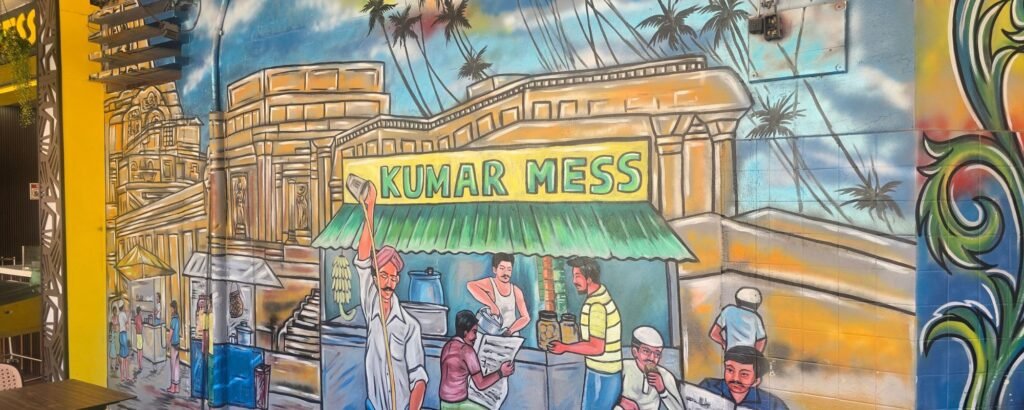
Malaysia is a country of contrasts, where modern cities, historic towns, tropical islands and lush rainforests sit alongside one another. Located in Southeast Asia, it is divided into two main regions: Peninsular Malaysia and East Malaysia, which occupies part of the island of Borneo. Many travellers are familiar with Kuala Lumpur and Penang, but Malaysia offers much more, from the colonial streets of Malacca to the highlands, islands and wildlife-rich landscapes of Borneo. With its mix of Malay, Chinese, Indian and Indigenous cultures, the country has a character and food scene all of its own.
Why Visit Malaysia?
For us, Malaysia is a destination that is easy to return to. The food is a major drawcard, with everything from curry laksa and roti canai to Chinese, Indian and Malay dishes available in food courts, markets and small family-run eateries. It is also a relatively easy country to travel around, with an excellent transport network connecting its major cities and towns. Whether you enjoy exploring historic streets, visiting temples and mosques, shopping in enormous malls or simply finding your next favourite meal, Malaysia offers plenty of variety. It may not always be as cheap as some other Southeast Asian destinations, but we have found it offers good value and a comfortable, enjoyable travel experience.
Our Malaysia Experience
My first visit to Malaysia was in 1980, when our family was living in Singapore. We travelled through the country on many occasions, holidaying in Kuala Lumpur, Malacca and Penang, and those early trips left me with a lasting connection to Malaysia. Over the years, many of our international flights have also taken us through Kuala Lumpur, giving us the chance to spend a few days catching up with friends and revisiting favourite eateries. More recently, Toni and I have been making annual trips to Malaysia after finishing our time in Thailand. We have spent time exploring Kuala Lumpur and Penang, including a food-focused stay on Penang Island that certainly did not disappoint. These days, it is the combination of familiar places, friendly people, easy travel and, of course, the food that keeps drawing us back.
Table of Contents
Best Things to Do in Malaysia
Malaysia offers plenty of variety, from modern cities and historic towns to tropical islands and lush highlands. Whether you have a few days or several weeks, there is no shortage of places to explore. These are some of the highlights we would recommend considering when planning your trip.
Explore Kuala Lumpur
Kuala Lumpur is a city we have returned to many times, and there is always something new to discover. It is a great place to enjoy Malaysia’s mix of modern attractions, historic streets, markets and food.
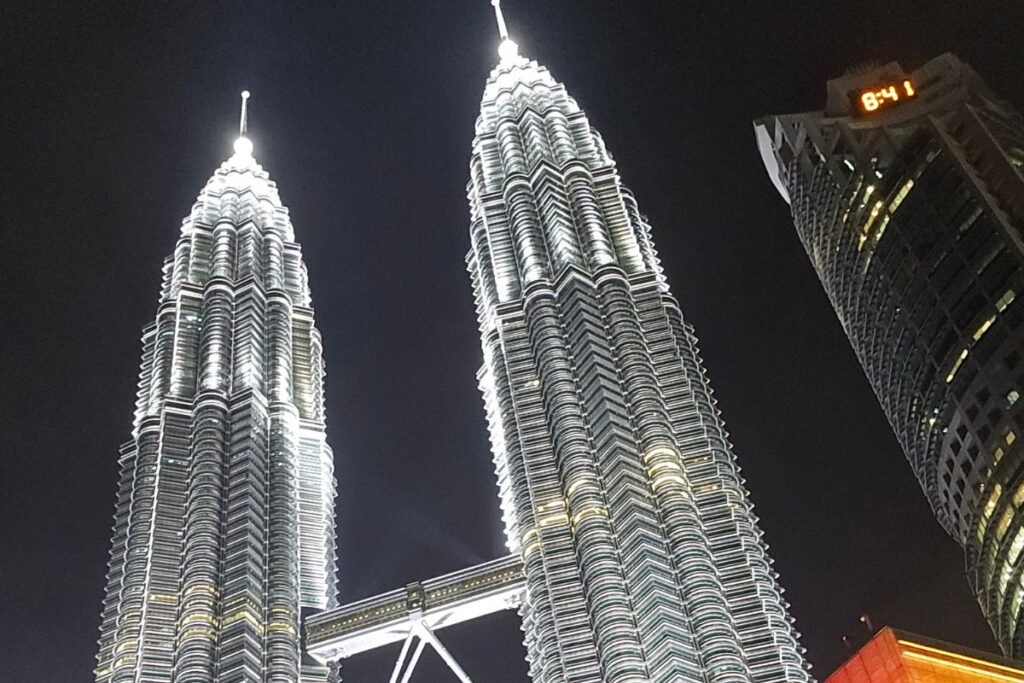
- Petronas Twin Towers: One of KL’s most recognisable landmarks. Book ahead if you want to visit the observation deck.
- Merdeka Square: Explore the historic streets and beautiful buildings surrounding the square.
- River of Life: Visit in the evening when the lights and mist create a stunning atmosphere along the river.
- Chinatown, Central Market and Petaling Street: Great places to explore for food, markets, shopping and a little people-watching.
- Batu Caves: A popular excursion from KL, with colourful steps, impressive caves and plenty of monkeys.
- Genting Highlands: A mountain escape with a cable car, shopping and entertainment.
KL is a large city, but its excellent train network and affordable Grab rides make it relatively easy to get around. We would recommend allowing several days if you want to explore beyond the main attractions.
Read our Kuala Lumpur Travel Guide
Discover Penang’s Food and Heritage
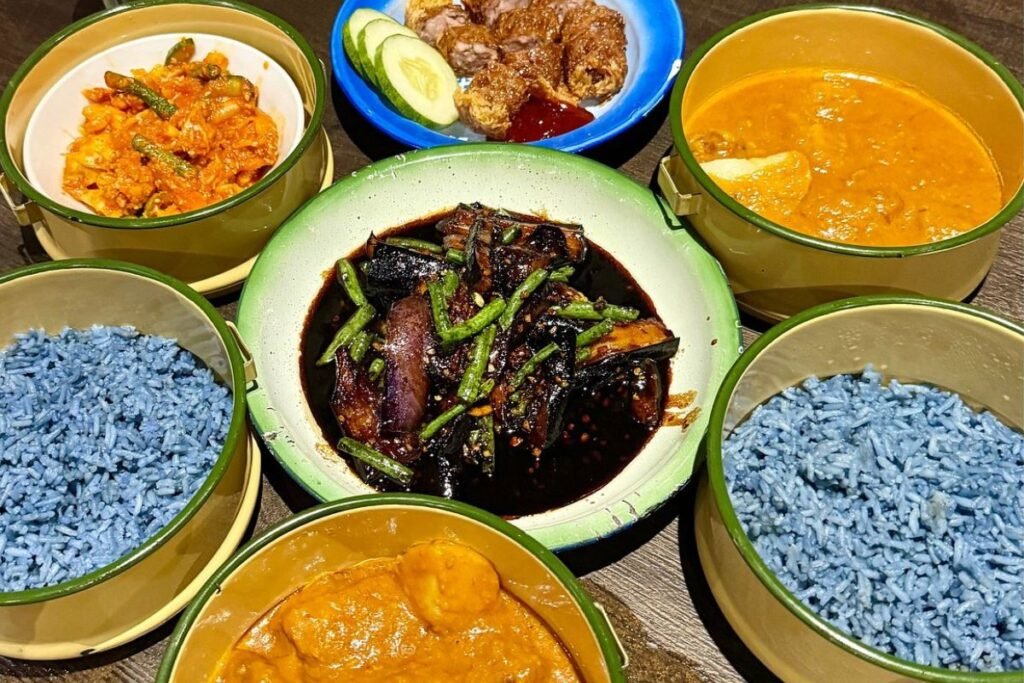
Penang is one of Malaysia’s best-known food destinations, and it certainly lived up to its reputation during our stay. We spent much of our time exploring the food scene, but the island also has plenty of history, culture and sightseeing to enjoy.
- George Town: Wander through historic streets, colourful street art, temples and markets.
- Penang’s food scene: Explore the hawker centres, food courts and small eateries that have made the island famous.
- Penang Hill: Head up for cooler air and views across the island.
- The TOP at KOMTAR: Visit the observation deck for panoramic views over George Town and beyond.
- Coastal towns: Explore beyond George Town and enjoy a slower pace around the island.
We stayed in Tanjung Bungah and found the regular buses and Grab rides made it easy to explore. Our accommodation was also up high, so we were lucky enough to enjoy beautiful views across Penang without needing to visit an observation deck.
Read our Penang Travel Guide
Wander Through Historic Malacca
Malacca, also known as Melaka, is a historic city on Malaysia’s west coast, around two hours from Kuala Lumpur by road. Its streets reflect centuries of Malay, Chinese, Portuguese, Dutch and British influence, making it a fascinating place to explore.
- Dutch Square: Admire the distinctive red buildings and historic surroundings.
- Jonker Street: Explore the shops, markets and local food scene.
- Malacca River: Enjoy a walk along the riverside and take in the historic atmosphere.
- Local food: Make time to try some of the dishes that reflect the city’s diverse cultural influences.
Malacca is an easy destination for a day trip from KL, although staying overnight gives you more time to enjoy the city at a slower pace.
Escape to the Highlands
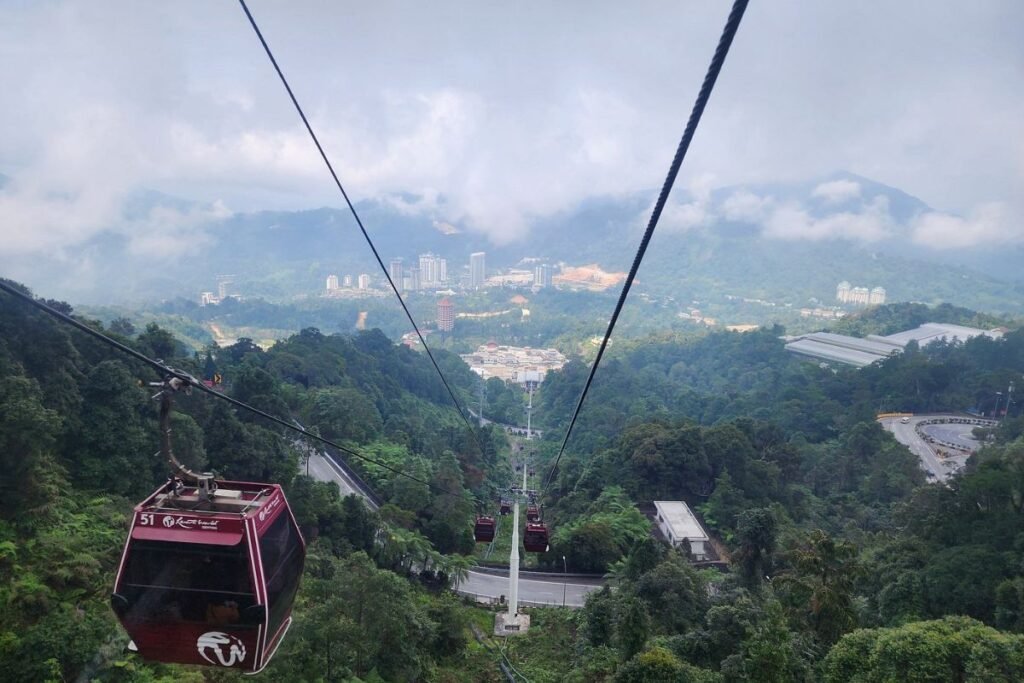
Malaysia’s highlands offer a cooler change from the heat of the cities. Two of the best-known destinations are Cameron Highlands and Genting Highlands, although they offer quite different experiences.
- Cameron Highlands: Known for tea plantations, rolling green hills, farms and scenic countryside.
- Genting Highlands: A popular mountain resort with shopping, entertainment and a cable car.
We visited Genting Highlands on a tour from Kuala Lumpur and enjoyed the experience. However, if we were to visit again, we would choose to explore independently. Our tour spent more time at the outlet shopping mall than we would have liked, so travelling by bus or independently may suit those who prefer to explore at their own pace.
Explore Malaysia’s Islands and East Coast Beaches
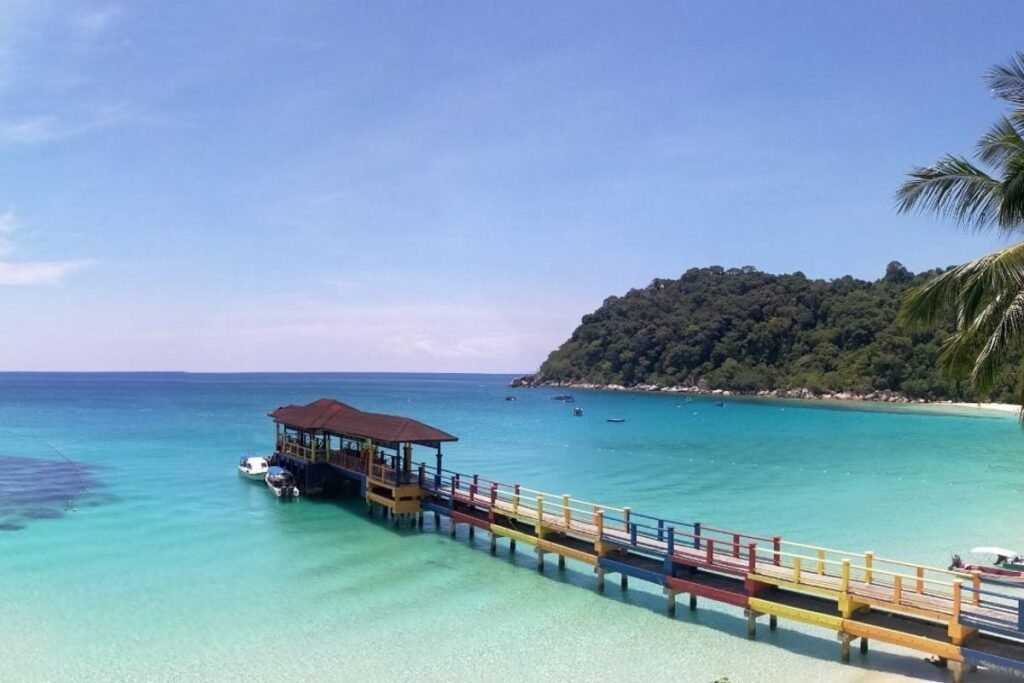
Malaysia has some beautiful tropical islands, particularly along the east coast of Peninsular Malaysia. The west coast offers a different experience, with destinations that combine beaches, food, culture and sightseeing.
- Perhentian Islands: Known for clear water, snorkelling and a relaxed island atmosphere.
- Redang: A popular destination for beaches, snorkelling and marine life.
- Tioman: Offers beaches, rainforest and opportunities for diving and snorkelling.
- Langkawi: A west coast island combining beaches, scenic landscapes, shopping and sightseeing.
- Penang: Better known for its food and heritage, although it also has coastal towns and beaches to explore.
We found the beaches we visited in Penang were not quite the tropical paradise we had imagined, so we happily made the food scene the focus of our stay instead. If beautiful beaches are a priority, it is worth researching the different islands and choosing the one that best suits your expectations.
Discover Malaysian Borneo
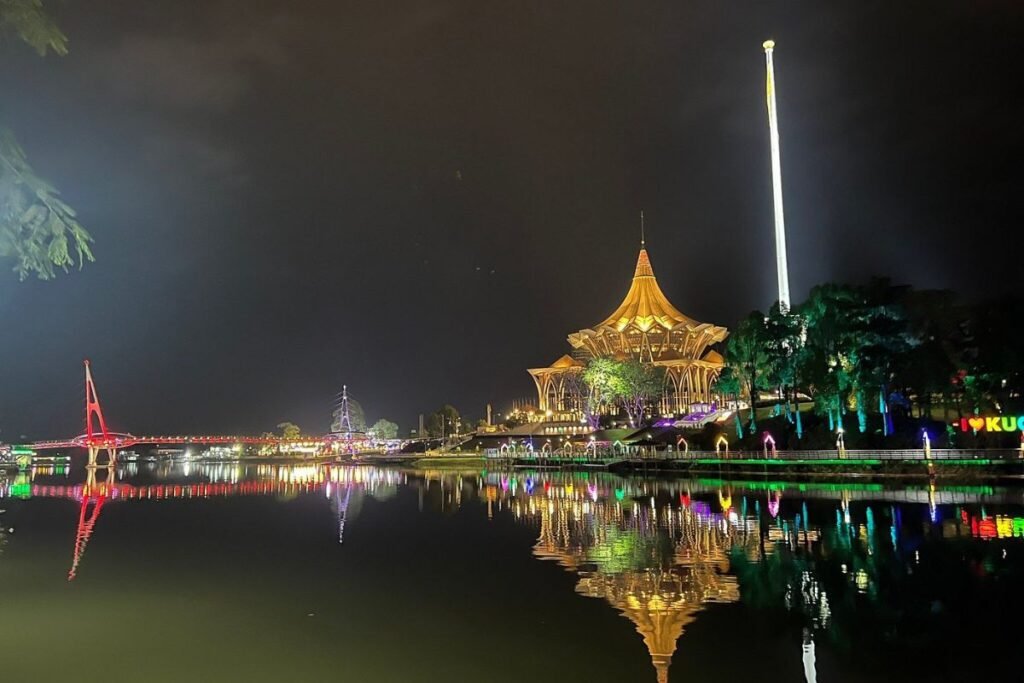
Many travellers do not realise that Malaysia extends beyond the Malay Peninsula to the island of Borneo. The island is shared by three countries: Malaysia, Indonesia and Brunei. Malaysian Borneo consists of the states of Sabah and Sarawak, while Indonesia occupies the largest portion of the island, known as Kalimantan.
For travellers wanting to explore beyond Malaysia’s cities and coastal destinations, Sabah and Sarawak offer a completely different experience. The region is known for its ancient rainforests, wildlife, Indigenous cultures and outdoor adventures.
- Mount Kinabalu: One of Southeast Asia’s most impressive mountains and a major attraction in Sabah.
- Sepilok: Known for its orangutan rehabilitation centre and opportunities to learn about Borneo’s wildlife.
- Sarawak’s caves and rainforests: Explore spectacular natural landscapes, including some of the region’s remarkable cave systems.
- Indigenous cultures: Discover the diverse communities, traditions and cultural heritage of Malaysian Borneo.
I visited the Indonesian part of Borneo some years ago, and it is an island that offers a very different experience from the busy cities of Peninsular Malaysia. If you have more time, Malaysian Borneo is certainly worth considering for its natural landscapes, wildlife and cultural experiences.
Best Places to Stay in Malaysia
Choosing where to stay in Malaysia depends on whether you are looking for city life, food, history, beaches or a cooler escape into the highlands. Kuala Lumpur and Penang are two of our favourite bases, but there are plenty of other destinations worth considering if you have more time.
Kuala Lumpur
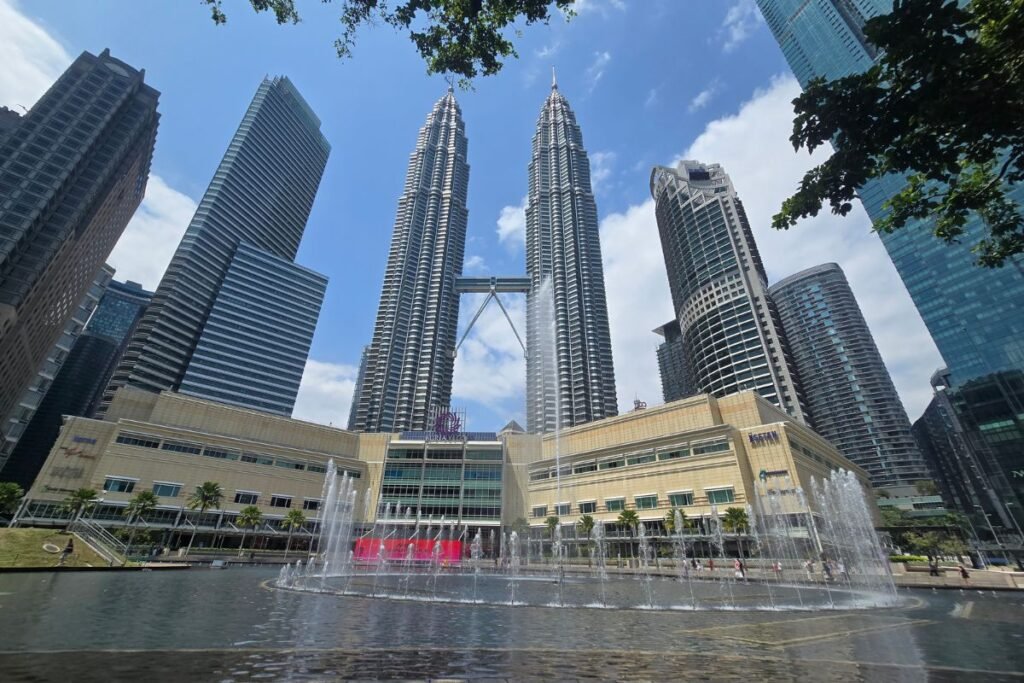
Kuala Lumpur is a great starting point for a Malaysia trip, especially if you are arriving on an international flight. The city has an excellent transport network, a huge variety of accommodation and plenty of food, shopping and sightseeing.
Popular areas to stay:
- Bukit Bintang: A popular choice for first-time visitors, with restaurants, shopping malls and a central location.
- KLCC: Ideal if you want to stay close to the Petronas Twin Towers and enjoy the modern side of the city.
- Chinatown: A more historic atmosphere, with markets, food and easy access to public transport.
We have stayed in KL on several occasions and enjoy having a central base where we can explore during the day and return to a comfortable hotel in the evening. On one visit, our hotel had a pool on the 53rd floor, giving us outstanding views across the city without needing to pay for an observation deck.
Read our Kuala Lumpur Travel Guide
Penang
Penang is an excellent choice for travellers who enjoy food, culture and exploring at a slower pace. George Town is the island’s main attraction, but there are several areas worth considering depending on the type of stay you prefer.
Popular areas to stay:
- George Town: Ideal if you want to be close to the historic streets, markets and famous food spots.
- Tanjung Bungah: A quieter coastal base with easy access to buses and Grab.
- Batu Ferringhi: Popular for its resorts, beachside accommodation and night market.
We stayed in Tanjung Bungah and found it easy to travel into George Town by bus. Our accommodation was also up high, so we enjoyed beautiful views across Penang. When we return, we would happily stay elsewhere along the northern or western side of the island, as getting around is relatively straightforward.
Read our Penang Travel Guide
Malacca (Melaka)
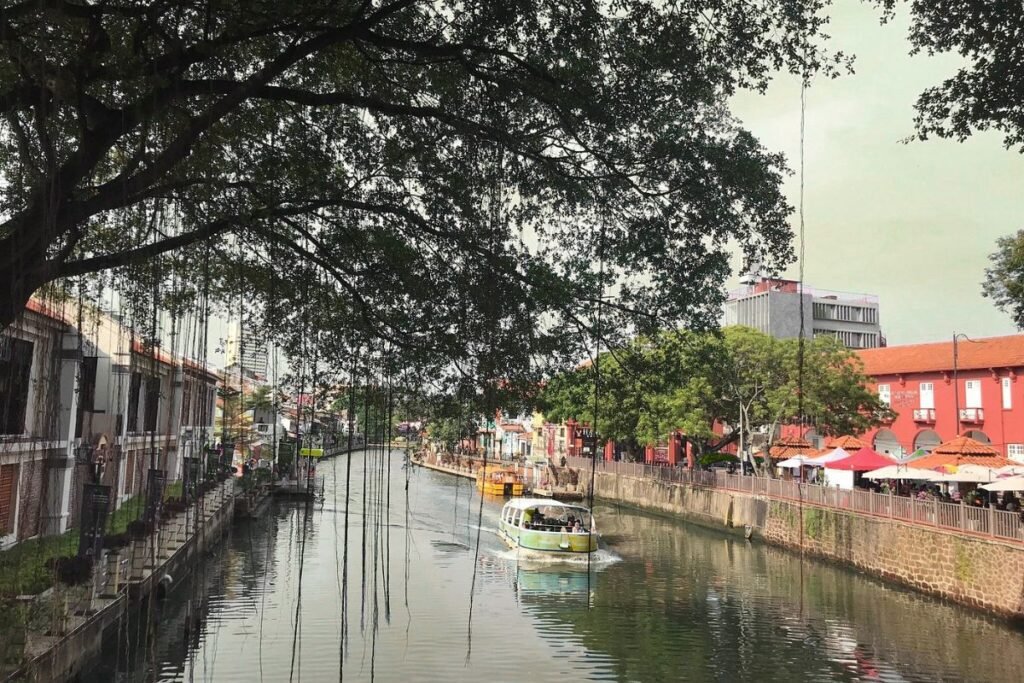
Malacca is a good choice for travellers interested in history, culture and food. The historic centre is compact enough to explore on foot, with Jonker Street, Dutch Square and the riverside all close together.
- Best area to stay: Jonker Street or the historic centre.
- Why stay here: Easy access to restaurants, markets, historic attractions and the evening atmosphere.
- How long: Malacca can be visited as a day trip from Kuala Lumpur, but an overnight stay gives you more time to explore without rushing.
Cameron Highlands
The Cameron Highlands are a popular escape from Malaysia’s tropical heat. Known for tea plantations, green hills, farms and cooler temperatures, the area offers a very different experience from the country’s busy cities.
- Tanah Rata: A practical base for independent travellers, with accommodation, restaurants and transport connections.
- Brinchang: Another option, particularly if you want to be closer to some of the area’s markets and attractions.
Langkawi
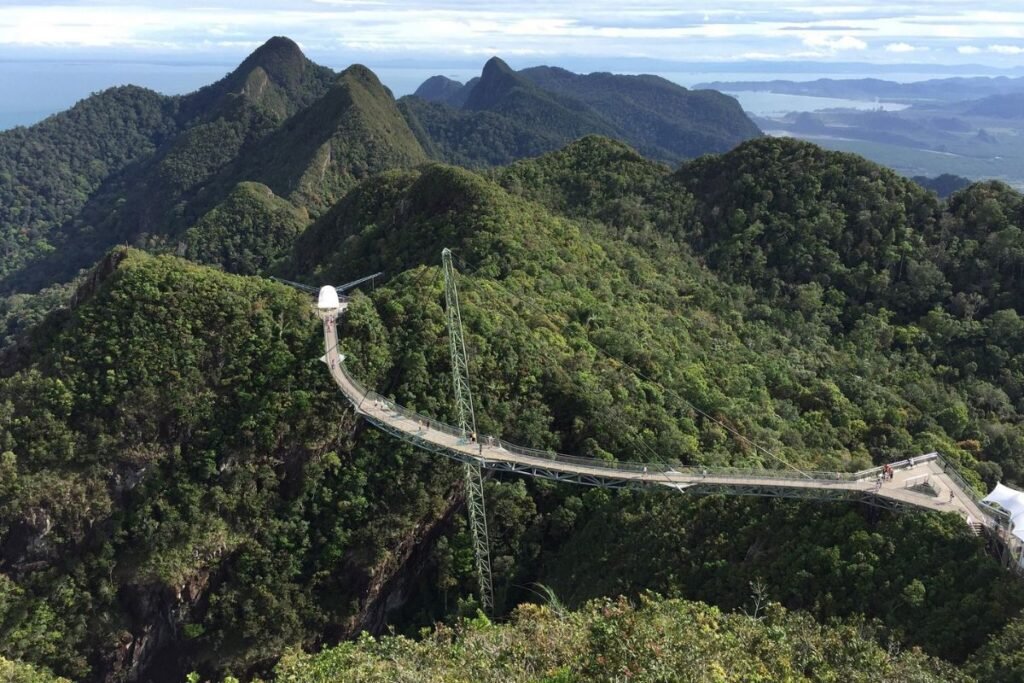
Langkawi is a popular island destination on Malaysia’s west coast, known for its beaches, resorts, duty-free shopping and scenic landscapes. It is a good option for travellers wanting to combine sightseeing with a few days of relaxation.
- Pantai Cenang: The main tourist area, with plenty of restaurants, accommodation and activities.
- Pantai Tengah: A slightly quieter alternative, while still being close to restaurants and the beach.
- Other parts of the island: Better suited to travellers looking for a more secluded resort stay.
Malaysian Borneo
For a longer Malaysia trip, Sabah and Sarawak offer opportunities to explore rainforests, wildlife, Indigenous cultures and some of the country’s most impressive natural landscapes.
- Kota Kinabalu, Sabah: A common starting point for exploring the state, with access to cultural and outdoor experiences.
- Kuching, Sarawak: A popular base for exploring the region’s heritage, wildlife and natural attractions.
Both cities offer a range of accommodation to suit different travel styles, making them practical starting points for a Malaysian Borneo adventure.
Getting Around Malaysia
Malaysia is a relatively easy country to travel around, with a good network of domestic flights, trains, buses and ferries connecting its major cities and towns. Within the cities, public transport and Grab make getting around straightforward, so you do not necessarily need to hire a car.
Arriving in Kuala Lumpur
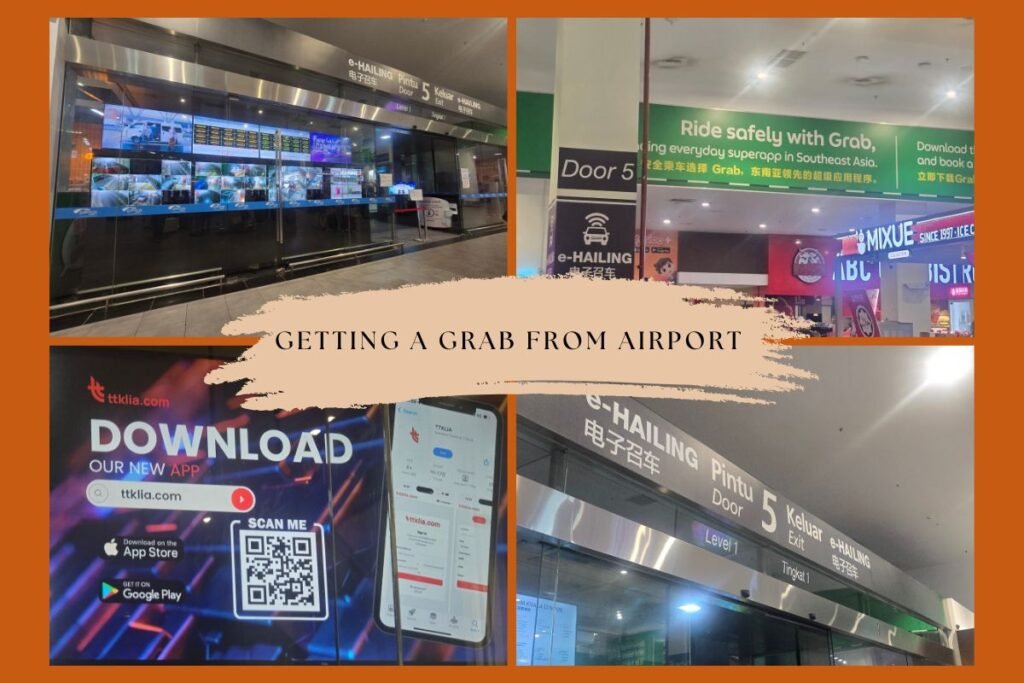
Kuala Lumpur International Airport (KLIA) is large and spread out, so allow plenty of time to make your way through the airport, particularly if you have a connecting flight. We have arrived in KL on several occasions and found the onward transport well organised, with plenty of signs directing passengers to the train, taxi and Grab services.
Getting from the airport to the city:
- Grab or Taxi: Follow the signs to the designated pickup areas. We found the process easy to understand, and the drive into central KL took around an hour. Allow longer during peak traffic. We paid approximately NZ$30 for our Grab, which was good value for the two of us, especially as it took us directly to our accommodation.
- KLIA Ekspres: A fast, comfortable option that avoids the traffic. On another visit, we caught the express train to KL Sentral, then booked a Grab for the final part of the journey. We later discovered our accommodation was close enough that we could have walked.
Tohu Tip: If you are travelling as a couple or group, Grab can be convenient and economical. If you are arriving during peak traffic or travelling solo, the express train is well worth considering. Compare the current fares before deciding, as prices can change.
Travelling Around Kuala Lumpur
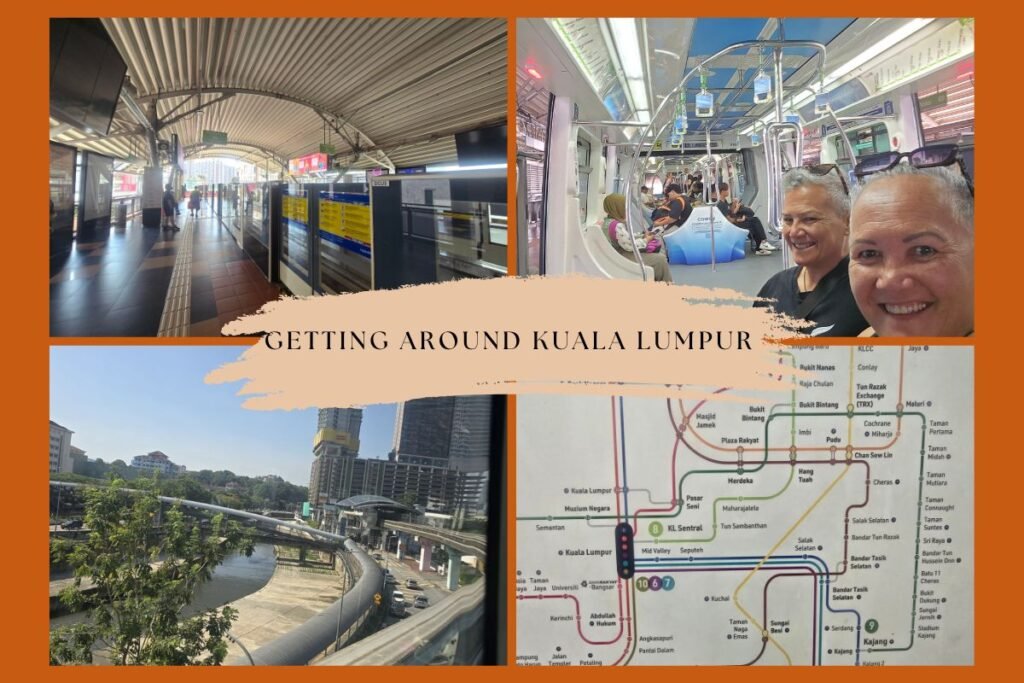
Kuala Lumpur has an excellent public transport system, including MRT, LRT, monorail and commuter trains. We found the trains fast, clean and efficient, with large stations that were surprisingly easy to navigate.
- Trains: A great way to avoid traffic and travel between many of the city’s main attractions.
- Stations: Large but well signposted, with information desks and helpful staff if you need assistance.
- Grab: Useful for places that are not directly connected by train or when you have had enough walking for the day.
We also found Malaysians generally very friendly and happy to help when we needed directions. KL is a large city, so combining trains with the occasional Grab worked well for us.
Travelling Between Cities
Malaysia’s major destinations are connected by a combination of trains, long-distance buses and domestic flights. Kuala Lumpur is a useful transport hub, with connections to places such as Penang, Ipoh, Malacca and the Cameron Highlands.
- Trains: A comfortable option for travelling between many major towns and cities. We particularly enjoyed our journey from Kuala Lumpur to Butterworth, on the mainland opposite Penang.
- Buses: Long-distance services connect destinations throughout Peninsular Malaysia and are practical for places not served directly by train.
- Domestic Flights: Useful for longer distances, particularly between Peninsular Malaysia and Sabah or Sarawak in Malaysian Borneo. Flying can also save time when travelling between KL and Penang.
Tohu Tip: Book long-distance transport ahead of time, particularly during weekends, school holidays and major public holidays. Popular services can fill up, and booking early gives you a better choice of departure times and seats.
Our Train and Ferry Journey to Penang
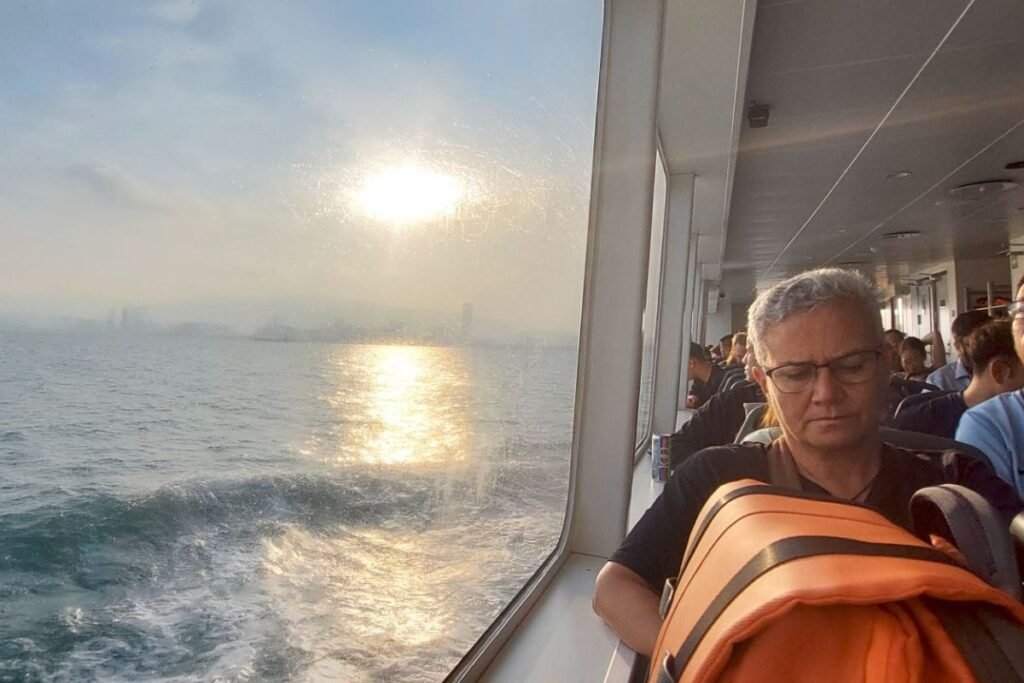
One of our easiest travel days in Malaysia was the journey from Kuala Lumpur to Penang. We caught the train to Butterworth, paying approximately NZ$25 per person for a comfortable ride. We would recommend booking long-distance train journeys in advance, particularly during busy periods, as our train was full right from the beginning.
Tohu Tip: Take your headphones, preferably noise-cancelling ones. During our journey, it was not uncommon for passengers to watch their favourite TV series or videos on their phones with the volume turned up. With several playing at once, it became quite overwhelming. All I can say is thank goodness for our noise-cancelling headphones!
Once we arrived in Butterworth, we made the short walk to the ferry terminal for the crossing to Penang Island. We purchased our tickets at the terminal, and at the time the fare was around NZ$2 per person. The ferry was comfortable, and the whole process was straightforward. Once we arrived on the island, we booked a Grab to our accommodation in Tanjung Bungah.
It was a smooth and enjoyable way to travel, and we would happily do it again. If you prefer not to fly, the train and ferry combination is well worth considering.
Getting Around Penang
Penang is relatively easy to explore using a combination of buses and Grab. We stayed in Tanjung Bungah and had regular buses travelling into George Town, which made it simple to head out for sightseeing or, more often than not, another food adventure.
Grab was useful when we wanted to travel directly to a particular restaurant or attraction. We found that staying outside George Town was not a problem, as long as we allowed a little extra time for the journey.
Hiring a Car
Hiring a car can be useful if you want to explore smaller towns, rural areas or destinations that are less convenient to reach by public transport. However, for a trip focused on Kuala Lumpur, Penang and other major destinations, we would be inclined to use trains, buses and Grab rather than deal with city traffic and parking.
If you do decide to drive, remember that Malaysia drives on the left, just like New Zealand. Check the current licence and insurance requirements before booking.
What to Eat in Malaysia
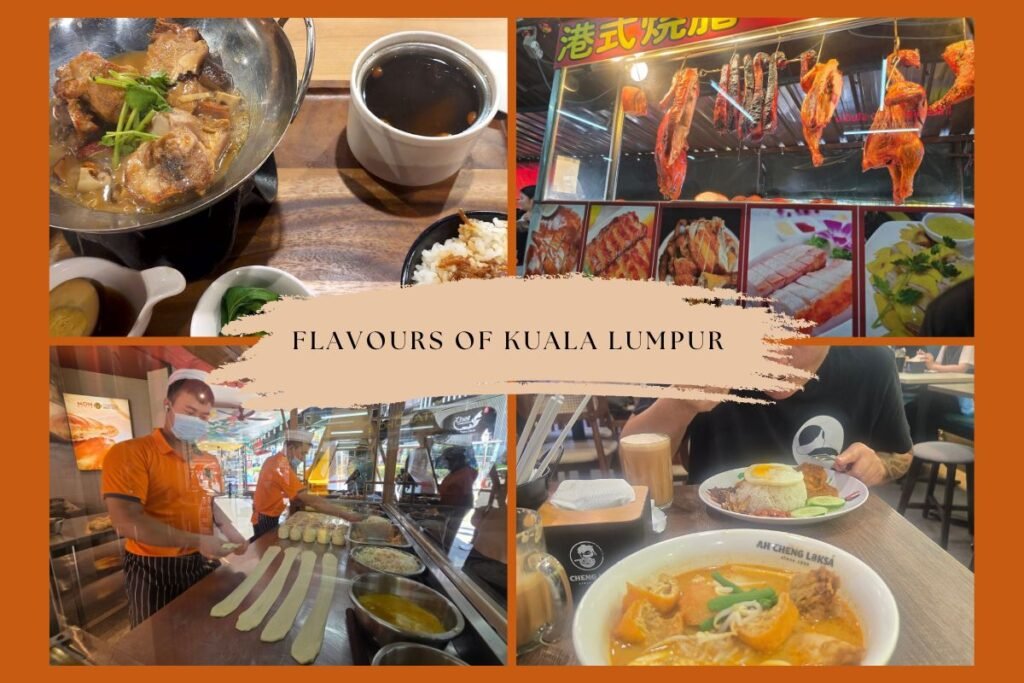
Food is one of the biggest reasons we keep returning to Malaysia. With Malay, Chinese, Indian and many other cultural influences, the country has an incredible variety of flavours, and you do not need to spend a fortune to eat well. Some of our favourite meals have come from simple food courts, markets and small family-run eateries.
Penang is particularly famous for its food scene, but Kuala Lumpur is no slouch either. We have spent many happy hours exploring both cities, often planning our day around where we wanted to eat next. These are a few Malaysian dishes worth looking out for.
Curry Laksa
Curry laksa is one of our absolute favourites. Every bowl seems to have its own character, which is part of the fun of trying it in different places.
- What it is: A rich, fragrant noodle soup, usually made with a coconut-based curry broth.
- What you might find in it: Chicken, seafood, tofu puffs, noodles and a variety of toppings.
- Why we love it: The combination of spice, coconut and all those different textures makes it a meal we never seem to tire of.
Roti Canai
Roti canai became one of our favourite Malaysian breakfasts. We never had any trouble finding somewhere serving it, and it was often one of the first things we looked for in the morning.
- What it is: A flaky, pan-fried flatbread.
- How it is served: Usually with curry or dhal for dipping.
- Why we love it: It is such a simple but satisfying way to start the day.
Nasi Lemak
Often considered Malaysia’s national dish, nasi lemak is a popular breakfast or meal at any time of day. It is a great introduction to the combination of flavours that makes Malaysian food so enjoyable.
- What it is: Coconut rice served with a selection of accompaniments.
- What you might find with it: Sambal, peanuts, anchovies, cucumber and egg.
- Other options: Fried chicken or other accompaniments can turn it into a more substantial meal.
Char Kway Teow
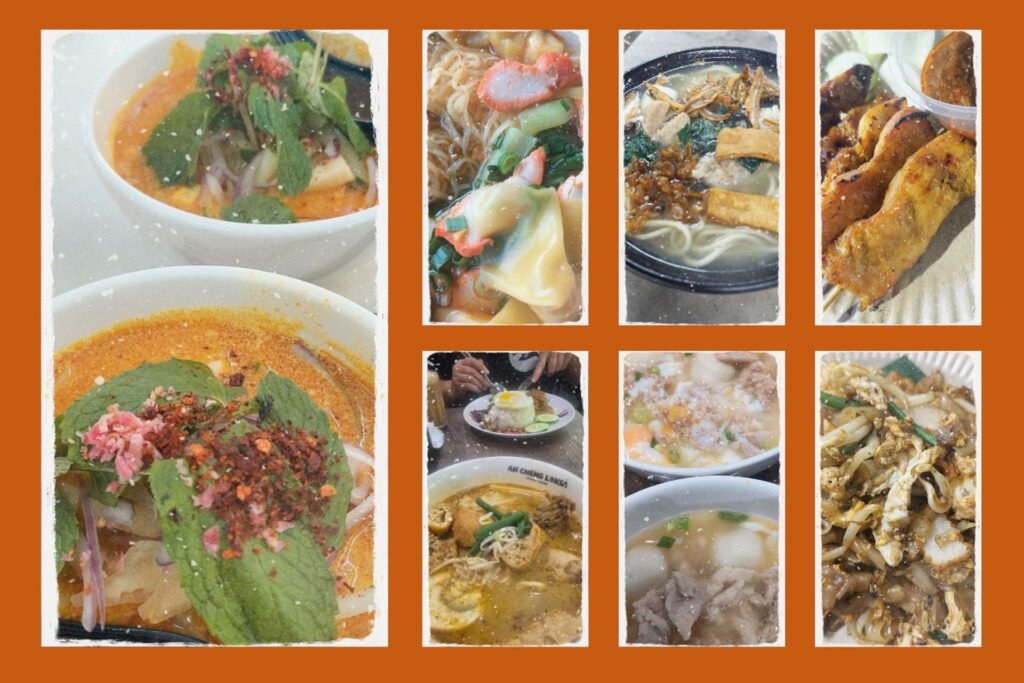
A must-try in Penang, char kway teow is a stir-fried noodle dish known for its smoky flavour. The best versions are often found at busy hawker stalls.
- What it is: Flat rice noodles stir-fried over high heat.
- What you might find in it: Prawns, egg, bean sprouts and Chinese sausage.
- What makes it special: The smoky flavour created by cooking over a very hot wok.
Satay
Satay is another Malaysian favourite and a popular choice at night markets and food courts. It is perfect when you want something to share alongside a few other dishes.
- What it is: Marinated meat grilled on skewers.
- How it is served: Usually with a rich peanut sauce.
- Why try it: It is a simple, flavourful dish that works well as a snack or part of a larger meal.
Durian
Durian is considered a delicacy in Malaysia, and you will see it sold at markets and roadside stalls, particularly when it is in season. It is famous for its strong, pungent smell, which people seem to either love or hate.
- What it is: A large tropical fruit with a creamy flesh and a very distinctive flavour.
- Where to find it: Markets, fruit stalls and roadside sellers, especially during durian season.
- Good to know: Many hotels and Airbnb properties do not allow durian inside their buildings because of the smell.
If you are curious, it is worth trying at least once. Just make sure you enjoy it somewhere it is permitted rather than taking it back to your accommodation.
Michelin-Recognised Food
Malaysia also has a growing number of Michelin-recognised restaurants and street-food stalls, particularly in Kuala Lumpur and Penang. We made a point of trying several during our travels, and many were well worth seeking out. Others, we felt, were a little overrated, which just goes to show that a Michelin recommendation does not always guarantee a meal you will love.
- Worth exploring: Michelin-recognised eateries can be a great way to discover some of Malaysia’s well-known food spots.
- Our experience: Many lived up to their reputation, while others did not quite meet our expectations.
- Our advice: Do not feel you need to build your entire food itinerary around Michelin recommendations.
For us, some of the most memorable food experiences have come from simple eateries we discovered along the way. Sometimes the best meal is the one you stumble across when you are hungry and follow your nose.
A Few Things to Know About Malaysian Food
Malaysia is a Muslim-majority country, but its diverse food culture means there is an enormous range of dishes to enjoy.
- Halal food: Pork is not served in halal eateries.
- Pork dishes: Still available in many Chinese restaurants and other non-halal establishments.
- Where to eat: Food courts, markets, hawker stalls and small family-run eateries are all worth exploring.
- Our approach: Follow the food, try something new and leave room in your itinerary for a few unexpected discoveries.
We found there was never a shortage of delicious choices, whether we were after a bowl of laksa, a simple roti canai or something completely new. For us, exploring Malaysia’s food scene is as much a part of the journey as visiting its attractions.
Best Time to Visit Malaysia
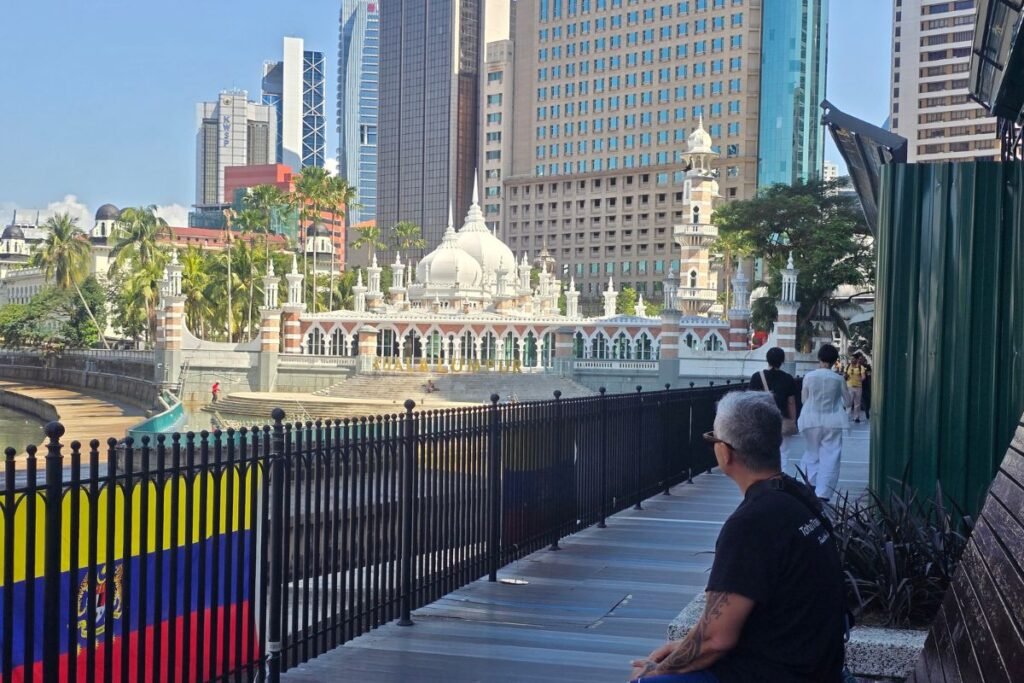
Malaysia is a year-round destination, but the best time to visit depends on which part of the country you plan to explore. The climate is tropical, so expect warm temperatures, humidity and occasional heavy rain throughout the year. The main difference is the timing of the monsoon seasons, particularly between the east and west coasts of Peninsular Malaysia.
Kuala Lumpur, Penang and the West Coast
Kuala Lumpur, Penang, Malacca and Langkawi can be visited throughout the year. The west coast generally experiences wetter periods around April to May and September to November, although rain is possible at any time.
- Best time for Penang and Langkawi: December to March is often considered one of the better periods for drier weather.
- Kuala Lumpur: Hot and humid year-round, with afternoon downpours possible at any time.
- What to expect: Warm temperatures, humidity and occasional heavy rain, even during the drier months.
We have travelled to Malaysia at different times of the year and found that the heat and humidity are simply part of the experience. We tend to plan our sightseeing around the weather, take breaks during the hottest part of the day and enjoy the food scene whenever the rain arrives.
East Coast Islands
The east coast has a more pronounced monsoon season. Islands such as the Perhentians, Redang and Tioman are generally best visited between March and October, when sea conditions are more favourable for swimming, snorkelling and boat trips.
- Best time to visit: Generally March to October.
- Northeast monsoon: Usually November to February, bringing heavier rain and rougher seas.
- Ferry services: May be reduced or disrupted during the monsoon.
- Resort closures: Some island resorts close for part of the season, so check opening dates before booking.
Cameron Highlands
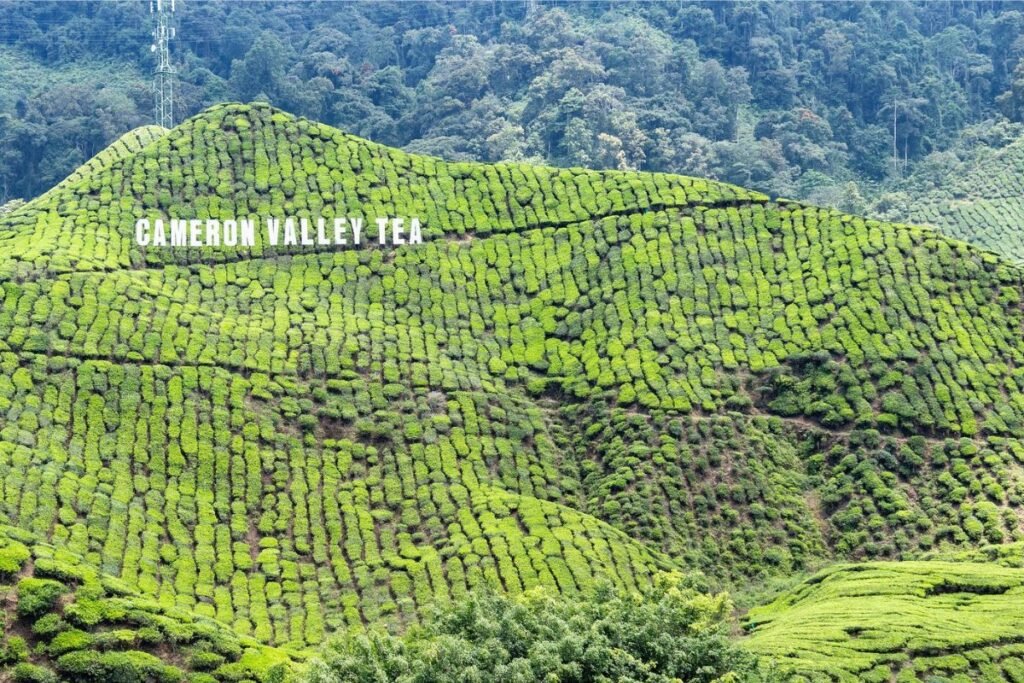
The Cameron Highlands are cooler than Malaysia’s lowland cities, making them a popular escape from the tropical heat. Temperatures are generally pleasant throughout the year, although rain and mist are common.
- Best time to visit: Year-round, depending on your preference for weather and crowds.
- What to expect: Cooler temperatures, green landscapes and occasional rain or mist.
- When to avoid crowds: Malaysian school holidays and weekends can be particularly busy, so midweek may be a better option.
Malaysian Borneo
Sabah and Sarawak have their own regional weather patterns, and conditions can vary considerably depending on whether you are visiting coastal areas, rainforests or the mountains.
- Sabah: March to October is often a favourable period for many outdoor activities.
- Sarawak: Generally experiences its wetter northeast monsoon from November to February.
- Rainforest and mountain areas: Weather can change quickly, and rain is possible throughout the year.
Check the conditions for the specific places and activities you plan to visit, particularly if you are planning hiking, wildlife excursions or boat trips.
Our Malaysia Tip
If your trip is focused on Kuala Lumpur, Penang and Malacca, we would not worry too much about finding the perfect month. Malaysia is hot and humid throughout the year, and a little rain rarely stops you from enjoying the cities, markets and food.
If you are planning an east coast island holiday, however, the season matters much more. Check ferry schedules, resort opening dates and weather conditions before committing to your travel dates.
Things to Know Before You Go
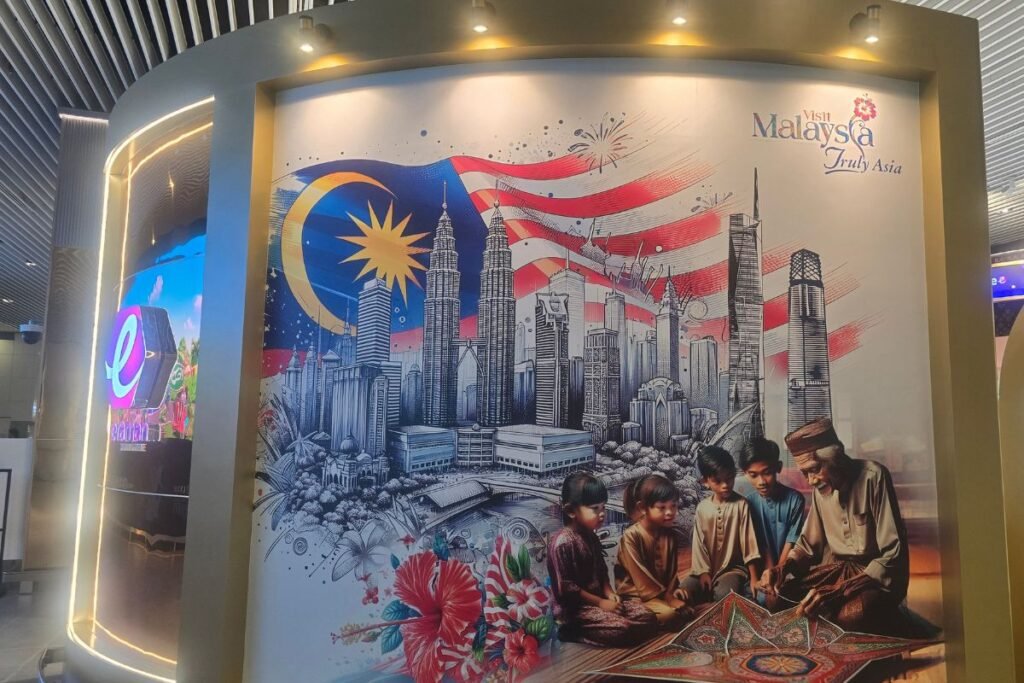
Malaysia is a relatively easy destination to travel around, but there are a few things worth knowing before you arrive. From entry requirements and money to cultural etiquette and staying connected, a little preparation will help make your trip run smoothly.
Entry Requirements
New Zealand passport holders can generally visit Malaysia visa-free for tourism for up to 90 days. Always check the current requirements before departure, as entry rules can change.
- Passport: Should have at least six months’ validity remaining.
- Visa: New Zealand passport holders can generally visit visa-free for up to 90 days.
- Onward travel: You may be asked to show proof of onward travel or sufficient funds.
- Malaysia Digital Arrival Card (MDAC): Most foreign visitors must complete this within three days before arrival.
- Cost: The official MDAC is free. Do not pay a third-party website to complete it for you.
Our expensive lesson: On one visit, we had forgotten to complete the form before departure. When we arrived in Malaysia, someone who appeared to be an airport official directed us to computers to complete it. We followed the instructions and ended up being charged approximately NZ$200. It was an innocent mistake, but one we certainly will not make again.
Tohu Tip: Complete your MDAC before leaving home, using only the official Malaysian Immigration website. Save the confirmation on your phone and check that you are on the correct government website before entering your passport details. If a website asks you to pay for the arrival card, stop and check the address. The official form is free.
Official MDAC registration: Malaysian Immigration Department
Money and Paying for Things
Malaysia uses the Malaysian ringgit (MYR). Cards are widely accepted in hotels, shopping malls and many restaurants, but it is worth carrying some cash for smaller purchases.
- Cash: Useful for markets, smaller eateries and street-food stalls.
- Cards: Widely accepted in larger businesses and tourist areas.
- ATMs: Common in major cities. Check withdrawal fees before using an international card.
- Currency conversion: Choose to be charged in Malaysian ringgit rather than accepting the ATM’s conversion to your home currency.
We found Malaysia was not always as cheap as some other Southeast Asian destinations, particularly when it came to shopping in the large malls. However, food courts, local restaurants and public transport can still offer excellent value.
Language
Malay, also known as Bahasa Malaysia, is the national language, but English is widely spoken in many tourist areas.
- Malay: The national language.
- English: Commonly spoken in hotels, shopping malls, restaurants and tourist areas.
- Other languages: Chinese languages and Tamil are also widely heard, reflecting Malaysia’s diverse population.
We have always found Malaysians friendly and willing to help when we needed directions or assistance. Even when there was a language barrier, a smile and a little patience usually went a long way.
SIM Cards and Staying Connected
Mobile coverage is generally good in Malaysia’s major cities and towns. You can purchase a local SIM card or use an eSIM if your phone supports one.
- Local SIM: Available at airports and mobile phone stores.
- eSIM: A convenient option if your phone is compatible.
- Mobile data: Particularly useful for Grab, train routes, maps and finding your accommodation.
- Airport SIMs: Convenient on arrival, although it is worth comparing prices with options available in town.
We usually prefer to have mobile data available as soon as we arrive, particularly when we need to book transport or find our way to accommodation.
Cultural Etiquette
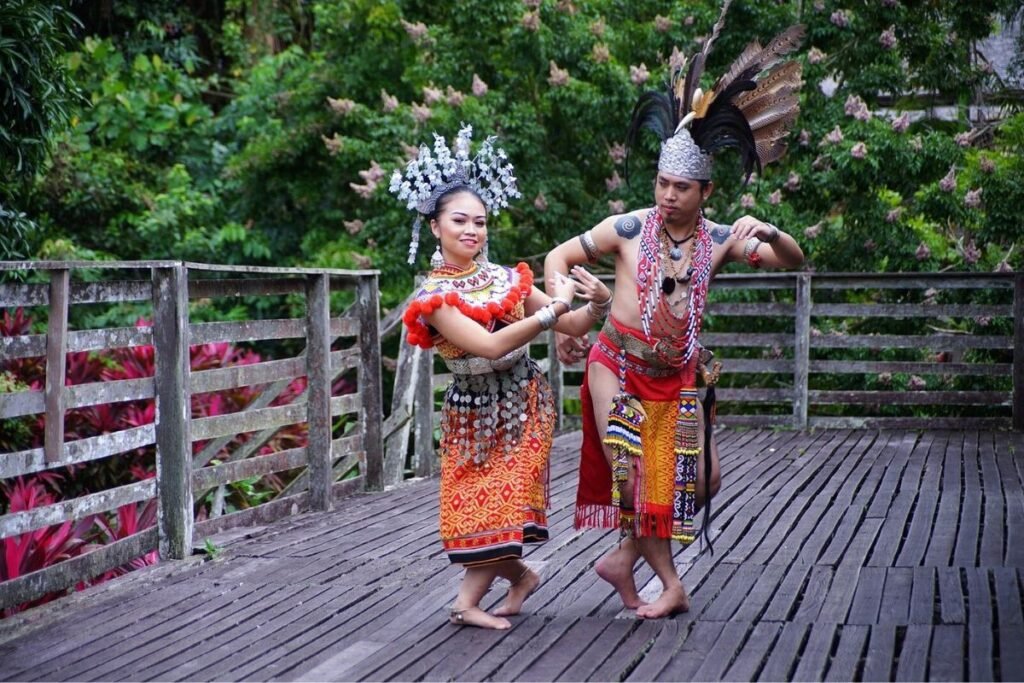
Malaysia is a Muslim-majority country with a diverse mix of cultures and religions. You will see mosques, temples and churches throughout the country, often within a short distance of one another.
- Religious sites: Dress modestly and be prepared to remove your shoes where required.
- Mosques: Some provide robes or coverings for visitors.
- Photography: Ask before photographing people, particularly during religious activities.
- Ramadan: Be mindful of those who are fasting. Restaurants and food outlets generally continue operating, particularly in tourist areas and non-Muslim communities.
Food, Water and Hygiene
Malaysia has an excellent food scene, and we have enjoyed many meals from food courts, markets and small local eateries. As with anywhere, a little common sense goes a long way.
- Choose busy eateries: Look for places where food is freshly prepared and turnover is high.
- Drinking water: We generally choose bottled or properly filtered water.
- Food hygiene: Take the usual precautions, particularly if you have a sensitive stomach.
- Travel supplies: Consider carrying any medication or electrolytes you normally use when travelling.
Getting Around Safely
Malaysia is generally a comfortable destination for independent travellers, but normal travel precautions still apply.
- Belongings: Keep an eye on your valuables in busy markets and transport hubs.
- Transport: Use official services and designated pickup areas.
- Roads: Take care when crossing, particularly in busy cities.
- Grab: Useful because the fare and destination are confirmed through the app.
- KL traffic: Allow extra time, especially during peak periods.
We found Grab particularly useful when travelling between places that were not directly connected by train or when we had simply had enough walking for the day.
Check Public Holidays
Malaysia has a number of national and state public holidays, as well as major religious and cultural celebrations. These can affect transport, accommodation prices, opening hours and the availability of some services.
- Accommodation: Book ahead during major holidays and busy travel periods.
- Long-distance transport: Popular trains and buses can fill up, so reserve your seats early.
- Attractions and restaurants: Check opening hours if there is somewhere you particularly want to visit.
- School holidays: Expect some destinations, particularly the highlands and popular islands, to be busier.
Our Malaysia Tip
Malaysia is a country where it pays to leave a little room in your itinerary. We have often arrived with a list of places we wanted to visit, only to discover another food spot, market or interesting street along the way.
Do your research, book the important transport and accommodation, but do not feel you need to fill every day. Some of our favourite Malaysia memories have come from simply wandering, eating and enjoying the atmosphere.
Final Thoughts
Malaysia is a country we have returned to many times, and it continues to give us reasons to come back. From our family holidays in the 1980s to our more recent travels together, it has always been a destination where we feel comfortable exploring, trying new food and discovering something different.
For us, Kuala Lumpur and Penang have become two of our favourite places to spend time. KL offers the excitement of a large city, excellent transport and endless places to eat, while Penang is somewhere we are quite happy to slow down and let the food scene lead the way.
Whether you are planning a short stopover, a city break or a longer journey through Malaysia, there is plenty to discover. Do your research, leave a little room for the unexpected and enjoy the journey.
“Travel doesn’t become an adventure until you leave yourself behind.”
🌍 Travel Planning Resources
These are the tools we personally use and trust when planning our travels from finding a place to stay to booking activities, transport and insurance. Let your “Tohu” guide you “Trust the Journey” and follow what feels right for you.
- ✈️Flights – Compare great deals with Trip.com then Kiwi.com for flexible, affordable options.
- 🚐 Campervans – Compare rental deals with Motorhome Republic across Aotearoa and beyond.
- 🛏️ Stays – Compare hotels on Trip.com and TripAdvisor or Booking.com.
- 🚐 Rental Cars – Compare prices and book through Airport Rentals by Motorhome Republic for trusted brands and easy airport pickup.
- 🎟️ Activities – Browse tours and experiences on Viator, Get Your Guide, or TripAdvisor
- 🚆12Go Asia – Compare and book trains, buses, and ferries across Asia in one place with 12Go.
- 🛡️ Travel Insurance – Get flexible short-term coverage with Insubuy for your next holiday.
- 💳 Travel Money – Send, spend and manage money internationally with Wise, with easy currency conversion and a handy option for travellers.
- 🔒 Protect Your Privacy with a VPN – We recommend Surfshark VPN for secure and private browsing while travelling. It’s fast, affordable and works worldwide, perfect for public Wi-Fi at airports, cafes and hotels.
- 📱 Travel eSIM – Stay connected with Airalo
- 💼 Lounge Access – Treat yourself with Priority Pass for UK or US
- 🎶 Events & Concerts – Book tickets worldwide through Ticketmaster.
🧭 Note: Some booking links can be a bit shy when you’re using a VPN. If one doesn’t open, try pausing your VPN or switching to a different server location or secure Wi-Fi network to get things flowing again.