Planning an extended road trip through Europe? Leasing a car in France could be a surprisingly affordable alternative to traditional car rental, particularly if you’re travelling for several weeks or months. With a brand-new vehicle, flexible travel arrangements and discounts for longer leases, the French tax-free car leasing programme offers international visitors another way to explore Europe at their own pace.
Is Leasing a Car in Europe Worth It?

Have you considered leasing a car instead of renting one for your European adventure? Many travellers are familiar with traditional car rentals but have never heard of the French car leasing programme. For longer European road trips, leasing can offer excellent value, particularly when you consider vehicle age, kilometre allowances, insurance arrangements and discounts for extended bookings. However, understanding how the programme works, where you can collect your vehicle and what is included in the price is important before making your decision.
Our Experience Leasing a Car in France
We first heard about French car leasing through Toni’s sister, who had previously used the programme. Curious to find out more, we researched traditional car rentals, compared the costs and eventually contacted Delwyn at Drive Europe in Aotearoa – New Zealand.
After weighing up our options, we decided leasing was the better choice for our three-month European road trip.
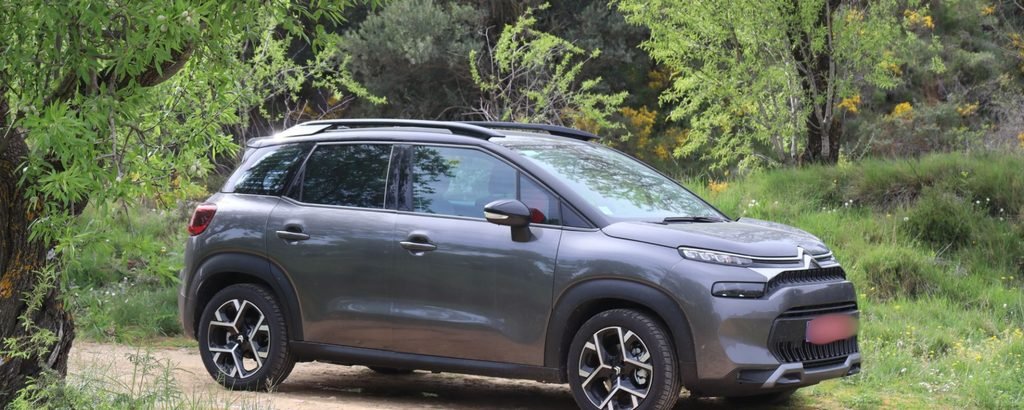
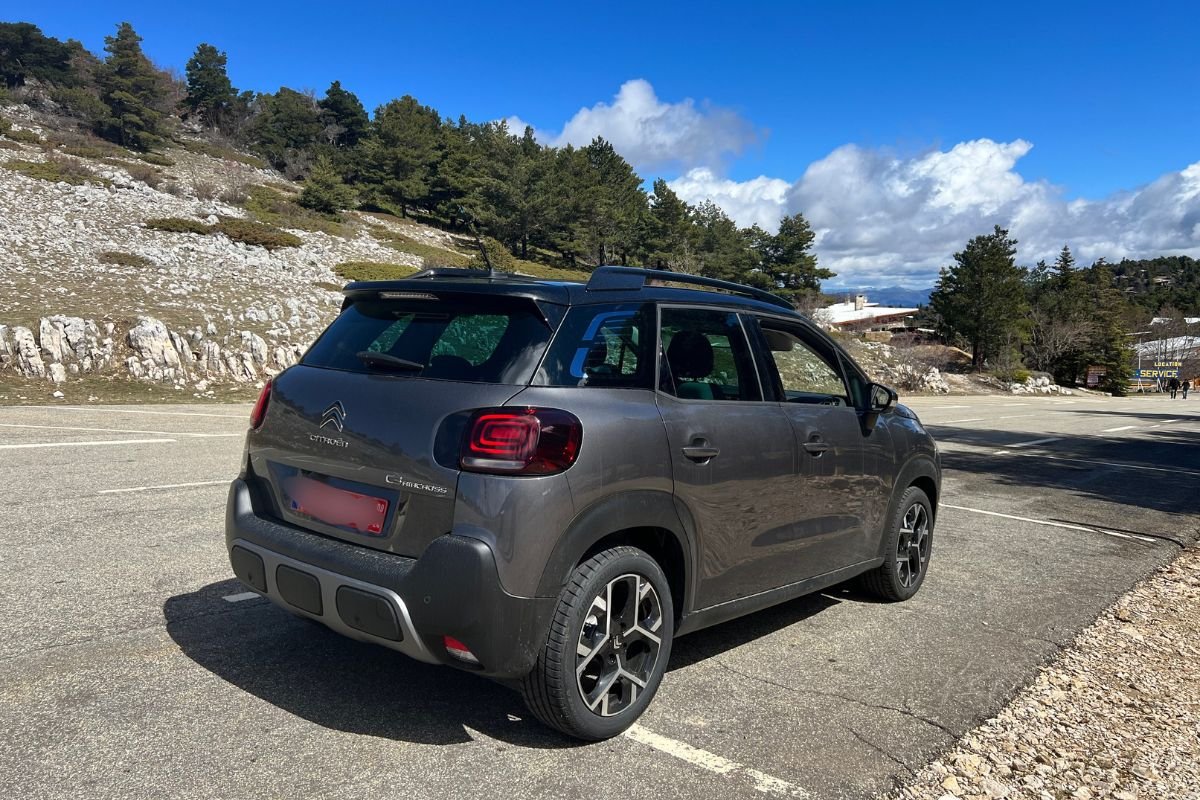
We collected our brand-new Citroën C3 Aircross in Nice on 2 April 2024 and returned it at Paris Charles de Gaulle Airport 90 days later, having travelled approximately 12,000 km.
Although the temporary ownership arrangement initially seemed unusual, the process turned out to be surprisingly straightforward. From organising our booking in New Zealand to handing back the keys in Paris, everything went smoothly.
It was one of the best decisions we made when planning our European adventure.
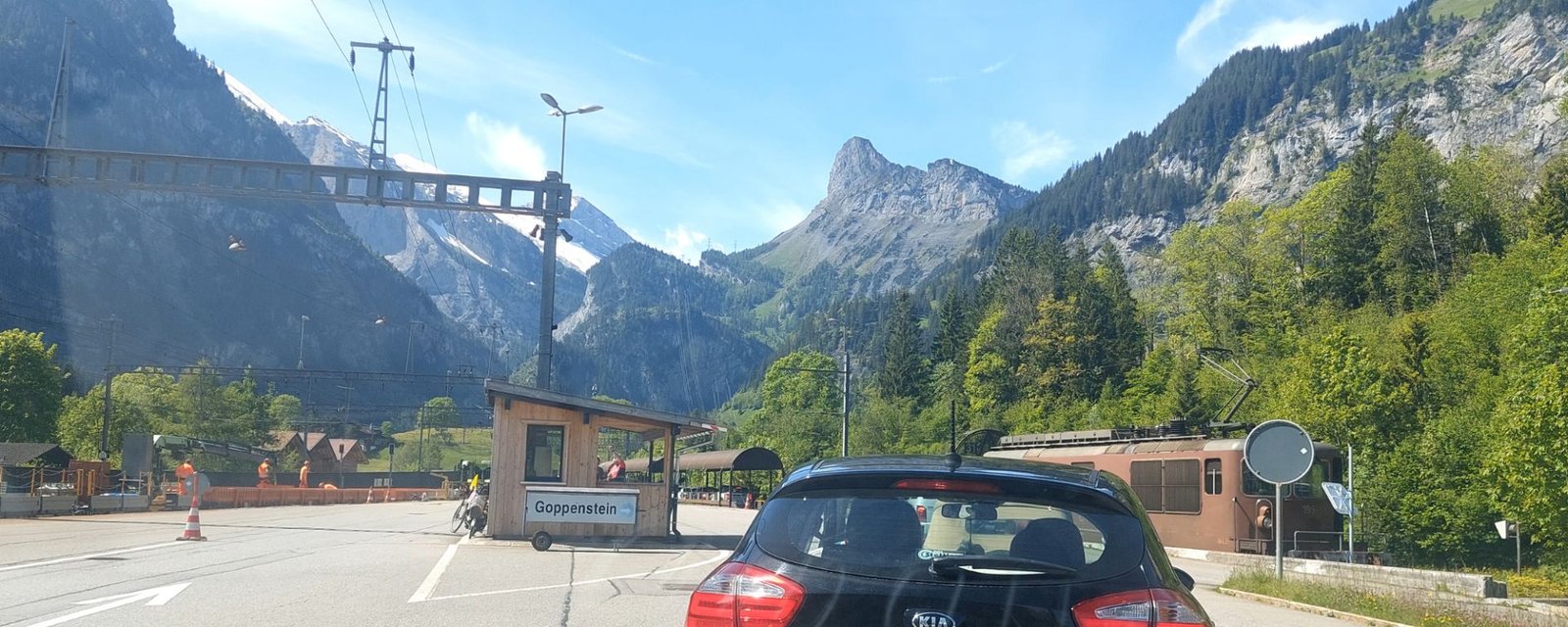
Table of Contents
- What Is the French Tax-Free Car Leasing Programme?
- The Benefits of Leasing a Car in France
- How Much Does It Cost to Lease a Car in Europe?
- Which European Countries Can You Drive Through?
- How to Book Your European Car Lease
- Important Things to Know Before You Lease a Car in Europe
- Our Tips for Driving Around Europe
- Would We Lease a Car in Europe Again?
What Is the French Tax-Free Car Leasing Programme?

The French tax-free car leasing programme allows eligible international visitors to drive a brand-new French vehicle around Europe for an agreed period, without permanently purchasing it.
Unlike traditional car rental, the programme operates through temporary vehicle ownership and a guaranteed buyback arrangement. The vehicle is registered in your name for the duration of your lease, with arrangements already in place for its return.
How Does the Leasing Process Work?
The programme follows a relatively simple process:
- Choose your vehicle: Select from the available Peugeot, Citroën or DS models, depending on availability and your requirements.
- Select your dates and locations: Confirm how long you need the vehicle and where you intend to collect and return it.
- Complete your booking: Provide the required documents, sign the agreement and arrange payment.
- Collect your vehicle: Attend your scheduled collection appointment and complete the handover.
- Explore Europe: Travel through the countries permitted under your leasing agreement.
- Return your vehicle: Hand it back at your designated return location under the agreed buyback arrangement.
Do You Actually Own the Car?
Technically, yes. The vehicle is temporarily registered in your name, but you’re not purchasing it to keep permanently.
During our trip, we received an email asking whether we intended to purchase the vehicle or proceed with its return.
We confirmed we’d be returning it, and the instructions followed.
There was no need to advertise the car, find a buyer or negotiate a selling price. The return arrangements were already part of our original agreement.
Who Can Lease a Car in France?
The French tax-free leasing programme is primarily designed for eligible travellers who normally reside outside the European Union, including visitors from New Zealand, Australia, Canada and the United States.
Eligibility generally depends on:
- Residency: You must meet the programme’s non-EU residency requirements.
- Age: Minimum driver age requirements apply.
- Driver’s licence: You must hold an accepted, valid licence and meet any additional permit requirements.
- Lease duration: Minimum and maximum booking periods apply.
Our tip: Confirm your eligibility with an authorised leasing provider before booking, as conditions can vary between programmes.
The Benefits of Leasing a Car in France
One When comparing French car leasing with traditional rentals, we discovered several advantages that made leasing particularly appealing for an extended European road trip.
It wasn’t simply about finding the cheapest vehicle. We wanted something reliable, affordable and suitable for travelling through multiple countries over several months.
A Brand-New Vehicle
One of the biggest attractions of the French leasing programme is receiving a brand-new vehicle, rather than one that’s already been driven by numerous rental customers.
Our Citroën C3 Aircross was:
- Comfortable and practical for our extended road trip.
- Reliable throughout our journey, from busy European motorways to narrow village streets.
Comprehensive Insurance Included
Having comprehensive vehicle insurance included in our lease price was a major advantage, particularly when comparing the overall cost with rental cars.
- No unexpected insurance add-ons: Comparable coverage could substantially increase the advertised rental price.
- Easier budgeting: We knew what insurance was included in our lease from the outset.
Insurance conditions and exclusions still apply, so always check the coverage offered under your particular agreement.
Generous Kilometre Allowances
When exploring several European countries, kilometre allowances can make a big difference to your travel costs.
- Rental restrictions: Some rental options we researched had limited kilometre allowances and additional charges for exceeding them.
- Our experience: Our lease included enough kilometres for our planned itinerary without worrying about extra mileage fees.
Always compare kilometre allowances and conditions, as these vary between providers.
Discounts for Longer Leases
French car leasing can offer particularly good value when travelling for several weeks or months.
- Extended-lease pricing: We found leasing more economical than the comparable rental options we’d researched.
- Promotional offers: Seasonal discounts may reduce the overall cost.
- Repeat-customer benefits: Some providers offer additional incentives for returning customers.
Offers vary depending on the provider, booking dates and lease duration.
Local Support Before You Travel
For us, having access to a New Zealand-based agent was another advantage. We could contact Delwyn at Drive Europe with questions about the leasing arrangement, vehicle options and booking requirements before leaving home.
Having someone familiar with the programme to guide us through the initial arrangements was reassuring, especially as we’d never leased a vehicle overseas before.
How Much Does It Cost to Lease a Car in Europe?
The cost of leasing a car in Europe depends on your chosen vehicle, travel dates, lease duration and any promotional discounts available when booking.
For longer European road trips, the overall lease price can be surprisingly competitive compared with traditional car rental, particularly when you consider what’s included.
What We Paid for Our 90-Day European Car Lease in 2024
We booked our Citroën C3 Aircross in November 2023 and collected it in Nice, France, on 2 April 2024.
Here’s exactly what our lease cost:
- Vehicle: Brand-new Citroën C3 Aircross
- Lease duration: 90 days
- Deposit: NZ$300, paid on 16 November 2023
- Remaining balance: NZ$3,799.20, paid when we signed our contracts
- Total lease cost: NZ$4,099.20
- Average daily cost: NZ$45.55
- Included kilometre allowance: 15,000 km
- Distance travelled: Approximately 12,000 km
- Insurance: Comprehensive vehicle insurance included
The NZ$300 deposit was part of our total payment, not an additional charge.
For us, approximately NZ$46 per day for a brand-new vehicle with comprehensive insurance included represented excellent value.
These figures reflect our 2023 booking for travel in 2024 and should not be considered current leasing prices.
Minimum and Maximum Leasing Periods
French tax-free car leasing has minimum and maximum booking periods, which can vary depending on the programme and current conditions.
When we booked, we understood the minimum lease period to be approximately one month. However, Drive Europe’s 2027 promotional information includes:
- Leases starting from 15 days, subject to minimum pricing conditions.
- Promotional offers covering leases of up to 175 days.
This means leasing may also be worth considering for shorter European holidays, not just extended road trips.
Our tip: Always confirm the current minimum lease period, pricing and eligibility before booking.
Discounts and Earlybird Offers
French leasing providers sometimes offer promotional discounts for travellers who book well in advance.
For the 2027 season, Drive Europe New Zealand has advertised the following earlybird offers for eligible bookings made by 15 January 2027:
- Up to 59 days: NZ$600 discount on the vehicle price.
- 60–175 days: 17% discount on the vehicle price.
- Eligible repeat customers: Five additional free days, subject to the promotional conditions.
- Cancellation option: Included at no additional charge under the advertised earlybird offer, subject to its conditions.
These are time-limited promotions rather than standard leasing rates, and discounts may not apply to additional collection or return fees.
Always check the latest offers before booking.
Additional Costs to Budget For
Although our lease included comprehensive vehicle insurance, there were other expenses to consider throughout our European road trip.
These included:
- Petrol: Fuel costs vary between countries and service stations.
- Motorway tolls and vignettes: Different countries have different road charging systems.
- Parking: Particularly in cities and popular tourist destinations.
- Collection and return fees: Additional charges may apply outside France.
- Traffic fines: Speeding and parking infringements remain the driver’s responsibility.
When comparing leasing with renting, look at the complete cost of both options, rather than simply choosing the lowest advertised daily rate.
Getting an Up-to-Date Quote
For New Zealand residents, current vehicle options, pricing and promotional offers are available through Peugeot Drive Europe New Zealand.
Travellers from other countries should contact a provider serving their country of residence for the relevant prices and eligibility requirements.
Which European Countries Can You Drive Through?

One of the attractions of French car leasing is the opportunity to explore several European countries without changing vehicles at every border.
During our three-month road trip, we travelled through countries including France, Italy, Spain, Croatia, Austria, Switzerland and Germany.
However, not every European country is automatically covered by your leasing agreement, so it’s important to understand the restrictions before finalising your itinerary.
Countries Covered by Your Lease
French tax-free leasing programmes generally allow travel through a wide range of European destinations, but the approved countries depend on your particular agreement.
Before booking accommodation or planning border crossings, check the provider’s current list of permitted countries.
Remember that permission to enter a country and insurance coverage are not necessarily the same thing. Both need to be confirmed.
Countries Excluded from Insurance Cover
When researching our lease, we discovered that certain European countries were excluded from the programme.
We particularly remember checking restrictions involving Bosnia and Herzegovina and Liechtenstein, which were relevant when considering possible routes through neighbouring countries.
This is an important consideration for anyone planning to explore beyond the usual Western European destinations.
Before travelling, make sure you:
- Confirm which countries are permitted under your leasing agreement.
- Check geographical insurance exclusions before crossing borders.
- Review any additional entry or vehicle requirements for your intended destinations.
Country restrictions can change, so always refer to the latest information provided by your leasing company.
For New Zealand travellers, the current approved-country list is available through Peugeot Drive Europe New Zealand.
How to Book Your European Car Lease

Booking Booking a French tax-free car lease requires a little more forward planning than traditional car rental, particularly because your vehicle and collection arrangements need to be organised in advance.
Once we understood the process, however, booking our vehicle was surprisingly straightforward.
Book Your Vehicle Well in Advance
We arranged our lease approximately six months before collecting our Citroën C3 Aircross in Nice on 2 April 2024.
This gave us plenty of time to secure our preferred vehicle, complete the paperwork and organise our European itinerary.
We recommend starting your research at least six months before travelling, especially if you’re planning to visit during Europe’s busy spring and summer seasons or have a particular vehicle in mind.
Choosing Your Vehicle and Getting a Quote
Before requesting a quote, consider what you’ll need for your journey:
- Vehicle size: Enough room for passengers and luggage.
- Transmission: Manual or automatic, depending on availability.
- Lease duration: The number of days you’ll need the vehicle.
- Collection and return locations: These can affect the overall price.
- Travel dates: Vehicle availability can vary throughout the year.
We chose a Citroën C3 Aircross, which suited our needs throughout our three-month road trip.
Booking Through Drive Europe New Zealand
We contacted Delwyn at Drive Europe New Zealand, who explained the leasing arrangements and helped us organise our booking.
Having someone local to answer our questions was particularly helpful because we’d never used the French tax-free leasing programme before.
For New Zealand residents, bookings and enquiries can be made through Peugeot Drive Europe New Zealand.
Can Travellers from Other Countries Lease a Car in France?
Yes! The French tax-free leasing programme isn’t exclusive to New Zealand residents.
Eligible travellers may include residents of:
- Australia
- Canada
- United States
- New Zealand
- Other qualifying countries
Your country of residence and eligibility will help determine which booking provider you can use.
International travellers can investigate providers such as Peugeot Europe Australia, Auto Europe or French leasing specialists, depending on their location.
Paying Your Deposit and Balance
When we booked in November 2023, we paid a NZ$300 deposit to secure our vehicle, with the remaining balance paid when we signed our contracts.
Current payment conditions may differ. Drive Europe’s 2027 booking information advises that quoted New Zealand dollar prices are guaranteed if payment is made in full within seven days of invoicing. Otherwise, exchange-rate movements may affect the final amount.
Always check the deposit, payment deadlines and cancellation conditions before confirming your booking.
Documents Required for Booking
According to Drive Europe’s 2027 booking instructions, the contract holder should be prepared to provide:
- Passport: Copies of the photo and signature pages.
- Driver’s licence: Copies of both sides of a valid licence.
- Booking details: Vehicle choice, travel dates and collection and return locations.
- Payment information: Details required to complete the booking.
- Signed agreement: Acceptance of the leasing conditions.
Make sure the contract holder’s name is correct, as changes may not be permitted after booking.
Confirming Your Collection Arrangements
Before collecting your vehicle, you’ll receive an email confirming:
- Pickup location and directions
- Appointment date and time
- Any additional instructions for collecting your vehicle
It’s important to arrive at your agreed collection time, as handovers are arranged in advance.
Keep your confirmation email and required documents easily accessible on the day.
Important Things to Know Before You Lease a Car in Europe

Before collecting your leased vehicle, there are a few practical details worth checking. Some are easily overlooked, particularly when you’re planning to spend several months travelling overseas.
Make Sure Your Registered Address Is Correct
One thing we hadn’t considered was how traffic infringement notices would reach us while we were travelling.
Because our leased vehicle was temporarily registered in our name, we realised that any speeding fines could potentially be sent to our home address in New Zealand.
This became a concern after we wondered whether we’d been caught by a speed camera in France.
The problem was that we weren’t due home for another six months. If a fine arrived in the post, we might not even know about it, let alone be able to pay it before the deadline.
Rather than risk an unpaid infringement sitting in our letterbox, we contacted the French traffic authorities to enquire whether any fines had been issued.
Our tip: Before leaving home, check how traffic fines and other important correspondence will be communicated to you. If you’re travelling for an extended period, arrange for someone to monitor your mail.
Understand Your Insurance Conditions
Although comprehensive insurance was included in our lease, it’s important to understand the conditions before travelling.
Check the following details:
- Accident and damage cover: What’s included and whether an excess applies.
- Theft and breakdown assistance: What help is available if something goes wrong.
- Authorised drivers: Who is permitted to drive the vehicle.
- Reporting requirements: What to do if you’re involved in an accident.
Keep your insurance documents and emergency contact numbers accessible throughout your trip.
Check Your Driving Licence Requirements
Before travelling, make sure your driver’s licence meets the requirements of both your leasing company and the countries you plan to visit.
A few things to check:
- Valid driver’s licence: Carry your original New Zealand driver’s licence throughout your journey.
- International Driving Permit (IDP): Some European countries require an IDP alongside your New Zealand licence.
- Country-specific rules: Driving requirements can differ between countries, even within Europe.
Our tip: Check the requirements for every country on your itinerary before leaving New Zealand. An International Driving Permit is not a replacement for your original licence; the two must be carried together.
Keep Your Leasing Documents Accessible
We recommend keeping digital copies of your important documents, along with any originals you’re required to carry.
These may include:
- Leasing agreement and vehicle registration
- Insurance details and emergency contact information
- Driver’s licence and passport
Having everything organised and easily accessible before setting off makes dealing with unexpected situations much easier.
Our Tips for Driving Around Europe
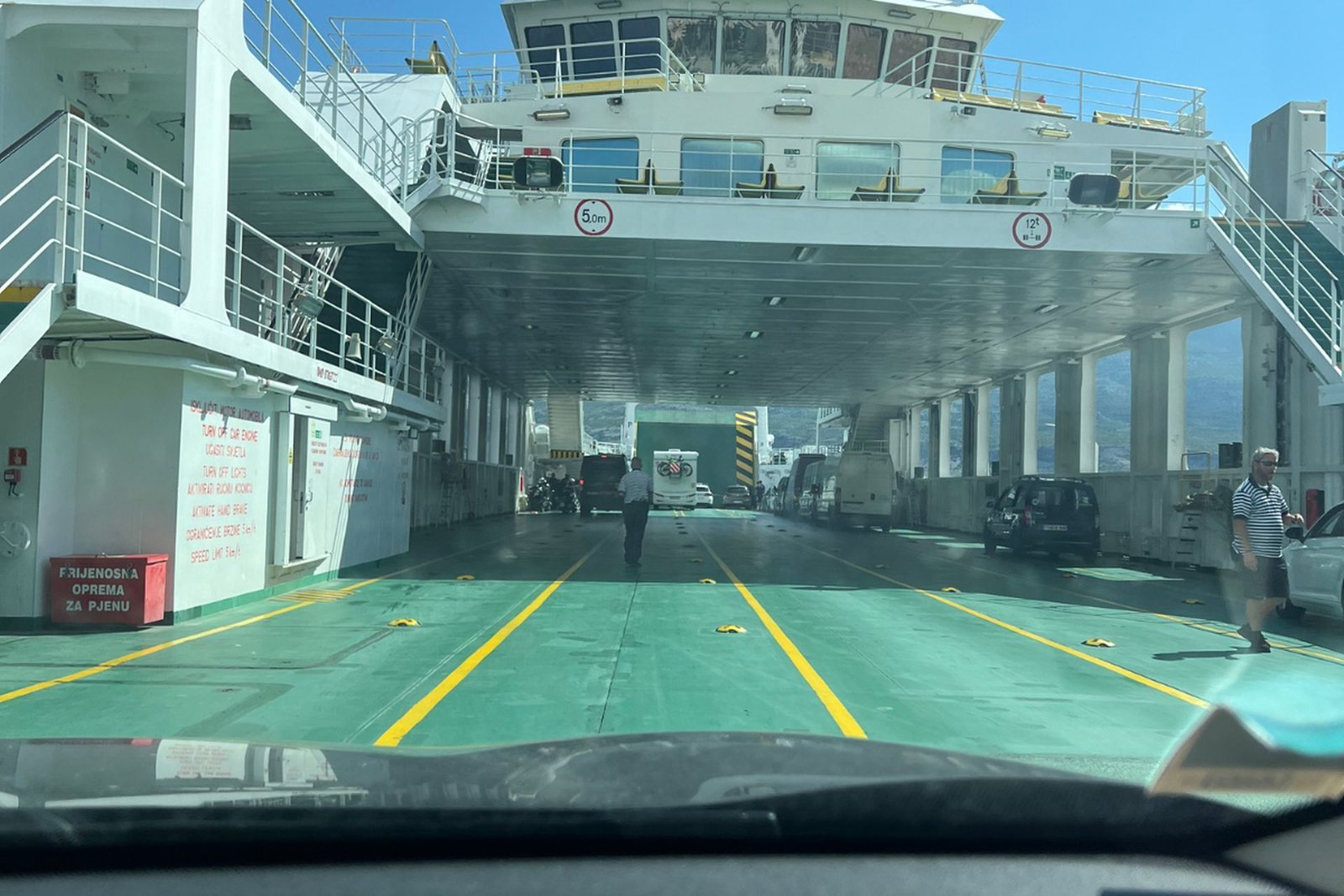
Driving through several European countries was an adventure in itself. From busy motorways to narrow village streets, we encountered different road conditions, traffic regulations and the occasional unexpected surprise.
Here are a few things we learnt along the way.
Avoiding Toll Roads in Europe
Whenever practical, we chose to avoid toll roads. Although motorways are convenient for covering long distances, toll charges can add up, particularly over several months.
We found several advantages to taking alternative routes:
- Saving money: Avoiding motorway tolls helped keep our travel expenses down.
- Discovering smaller towns: We passed through villages and local communities we might otherwise have missed.
- Enjoying the journey: Slower roads gave us opportunities to explore beyond the main tourist routes.
- Travelling at our own pace: We weren’t always in a hurry to reach our next destination, and sometimes the slower roads were the most interesting.
Of course, avoiding toll roads isn’t always practical, particularly on longer driving days. It’s worth comparing travel times and potential toll costs before deciding which route works best for you.
Petrol and Fuel Costs
Petrol prices varied considerably between the countries we visited, making fuel an important part of our travel budget.
A few things worth considering when filling up across Europe:
- Compare fuel prices: Prices can vary between countries and service stations, so it’s worth checking before filling up.
- Plan ahead: Consider refuelling before long motorway journeys, where service station prices can sometimes be higher.
- Check your fuel type: Always confirm whether your vehicle requires petrol or diesel, as pump labels can differ between countries and languages.
- Keep an eye on your budget: Fuel expenses can add up quickly when travelling thousands of kilometres.
Our tip: Don’t wait until your tank is almost empty, particularly when travelling through unfamiliar or remote areas.
Navigating European Roads
We relied on GPS navigation throughout our travels, although we quickly discovered that the fastest suggested route wasn’t always the best option.
A few things we learnt:
- Check your route before setting off rather than blindly following GPS instructions.
- Watch for narrow streets and unexpected backroads, particularly in places like Calabria, Italy.
- Consider alternative routes, as the shortest journey isn’t always the easiest.
Sometimes a quick look at the map beforehand can save you from an unexpected driving adventure!
Understanding Speed Limits and Road Signs
Speed limits and road regulations vary across Europe, so it’s important to stay alert when driving between countries.
A few things to remember:
- Watch for changing speed limits, particularly near towns, roadworks and different road types.
- Don’t assume motorway limits stay the same, even when you’re travelling along the same road.
- Familiarise yourself with local road signs before entering another country.
We learnt that last lesson in France, although not quite in the way you might expect!
The French Motorway Wi-Fi That Wasn’t!
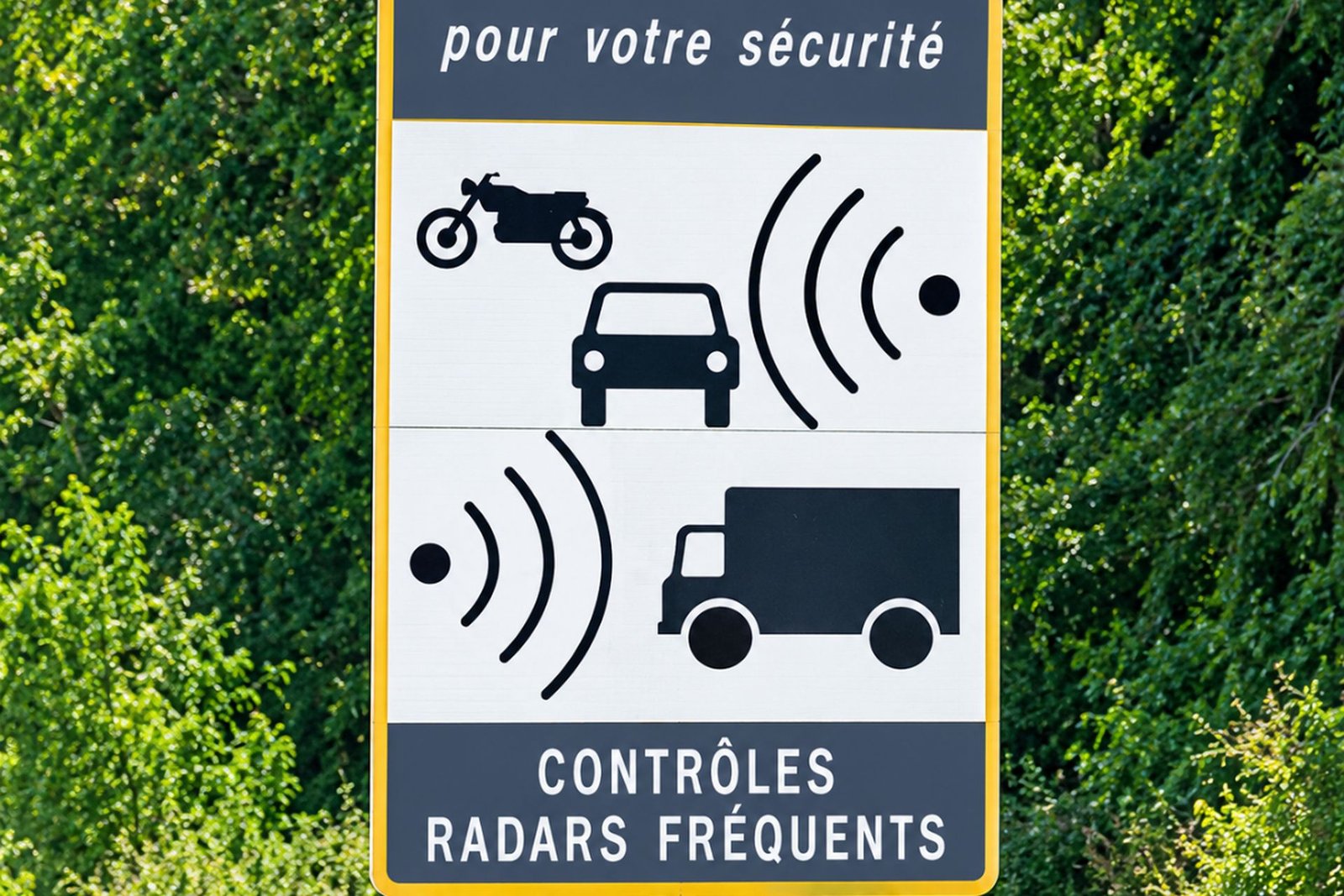
While travelling along a French motorway, we kept noticing signs displaying what looked remarkably like a Wi-Fi symbol, alongside pictures of cars, trucks and motorbikes.
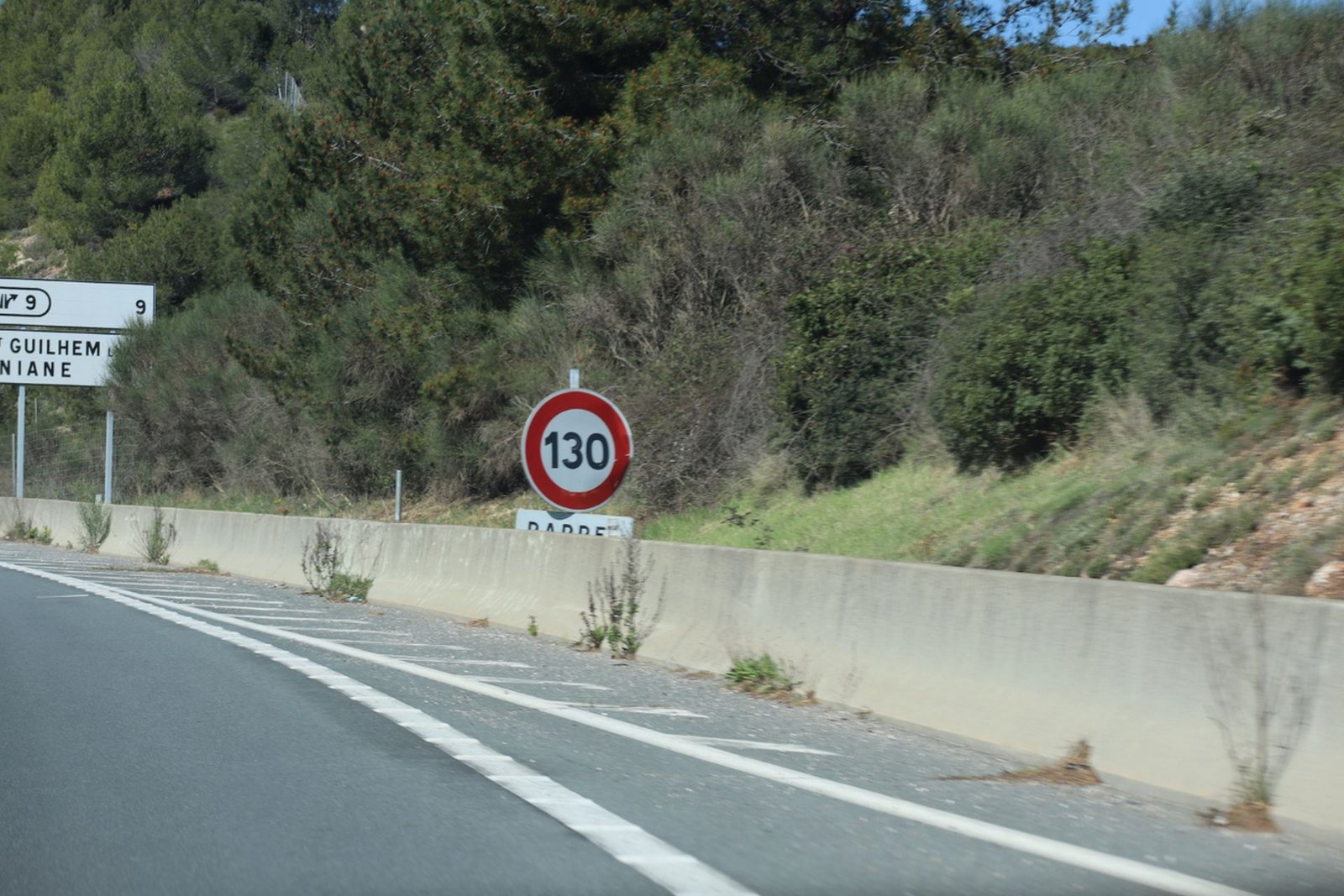
We were travelling at around 130 km/h, the posted speed limit on that stretch, so we didn’t have much time to read the French wording.
Instead, we concentrated on the pictures and came to what seemed like a perfectly reasonable conclusion.
“France must provide free Wi-Fi on its motorways!”
We were rather impressed. How clever of the French to offer internet access to motorists!
But then we had a question.
“Hang on, how on earth are motorcyclists supposed to connect?”
After some discussion, we came up with the obvious answer.
“They must connect through Bluetooth in their helmets!”
Mystery solved!
When we mentioned this wonderful French motorway service to friends, they couldn’t quite understand how we’d reached that conclusion.
Then, after wondering whether we’d seen a speed camera flash, we started paying closer attention to the signs.
And that’s when the penny finally dropped.
“Wait a minute… those aren’t Wi-Fi signs. They’re warning us about speed cameras!”
The French wording, Contrôles Radars Fréquents, meant frequent radar checks.
It had taken us several days to work it out, but when we finally realised our mistake, we absolutely cracked up laughing!
There we were, travelling across Europe, thinking France was providing complimentary motorway internet, when the signs were actually reminding us to watch our speed.
To this day, we still laugh about it.
Our tip: Never assume you understand a road sign simply because the symbol looks familiar. A quick check of unfamiliar signs before driving in another country can save you from a rather expensive misunderstanding.
Although, in our defence, it really did look like Wi-Fi!
Would We Lease a Car in Europe Again?
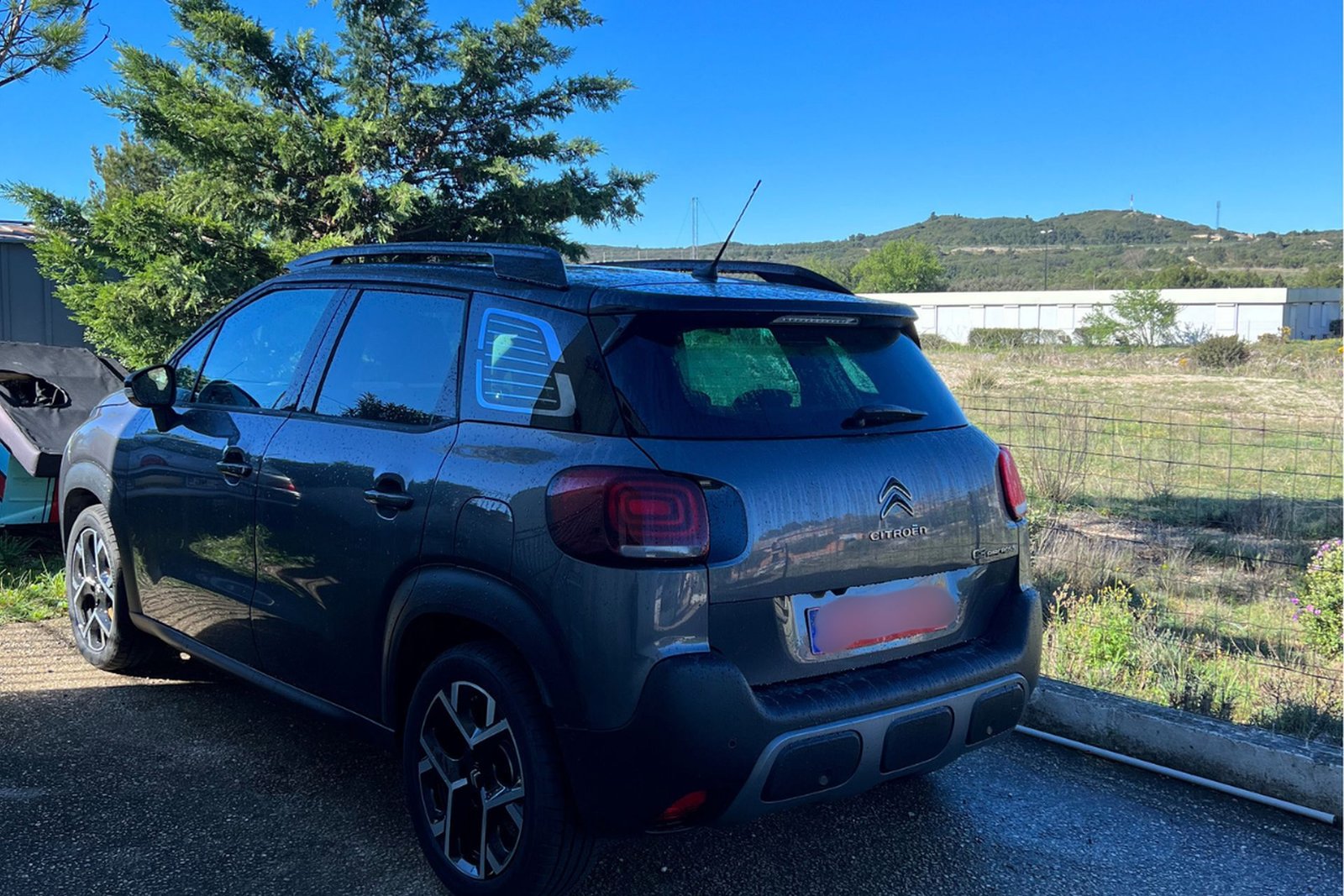
Absolutely, without hesitation!
Leasing a car in France was one of the best decisions we made for our European adventure, and we’d happily do it again.
For us, the biggest advantage wasn’t simply the cost. It was having the freedom to explore beyond the usual tourist destinations, stay in smaller towns and discover places we might otherwise have missed.
Of course, leasing won’t suit everyone. If you’re spending a couple of weeks visiting major European cities, trains and public transport may be more practical.
But if you’re planning an extended road trip and want the flexibility to explore Europe at your own pace, French tax-free car leasing is definitely worth considering.
And next time, we’ll know exactly what those French motorway signs mean!
Ready to Plan Your Own European Road Trip?
Before booking, compare the complete cost of leasing with traditional car rental, including insurance, kilometre allowances and any additional fees.
For travellers from Aotearoa – New Zealand, we recommend exploring the options available through Peugeot Drive Europe New Zealand.
International travellers can also contact leasing providers serving their country of residence.
Our final advice? Don’t just plan where you want to go. Think about how you want to experience the journey.
Sometimes having the freedom to take a different road makes all the difference.
“Some of the best journeys begin with the freedom to choose your own road.”
🌍 Travel Planning Resources
These are the tools we personally use and trust when planning our travels from finding a place to stay to booking activities, transport and insurance. Let your “Tohu” guide you “Trust the Journey” and follow what feels right for you.
- ✈️Flights – Compare great deals with Trip.com then Kiwi.com for flexible, affordable options.
- 🚐 Campervans – Compare rental deals with Motorhome Republic across Aotearoa and beyond.
- 🛏️ Stays – Compare hotels on Trip.com and TripAdvisor or Booking.com.
- 🚐 Rental Cars – Compare prices and book through Airport Rentals by Motorhome Republic for trusted brands and easy airport pickup.
- 🎟️ Activities – Browse tours and experiences on Viator, Get Your Guide, or TripAdvisor
- 🚆12Go Asia – Compare and book trains, buses, and ferries across Asia in one place with 12Go.
- 🛡️ Travel Insurance – Get flexible short-term coverage with Insubuy for your next holiday.
- 💳 Travel Money – Send, spend and manage money internationally with Wise, with easy currency conversion and a handy option for travellers.
- 🔒 Protect Your Privacy with a VPN – We recommend Surfshark VPN for secure and private browsing while travelling. It’s fast, affordable and works worldwide, perfect for public Wi-Fi at airports, cafes and hotels.
- 📱 Travel eSIM – Stay connected with Airalo
- 💼 Lounge Access – Treat yourself with Priority Pass for UK or US
- 🎶 Events & Concerts – Book tickets worldwide through Ticketmaster.
🧭 Note: Some booking links can be a bit shy when you’re using a VPN. If one doesn’t open, try pausing your VPN or switching to a different server location or secure Wi-Fi network to get things flowing again.