
Travelling around Italy is an adventure in itself, with high-speed trains connecting major cities, scenic regional rail journeys and roads leading to charming villages, coastal towns and countryside destinations. Whether you’re planning to explore the historic streets of Rome, discover Tuscany’s smaller towns or venture into the less-visited regions of southern Italy, choosing how to get around can make a big difference to your experience. Both driving and train travel have their advantages, and understanding how each works will help you plan a journey that suits your budget, itinerary and travel style.
Is It Better to Travel Around Italy by Car or Train?

Is hiring a car the best way to explore Italy, or would travelling by train be easier? The answer depends on where you’re going, how much freedom you want and, importantly, how confident you feel behind the wheel. For travellers coming from smaller towns or countries such as New Zealand, where we drive on the opposite side of the road, navigating busy Italian cities, unfamiliar road rules, narrow streets and complicated parking restrictions can feel daunting. Trains remove much of that pressure, particularly when travelling between major cities, while a car offers the freedom to explore smaller villages and places beyond the main rail network. There’s no right or wrong choice, and for many travellers, combining both options may be the ideal solution.
Our Experience Travelling Around Italy
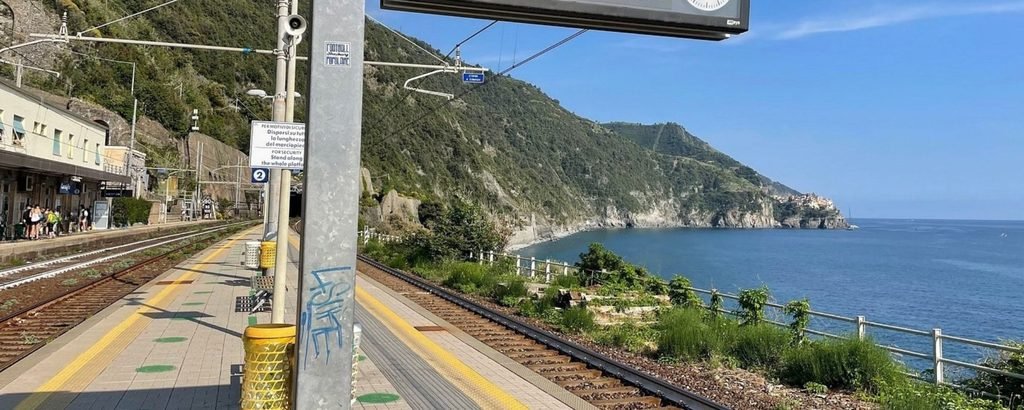
During our travels through Italy, we experienced the advantages of both train travel and exploring with our Leased Car. We initially travelled by train, enjoying the convenience of reaching destinations without worrying about traffic, parking or navigating unfamiliar roads. Later, we returned with our car and explored much more of the country at our own pace, particularly through smaller towns and regions where public transport was less convenient. Having our own vehicle gave us the flexibility to change plans, stop whenever something caught our attention and discover places we might otherwise have missed. However, we also appreciated how much easier trains could make visiting busy cities. Having experienced both options, we learned that the best way to travel around Italy isn’t necessarily choosing between a car and a train, but knowing when each one makes the most sense.
Table of Contents
- Is It Better to Travel Around Italy by Car or Train?
- Our Experience Travelling Around Italy
- Travelling Around Italy by Car
- Travelling Around Italy by Train
- Understanding Italy’s Rail Network
- High-Speed, Intercity and Regional Trains
- Booking Train Tickets in Italy
- Understanding Ticket Prices and Reservations
- Navigating Train Stations and Changing Trains
- Luggage and Travelling Comfortably by Train
- Practical Tips for Train Travel in Italy
- The Disadvantages of Travelling Around Italy by Train
- Comparing the Costs of Car and Train Travel
- Which Parts of Italy Are Better by Car or Train?
- Rome, Florence, Milan and Venice – Best by Train
- Tuscany and Pisa – Train or Car Depending on Your Plans
- Cinque Terre – Best by Train
- Naples, Sorrento and the Amalfi Coast – Train, Bus or Ferry
- Calabria – Best by Car for Exploring Smaller Towns
- Puglia – Best by Car for Regional Exploring
- The Dolomites – Best by Car for Flexibility
- Sicily – Train or Car Depending on Your Itinerary
- At a Glance: Car or Train?
- Combining Car and Train Travel in Italy
- Common Mistakes to Avoid When Travelling Around Italy
- Final Thoughts on Travelling Around Italy by Car and Train
Travelling Around Italy by Car

Exploring Italy by car gives you the freedom to venture beyond the main tourist routes, discover smaller towns and stop whenever something catches your attention. Having your own vehicle is particularly useful in rural Tuscany, Calabria, Puglia and the Dolomites, where attractions and villages are often spread out. However, driving in Italy requires some preparation, especially if you’re unfamiliar with driving on the right, navigating busy motorways or understanding local parking restrictions.
Renting or Leasing a Car in Italy
For shorter holidays, renting a car is generally the simplest option, with vehicles available at airports, major railway stations and city locations. For longer European journeys, leasing may offer better value, depending on the duration and your travel plans.
We chose to lease a car for our extended European road trip, giving us the flexibility to explore several countries without arranging separate rentals.
Before booking, consider:
- Rental or lease duration: Compare total costs, including insurance and additional fees.
- Manual or automatic: Manual vehicles are common, so reserve an automatic early if preferred.
- Vehicle size: Smaller cars are easier to manoeuvre through narrow streets and park in historic towns.
- Insurance: Check excess amounts, exclusions and available coverage.
- Cross-border travel: Confirm which countries you’re permitted to visit.
- Driving documents: Check licence requirements and whether an International Driving Permit is necessary.
For more information about our experience, read our guide to Leasing a Car in Europe, where we explain the process and why it worked for our travels.
Understanding Italian Roads and Motorways
Italy’s road network ranges from modern motorways to narrow village streets and winding mountain roads. The main motorways, known as autostrade, connect major cities and regions.
Understanding Italian road classifications:
- A – Autostrade: Major motorways, generally toll roads, identified by green signs.
- SS – Strade Statali: State roads connecting towns and regions, usually toll-free.
- SR and SP: Regional and provincial roads, often passing through smaller communities.
Unlike New Zealand, Italians drive on the right and overtake on the left. Allow yourself time to adjust, particularly when approaching roundabouts and intersections.
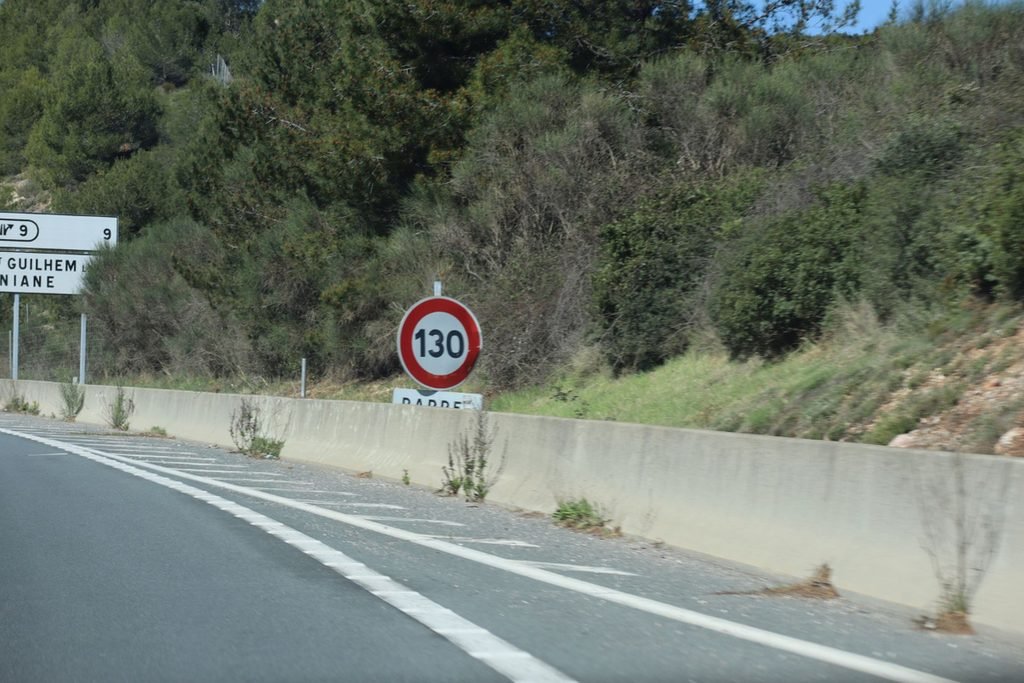
General speed limits for cars:
- 50 km/h – Built-up areas.
- 90 km/h – Secondary roads.
- 110 km/h – Main roads outside urban areas.
- 130 km/h – Motorways.
Speed limits may be reduced due to weather, road conditions or local restrictions. Always follow posted signs, and remember that speed cameras are common.
Tolls and How to Pay Them
Many Italian motorways charge tolls based on the distance travelled and vehicle category. On most ticket-based routes, you collect a ticket when entering and pay when exiting, although some motorways use fixed charges or electronic systems.
Common payment options include:
- Cash: Follow signs displaying the cash payment symbol.
- Credit or debit card: Look for lanes marked Carte.
- Telepass: Electronic payment for vehicles with a compatible device.
Avoid Telepass-only lanes unless your vehicle has the appropriate electronic payment device.
Motorway tolls can add up on longer journeys, so check estimated charges when planning your route. The official Autostrade per l’Italia website provides useful motorway and toll information.
Parking in Italian Towns and Cities
Parking can be challenging in Italy’s historic towns and busy cities, particularly during peak tourist season. Understanding the coloured road markings will help you identify where you’re permitted to park.
- Blue lines: Usually paid parking during displayed hours.
- White lines: Generally free parking, although restrictions may apply.
- Yellow lines: Reserved for authorised vehicles or specific users.
Always check nearby signs for local restrictions, time limits and payment requirements.
Our advice: Consider using designated car parks or parking garages outside historic centres. Although they may cost more, they can save time and avoid the frustration of navigating narrow streets looking for a space.
ZTL Zones and Restricted Driving Areas
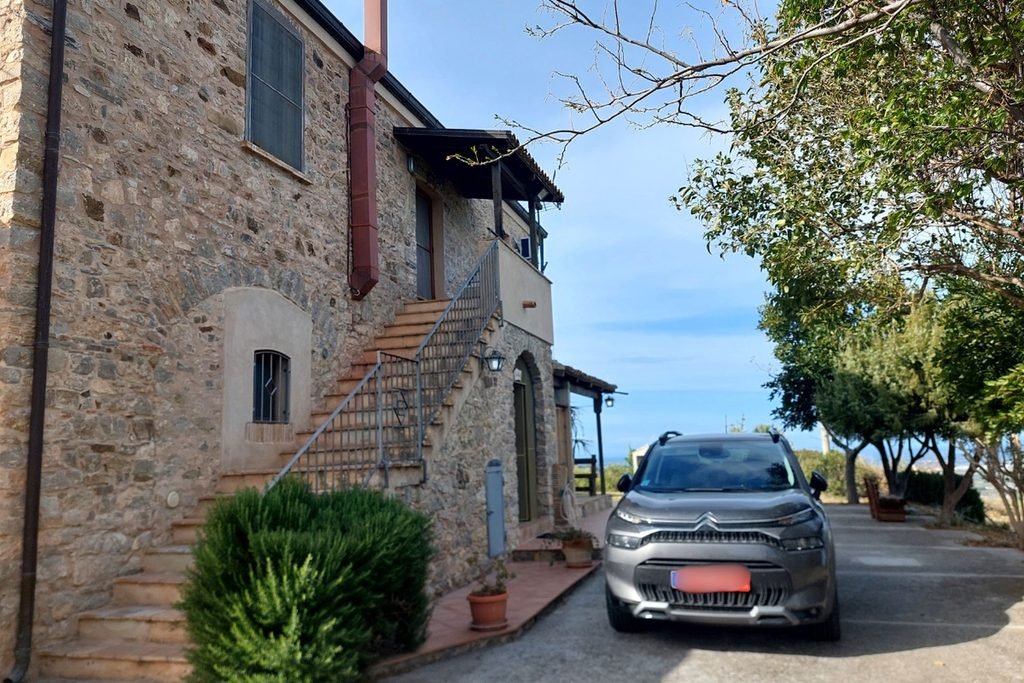
One of the most important things to understand when driving in Italy is the Zona a Traffico Limitato (ZTL) system.
These restricted traffic zones are common in historic town and city centres, with access generally limited to authorised vehicles during specified hours. Many entrances have cameras that automatically record vehicle registration plates.
Entering an active ZTL without permission can result in a fine, even if you’re only passing through.
To avoid problems:
- Watch for signs displaying Zona Traffico Limitato.
- Check the operating hours, as restrictions vary between locations.
- Don’t assume your GPS will automatically avoid restricted areas.
- Contact your accommodation if it’s located inside a ZTL to ask about permitted access.
- Consider parking outside the restricted area and walking into town.
Rental cars aren’t automatically exempt, and fines may be forwarded through rental companies with additional administration charges.
Fuel Stations and Driving Costs
Fuel prices vary throughout Italy, with motorway service stations often more expensive than those in smaller towns.
You’ll generally see two fuel options:
- Benzina: Petrol.
- Gasolio: Diesel.
Always confirm which fuel your vehicle requires before filling up.
Many stations also offer two service options:
- Self: Self-service, usually cheaper.
- Servito: Attendant service, often at a higher price per litre.
Some smaller fuel stations close during lunch hours, evenings or Sundays, although automated pumps may remain available.
Remember to factor fuel, tolls, parking and insurance into your overall driving budget rather than relying solely on the advertised rental price.
Practical Tips for Driving in Italy
Driving in Italy becomes easier as you grow accustomed to the roads, but a little preparation can make those first few journeys more comfortable.
- Take time to adjust: Driving on the opposite side of the road can feel unfamiliar, especially at roundabouts and intersections.
- Avoid unnecessary city driving: Use public transport in major cities and collect your car when you’re ready to explore surrounding regions.
- Download offline maps: Particularly useful in rural areas with limited mobile coverage.
- Check accommodation parking: Confirm parking availability and access before arriving.
- Prepare for narrow roads: Smaller villages may have tight corners, steep streets and limited passing space.
- Carry your documents: Keep your driving licence, required permit, registration and insurance documents accessible.
- Check mountain conditions: Seasonal closures, weather and winter equipment requirements may affect your route.
Driving around Italy can be an incredibly rewarding experience, particularly when exploring places beyond the main transport routes. The key is knowing where having a car will make your journey easier and where leaving it parked might be the better choice.
Travelling Around Italy by Train
Italy’s extensive rail network makes travelling between major cities, historic towns and popular tourist destinations relatively straightforward. High-speed trains connect Rome, Florence, Milan, Naples and Venice, while regional services provide access to smaller communities and coastal destinations. For travellers who prefer not to drive overseas, trains offer a convenient alternative without the worry of unfamiliar roads, motorway tolls or city parking. With a little planning, it’s possible to explore a considerable amount of Italy entirely by rail.

Understanding Italy’s Rail Network
Italy has two main train operators worth knowing about:
- Trenitalia: Italy’s national rail operator, providing high-speed, intercity and regional services throughout much of the country.
- Italo: A private operator specialising in high-speed services between major Italian cities.
Both offer online booking, and comparing departure times and prices can help you find the most suitable journey.
Most major cities have centrally located railway stations, although some have several stations serving different routes.
High-Speed, Intercity and Regional Trains
Understanding the different train services will help you choose the right option for your journey.
- High-Speed Trains: Trenitalia’s Frecciarossa and Italo services connect major cities quickly, with reserved seating, air conditioning and different travel classes. Ideal for longer journeys such as Rome to Florence or Milan to Naples.
- Intercity Trains: Generally slower than high-speed services but useful for travelling between regional destinations. Some overnight Intercity Notte services offer seats, couchettes or sleeping compartments.
- Regional Trains: Usually less expensive, stopping at smaller towns and stations. Particularly useful for journeys such as Florence to Pisa or travelling between the Cinque Terre villages.
Regional trains generally don’t require seat reservations, while high-speed and Intercity services usually operate with assigned seats.
Booking Train Tickets in Italy
Tickets can be purchased online, through mobile apps, at station ticket machines or staffed ticket offices.
The main booking websites are:
- Trenitalia: www.trenitalia.com
- Italo: www.italotreno.com
When booking, enter your departure station, destination, travel date and passenger details to compare available services.
A few things worth remembering:
- Book high-speed trains early: Cheaper fares are often available in advance, particularly during summer and holiday periods.
- Compare operators: Trenitalia and Italo may offer different prices and departure times.
- Check station names: Cities may have several railway stations, so confirm you’re booking the correct one.
- Review ticket conditions: Discounted fares may have restrictions on changes and refunds.
For example, Roma Termini and Roma Tiburtina are different stations, while Venezia Santa Lucia is in Venice’s historic centre and Venezia Mestre is on the mainland.
Regional train fares are generally more consistent, so booking months ahead is usually unnecessary.
Understanding Ticket Prices and Reservations
Train prices vary depending on the service, distance, booking date and ticket conditions.
High-speed trains generally use variable pricing, while regional services usually have more consistent fares.
There are also a few important differences between standard tickets and European rail passes:
- Standard high-speed tickets: Usually include a reserved seat on a specific departure.
- Regional tickets: Generally don’t include assigned seating.
- Eurail and Interrail Passes: Many high-speed and overnight trains require additional paid reservations, even when your journey is covered by the pass.
- Discounted tickets: May have limited flexibility for changes or cancellations.
Don’t assume a European rail pass includes every train-related expense. Reservation fees can add up, particularly when travelling frequently between major cities.
Ticket validation is another important consideration. Some paper regional tickets must be validated at station machines before boarding, while digital tickets follow the conditions stated by the operator. Always check the instructions for your particular ticket, as travelling without a valid ticket can result in a fine.
Navigating Train Stations and Changing Trains
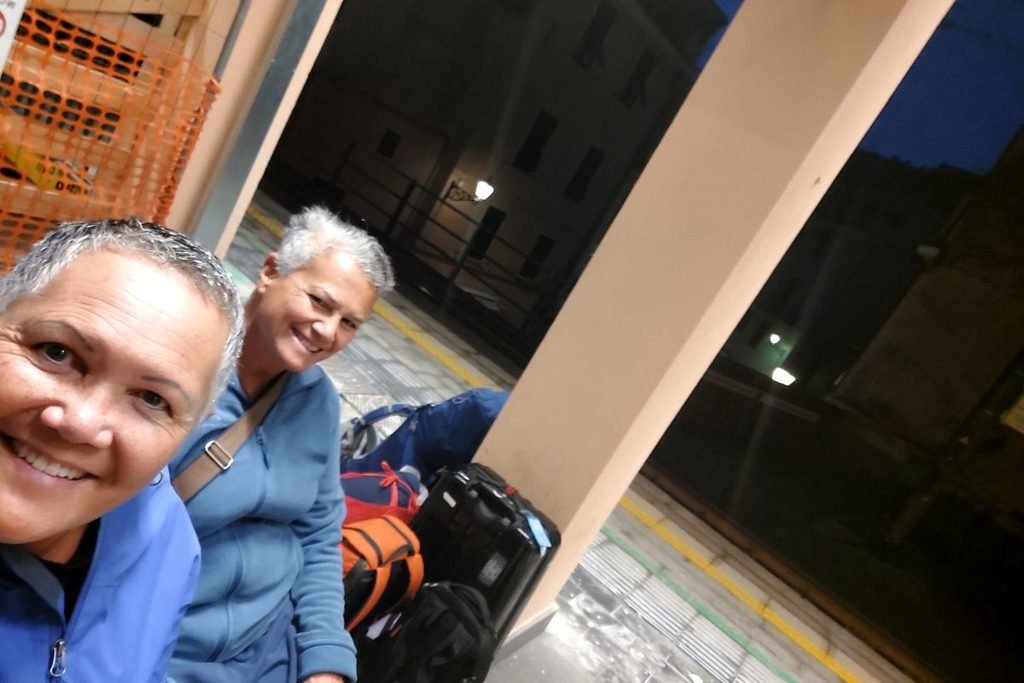
Italian railway stations can be busy, especially during the summer tourist season. Understanding a few basic Italian words can make navigating them easier.
- Partenze: Departures.
- Arrivi: Arrivals.
- Binario: Platform.
- Ritardo: Delay.
- Cancellato: Cancelled.
Electronic departure boards display train numbers, destinations, departure times and platform information.
Always check your train number rather than relying solely on the destination, as the train may continue beyond the station where you’re getting off.
Other useful tips include:
- Arrive early enough to locate your platform without rushing.
- Watch departure boards for last-minute platform changes.
- Allow comfortable connection times between trains.
- Keep tickets accessible for inspections or station gates.
Although major stations generally provide some English information, announcements and signage may still be in Italian, particularly at smaller stations.
Luggage and Travelling Comfortably by Train
One advantage of travelling by train is that you can generally bring your luggage onboard without the airport-style check-in process. However, storage space can be limited on busy services, especially during peak tourist season.
Most trains have overhead racks for smaller bags and designated areas for larger suitcases, often located at the ends or middle of carriages.
From our experience, a few things are worth considering:
- Travel with manageable luggage: You’ll need to carry your bags through stations and onto trains yourself.
- Board promptly: Larger luggage racks can fill quickly, particularly on popular routes.
- Keep valuables close: Passports, wallets and important documents should remain with you.
- Check luggage restrictions: Rules and allowances vary between operators.
During our first two-week Italian journey, we travelled entirely by train and quickly learned the importance of securing luggage space. Although our bags weren’t particularly large, finding somewhere suitable could sometimes be challenging.
We also carried a small chain lock to secure our bags together, giving us some peace of mind when they were stored away from our seats. Any lock should only be used where permitted and without obstructing access.
We travelled second class throughout our journeys and found it perfectly comfortable. While first class may offer additional space or services, we never felt that upgrading was necessary. For us, the money saved was better spent enjoying the destinations we were visiting.
Practical Tips for Train Travel in Italy
Once you’re familiar with the system, travelling by train becomes considerably easier.
A few additional tips can help make your journey more comfortable:
- Use official railway apps: Useful for checking schedules, service updates and accessing digital tickets.
- Plan around your accommodation: Check how far your hotel or apartment is from the station and whether local transport is available.
- Allow extra time during peak season: Busy stations and crowded platforms can make boarding more stressful.
- Consider regional connections: Some smaller destinations may require changing trains or continuing by bus.
- Check the final departure: Particularly when planning evening journeys or visiting smaller towns.
For longer journeys, high-speed trains generally provide toilets, air conditioning, power outlets and luggage storage, with facilities varying by service. Regional trains are usually more basic but perfectly suitable for shorter trips.
The Disadvantages of Travelling Around Italy by Train
Although we enjoyed travelling around Italy by train, there were a few challenges, particularly during the busy tourist season.
Some of the main disadvantages include:
- Accommodation location: Staying near a station or public transport connection becomes more important, particularly when travelling with luggage. Rural accommodation may be harder to reach without a car.
- Crowded stations: Major railway stations can become extremely busy during summer, making it more difficult to navigate platforms and departure boards.
- Pickpockets: Crowded stations and trains can attract opportunistic thieves, so keeping valuables secure is important.
- Language barriers: Italian signage and announcements can occasionally be confusing, especially when platforms change or services are delayed.
- Limited luggage space: Larger storage racks can fill quickly, particularly on popular services.
- Less flexibility: Exploring smaller villages, remote beaches and countryside attractions may require additional buses, taxis or organised tours.
- Timetables and connections: Travelling between smaller destinations can involve waiting for connections or planning around limited services.
During our first visit to Italy, we travelled entirely by train for two weeks, exploring Rome, Sorrento, Naples, Venice, Florence, Cinque Terre and Pisa.
Some stations were crowded, the Italian signage could occasionally be frustrating, and we had to be mindful of our luggage and belongings. However, checking our routes beforehand, allowing enough time for connections and keeping our plans organised made a considerable difference.
Despite these occasional challenges, we had a great experience travelling around Italy by train. We managed to visit seven destinations in just two weeks without needing a car, proving how practical rail travel can be with good planning.
Comparing the Costs of Car and Train Travel
Is it cheaper to drive or travel by train in Italy? The answer depends on how many people you’re travelling with, the distances involved and the destinations you plan to visit. Train travel can be economical between major cities, particularly when tickets are booked early, while sharing a rental car may offer better value when exploring smaller towns and rural regions.
The important thing is to compare the total cost of each journey, rather than looking only at rental prices or individual train fares.

The Real Cost of Travelling by Car
Having your own vehicle provides flexibility, but the advertised rental price is only part of the expense.
Main costs to consider:
- Rental or leasing: Prices depend on the season, vehicle type and rental duration.
- Fuel: Allow for the distances you’ll be driving and the type of vehicle.
- Motorway tolls: Charges can add up on longer journeys.
- Parking: Paid parking and hotel garages can be expensive in popular destinations.
- Insurance: Check whether additional coverage or excess reduction is required.
- Extra fees: One-way rentals, additional drivers and cross-border travel may increase costs.
For example, a car advertised at €40 per day could cost considerably more once fuel, tolls and parking are included. This is an illustrative rental price, not a current quote.
However, when travelling as a couple, family or group, these expenses can be shared. A car may also reduce the need for taxis, organised tours and additional transport when visiting smaller destinations.
The Cost of Travelling by Train
Train travel is often an economical choice between major Italian cities, particularly when using regional services or booking high-speed tickets in advance.
Main costs to consider:
- High-speed tickets: Prices vary depending on demand, departure time and how early you book.
- Regional tickets: Generally have more consistent fares and are useful for shorter journeys.
- Rail passes: Eurail and Interrail Passes may be worthwhile for some itineraries, but aren’t automatically cheaper than individual tickets.
- Seat reservations: Usually included with standard high-speed tickets, but can cost extra for rail pass holders.
- Local transport: Buses, trams, metros or taxis may be needed to reach your accommodation and attractions.
One advantage of travelling by train is that you avoid fuel, motorway tolls and vehicle parking costs. However, remember that each traveller generally needs their own ticket.
Which Is Cheaper for Couples, Families and Groups?
The number of people travelling together can make a significant difference. Solo travellers often find trains more economical, while couples may find the costs relatively similar depending on their itinerary. Families and groups can benefit from sharing vehicle expenses.
| Expense | Travelling by Car | Travelling by Train |
| Initial cost | Rental or leasing fee | Individual tickets or rail pass |
| Fuel | Required | Not required |
| Motorway tolls | Often required | Not required |
| Parking | Additional cost | Not required |
| Seat reservations | Not applicable | May cost extra with rail passes |
| Luggage | Convenient storage in vehicle | Onboard storage may be limited |
| Local transport | Usually less necessary | May need buses, metros or taxis |
| Multiple travellers | Vehicle costs can be shared | Individual fares generally apply |
| Rural exploring | Often more convenient | May require additional transport |
For couples travelling between Rome, Florence and Venice, trains are often the more practical option, avoiding the additional expense of parking a vehicle in busy cities.
However, families or groups exploring rural Tuscany, Calabria or Puglia may find that sharing a car offers better value, particularly when visiting several smaller destinations.
Ultimately, the cheapest option isn’t always the best value. Convenience, flexibility, travel time and your confidence driving overseas are just as important when deciding how to explore Italy.
Which Parts of Italy Are Better by Car or Train?
Italy’s transport network varies considerably between regions. Major cities are generally easier to explore by train, while having a car can be more practical for smaller villages, countryside destinations and remote coastal areas. Choosing the right option for each region can save time, reduce costs and make your journey more enjoyable.
Rome, Florence, Milan and Venice – Best by Train
Italy’s major cities are well connected by high-speed rail, making it easy to travel between them without a car. Rome, Florence and Milan have public transport networks, while Venice’s historic centre is explored on foot or by water transport.
Driving in these cities often creates unnecessary complications with parking, traffic and restricted zones.
Our recommendation: Travel between major cities by train and use local public transport once you arrive.
Tuscany and Pisa – Train or Car Depending on Your Plans
Florence and Pisa are easily connected by train, making them ideal for travellers without a vehicle. However, a car provides greater flexibility for exploring rural Tuscany, particularly smaller towns, vineyards and countryside accommodation.
Places such as San Gimignano, Montepulciano and Val d’Orcia are easier to explore by road, although buses and organised tours are alternatives.
Our recommendation: Use trains for Florence and Pisa, and consider hiring a car for several days exploring rural Tuscany.
Cinque Terre – Best by Train
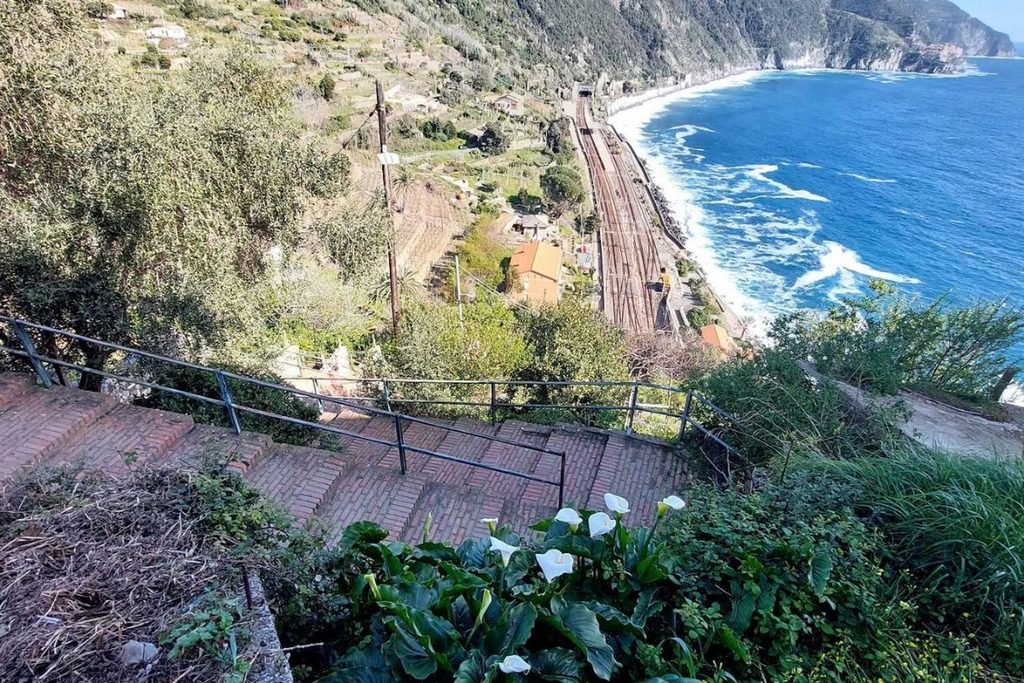
The five villages of Cinque Terre are connected by regional trains, making it easy to travel between them without dealing with narrow roads, limited parking or vehicle restrictions.
Trains also connect the area with La Spezia and other destinations along the coast.
Our recommendation: Leave the car outside the villages and explore Cinque Terre by train, on foot or by seasonal ferry.
Naples, Sorrento and the Amalfi Coast – Train, Bus or Ferry
Naples is connected to Italy’s high-speed rail network, while Sorrento can be reached using local trains. However, the towns along the Amalfi Coast don’t have direct railway connections.
Visitors generally rely on buses, ferries or organised tours to explore Positano, Amalfi and Ravello. Driving is possible, but narrow coastal roads, seasonal traffic and limited parking can make it stressful.
Our recommendation: Travel to Naples by train, continue to Sorrento or Salerno using public transport, and explore the Amalfi Coast by ferry or bus where practical.
Calabria – Best by Car for Exploring Smaller Towns
Calabria has railway connections along much of its coastline, but reaching inland villages, quieter beaches and smaller communities can be more challenging.
Buses serve many destinations, although services may be less frequent outside the main tourist season.
Our recommendation: Trains are useful between larger coastal towns, but a car provides greater flexibility for exploring Calabria beyond the main transport routes.
Puglia – Best by Car for Regional Exploring
Puglia has useful rail connections between destinations such as Bari, Lecce and Brindisi. However, smaller towns, countryside attractions and beaches are often spread out.
Places such as Alberobello, Ostuni and the Salento Peninsula can be reached using public transport, but journeys may require several connections.
Our recommendation: Use trains between major towns, but consider a car for exploring Puglia’s smaller villages, countryside and beaches.
The Dolomites – Best by Car for Flexibility
The Dolomites have rail connections to some gateway towns, with regional buses and seasonal shuttles serving popular destinations.
However, a car offers more flexibility for visiting multiple valleys, hiking trailheads and mountain viewpoints, particularly when exploring beyond the main transport routes.
Our recommendation: Consider a car for a wider Dolomites itinerary, but check seasonal road conditions, parking restrictions and local shuttle services.
Sicily – Train or Car Depending on Your Itinerary
Sicily has rail connections between several major destinations, including Palermo, Catania, Messina and Syracuse. However, journeys can take longer than expected, and smaller villages, archaeological sites and inland attractions may require additional transport.
Our recommendation: Trains can work well between major towns, while a car is more practical for an extended journey exploring the island.
At a Glance: Car or Train?
| Destination | Best Transport Option |
| Rome | Train and public transport |
| Florence | Train |
| Milan | Train |
| Venice | Train |
| Pisa | Train |
| Rural Tuscany | Car |
| Cinque Terre | Train |
| Naples | Train |
| Sorrento | Train and local transport |
| Amalfi Coast | Ferry, bus or organised tour |
| Calabria | Car for regional exploring |
| Puglia | Car for regional exploring |
| Dolomites | Car for flexibility |
| Sicily | Combination of car and train |
These are general recommendations rather than fixed rules. Your itinerary, accommodation, budget and confidence driving overseas will all influence the most practical choice.
For many visitors, using trains between major cities and hiring a car for selected regions offers an excellent balance of convenience and independence.
Combining Car and Train Travel in Italy
You don’t have to choose between driving and travelling by train for your entire Italian holiday. Combining both options allows you to enjoy convenient rail connections between major cities while having the freedom to explore smaller destinations by car.
It’s also a practical way to manage your budget, avoiding rental costs and parking fees during city stays when a vehicle isn’t needed.

When to Use Trains Between Major Cities
High-speed trains are particularly useful for travelling between destinations such as Rome, Florence, Venice, Milan and Naples, with stations often located close to the city centre.
Rather than dealing with motorway traffic, parking restrictions and unfamiliar city streets, you can arrive by train and explore using public transport or on foot.
Our advice: Plan your major city visits together and avoid collecting a rental car until you’re ready to leave the main rail network.
When to Collect a Car for Regional Exploring
Once you’re ready to explore beyond the cities, collecting a rental car can give you considerably more freedom.
For example, you could travel from Rome to Florence by train, enjoy several days exploring the city, then collect a car for a journey through rural Tuscany.
Before arranging your vehicle, consider:
- Collection location: Look for rental offices near railway stations or convenient public transport connections.
- Return location: Check whether returning the car to a different city involves additional fees.
- Rental duration: Book the vehicle only for the days you’ll actually need it.
- Accommodation: Confirm parking availability, particularly in historic towns.
- Travel route: Plan where you’ll return the vehicle before continuing by train.
This approach allows you to enjoy the advantages of both transport options without paying for a car that spends several days parked.
Planning a Route Without Unnecessary Backtracking
When combining transport options, planning your destinations in a logical geographical order can save time, money and unnecessary travel.
For example, a journey through central and northern Italy could look like this:
- Rome: Arrive and explore using public transport.
- Florence: Travel by high-speed train and discover the city on foot.
- Rural Tuscany: Collect a rental car to explore smaller towns and countryside destinations.
- Pisa: Visit during your road trip or return the car and travel by train.
- Cinque Terre: Continue by train and explore the villages without a vehicle.
- Venice: Travel by train and explore on foot or by water transport.
This is simply an example rather than a fixed itinerary. Your route will depend on your arrival and departure airports, available time and the places you want to visit.
For southern Italy, a similar approach could involve travelling to Naples by train before collecting a car for a longer journey through Calabria or Puglia.
The key is to avoid unnecessary backtracking and choose your transport around your itinerary. With a little planning, combining car and train travel can provide the convenience of public transport alongside the independence of having your own vehicle.
Common Mistakes to Avoid When Travelling Around Italy
Even with a well-planned itinerary, a few easily overlooked details can cause unnecessary delays or expenses. Whether you’re driving or travelling by train, these are some of the most common mistakes worth avoiding.
Common Driving Mistakes
- Ignoring ZTL signs: Restricted traffic zones are often camera-monitored, and entering without permission can result in a fine.
- Not checking parking arrangements: Confirm where you can park before arriving, particularly when staying in historic town centres.
- Entering the wrong toll lane: Avoid Telepass-only lanes unless your vehicle has a compatible electronic payment device.
- Underestimating journey times: Narrow roads, mountain passes and seasonal traffic can make journeys longer than expected.
- Collecting a rental car too early: Avoid paying for a vehicle while spending several days exploring a city on foot.
Common Train Travel Mistakes
- Booking the wrong station: Double-check departure and arrival stations, especially in cities with multiple terminals.
- Leaving high-speed bookings too late: Popular departures can become more expensive or sell out during busy periods.
- Overlooking ticket validation: Follow the instructions for your paper or digital ticket before travelling.
- Allowing tight connections: Give yourself enough time to navigate unfamiliar stations and possible delays.
- Packing too much: Remember that you’ll be carrying your luggage through stations and onto trains yourself.
- Assuming rail passes include everything: Some services require additional paid seat reservations.
Our Advice for a Smoother Journey
Having experienced Italy by both train and car, we found that allowing enough time and avoiding an overcrowded itinerary made travelling far more enjoyable.
Research the essentials before arriving, keep your plans reasonably flexible and don’t try to squeeze too many destinations into one trip. Italy has so much to offer, and giving yourself time to enjoy each place is far better than constantly rushing to the next.
Final Thoughts on Travelling Around Italy by Car and Train
There’s no single best way to travel around Italy. Trains make exploring major cities convenient and affordable, while having a car opens up opportunities to discover smaller towns and places beyond the main rail routes. The right choice depends on your itinerary, budget and how comfortable you feel driving overseas.
We’ve been fortunate to experience Italy both ways. Our first two-week adventure by train allowed us to visit seven destinations without worrying about driving or parking. Returning later with our leased car gave us a completely different experience, with the freedom to explore at our own pace and venture into areas we might otherwise have missed.
Our advice is simple: choose your destinations first, then decide how best to reach them. Whether that’s by car, train or a combination of both, the journey between destinations can be just as memorable as the places you visit.
“By train, Italy takes you from city to city. By car, it invites you to discover everything in between.”
🌍 Travel Planning Resources
These are the tools we personally use and trust when planning our travels from finding a place to stay to booking activities, transport and insurance. Let your “Tohu” guide you “Trust the Journey” and follow what feels right for you.
- ✈️Flights – Compare great deals with Trip.com then Kiwi.com for flexible, affordable options.
- 🚐 Campervans – Compare rental deals with Motorhome Republic across Aotearoa and beyond.
- 🛏️ Stays – Compare hotels on Trip.com and TripAdvisor or Booking.com.
- 🚐 Rental Cars – Compare prices and book through Airport Rentals by Motorhome Republic for trusted brands and easy airport pickup.
- 🎟️ Activities – Browse tours and experiences on Viator, Get Your Guide, or TripAdvisor
- 🚆12Go Asia – Compare and book trains, buses, and ferries across Asia in one place with 12Go.
- 🛡️ Travel Insurance – Get flexible short-term coverage with Insubuy for your next holiday.
- 💳 Travel Money – Send, spend and manage money internationally with Wise, with easy currency conversion and a handy option for travellers.
- 🔒 Protect Your Privacy with a VPN – We recommend Surfshark VPN for secure and private browsing while travelling. It’s fast, affordable and works worldwide, perfect for public Wi-Fi at airports, cafes and hotels.
- 📱 Travel eSIM – Stay connected with Airalo
- 💼 Lounge Access – Treat yourself with Priority Pass for UK or US
- 🎶 Events & Concerts – Book tickets worldwide through Ticketmaster.
🧭 Note: Some booking links can be a bit shy when you’re using a VPN. If one doesn’t open, try pausing your VPN or switching to a different server location or secure Wi-Fi network to get things flowing again.