
Roma is a city where thousands of years of history sit alongside everyday Italian life, with ancient ruins, grand piazzas, neighbourhood streets and some of the world’s most recognisable landmarks all woven together. Whether you’re visiting for the history, the food, the architecture or simply to experience the atmosphere of the Eternal City, Roma is a destination that deserves time to explore.
Is Rome worth visiting?
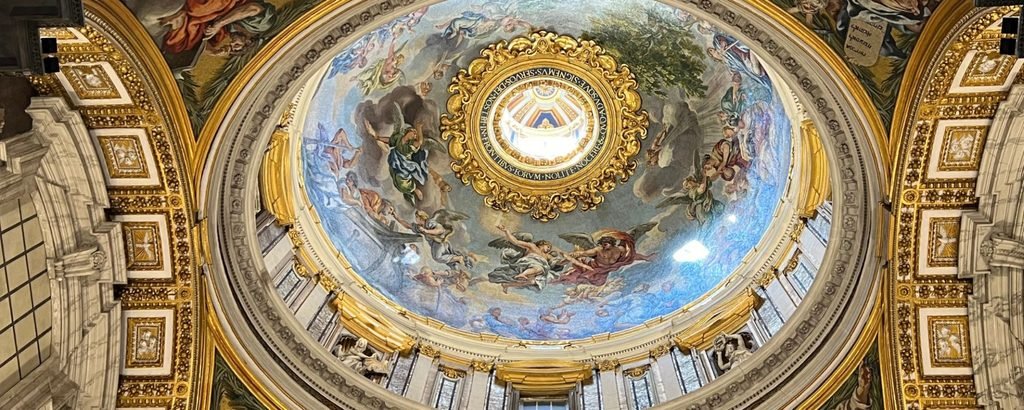
Absolutely. From iconic sights such as the Colosseum, Trevi Fountain and Vatican City to beautiful piazzas, historic streets, neighbourhood restaurants and everyday Roman life, there is so much to experience across the city. The famous attractions are every bit a part of the Roma experience, but taking time to explore between them allows you to discover even more of what makes the Italian capital so memorable.
Our Rome Experience

We stayed in Testaccio, a neighbourhood that gave us the best of both worlds, with a more local place to come home to while still being well connected to the historic centre. We used buses, trams and trains to get around, walked countless streets and spent our days mixing Roma’s famous sights with neighbourhood restaurants, local life and plenty of exploring at our own pace.
For us, Roma wasn’t just about ticking off the Colosseum, Trevi Fountain or Vatican City. Some of the best parts were simply being there, wandering the streets, stopping for food and discovering just how much there is to see beyond the places everyone comes to photograph.
Table of Contents
Arriving in Rome
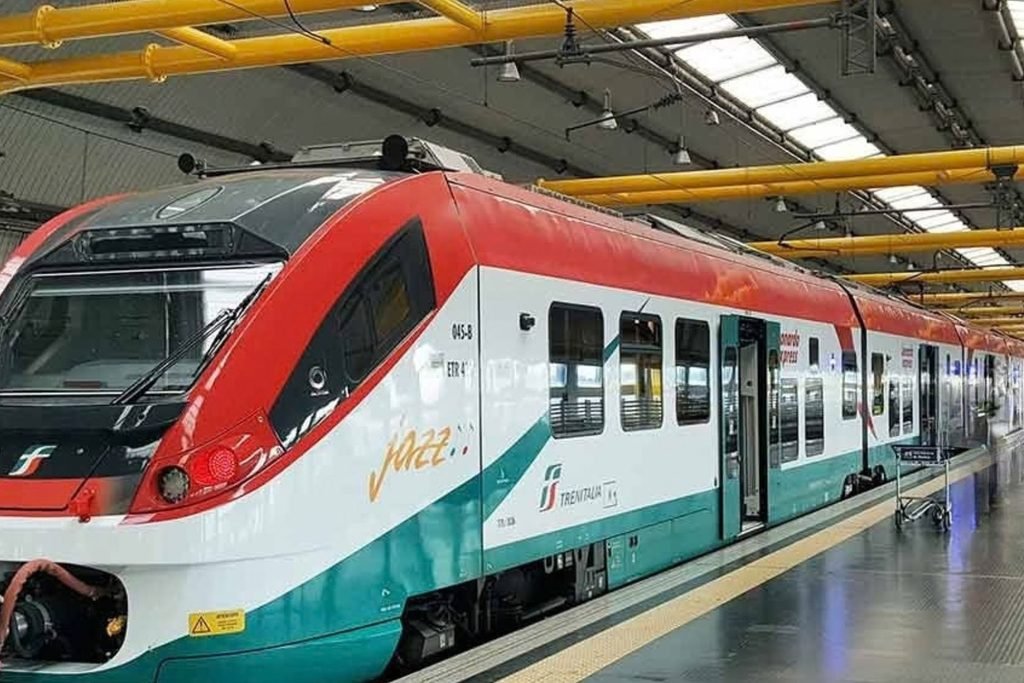
As one of Italy’s major transport hubs, Roma is easy to reach whether you’re arriving by plane, train or car. For international travellers, flying is often the starting point, while Italy’s excellent rail network makes Roma an easy addition to a longer journey through the country.
Flying into Rome
Roma is served by two airports, although Leonardo da Vinci–Fiumicino Airport (FCO) is the main international gateway and the airport most overseas travellers are likely to use.
From Fiumicino, there are several ways to reach central Roma:
- Leonardo Express: A direct train between Fiumicino Airport and Roma Termini, the city’s main railway station.
- Regional trains: Useful if you’re staying outside the immediate Termini area, with connections to several stations around Roma.
- Airport buses: Generally a cheaper option, although the journey can take longer depending on traffic.
- Taxi: Convenient if you’re travelling with luggage or staying somewhere that requires several public transport connections.
- Private transfer: A simple option if you’d prefer to have someone waiting when you arrive.
Roma’s second airport, Ciampino (CIA), is smaller and is used mainly by low-cost and European airlines. There is no direct train from the terminal into central Roma, but buses connect the airport with the city and nearby train and metro stations.
Arriving in Rome by Train
If you’re already travelling through Italy, arriving in Roma by train is one of the easiest options. High-speed services connect the capital with cities including Florence, Milan, Naples and Venice, making rail travel a great alternative to flying or driving between Italy’s major cities.
Roma Termini is the city’s main railway station and connects directly with Roma’s metro, bus and tram network. Roma Tiburtina is another important station used by high-speed and regional services.
One of the advantages of arriving by train is that you step off right in the city, without needing to travel in from an airport.
Driving into Rome
If Roma forms part of an Italian road trip, driving into the city requires a little more planning. Traffic can be heavy, parking can be difficult and parts of central Roma are covered by restricted traffic zones known as ZTLs (Zona a Traffico Limitato).
Driving into an active ZTL without authorisation can result in a fine, and cameras monitor vehicles entering restricted areas. If you’re travelling with a rental car, check where your accommodation is located and arrange parking before you arrive rather than simply following your GPS into the centre.
Once you’re settled in, you really don’t need a car to explore Roma. Public transport and walking are much easier ways to discover the city, and your car can stay safely parked until you’re ready to continue your journey through Italy.
Getting Around Rome
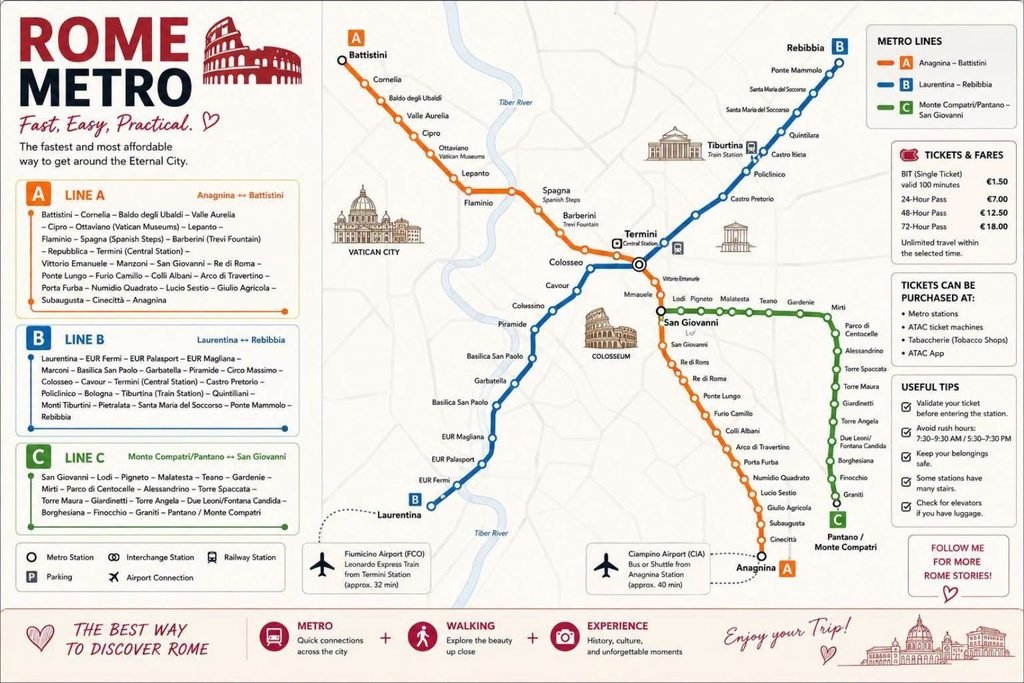
Getting around Roma is relatively easy once you get the hang of the public transport system, and we found there was no need for a car while exploring the city. Between buses, trams, trains, the metro and plenty of walking, we could get almost everywhere we wanted to go.
Staying in Testaccio worked really well for us. Although we weren’t right in the middle of the historic centre, we had easy access to public transport and could head into the main sightseeing areas without any trouble. It also meant we could return to a quieter neighbourhood at the end of the day.
Roma Metro
- Roma’s metro is useful for covering longer distances quickly, particularly when travelling between some of the major sightseeing areas. Lines A and B are the most useful for visitors, with stops close to attractions including the Colosseum, Spanish Steps and Vatican City.
- The metro doesn’t reach every part of historic Roma, so you’ll often need to combine it with walking, a bus or tram.
Buses and Trams
- Buses and trams fill many of the gaps left by the metro and were an important part of how we travelled around Roma. They are particularly useful if you’re staying outside the historic centre, as we were in Testaccio.
- Traffic can affect journey times, so we quickly learned not to expect everything to run exactly to schedule. But when you’re not in a hurry, public transport is an easy and affordable way to move around the city.
Walking Around Rome
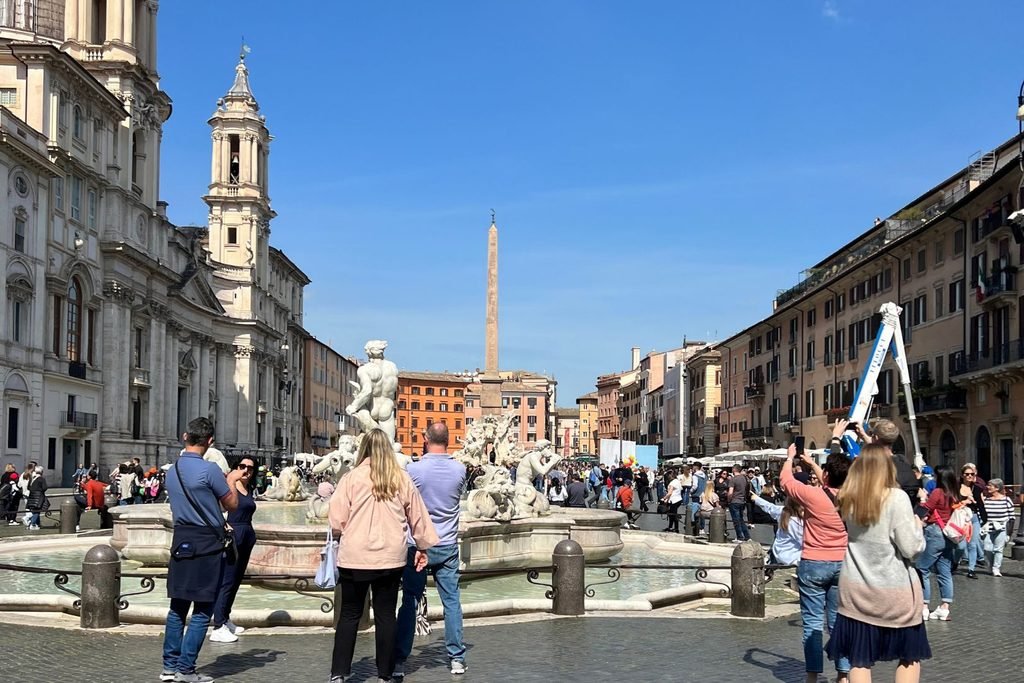
- Even with good public transport, you are going to do a lot of walking in Roma. Many of the major attractions are within walking distance of one another, and wandering between them is part of the experience.
- Comfortable shoes are essential. Roma’s cobbled streets look beautiful, but after several hours of exploring, your feet will definitely know about them.
- Walking also gives you the chance to discover the places you weren’t necessarily looking for. A small piazza, an impressive church, a neighbourhood street or somewhere to stop for a coffee can easily become part of your day.
Keep Your Belongings Close
- Be particularly careful with your personal belongings when using public transport and moving through busy tourist areas. Pickpocketing is known to occur around train and metro stations, on crowded public transport and near some of Roma’s busiest attractions.
- There’s no need to feel nervous about exploring the city, but a little extra awareness goes a long way. Keep bags zipped and close to your body, avoid carrying phones or wallets in easy-to-reach pockets and pay particular attention when you’re distracted by luggage, ticket machines or crowds.
Public Transport Tickets
- Roma’s public transport network uses integrated tickets that can be used across buses, trams and the metro, with single-journey and longer-duration options available.
- If you’re staying for several days and expect to use public transport regularly, a multi-day transport option may be more convenient than buying individual tickets.
- Good to know: Always make sure you have the correct ticket and validate it when required. Ticket inspections do happen, and travelling without a valid ticket can result in a fine.
Best Things to Do in Rome

There is no shortage of incredible places to explore in Roma, from ancient Roman landmarks and world-famous museums to beautiful piazzas, fountains and neighbourhoods. Even if you’re visiting for several days, you’ll quickly discover there is far more to see than you can comfortably fit into one trip.
Some of the highlights to consider include:
- The Colosseum, Roman Forum and Palatine Hill for an incredible look into ancient Roma.
- Vatican City, including St Peter’s Basilica, the Vatican Museums and Sistine Chapel.
- Trevi Fountain, one of the city’s most recognisable landmarks.
- The Pantheon, one of the best-preserved buildings from ancient Roma.
- Piazza Navona, with its fountains, architecture and lively atmosphere.
- The Spanish Steps, another of Roma’s famous meeting places.
- Trastevere, for narrow streets, restaurants and a different side of the city.
- Testaccio, where we stayed and enjoyed experiencing a more local neighbourhood.
Roma is also one of those cities where some of the best discoveries happen while walking between the major attractions, with churches, ruins, piazzas and impressive buildings appearing when you least expect them.
For a closer look at the places we visited and our experiences exploring them, read our Best Things to Do in Roma guide.
Where to Stay in Rome

Choosing where to stay in Roma can make a big difference to your visit. The best area will depend on whether you want to be surrounded by the major attractions, close to restaurants and nightlife, or somewhere with more of a local neighbourhood feel.
You don’t necessarily need to stay right beside the Colosseum or Trevi Fountain. Roma’s public transport makes it easy to stay a little further out while still having good access to the historic centre.
Testaccio
We stayed in Testaccio and found it a great base for exploring Roma. It felt much more like a residential neighbourhood than the heavily visited areas around the major attractions, while public transport made getting around the city straightforward.
What we liked about staying in Testaccio:
- More of a local neighbourhood feel away from the busiest tourist areas.
- Good public transport connections for reaching central Roma.
- Local shops, cafés and places to eat within the neighbourhood.
- A quieter place to return to after a full day of sightseeing.
For travellers who don’t need to step out of their accommodation directly into Roma’s busiest tourist areas, Testaccio is definitely worth considering.
Other Areas to Stay in Rome
- Centro Storico: A great choice for first-time visitors who want to be within walking distance of attractions such as the Pantheon, Piazza Navona and Trevi Fountain. Expect it to be busier and generally more expensive.
- Trastevere: Known for its narrow streets, restaurants, bars and lively atmosphere. A good option if you enjoy having plenty happening around you in the evenings.
- Monti: Close to the Colosseum and Roman Forum, with cafés, restaurants and smaller neighbourhood streets. A convenient base for exploring ancient Roma.
- Roma Termini: Particularly practical if you’re arriving by train, planning rail day trips or want easy access to public transport. It may have less of the historic atmosphere, but it’s hard to beat for convenience.
Our choice: Testaccio worked particularly well for us because we could easily reach Roma’s main attractions during the day while experiencing a more local side of the city when we returned to our accommodation.
Looking for somewhere to stay in Roma?
From the historic centre to neighbourhoods such as Testaccio, Trastevere and Monti, find accommodation that suits your travel style, budget and plans for exploring the Eternal City here.
Food in Rome
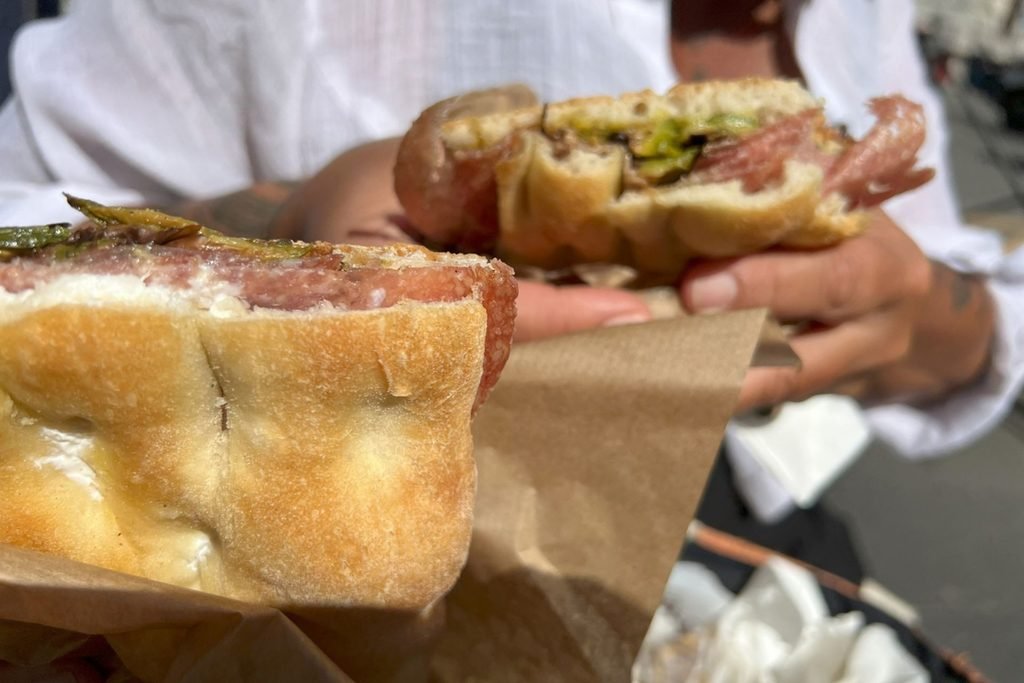
Food is naturally a big part of travelling through Italy, and Roma has its own dishes and food traditions worth looking out for. From simple pasta and pizza to bakeries, markets and gelato, you certainly don’t need to spend every evening in a restaurant to enjoy Roman food.
We didn’t eat out a lot while we were in Roma. Staying in Testaccio meant we had local shops and food options around us, and we were quite happy mixing self-catering with picking up food while we were out exploring.
What to Try in Rome
Some of the classic Roman foods to look out for include:
- Cacio e pepe: A deceptively simple pasta made with Pecorino Romano and black pepper.
- Carbonara: One of Roma’s most famous pasta dishes, traditionally made with egg, Pecorino Romano, guanciale and black pepper.
- Amatriciana: Pasta served with a tomato-based sauce made with guanciale and Pecorino Romano.
- Supplì: Fried rice croquettes, usually filled with tomato rice and mozzarella, and an easy snack to grab while exploring.
- Pizza al taglio: Pizza baked in large trays and sold by the slice or by weight, perfect for an easy lunch.
- Gelato: Hardly exclusive to Roma, but there is always room for gelato when travelling through Italy.
Love discovering a destination through its food as much as we do? A food tour is a great way to taste some of Roma’s traditional dishes while discovering local places and flavours you might otherwise walk straight past. Take a look at some of the food tours available in Roma and see what tempts you.
Markets and Self-Catering
If you’re staying in an apartment or simply don’t want to eat every meal in a restaurant, Roma is an easy city for self-catering. Supermarkets, bakeries, delicatessens and local markets make it easy to pick up bread, cheese, cured meats, fruit and other ingredients for a simple meal.
Testaccio is particularly well known for its food culture, and Mercato Testaccio is worth knowing about if you’re staying in the area or visiting the neighbourhood. Alongside fresh produce and traditional market stalls, you’ll find places selling prepared food and quick meals.
Eating in Roma doesn’t have to mean booking a restaurant every night. Some of the simplest meals can be just as enjoyable, particularly after a long day of walking when all you really want is good food, somewhere comfortable to sit and a chance to put your feet up.
Don’t Leave Rome Without Trying the Tiramisù
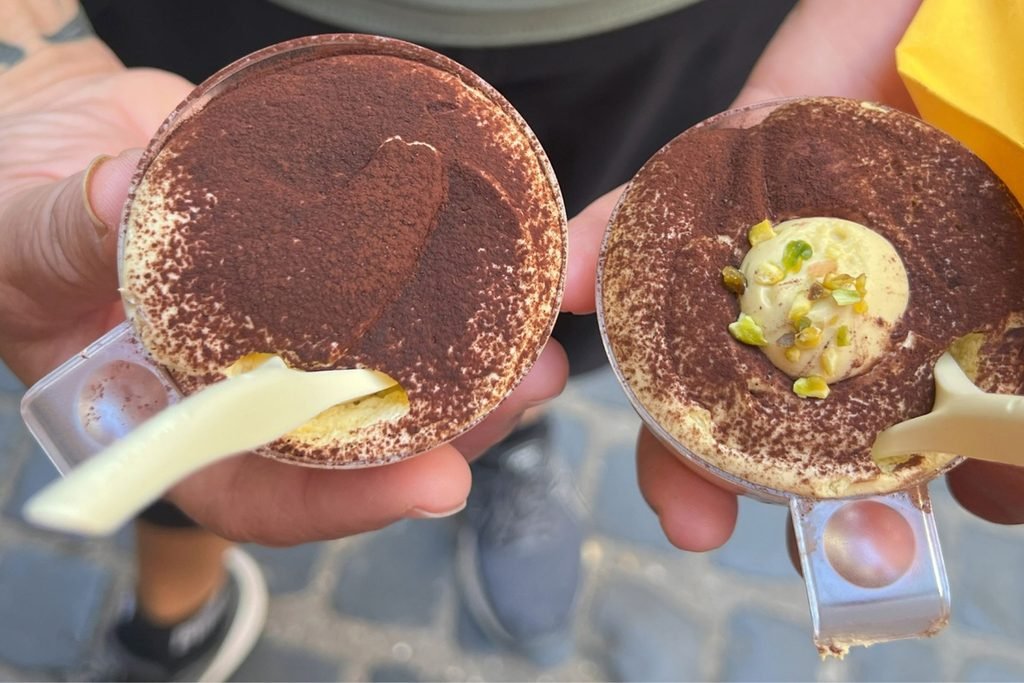
Food became part of the fun of exploring Rome, but one particular dessert turned into a mission of its own. Toni decided she was going to find the best tiramisù in Rome.
Several places claimed to serve the best, so of course we felt obliged to try them 😂. Each new contender came with a video review and a score uploaded to our family Facebook group, and before long the family were tuning in to see how the latest tiramisù rated.
We never really needed an official winner. The search itself became one of our favourite little memories from Rome.
How Long Do You Need in Rome?
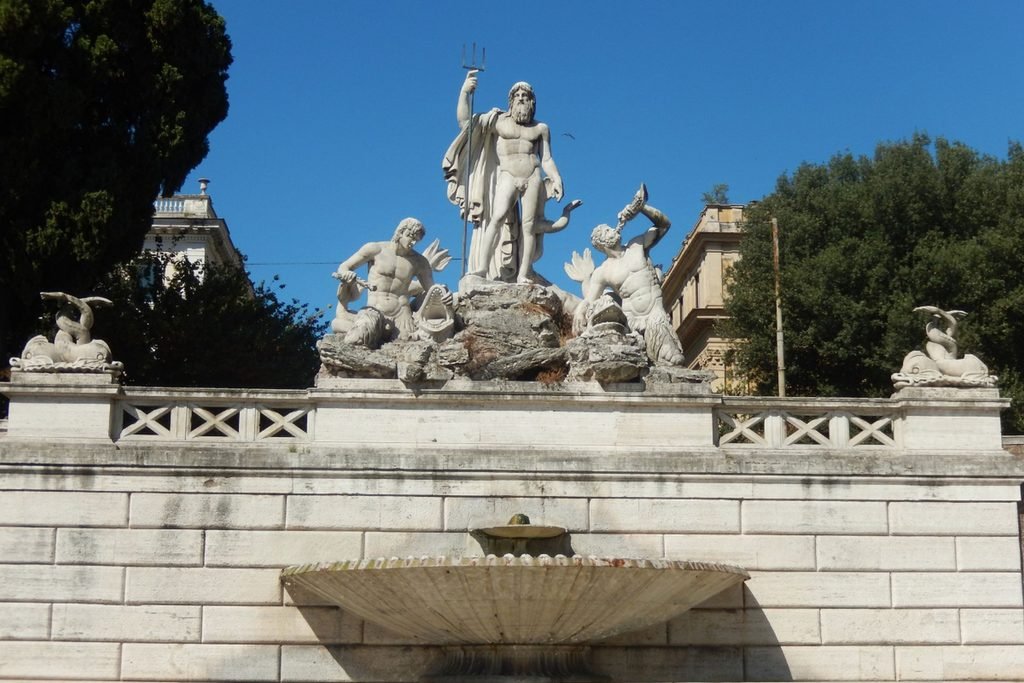
How long you need in Roma really depends on how much you want to see, but we would recommend allowing at least three to four days if this is your first visit. There is a lot packed into the city, and trying to rush between the major attractions can quickly become exhausting.
A rough guide would be:
- 3 days: Enough time to experience several of Roma’s major attractions, although you will still need to choose what matters most to you.
- 4 days: A much more comfortable amount of time, allowing you to visit the major sights while also slowing down and enjoying the city between them.
- 5 days or more: Our preferred style of travel, giving you time to explore different neighbourhoods, wander without an agenda, visit markets and discover places beyond the main attractions.
Remember that places such as the Colosseum, Roman Forum and Vatican City can take several hours each, particularly once queues, security checks and walking time are included.
Only Have Two Days in Rome?
If two days is all you have, we’d suggest considering a Hop-On Hop-Off bus tour. It’s not how we would choose to explore Roma on a longer stay, but with limited time it can be a practical way to get your bearings and travel between many of the city’s major sights without spending as much time working out public transport.
You can hop off at the attractions that matter most to you, then continue on when you’re ready. It can also be a good way to see more of Roma from the bus, even when you don’t have enough time to explore every area on foot.
Book a Rome HOP-ON HOP-OFF Tour Here
Our advice: Roma isn’t somewhere we would recommend rushing. Give yourself enough time to enjoy the major attractions without racing between them, while still leaving space for the unexpected discoveries that are often just as memorable as the places you planned to see.
Practical Tips for Visiting Rome
A little preparation can make exploring Roma much easier, particularly if you’re visiting during the busy summer months. These are a few things worth knowing before you arrive.
- Book major attractions ahead: Tickets for the Colosseum, Vatican Museums and other popular attractions can sell out. If there is somewhere you definitely want to visit, book ahead rather than relying on tickets being available on the day.
- Wear comfortable shoes: You will walk far more than you expect. Between the cobbled streets, archaeological sites and long days exploring, good walking shoes are essential.
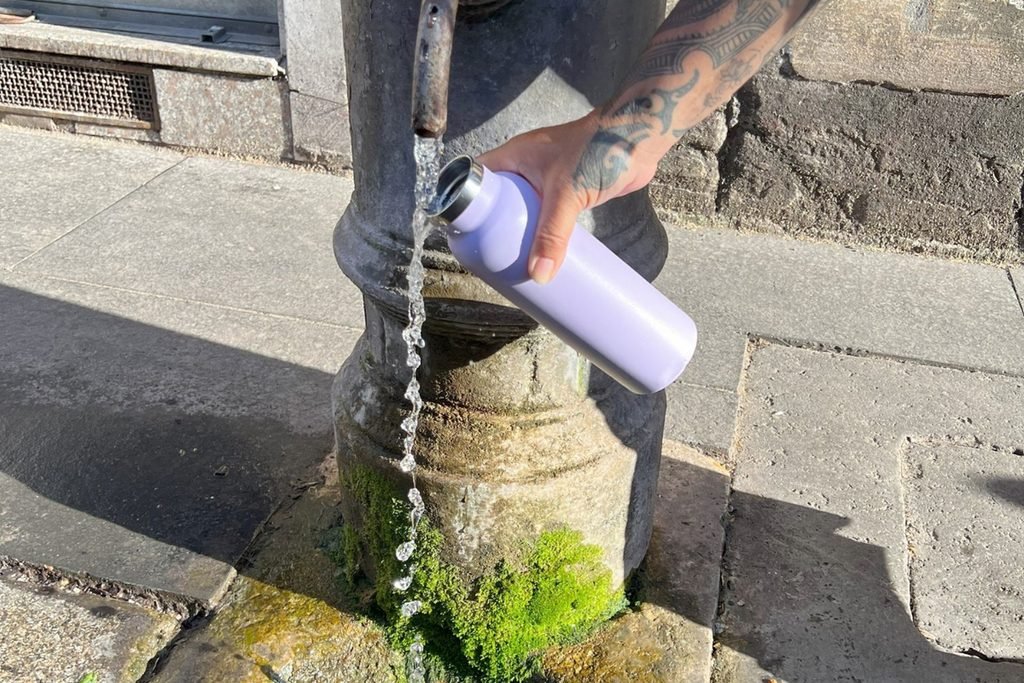
- Carry a refillable water bottle: Roma has public drinking fountains known as nasoni throughout the city where you can refill your bottle with fresh drinking water.
- Dress appropriately for churches: If you’re visiting St Peter’s Basilica or other churches, shoulders and knees may need to be covered. Carrying a lightweight scarf or cover-up can be useful during warmer weather.
- Expect crowds: Attractions such as the Trevi Fountain, Colosseum and Vatican can become extremely busy. Visiting early in the morning can make for a more enjoyable experience.
- Keep an eye on your belongings: As we mentioned earlier, pickpocketing can occur in crowded tourist areas and on public transport. Keep bags closed and valuables somewhere difficult for others to reach.
- Don’t underestimate the heat: Roma can become very hot during summer, and many archaeological areas have limited shade. Carry water, wear sun protection and give yourself time to rest.
- Keep some change handy: Public toilets aren’t always free, and you may occasionally need coins or a small payment to use them.
- Allow extra time: Roma traffic, crowds and queues can easily add time to your day. Avoid planning attractions back-to-back with no breathing room between them.
- Look beyond the itinerary: Some of Roma’s best moments happen when you’re simply walking between places. Give yourself permission to stop for a coffee, wander down an interesting street or sit in a piazza and watch the city go by.
Our biggest tip: Don’t try to conquer Roma. There is far too much history, food and everyday life packed into this city to see everything in one visit. Choose what matters most to you and enjoy the experience rather than the checklist.
Final Thoughts on Visiting Rome

Roma is one of those destinations where the famous sights really do deserve their reputation. Standing inside the Colosseum, exploring the remains of ancient Roma, visiting Vatican City and seeing places such as the Trevi Fountain for yourself are experiences that make you appreciate just how much history is packed into this city.
But we also enjoyed the Roma that existed between those famous landmarks. Staying in Testaccio, using public transport, walking through neighbourhood streets and simply taking our time gave us a chance to experience more than just the major attractions.
For us, that’s the best way to explore Roma. See the places you’ve travelled all that way to see, but don’t rush from one attraction to the next. Leave enough time to wander, stop when something catches your attention and enjoy being in the city rather than simply working your way through a sightseeing list.
Roma can be busy, noisy and a little chaotic, but that’s part of what makes it Roma. Give the Eternal City enough time, and let it reveal itself at its own pace.
“Take your time. The best journeys are not measured by how much you see, but by how much you remember.”
🌍 Travel Planning Resources
These are the tools we personally use and trust when planning our travels from finding a place to stay to booking activities, transport and insurance. Let your “Tohu” guide you “Trust the Journey” and follow what feels right for you.
- ✈️Flights – Compare great deals with Trip.com then Kiwi.com for flexible, affordable options.
- 🚐 Campervans – Compare rental deals with Motorhome Republic across Aotearoa and beyond.
- 🛏️ Stays – Compare hotels on Trip.com and TripAdvisor or Booking.com.
- 🚐 Rental Cars – Compare prices and book through Airport Rentals by Motorhome Republic for trusted brands and easy airport pickup.
- 🎟️ Activities – Browse tours and experiences on Viator, Get Your Guide, or TripAdvisor
- 🚆12Go Asia – Compare and book trains, buses, and ferries across Asia in one place with 12Go.
- 🛡️ Travel Insurance – Get flexible short-term coverage with Insubuy for your next holiday.
- 💳 Travel Money – Send, spend and manage money internationally with Wise, with easy currency conversion and a handy option for travellers.
- 🔒 Protect Your Privacy with a VPN – We recommend Surfshark VPN for secure and private browsing while travelling. It’s fast, affordable and works worldwide, perfect for public Wi-Fi at airports, cafes and hotels.
- 📱 Travel eSIM – Stay connected with Airalo
- 💼 Lounge Access – Treat yourself with Priority Pass for UK or US
- 🎶 Events & Concerts – Book tickets worldwide through Ticketmaster.
🧭 Note: Some booking links can be a bit shy when you’re using a VPN. If one doesn’t open, try pausing your VPN or switching to a different server location or secure Wi-Fi network to get things flowing again.