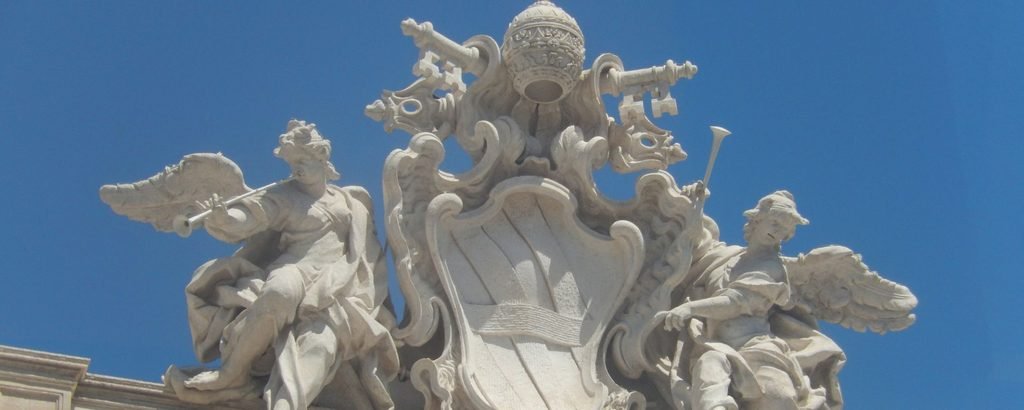
Rome is a city where some of the world’s most recognisable landmarks sit alongside almost 3,000 years of history. From the Colosseum and Roman Forum to Vatican City, grand piazzas, fountains and historic neighbourhoods, there is an incredible amount to experience in the Italian capital.
What Are the Best Things to Do in Rome?
The best things to do in Rome include exploring the Colosseum and Roman Forum, visiting Vatican City, throwing a coin into the Trevi Fountain, stepping inside the Pantheon and wandering through the city’s beautiful piazzas and neighbourhoods. But Rome isn’t a city where you need to race from one attraction to the next. Some of the experience comes simply from walking between them and seeing what you discover along the way.
Our Experience Exploring Rome

We wanted to see the famous places we had heard about and seen in photographs for years, and they were every bit as important to our visit as discovering the quieter parts of Roma. We mixed the major attractions with plenty of walking, public transport and time exploring at our own pace, which gave us a chance to experience both the extraordinary history of the city and everyday life happening around it.
Table of Contents
- What Are the Best Things to Do in Rome?
- Our Experience Exploring Rome
- Explore the Colosseum, Roman Forum & Palatine Hill
- Explore Vatican City, St Peter’s Basilica & the Vatican Museums
- Visit the Pantheon & Piazza Navona
- Make a Wish at the Trevi Fountain
- Visit the Spanish Steps
- Take a Food Tour in Rome
- Final Thoughts on the Best Things to Do in Rome
Explore the Colosseum, Roman Forum & Palatine Hill
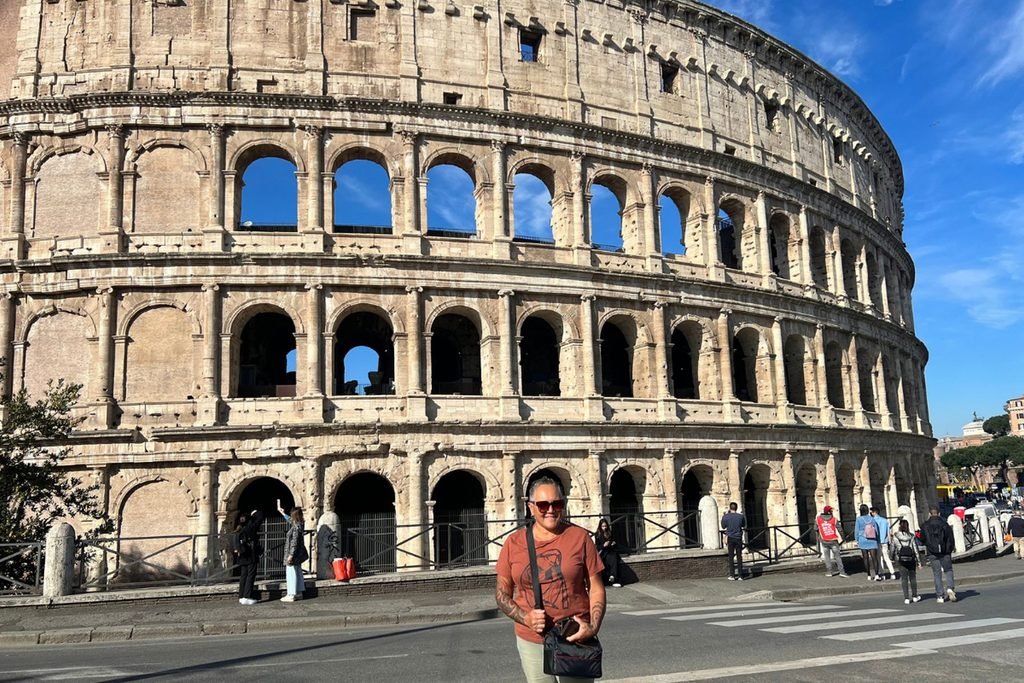
Few landmarks represent Rome quite like the Colosseum, and seeing it for the first time is one of those moments when you realise you’re standing in front of something you have seen in books, movies and photographs your entire life.
Built almost 2,000 years ago, the Colosseum was the largest amphitheatre in the Roman world and could hold tens of thousands of spectators. Gladiatorial contests, public spectacles and other events once took place here, making it one of the most extraordinary surviving reminders of ancient Roman life and engineering.
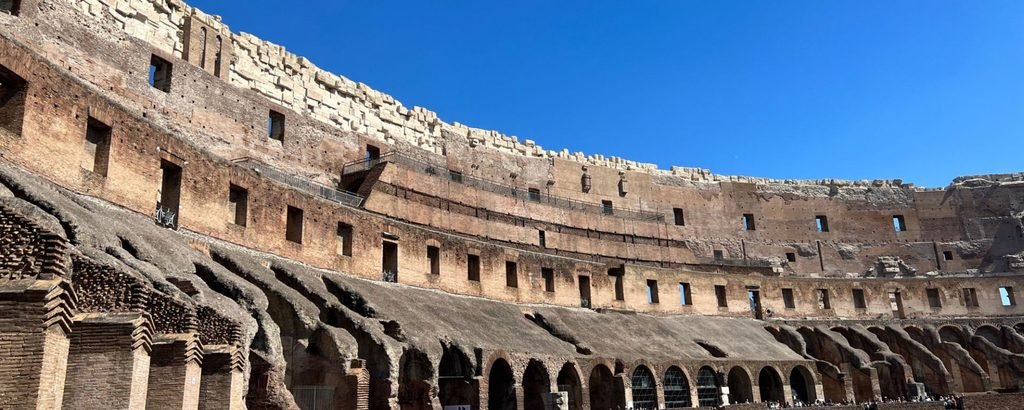
Walking through the Colosseum gives you a completely different perspective from simply seeing it from the outside. From the tiers above, you can look down into the exposed underground passages, known as the hypogeum, where gladiators and animals were held before appearing in the arena.
Roman Forum
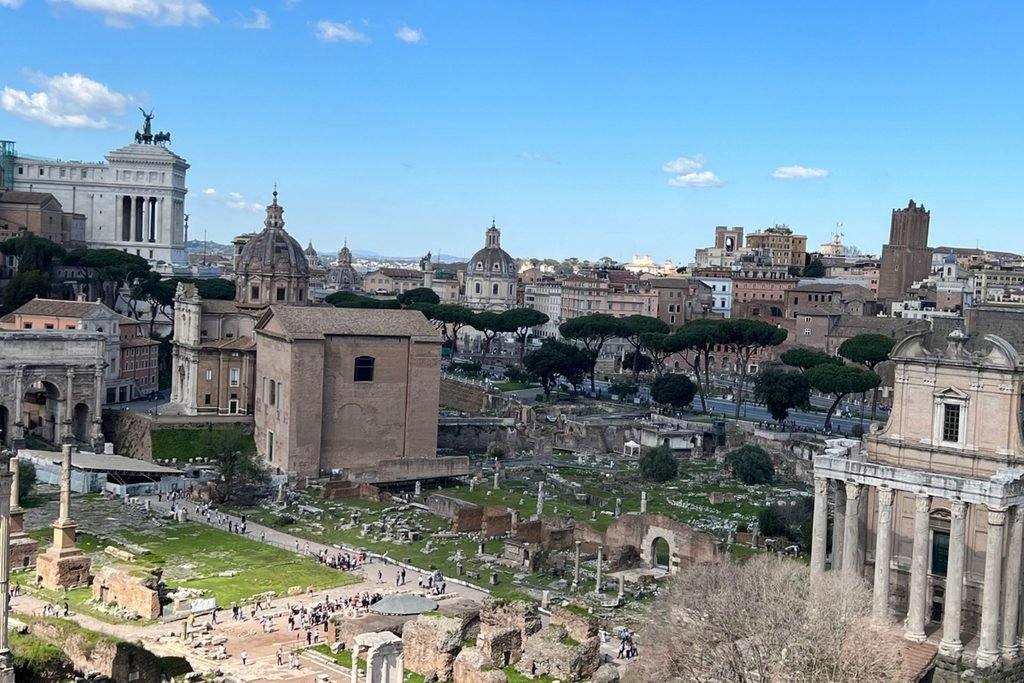
Just a short walk from the Colosseum, the Roman Forum was once the political, religious and social heart of ancient Rome. What today appears as a sprawling archaeological site was once filled with temples, government buildings, monuments and busy public spaces.
Walking among the columns, arches and ruins gives you some idea of the scale of the ancient city, although this is also somewhere where having a guide or audio guide can really help bring what you’re looking at to life.
Palatine Hill
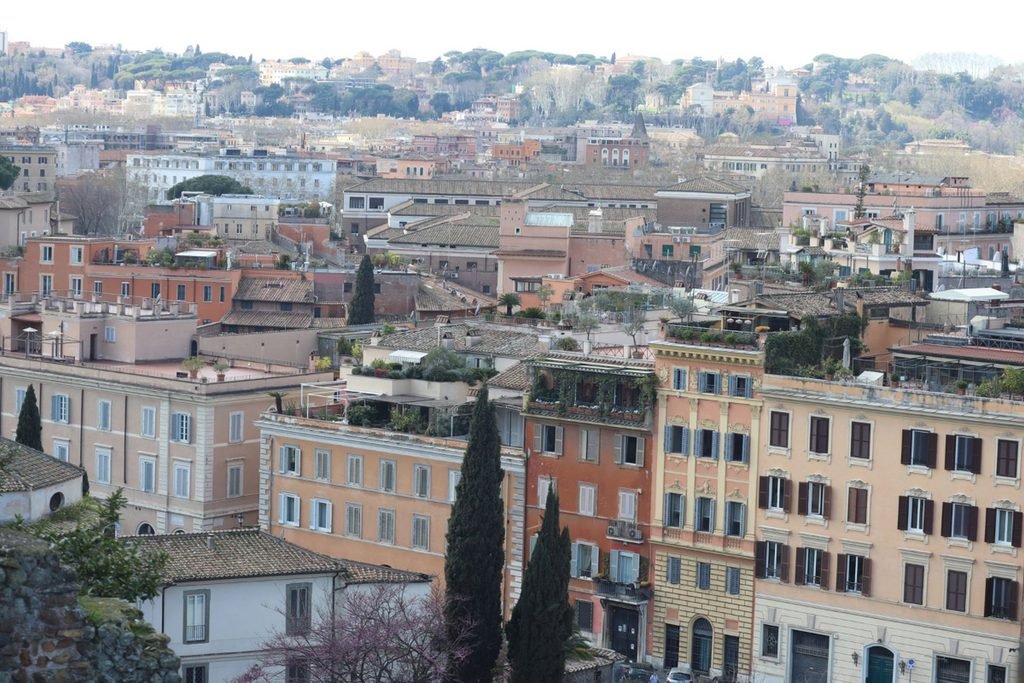
Rising above the Roman Forum, Palatine Hill is traditionally regarded as the birthplace of Rome and later became one of the city’s most prestigious areas, where emperors and wealthy Romans built enormous residences.
One of the highlights is simply getting higher above the archaeological area. The views across the Roman Forum from Palatine Hill help put the sheer size of ancient Rome into perspective.
Planning Your Visit
- Cost: Paid entry
- Book ahead: Yes, particularly during peak season
- Allow: At least half a day if visiting all three
- Our tip: Wear comfortable shoes, carry water and don’t underestimate the amount of walking involved. There is also limited shade in parts of the archaeological area.
Want to experience the Colosseum, Roman Forum and Palatine Hill together? A guided tour is a great way to understand the history behind what you’re seeing and make the most of your time in ancient Rome. Take a look at the tours available and find one that suits the way you like to explore.
Explore Vatican City, St Peter’s Basilica & the Vatican Museums
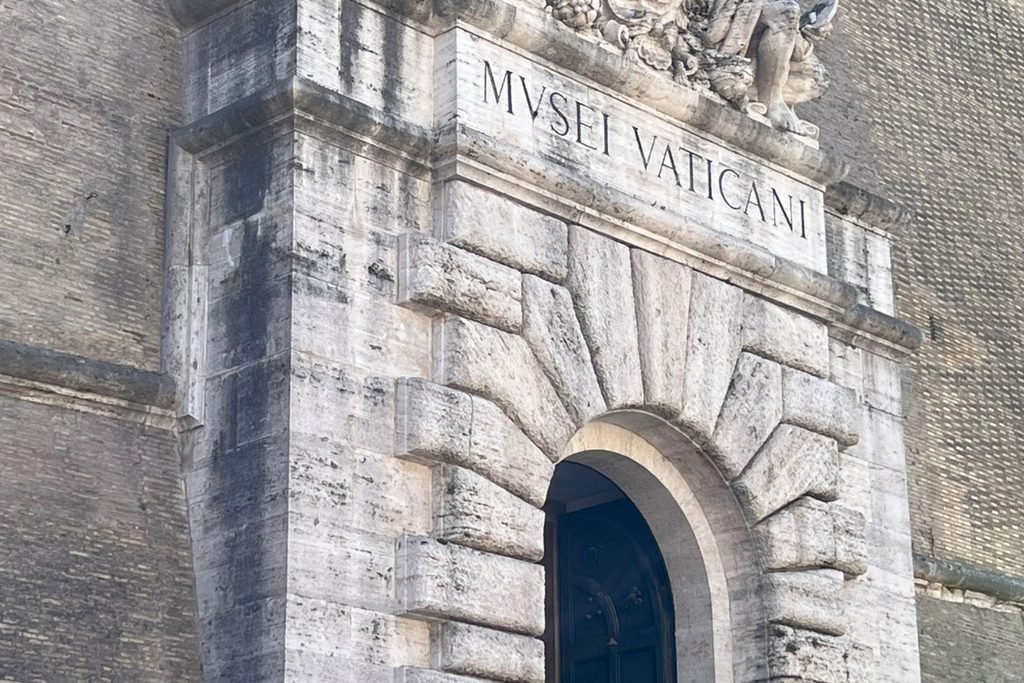
One of the most fascinating things about visiting Rome is that you can walk into an entirely different country without ever leaving the city. Vatican City is the world’s smallest independent state and the centre of the Roman Catholic Church, surrounded almost entirely by Rome.
Even before stepping inside any of its famous buildings, walking around Vatican City is an experience in itself. St Peter’s Square opens out in front of the basilica, surrounded by sweeping colonnades and filled with visitors from around the world. Whether you’re religious or not, the scale, history and importance of this tiny country are hard to ignore.
St Peter’s Basilica
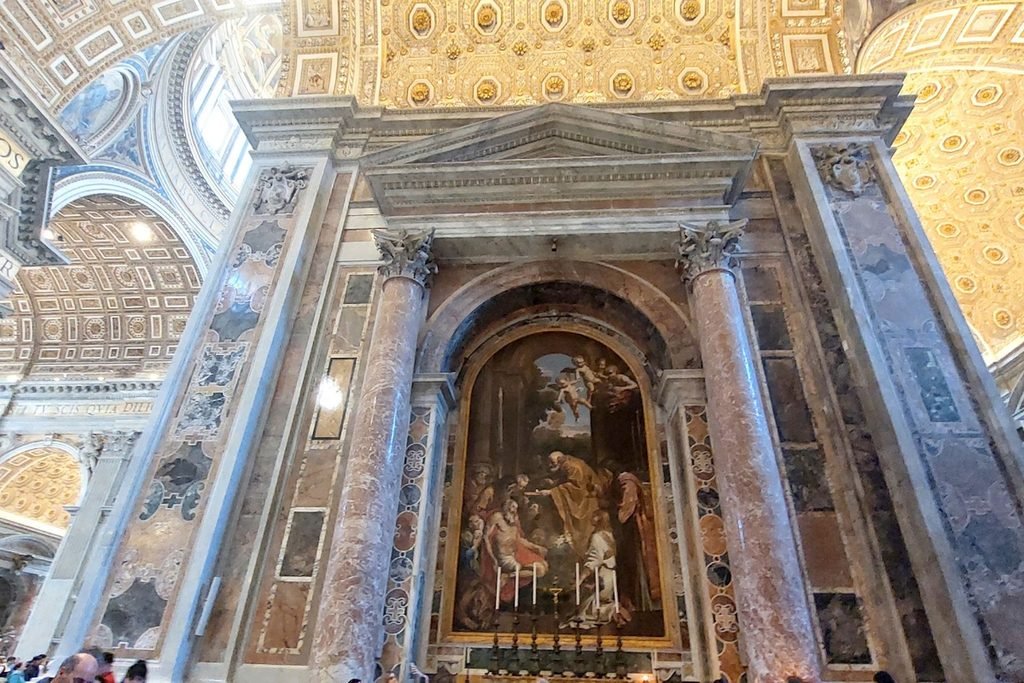
Dominating St Peter’s Square, St Peter’s Basilica is one of the largest and most important churches in the world. Entry into the basilica itself is generally free, although security queues can be long, particularly during busy periods.
Inside, the sheer scale of the building is difficult to appreciate until you’re standing beneath its enormous dome. You’ll also find extraordinary works of art, including Michelangelo’s Pietà, along with elaborate chapels, monuments and centuries of religious history.
You can also visit the dome for views across St Peter’s Square, Vatican City and Rome, although there is a separate charge and the final section involves plenty of steps.
Vatican Museums & Sistine Chapel
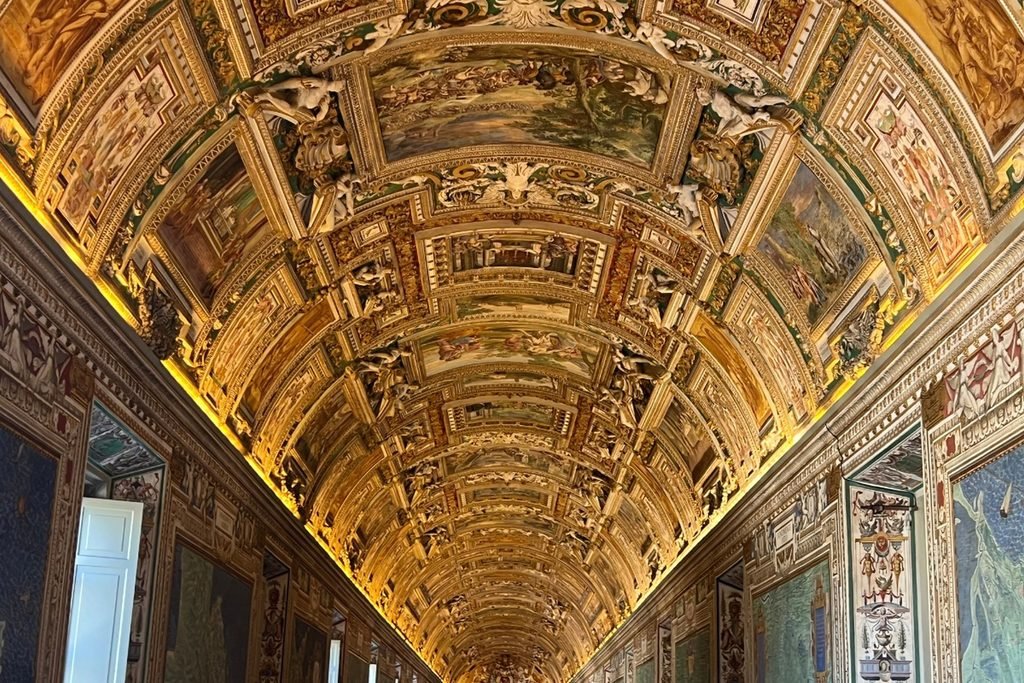
The Vatican Museums contain one of the world’s most significant collections of art and historical treasures, gathered by the popes over centuries. The museums are enormous, with galleries, sculptures, tapestries, decorated ceilings and rooms that could easily occupy several hours.
For many visitors, the highlight is the Sistine Chapel, home to Michelangelo’s famous ceiling and The Last Judgment. It sits towards the end of the museum route, so don’t expect to simply pop in and see it on its own.
This is one attraction where booking ahead is particularly worthwhile. Visitor numbers can be huge, and having a timed ticket or guided tour can make planning your Vatican day considerably easier.
Please note: Photography and filming are not permitted inside the Sistine Chapel, so unfortunately we have no photos of our own to share from this incredible experience.
Planning Your Visit
- Cost: Walking around Vatican City and entering St Peter’s Basilica is free. The Vatican Museums, Sistine Chapel and dome have separate costs.
- Book ahead: Yes for the Vatican Museums and guided tours. St Peter’s Basilica does not generally require a standard admission ticket, but expect security queues.
- Allow: At least half a day if you’re visiting the museums, Sistine Chapel and basilica.
- Dress code: Shoulders and knees should be covered when entering religious sites.
- Our tip: Don’t try to rush it. Vatican City may be tiny, but there is an enormous amount to see once you step inside its museums and basilica.
Many guided Vatican tours combine the Vatican Museums, Sistine Chapel and St Peter’s Basilica, which can be a good option if you want to understand more about the history and artwork rather than simply walking through on your own. Take a look at the Vatican tours available and choose one that suits how much time you want to spend exploring.
Visit the Pantheon & Piazza Navona
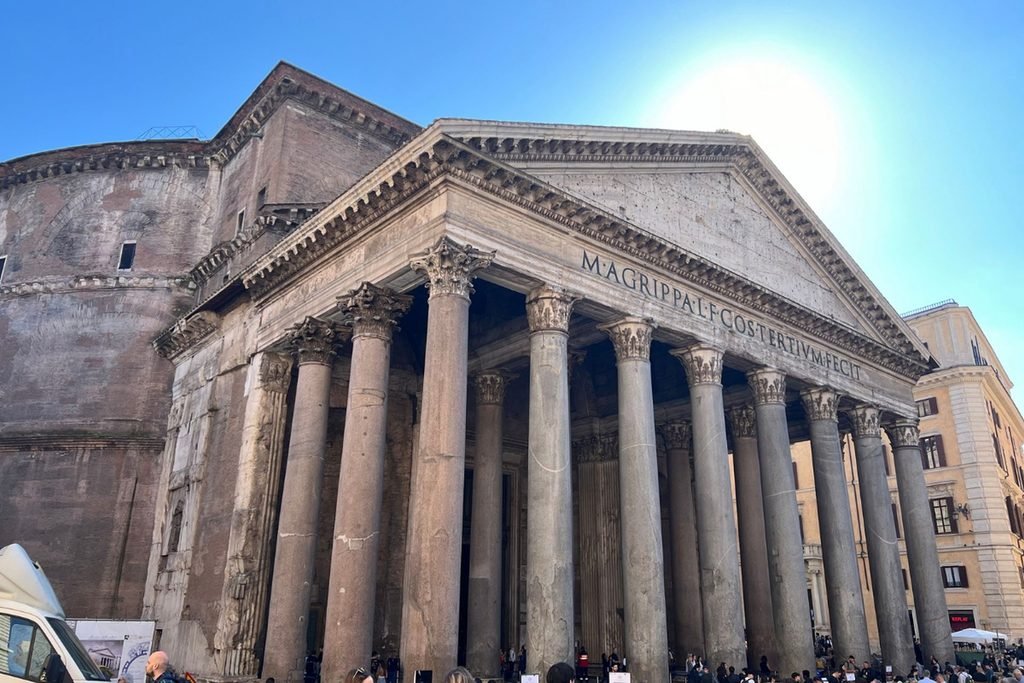
The Pantheon and Piazza Navona are only around 300 metres apart, making them an easy pair to explore together while wandering through Rome’s historic centre. The walk between them takes only a few minutes, although this is Rome, so don’t be surprised if you find plenty to distract you along the way.
The Pantheon
The Pantheon is one of the best-preserved buildings from ancient Rome, and its exterior gives only a hint of what is waiting inside. Originally built as a Roman temple, it was later converted into a church, which helped preserve the building through the centuries.
The most remarkable feature is its enormous concrete dome and the oculus at its centre, an open circular space that allows natural light, and occasionally rain, to enter the building.
Standing underneath the dome really gives you an appreciation of what Roman engineers achieved almost 2,000 years ago.
The Pantheon is also the resting place of several important Italians, including the artist Raphael and former Italian kings.
Piazza Navona
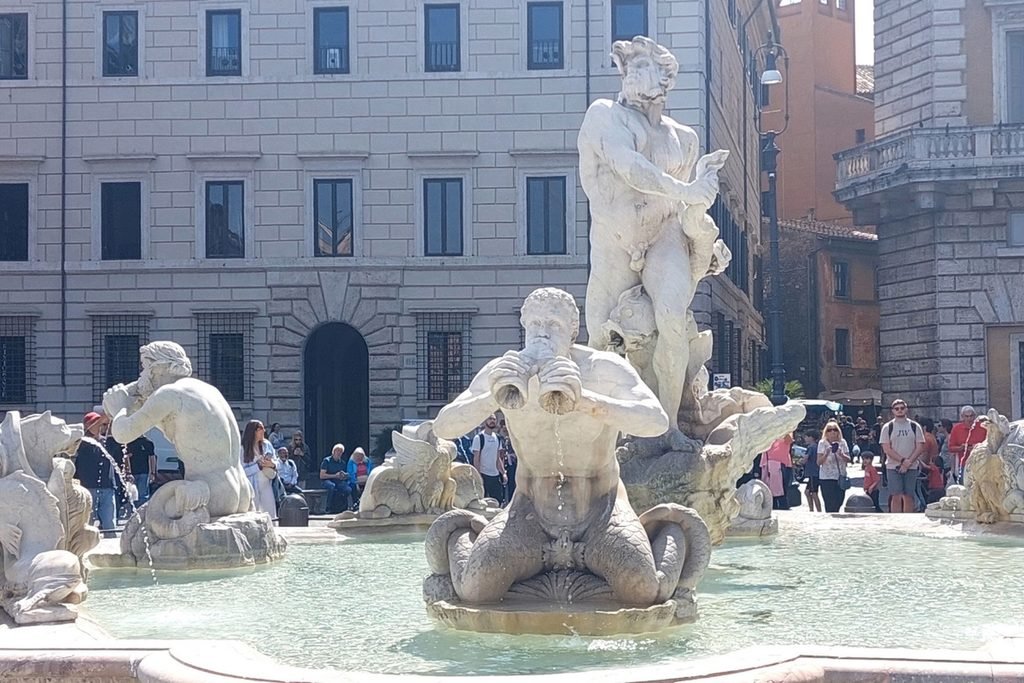
From the Pantheon, it’s just a short walk to Piazza Navona, one of Rome’s most beautiful and lively public squares.
Built over the site of an ancient Roman stadium, the long shape of the piazza still follows the footprint of the original arena. Today it is surrounded by historic buildings, cafés and restaurants, with three fountains running through its centre.
The most famous is Bernini’s Fountain of the Four Rivers, which sits beneath the Egyptian obelisk in the centre of the piazza.
This is somewhere worth taking your time. Find a spot to stand or sit for a while and simply enjoy the atmosphere, rather than treating it as another attraction to photograph and leave.
Planning Your Visit
- Pantheon: Paid entry.
- Piazza Navona: Free to visit.
- Book ahead: Recommended for the Pantheon during busy periods.
- Allow: Around 1–2 hours for both, longer if you stop for coffee, food or spend time exploring the surrounding streets.
- Our tip: Explore these two together on foot. They’re close enough that there is no need to use public transport between them, and the walk is part of the experience.
If you’d like to discover more of the history hidden throughout Rome’s historic centre, a guided walking tour can be a great way to combine the Pantheon, Piazza Navona and other nearby landmarks in one easy route.
Make a Wish at the Trevi Fountain
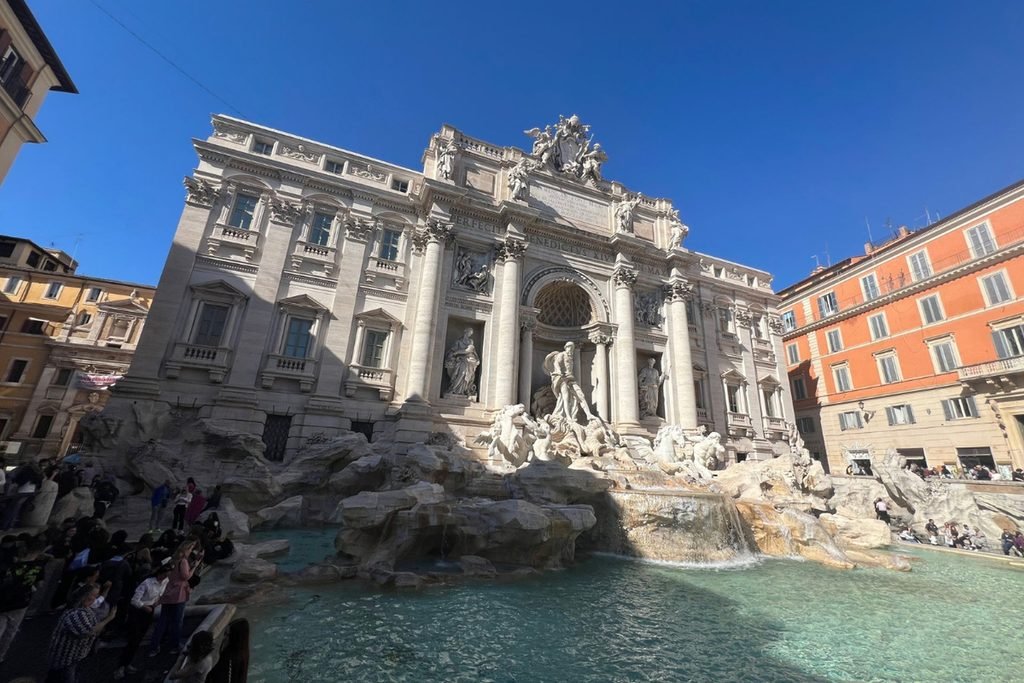
The Trevi Fountain is every bit as beautiful as the photographs suggest, and despite the crowds, it is one of those Rome landmarks we think you should see at least once.
Tucked between the buildings of Rome’s historic centre, the sheer size and detail of the fountain are incredible when you first walk into the square. And, of course, there is the tradition of turning your back to the fountain and throwing a coin over your shoulder, said to ensure your return to Rome.
Just don’t expect it to be a peaceful little moment between you and the Trevi Fountain.
Be Prepared for the Crowds
During the day, you can be sharing the area with thousands of other visitors, and you may need to wait before you can get close enough to the fountain to take a photograph, make your wish and throw in your coin.
If you want to experience the Trevi Fountain when it is a little quieter, try visiting early in the morning or later at night. You’ll still find other people with the same idea, but it can be a very different experience from arriving in the middle of the day.
Even with the crowds, take a moment to actually look at the fountain rather than concentrating only on getting the perfect photograph. It really is a stunning piece of architecture and sculpture, even when the square around you is anything but peaceful.
Watch the Prices Around Trevi Fountain
The area immediately surrounding the Trevi Fountain is one of Rome’s busiest tourist zones, and restaurants and cafés with prime locations can come with prices to match.
Something we learned while travelling through Italy is that the price of a drink can also depend on where you choose to drink it. Having a coffee or drink standing at the bar can be cheaper than sitting at a table inside, while sitting outside with a view can cost even more.
If you’re watching your budget, check the menu and prices before sitting down, particularly around major attractions. Sometimes walking only a few streets away from the busiest tourist areas can make quite a difference.
Planning Your Visit
- Cost: Free.
- Book ahead: No.
- Best time: Early morning or later in the evening if you want to avoid the heaviest crowds.
- Allow: Around 30 minutes, although you may need longer during busy periods.
- Our tip: Bring a coin for the tradition, be patient with the crowds and don’t expect that romantic moment at the fountain to be yours alone.
Visit the Spanish Steps
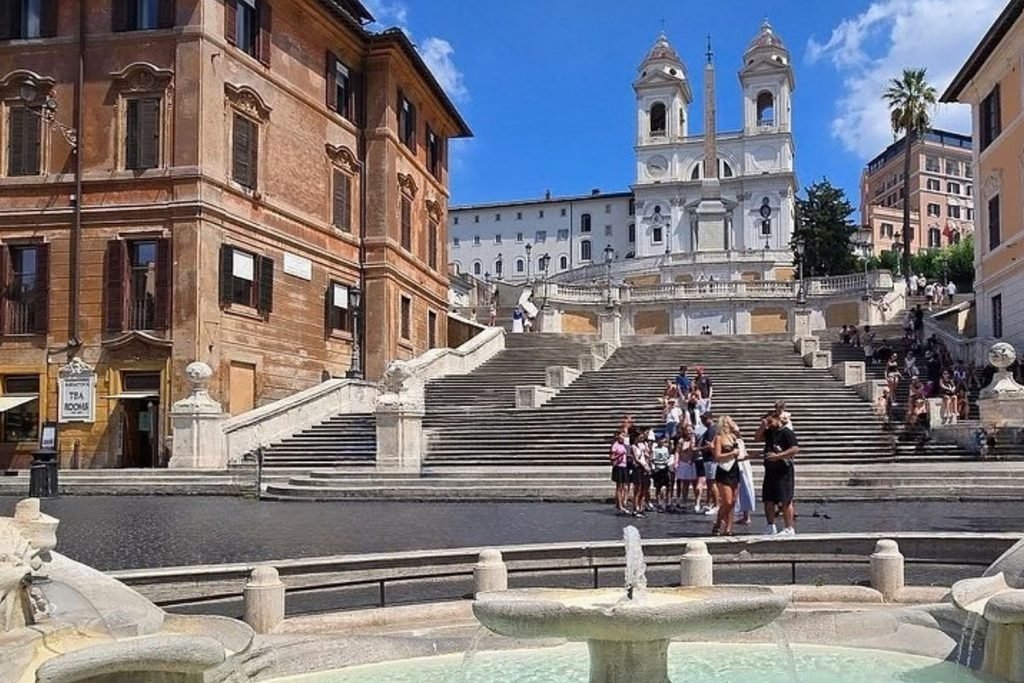
The Spanish Steps are another of Rome’s instantly recognisable landmarks, connecting Piazza di Spagna below with the Trinità dei Monti church above. With 135 steps rising between the two, they have been a meeting place in the heart of Rome for centuries.
At the bottom of the steps you’ll find Piazza di Spagna and the Barcaccia Fountain, while making your way to the top rewards you with a different perspective over the streets and rooftops below.
This is another very popular part of Rome, so don’t expect to have the steps to yourself. The surrounding streets are also home to designer stores, cafés and some of the city’s busiest shopping areas, making it easy to combine a visit with a wander through this part of the historic centre.
One important thing to know is that sitting on the Spanish Steps is not permitted. You can stop to admire them and walk up and down, but don’t settle onto the steps for a rest or picnic.
Planning Your Visit
- Cost: Free.
- Book ahead: No.
- Best time: Early morning if you would prefer fewer people.
- Allow: Around 30 minutes, longer if you’re exploring the surrounding streets.
- Our tip: Walk to the top rather than only viewing the steps from Piazza di Spagna. The view back across the city is part of the experience.
Take a Food Tour in Rome
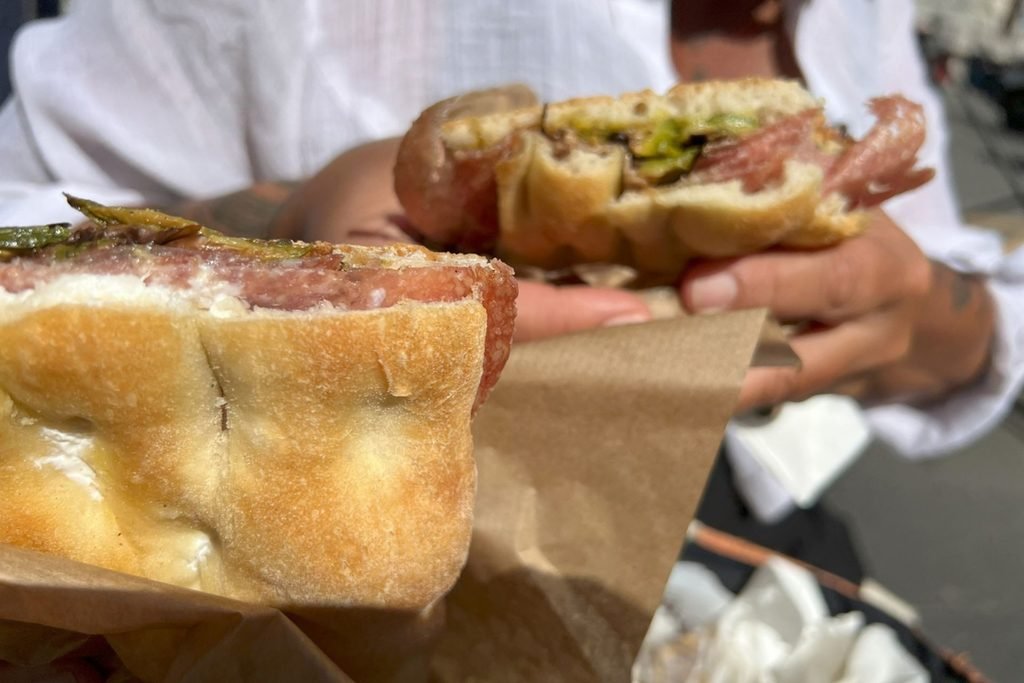
One of the experiences we really enjoyed in Rome was joining a local food tour, and it turned out to be a great way to see a completely different side of the city after spending so much time visiting the major attractions.
Our tour started at a local market, where we were introduced to some of the ingredients and flavours that are part of everyday Roman food culture. From there, we headed through local neighbourhood streets, stopping along the way to taste different foods.
We visited traditional delicatessens, known as salumerie, and local bakeries or forni, trying different meats, cheeses, breads and other Italian favourites as we went. It wasn’t simply about eating. Having someone local explain what we were tasting, where it came from and how it fitted into Roman food culture made the whole experience much more interesting.
What we particularly enjoyed was that the tour took us away from simply moving between Rome’s famous landmarks. We were walking through local areas, stepping inside small food businesses and discovering places we probably would have walked straight past on our own.
And, of course, there was plenty to eat along the way.
If you enjoy discovering a destination through its food, we would definitely recommend making room for a food tour while you’re in Rome. Go hungry, because you’ll want to try everything.
Planning Your Food Tour
- Cost: Paid tour.
- Book ahead: Recommended, particularly during busy travel periods.
- Allow: Around 3–4 hours, depending on the tour you choose.
- Come hungry: Tastings can add up to considerably more food than you expect.
- Our tip: Choose a tour that visits local markets and small food businesses, rather than one focused only on sitting down at restaurants. For us, exploring the neighbourhoods and meeting the people behind the food was a big part of the experience.
Want to taste your way through Rome? Take a look at the food tours available and choose one that takes you beyond the tourist areas and into local markets, bakeries, delicatessens and neighbourhood streets.
Go on a Tiramisù Hunt
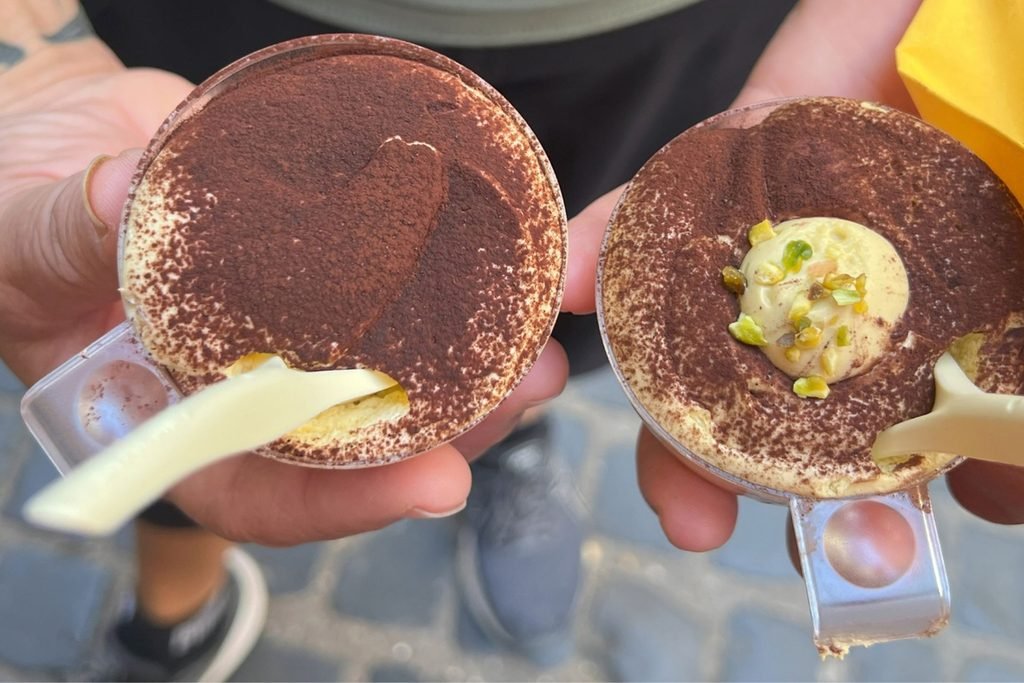
Not every Rome experience needs to involve a famous monument or museum. One of our funniest missions in Rome involved finding the best tiramisù we could.
Toni had decided she was going to find the best tiramisù in Rome, and every time we came across somewhere claiming theirs was the best, naturally we had to put it to the test. There were several contenders, and Toni would upload little video reviews to our family Facebook group as the search continued.
It became one of those simple travel memories that we still laugh about. So if you love tiramisù, why not start your own search? Rome certainly gives you plenty of opportunities to conduct some very serious research.
Final Thoughts on the Best Things to Do in Rome
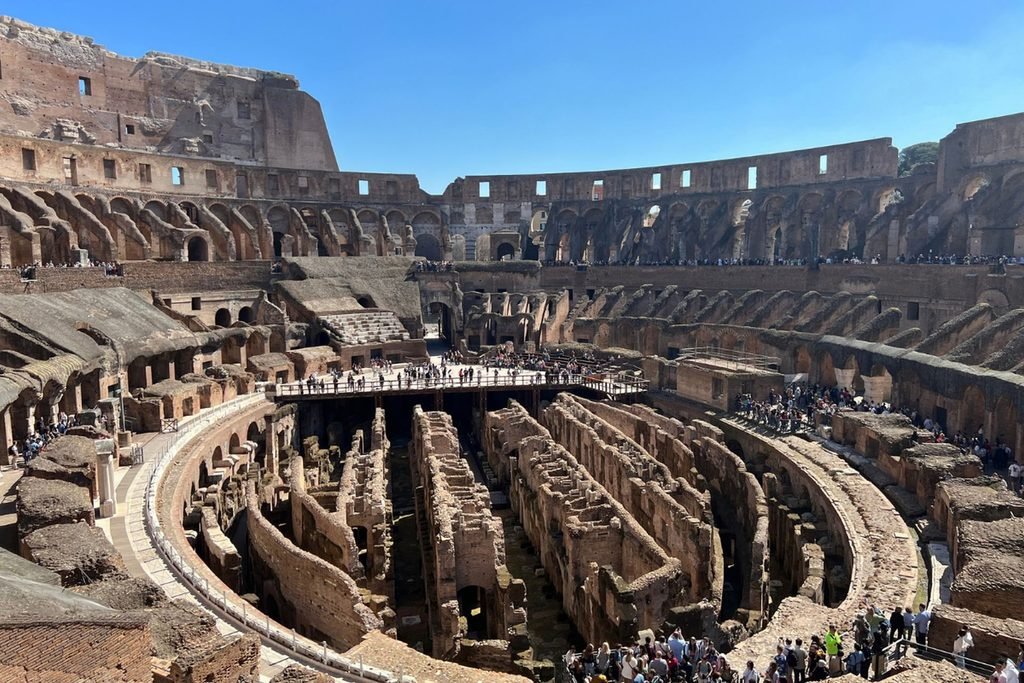
There is a lot to take in when exploring Rome, and after several hours of walking through ancient ruins, enormous churches, busy piazzas and streets filled with history, you quickly realise why this isn’t a city to rush.
Some of our favourite days were those where we combined one or two planned attractions with time to simply explore. Walking between places, stopping when something caught our attention and joining a food tour through local markets, delicatessens and bakeries gave us a chance to enjoy the city without every moment being scheduled.
Our biggest advice is to group attractions that are close together, book the major sights ahead and leave some breathing room in your day. You don’t need to see everything on your first visit.
Rome has been here for thousands of years. You don’t need to see all of it in a hurry.
“The best way to experience a city is to leave enough time to get a little lost in it.”
🌍 Travel Planning Resources
These are the tools we personally use and trust when planning our travels from finding a place to stay to booking activities, transport and insurance. Let your “Tohu” guide you “Trust the Journey” and follow what feels right for you.
- ✈️Flights – Compare great deals with Trip.com then Kiwi.com for flexible, affordable options.
- 🚐 Campervans – Compare rental deals with Motorhome Republic across Aotearoa and beyond.
- 🛏️ Stays – Compare hotels on Trip.com and TripAdvisor or Booking.com.
- 🚐 Rental Cars – Compare prices and book through Airport Rentals by Motorhome Republic for trusted brands and easy airport pickup.
- 🎟️ Activities – Browse tours and experiences on Viator, Get Your Guide, or TripAdvisor
- 🚆12Go Asia – Compare and book trains, buses, and ferries across Asia in one place with 12Go.
- 🛡️ Travel Insurance – Get flexible short-term coverage with Insubuy for your next holiday.
- 💳 Travel Money – Send, spend and manage money internationally with Wise, with easy currency conversion and a handy option for travellers.
- 🔒 Protect Your Privacy with a VPN – We recommend Surfshark VPN for secure and private browsing while travelling. It’s fast, affordable and works worldwide, perfect for public Wi-Fi at airports, cafes and hotels.
- 📱 Travel eSIM – Stay connected with Airalo
- 💼 Lounge Access – Treat yourself with Priority Pass for UK or US
- 🎶 Events & Concerts – Book tickets worldwide through Ticketmaster.
🧭 Note: Some booking links can be a bit shy when you’re using a VPN. If one doesn’t open, try pausing your VPN or switching to a different server location or secure Wi-Fi network to get things flowing again.