
For many New Zealanders, Gallipoli is a name we grow up knowing. We learn about the ANZAC landings, attend dawn services and hear the stories of those who travelled halfway around the world to a place most had probably never heard of before. Visiting the Gallipoli Peninsula in Türkiye gave us the opportunity to stand in some of those places ourselves and see the landscape behind a story that has become such an important part of New Zealand’s history.
Is Gallipoli Worth Visiting?
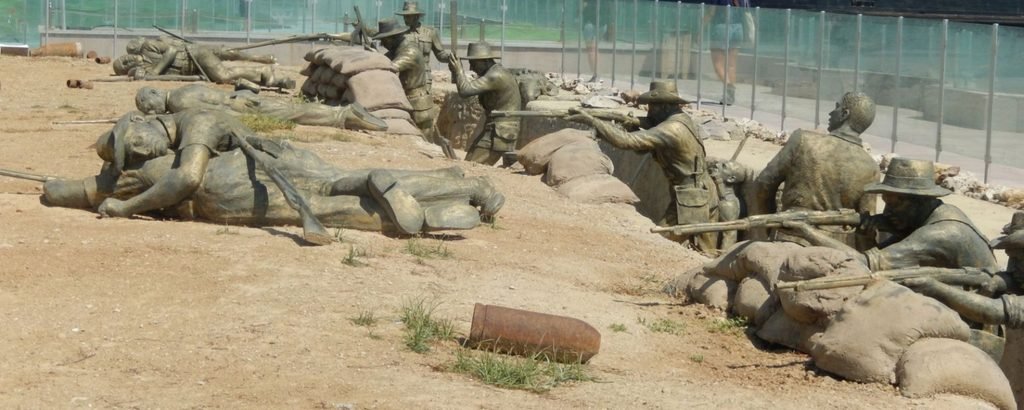
For us, absolutely. Gallipoli isn’t somewhere we would describe as simply another tourist attraction or sightseeing stop. It is a place of remembrance, and walking through the battlefields, cemeteries and memorials brings a very different perspective to events many New Zealanders and Australians have grown up hearing about.
You don’t need to visit on ANZAC Day for Gallipoli to have an impact. Visiting at another time allows you to experience the peninsula more quietly, listen to the stories and take time to understand the landscape and the conditions faced by those who fought here.
Our Experience Visiting Gallipoli

ANZAC Day holds an important place in Aotearoa – New Zealand, with dawn services and commemorations held in towns and communities throughout the country every year. It is a day when New Zealanders come together to remember those who served and those who never returned home.
For us, there is also a personal connection. I was born and raised in an Army family, while Toni served in the New Zealand Army, so the traditions surrounding ANZAC Day have always been familiar to us. This year we attended the ANZAC commemorations in Kaitaia, my dad’s hometown, another reminder of how these stories continue to be remembered across generations and communities.
When we knew we were going to be in Istanbul, visiting Gallipoli felt like something we simply had to do.
Table of Contents
Why Gallipoli Matters to New Zealanders
Gallipoli holds a special place in the history of Aotearoa – New Zealand. New Zealand troops landed on the Gallipoli Peninsula alongside Australian forces on 25 April 1915, a date that would eventually become ANZAC Day and one of the most important days of remembrance in both countries.
The Gallipoli campaign involved troops from many nations, including Britain, France, Australia, New Zealand, India and Newfoundland, fighting against Ottoman forces defending their homeland. Thousands of lives were lost during the eight-month campaign before Allied troops were eventually evacuated from the peninsula.
For New Zealand, the impact reached far beyond the battlefield. Communities throughout our small country lost sons, brothers, fathers and friends, and the events at Gallipoli became deeply woven into our national story.
Every 25 April, New Zealanders continue to gather at dawn services and ANZAC commemorations throughout the country. More than a century later, Gallipoli remains a place many New Zealanders know by name long before they ever have the opportunity to stand there themselves.
Visiting Gallipoli gave us the chance to connect the stories we had grown up with to the actual landscape where they happened. It stopped being somewhere on the other side of the world that we heard about every ANZAC Day and became somewhere we had walked ourselves.
The Significance of the Red Poppy
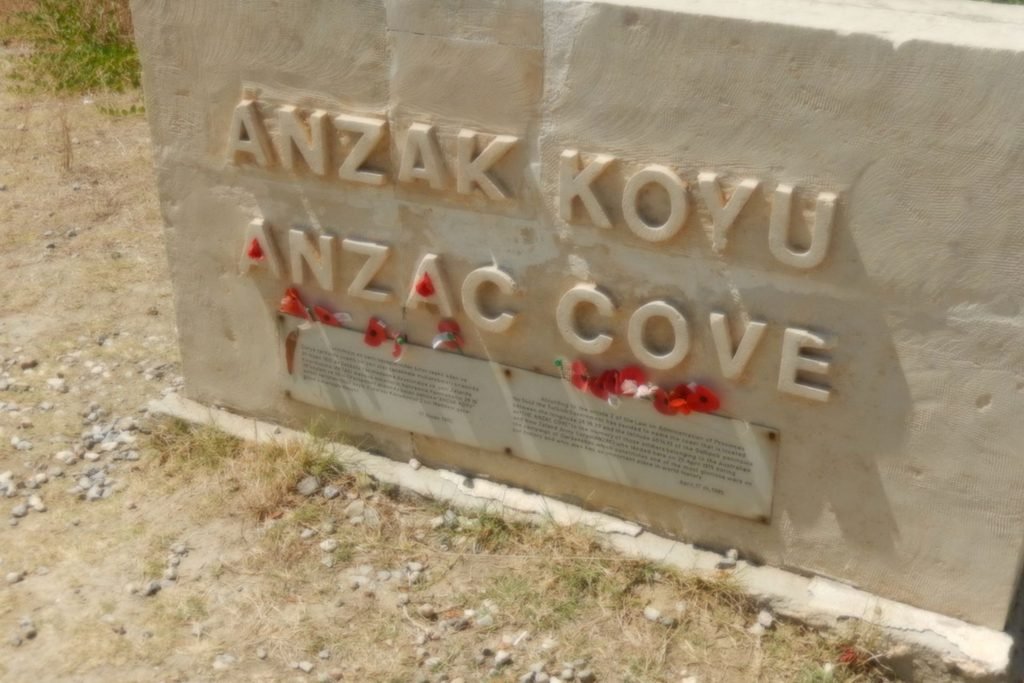
The red poppy has become one of the most recognisable symbols of remembrance for those who served and died in war. Its connection comes from the poppies that grew on the battlefields of the First World War, particularly on the Western Front, and the imagery made famous through the poem In Flanders Fields.
In Aotearoa – New Zealand, wearing a red poppy has become closely associated with ANZAC Day and remembrance. Poppies are worn in the days leading up to 25 April and laid at memorials during services throughout the country.
For us, seeing poppies and memorials while visiting Gallipoli carried even more meaning. When you have grown up seeing that small red flower every ANZAC Day, standing in a place connected to the history behind our remembrance gives the symbol a much deeper significance.
Our Gallipoli Tour Experience
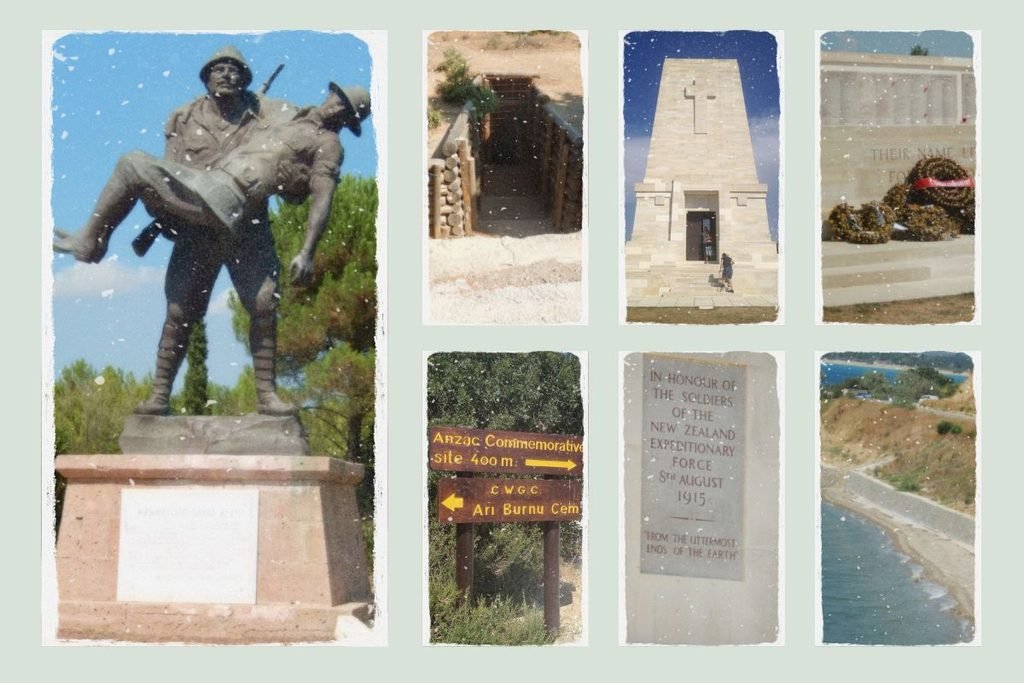
Our day started incredibly early, with our tour leaving Istanbul at around 4 am. It is a long drive to Gallipoli, with a stop along the way for breakfast, before arriving in the township and transferring onto the local tour buses that take you out onto the peninsula.
Our Gallipoli day included:
- An early-morning departure from Istanbul
- A breakfast stop along the way
- Transfer to local tour buses at Gallipoli
- Touring the battlefields, memorials and cemeteries
- Stories and historical commentary from our guide
- Lunch back in the township
- Time to see the miniature model of the Gallipoli Peninsula
From the moment we entered the Gallipoli battlefields, the atmosphere changed. We found the memorials and cemeteries created and cared for here incredibly serene. Everything felt respectfully and thoughtfully presented, and our guides were extremely knowledgeable. More importantly, they delivered the stories with a level of respect that suited where we were and what had happened there.
Seeing the landscape was probably what affected us most. Standing there looking at those steep hills and ridgelines, it was difficult to comprehend how anyone was expected to fight their way through that terrain. Photographs and history books simply don’t prepare you for seeing it with your own eyes.
Our guide shared stories of life in the trenches, including moments when Ottoman and ANZAC soldiers were positioned only metres apart. Despite being enemies, there were occasions when men communicated and exchanged things across the lines. Hearing stories like these made you think about the individual people caught up in a war much bigger than themselves.
Another story that stayed with us was the role of the Māori Contingent during the August offensive. Māori soldiers fought alongside New Zealand mounted rifle units as they pushed through the difficult terrain towards the Sari Bair heights, helping capture several important positions on the approaches to Chunuk Bair.
For us as Māori New Zealanders, hearing about their contribution while actually standing on Gallipoli added another layer to an already emotional visit.
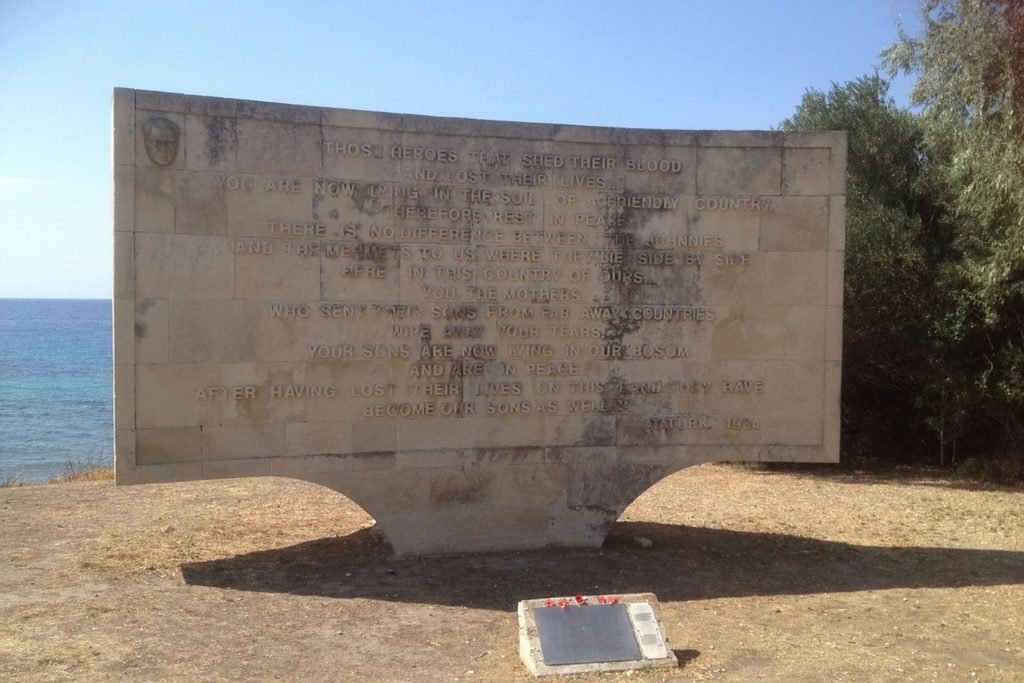
There are memorials and words of remembrance throughout Gallipoli, including the well-known tribute associated with Mustafa Kemal Atatürk to the families of those who died so far from home. There is something difficult to describe about Gallipoli. It is heartbreaking because of what happened there, yet the way those who died are remembered today gives the peninsula an extraordinary sense of peace.
After our battlefield tour, we returned to the township for lunch and had some time to look around. There was also a miniature model of the Gallipoli area, which was a great way to put everything we had just seen into perspective and understand the distances and landscape of the peninsula.
For us, the tour was absolutely worth doing, but it makes for a very long day from Istanbul.
If we were planning the trip again, we would consider:
- Staying one or two nights in Gallipoli rather than travelling there and back in one day
- Finding a private guide who could take us deeper into the New Zealand and Māori history of Gallipoli
- Choosing a two-day Gallipoli and Troy tour, which is what Toni and her friends did
- Allowing more time to absorb the history rather than fitting everything into one very long day
If you have the extra time, we think slowing the journey down would give you the opportunity to see more and spend more time understanding this incredibly significant place.
Final Thoughts on Visiting Gallipoli
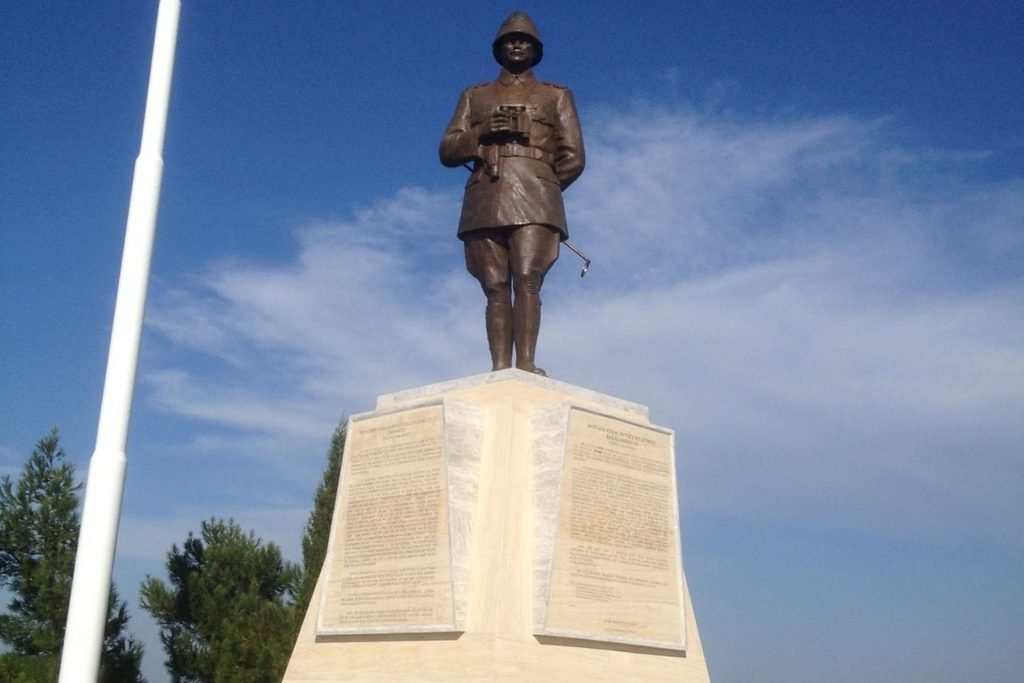
Gallipoli was never going to be just another day trip for us. We went there knowing the history and understanding its significance to Aotearoa – New Zealand, but standing on the peninsula gave those stories a reality that books, photographs and ANZAC Day services simply cannot.
It is difficult to describe a place where so much loss occurred as beautiful, but there is something incredibly peaceful about Gallipoli today. The cemeteries and memorials are treated with enormous respect, the landscape is beautiful, and there is a sense that those who lost their lives there, regardless of which side they fought on, are remembered.
We came away moved by what we had seen, but also knowing there was more of our own story we wanted to understand. One day we would love to return, stay on the peninsula rather than rushing back to Istanbul, and find a guide who can take us deeper into the New Zealand and Māori history of Gallipoli.
For New Zealanders travelling through Türkiye, Gallipoli is a long journey from Istanbul.
For us, it was worth every kilometre.
“Some places you visit to see the world.
Others you visit to understand the lives that were lost before you ever had the chance to walk there.”
🌍 Travel Planning Resources
These are the tools we personally use and trust when planning our travels from finding a place to stay to booking activities, transport and insurance. Let your “Tohu” guide you “Trust the Journey” and follow what feels right for you.
- ✈️Flights – Compare great deals with Trip.com then Kiwi.com for flexible, affordable options.
- 🚐 Campervans – Compare rental deals with Motorhome Republic across Aotearoa and beyond.
- 🛏️ Stays – Compare hotels on Trip.com and TripAdvisor or Booking.com.
- 🚐 Rental Cars – Compare prices and book through Airport Rentals by Motorhome Republic for trusted brands and easy airport pickup.
- 🎟️ Activities – Browse tours and experiences on Viator, Get Your Guide, or TripAdvisor
- 🚆12Go Asia – Compare and book trains, buses, and ferries across Asia in one place with 12Go.
- 🛡️ Travel Insurance – Get flexible short-term coverage with Insubuy for your next holiday.
- 💳 Travel Money – Send, spend and manage money internationally with Wise, with easy currency conversion and a handy option for travellers.
- 🔒 Protect Your Privacy with a VPN – We recommend Surfshark VPN for secure and private browsing while travelling. It’s fast, affordable and works worldwide, perfect for public Wi-Fi at airports, cafes and hotels.
- 📱 Travel eSIM – Stay connected with Airalo
- 💼 Lounge Access – Treat yourself with Priority Pass for UK or US
- 🎶 Events & Concerts – Book tickets worldwide through Ticketmaster.
🧭 Note: Some booking links can be a bit shy when you’re using a VPN. If one doesn’t open, try pausing your VPN or switching to a different server location or secure Wi-Fi network to get things flowing again.