
Choosing where to stay in Tuscany can make a wonderful difference to your Italian holiday. From historic city apartments and charming medieval villages to countryside farm stays surrounded by vineyards and olive groves, the region offers accommodation to suit almost every travel style and budget. Whether you’re planning to explore Florence’s famous landmarks, discover beautiful hilltop towns or simply relax in the countryside, finding the right base will help you make the most of your time.
Where Is the Best Place to Stay in Tuscany?
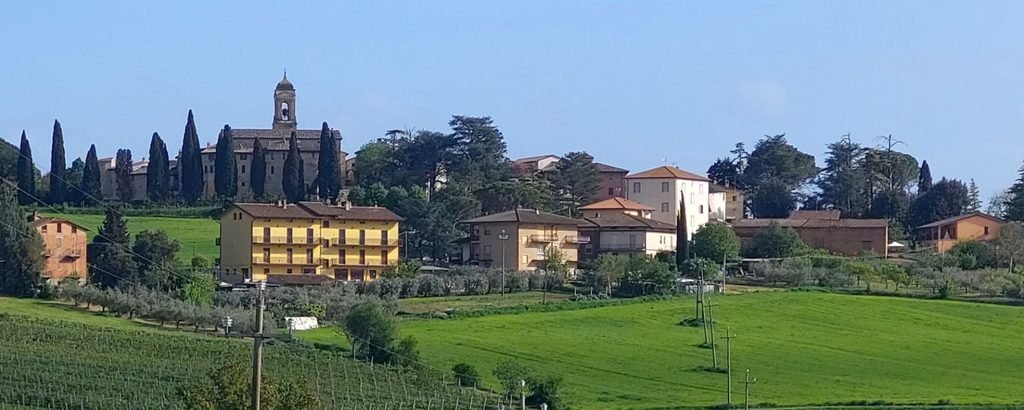
Would you prefer to wake up in the heart of a bustling historic city, enjoy breakfast overlooking rolling vineyards or stay in a quiet village where everyday Italian life unfolds around you? The best place to stay in Tuscany depends on what you want to experience and how you plan to travel. Florence and Pisa are convenient choices for visitors relying on public transport, while smaller towns and countryside accommodation can offer a more relaxed experience, particularly if you have a car. With so many beautiful locations to choose from, it’s worth considering which areas you want to explore before booking.
Our Experience Staying in Tuscany

During our travels through Tuscany, we chose to stay somewhere a little different from the usual tourist centres. Our base was Spina, a small historic walled village, where we discovered accommodation with a fascinating past and plenty of character. Having our own vehicle gave us the freedom to explore the region while experiencing a quieter side of Italian life. It turned out to be one of our most memorable accommodation choices, and we’ll share more about our stay further into this guide.
Table of Contents
- Where Is the Best Place to Stay in Tuscany?
- Our Experience Staying in Tuscany
- Best Areas to Stay in Tuscany
- Our Experience Staying in Spina
- Types of Accommodation in Tuscany
- Where to Stay in Tuscany With or Without a Car
- Tips Before Booking Accommodation in Tuscany
- Final Thoughts on Where to Stay in Tuscany
Best Areas to Stay in Tuscany
Florence – Best for First-Time Visitors and Travellers Without a Car
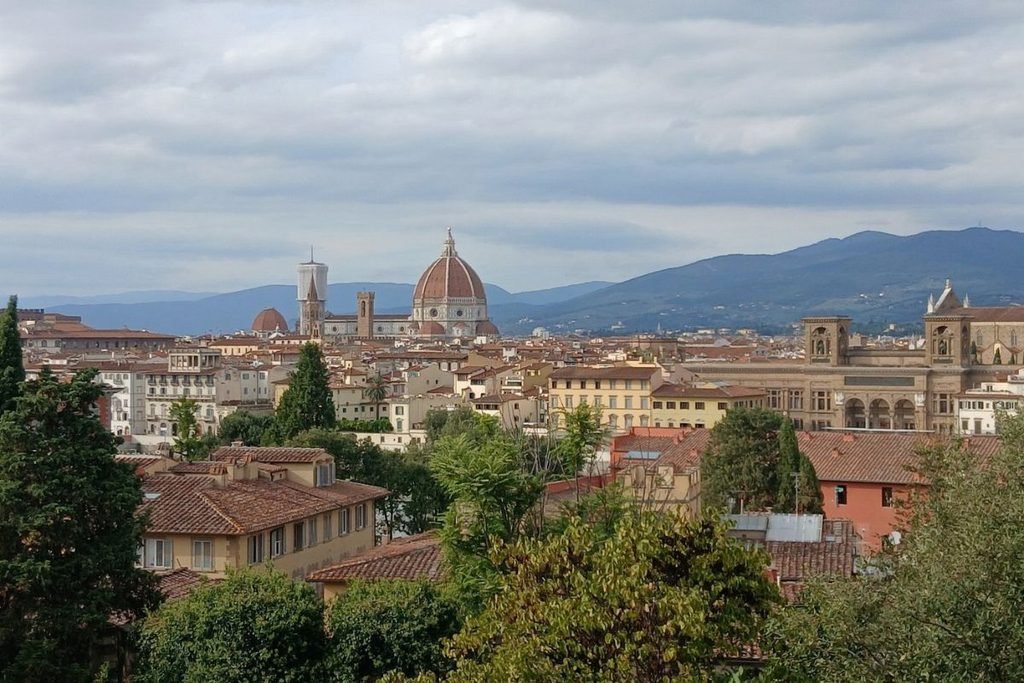
If you’re visiting Tuscany for the first time, Florence is one of the most convenient places to base yourself. As the region’s capital, it offers an excellent combination of historic attractions, restaurants, shopping and public transport connections, making it particularly appealing for travellers who prefer not to drive.
Staying in Florence means having some of Italy’s most famous landmarks within easy reach, including the magnificent Cathedral of Santa Maria del Fiore, Ponte Vecchio, Piazza della Signoria and the city’s renowned museums and galleries. It’s also a wonderful place to enjoy traditional Tuscan food, explore local markets and experience the atmosphere of a historic Italian city.
One of Florence’s biggest advantages is its excellent train and bus connections. From Firenze Santa Maria Novella railway station, you can travel to destinations such as Pisa, Siena and other parts of Tuscany, making it possible to explore beyond the city without hiring a vehicle.
During our visit, we actually chose to take the train into Florence rather than drive, as we knew the traffic and parking would be challenging. It was an easy way to reach the city, and once there, we used a hop-on hop-off sightseeing bus to make the most of our time.
Where to stay in Florence:
- Historic Centre: Ideal for first-time visitors who want to be within walking distance of Florence’s main attractions, restaurants and piazzas.
- Santa Maria Novella: A practical choice for travellers arriving by train or planning several day trips around Tuscany.
- Oltrarno: Across the Arno River, this area offers a more traditional neighbourhood atmosphere, with artisan workshops, cafés and local restaurants.
- Santa Croce: A lively historic neighbourhood with plenty of dining options and easy access to the city centre.
Things to consider before booking:
- Accommodation in the historic centre can be more expensive, particularly during peak tourist seasons.
- Florence has restricted traffic zones, making central accommodation less convenient if you’re travelling with a car.
- Staying near the railway station can be particularly useful if you’re planning day trips.
- Check whether your accommodation has a lift, especially if you’re booking an apartment in an older historic building.
Our recommendation: Florence is an excellent choice if you want to explore Tuscany using public transport, enjoy city life and have restaurants and attractions close to your accommodation. However, if your dream holiday involves quiet countryside mornings and small medieval villages, you may prefer to stay somewhere outside the city.
Looking for Accommodation in Florence? Explore the hotels, apartments and guesthouses available throughout the city and find a location that suits your travel plans and budget.
Siena – Best for Medieval Charm and Exploring Central Tuscany
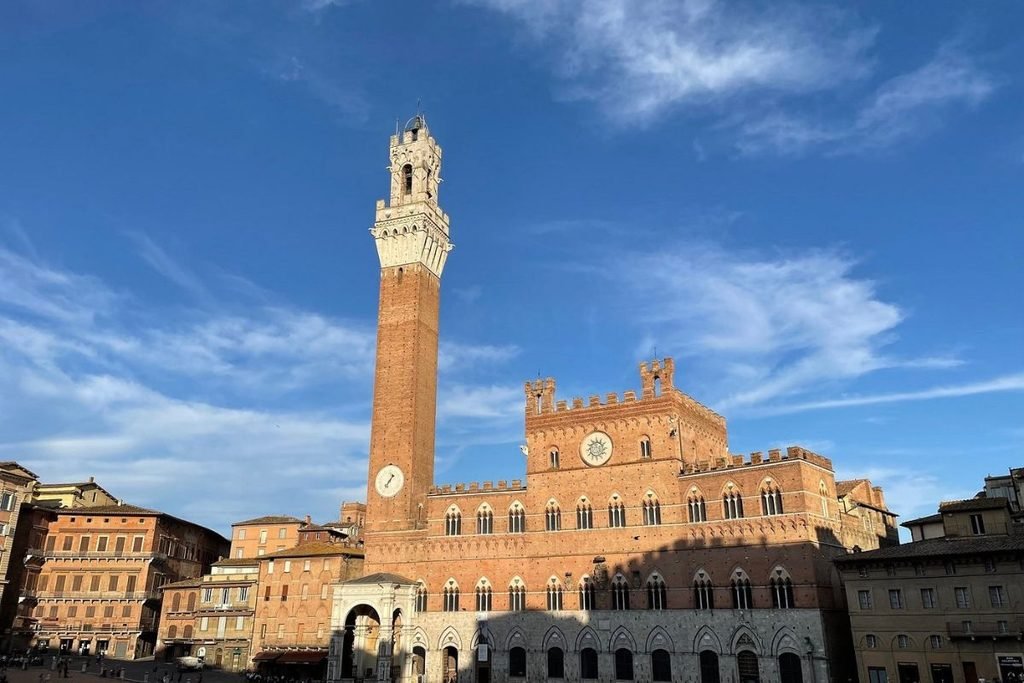
If you love historic towns, beautiful architecture and a slightly slower pace than Florence, Siena is a wonderful place to consider staying in Tuscany. Surrounded by rolling countryside, this magnificent medieval city offers a lovely combination of history, local culture and access to some of the region’s most picturesque destinations.
Siena is famous for its beautifully preserved historic centre, narrow cobbled streets and the remarkable Piazza del Campo, where the traditional Palio horse race takes place twice each year. The city has a wonderful atmosphere, particularly in the evenings when day visitors have departed and the streets become a little quieter.
We absolutely loved Siena during our travels through Tuscany. It was one of the most beautiful medieval cities we visited, and the views across the surrounding countryside were spectacular. Although we explored Siena as a day trip, we could easily imagine enjoying a few nights here, particularly for the opportunity to experience the city after dark.
Its location also makes Siena a convenient base for exploring nearby destinations such as San Gimignano, the Chianti wine region and some of Tuscany’s smaller hilltop villages.
Where to stay in Siena:
- Historic Centre: Ideal for travellers who want to immerse themselves in the medieval atmosphere and explore the city’s main attractions on foot.
- Near Piazza del Campo: Perfect for those who enjoy being close to restaurants, cafés and the heart of the city.
- Outside the City Walls: A practical option if you’re travelling by car and prefer accommodation with easier parking access.
- Surrounding Countryside: Lovely for travellers seeking peaceful farm stays, vineyard accommodation and beautiful rural views.
Things to consider before booking:
- Siena’s historic centre has restricted vehicle access, so check parking arrangements before arriving.
- The city is built across several hills, and some streets can be steep, particularly when carrying luggage.
- Siena has bus connections to Florence and other destinations, although reaching smaller villages may require a car or organised tour.
- Accommodation can book out well in advance around the Palio horse races in July and August.
Looking for Accommodation in Siena? Discover historic apartments, boutique hotels and countryside stays that allow you to experience this beautiful part of Tuscany at your own pace.
Chianti – Best for Vineyards, Countryside and Wine Lovers

If your idea of a Tuscan holiday involves rolling vineyards, olive groves, beautiful country roads and peaceful mornings overlooking the hills, the Chianti region could be the perfect place to stay. Situated between Florence and Siena, Chianti is one of Tuscany’s most celebrated wine-producing areas and offers a completely different experience from staying in a busy historic city.
The countryside is dotted with traditional stone farmhouses, small villages, family-owned vineyards and beautiful rural properties, many of which have been converted into charming guesthouses and boutique accommodation. It’s an ideal destination for travellers who want to slow down, enjoy local food and wine, and experience the quieter side of Tuscany.
One of the greatest attractions of staying in Chianti is the opportunity to visit small wineries and meet local producers. Many vineyards offer guided tastings, cellar visits and food experiences, while nearby villages provide traditional restaurants, local markets and beautiful countryside views.
Where to stay in Chianti:
- Greve in Chianti: A popular base with restaurants, shops and a lovely central piazza, offering a balance between village life and countryside exploration.
- Radda in Chianti: A picturesque medieval town surrounded by vineyards, ideal for a peaceful stay with plenty of historic character.
- Castellina in Chianti: A charming hilltop town with beautiful views, traditional restaurants and easy access to nearby wineries.
- Gaiole in Chianti: A quieter countryside destination, particularly appealing for vineyard stays and rural accommodation.
- Countryside Farm Stays: Traditional agriturismi offer an opportunity to stay on working farms or wine estates, sometimes with swimming pools, home-cooked meals and wine tastings.
Things to consider before booking:
- A car is generally the most practical way to explore Chianti, particularly if you’re staying at a rural property.
- Some countryside accommodation is reached by narrow or unsealed roads, so check access before booking.
- Restaurants and shops may be some distance from your accommodation, especially in more remote areas.
- If you plan to enjoy wine tastings, consider booking a guided tour with transport or choosing accommodation that offers tastings on-site.
- Rural properties can be particularly popular during the warmer months, so booking ahead is worthwhile.
Looking for Accommodation in Chianti? Explore traditional farm stays, vineyard guesthouses and countryside retreats surrounded by some of Tuscany’s most beautiful landscapes.
Montepulciano – Best for Hilltop Villages and Southern Tuscany
Perched high above the beautiful Tuscan countryside, Montepulciano is a wonderful place to stay if you love medieval towns, spectacular views and traditional Italian food and wine. Located in southern Tuscany, this historic hilltop town is surrounded by vineyards, olive groves and some of the region’s most picturesque landscapes.
Unlike Florence, where the focus is on major landmarks and busy city attractions, Montepulciano offers a more intimate experience. Its narrow cobbled streets, historic palaces, charming piazzas and small local shops make it a lovely place to explore at a relaxed pace.
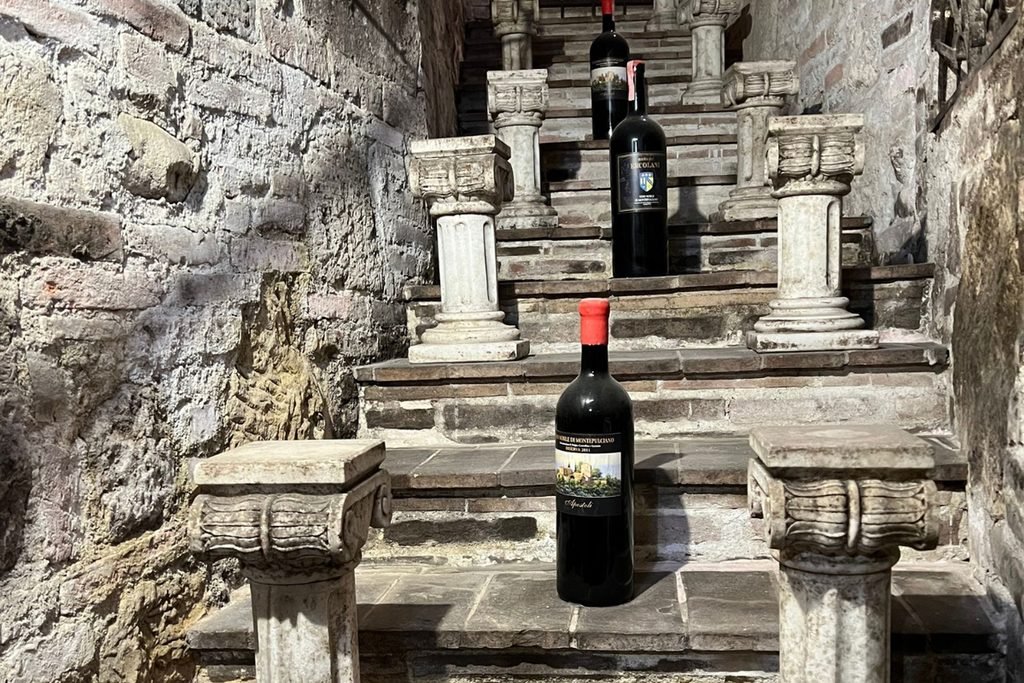
We thoroughly enjoyed our visit to Montepulciano, particularly exploring Ercolani’s fascinating underground wine cellars and discovering the town’s wonderful food scene. One of our most memorable meals in Tuscany was at Ristorante La Briciola, where we enjoyed an enormous traditional Florentine steak. The portions were so generous that we even took leftovers back to our accommodation!
Although we visited on a day trip, Montepulciano would make a beautiful base for exploring southern Tuscany, particularly the nearby Val d’Orcia countryside and its charming villages.
Where to stay in Montepulciano:
- Historic Centre: Perfect for travellers wanting to stay among medieval buildings, traditional restaurants and local wine shops.
- Near Piazza Grande: Ideal for those who enjoy historic surroundings and being close to the town’s main attractions.
- Outside the Town Walls: A practical option for easier parking and access to the surrounding countryside.
- Nearby Vineyards and Farm Stays: Wonderful for travellers seeking peaceful accommodation, countryside views and opportunities to enjoy local wine experiences.
Things to consider before booking:
- Montepulciano is a hilltop town with steep streets and cobbled pathways, so consider the location of your accommodation if carrying luggage.
- The historic centre has restricted vehicle access, making parking arrangements particularly important.
- The town’s railway station is several kilometres from the historic centre, so staying here without a car requires some additional transport planning.
- A vehicle is useful for exploring nearby villages, vineyards and countryside attractions.
- Accommodation with panoramic views can be particularly appealing, but check how far it is from restaurants and shops.
Looking for Accommodation in Montepulciano? Discover historic apartments, boutique guesthouses and countryside farm stays surrounded by vineyards and beautiful Tuscan landscapes.
San Gimignano – Best for a Romantic Medieval Atmosphere
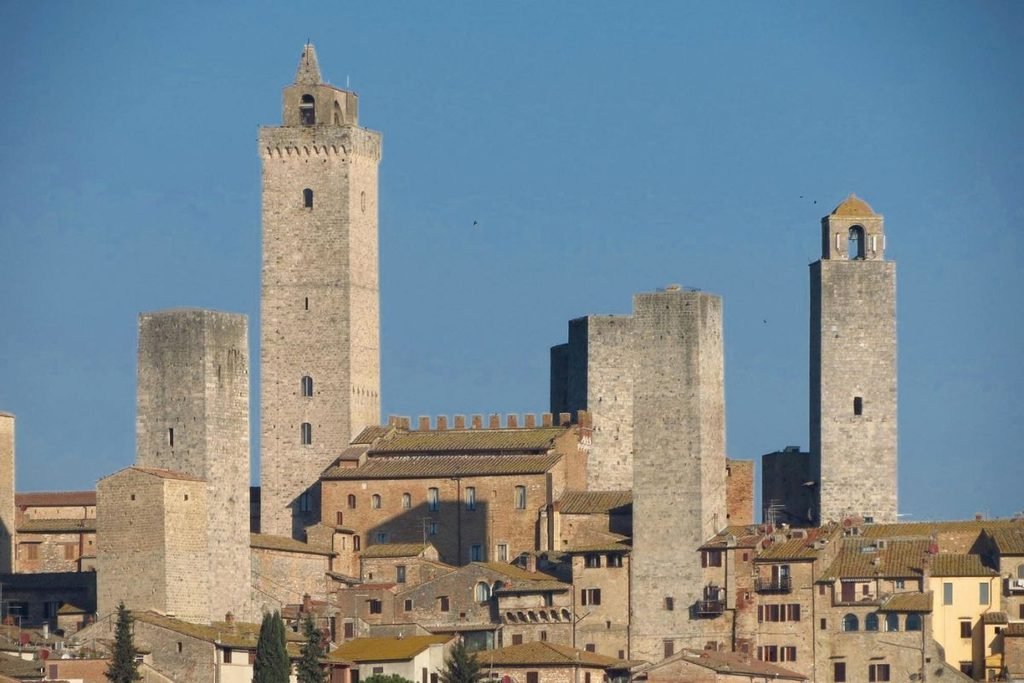
With its remarkable medieval towers, ancient stone buildings and beautiful countryside views, San Gimignano is one of Tuscany’s most enchanting places to stay. Often referred to as the Medieval Manhattan, this UNESCO World Heritage Site is famous for its distinctive skyline and wonderfully preserved historic centre.
While San Gimignano is a popular destination for day trips, staying overnight offers a different experience. Once the tour groups leave, the narrow cobbled streets and historic piazzas become quieter, giving visitors more time to appreciate the town’s atmosphere without the daytime crowds.
We visited San Gimignano on an earlier trip to Tuscany as part of an organised tour, and the medieval architecture and beautiful surroundings left a lasting impression. It’s the kind of place where you can happily spend hours wandering through historic streets, browsing small shops and admiring the views across the rolling Tuscan hills.
For travellers seeking a romantic setting, San Gimignano offers charming accommodation within its historic walls, while the surrounding countryside provides peaceful farm stays and beautiful vineyard retreats.
Where to stay in San Gimignano:
- Historic Centre: Ideal for travellers who want to stay within the medieval walls, close to the town’s main piazzas, restaurants and attractions.
- Near Piazza della Cisterna: A lovely central location surrounded by historic buildings, cafés and traditional shops.
- Outside the Town Walls: A practical option for visitors travelling by car, with easier access to parking and nearby roads.
- Surrounding Countryside: Perfect for those looking for traditional farmhouses, vineyard accommodation and peaceful rural settings with views towards the medieval towers.
Things to consider before booking:
- The historic centre has restricted vehicle access, so check where you can park and how far you’ll need to carry your luggage.
- Accommodation within the medieval walls may involve stairs, uneven floors or limited lift access.
- The town becomes busy during the day, particularly in the warmer months, although evenings are generally quieter.
- Public transport connections are available, but reaching smaller villages and countryside attractions is easier with a car.
- If you’re staying outside the town, check whether restaurants and shops are within walking distance.
Looking for Accommodation in San Gimignano? Explore charming historic guesthouses, boutique hotels and countryside farm stays with beautiful views of Tuscany’s famous medieval towers.
Pisa – Best for Convenient Transport and Shorter Stays
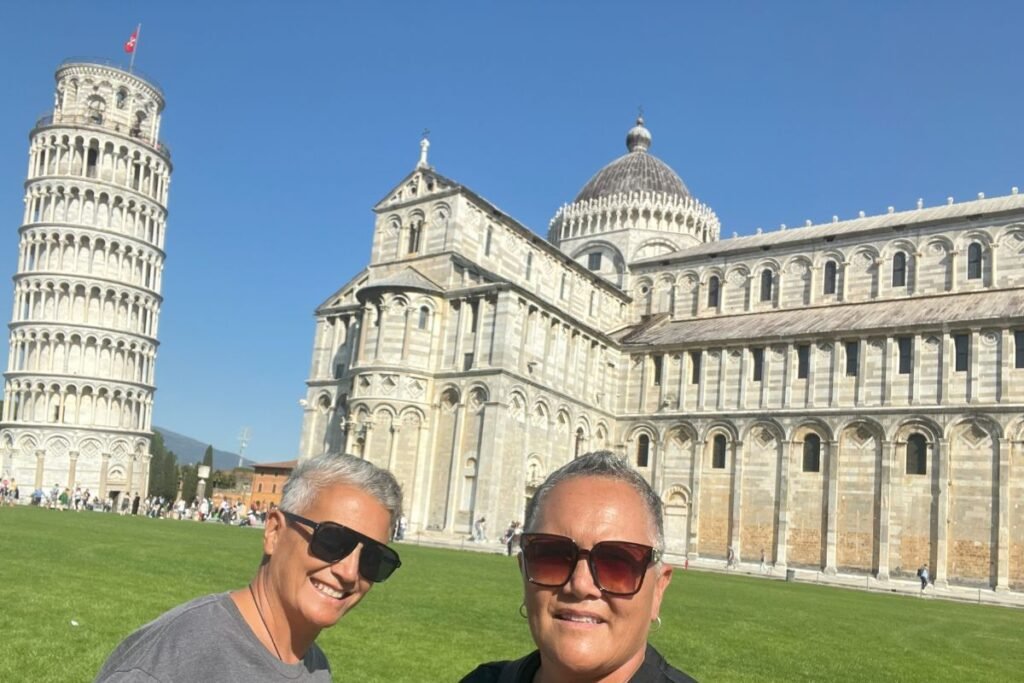
Although Pisa is best known for its famous Leaning Tower, it’s also a practical and often overlooked place to stay in Tuscany. With an international airport, excellent railway connections and a compact historic centre, Pisa can be a convenient base for travellers who want to explore western Tuscany without hiring a car.
Beyond the famous Piazza dei Miracoli, Pisa has attractive riverside streets, historic churches, lively piazzas and plenty of restaurants and cafés. Staying overnight gives you an opportunity to discover more of the city after the busiest sightseeing crowds have departed.
We visited Pisa during our travels through Italy and were impressed by the magnificent architecture surrounding the Leaning Tower. The cathedral, baptistery and beautifully maintained grounds made the visit particularly memorable. Although we didn’t stay overnight, we could certainly see the appeal of using Pisa as a convenient base, especially for travellers arriving by air or train.
One of Pisa’s biggest advantages is its location. From Pisa Centrale railway station, you can travel to Florence, Lucca and several coastal destinations, making it a useful starting point for exploring this part of Tuscany.
Where to stay in Pisa:
- Historic Centre: Ideal for travellers who want to explore Pisa’s main attractions, restaurants and historic streets on foot.
- Near Piazza dei Miracoli: A convenient location for visiting the Leaning Tower, cathedral and surrounding landmarks.
- Near Pisa Centrale Station: Particularly practical for travellers planning day trips or arriving and departing by train.
- Along the Arno River: A lovely area for those who enjoy riverside walks, historic buildings and easy access to the city centre.
Things to consider before booking:
- Pisa International Airport is close to the city, with transport connections to Pisa Centrale railway station.
- Accommodation near the railway station can be convenient, but check the surrounding location and recent guest reviews before booking.
- The historic centre has restricted traffic areas, so confirm parking arrangements if you’re travelling by car.
- Pisa is well connected by train, although exploring smaller countryside villages may still require a vehicle or organised tour.
- If you’re planning to visit Florence regularly, compare accommodation prices and train costs before deciding where to base yourself.
Looking for Accommodation in Pisa? Explore hotels, apartments and guesthouses near the historic centre, railway station or Arno River to find a location that suits your travel plans.
Smaller Tuscan Villages – Best for Peace, Authenticity and Longer Stays
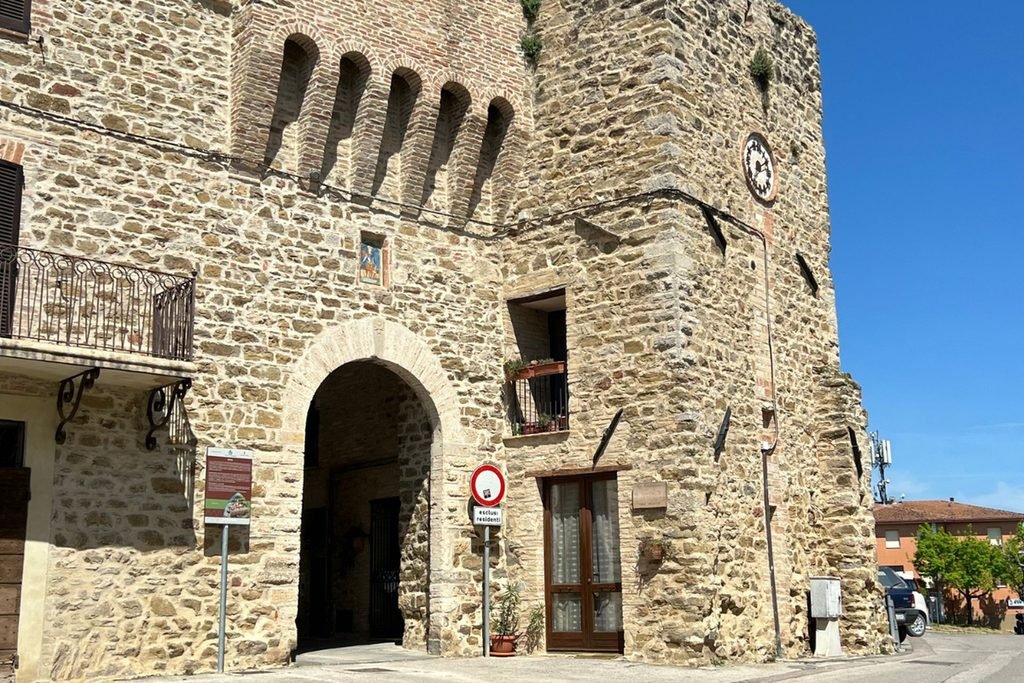
If you prefer quieter surroundings and enjoy discovering places away from the main tourist routes, staying in one of Tuscany’s smaller villages can be a wonderful alternative to the larger cities. Scattered throughout the countryside are historic villages, traditional stone houses and small communities where daily life moves at a gentler pace.
One of the greatest appeals of choosing a smaller village is the opportunity to experience a different side of Tuscany. Instead of busy streets filled with sightseeing groups, you might find yourself enjoying a morning coffee in a peaceful piazza, shopping at a local bakery or wandering through narrow lanes surrounded by centuries-old buildings.
Accommodation can be particularly charming, with restored stone cottages, historic apartments, family-run guesthouses and traditional farm stays offering plenty of character. Depending on the location, you may also find countryside views, private gardens or swimming pools.
For travellers planning a longer stay, choosing a village can provide a comfortable base for exploring different parts of Tuscany while enjoying somewhere peaceful to return to each evening.
What to look for when choosing a smaller village:
- Location: Choose somewhere reasonably central to the towns and attractions you want to explore.
- Local facilities: Check whether there are grocery shops, cafés and restaurants nearby, particularly if you prefer not to cook every evening.
- Parking: Look for accommodation with convenient parking if you’re travelling by car.
- Accessibility: Historic villages often have narrow streets, cobblestones and stairs, so check how easily you can reach your accommodation.
- Transport: Some villages have limited public transport, making a vehicle particularly useful.
- Length of stay: Smaller villages are especially appealing if you have several days to settle in and explore the surrounding area.
Looking for Accommodation in Tuscany’s smaller villages? Explore historic apartments, countryside cottages and traditional guesthouses to discover somewhere a little different for your stay.
Our Experience Staying in Spina
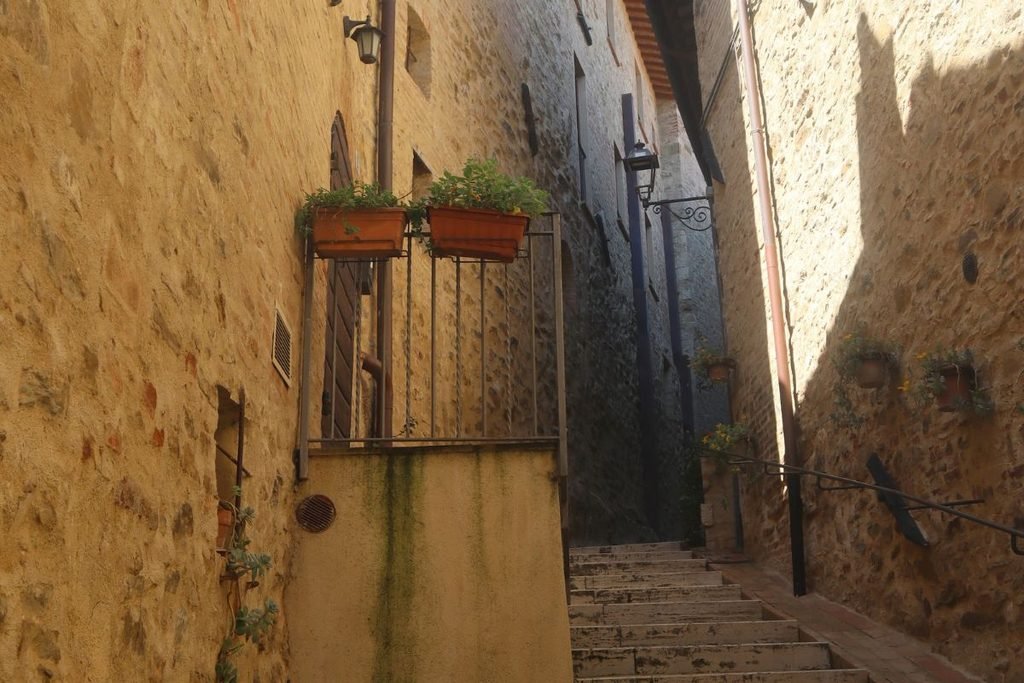
One of our favourite accommodation experiences in Tuscany was staying in Spina, a small historic walled village that offered something completely different from the busy tourist centres.
We found a lovely Airbnb in a building that had once formed part of the King’s Guards’ quarters. We love accommodation with a story behind it, and knowing we were staying somewhere with such an interesting history made the experience even more special.
What appealed to us most was the character of the village itself. After spending our days exploring Tuscany, it was lovely to return to somewhere peaceful, surrounded by old stone buildings and the atmosphere of a small Italian community.
Our accommodation wasn’t simply somewhere to sleep. It became part of the journey, giving us a glimpse of Tuscany that we might have missed had we chosen a conventional hotel in one of the larger cities.
Would we stay in a small Tuscan village again? Absolutely. For travellers who enjoy discovering places beyond the usual tourist routes, it’s an experience we’d highly recommend.
Our tip: When searching for accommodation, zoom out on the map and look beyond the famous destinations. You might discover a beautiful historic property in a village you’d never previously heard of.
Would We Recommend Staying in a Small Tuscan Village?
Absolutely, particularly if you’re travelling with a car and have several days to explore.
However, choosing a village like Spina does require a little planning. You’ll want to consider how far your accommodation is from the places you intend to visit, whether there are restaurants and grocery shops nearby, and how easily you can reach the main roads.
For us, the benefits far outweighed those considerations. We loved having a peaceful base with its own history and character, and it remains one of our favourite accommodation experiences from our travels through Italy.
Our tip: When searching for accommodation in Tuscany, don’t limit yourself to the well-known destinations. Zoom out on the map and explore the smaller villages nearby. You might discover a beautiful historic property that offers something completely different from a conventional hotel.
Types of Accommodation in Tuscany

Tuscany offers a wonderful variety of accommodation, from boutique hotels and historic apartments to traditional farm stays and countryside villas. The best choice depends on your budget, travel style and how long you’re planning to stay.
Hotels and Boutique Guesthouses
- Hotels are particularly convenient for shorter stays in Florence, Siena and Pisa, where you can enjoy easy access to restaurants, attractions and public transport. Boutique guesthouses often provide a more personal atmosphere, sometimes within beautifully restored historic buildings.
- Best for: City breaks, shorter visits and travellers who prefer hotel services.
Apartments and Holiday Rentals
- Self-contained apartments are an excellent option for longer stays, offering more space and the convenience of preparing your own meals.
- We particularly enjoy this style of accommodation when travelling for extended periods. Having a kitchen means we can shop for fresh local ingredients and avoid eating out every night.
- Best for: Couples, families, longer stays and budget-conscious travellers.
Agriturismo Farm Stays
- An agriturismo is a working farm that welcomes guests, offering a distinctive way to experience rural Tuscany.
- These properties are often surrounded by vineyards or olive groves, with accommodation ranging from farmhouse rooms to self-contained apartments. Some also offer swimming pools, wine tastings, cooking classes and meals prepared using local produce.
- Best for: Countryside escapes, wine lovers and travellers seeking a traditional Tuscan experience.
Countryside Villas and Farmhouses
- Traditional Tuscan villas are particularly appealing for families or groups travelling together. Many feature spacious living areas, outdoor terraces, gardens and swimming pools.
- Sharing a larger property can also provide good value, particularly for longer stays.
- Best for: Families, groups of friends and special occasions.
Historic Buildings and Medieval Accommodation
- For something memorable, consider staying in a restored medieval building or historic townhouse. Exposed wooden beams, original stone walls and centuries-old architectural features can make these properties particularly charming.
- Best for: Travellers who appreciate history, architecture and accommodation with character.
Where to Stay in Tuscany With or Without a Car
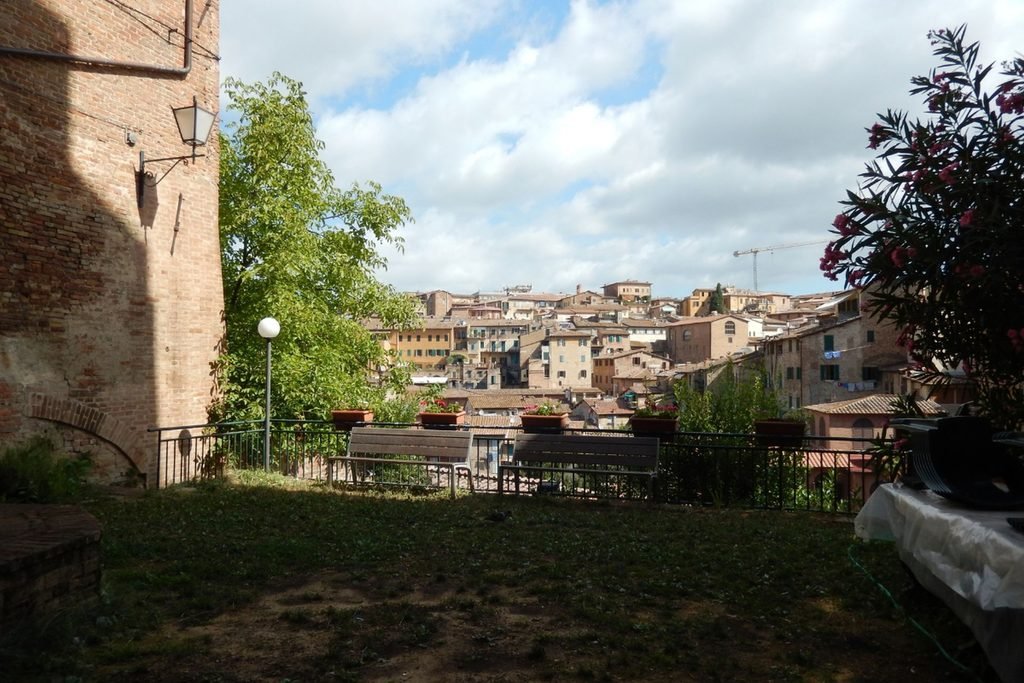
Your choice of transport can make a significant difference to where you stay in Tuscany.
Travelling without a car?
- Florence and Pisa are particularly convenient, thanks to their railway connections and access to local transport. Siena is another possibility, although some surrounding destinations are easier to reach by bus or organised tour.
- If you’re relying on public transport, choose accommodation close to a railway station or bus route, particularly if you’re planning several day trips.
Travelling with a car?
- You’ll have more freedom to choose countryside farm stays, smaller villages and properties away from the main tourist centres.
- However, remember that many historic towns have Zona a Traffico Limitato (ZTL) restrictions, which limit vehicle access. Always confirm parking arrangements with your accommodation before arriving.
You can also combine both options. During our travels, we used our car to explore the countryside but chose the train when visiting Florence.
Our tip: Before booking, check the actual journey time between your accommodation and the places you want to explore. A property might look close on a map, but winding countryside roads or limited transport connections can make travelling more time-consuming than expected.
Tips Before Booking Accommodation in Tuscany

Before confirming your accommodation, there are a few additional details worth checking to avoid unexpected costs or surprises when you arrive.
- Tourist taxes: Many towns and cities charge a local accommodation tax, which may be collected separately from your booking payment.
- Cancellation policies: Check whether your reservation offers free cancellation, particularly if you’re booking well in advance.
- Recent guest reviews: Look beyond the overall rating and read recent comments about cleanliness, noise, comfort and communication with the host.
- Air conditioning and heating: Tuscany can be very hot in summer and surprisingly cool during the colder months. Don’t assume every historic property has modern climate control.
- Check-in arrangements: Some apartments and guesthouses have limited reception hours or require you to arrange an arrival time in advance.
- Additional charges: Check for cleaning fees, security deposits and any other costs before confirming the total price.
Our tip: Always check the property’s exact location on a map before booking. A beautiful countryside apartment might look close to a town, but the actual journey could be longer than expected.
Taking a little extra time to check these details can make a real difference, particularly when booking independent accommodation or historic properties.
Final Thoughts on Where to Stay in Tuscany

Choosing accommodation is one of the most enjoyable parts of planning a holiday, particularly in a region with so many beautiful and unusual places to stay.
For us, finding somewhere with character made our Tuscany experience even more memorable. It reminded us that accommodation doesn’t always have to be about convenience or luxury. Sometimes it’s the history of a building, the atmosphere of a village or the simple pleasure of feeling at home somewhere new.
We hope this guide helps you find a place that suits your travel style and adds something special to your time in Tuscany.
Ready to explore more? Take a look at our Planning a Journey Through Tuscany guide for practical travel advice or discover our Best Things to Do in Tuscany for inspiration on what to see and experience during your visit.
“Sometimes the most memorable part of a journey is finding a place that feels like home, even when you’re miles away from it.”
🌍 Travel Planning Resources
These are the tools we personally use and trust when planning our travels from finding a place to stay to booking activities, transport and insurance. Let your “Tohu” guide you “Trust the Journey” and follow what feels right for you.
- ✈️Flights – Compare great deals with Trip.com then Kiwi.com for flexible, affordable options.
- 🚐 Campervans – Compare rental deals with Motorhome Republic across Aotearoa and beyond.
- 🛏️ Stays – Compare hotels on Trip.com and TripAdvisor or Booking.com.
- 🚐 Rental Cars – Compare prices and book through Airport Rentals by Motorhome Republic for trusted brands and easy airport pickup.
- 🎟️ Activities – Browse tours and experiences on Viator, Get Your Guide, or TripAdvisor
- 🚆12Go Asia – Compare and book trains, buses, and ferries across Asia in one place with 12Go.
- 🛡️ Travel Insurance – Get flexible short-term coverage with Insubuy for your next holiday.
- 💳 Travel Money – Send, spend and manage money internationally with Wise, with easy currency conversion and a handy option for travellers.
- 🔒 Protect Your Privacy with a VPN – We recommend Surfshark VPN for secure and private browsing while travelling. It’s fast, affordable and works worldwide, perfect for public Wi-Fi at airports, cafes and hotels.
- 📱 Travel eSIM – Stay connected with Airalo
- 💼 Lounge Access – Treat yourself with Priority Pass for UK or US
- 🎶 Events & Concerts – Book tickets worldwide through Ticketmaster.
🧭 Note: Some booking links can be a bit shy when you’re using a VPN. If one doesn’t open, try pausing your VPN or switching to a different server location or secure Wi-Fi network to get things flowing again.