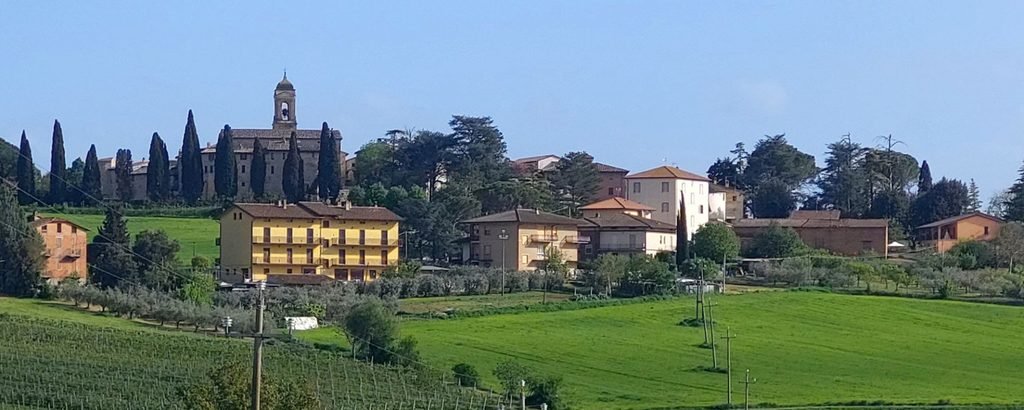
Tuscany is one of Italy’s most beautiful and recognisable regions, known for its picturesque hills, vineyards, olive groves, medieval villages and historic cities. Located in central Italy, the region offers a wonderful combination of Renaissance art, centuries of history, traditional Italian cuisine and stunning countryside. From the architectural treasures of Florence and Siena to the famous Leaning Tower of Pisa and the charming hilltop towns scattered throughout the landscape, Tuscany is a destination that invites you to slow down, explore and enjoy a different side of Italy.
Is Tuscany Worth Visiting?

Have you ever imagined wandering through a medieval village, enjoying a coffee in a centuries-old piazza or travelling along country roads surrounded by vineyards and olive groves? Tuscany offers all of this and so much more. Whether you love history, architecture, food, wine or simply discovering beautiful places, there is something incredibly appealing about this part of Italy. While Florence and Pisa attract visitors from around the world, some of Tuscany’s most memorable experiences can be found in its smaller towns, peaceful countryside and everyday Italian life.
Our Experience Exploring Tuscany

During our travels through Italy, we based ourselves in Spina, a small historic walled village, where we stayed in accommodation that had once been part of the King’s Guards’ quarters. It was a wonderful place to experience a quieter side of Italian life while exploring the surrounding countryside. From here, we visited Florence, Siena, Montepulciano and Castiglione del Lago, discovering everything from magnificent historic buildings and lively piazzas to charming streets, local wineries, beautiful vineyards and traditional Tuscan flavours. We also stopped in Pisa during our travels, making Tuscany a fascinating mix of famous landmarks, countryside experiences, unexpected discoveries and some lovely memories along the way.
Table of Contents
- Best Places to Visit in Tuscany
- Where to Stay in Tuscany
- Getting Around and Exploring Tuscany
- Food and Wine in Tuscany
- Tuscany’s Natural Hot Springs
- How Many Days Do You Need in Tuscany?
- Best Time to Visit Tuscany
- Practical Tips for Visiting Tuscany
- Final Thoughts on Planning a Journey Through Tuscany
Best Places to Visit in Tuscany
Tuscany is filled with historic cities, medieval hilltop towns, beautiful countryside and world-famous landmarks, making it difficult to choose where to spend your time. While Florence and Pisa attract much of the attention, some of the region’s most memorable experiences can be found in its smaller towns, where centuries-old traditions, local food and wine remain part of everyday life.
During our travels, we explored Tuscany on day trips from our accommodation in Spina, while some places, including San Gimignano, were destinations we had discovered on an earlier visit. Each offered something different, from magnificent architecture and lively piazzas to underground wine cellars and unforgettable meals.
Florence: Renaissance Beauty and Traditional Tuscan Food

Florence is the capital of Tuscany and one of Italy’s most celebrated cities, renowned for its Renaissance architecture, magnificent churches, world-class art and historic piazzas. With so much to see, it is easy to spend several days exploring, although even a single day offers a wonderful introduction.
As Florence is such a busy city, we decided to leave the car behind and travel by train, arriving at Santa Maria Novella railway station. With only one day available, we chose a hop-on hop-off sightseeing bus to make the most of our visit.
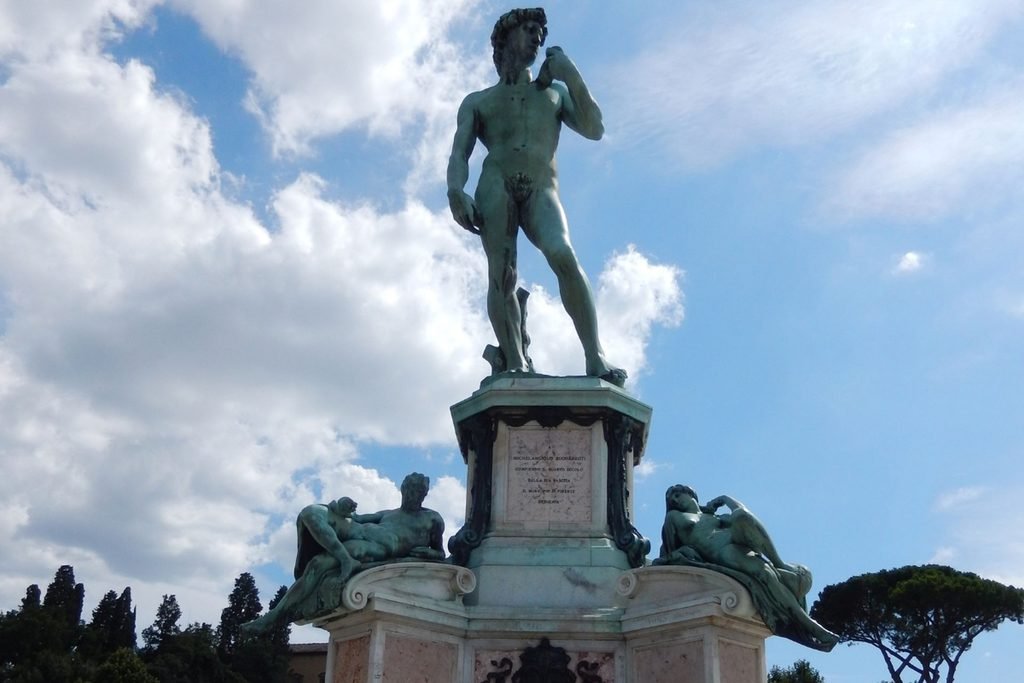
The tour took us through different parts of Florence, passing grand buildings, beautiful squares and some incredible viewpoints. One thing that amused us was the number of statues of David we came across. With replicas displayed around the city, we were initially a little confused about which one was the original! Michelangelo’s famous David is actually housed inside the Accademia Gallery.
Of course, no visit would be complete without trying some local food. A friend had recommended a traditional Florentine tripe sandwich, so we headed to Mercato Centrale Firenze to give it a try. Known as lampredotto, this popular street food is made with slow-cooked tripe served in a bread roll. The flavour was surprisingly tasty, although the texture took a little getting used to! We’re always happy to try something different, and this was certainly a memorable introduction to Florence’s traditional street food.
Highlights of Florence include:
- Cathedral of Santa Maria del Fiore: Admire the magnificent Duomo and its distinctive dome.
- Ponte Vecchio: Florence’s famous historic bridge lined with jewellery shops.
- Piazza della Signoria: A beautiful square filled with sculptures, including a replica of David.
- Accademia Gallery: Home to Michelangelo’s original David.
- Mercato Centrale: A wonderful place to discover traditional Florentine food and local produce.
Our tip: If you only have one day in Florence, a hop-on hop-off tour can be a convenient way to see more of the city. If visiting the Accademia Gallery or other popular attractions is a priority, consider booking ahead.
Siena: Medieval Streets and a Remarkable Horse Racing Tradition
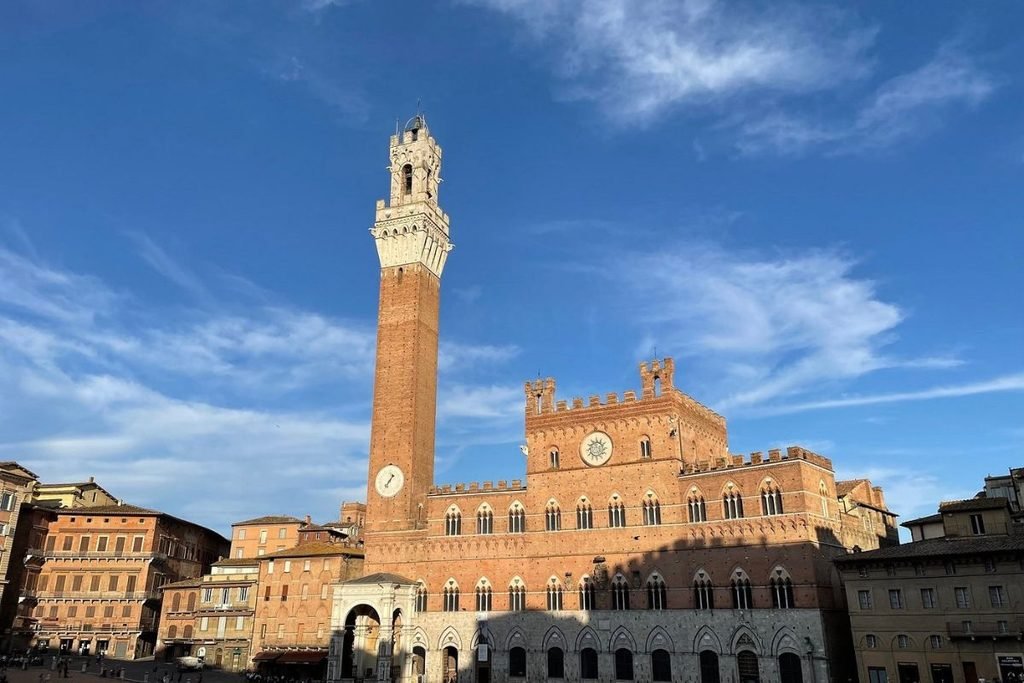
Siena was one of the most beautiful historic towns we visited in Italy. Perched high above the surrounding Tuscan countryside, this remarkable medieval city is filled with narrow streets, beautiful buildings, historic churches and magnificent views.
At the heart of Siena is Piazza del Campo, its famous shell-shaped public square. Surrounded by historic buildings, it is one of the city’s most recognisable landmarks and the setting for the extraordinary Palio di Siena horse race.
During our visit, we learnt about the fascinating traditions behind the Palio and just how seriously the people of Siena take this centuries-old competition.
The city is divided into 17 historic neighbourhoods known as contrade, each with its own identity, colours, symbols and flags. Twice a year, on 2 July and 16 August, ten of these neighbourhoods compete in a thrilling horse race around Piazza del Campo. The rivalry is intense, and winning is a tremendous source of pride for the entire neighbourhood.
Learning about these traditions gave us a completely different appreciation of the square. It is not simply a beautiful gathering place but somewhere deeply connected to the history and identity of Siena.
Highlights of Siena include:
- Piazza del Campo: The magnificent square where the Palio takes place.
- Siena Cathedral: A striking Gothic cathedral known for its elaborate architecture.
- Palazzo Pubblico: The historic town hall overlooking the square.
- Medieval streets: Wander through narrow lanes, discovering small shops, cafés and hidden corners.
- Countryside views: Enjoy the beautiful Tuscan landscape surrounding the hilltop city.
Our tip: Allow time to explore Siena on foot rather than rushing between attractions. The streets, historic buildings and views are part of what makes this city so special.
Montepulciano: Underground Wine Cellars and Unforgettable Tuscan Food

Montepulciano is a beautiful medieval hilltop town surrounded by vineyards, olive groves and stunning Tuscan countryside. Smaller and quieter than Siena, it is particularly famous for its wine, historic architecture and traditional food.
We found parking outside the town and made our way into the historic centre. Although parking was manageable during our visit, we could easily imagine how busy it might become during the peak tourist season. One of the absolute highlights of our time in Tuscany was visiting Ercolani Cellars and its Underground City. We joined a free tour that took us beneath the streets of Montepulciano, exploring historic wine cellars, underground passageways and fascinating displays.
It was, without question, one of the best wine tours we have ever experienced.
Afterwards, we enjoyed a wine tasting accompanied by local delicacies, discovering some wonderful Tuscan flavours. Naturally, we couldn’t leave without purchasing a lovely bottle of red wine! The historic underground cellars are particularly interesting because they combine centuries of local history with Montepulciano’s famous winemaking traditions.
Our food experiences continued at Ristorante La Briciola, where we ordered the famous Bistecca alla Fiorentina, a traditional Tuscan steak served with vegetables. And what a meal it was! The steak was enormous, beautifully cooked and absolutely delicious. The restaurant’s setting and service were wonderful, and having an English menu made ordering much easier. There was so much food that we took the leftovers back to our Airbnb and enjoyed them later with fresh pasta and pesto. Now that’s getting two meals out of one!
We also discovered truffle pesto while exploring the local shops, and it quickly became a new favourite. Between the wine, food, beautiful streets and welcoming atmosphere, Montepulciano was somewhere we thoroughly enjoyed.
Highlights of Montepulciano include:
- Ercolani Underground City: Explore historic wine cellars and discover local winemaking traditions.
- Wine tasting: Sample Vino Nobile di Montepulciano and other regional wines.
- Piazza Grande: The town’s beautiful main square, surrounded by historic buildings.
- Local restaurants: Try traditional Tuscan dishes, particularly Bistecca alla Fiorentina.
- Artisan food shops: Discover local cheeses, olive oils, truffle products and regional specialities.
Our tip: If you enjoy wine, food and smaller historic towns, put Montepulciano high on your Tuscany itinerary. We would highly recommend the Ercolani wine experience and a meal at Ristorante La Briciola.
Pisa: More Than Just the Leaning Tower

Pisa is one of Tuscany’s most recognisable destinations, largely thanks to its world-famous Leaning Tower, but there is much more to appreciate than the tower itself.
We stopped in Pisa during our travels through Italy, finding parking reasonably close to the historic centre. It was certainly busy, but once we reached the famous Piazza dei Miracoli, we could understand why so many people visit.
The architecture is breathtaking. The Leaning Tower stands alongside the magnificent Pisa Cathedral and Baptistery, creating an impressive collection of historic buildings surrounded by beautifully maintained grounds.
We didn’t spend a great deal of time in Pisa, but we had enough to climb the Leaning Tower, wander around the surrounding area and take plenty of photographs. There are so many wonderful photo opportunities, whether you’re capturing the tower itself or admiring the incredible detail of the surrounding buildings.
Although the tower is undoubtedly the main attraction, the city beyond the famous square is also beautiful and deserves some attention if you have more time available.
Highlights of Pisa include:
- Leaning Tower of Pisa: Climb one of Italy’s most famous landmarks.
- Pisa Cathedral: Admire the magnificent Romanesque architecture.
- Pisa Baptistery: Another remarkable historic building within the square.
- Piazza dei Miracoli: Explore the beautifully maintained grounds and enjoy the views.
- Historic city centre: Discover Pisa beyond its most famous attraction.
Our tip: Pisa is an excellent stop if you’re travelling through Tuscany. Allow enough time to explore the entire square rather than visiting only the tower. If you plan to climb it, book a timed ticket in advance.
San Gimignano: Tuscany’s Medieval Manhattan

San Gimignano is one of Tuscany’s most distinctive medieval towns, famous for its tower-filled skyline, ancient stone buildings and beautiful countryside views.
Often called the Medieval Manhattan, the town earned its nickname because of the tall stone towers that rise above its historic centre. These towers were built by wealthy families during the Middle Ages as symbols of their status and influence.
We first visited San Gimignano during an earlier trip to Tuscany, when we joined an organised tour that included this beautiful hilltop town.
Walking through its historic streets feels like stepping back in time. The medieval walls, narrow lanes, charming shops and beautiful squares create a wonderful atmosphere, while the surrounding countryside offers some spectacular views.
At the centre of town is Piazza della Cisterna, a picturesque square surrounded by medieval buildings and named after the historic well at its centre.
San Gimignano is also known for its local wines, particularly Vernaccia di San Gimignano, and its popular gelato shops, making it a lovely destination for travellers who enjoy combining history with local food and wine.
Highlights of San Gimignano include:
- Medieval towers: Admire the distinctive skyline that gives the town its nickname.
- Piazza della Cisterna: Explore one of Tuscany’s most picturesque historic squares.
- Piazza del Duomo: Discover the town’s historic religious and civic centre.
- Local gelato: Stop at one of the town’s popular gelaterias.
- Tuscan wine: Sample the local Vernaccia di San Gimignano white wine.
- Countryside views: Take in the beautiful landscape surrounding the town.
Our tip: San Gimignano is a wonderful addition to a Tuscany itinerary, particularly if you enjoy medieval towns. It is also included in many organised day tours, making it accessible even if you aren’t travelling by car.
Where to Stay in Tuscany

Choosing where to stay in Tuscany can make a big difference to your experience. From historic cities and medieval villages to countryside villas, traditional farm stays and vineyard accommodation, there are plenty of wonderful options depending on how you plan to explore the region.
While Florence and Siena are popular bases, staying in a smaller town or rural village can offer a completely different experience, particularly if you enjoy quieter surroundings and exploring beyond the main tourist attractions.
Our Stay in Spina
During our travels through Tuscany, we chose to stay in Spina, a small historic walled village surrounded by beautiful countryside. Our accommodation was particularly interesting, having once been part of the King’s Guards’ quarters, giving our stay a little extra character and history.
Rather than moving between hotels, we enjoyed having one base from which to explore the surrounding region. We could spend our days visiting historic towns, discovering local food and wine, and return to the peaceful atmosphere of our village.
For us, staying outside the larger cities was a wonderful way to experience Tuscany and enjoy a slower pace of travel.
Choosing the Best Area to Stay in Tuscany
- Florence: Ideal for first-time visitors wanting easy access to museums, historic landmarks, restaurants and public transport.
- Siena: A beautiful base for travellers who enjoy medieval architecture, historic streets and exploring central Tuscany.
- Montepulciano: Perfect for wine lovers, countryside scenery and traditional Tuscan food.
- San Gimignano: A charming option for those wanting to stay in a medieval hilltop town.
- Tuscan countryside: Ideal for travellers seeking peaceful accommodation, vineyard stays, farmhouses and opportunities to explore smaller villages.
Our tip: If you’re planning several day trips, consider choosing a central base rather than changing accommodation every few nights. A countryside stay can be particularly rewarding if you have a car, while Florence and Siena offer more convenient options for travellers relying on public transport.
Getting Around and Exploring Tuscany
Tuscany is a wonderful region to explore, with historic cities, charming hilltop villages, vineyards and beautiful countryside spread across a surprisingly large area. Whether you prefer the freedom of driving, the convenience of public transport or joining an organised tour, there are several ways to discover what makes this part of Italy so special.
During our travels, we mainly explored Tuscany by car, using our accommodation in Spina as a base for day trips. However, when visiting Florence, we chose to take the train rather than deal with the busy city traffic. We also experienced Tuscany on an organised tour during an earlier visit, so there are certainly options for different travel styles.
Exploring Tuscany by Car

Having a car gives you the freedom to explore Tuscany at your own pace, particularly if you want to discover smaller villages, local wineries and countryside destinations that aren’t easily reached by public transport.
We thoroughly enjoyed travelling along the country roads, passing vineyards, olive groves and beautiful historic towns. Some of our favourite experiences came from simply exploring beyond the major tourist destinations.
A few things to keep in mind:
- Historic town centres: Many have restricted traffic zones known as ZTLs, where unauthorised vehicles can receive fines.
- Parking: Look for designated parking areas outside historic centres, particularly in hilltop towns.
- Country roads: Some are narrow and winding, so allow extra time rather than rushing between destinations.
- Peak season: Popular towns can become very busy, making parking more challenging.
- Local wineries: If you’re planning wine tastings, consider arranging a designated driver or joining a wine tour.
Our tip: A car is particularly useful if you’re staying in the countryside or planning to visit several smaller villages. However, you don’t need one to enjoy Tuscany’s major cities and attractions.
Exploring Tuscany by Train
Travelling by train is one of the easiest ways to visit Tuscany’s larger cities, particularly Florence, Pisa and other destinations connected to Italy’s rail network.
We chose to take the train into Florence, arriving at Santa Maria Novella railway station. It was a convenient alternative to driving into the busy city centre, and from there we joined a hop-on hop-off sightseeing tour.
Train travel is particularly useful for visitors who prefer not to drive or are staying in Florence and planning day trips.
Good to know:
- Florence: Santa Maria Novella is the main central railway station.
- Pisa: Pisa Centrale provides convenient connections to Florence and other destinations.
- Siena: Accessible by train, although the station is below the historic hilltop centre.
- Smaller villages: Many medieval towns, including San Gimignano and Montepulciano, do not have railway stations in their historic centres.
Our tip: Check train schedules and connections before travelling, particularly if you need to combine a train journey with a local bus. Although public transport in Tuscany is excellent, you’re often limited to staying near train stations or bus routes, which can make exploring smaller villages, countryside accommodation and more remote areas a little challenging.
Exploring Tuscany on an Organised Tour
Organised tours are a fantastic option if you want to experience Tuscany’s countryside, medieval villages and wineries without worrying about transport or navigation.
During our first visit to Tuscany, we joined a tour that included San Gimignano, giving us the opportunity to discover this beautiful medieval town without having to organise the journey ourselves.
Tours can be particularly worthwhile if you have limited time or want to visit several destinations in one day.
Popular experiences include:
- Tuscan countryside tours: Visit medieval villages, historic towns and scenic viewpoints.
- Chianti wine tours: Explore local wineries, enjoy tastings and learn about Tuscan winemaking.
- Florence day trips: Discover destinations such as Siena, San Gimignano and Pisa.
- Food experiences: Sample traditional Tuscan dishes, olive oils, cheeses and regional wines.
- Small-group tours: Enjoy a more personal experience with a local guide.
Our tip: If you’re interested in Tuscany’s wineries, an organised wine tour is a wonderful option. You can enjoy the tastings without worrying about driving afterwards.
Choosing the Best Way to Explore Tuscany
There really isn’t one perfect way to travel around Tuscany. The best option depends on where you’re staying, how much time you have and the experiences you want to enjoy.
For us, combining car travel with the occasional train journey worked beautifully. It allowed us to discover smaller towns and countryside destinations while avoiding the hassle of driving into busy Florence.
Whether you’re wandering through a medieval village, enjoying a wine tasting or admiring the magnificent architecture of Florence, Tuscany is a region worth taking your time to explore.
Food and Wine in Tuscany

Tuscany is a destination where food and wine are as much a part of the experience as its historic towns and beautiful countryside. Traditional recipes, fresh local ingredients, family-run restaurants and centuries-old winemaking traditions make this region a wonderful place to discover authentic Italian flavours.
Tuscan cuisine is generally simple but full of flavour, with an emphasis on quality ingredients, seasonal produce, olive oil, fresh pasta and locally raised meats. Whether you’re enjoying a hearty meal in a village restaurant, browsing a local food market or sampling wine in an underground cellar, there are plenty of delicious experiences to discover.
Traditional Tuscan Dishes Worth Trying
Every part of Tuscany has its own specialities, and trying regional dishes is one of the best ways to experience the local culture.
Some popular Tuscan foods include:
- Bistecca alla Fiorentina: A traditional thick-cut Florentine steak, usually grilled and served simply to let the flavour of the meat shine.
- Pappardelle al Cinghiale: Wide ribbons of pasta served with a rich wild boar ragù, a popular dish throughout Tuscany.
- Ribollita: A hearty vegetable, bean and bread soup traditionally made using leftover ingredients.
- Pici Pasta: Thick, hand-rolled pasta often served with garlic and tomato sauce, wild boar ragù or other regional sauces.
- Crostini Toscani: Small pieces of toasted bread topped with a traditional savoury chicken liver pâté.
- Lampredotto: A popular Florentine street food made with slow-cooked tripe, typically served in a bread roll with sauce.
One of the joys of exploring Tuscany is discovering how traditional recipes and local ingredients vary from town to town. From hearty pasta dishes and slow-cooked meats to freshly prepared street food, the region offers plenty of opportunities to try something different. Whether you’re dining in a family-run trattoria or picking up a quick bite at a local market, Tuscan food is all about simple ingredients and wonderful flavours.
Discovering Tuscany’s Wine Regions
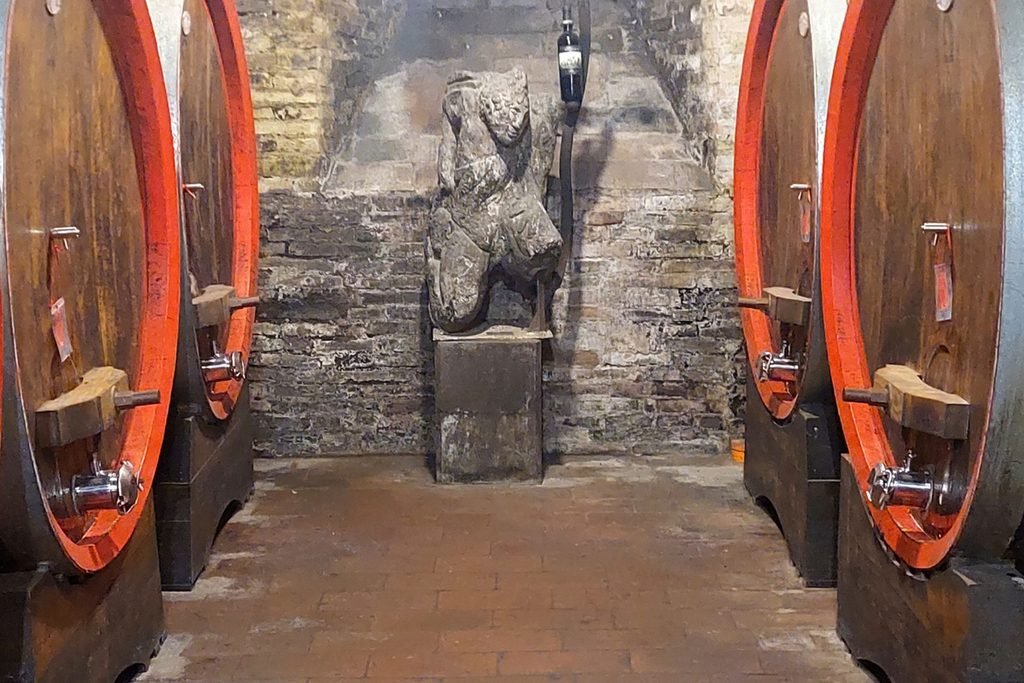
Tuscany is one of Italy’s most celebrated wine-producing regions, with vineyards stretching across the countryside and historic wineries producing wines that are enjoyed around the world.
From small family-run cellars to established wine estates, there are plenty of opportunities to learn about local winemaking traditions and enjoy tastings.
Some of Tuscany’s best-known wines include:
- Chianti: One of Tuscany’s most famous red wines, produced primarily from Sangiovese grapes.
- Vino Nobile di Montepulciano: A highly regarded red wine from the vineyards surrounding Montepulciano.
- Brunello di Montalcino: A prestigious red wine produced in the Montalcino area.
- Vernaccia di San Gimignano: A distinctive white wine from the countryside surrounding San Gimignano.
- Super Tuscan wines: A term used for certain Tuscan wines that may incorporate international grape varieties alongside traditional Italian grapes.
Exploring Tuscany’s wineries is about more than simply tasting wine. It’s an opportunity to discover generations of winemaking traditions, meet local producers and learn what makes each wine region unique. Whether you choose a small family-run cellar or a vineyard overlooking the countryside, wine tasting is a wonderful way to experience another side of Tuscany.
Our tip: If you enjoy wine, consider visiting a smaller local winery or joining a guided tasting. Many experiences include regional cheeses, cured meats and other Tuscan specialities, making them a wonderful introduction to the local food culture.
Local Markets, Olive Oil and Tuscan Delicacies
Beyond its famous wines and traditional dishes, Tuscany is also known for its extra virgin olive oil, local cheeses, cured meats, truffles and fresh seasonal produce.
Exploring food markets and small speciality shops is a great way to discover these products, particularly in the smaller towns where local producers often showcase regional ingredients.
Other local products worth looking out for include:
- Pecorino Toscano: A traditional sheep’s milk cheese available in different stages of maturity.
- Tuscan olive oil: Often rich and peppery, perfect for dipping bread or adding to simple dishes.
- Truffle products: Particularly popular in certain parts of Tuscany, including sauces, oils and pasta accompaniments.
- Cantucci: Crunchy almond biscuits traditionally enjoyed with Vin Santo dessert wine.
- Local cured meats: Including Tuscan prosciutto, salami and finocchiona, a traditional fennel-flavoured salami.
Enjoying Food and Wine Experiences in Tuscany
You don’t need to visit expensive restaurants to enjoy Tuscany’s food culture. Some of the most memorable experiences can come from a simple meal in a village trattoria, a local market visit or an afternoon spent discovering a family-run winery.
If you’re planning your Tuscany itinerary, consider including:
- A winery tour and tasting: Learn about local wines while exploring vineyards or historic cellars.
- A Tuscan cooking class: Discover how to prepare traditional pasta, sauces and regional dishes.
- A food market visit: Browse fresh produce, cheeses, cured meats and local specialities.
- A countryside food and wine tour: Combine visits to small villages with regional tastings.
- A traditional trattoria meal: Enjoy authentic Tuscan cooking in a relaxed local setting.
Our tip: Leave room in your itinerary for spontaneous food discoveries. Some of our favourite memories came from trying something unfamiliar, finding a wonderful local restaurant or picking up delicious ingredients to enjoy back at our accommodation.
For us, Tuscany wasn’t just about beautiful landscapes and historic towns. The food, wine and local flavours were a memorable part of the journey, and certainly gave us plenty of reasons to fall in love with this region.
Tuscany’s Natural Hot Springs
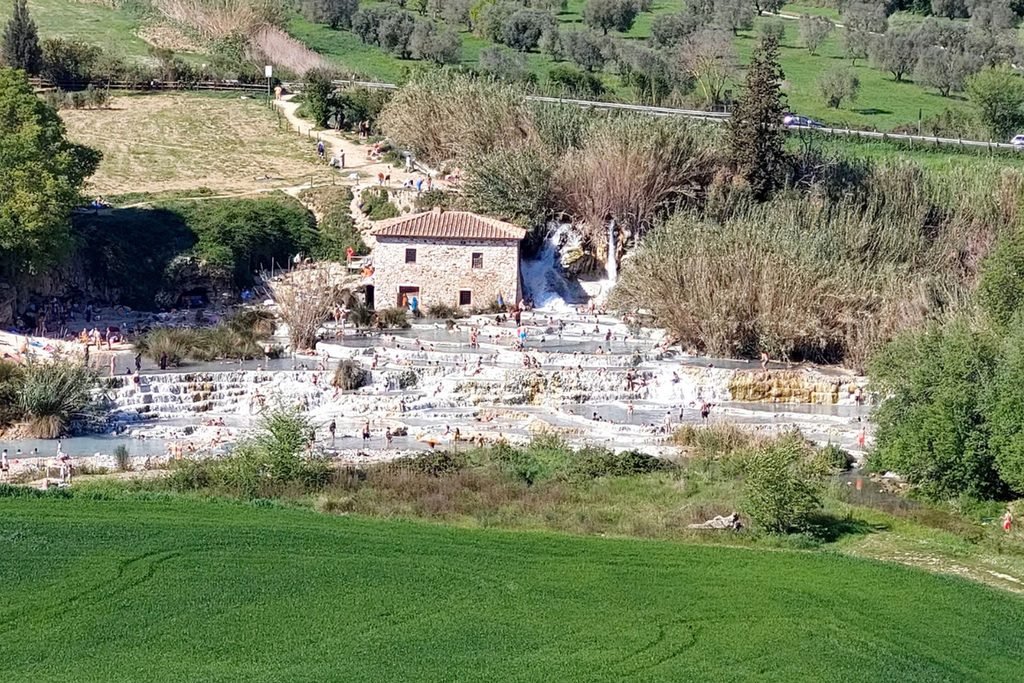
Beyond its medieval villages, vineyards and historic cities, Tuscany is also home to natural thermal springs, where mineral-rich warm water flows through beautiful countryside settings. Some have been developed into luxurious spa resorts, while others remain natural pools and waterfalls that visitors can enjoy.
During our travels, we visited Saturnia’s famous Cascate del Mulino, where warm thermal water cascades over beautiful limestone terraces, forming a series of natural pools. Surrounded by the Tuscan countryside, it’s a wonderful place to relax and experience something quite different from the region’s historic towns and busy attractions.
Other Popular Hot Springs in Tuscany
- Bagno Vignoni: A picturesque medieval village known for its large historic thermal pool in the main square, which is for viewing rather than swimming.
- Bagni San Filippo: Famous for its natural thermal streams and distinctive white limestone formations surrounded by woodland.
- Rapolano Terme: A popular destination for thermal spa facilities and mineral-rich bathing pools.
- Petriolo Hot Springs: Natural thermal waters beside the Farma River, offering a more rustic bathing experience.
Our tip: If you’re planning to visit Tuscany’s natural hot springs, check access conditions beforehand. Some locations are free to visit, while others charge admission. At Saturnia, there is designated parking available for a small fee, followed by a short walk to the natural pools. Bring suitable footwear, a towel and a change of clothes.
Whether you’re looking for a relaxing spa experience or the chance to soak in warm water surrounded by nature, Tuscany’s thermal springs offer a lovely change of pace from sightseeing and exploring historic towns.
How Many Days Do You Need in Tuscany?
Tuscany is a region where you could easily spend weeks exploring, but how long you need depends on what you want to experience. With historic cities, medieval villages, vineyards, natural hot springs and beautiful countryside spread across the region, it’s worth allowing enough time to enjoy more than just the famous landmarks.
Whether you’re planning a quick visit or a longer stay, there are plenty of ways to experience Tuscany without following a strict itinerary.
Visiting Tuscany for 1–2 Days
If you only have a day or two, we highly recommend joining an organised tour, particularly one that visits several of Tuscany’s most popular destinations.
Many tours departing from Florence cover a surprising amount of ground, taking visitors to places such as Siena, San Gimignano, Pisa or the Chianti wine region. It’s a convenient way to see some of the highlights without spending your limited time organising transport between towns.
You won’t get to explore everywhere in depth, but it’s a wonderful introduction to the region.
Spending 3–4 Days in Tuscany
With three or four days, you can begin to explore at a more relaxed pace, combining historic cities, smaller villages and countryside experiences.
Consider choosing one or two main destinations each day, leaving time to wander through historic streets, enjoy a leisurely lunch or visit a local winery.
This is also a good opportunity to experience some of Tuscany’s smaller towns rather than concentrating entirely on Florence and Pisa.
Spending 5 Days or More in Tuscany
We recommend allowing at least five days in Tuscany, particularly if you want to explore beyond the major cities.
Our preferred approach is to choose one comfortable base and venture out on day trips, rather than constantly packing up and moving between accommodation.
During our travels, staying in Spina worked beautifully for us. We could explore different towns and countryside destinations during the day, then return to our accommodation each evening.
Five days gives you time to enjoy a lovely mixture of experiences, including:
- Historic cities: Discover Florence, Siena or Pisa.
- Medieval villages: Explore Montepulciano, San Gimignano and other charming hilltop towns.
- Food and wine: Visit a local winery, enjoy regional dishes or join a food experience.
- Countryside: Take time to appreciate Tuscany’s vineyards, olive groves and beautiful landscapes.
- Relaxation: Include a visit to natural hot springs or simply enjoy a slower day.
Our tip: Don’t try to squeeze too many destinations into each day. Some of Tuscany’s most memorable experiences come from slowing down, exploring at your own pace and allowing time for unexpected discoveries.
For us, having one base and the freedom to explore each day was a wonderful way to experience Tuscany, and it’s an approach we’d happily recommend to other travellers.
Best Time to Visit Tuscany
Tuscany is a beautiful destination throughout the year, but spring and autumn are generally considered the best times to visit, offering pleasant temperatures, colourful landscapes and fewer visitors than the busy summer months.
We visited in April, just after Easter, and found the timing absolutely perfect. The weather was comfortable for exploring, the countryside was beautiful, and everywhere we visited felt manageable without the overwhelming crowds of peak summer. It was an ideal time to wander through historic towns, visit wineries and enjoy the region at our own pace.
Spring: March to May
Spring is one of the loveliest times to explore Tuscany, as the countryside comes alive with green hills, wildflowers and blossoming trees.
- Weather: Generally mild, although March can be cool and occasional rain is possible.
- Crowds: Usually quieter than summer, apart from Easter and other public holidays.
- Best for: Sightseeing, countryside exploring, walking and visiting historic towns.
Summer: June to August
Summer brings long sunny days, lively towns and plenty of outdoor activities, but it is also Tuscany’s hottest and busiest season.
- Weather: Hot and sunny, with temperatures often exceeding 30°C in July and August.
- Crowds: Popular destinations such as Florence, Pisa and Siena can become extremely busy.
- Best for: Outdoor dining, festivals, countryside stays and enjoying long summer evenings.
Autumn: September to November
Autumn is another wonderful time to visit, particularly for travellers interested in wine, food and Tuscany’s harvest traditions.
- Weather: September is often warm, with cooler temperatures arriving through October and November.
- Crowds: Generally fewer visitors than summer, although popular wine regions can remain busy during harvest.
- Best for: Wine tastings, vineyard visits, food festivals and exploring the countryside.
Winter: December to February
Winter offers a quieter side of Tuscany, with fewer tourists, cooler temperatures and a more relaxed atmosphere in many towns.
- Weather: Cold mornings and evenings, with occasional frost and snow in higher areas.
- Crowds: Generally quieter, although Christmas and New Year can attract visitors.
- Best for: Museums, historic cities, traditional Tuscan food and cosy countryside accommodation.
Our tip: If you have flexibility with your travel dates, consider visiting in April, May, September or October. These months often provide a lovely balance of comfortable weather and manageable visitor numbers. We particularly enjoyed April after the Easter holidays and would happily choose that time of year again.
Practical Tips for Visiting Tuscany

A little planning can make exploring Tuscany much easier, particularly if you’re visiting popular cities, travelling during peak season or hoping to discover some of the smaller countryside villages. While Tuscany is a wonderful region to explore at your own pace, knowing a few practical details beforehand can save time, money and unnecessary frustration.
Here are some useful tips to help you make the most of your visit.
Book Popular Attractions in Advance
Some of Tuscany’s most famous attractions can have long queues, particularly during summer and public holidays.
- Florence: Book ahead for popular attractions such as the Uffizi Gallery and Accademia Gallery, home to Michelangelo’s David.
- Pisa: Reserve a timed ticket if you plan to climb the Leaning Tower.
- Siena: Check opening times and ticket arrangements for Siena Cathedral and other historic attractions.
- Winery tours: Smaller wineries may require reservations, particularly for guided tastings and food experiences.
Our tip: If there’s an attraction you particularly want to visit, secure your ticket before travelling rather than hoping for availability on the day.
Parking and Restricted Traffic Zones
If you’re exploring Tuscany by car, one of the most important things to understand is Italy’s Zona a Traffico Limitato (ZTL) system.
These restricted traffic zones are common in historic city centres, and entering without authorisation can result in a fine.
- Look for ZTL signs: Restrictions may apply at certain times or throughout the day.
- Use designated parking areas: Many hilltop towns have public parking outside their historic centres.
- Check parking fees: Charges and payment methods vary between towns.
- Allow extra time: Popular destinations can become busy, particularly during peak season.
- Check your navigation route: Don’t assume your GPS will automatically avoid restricted areas.
We found parking outside Montepulciano and reasonably close to Pisa’s historic centre, although we could certainly imagine how challenging some locations might become during the busier months.
Choosing Accommodation
Tuscany offers everything from city hotels and countryside villas to traditional farm stays, apartments and vineyard accommodation.
- Staying in Florence: Convenient for visitors relying on trains, buses and organised tours.
- Staying in smaller towns: Ideal for enjoying historic surroundings and a quieter atmosphere.
- Countryside accommodation: A wonderful option for travellers with a car who want to explore different destinations.
- Parking availability: Check whether your accommodation provides parking, particularly in historic centres.
- Location: Consider travel distances before booking, as Tuscany’s attractions are spread across a large region.
Our tip: If you’re planning several day trips, choosing one comfortable base can save the hassle of constantly packing and moving between accommodation.
Allow Time Between Destinations
Although some towns may look close together on a map, Tuscany’s winding countryside roads, hilltop locations and busy historic centres can make journeys longer than expected.
Avoid planning too many stops in one day, particularly if you want time to explore, enjoy a leisurely meal or visit a local winery.
If travelling by public transport, check connections and return schedules carefully, especially for smaller towns with limited services.
A Few More Things Worth Knowing
- Comfortable footwear: Many historic towns have cobbled streets, steep lanes and plenty of steps.
- Restaurant hours: Some smaller restaurants close between lunch and dinner, so check opening times.
- Public holidays: Attractions, shops and transport services may operate on different schedules.
- Carry some cash: Cards are widely accepted, but cash can still be useful for small purchases and parking.
- Dress appropriately: Churches and religious sites may require shoulders and knees to be covered.
- Stay hydrated: Summer temperatures can be high, particularly when exploring cities on foot.
- Check seasonal opening times: Smaller attractions, wineries and restaurants may have reduced hours outside peak season.
Our tip: Leave some flexibility in your plans. Tuscany is full of beautiful little towns, local food shops, countryside viewpoints and unexpected places worth stopping for. Sometimes the most memorable experiences are the ones you didn’t plan.
With a little preparation and a willingness to slow down, exploring Tuscany can be just as enjoyable as the destinations themselves.
Final Thoughts on Planning a Journey Through Tuscany
Tuscany was one of those places that left us with wonderful memories and a real appreciation for the Italian way of life. There was something special about the atmosphere, the warmth of the smaller towns and the simple pleasure of enjoying each day without feeling rushed.
Looking back, it wasn’t just the famous sights that made our time here memorable. It was the unexpected discoveries, delicious local flavours and little moments along the way that made Tuscany such a rewarding place to explore.
Whether it’s your first visit or somewhere you’re returning to, we hope our experiences inspire you to discover Tuscany in your own way and create some unforgettable memories of your own.
Looking for more inspiration for your Tuscany adventure? Explore our guide to the Best Things to Do in Tuscany, where we share memorable experiences, local attractions and wonderful ways to discover more of this beautiful region.
“The most beautiful journeys aren’t always about how far you travel, but the moments that make you wish you could stay a little longer.”
🌍 Travel Planning Resources
These are the tools we personally use and trust when planning our travels from finding a place to stay to booking activities, transport and insurance. Let your “Tohu” guide you “Trust the Journey” and follow what feels right for you.
- ✈️Flights – Compare great deals with Trip.com then Kiwi.com for flexible, affordable options.
- 🚐 Campervans – Compare rental deals with Motorhome Republic across Aotearoa and beyond.
- 🛏️ Stays – Compare hotels on Trip.com and TripAdvisor or Booking.com.
- 🚐 Rental Cars – Compare prices and book through Airport Rentals by Motorhome Republic for trusted brands and easy airport pickup.
- 🎟️ Activities – Browse tours and experiences on Viator, Get Your Guide, or TripAdvisor
- 🚆12Go Asia – Compare and book trains, buses, and ferries across Asia in one place with 12Go.
- 🛡️ Travel Insurance – Get flexible short-term coverage with Insubuy for your next holiday.
- 💳 Travel Money – Send, spend and manage money internationally with Wise, with easy currency conversion and a handy option for travellers.
- 🔒 Protect Your Privacy with a VPN – We recommend Surfshark VPN for secure and private browsing while travelling. It’s fast, affordable and works worldwide, perfect for public Wi-Fi at airports, cafes and hotels.
- 📱 Travel eSIM – Stay connected with Airalo
- 💼 Lounge Access – Treat yourself with Priority Pass for UK or US
- 🎶 Events & Concerts – Book tickets worldwide through Ticketmaster.
🧭 Note: Some booking links can be a bit shy when you’re using a VPN. If one doesn’t open, try pausing your VPN or switching to a different server location or secure Wi-Fi network to get things flowing again.