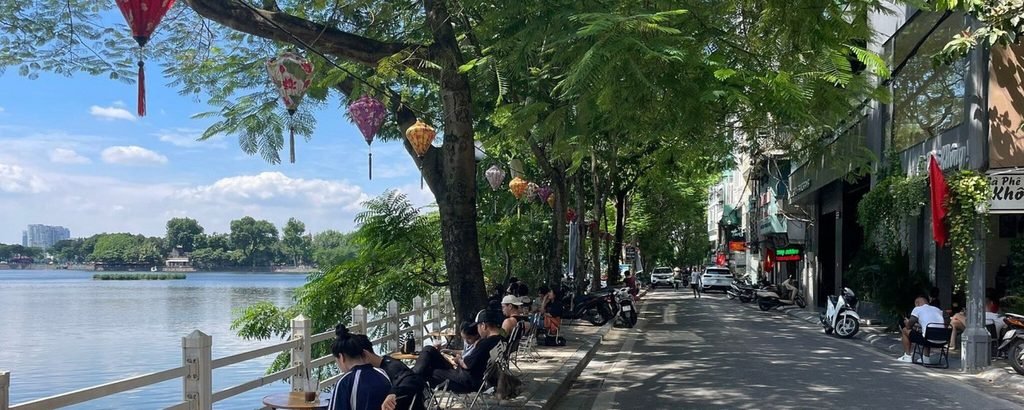
Hanoi is a city where historic streets, beautiful lakes, traditional markets and modern life come together in a wonderfully chaotic way. Vietnam’s capital is known for its Old Quarter, incredible street food and rich cultural heritage, but it is also a place where everyday life is just as fascinating as the major attractions. From watching the world go by beside Hoan Kiem Lake to discovering a tiny family-run eatery, Hanoi offers plenty of opportunities to experience the city beyond its famous landmarks.
Why Visit Hanoi?
Hanoi is a wonderful starting point for exploring northern Vietnam, with history, culture, food and memorable day trips all within easy reach. You can wander through the Old Quarter, visit temples and museums, enjoy a traditional Vietnamese coffee or take a trip into the countryside to discover the limestone landscapes of Ninh Binh. Ha Long Bay is another popular destination from Hanoi, making the capital a convenient base for travellers wanting to experience both the city and some of northern Vietnam’s most beautiful scenery.
Our Hanoi Experience
Hanoi was our first stop in Vietnam, and it certainly gave us a culture shock. We arrived in the heat and humidity, surrounded by what seemed like an endless stream of motorbikes, and it took us a few days to find our feet. Staying in the Old Quarter meant we were right in the middle of everything, which was exciting but also a little overwhelming at first. As we settled in, we began to enjoy the city’s energy, discover wonderful food and appreciate the everyday life happening around us. Our food tour, a memorable day trip to Ninh Binh and some excellent little eateries became highlights of our stay, while massages and evening walks around Hoan Kiem Lake gave us a chance to slow down between busy sightseeing days. Hanoi may have taken us a little time to adjust to, but it became a fascinating introduction to Vietnam and a city we would happily explore again.
Table of Contents
Best Things to Do in Hanoi
Hanoi has plenty to keep you busy, from historic landmarks and traditional markets to food tours and quiet moments beside the lake. We found that some of our favourite experiences were simply wandering, eating and watching everyday life unfold, although there are several attractions worth including in your itinerary.
1. Explore Hanoi’s Old Quarter
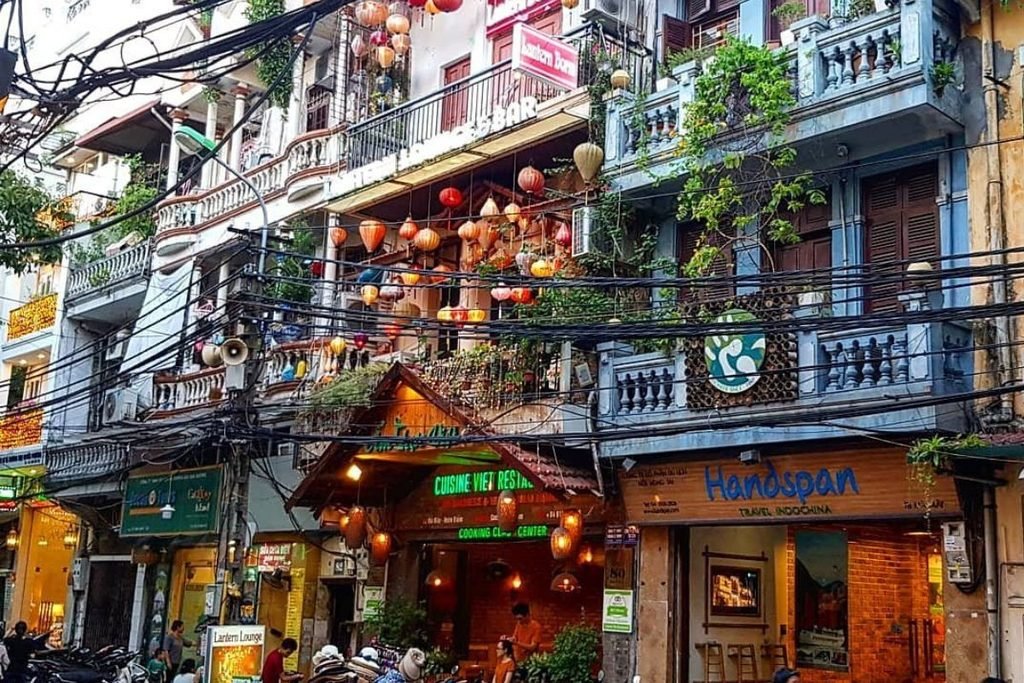
The Old Quarter is the heart of Hanoi and one of the most fascinating places to explore. Its narrow streets are filled with traditional shophouses, small eateries, markets, cafés and an almost endless flow of motorbikes. It can feel overwhelming at first, but there is always something interesting happening around you.
We stayed in the centre, which meant we could walk to many of the places we wanted to visit. One of the things that fascinated us most was watching families cooking and eating on the footpaths, with everyday life spilling out onto the streets. We were told that many of the older homes accommodate several families, with limited space indoors, which gave us a different perspective on how people live in this busy part of the city.
- Why visit: Experience Hanoi’s everyday life, discover local eateries and explore its historic streets.
- Good to know: Footpaths are often obstructed, so take care when walking and crossing roads.
- Allow: A few hours, although you will probably find yourself returning throughout your stay.
2. Enjoy Hoan Kiem Lake
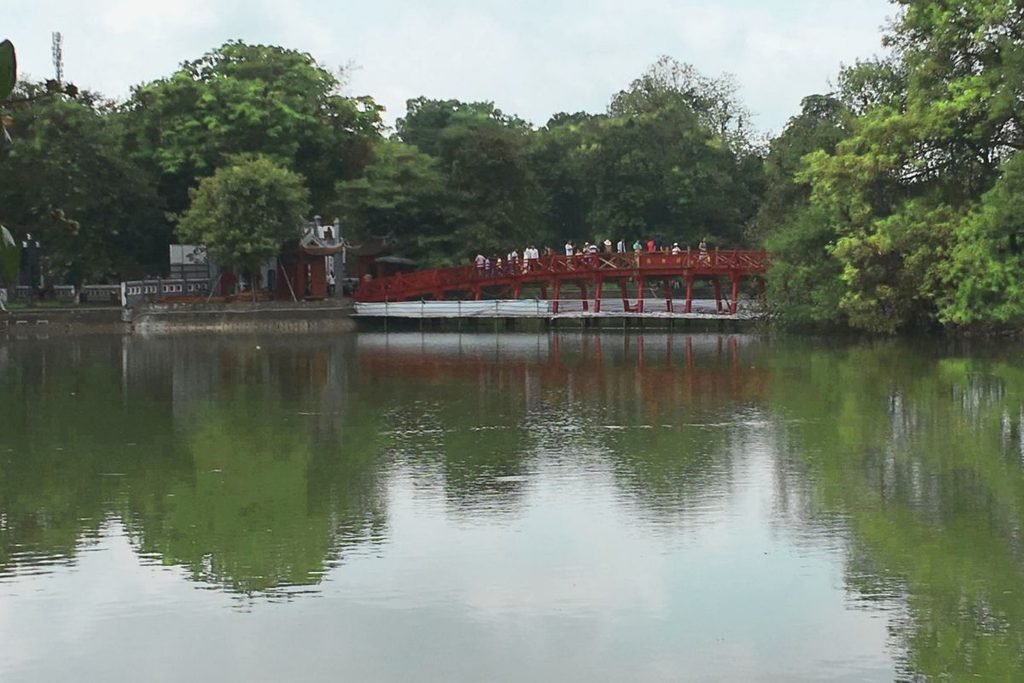
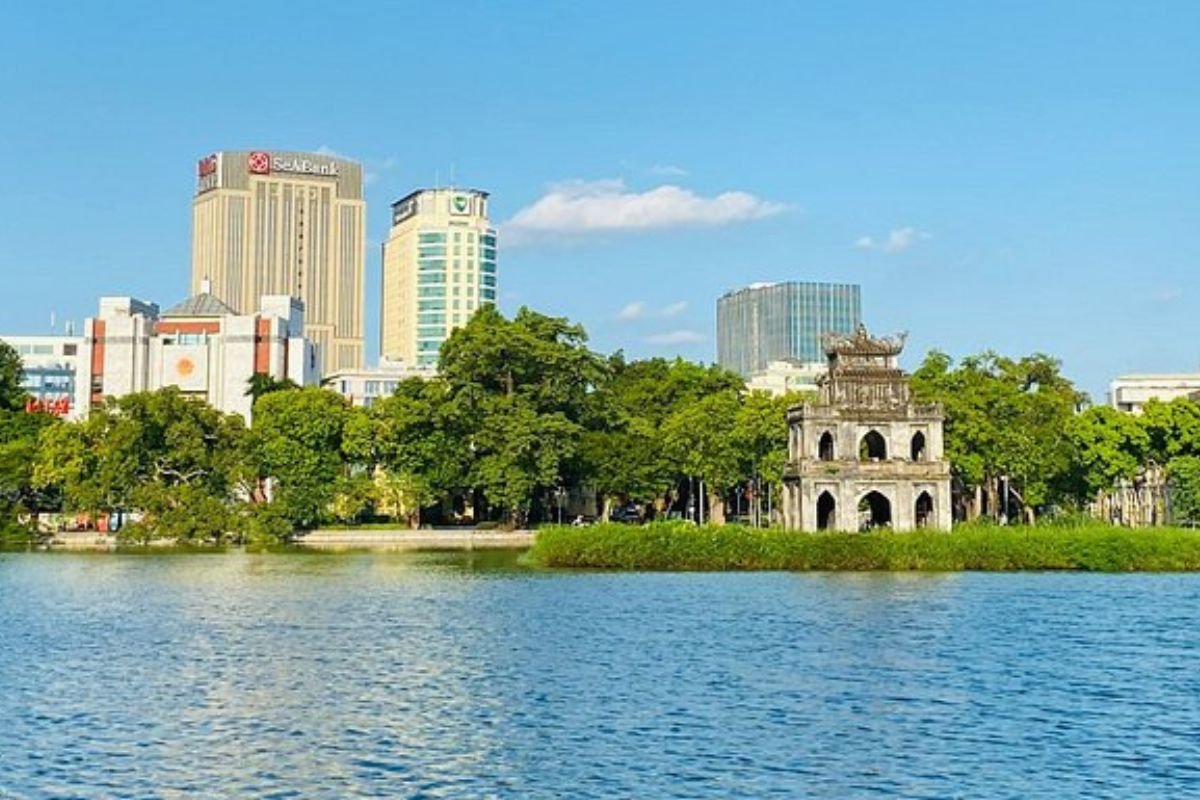
Hoan Kiem Lake offers a welcome change of pace from the surrounding streets. Located beside the Old Quarter, it is a popular place for locals and visitors to walk, relax and enjoy the atmosphere.
We particularly enjoyed spending time around the lake in the evening, when the temperature was a little more comfortable and the area came alive with people out enjoying themselves. It was a lovely place to slow down after a busy day of sightseeing.
- Why visit: A pleasant lakeside walk and a chance to enjoy a quieter side of Hanoi.
- Good to know: Ngoc Son Temple sits on an island in the lake and can be reached by the distinctive red bridge.
- Allow: Around 1–2 hours, or longer if you want to visit the temple and nearby cafés.
3. Visit Hanoi Train Street
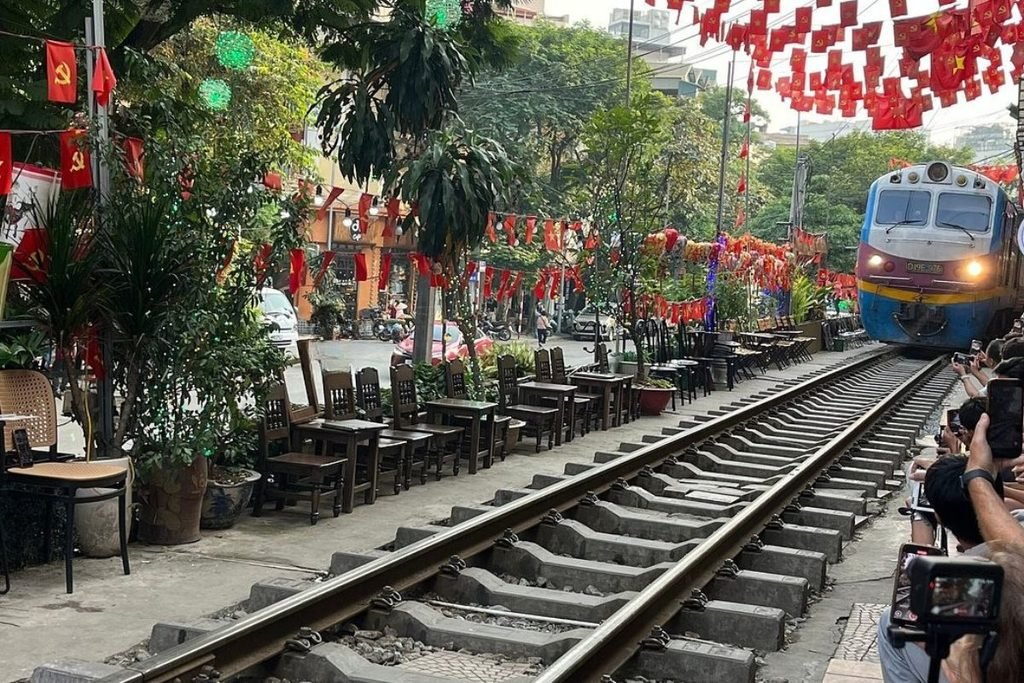
Hanoi Train Street is one of the city’s most unusual attractions, where a railway line passes through a narrow residential area with cafés and buildings close to the tracks.
We visited during our stay, but unfortunately our timing was wrong and we did not get to see a train pass through. It was still interesting to see the area, although the train itself is obviously the main attraction for many visitors.
- Why visit: A unique glimpse of Hanoi’s railway and urban landscape.
- Good to know: Access restrictions and train schedules can change. Follow local instructions, stay behind safety barriers and never enter the tracks for photographs.
- Allow: Around 1 hour, depending on access and whether you are waiting for a train.
4. Join a Hanoi Food Tour
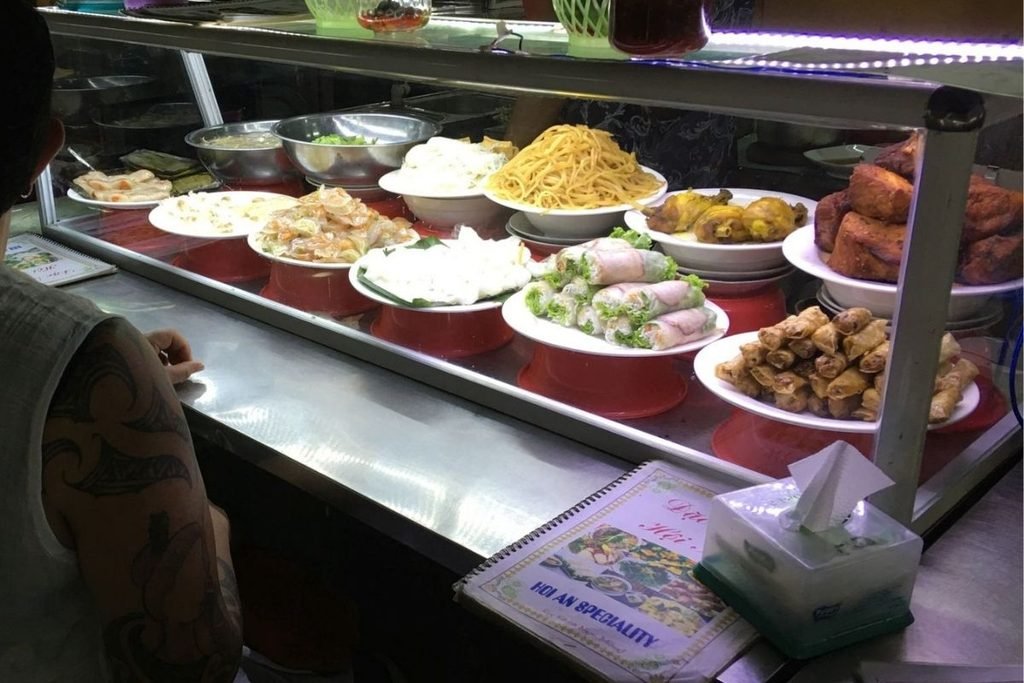
Our Hanoi food tour was one of the highlights of our time in the city. Our guide took us through local markets and introduced us to traditional dishes and small eateries we would probably never have discovered on our own.
It was also a wonderful way to learn more about Vietnamese food culture and become a little more adventurous with what we ordered. We tried a variety of dishes, although we did draw the line at an egg containing a developing chick! The tour gave us plenty of ideas for where and what to eat during the rest of our stay.
- Why visit: Discover local dishes, markets and eateries with someone who knows the city.
- Good to know: Book early in your stay so you can return to places you enjoy. Mention any dietary requirements or foods you prefer not to try.
- Allow: Around 3–4 hours, depending on the tour.
5. Visit the Ho Chi Minh Mausoleum
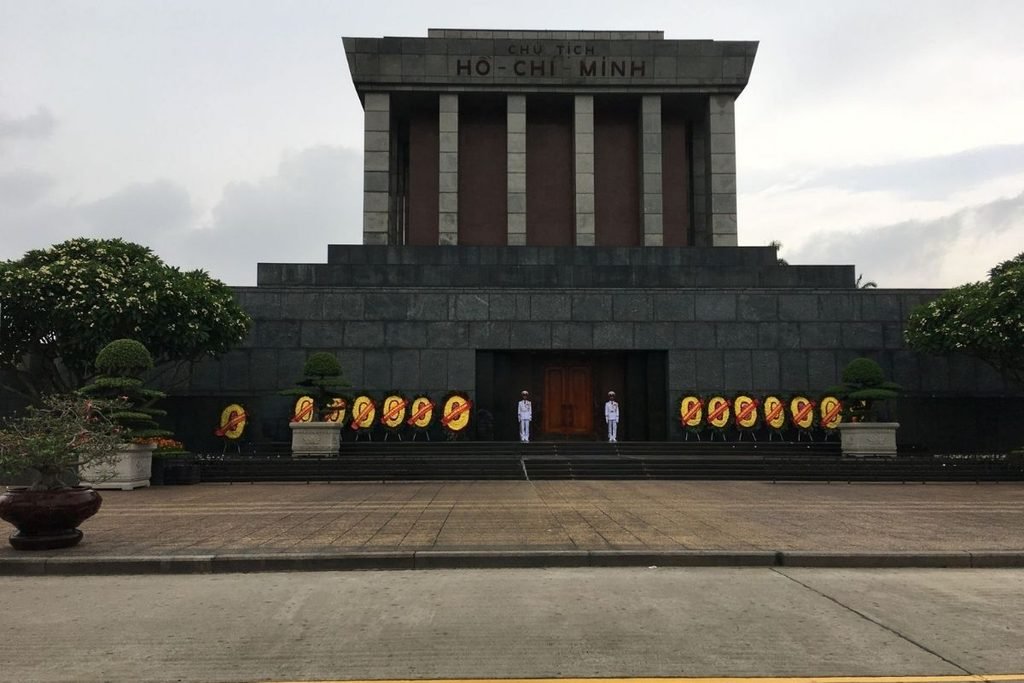
The Ho Chi Minh Mausoleum is one of Hanoi’s most significant historical landmarks and an important place for visitors interested in Vietnam’s modern history. Located in Ba Dinh Square, it is the resting place of Ho Chi Minh, who played a central role in the country’s independence.
The surrounding area also includes several other historical attractions, making it a worthwhile place to spend some time if you enjoy learning about the country’s past.
- Why visit: Learn more about Vietnam’s modern history and explore the surrounding historical area.
- Good to know: Dress respectfully and check current opening days, visiting hours and entry requirements before going.
- Allow: Around 1–2 hours, depending on which nearby attractions you include.
6. Try Hanoi’s Famous Egg Coffee
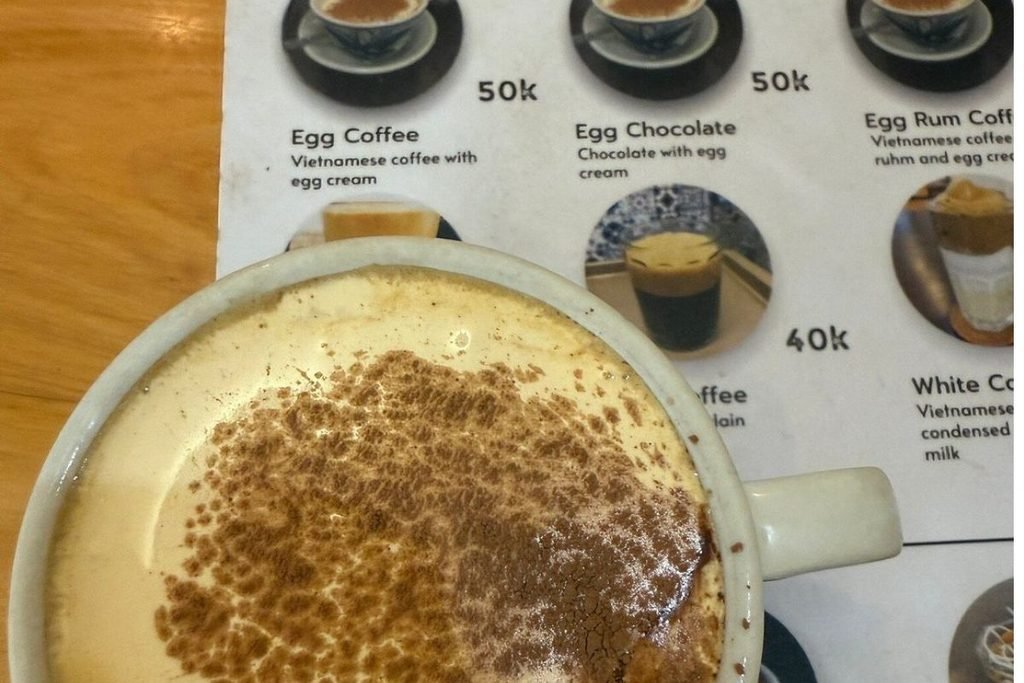
Vietnamese coffee is an experience in itself, and Hanoi is particularly well known for cà phê trứng, or egg coffee. Made with coffee and a rich, creamy egg mixture, it is a little different from your usual morning brew.
We visited Giang Cafe, one of Hanoi’s best-known places for egg coffee, and loved the experience. The tiny chairs, busy little café and beautifully made coffee made it a memorable stop. It was one of those simple experiences that stayed with us long after the trip.
- Why visit: Try one of Hanoi’s most famous coffee specialities.
- Good to know: Egg coffee is rich and sweet, so it is worth trying even if you do not usually drink your coffee that way.
- Allow: Around 30–60 minutes.
7. Make Time for a Little Pampering
After long days exploring in the heat, we quickly discovered that a massage or beauty treatment was a wonderful way to finish the day. Hanoi has plenty of spas and small beauty salons offering massages, foot treatments, manicures and pedicures.
We enjoyed these little breaks so much that we found ourselves going almost daily when time allowed. It was an affordable treat during our visit and gave us a chance to relax before heading out for dinner.
- Why visit: A relaxing break from sightseeing and busy city streets.
- Good to know: Check prices and treatment details before booking, and choose a reputable salon with good hygiene standards.
- Allow: Anywhere from 30 minutes to a few hours.
Tohu Tip: Hanoi is a city that rewards a little patience. We found it quite overwhelming during our first few days, but once we stopped trying to rush everywhere and allowed time for food, coffee and a few quiet moments, we began to enjoy it much more. You do not need to fill every hour with attractions to have a memorable stay.
Our Ninh Binh Day Trip from Hanoi
One of the highlights of our time in northern Vietnam was a full-day tour to Ninh Binh, a region known for its limestone mountains, peaceful waterways, rice fields and historic temples. After the busy streets of Hanoi, it was wonderful to get out into the countryside and experience a completely different side of Vietnam.
Our tour included Trang An, Hoa Lu Ancient Capital and Mua Caves, along with a Vietnamese buffet lunch and the use of bicycles. It was a long day with plenty packed in, but we thoroughly enjoyed the variety of experiences.
Exploring Trang An by Boat
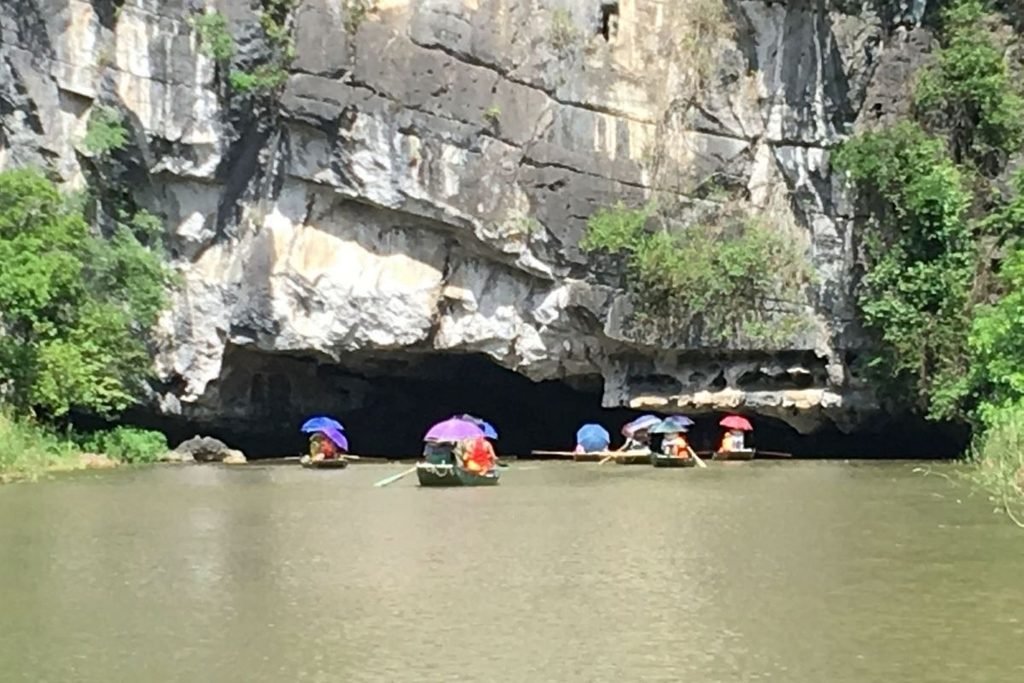
Trang An was one of the most memorable parts of the day. We travelled by small boat through a beautiful landscape of towering limestone cliffs, calm waterways and lush greenery, with the scenery changing around every bend.
The boat journey took us through caves and between the mountains, offering a peaceful contrast to the noise and traffic we had become accustomed to in Hanoi. It was one of those experiences where we were happy to sit back, take in the surroundings and let someone else do the navigating.
- Why visit: Spectacular limestone scenery and a relaxing way to experience Ninh Binh’s waterways.
- Good to know: Boat trips can take several hours, so bring water, sun protection and a hat. Check whether your tour includes Trang An or Tam Coc, as itineraries vary. And don’t think you will escape the vendors just because you are on a tranquil river! We had boats pull alongside us, with people practically throwing goods into our boat and asking for payment. Don’t be shy about politely handing unwanted items back and saying no. Just when we thought we had reached a peaceful spot to get off the boat and explore the caves, we were greeted by a wall of vendors. We understand that tourism supports the local economy, but after a few days of being approached everywhere, it can become a little repetitive.
Hoa Lu Ancient Capital
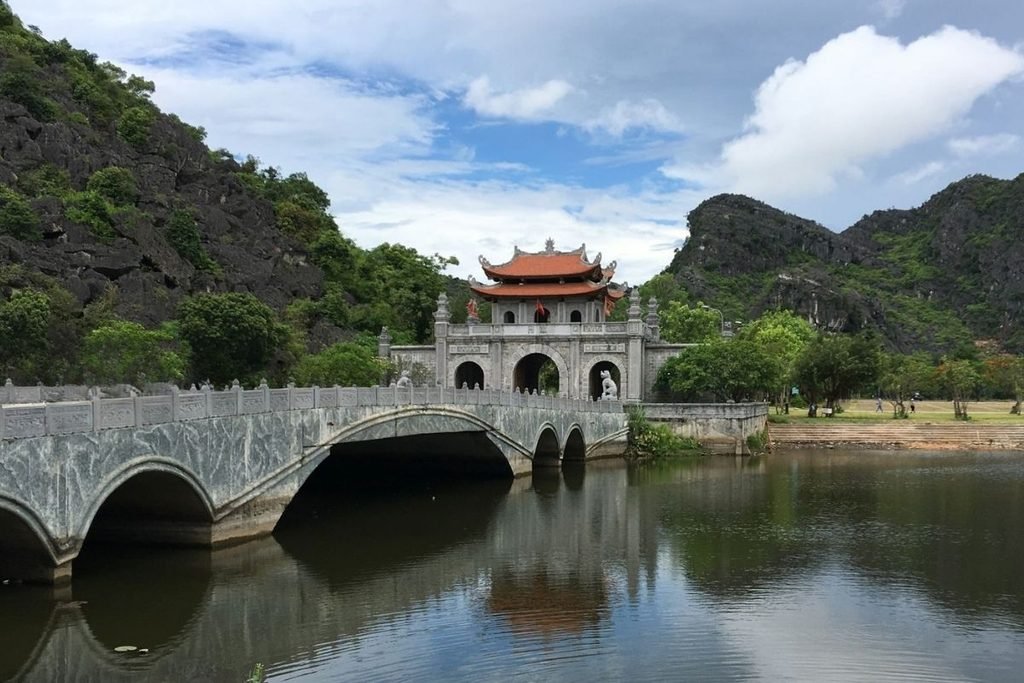
Our tour also included Hoa Lu, Vietnam’s ancient capital during the 10th and 11th centuries. The area is surrounded by limestone mountains and is home to historic temples associated with the Dinh and Early Le dynasties.
It was an interesting opportunity to learn more about Vietnam’s early history while enjoying the quieter countryside. The combination of temples, mountains and traditional architecture made it a worthwhile stop during our day.
- Why visit: History, traditional temples and beautiful mountain surroundings.
- Good to know: Dress respectfully when visiting temples and allow time to explore the grounds.
Mua Caves and the Viewpoint
Mua Caves is one of Ninh Binh’s best-known attractions, particularly for the viewpoint overlooking the surrounding countryside. The climb involves a long, steep staircase, but the views from the top are among the most photographed in the region.
With the heat and humidity, this is definitely an activity to approach at your own pace. The scenery is the reward, but there is no need to rush the climb.
- Why visit: Panoramic views across limestone mountains, waterways and rice fields.
- Good to know: The staircase is steep and uneven in places. Wear suitable shoes, carry water and take care in hot or wet conditions.
- Difficulty: Challenging, particularly in the heat.
A Taste of the Countryside
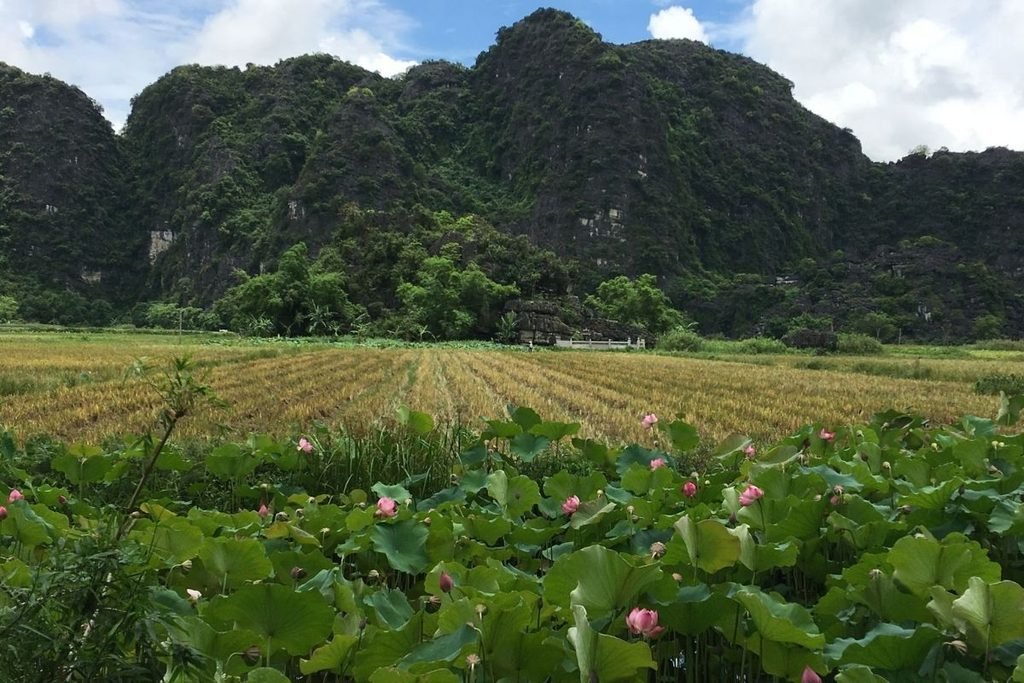
One of the things we appreciated about the tour was the opportunity to see more of rural Vietnam between the main attractions. The journey took us past rice fields, small villages and limestone landscapes, giving us a glimpse of life beyond the capital.
Our tour also included a Vietnamese buffet lunch and bicycles, adding to the variety of the day. It was a lovely way to experience several different aspects of Ninh Binh without having to organise each stop ourselves.
Is Ninh Binh Worth Visiting from Hanoi?
For us, absolutely. Ninh Binh offered a wonderful contrast to Hanoi and was one of the most enjoyable days of our northern Vietnam journey. The scenery was beautiful, the activities were varied and the tour made it easy to experience several attractions in one day.
- Best for: Nature, history, boat trips and countryside scenery.
- Allow: A full day from Hanoi, or 2–3 days if you would prefer to explore at a slower pace.
- Getting there: Ninh Binh is approximately two to three hours from Hanoi by road, depending on traffic and your destination.
- Booking: A guided day tour is convenient if you have limited time, while an overnight stay allows more flexibility.
Tohu Tip: If you have the time, consider staying a night or two in Ninh Binh rather than visiting only on a day trip. We loved our day tour, but it was a full day, and staying longer would give you the opportunity to enjoy the scenery and smaller villages at a more relaxed pace.
Where to Stay in Hanoi
Choosing where to stay in Hanoi can make a big difference to your experience, particularly if it is your first visit. The city has accommodation ranging from small guesthouses and boutique hotels to larger international properties, but location is just as important as the hotel itself.
We stayed in the Old Quarter, which put us within walking distance of many of the places we wanted to explore. It was convenient for food, shopping and sightseeing, although the busy streets and constant traffic took a little getting used to.
Old Quarter
The Old Quarter is one of the most popular areas for first-time visitors and a great choice if you want to be close to Hanoi’s historic streets, markets and food scene. There are plenty of small hotels, guesthouses and boutique properties tucked among the narrow streets.
We enjoyed being able to step outside and immediately find somewhere to eat, have a coffee or simply wander. The convenience was excellent, but it is worth remembering that the area can be noisy and busy, particularly around the main shopping and nightlife streets.
- Best for: First-time visitors, food lovers and travellers who enjoy being in the middle of the action.
- Good to know: Look for accommodation on a quieter side street if you prefer a peaceful night. Check recent reviews for noise, lift access and room size.
- Getting around: Many attractions are walkable, with taxis or Grab useful for longer journeys.
Hoan Kiem Lake and the French Quarter
The area around Hoan Kiem Lake and the French Quarter offers a slightly different atmosphere, with wider streets in places, historic buildings, cafés and a mix of boutique and larger hotels.
Staying near the lake can be particularly appealing if you enjoy morning or evening walks and easy access to the Old Quarter without necessarily being right in the middle of its busiest streets.
- Best for: Couples, first-time visitors and travellers wanting a balance of convenience and a slightly calmer atmosphere.
- Good to know: Accommodation close to the lake can be more expensive, and traffic noise still varies considerably between streets.
- Getting around: Easy access to the Old Quarter, lakefront attractions and taxis for destinations farther away.
Ba Dinh
Ba Dinh is Hanoi’s historic and government district, home to several important landmarks, including the Ho Chi Minh Mausoleum and Presidential Palace. It is a more spread-out area than the Old Quarter, with a mix of hotels, residential streets and cultural attractions.
It can suit travellers who prefer to stay away from the busiest tourist streets while still having access to Hanoi’s main sights.
- Best for: History lovers and travellers who prefer a quieter base.
- Good to know: You may need taxis or Grab more often, particularly when heading to the Old Quarter for food and evening activities.
- Getting around: Convenient for nearby historical attractions, with transport useful for exploring other parts of the city.
Tay Ho and West Lake
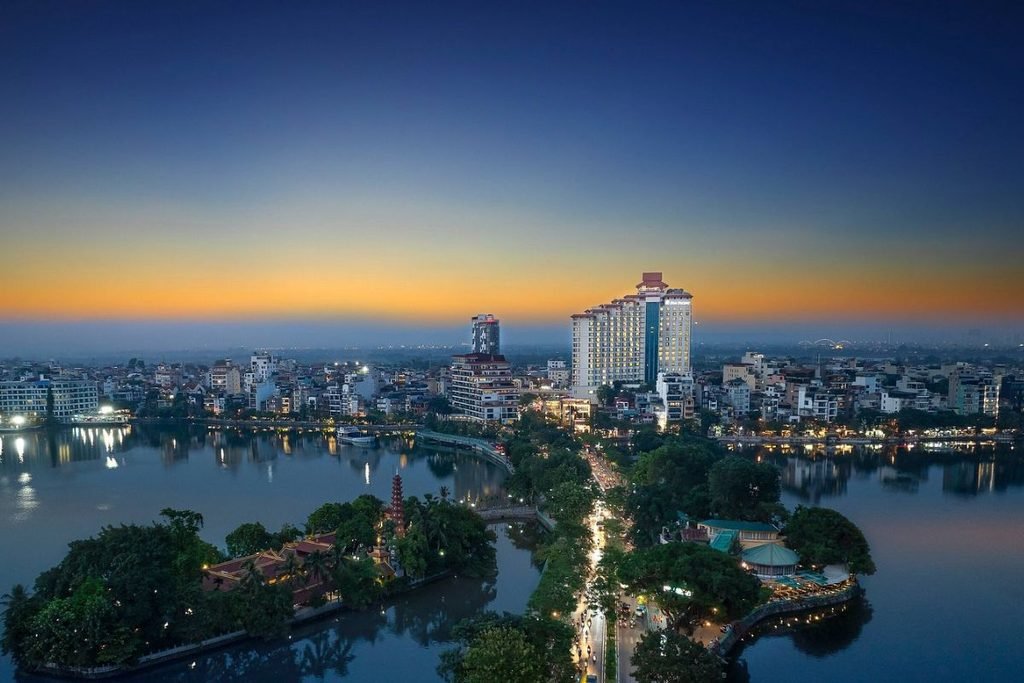
Tay Ho, the district surrounding West Lake, is known for its lakeside setting, cafés, restaurants and more residential atmosphere. It is popular with longer-stay visitors and travellers who prefer a little more space away from the busiest parts of central Hanoi.
While we did not stay here, it is worth considering if you have already explored the Old Quarter or would prefer a more relaxed base with lakeside walks and dining options.
- Best for: Longer stays, couples and travellers seeking a quieter atmosphere.
- Good to know: It is farther from many of the main tourist attractions, so allow extra time and transport costs.
- Getting around: Taxis and Grab are useful for reaching the Old Quarter and other central attractions.
Our Recommendation
For a first visit, we would happily stay in the Old Quarter again, although we would look carefully at the exact street and recent accommodation reviews. Being close to the food, markets and attractions made exploring much easier, especially when we only had a few days in the city.
If you prefer a quieter environment, accommodation near Hoan Kiem Lake or in the French Quarter may offer a good compromise. For a longer stay, Tay Ho is another option worth considering.
Tohu Tip: Hanoi’s streets can be busy, and not every hotel has a lift or easy vehicle access. If you have mobility concerns, heavy luggage or simply prefer a quieter room, check these details before booking rather than relying only on the hotel’s location or star rating.
Getting Around Hanoi
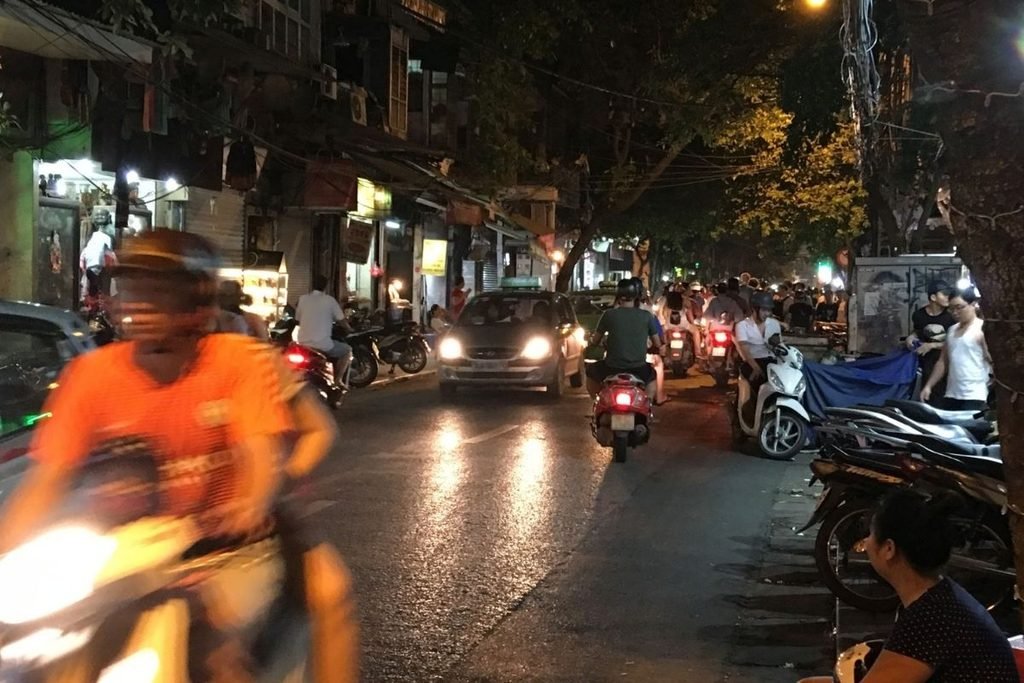
Getting around Hanoi can be an adventure in itself, particularly when you first arrive. The city is busy, the traffic can feel overwhelming and footpaths are not always available for walking. However, once we became familiar with our surroundings, we found it relatively easy to explore using a combination of walking, taxis and organised tours.
Walking Around Hanoi
Walking was our favourite way to explore the Old Quarter, as it allowed us to discover small eateries, markets and interesting streets along the way. We also enjoyed walking around Hoan Kiem Lake, particularly in the evening when the temperature was a little more comfortable.
The biggest challenge was the traffic. Footpaths were often occupied by parked motorbikes, cooking areas or people eating, which meant we sometimes had to walk along the edge of the road.
- Best for: Exploring the Old Quarter, Hoan Kiem Lake and nearby attractions.
- Good to know: Wear comfortable shoes, allow extra time and be prepared for uneven or obstructed footpaths.
Crossing the Road
Crossing the road was probably our biggest adjustment in Hanoi. Motorbikes seemed to come from every direction, and at first, we could not understand how anyone managed to get across!
Toni and I eventually made a pact that we would not try to help one another cross. We would say, “See you on the other side,” then each concentrate on getting across safely. It sounds funny now, but it helped us focus rather than worrying about what the other person was doing.
We learned to watch the traffic carefully, use crossings where available and move predictably rather than making sudden changes of direction. Even so, we never assumed vehicles would stop for us.
- Use designated crossings and follow traffic signals where available.
- Watch carefully: Motorbikes may approach from unexpected directions.
- Move predictably: Avoid sudden stops or changes of direction once it is safe to cross.
- Take your time: If you are unsure, wait for a safer opportunity or follow local guidance.
Tohu Tip: Do not feel pressured to cross simply because other people are doing it. Hanoi’s traffic takes some getting used to, and there is nothing wrong with waiting until you feel comfortable.
Taxis and Grab
Taxis and ride-hailing services are useful when travelling farther than you want to walk, particularly in the heat or when heading to attractions outside the Old Quarter.
We found that having transport organised through our tour made longer journeys much easier, while taxis were a practical option for getting around independently.
- Best for: Airport transfers, longer city journeys and avoiding the heat.
- Good to know: Use reputable taxi companies or a ride-hailing app, confirm your destination and check the fare before travelling.
- Tohu Tip: Keep your accommodation address saved on your phone, ideally in Vietnamese, so you can show it to a driver if needed.
Organised Tours and Private Drivers
Organised tours were a convenient way for us to visit attractions outside central Hanoi without having to arrange transport ourselves. Our Ninh Binh day trip, for example, included an air-conditioned vehicle, which was very welcome in the heat.
Private drivers can also be useful if you prefer to explore at your own pace or want to visit several attractions in one day.
- Best for: Day trips, attractions outside the city and travellers who prefer not to navigate independently.
- Good to know: Check what is included in the price, particularly entry fees, meals, pickup locations and any additional stops.
Should You Rent a Scooter in Hanoi?
Scooters are everywhere in Hanoi, but we had no desire to hire one during our stay. The traffic was quite different from anything we had experienced before, and walking or using transport suited us much better.
If you are considering renting a scooter, make sure you have the correct licence, appropriate insurance and experience riding in busy conditions. A rental company being willing to hand over a scooter does not necessarily mean you are legally permitted or insured to ride it.
Our Recommendation: For a first visit, we would choose accommodation within walking distance of the Old Quarter and use taxis or organised transport for longer journeys. It gave us the freedom to explore without adding the stress of navigating Hanoi’s traffic ourselves.
What to Eat in Hanoi
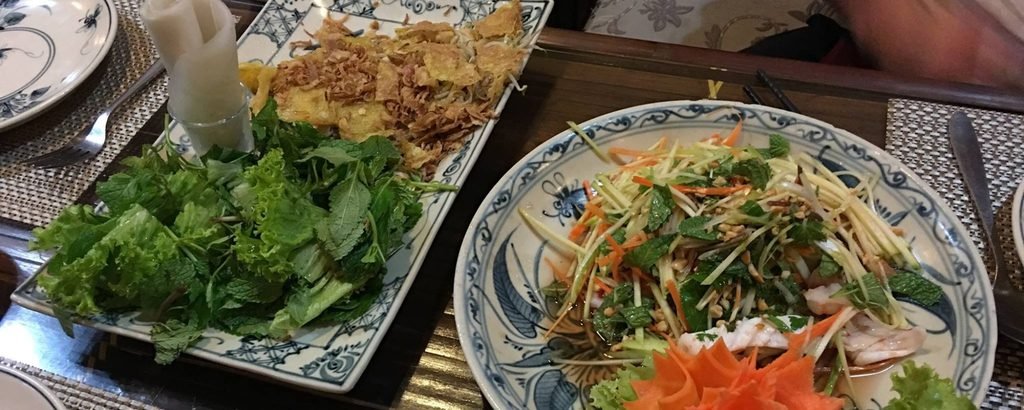
Hanoi was where our love of Vietnamese food really began. We had researched plenty of dishes before leaving home, but our food tour introduced us to small eateries and local flavours we would never have discovered on our own. From fresh herbs and fragrant broths to delicious coffee and simple family-run restaurants, eating became one of the highlights of our stay.
We will cover Vietnamese food in much more detail in our separate food guide, but these are a few of our favourite Hanoi experiences.
Our Hanoi Food Tour
Booking a food tour was one of the best decisions we made. Our guide took us through local markets and introduced us to a variety of traditional dishes, explaining what we were eating and how the food was prepared.
It was also a great way to become more confident about eating in small local eateries. We tried plenty of new things, although we did decline the opportunity to eat an egg containing a developing chick! The tour gave us a much better understanding of Hanoi’s food culture and plenty of ideas for what to order during the rest of our trip.
- Why we loved it: Discovering local eateries, trying unfamiliar dishes and learning from someone who knew the city.
- Our tip: Book a food tour early in your stay so you have time to return to your favourite places.
Blue Butterfly Restaurant
Blue Butterfly became one of our favourite restaurants in Hanoi, and we returned three times for their incredible pomelo salad. It was fresh, full of flavour and one of those dishes we kept thinking about long after we had finished eating.
We enjoyed the food so much that returning became an easy decision whenever we were deciding where to eat. Sometimes you discover a place that just gets everything right for you, and this was one of those restaurants.
- What we loved: The pomelo salad and the opportunity to enjoy another wonderful Vietnamese meal.
- Our tip: If you find a dish you absolutely love, order it again. There is no rule saying you have to try somewhere new every night!
Egg Coffee at Giang Cafe
We had heard about Hanoi’s famous egg coffee before arriving, so trying one was definitely on our list. We visited Giang Cafe, one of the city’s best-known places for this Vietnamese speciality.
The café itself was part of the experience, with its tiny chairs and busy atmosphere. The coffee was beautifully made, rich and creamy, and we thoroughly enjoyed it. It was a simple little stop, but one that has stayed in our memories.
- What to try: Cà phê trứng, or Vietnamese egg coffee.
- Good to know: It is rich and sweet, with a creamy topping made from whipped egg yolk and other ingredients.
- Our tip: Take your time and enjoy the atmosphere rather than treating it as just another coffee stop.
Street Food and Local Eateries
One of the things we enjoyed most about Hanoi was seeing how much everyday life revolves around food. Small eateries, market stalls and pavement dining areas were everywhere, and some of the most interesting places were the ones we might have walked past before taking our food tour.
Vietnamese food quickly became a favourite of ours because it felt fresh, light and full of flavour. We particularly enjoyed the combination of herbs, vegetables, noodles and fragrant broths, and we found ourselves looking forward to every meal.
- Look for: Busy eateries, freshly prepared food and dishes that are popular with locals.
- Good to know: Menus may be limited at smaller eateries, and some places specialise in only a few dishes.
- Our tip: Do not judge an eatery by its size or appearance alone. Some of our favourite meals in Asia have come from the simplest places.
A Few Hanoi Dishes to Try
If you are visiting Hanoi for the first time, these are some of the local specialities worth looking out for:
- Phở: Vietnam’s famous noodle soup, traditionally enjoyed for breakfast but available throughout the day.
- Bún chả: Grilled pork served with rice noodles, herbs and a dipping broth, particularly associated with Hanoi.
- Bánh mì: A Vietnamese baguette filled with a variety of savoury ingredients.
- Gỏi cuốn: Fresh rice-paper rolls filled with herbs, vegetables and other ingredients.
- Cà phê trứng: Hanoi’s rich and creamy egg coffee.
Tohu Tip: We found that food tours were a wonderful way to discover local eateries and become more adventurous with Vietnamese food. If you are unsure where to begin, book one early in your stay, ask questions and make a note of the dishes you enjoy. You may discover a favourite that keeps you coming back, just as we did with Blue Butterfly’s pomelo salad.
Our separate Vietnamese Food Guide will explore the dishes we enjoyed throughout the country, including our favourite food tours and eateries in Hanoi, Hoi An and Ho Chi Minh City.
Best Time to Visit Hanoi

Hanoi can be visited throughout the year, but spring and autumn are generally the most comfortable seasons for sightseeing. Unlike southern Vietnam, the north experiences more noticeable seasonal changes, with cooler winters and hot, humid summers.
We found the heat and humidity particularly demanding during our visit, especially with a busy tour itinerary. If we were planning another trip, we would allow more downtime and choose a time of year when walking around the city was a little more comfortable.
Spring: March to April
Spring is often a lovely time to explore Hanoi, with milder temperatures and generally pleasant conditions for walking, sightseeing and day trips.
- Best for: Exploring the Old Quarter, visiting temples and enjoying outdoor activities.
- Good to know: Rain is still possible, so pack a lightweight jacket or umbrella.
Summer: May to September
Summer brings hotter temperatures, high humidity and increased rainfall. The city remains lively, but sightseeing can be tiring during the hottest parts of the day.
- Best for: Travellers who do not mind the heat and want to experience Hanoi during the warmer months.
- Good to know: Plan outdoor activities for earlier in the day, carry plenty of water and allow time for breaks in air-conditioned cafés or your accommodation.
Autumn: October to November
Autumn is often considered one of the best times to visit Hanoi, with more comfortable temperatures and generally pleasant conditions for exploring.
- Best for: Walking, food tours, sightseeing and day trips to Ninh Binh or Ha Long Bay.
- Good to know: Popular attractions can still be busy, so book accommodation and tours ahead during peak travel periods.
Winter: December to February
Hanoi’s winter is cooler than many travellers expect from Southeast Asia. Temperatures can feel quite chilly, particularly during damp or overcast weather, and some days may be misty.
- Best for: Travellers who prefer cooler weather and do not mind occasional grey days.
- Good to know: Pack a light jacket or warmer layers, especially if you are also travelling to northern mountain regions.
Tohu Tip: If you are planning to combine Hanoi with Ha Long Bay or Ninh Binh, check the weather for each destination rather than relying only on Hanoi’s forecast. Conditions can vary, and a little flexibility can make a big difference to outdoor activities and cruises.
How Long to Spend in Hanoi
For a first visit, we would recommend 3–4 days in Hanoi, with additional time if you want to explore the surrounding countryside. This gives you a chance to enjoy the Old Quarter, visit a few historical attractions, discover the food scene and experience the city without trying to fit everything into one or two days.
We found that Hanoi took us a little time to adjust to, so having a few days rather than rushing through made a real difference.
2 Days in Hanoi
If you only have two days, focus on the central attractions and enjoy the atmosphere rather than trying to see everything.
- Day 1: Explore the Old Quarter, visit Hoan Kiem Lake, try egg coffee and enjoy a food tour.
- Day 2: Visit a few historical attractions, explore the markets and allow time for a massage or a relaxed evening meal.
3–4 Days in Hanoi
With three or four days, you can explore the city at a more comfortable pace and include a day trip to Ninh Binh.
- Day 1: Settle in, explore the Old Quarter and enjoy Hoan Kiem Lake.
- Day 2: Visit historical attractions, try a food tour and discover some local eateries.
- Day 3: Take a full-day trip to Ninh Binh, including Trang An, Hoa Lu and Mua Caves.
- Day 4: Enjoy a slower day, revisit favourite places or explore attractions you missed.
5 Days or More
If you have longer, Hanoi makes a convenient base for exploring more of northern Vietnam. You could spend additional time in Ninh Binh, visit nearby villages or continue to Ha Long Bay for a cruise.
We spent two nights aboard a Ha Long Bay cruise, and it was one of the highlights of our journey. The limestone scenery, kayaking and time on the water made it well worth allowing more than a quick day trip.
Tohu Tip: If you are planning to visit both Ninh Binh and Ha Long Bay, consider whether you would prefer to stay overnight in each destination rather than returning to Hanoi between trips. It can reduce travel time and give you more opportunities to enjoy the scenery at a relaxed pace.
Know Before You Go to Hanoi
Hanoi is a fascinating city, but it can take a little time to adjust to its pace, particularly if it is your first stop in Vietnam. We found that a few practical preparations and a willingness to slow down made our stay much more enjoyable.
Arriving in Hanoi
Our airport transfer took us through the countryside before we reached the city, where the traffic and sheer number of motorbikes gave us our first real taste of Vietnam. Having our transfer organised through the tour made arriving much easier, especially after a long flight.
- Airport transfers: Arrange transport in advance or use a reputable taxi or ride-hailing service.
- Accommodation address: Keep the name and address saved on your phone, preferably in Vietnamese.
- Arrival day: Allow time to settle in rather than planning a full afternoon of sightseeing.
Be Prepared for the Heat and Humidity
The heat was one of the biggest challenges for us, particularly because our tour had something planned almost every day. Hanoi can be hot and humid during the warmer months, and even a short walk can feel tiring when you are not accustomed to the conditions.
We quickly learned to appreciate air-conditioned cafés, cold drinks and a little downtime between activities.
- Carry water and drink regularly.
- Wear lightweight, breathable clothing and comfortable shoes.
- Plan longer walks for cooler parts of the day where possible.
- Allow time for breaks, especially after a busy morning of sightseeing.
Keep Your Plans Flexible
Hanoi has plenty to see, but you do not need to fill every hour. We enjoyed our organised activities, yet some of our favourite moments came from wandering the Old Quarter, stopping for coffee or finding somewhere for a massage.
A little flexibility also helps when traffic, weather or unexpected delays change your plans. If you are travelling independently, avoid scheduling too many attractions across different parts of the city on the same day.
Food and Staying Well
Hanoi’s food scene is one of its biggest attractions, and we thoroughly enjoyed discovering local eateries. Before travelling, however, it is worth speaking with your doctor or travel health professional about any recommended vaccinations and suitable medication to carry for stomach upsets.
We were glad we had prepared, as we needed our medication during our stay in Hanoi.
- Choose food that is freshly prepared and served hot.
- Drink bottled, filtered or otherwise treated water.
- Wash or sanitise your hands before eating.
- Carry oral rehydration salts and any medication recommended by your doctor.
- Seek medical advice if you develop severe or persistent symptoms.
Markets, Shopping and Salespeople
Hanoi’s markets and small shops are wonderful places to browse, but you may encounter persistent salespeople in busy tourist areas. We found that this was part of travelling through Vietnam, and after a while, we became more comfortable simply saying no when we were not interested.
- Agree on prices before purchasing or accepting a service.
- Carry smaller notes for markets and everyday purchases.
- Be polite but firm if you do not want to buy.
- Check what is included in tours, particularly when shopping or workshop stops are part of the itinerary.
A Few Things We Would Do Differently
Looking back, we would happily return to Hanoi, but we would approach it at a slightly slower pace. The city has so much to offer, and we think we would appreciate it even more now that we know what to expect.
We would allow more time for wandering, revisit our favourite eateries and perhaps spend a little longer in Ninh Binh rather than trying to fit everything into a single day. We would also make sure there was enough downtime between sightseeing, particularly during the hotter months.
Tohu Tip: If Hanoi is your first introduction to Vietnam, give yourself a little time to settle in. The traffic, noise and humidity can feel overwhelming at first, but once you become familiar with the city, you may find yourself enjoying the very things that initially took you by surprise.
Final Thoughts on Hanoi
Hanoi was not a city we fell in love with immediately. The heat, humidity and constant flow of motorbikes were a real culture shock, and during those first few days, even crossing the road to find somewhere for dinner could feel like an adventure. But as we settled in, we began to appreciate the energy, history and everyday life that make Hanoi such a fascinating place.
Some of our favourite memories came from the simplest experiences: enjoying egg coffee on tiny chairs, returning to Blue Butterfly for another pomelo salad, wandering around Hoan Kiem Lake and discovering wonderful little eateries on our food tour. Our day trip to Ninh Binh was another highlight, giving us a chance to experience the beautiful countryside beyond the city.
If we returned, we would give ourselves more time to explore at a slower pace, revisit our favourite food spots and perhaps spend a few nights in Ninh Binh. Hanoi taught us that sometimes the places that take the longest to adjust to are the ones that leave the strongest memories.
“The biggest adventure you can take is to live the life of your dreams.”
🌍 Travel Planning Resources
These are the tools we personally use and trust when planning our travels from finding a place to stay to booking activities, transport and insurance. Let your “Tohu” guide you “Trust the Journey” and follow what feels right for you.
- ✈️Flights – Compare great deals with Trip.com then Kiwi.com for flexible, affordable options.
- 🚐 Campervans – Compare rental deals with Motorhome Republic across Aotearoa and beyond.
- 🛏️ Stays – Compare hotels on Trip.com and TripAdvisor or Booking.com.
- 🚐 Rental Cars – Compare prices and book through Airport Rentals by Motorhome Republic for trusted brands and easy airport pickup.
- 🎟️ Activities – Browse tours and experiences on Viator, Get Your Guide, or TripAdvisor
- 🚆12Go Asia – Compare and book trains, buses, and ferries across Asia in one place with 12Go.
- 🛡️ Travel Insurance – Get flexible short-term coverage with Insubuy for your next holiday.
- 💳 Travel Money – Send, spend and manage money internationally with Wise, with easy currency conversion and a handy option for travellers.
- 🔒 Protect Your Privacy with a VPN – We recommend Surfshark VPN for secure and private browsing while travelling. It’s fast, affordable and works worldwide, perfect for public Wi-Fi at airports, cafes and hotels.
- 📱 Travel eSIM – Stay connected with Airalo
- 💼 Lounge Access – Treat yourself with Priority Pass for UK or US
- 🎶 Events & Concerts – Book tickets worldwide through Ticketmaster.
🧭 Note: Some booking links can be a bit shy when you’re using a VPN. If one doesn’t open, try pausing your VPN or switching to a different server location or secure Wi-Fi network to get things flowing again.