Cambodia may be best known for Angkor Wat, but there is much more to experience once you start exploring. Ancient temples, busy markets, riverfront cities, local food and everyday life all sit alongside places that tell the story of Cambodia’s more recent past. Whether Cambodia is your main destination or part of a wider Southeast Asia journey, there is plenty to fill your days without needing to rush from one attraction to the next.
Why Explore Cambodia?
What makes Cambodia interesting is the contrast between its ancient history and the country you see around you today. One day you can be walking through temple ruins that have stood for centuries, and the next wandering through a busy market or travelling by tuk-tuk through the streets of Phnom Penh. Some experiences are simply enjoyable, while others give you a much deeper understanding of the country and its people.
Our Experience
We visited Cambodia as part of a guided tour through Southeast Asia, which meant many of the major sights were already included in our itinerary. For us, that worked well. We knew we wouldn’t miss the places we had travelled so far to see, but there was still enough free time to head off independently and explore.
And we certainly did. We wandered markets, found local places to eat, jumped into tuk-tuks and made our own plans whenever there was a gap in the itinerary. That combination of organised sightseeing and independent exploring suited us perfectly, and some of the experiences we remember most came from simply heading out and seeing what we found.
Contents
Explore Angkor Wat
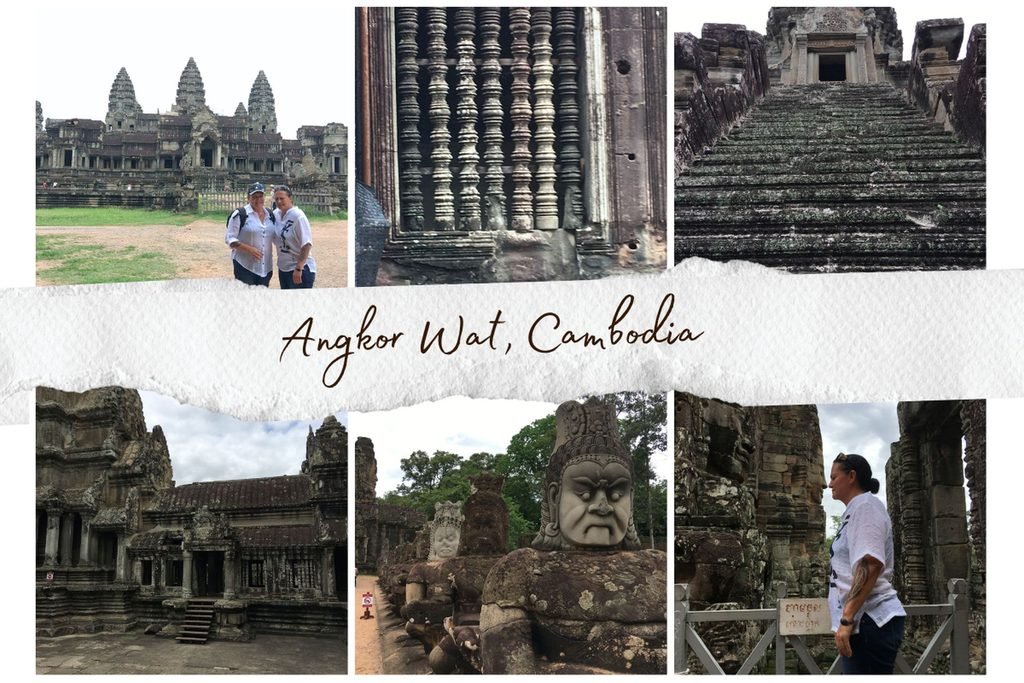
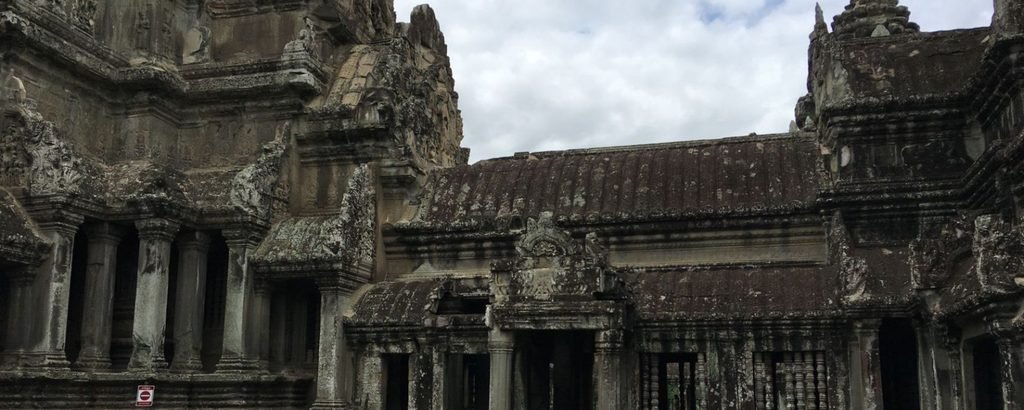
Visiting Angkor Wat and the wider Angkor Archaeological Park was included in our tour, so we had a private vehicle and guide organised for the day. We left early in the morning, partly to make the most of the day but also because our guide wanted to get us around as much of the complex as possible before the real heat set in.
And we’re glad we did. Angkor is enormous. The archaeological park covers around 400 square kilometres, so this isn’t simply a case of arriving, looking around one temple and heading home.
Getting There & Booking a Guide
You don’t need to be travelling on an organised tour like we were. From Siem Reap, you can arrange transport to Angkor and either organise a guide independently or book a guided tour before you arrive.
The official Angkor pass can currently be purchased online, through the official app, at the ticket counter or through a tour guide, so there are plenty of ways to organise your visit.
We would highly recommend having a good guide, particularly for your first visit. Ours knew how to move around the larger tour groups wherever possible, which gave us more space and time to actually take in what we were seeing. More importantly, having someone explain the history and meaning behind the temples added so much to the experience.
- Start Early: The heat builds quickly and there is a lot of ground to cover.
- Wear Good Shoes: Expect plenty of walking, uneven surfaces and stairs.
- Take Water: You’ll need it, particularly as the day gets hotter.
- Book Ahead: If you want a private or highly rated guide, we recommend organising one before you arrive rather than leaving it until the day.
- Allow a Full Day: Even then, you won’t see everything.
Exploring the Temples
There was far more walking than we expected, and at times we were climbing steep or uneven stairs to reach different areas. It is worth taking your time rather than trying to race through everything.
You’ll also notice staff stationed throughout the complex. Angkor is a protected archaeological site as well as a sacred place, and there are strict rules about touching carvings, climbing where you shouldn’t and entering restricted areas. Visitors are also asked to keep voices down and behave respectfully.
So if you hear a whistle while you’re wandering around, have a quick look at what you’re doing. Chances are someone nearby has ventured somewhere or touched something they shouldn’t.
The Story Behind Angkor
The history behind Angkor is almost as impressive as the temples themselves. For centuries, Angkor was at the centre of the Khmer Empire, and the wider archaeological park contains the remains of successive capitals, temples, reservoirs, canals and other structures dating largely from the 9th to 15th centuries.
You may hear the story that French explorer Henri Mouhot “discovered” Angkor Wat in the jungle in the 1800s. His accounts certainly helped bring Angkor to wider Western attention and encouraged later archaeological interest, but Angkor was never simply a forgotten city waiting for a European explorer to find it. Khmer communities remained in the area, and Angkor Wat continued to hold religious significance.
Knowing some of that history before you go is fascinating, but having a guide standing beside you explaining what you’re actually looking at takes it to another level.
Our Experience
It is a big day. It’s hot, there is a lot of walking and by the end of it you’ll probably be very ready to sit down somewhere cool.
But we wouldn’t have changed it.
No photograph really prepares you for the scale of Angkor or the amount of detail that surrounds you. You can read about it beforehand and see it countless times in travel photos, but actually standing there is completely different.
This is one of those travel days that takes a bit out of you, but gives you far more back.
Angkor will forever be one of those places we remember standing in and thinking, wow, we’re actually here.
Discover the Temples Beyond Angkor Wat
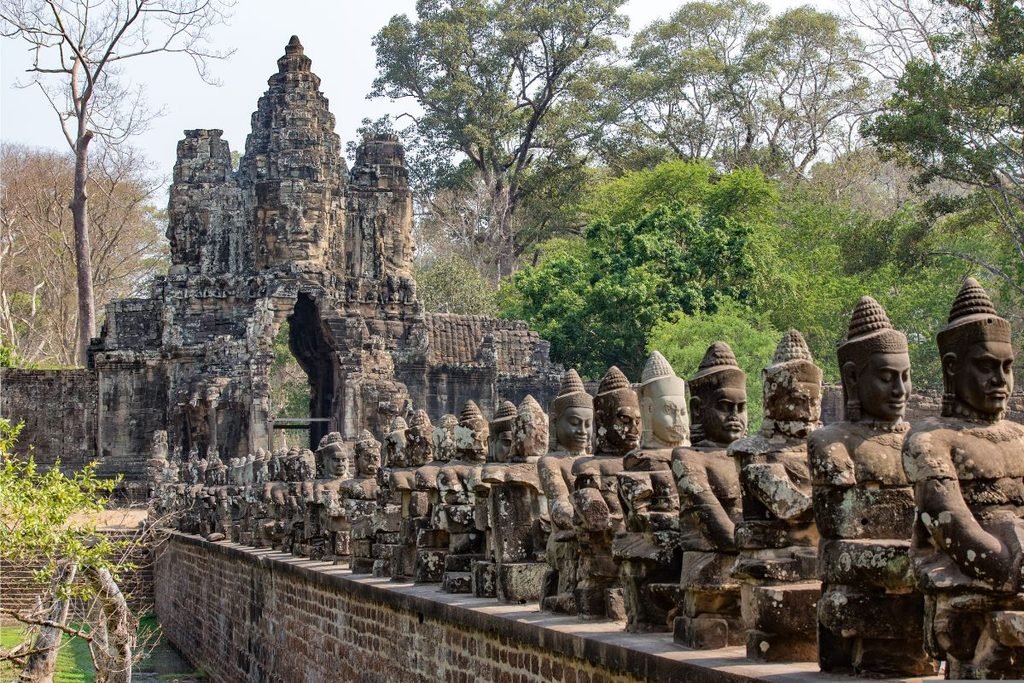
Angkor Wat may be the name everyone knows, but it is only one part of the enormous Angkor Archaeological Park. One of the biggest surprises for us was just how many temples, gateways and ancient structures there were to explore.
This is another reason we were so pleased to have a guide. Without someone explaining what we were looking at, it would have been very easy for one temple to start blending into the next. Instead, each stop had its own story and character.
Angkor Thom
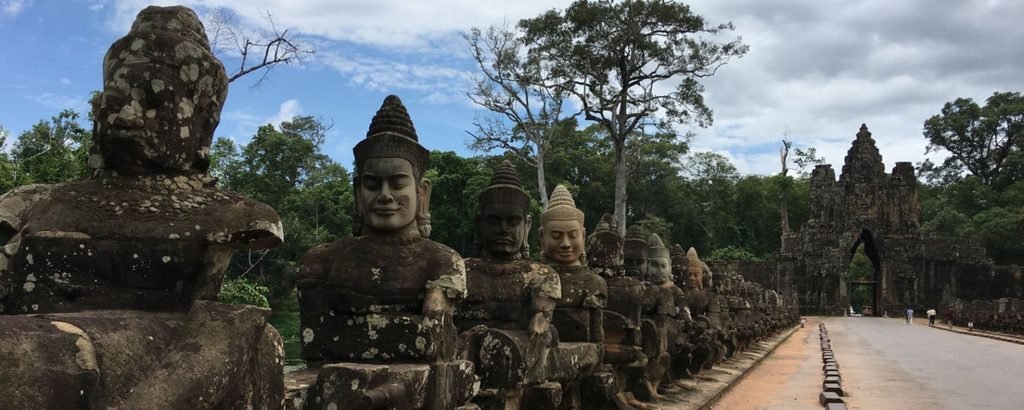
Angkor Thom was once a huge fortified city and entering through its ancient gates gives you some idea of the scale of what once stood here.
The complex covers a large area, so don’t think of Angkor Thom as one temple. Within its walls are several important sites, including Bayon, terraces, gateways and other remains from the Khmer Empire.
- Allow Time: There is much more here than a quick photo at the entrance.
- Look at the Details: Some of the carvings are easy to walk straight past until someone points them out.
- Use a Guide: This was where having someone explain what we were seeing really added to the experience.
Bayon Temple
Then you reach Bayon, and suddenly there are enormous stone faces looking down at you from seemingly every direction.
This was one of those places where we kept stopping and looking up. From a distance the temple can appear almost like a mass of stone, but as you move through it, the faces, carvings, narrow passages and towers begin revealing themselves.
There is plenty of walking here too, with uneven stone underfoot and stairs in places, so once again good footwear makes a difference.
- Known For: The enormous carved stone faces.
- Take Your Time: Bayon becomes more interesting the closer you look.
- Photography: Move around rather than stopping at the first viewpoint. The faces seem to change depending on where you’re standing.
Ta Prohm
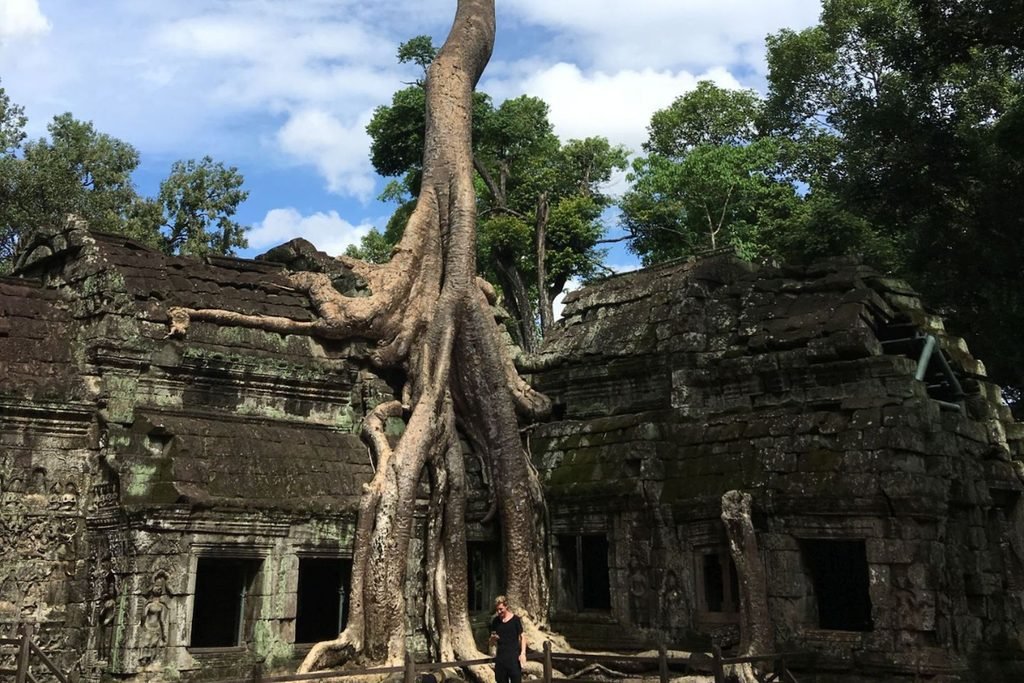
Ta Prohm felt completely different again.
This is the temple many people recognise because of the enormous trees and roots that have grown over, around and through the ruins. Instead of completely separating the jungle from the temple, parts have been conserved with that relationship still visible.
And it is extraordinary to see.
Huge roots wrap themselves around stone walls and doorways, giving you some idea of what parts of Angkor must have looked like when vegetation had taken over many of the structures.
Ta Prohm also became internationally famous after appearing in Lara Croft: Tomb Raider, so don’t expect to have the most recognisable areas entirely to yourself.
- Known For: Giant tree roots intertwined with the temple ruins.
- Expect Other Visitors: It’s one of the most popular temples in the complex.
- Listen to Your Guide: There is much more to Ta Prohm than its movie connection.
- Stay Within the Paths: Some areas are restricted to protect both visitors and the ruins.
Don’t Try to See Everything
By this point in the day, we were starting to understand just how enormous Angkor really is.
You could spend several days exploring the archaeological park and still not see every temple. For us, having a guide choose the important stops and explain them properly was far better than rushing around trying to tick as many temples off a list as possible.
Between the heat, walking, stairs and sheer amount of information you’re taking in, temple fatigue is very real.
Give yourself permission to stop, sit in the shade, drink some water and simply look around.
Angkor Wat may bring you here, but the temples beyond it are a huge part of what makes the whole experience so memorable.
Get a Traditional Bamboo Tattoo
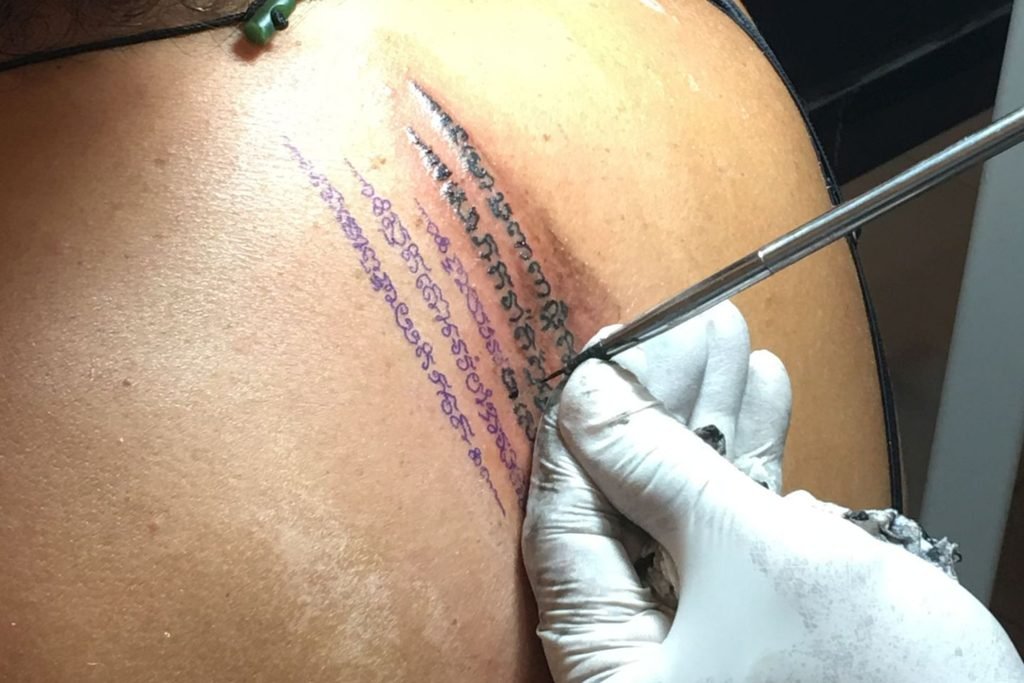
While we were in Cambodia, we decided to get traditional bamboo-style tattoos at Bayon Tattoo Studio 1 in Siem Reap, which turned out to be one of the more unusual experiences from our trip.
Despite the name, our tattooist didn’t actually use bamboo. The traditional hand-tapping technique was used with a modern stainless-steel tattooing tool, which gave us more confidence around hygiene while still keeping the traditional style of tattooing.
It certainly seemed popular with travellers, and there was one name the tattooists loved to mention: Angelina Jolie. We heard her name more than once while we were there!
For us, it was something completely different from the temples, markets and sightseeing, and we came home with a permanent reminder of our time in Cambodia.
- Choose Your Studio Carefully: We chose Bayon Tattoo Studio 1, but wherever you go, look for excellent hygiene standards, sterile equipment and an experienced tattoo artist.
- Take Time Choosing Your Design: If you’re considering Khmer script or a traditional Cambodian symbol, make sure you understand exactly what it means.
- Think About Timing: Cambodia’s heat, humidity, swimming and sun can make tattoo aftercare a little trickier, so consider where it fits into your itinerary.
Good to Know: Ask the tattooist exactly what technique and equipment they use. What gets advertised as a “bamboo tattoo” may actually use a modern stainless-steel tool while still following the traditional hand-tapping method.
Spend Time Exploring Siem Reap
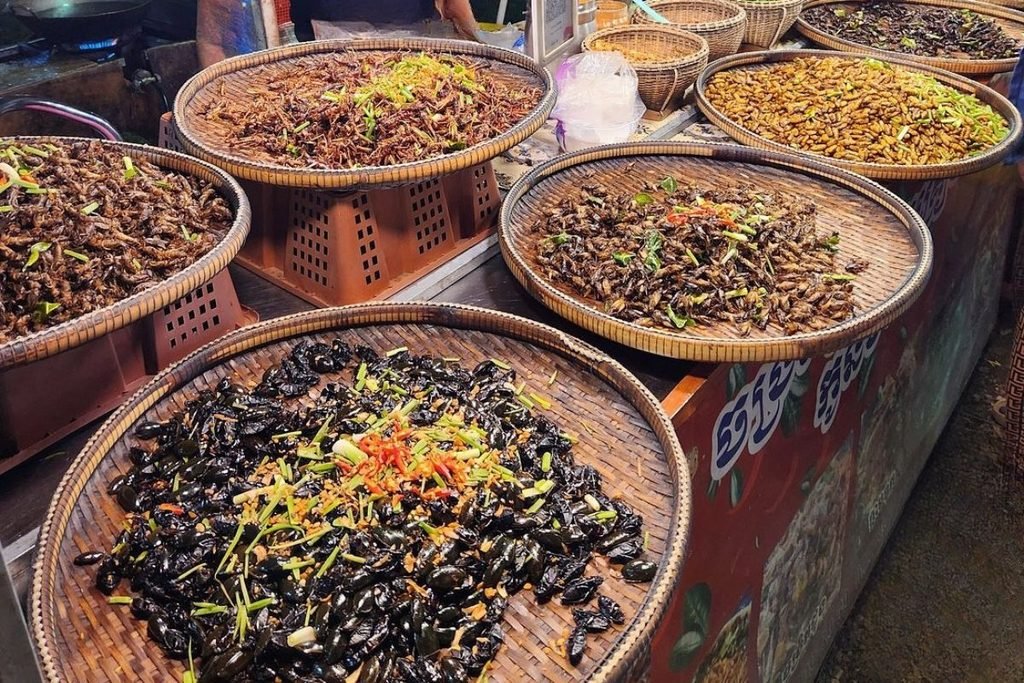
It would be easy to treat Siem Reap simply as the place you sleep while visiting Angkor, but make sure you leave some time to explore the town itself.
After a full day walking around temples in the heat, we certainly weren’t looking for another packed itinerary. Siem Reap was somewhere we could slow things down, wander around, find somewhere to eat and enjoy having nowhere in particular we needed to be.
Explore the Markets
Markets are always somewhere we enjoy visiting when travelling. Even if we’re not looking to buy anything, they’re a great place to wander, see what people are eating and get a feel for everyday life.
Siem Reap has several markets where you’ll find everything from clothing and souvenirs to fresh produce, spices and local food.
- Take Your Time: Wandering is half the fun. You don’t need to arrive with a shopping list.
- Carry Small Cash: Handy for smaller purchases and food.
- Bargaining: It can be expected in some markets, but keep it friendly and remember the small amount you’re negotiating over may mean more to the seller than it does to you.
Wander Around in the Evening
Once the heat starts easing, Siem Reap becomes much more comfortable to explore on foot. Restaurants fill up, markets get busier and the town has a completely different feel from the middle of the day.
The central area around Pub Street and the Old Market is one of the busiest parts of town. You don’t have to be interested in bars or nightlife to visit. Wander through, have a look around and then head off to find somewhere quieter if the crowds aren’t your thing.
That was much more our style. We like seeing the busy areas, but we don’t necessarily need to stay in them all night.
Enjoy a Massage or Try a Fish Spa
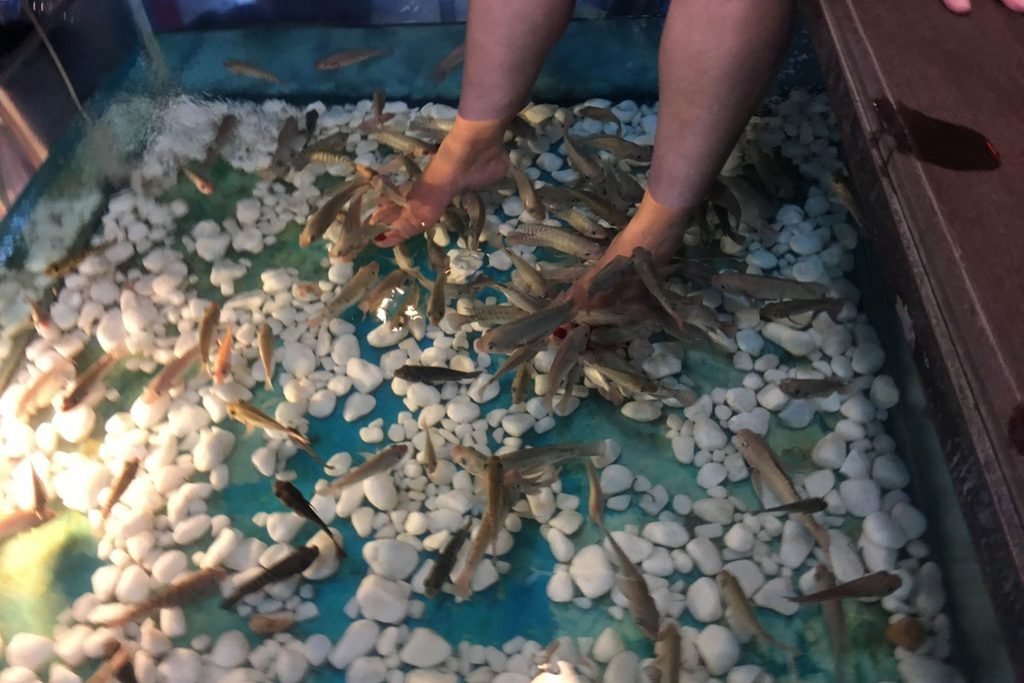
After long days walking around temples and exploring in the Cambodian heat, a massage was always welcome. Massage shops are easy to find around Siem Reap, with everything from a quick foot massage to longer traditional treatments.
We also tried one of the fish spas, which seemed to be everywhere when we visited. You sit with your feet in a tank filled with tiny fish that nibble away at the dead skin. It feels incredibly strange when you first put your feet in, and there was plenty of laughing while we got used to it!
It’s one of those slightly quirky travel experiences that we probably wouldn’t go looking for at home, but in Cambodia we thought, why not give it a go?
Good to Know: If you decide to try a fish spa, have a look at the cleanliness of the tanks and the overall setup first. Avoid it if you have cuts, broken skin or anything else on your feet that could increase the risk of infection.
Leave Some Time Unplanned
One of the things we appreciated about our tour was having free time between the organised activities. It meant we could head out without a guide, grab a tuk-tuk, find somewhere to eat or simply wander.
You don’t need to turn every free hour in Siem Reap into another booked experience.
After a big day at Angkor, sometimes a cold drink, a good meal and nowhere you need to be is exactly what you need.
Explore Phnom Penh
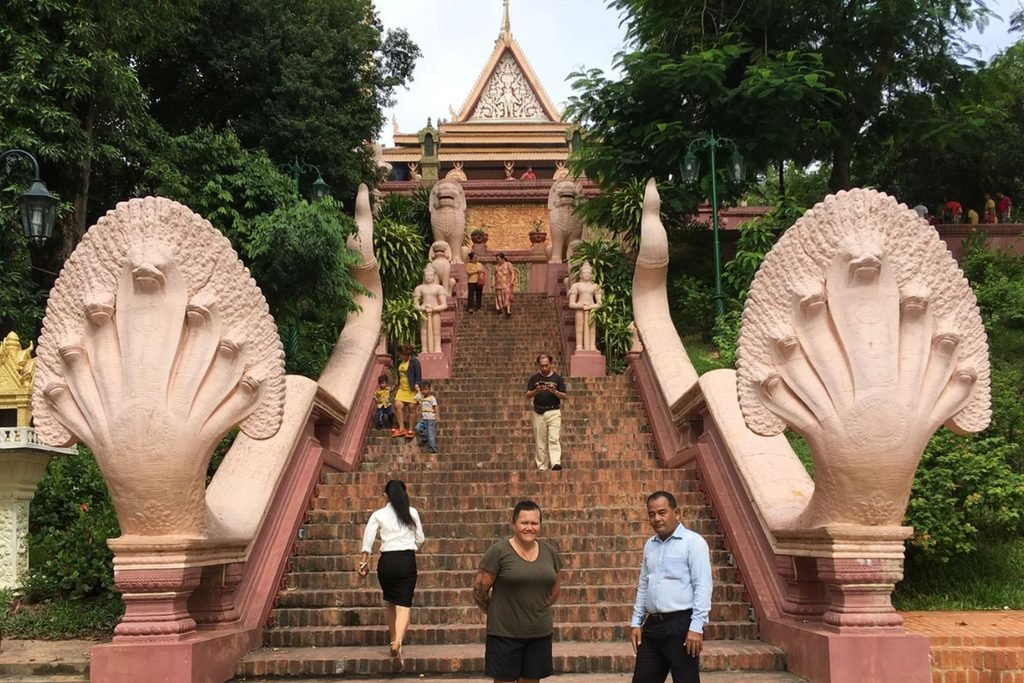
Phnom Penh deserves more than simply being used as a transit point on the way to Siem Reap. Visit the Royal Palace and Silver Pagoda, explore the markets and spend some time along the riverfront.
We also enjoyed simply watching everyday life around the city. Sometimes those ordinary moments give you as much of a feel for a place as the major sights do.
- Royal Palace: One of Phnom Penh’s best-known landmarks.
- Silver Pagoda: Located within the Royal Palace complex.
- Markets: An easy way to experience the colour, food and everyday activity of the city.
- Riverfront: Good for a wander and watching daily life along the rivers.
- Allow time to explore: Phnom Penh is worth more than a quick overnight stop.
Understanding Cambodia’s Recent History
There are some places you visit while travelling that aren’t enjoyable in the usual sense of the word, but they can be incredibly important to understanding the country you’re in.
For us, that was certainly true of Cambodia.
Visiting places connected to the Khmer Rouge period was confronting, emotional and at times difficult to comprehend. These aren’t places we would ever describe as attractions, and they deserve more than being added to a list of sights to tick off while you’re in Phnom Penh.
Tuol Sleng Genocide Museum
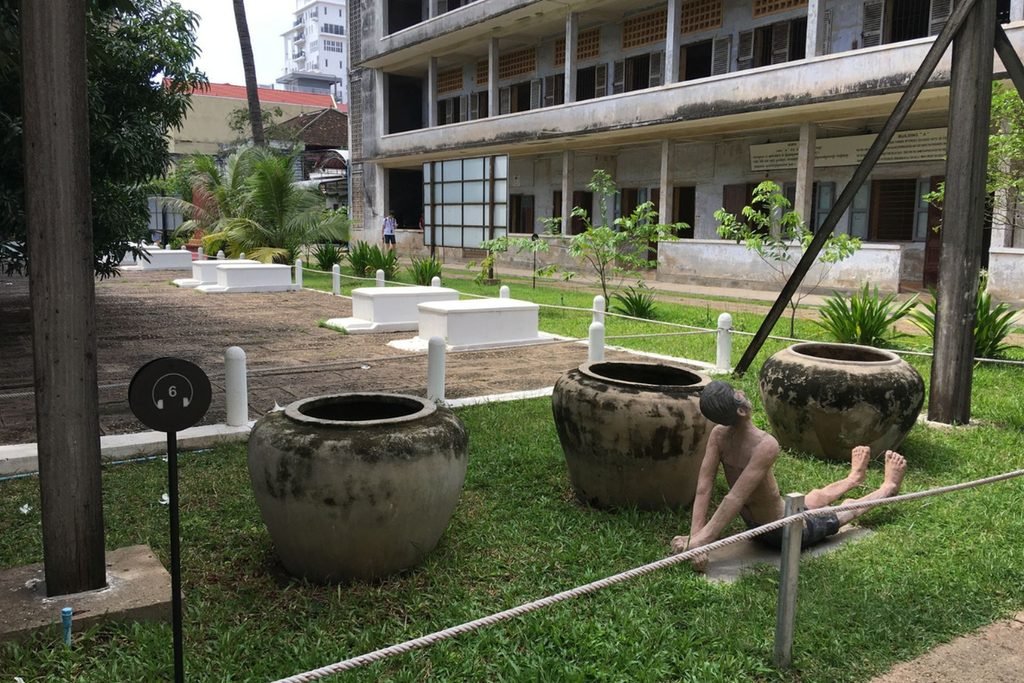
Tuol Sleng Genocide Museum was once a secondary school before being transformed into Security Prison 21, better known as S-21, during the Khmer Rouge regime.
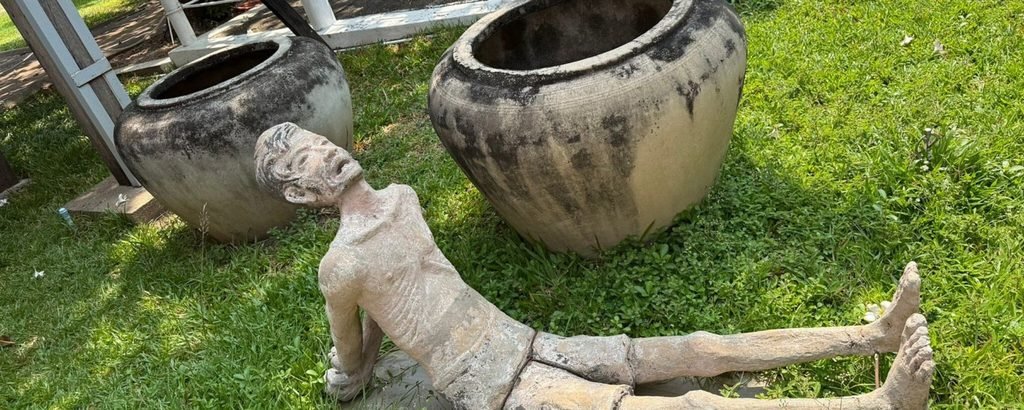
Walking through a place that was originally built for children and education makes what happened there particularly difficult to process. Classrooms became prison cells and interrogation rooms, and today much of the site has been preserved as a place of remembrance.
There are photographs, personal stories and records of some of the people who were imprisoned there. It isn’t an easy visit, and there were times when we simply stood quietly and took in what we were seeing.
- Allow Plenty of Time: This isn’t somewhere to rush through before your next stop.
- Listen & Read: Understanding the stories behind what you’re seeing is an important part of the visit.
- Photography: Follow the signs and restrictions throughout the museum.
- Be Prepared: Some of what you will see and learn is extremely confronting.
Choeung Ek Genocidal Center
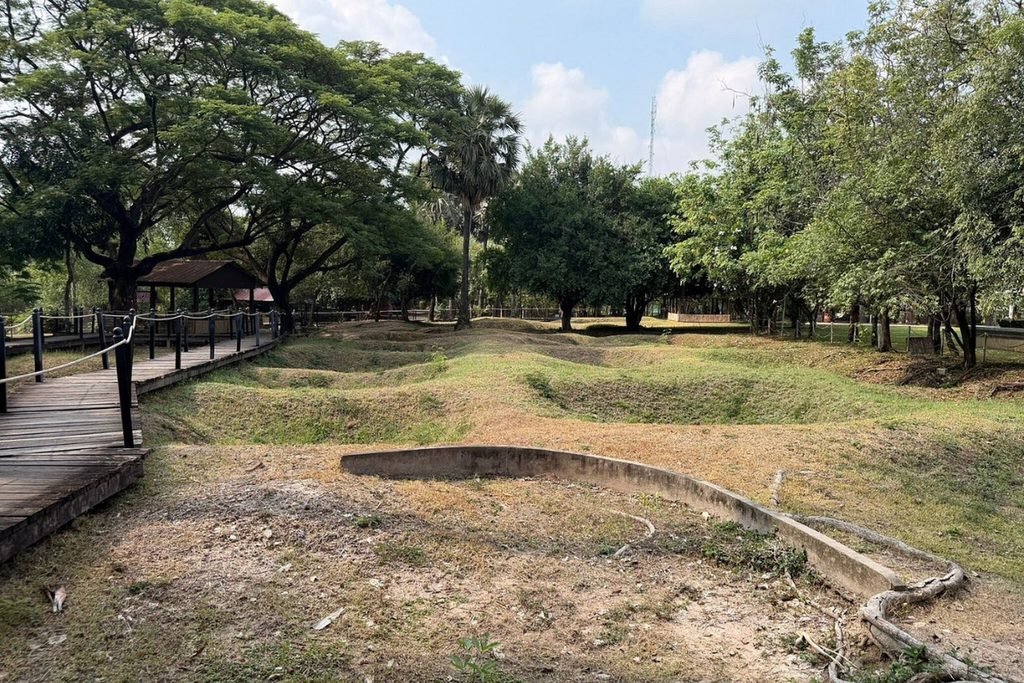
Outside Phnom Penh is Choeung Ek Genocidal Center, commonly known as the Killing Fields. It is one of many sites across Cambodia associated with executions and mass graves during the Khmer Rouge period.
The atmosphere here is very different from Tuol Sleng. Much of the site is outdoors and quiet, but knowing what happened beneath the ground you’re walking across makes the experience incredibly powerful.
At the centre stands a memorial stupa containing victims’ remains, while the surrounding grounds preserve mass-grave sites and tell the stories of people who were brought here.
It is a place that asks you to slow down, listen and show respect.
- Allow Time: Don’t plan to rush straight from here into another major activity.
- Keep Voices Low: This is a memorial site.
- Follow the Paths: Some areas are particularly sensitive.
- Be Respectful with Photos: Just because a photograph is permitted doesn’t always mean you need to take one.
Should You Visit Both?
For us, yes, we were glad that we visited both, although “glad” feels like a strange word to use for experiences like these.
Tuol Sleng helps you understand what happened to people after they were detained, while Choeung Ek shows another part of what followed. Visiting both gives context that is difficult to gain from reading about this period alone.
But prepare yourself emotionally. You don’t need to fill the rest of that day with sightseeing simply because you have free time.
We found ourselves needing time afterwards to process what we had seen and heard.
Cambodia today is so much more than this period of its history, but understanding what happened helps explain some of what the country and its people have lived through.
We’ll share more about our experience, and the history behind these places, in our separate Cambodia’s History & Places of Remembrance guide.
Want to understand more about this period of Cambodia’s history? Read our full story about the Khmer Rouge period, our visits to Tuol Sleng and Choeung Ek, and why these places of remembrance left such a lasting impression on us.
→ Read Our Full Cambodia Khmer Rouge History & Places of Remembrance Story
Find Things to Do in Cambodia
Want to organise a few experiences before you arrive? Viator is a handy place to compare tours, guides and activities, particularly if you’re looking for a private Angkor guide, Phnom Penh sightseeing tour or an experience you may not be able to organise easily once you’re there.
You can compare what’s included, check recent traveller reviews and choose something that suits your budget and the way you like to travel.
→ Explore Cambodia Tours & Experiences with Viator
We’ll receive a small commission if you book through our link, at no additional cost to you. It helps support Tohu Travellers and allows us to keep creating our travel guides.
More Cambodian Experiences to Consider
Our time in Cambodia was limited by the itinerary of our Southeast Asia tour, so there were plenty of experiences we simply didn’t have time to fit in.
If you’re travelling independently or staying a little longer, these are a few we think are worth looking into.
Watch a Traditional Apsara Dance Performance
For something completely different from exploring temples, consider seeing a traditional Apsara dance performance.
Apsara dance is an important part of Cambodian performing arts, with elaborate costumes, carefully controlled movements and stories influenced by Khmer history and mythology. You’ll probably recognise some of the poses too, particularly after seeing the apsara figures carved into the walls at Angkor.
Performances are available in Siem Reap, sometimes combined with dinner.
- Where: Siem Reap is one of the easiest places to find a performance.
- Booking Recommended: Popular shows can fill up, particularly during the busier travel months.
- Good to Know: Look for performances that provide some explanation of the dances and their meaning rather than choosing purely on price.
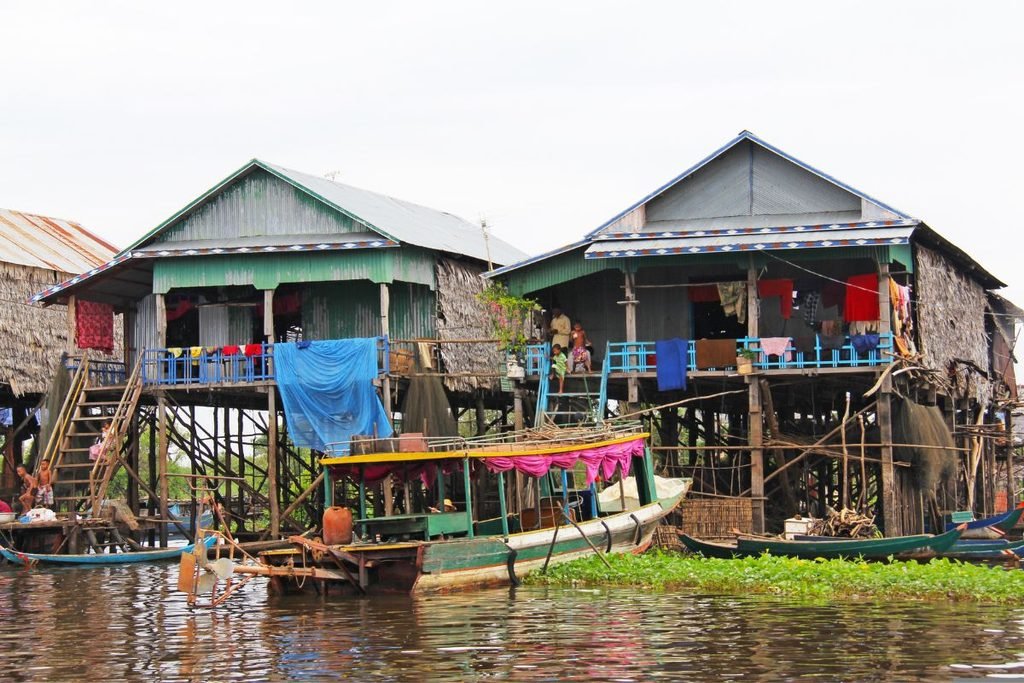
Visit the Floating Villages of Tonlé Sap
Tonlé Sap is Cambodia’s largest freshwater lake and an important part of life for communities that live around and on the water.
Boat tours from Siem Reap visit floating and stilted villages, giving travellers a chance to see a completely different side of Cambodia from the temples and cities.
This is one experience where we’d do a little research before booking. Tours vary considerably, and we’d look for one that visits respectfully and benefits the communities rather than treating people’s homes and everyday lives as a tourist attraction.
- Allow: Around half a day for many tours from Siem Reap.
- Water Levels Matter: What you see can vary considerably depending on the season.
- Choose Carefully: Read recent reviews and look at how the tour works with the local community.
- Booking Recommended: A reputable small-group or private tour would be our preference.
Ride the Bamboo Train in Battambang
If your Cambodia itinerary takes you beyond Phnom Penh and Siem Reap, Battambang’s Bamboo Train is one of the country’s more unusual experiences.
Known locally as a norry, the original bamboo railway was a simple platform running along Cambodia’s railway tracks and was once used by local communities to transport people and goods. Today’s visitor experience is more tourism-focused, but it still offers something very different from the country’s temples and cities.
Battambang itself is also worth considering if you have extra time, particularly if you prefer slower travel and getting beyond the main tourist route.
- Where: Battambang, in northwestern Cambodia.
- Good to Know: Today’s Bamboo Train is primarily a visitor experience rather than the everyday local transport system it once was.
- Allow Extra Time: We’d only add Battambang if you have enough days to enjoy the area rather than travelling there solely for the train.
These are the sorts of experiences we’d look at if we returned to Cambodia with more time. We wouldn’t try to squeeze them all into a first visit, but they’re good options if you want to see another side of the country beyond the major sights.
Final Thoughts
Cambodia gave us some of the most memorable days of our Southeast Asia travels, but for very different reasons. Some left us completely in awe, some taught us far more about the country than we knew before arriving, and others were simply about wandering off, finding somewhere local to eat and enjoying where the day took us.
Our biggest advice is don’t try to squeeze too much into each day. The heat alone can slow you down, particularly when you’re exploring Angkor, and some places deserve time rather than being rushed through simply to get to the next stop.
Choose the experiences that interest you, leave a little room for the unexpected and enjoy discovering Cambodia at your own pace.
“Collect moments, not things.”
🌍 Travel Planning Resources
These are the tools we personally use and trust when planning our travels from finding a place to stay to booking activities, transport and insurance. Let your “Tohu” guide you “Trust the Journey” and follow what feels right for you.
- ✈️Flights – Compare great deals with Trip.com then Kiwi.com for flexible, affordable options.
- 🚐 Campervans – Compare rental deals with Motorhome Republic across Aotearoa and beyond.
- 🛏️ Stays – Compare hotels on Trip.com and TripAdvisor or Booking.com.
- 🚐 Rental Cars – Compare prices and book through Airport Rentals by Motorhome Republic for trusted brands and easy airport pickup.
- 🎟️ Activities – Browse tours and experiences on Viator, Get Your Guide, or TripAdvisor
- 🚆12Go Asia – Compare and book trains, buses, and ferries across Asia in one place with 12Go.
- 🛡️ Travel Insurance – Get flexible short-term coverage with Insubuy for your next holiday.
- 💳 Travel Money – Send, spend and manage money internationally with Wise, with easy currency conversion and a handy option for travellers.
- 🔒 Protect Your Privacy with a VPN – We recommend Surfshark VPN for secure and private browsing while travelling. It’s fast, affordable and works worldwide, perfect for public Wi-Fi at airports, cafes and hotels.
- 📱 Travel eSIM – Stay connected with Airalo
- 💼 Lounge Access – Treat yourself with Priority Pass for UK or US
- 🎶 Events & Concerts – Book tickets worldwide through Ticketmaster.
🧭 Note: Some booking links can be a bit shy when you’re using a VPN. If one doesn’t open, try pausing your VPN or switching to a different server location or secure Wi-Fi network to get things flowing again.