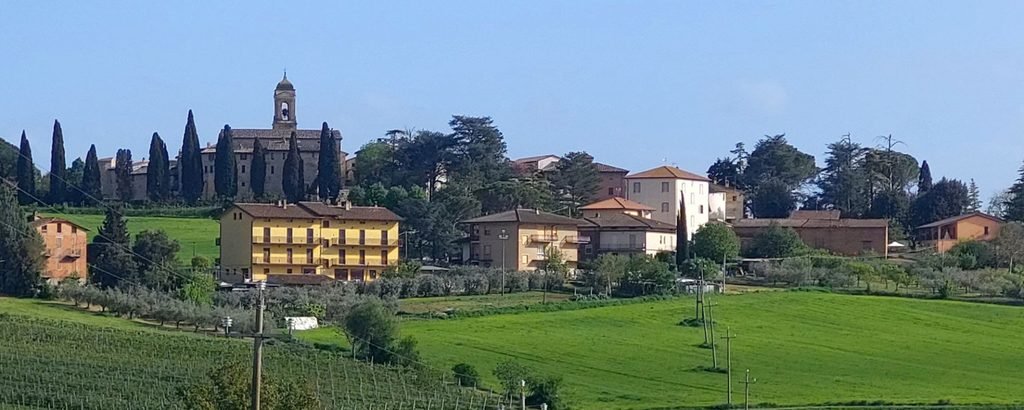
Tuscany is one of Italy’s most captivating regions, offering an incredible variety of historic landmarks, medieval villages, beautiful countryside and unforgettable food and wine experiences. From climbing the famous Leaning Tower of Pisa and admiring Florence’s Renaissance architecture to exploring underground wine cellars, relaxing in natural thermal pools and discovering charming hilltop towns, there is something for every traveller. Whether you’re drawn to history, culture, nature or traditional Italian flavours, Tuscany is filled with wonderful experiences waiting to be discovered.
Is Tuscany Worth Exploring?

Have you ever imagined wandering through centuries-old streets, enjoying a glass of wine overlooking the vineyards or soaking in warm natural pools surrounded by the Tuscan countryside? Tuscany offers so much more than its famous cities, with memorable experiences around almost every corner. From magnificent architecture and fascinating local traditions to small family-run wineries and authentic regional food, it’s a destination that rewards those who take the time to explore beyond the usual tourist attractions.
Our Favourite Experiences in Tuscany

We’ve been fortunate enough to explore Tuscany on more than one occasion, discovering a wonderful mixture of famous landmarks, historic towns and lesser-known experiences along the way. Some of our favourite memories include exploring Montepulciano’s underground wine cellars, discovering Siena’s fascinating traditions, wandering through medieval San Gimignano and enjoying the natural thermal pools at Saturnia. We also loved the variety of experiences in Florence and Pisa, where magnificent architecture, history and local food made our visits particularly memorable.
Table of Contents
- Is Tuscany Worth Exploring?
- Our Favourite Experiences in Tuscany
- Climb the Leaning Tower of Pisa
- Walk Across Ponte Vecchio in Florence
- Admire Florence from Piazzale Michelangelo
- Relax at Cascate del Mulino in Saturnia
- Explore Ercolani’s Underground Wine Cellars
- Discover Piazza del Campo in Siena
- Visit the Leonardo da Vinci Museum
- Wander Through San Gimignano
- Experience a Tuscan Vineyard Wine Tour
- Join a Tuscan Food Tour
- Explore Florence Cathedral and Piazza del Duomo
- Discover Tuscany’s Medieval Hilltop Villages
- Enjoy a Traditional Tuscan Cooking Class
- How to Choose Your Tuscany Experiences
- Final Thoughts on the Best Things to Do in Tuscany
Climb the Leaning Tower of Pisa
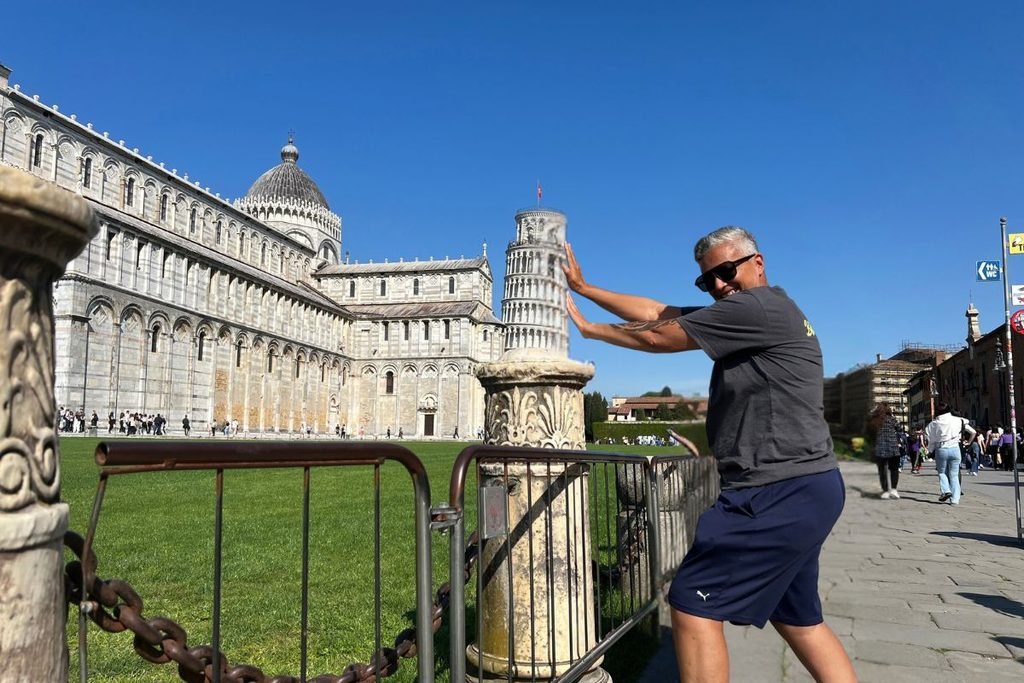
The Leaning Tower of Pisa is one of Italy’s most recognisable landmarks and an attraction that certainly lives up to its reputation. Located in the beautiful Piazza dei Miracoli, the tower is famous for its unmistakable tilt, caused by unstable ground beneath its foundations during construction in the 12th century.
During our visit to Pisa, we were struck by just how impressive the entire area was. While the tower is undoubtedly the main attraction, the surrounding Pisa Cathedral, Baptistery and beautifully maintained grounds are equally worth admiring. The white marble buildings are magnificent, and there are plenty of wonderful opportunities for photographs.
We climbed the tower and spent some time wandering around the square, taking in the architecture and watching visitors attempt those famous photographs where they appear to be holding up the tower. It was busy, but the atmosphere was enjoyable, and we’re certainly glad we made the stop.
A few things worth knowing before visiting:
- Book ahead: Tickets to climb the tower are timed, and popular sessions can sell out.
- Be prepared for stairs: There are more than 250 steps to climb, with no lift.
- Allow time to explore: Piazza dei Miracoli is home to several remarkable historic buildings, not just the tower.
- Travel light: Bags aren’t permitted on the tower climb, although luggage storage is available for ticket holders.
- Wear comfortable shoes: The marble steps can be uneven and feel unusual because of the tower’s tilt.
Our tip: Even if you don’t plan to climb the tower, Pisa is worth visiting for its magnificent architecture and atmosphere. Allow time to explore the entire square rather than rushing in for a photograph and leaving.
Walk Across Ponte Vecchio in Florence

One of Florence’s most famous landmarks, Ponte Vecchio is a historic medieval bridge spanning the Arno River, known for its distinctive shops built along both sides. Dating back to 1345, it is the oldest surviving bridge in Florence and one of the city’s most photographed attractions.
What makes Ponte Vecchio particularly fascinating is its history. During the Middle Ages, the bridge was occupied by butchers, fishmongers and other traders. However, in 1593, Grand Duke Ferdinando I ordered these businesses to be replaced by goldsmiths and jewellers, a tradition that continues today.
Above the shops runs the Vasari Corridor, an elevated passageway built in 1565 to connect Palazzo Vecchio with Palazzo Pitti, allowing the ruling Medici family to move between their residences without travelling through the busy streets below.
Today, walking across Ponte Vecchio is a wonderful way to experience a little of Florence’s history while browsing the jewellery shops and enjoying the atmosphere of the city.
A few things worth knowing before visiting:
- Free to visit: Walking across Ponte Vecchio costs nothing, and the bridge is accessible throughout the day.
- Jewellery shops: Browse the traditional goldsmith and jewellery stores lining the bridge.
- Photography: For the best photographs of the bridge itself, head to nearby Ponte Santa Trinita.
- Best time to visit: Early morning is generally quieter, while sunset offers beautiful views across the Arno River.
- Nearby attractions: Palazzo Pitti and the historic Oltrarno neighbourhood are within walking distance.
Our tip: Don’t just walk across Ponte Vecchio. Take time to admire it from along the riverbank or a neighbouring bridge, where you can appreciate its unusual architecture and the colourful shops that make it so distinctive.
Admire Florence from Piazzale Michelangelo
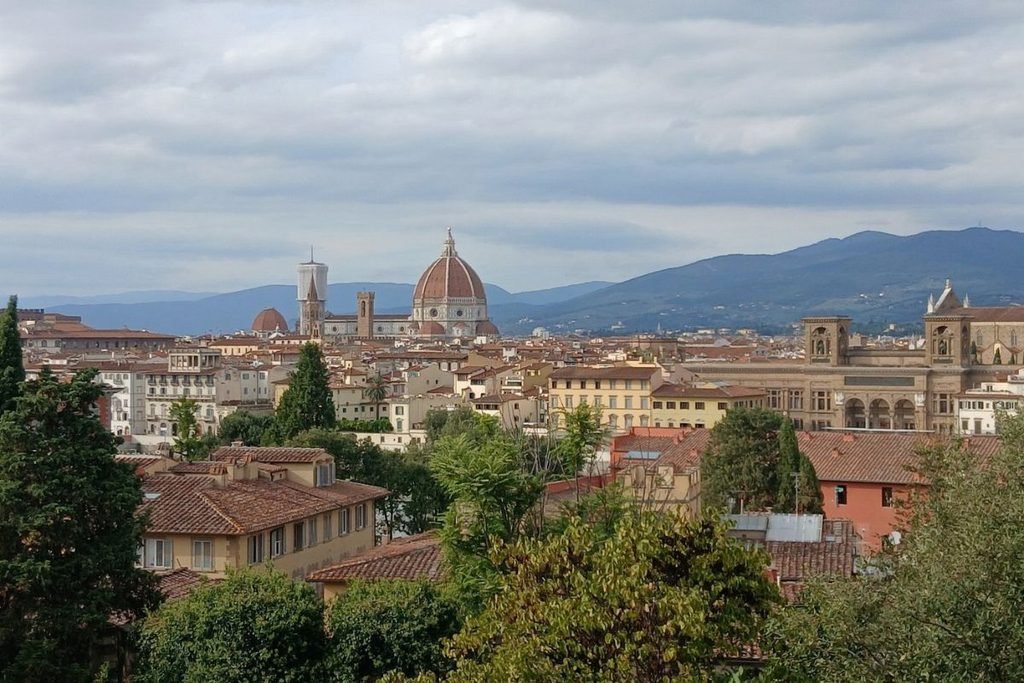
For one of the most spectacular views of Florence, Piazzale Michelangelo is a place you won’t want to miss. Situated on a hillside overlooking the city, this famous panoramic terrace offers breathtaking views of Florence’s historic skyline, the Arno River and the surrounding Tuscan hills.
Designed by architect Giuseppe Poggi in the 19th century, the square was created as a tribute to Michelangelo and features a bronze replica of his famous statue of David. It’s another place where you’ll come across the celebrated sculpture without having to visit the original inside the Accademia Gallery.
From the terrace, you can admire some of Florence’s most recognisable landmarks, including:
- Florence Cathedral: The magnificent red-tiled dome of Santa Maria del Fiore dominates the skyline.
- Ponte Vecchio: The historic bridge stretching across the Arno River.
- Palazzo Vecchio: The impressive medieval town hall rising above Piazza della Signoria.
- Basilica of Santa Croce: One of Florence’s most important historic churches.
- Tuscan countryside: Beautiful green hills surrounding the city.
Piazzale Michelangelo is particularly popular at sunset, when the warm evening light creates a beautiful glow over Florence’s rooftops. However, it’s worth visiting at any time of day for the incredible views.
A few things worth knowing before visiting:
- Free to visit: There is no admission charge to access the terrace.
- Getting there: You can walk uphill from the city centre, take a local bus or visit as part of a hop-on hop-off sightseeing tour.
- Allow time: The uphill walk can be steep, so wear comfortable shoes and take your time.
- Photography: Bring your camera or phone, as this is one of the best places to capture Florence’s skyline.
Our tip: If you’re short on time in Florence, consider including Piazzale Michelangelo on a hop-on hop-off tour. It’s a convenient way to reach the viewpoint without tackling the uphill walk, while still enjoying one of the city’s most memorable sights.
Relax at Cascate del Mulino in Saturnia
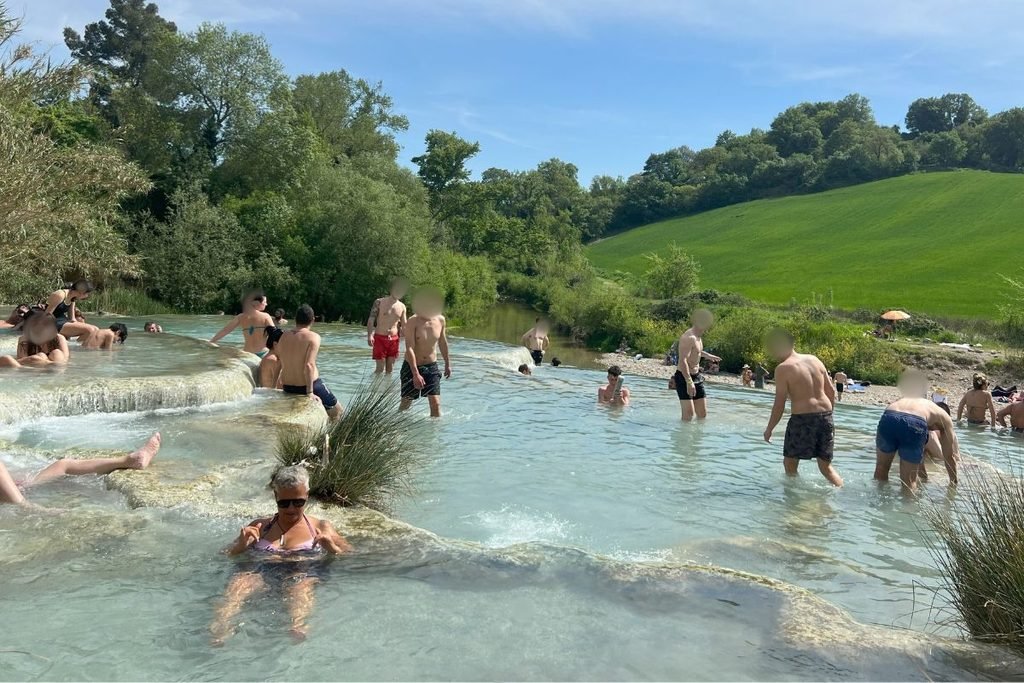
Hidden among the beautiful countryside of southern Tuscany, Cascate del Mulino is one of Italy’s most remarkable natural hot springs. Located near the village of Saturnia, these thermal waterfalls are famous for their turquoise-coloured water cascading over limestone terraces, creating a series of natural pools where visitors can relax and soak.
The mineral-rich water flows from an underground thermal source at a temperature of approximately 37.5°C, making it wonderfully warm throughout the year. Unlike a traditional spa, Cascate del Mulino is a natural outdoor bathing area, surrounded by open countryside and the sound of flowing water.
During our travels through Tuscany, we made a stop at Saturnia before continuing towards our accommodation in Spina. It was a lovely opportunity to experience something completely different from the historic towns and busy attractions we had been exploring.
One of the most appealing things about Cascate del Mulino is that the natural pools are free to access, making it a popular destination for both locals and visitors.
A few things worth knowing before visiting:
- Free entry: There is no admission charge to bathe in the natural thermal pools.
- Water temperature: The thermal water remains around 37.5°C throughout the year.
- Parking: Designated paid parking is available nearby, followed by a short walk to the pools.
- Footwear: Bring water shoes, as the limestone surfaces can be slippery and uneven.
- What to bring: Pack a towel, swimwear, a change of clothes and a bag for wet clothing.
- Best time to visit: Early morning or weekdays are generally quieter than weekends and peak holiday periods.
Our tip: Cascate del Mulino is a natural bathing area rather than a managed swimming pool, so facilities are limited and the surfaces can be slippery. Keep your belongings secure, respect the surroundings and allow yourself time to enjoy this beautiful setting.
If you’re travelling through southern Tuscany, Saturnia is well worth including in your journey, particularly if you enjoy natural attractions and experiences away from the usual sightseeing routes.
Explore Ercolani’s Underground Wine Cellars in Montepulciano
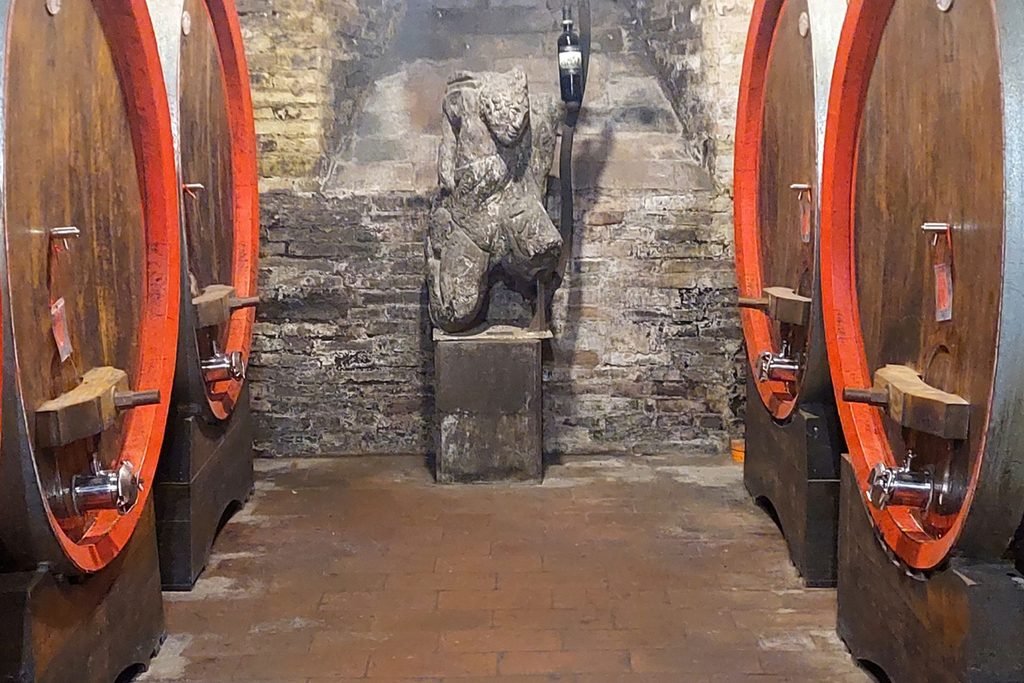
Beneath the beautiful medieval streets of Montepulciano lies one of Tuscany’s most fascinating attractions, Azienda Agricola Ercolani’s Underground City. This remarkable network of historic cellars, tunnels and passageways offers visitors a glimpse into the town’s past and its centuries-old winemaking traditions.
Montepulciano is famous for its Vino Nobile di Montepulciano, one of Tuscany’s celebrated red wines, and exploring the underground cellars is a wonderful way to discover the history behind the region’s wine culture.
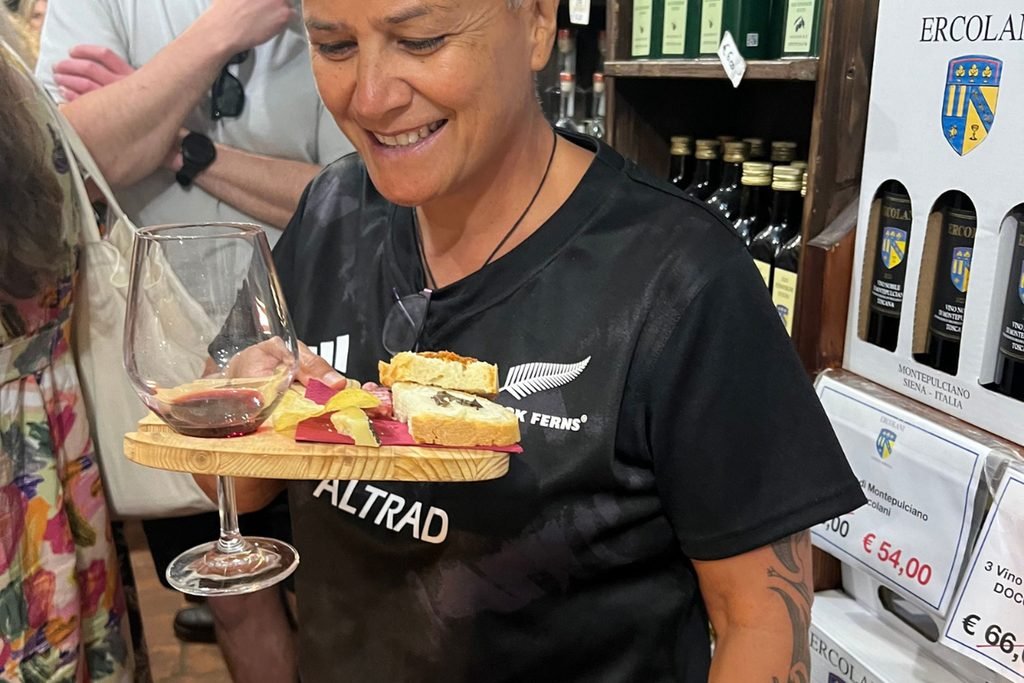
During our visit, we joined a free guided tour, which took us beneath the historic town to explore the underground chambers, enormous wine barrels and museum displays. The experience was fascinating, and we were amazed by just how much history was hidden beneath the streets.
We have enjoyed wine tours in several countries, but this would have to be one of the best we have ever experienced.
Following the tour, we enjoyed a wine tasting paired with delicious local delicacies. It was a lovely opportunity to sample regional flavours, learn more about the wines and appreciate the traditions that have been passed down through generations.
Naturally, we couldn’t resist purchasing a beautiful bottle of red wine to take back to our accommodation!
A few things worth knowing before visiting:
- Underground City: Explore historic passageways, wine cellars and fascinating museum displays beneath Montepulciano.
- Guided tours: Free visits have been offered, although it’s worth checking current arrangements and availability.
- Wine tasting: Discover regional wines, including Vino Nobile di Montepulciano, with tasting options that may include local food pairings.
- Historic surroundings: The underground chambers provide an interesting insight into Montepulciano’s history beyond winemaking.
- Getting there: Montepulciano is a hilltop town, with public parking areas outside the historic centre.
- Footwear: Comfortable shoes are recommended for exploring the underground passages and cobbled streets.
Our tip: If you’re visiting Montepulciano, make time for the Ercolani Underground City. Even if you’re not particularly interested in wine, the history and atmosphere make it a fascinating experience. For wine lovers, combining the underground tour with a tasting is something we’d highly recommend.
For us, this was one of the standout experiences of our time in Tuscany, and a wonderful reminder that some of the region’s most memorable attractions are hidden beneath its beautiful historic streets.
Discover Piazza del Campo in Siena
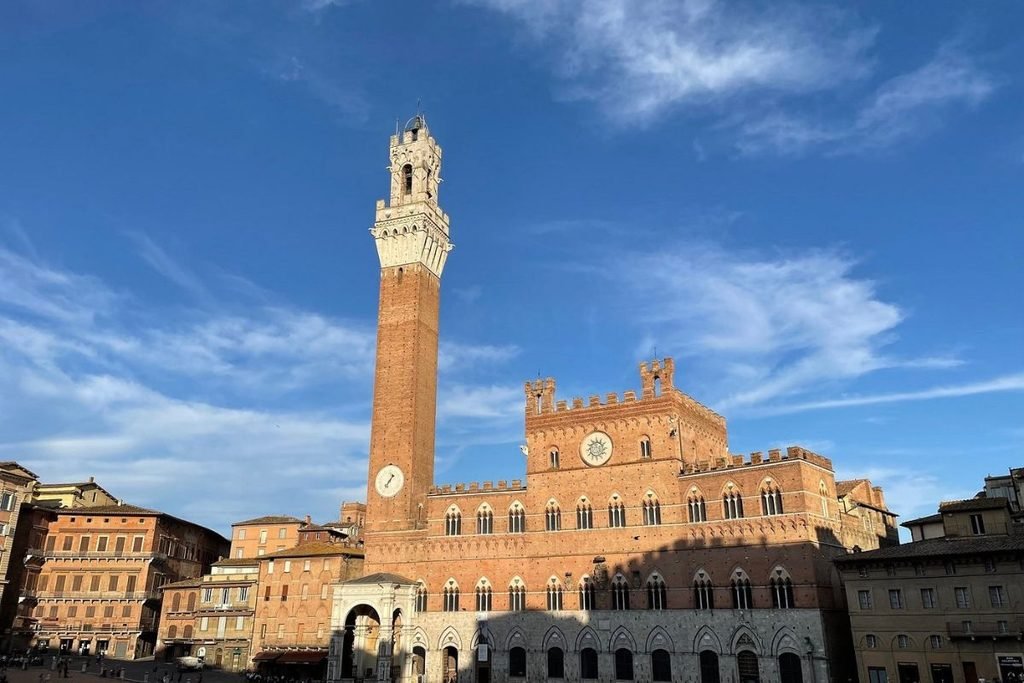
At the heart of the beautiful medieval city of Siena lies Piazza del Campo, one of Italy’s most remarkable historic squares. Famous for its distinctive shell-shaped design, gently sloping brick pavement and magnificent surrounding buildings, this impressive piazza has been the centre of Siena’s social and cultural life for centuries.
Surrounded by historic palaces, cafés and restaurants, the square is dominated by the Palazzo Pubblico, Siena’s medieval town hall, and the towering Torre del Mangia. Its unusual shape and beautiful architecture make it a wonderful place to wander, admire the surroundings and appreciate the city’s rich history.
During our visit, Siena became one of the most beautiful medieval cities we had ever explored. However, what made Piazza del Campo particularly fascinating was learning about the extraordinary horse racing tradition that continues here today.
Twice a year, on 2 July and 16 August, the square transforms into a racetrack for the famous Palio di Siena, a fiercely contested horse race between the city’s historic neighbourhoods, known as contrade.
Siena has 17 contrade, each with its own colours, flags, symbols and traditions. Ten compete in each race, and the rivalry goes far beyond simply winning a sporting event. For the local communities, the Palio represents centuries of history, neighbourhood pride and deeply held traditions.
Learning about the importance of the race gave us a completely different appreciation of the square. It was fascinating to imagine horses racing around the piazza, surrounded by thousands of passionate spectators.
A few things worth knowing before visiting:
- Free to explore: Piazza del Campo is a public square and can be visited throughout the year.
- Palio di Siena: The famous horse races take place annually on 2 July and 16 August, with celebrations and preparations surrounding each event.
- Palazzo Pubblico: Visit the historic town hall and its Civic Museum to discover Siena’s artistic heritage.
- Torre del Mangia: Climb the medieval tower for spectacular views across Siena and the surrounding countryside.
- Fonte Gaia: Admire the beautiful ornamental fountain at the upper end of the square.
- Nearby attractions: Siena Cathedral and the city’s charming medieval streets are only a short walk away.
Our tip: Take time to appreciate Piazza del Campo rather than simply passing through. If you’re visiting around the Palio dates, expect large crowds, accommodation demand and changes to access around the square.
For us, understanding the traditions behind the Palio made Piazza del Campo even more memorable, adding another layer of history to an already beautiful city.
Explore Florence’s Museums, Galleries and Historic Churches
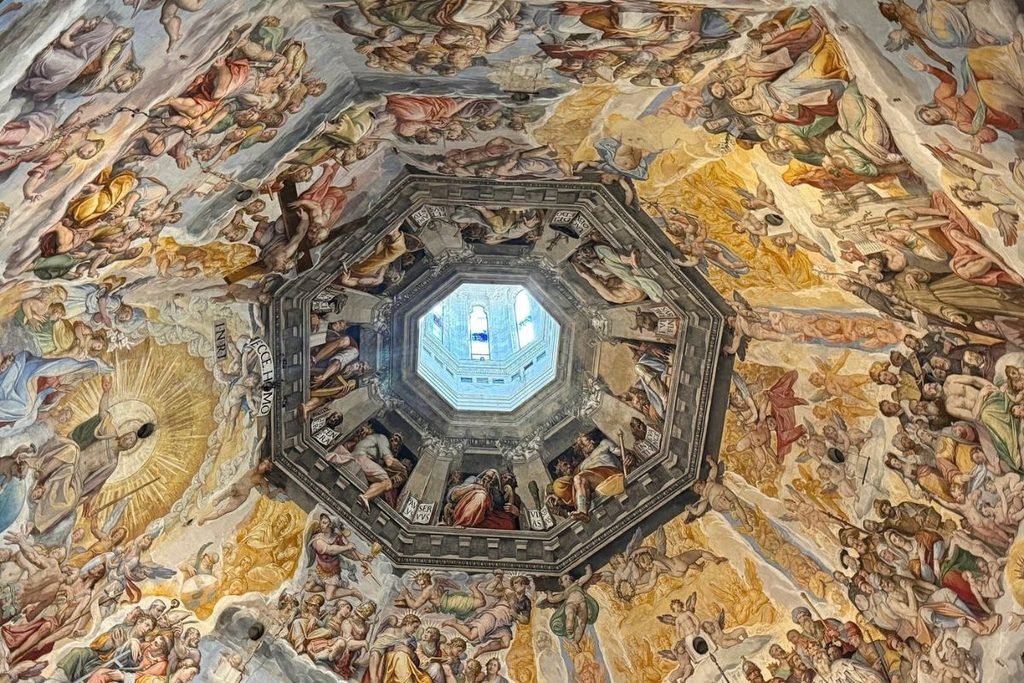
Florence is often described as the birthplace of the Renaissance, and it’s easy to understand why. The city is filled with extraordinary museums, magnificent churches and centuries of artistic history, making it one of Italy’s most fascinating destinations for anyone who enjoys culture and architecture.
During our visits to Florence, we explored a wonderful variety of historic buildings, museums and churches. There was so much to see that it was impossible to take everything in, and we came away with countless photographs of beautiful interiors, sculptures, paintings and architectural details.
What we particularly enjoyed was that you didn’t always need to enter a museum to appreciate Florence’s artistic heritage. Simply wandering through the streets revealed impressive statues, beautifully decorated buildings and historic squares that felt like open-air galleries.
Of course, Florence is also home to some of Italy’s most celebrated art collections, with masterpieces by artists such as Michelangelo, Botticelli and Leonardo da Vinci.
Some of the highlights include:
- Uffizi Gallery: One of Italy’s most famous art museums, housing an extraordinary collection of Renaissance paintings, including works by Botticelli and Leonardo da Vinci.
- Accademia Gallery: Best known for Michelangelo’s magnificent original statue of David, alongside other important artworks.
- Basilica of Santa Croce: A beautiful historic church associated with some of Italy’s most influential figures, including Michelangelo and Galileo.
- Palazzo Vecchio: Florence’s impressive medieval town hall, featuring richly decorated rooms, artworks and fascinating history.
- Basilica of Santa Maria Novella: A magnificent church known for its Gothic architecture, frescoes and artistic treasures.
- Smaller museums and churches: Throughout Florence, you’ll discover lesser-known historic buildings and collections that are equally rewarding to explore.
A Few Things Worth Knowing Before Visiting
- Book popular museums ahead: The Uffizi and Accademia galleries can attract large crowds, particularly during peak travel periods.
- Check admission fees: Some churches are free to enter, while others charge admission or require tickets for particular areas.
- Dress appropriately: Churches may require visitors to cover their shoulders and knees.
- Allow plenty of time: Rather than trying to visit several major museums in one day, choose the ones that interest you most.
- Check photography rules: Some museums and churches restrict photography or prohibit flash.
- Explore beyond the famous attractions: Smaller churches and museums can offer wonderful experiences without the same crowds.
Our tip: Don’t feel you need to visit every famous museum in Florence. Choose a few that genuinely interest you, then leave time to wander through the city’s beautiful streets and discover the art and history that surrounds you.
Wander Through the Historic Centre of San Gimignano
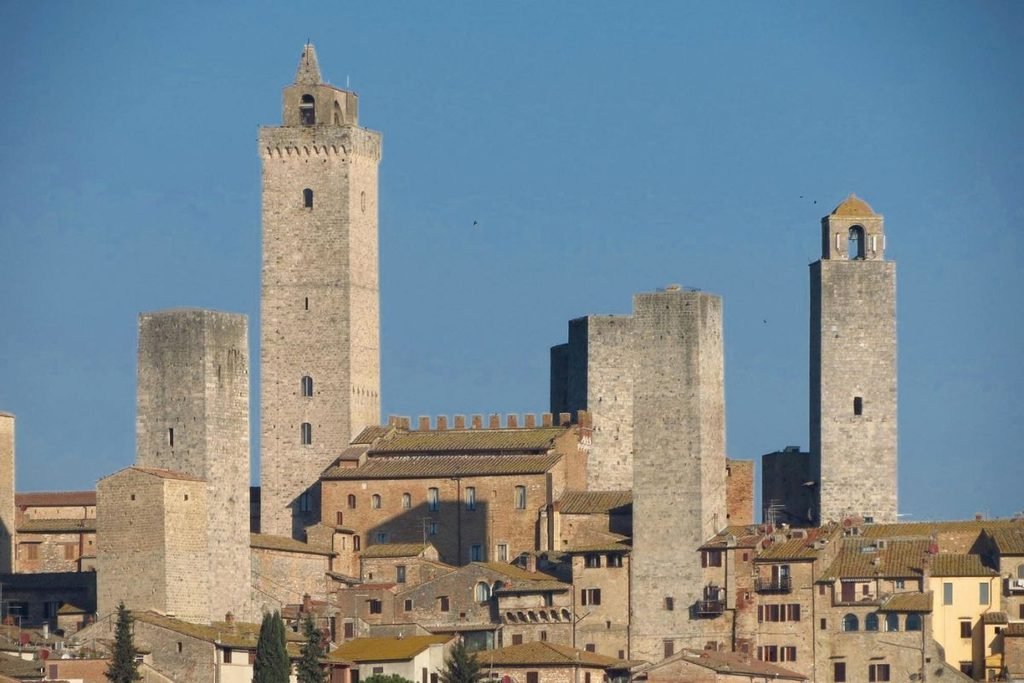
Rising above the rolling hills of Tuscany, San Gimignano is one of Italy’s most distinctive medieval towns, famous for its remarkable collection of ancient stone towers. Often referred to as the Medieval Manhattan, this UNESCO World Heritage Site offers a wonderful opportunity to experience Tuscany’s history, architecture and beautiful countryside.
During the Middle Ages, wealthy families built towers as symbols of their power and status. Although only 14 of the original towers remain, they still create an extraordinary skyline that makes San Gimignano instantly recognisable.
We visited San Gimignano on an earlier trip to Tuscany as part of an organised day tour, and it was a wonderful place to explore. Walking through the historic gateways and along the narrow cobbled streets felt like stepping back in time, with medieval buildings, charming shops and beautiful piazzas around every corner.
One of the pleasures of visiting San Gimignano is simply wandering without a particular destination in mind. Beyond its famous towers, the town offers spectacular views across the surrounding vineyards, olive groves and Tuscan hills, making it particularly appealing for photography and sightseeing.
Some of the highlights include:
- Piazza della Cisterna: A beautiful triangular medieval square surrounded by historic buildings, cafés and shops.
- Piazza del Duomo: The town’s main historic square, home to the Collegiate Church of Santa Maria Assunta.
- Torre Grossa: Climb the town’s tallest tower for magnificent views over San Gimignano and the surrounding countryside.
- Medieval streets: Explore the narrow lanes, stone archways and historic buildings that give the town its character.
- Local gelato: Treat yourself to a gelato while wandering through the piazzas.
- Vernaccia di San Gimignano: Discover the local white wine produced in the surrounding countryside.
A few things worth knowing before visiting:
- Historic centre: The town is compact and best explored on foot.
- Parking: If you’re driving, use the designated parking areas outside the medieval centre.
- Organised tours: San Gimignano is a popular stop on Tuscany day tours, often combined with Siena or a local winery.
- Footwear: Comfortable shoes are recommended for the cobbled streets and uphill sections.
- Best time to visit: Early morning or later afternoon can be more enjoyable when the busiest tour groups have departed.
Our tip: Allow yourself time to wander beyond the main piazzas and explore some of the quieter streets. You’ll discover beautiful little corners, historic architecture and wonderful countryside views away from the busiest areas.
For us, San Gimignano was a memorable introduction to Tuscany’s medieval hilltop towns. Its remarkable towers, beautiful streets and surrounding countryside made it a place we were very glad to have experienced.
Experience a Wine Tour at a Small Tuscan Vineyard
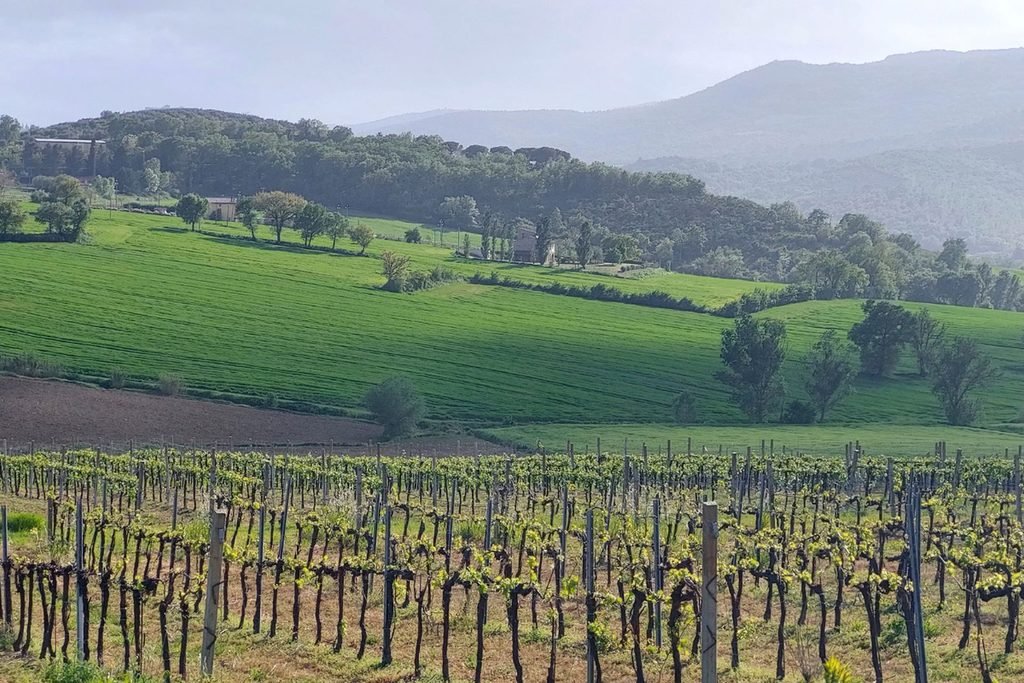
Tuscany is famous for its wine, and visiting a small, family-run vineyard is a wonderful way to discover the traditions behind some of Italy’s most celebrated varieties.
While larger wineries offer impressive facilities, smaller vineyards can provide a more personal experience, often giving visitors the opportunity to meet local producers and learn about their approach to winemaking.
Chianti is particularly well known for its beautiful vineyards, but you’ll also find excellent wine experiences around Montalcino, Montepulciano and San Gimignano.
Depending on the vineyard, your visit might include a walk through the vines, an introduction to the winemaking process and a tasting accompanied by local cheeses, olive oil or traditional Tuscan food.
A few things worth knowing before booking:
- Book ahead: Smaller wineries may only welcome visitors by appointment.
- Check what’s included: Some experiences offer tastings only, while others include tours and food pairings.
- Consider transport: If you’re planning to sample several wines, a guided tour with transport is a sensible option.
- Choose quality over quantity: Visiting one or two vineyards gives you more time to enjoy the experience without rushing.
Our tip: Look for a vineyard experience that includes local food alongside the wine tasting. It’s a lovely way to discover how Tuscany’s regional flavours complement its wines.
Join a Tuscan Food Tour
One of the loveliest ways to experience Tuscany’s food culture is by joining a traditional Italian cooking class. Whether it’s held in a farmhouse kitchen, local restaurant or countryside winery, it’s an opportunity to discover how simple ingredients can create some of Italy’s most delicious dishes.
On our first visit to Tuscany, we joined a cooking class at a local winery, and it’s an experience we still remember fondly.
The class was wonderfully relaxed and focused on making fresh pasta from scratch. Our host had already prepared the tomato sauce, explaining that it needed plenty of time for the flavours to develop. Our job was to make the pasta, roll out the dough and feed it through the pasta machine before cooking it.
Once the pasta was ready, we sat down to enjoy it with the beautiful homemade tomato sauce. Our host had also prepared fresh focaccia, and everything was accompanied by wine produced at the winery itself.
There was nothing particularly elaborate about the meal, but that was what made it so memorable. Fresh pasta, a rich tomato sauce, homemade bread and good local wine. It was simple Italian cooking at its best, and absolutely delicious.
What to Expect From a Tuscan Cooking Class
Cooking classes are available throughout Tuscany, with experiences ranging from short pasta-making workshops to longer sessions that include market visits and several courses.
Depending on the class, you might learn to prepare:
- Fresh pasta: Traditional varieties such as pici, ravioli or tagliatelle.
- Tuscan sauces: Simple recipes using fresh tomatoes, herbs and local ingredients.
- Traditional bread: Including focaccia and other regional favourites.
- Italian desserts: Such as tiramisu or other sweet treats.
A Few Things Worth Knowing Before Booking
- Group size: Smaller classes often offer a more personal, hands-on experience.
- Location: Choose between city-based cooking schools and countryside wineries or farmhouses.
- What’s included: Check whether ingredients, wine, recipes and transport are part of the experience.
- Dietary requirements: Let your host know about any restrictions before booking.
- Duration: Some classes last a couple of hours, while others include several courses and a shared meal.
Our tip: Don’t overlook the simpler cooking classes. Our experience taught us that you don’t need complicated recipes or fancy ingredients to enjoy an unforgettable Italian meal. Sometimes the most basic dishes, prepared with care and enjoyed in good company, are the ones you remember long after your travels.
Explore Florence Cathedral and Piazza del Duomo

Standing in the heart of Florence, the Cathedral of Santa Maria del Fiore is one of Italy’s most magnificent architectural landmarks. With its enormous red-tiled dome, intricate marble façade and striking Gothic design, the cathedral dominates the city’s skyline and is an attraction that deserves a place on any Florence itinerary.
Construction began in 1296, but it was the extraordinary dome designed by Filippo Brunelleschi in the 15th century that made the cathedral an architectural masterpiece. Even today, the scale and engineering behind its construction are remarkable.
The cathedral sits within Piazza del Duomo, a lively historic square surrounded by some of Florence’s most important religious buildings. The combination of colourful marble, detailed sculptures and centuries of history makes this one of the most impressive areas to explore in the city.
While the cathedral itself is the main attraction, there is much more to discover around the square.
Some of the highlights include:
- Florence Cathedral: Admire the magnificent exterior, with its distinctive white, green and pink marble.
- Brunelleschi’s Dome: Climb 463 steps for spectacular views across Florence and a closer look at the dome’s remarkable construction.
- Giotto’s Bell Tower: Another impressive viewpoint, reached by climbing 414 steps.
- Baptistery of San Giovanni: Discover one of Florence’s oldest religious buildings, famous for its beautiful bronze doors.
- Museo dell’Opera del Duomo: Explore original sculptures, artworks and treasures associated with the cathedral complex.
- Piazza del Duomo: Enjoy the atmosphere of the square and admire the surrounding architecture.
A few things worth knowing before visiting:
- Cathedral entry: General admission to the cathedral is free, although queues can be lengthy.
- Tickets: Climbing the dome and visiting several other attractions requires a paid pass.
- Book ahead: Dome climbs have timed entry and are popular, particularly during busy travel periods.
- Dress appropriately: Modest clothing is required when entering religious buildings.
- Be prepared for stairs: Neither the dome nor the bell tower has a lift, and the climbs can be physically demanding.
Our tip: Even if you don’t plan to enter every attraction, allow time to wander around Piazza del Duomo and admire the cathedral from different angles. The detail in the marble façade is extraordinary, and it’s worth taking a closer look rather than simply rushing past.
For anyone interested in history, architecture or Renaissance art, Florence Cathedral and its surrounding square are among the most rewarding places to explore in Tuscany.
Discover Tuscany’s Medieval Hilltop Villages
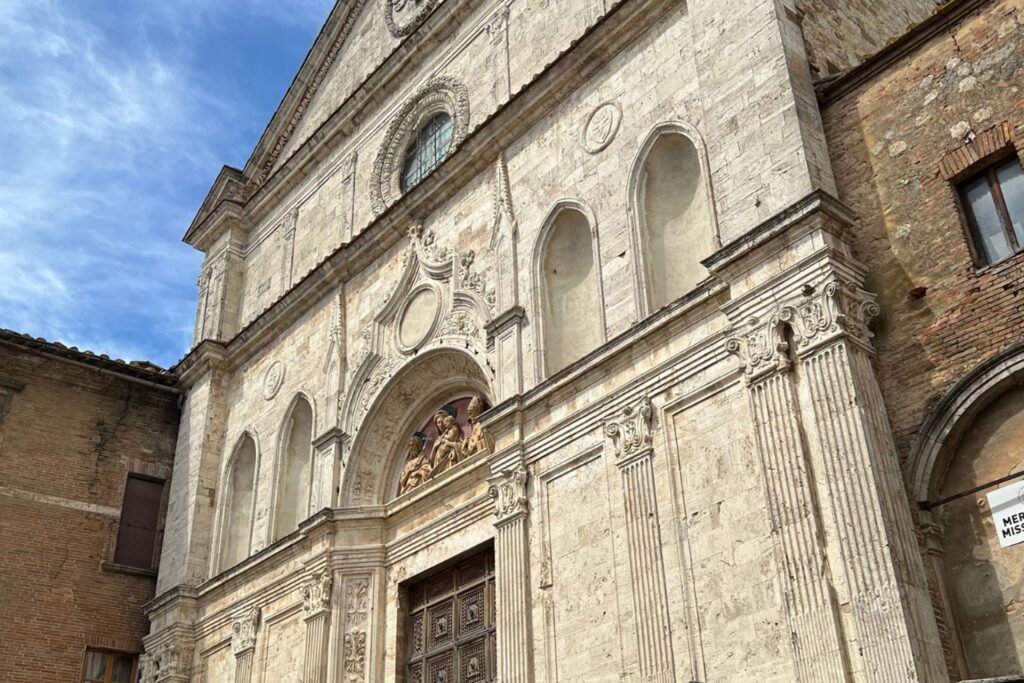
Beyond Tuscany’s famous cities and well-known attractions, you’ll discover smaller hilltop towns that are just as rewarding to explore.
One of the things we enjoyed most about travelling through the region was having the freedom to stop somewhere unexpected, wander through historic streets and discover places that weren’t necessarily on our original itinerary.
Some beautiful Tuscan towns worth adding to your travels include:
- Pienza: A charming Renaissance town known for its beautiful architecture, Pecorino cheese and views across the Val d’Orcia.
- Montalcino: A historic hilltop town surrounded by vineyards, particularly famous for Brunello di Montalcino wine.
- Cortona: A picturesque town with medieval streets, historic churches and panoramic countryside views.
- Volterra: An ancient hilltop town known for its Etruscan history, impressive walls and traditional alabaster craftsmanship.
You don’t necessarily need a full day in each location. Sometimes a few hours enjoying a coffee, exploring the local shops or admiring the views is enough to make a stop memorable.
Our tip: Leave a little flexibility in your itinerary. Some of the most enjoyable travel experiences happen when you discover somewhere you hadn’t planned to visit.
Enjoy a Traditional Tuscan Cooking Class
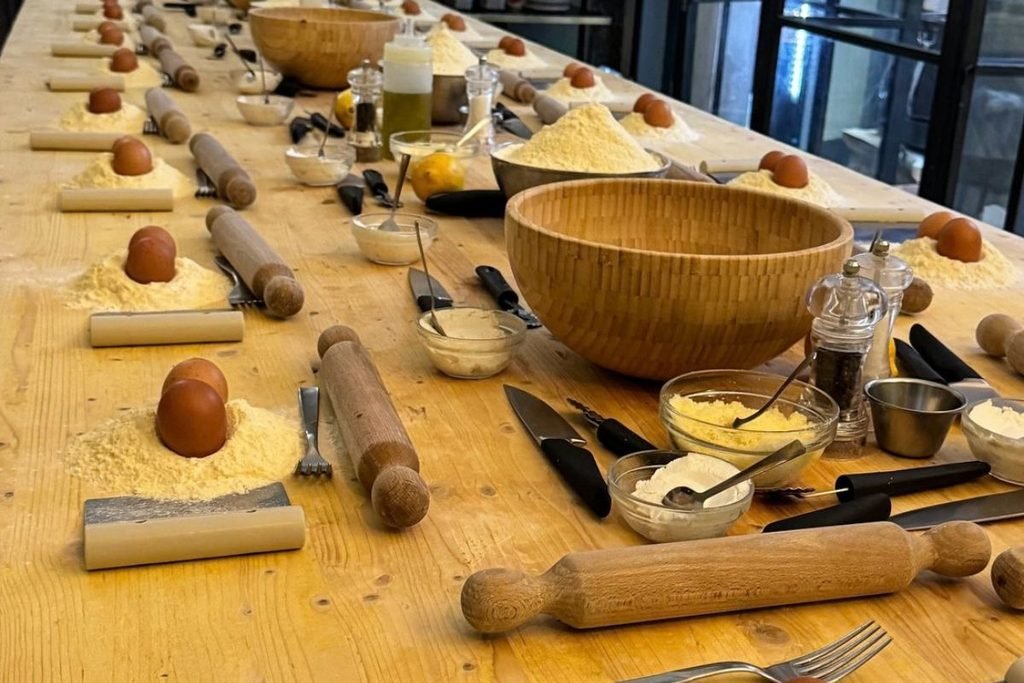
If you love Italian food, joining a traditional Tuscan cooking class is a wonderful way to take a little of Italy home with you. Rather than simply enjoying the finished dishes at a restaurant, you’ll have the opportunity to learn how local ingredients are transformed into some of the region’s most loved meals.
Tuscan cooking is known for its simplicity, with recipes that have been passed down through generations. Fresh pasta, seasonal vegetables, locally produced olive oil and traditional sauces are at the heart of many dishes, making a cooking class both enjoyable and surprisingly practical.
Classes are available throughout Tuscany, from professional cooking schools in Florence to small farmhouse kitchens surrounded by vineyards and olive groves. Some experiences begin with a visit to a local market to select ingredients, while others focus on preparing a complete Italian meal in a relaxed countryside setting.
Depending on the class you choose, you might learn to make:
- Fresh pasta: Prepare traditional varieties such as pici, ravioli or tagliatelle from scratch.
- Tuscan sauces: Discover how simple, fresh ingredients create rich and delicious flavours.
- Traditional desserts: Try your hand at making tiramisu or other Italian favourites.
- Regional dishes: Learn recipes inspired by Tuscany’s seasonal produce and local traditions.
One of the loveliest parts of a cooking class is usually sitting down afterwards to enjoy the meal you’ve prepared, often accompanied by a glass of local wine. It’s also a great opportunity to meet other travellers and share stories around the table.
A few things worth considering before booking:
- Location: Choose between a city-based class or a countryside farmhouse experience.
- Group size: Smaller classes often provide more hands-on instruction and a relaxed atmosphere.
- What’s included: Check whether ingredients, drinks, recipes and transport are included.
- Dietary requirements: Let the organiser know about any dietary restrictions before booking.
- Duration: Classes vary from short pasta-making workshops to longer experiences that include market visits and several courses.
Our tip: Look for a small-group class that teaches traditional regional recipes rather than just familiar Italian favourites. It’s a lovely way to discover something new and return home with cooking skills you can use long after your holiday.
Whether you’re travelling as a couple, with friends or on your own, a Tuscan cooking class offers a memorable combination of food, culture and local hospitality.
How to Choose Your Tuscany Experiences
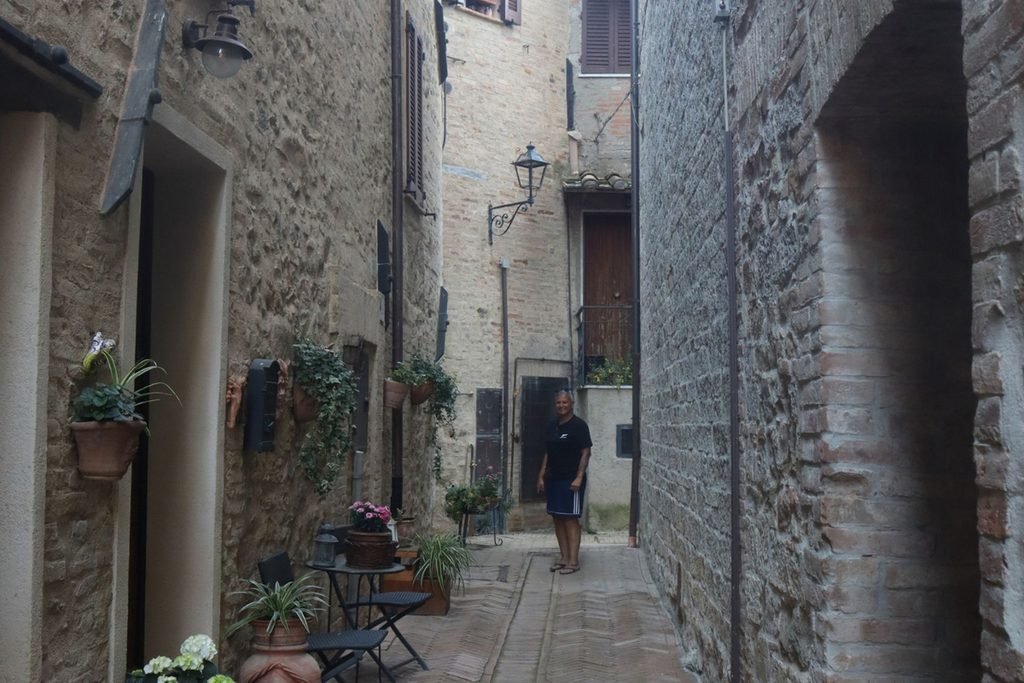
With so many wonderful attractions and activities, it’s tempting to fit as much as possible into your Tuscany itinerary. However, choosing a few experiences that genuinely interest you will often make your visit more enjoyable.
We recommend combining some of the region’s famous landmarks with experiences that offer something different, whether that’s exploring a vineyard, visiting a local market or relaxing in the natural thermal pools.
Try to group nearby attractions together, book popular activities in advance and leave a little room for unexpected discoveries.
Our favourite approach is to plan one main experience for the day, then enjoy whatever else we come across along the way. It’s a lovely way to explore without feeling that every moment needs to be scheduled.
Final Thoughts on the Best Things to Do in Tuscany
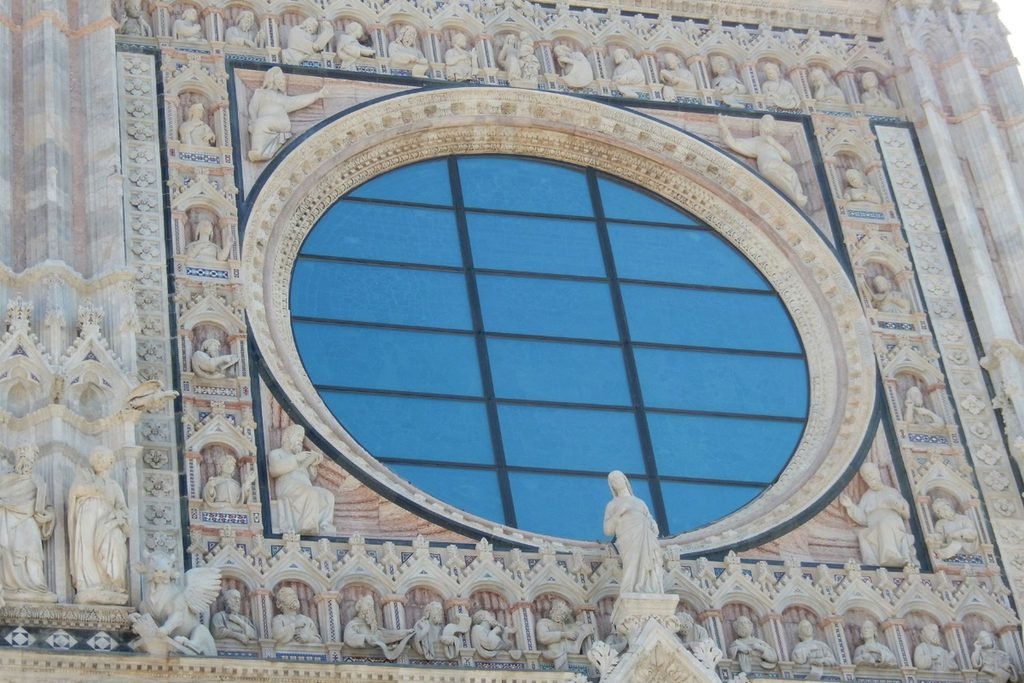
Looking back on our travels through Tuscany, it’s difficult to choose just one favourite experience. Some of our best memories came from the famous landmarks we’d always wanted to see, while others were the unexpected discoveries we made along the way.
That’s what we loved most about exploring this part of Italy. There was always something different waiting around the next corner, whether it was a fascinating piece of history, a memorable meal or a beautiful place we hadn’t planned to visit.
We hope our experiences inspire you to discover a few favourites of your own.
Planning your Tuscany adventure? Take a look at our Planning a Journey Through Tuscany guide for practical travel advice or explore our Where to Stay in Tuscany guide to find the perfect base for your visit.
“Some of the best travel memories begin with a road you’ve never taken and a place you never planned to find.”
🌍 Travel Planning Resources
These are the tools we personally use and trust when planning our travels from finding a place to stay to booking activities, transport and insurance. Let your “Tohu” guide you “Trust the Journey” and follow what feels right for you.
- ✈️Flights – Compare great deals with Trip.com then Kiwi.com for flexible, affordable options.
- 🚐 Campervans – Compare rental deals with Motorhome Republic across Aotearoa and beyond.
- 🛏️ Stays – Compare hotels on Trip.com and TripAdvisor or Booking.com.
- 🚐 Rental Cars – Compare prices and book through Airport Rentals by Motorhome Republic for trusted brands and easy airport pickup.
- 🎟️ Activities – Browse tours and experiences on Viator, Get Your Guide, or TripAdvisor
- 🚆12Go Asia – Compare and book trains, buses, and ferries across Asia in one place with 12Go.
- 🛡️ Travel Insurance – Get flexible short-term coverage with Insubuy for your next holiday.
- 💳 Travel Money – Send, spend and manage money internationally with Wise, with easy currency conversion and a handy option for travellers.
- 🔒 Protect Your Privacy with a VPN – We recommend Surfshark VPN for secure and private browsing while travelling. It’s fast, affordable and works worldwide, perfect for public Wi-Fi at airports, cafes and hotels.
- 📱 Travel eSIM – Stay connected with Airalo
- 💼 Lounge Access – Treat yourself with Priority Pass for UK or US
- 🎶 Events & Concerts – Book tickets worldwide through Ticketmaster.
🧭 Note: Some booking links can be a bit shy when you’re using a VPN. If one doesn’t open, try pausing your VPN or switching to a different server location or secure Wi-Fi network to get things flowing again.