The Italian Dolomites are one of the most spectacular mountain regions in Europe, where towering limestone peaks rise above green alpine pastures, traditional villages and crystal-clear lakes. Located in northern Italy, this UNESCO World Heritage landscape offers an incredible combination of hiking trails, scenic mountain roads, cycling routes and charming towns filled with distinctive alpine architecture. Whether you’re planning an adventurous hiking holiday, a scenic road trip or simply want to experience the beauty of the Italian Alps, this guide to exploring the Dolomites will help you discover what makes this region so remarkable, including the places worth visiting and practical tips for planning your journey.
Are the Dolomites Worth Visiting?
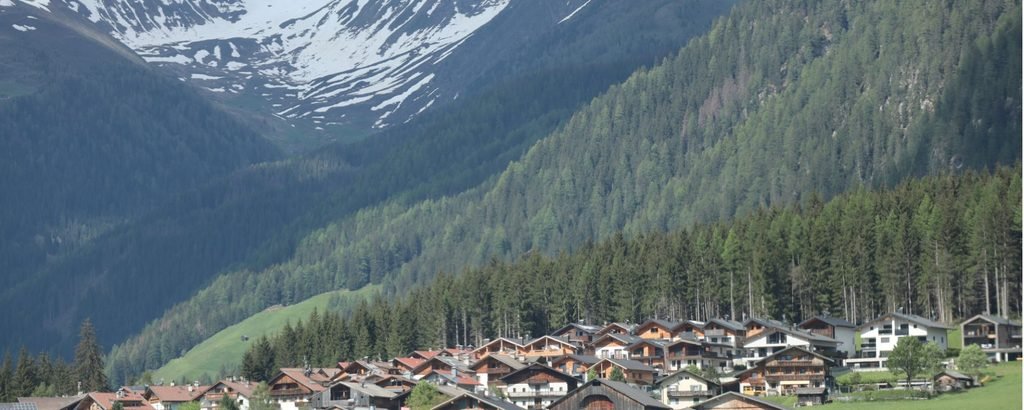
Absolutely, and they deserve a place on any northern Italy itinerary. What makes the Dolomites so extraordinary is the sheer scale of the landscape. Enormous mountain peaks tower above immaculate green pastures, while traditional timber buildings, beautifully maintained villages and alpine farms create a setting unlike anywhere else in Italy. There is something to discover around almost every corner, from peaceful lakes and panoramic mountain viewpoints to hiking trails that lead to welcoming alpine restaurants. You don’t have to be an experienced hiker to appreciate the region either. Cable cars, scenic drives, well-maintained cycling paths and accessible walking trails make it possible to enjoy the mountains in many different ways.
Our Experience in the Dolomites
The Dolomites were the final stop on our Italian road trip before crossing into Switzerland. As passionate hikers, this was one destination we had been particularly excited about. We spent six days based in the little village of San Martino, near Santa Maddalena in the province of Bolzano.
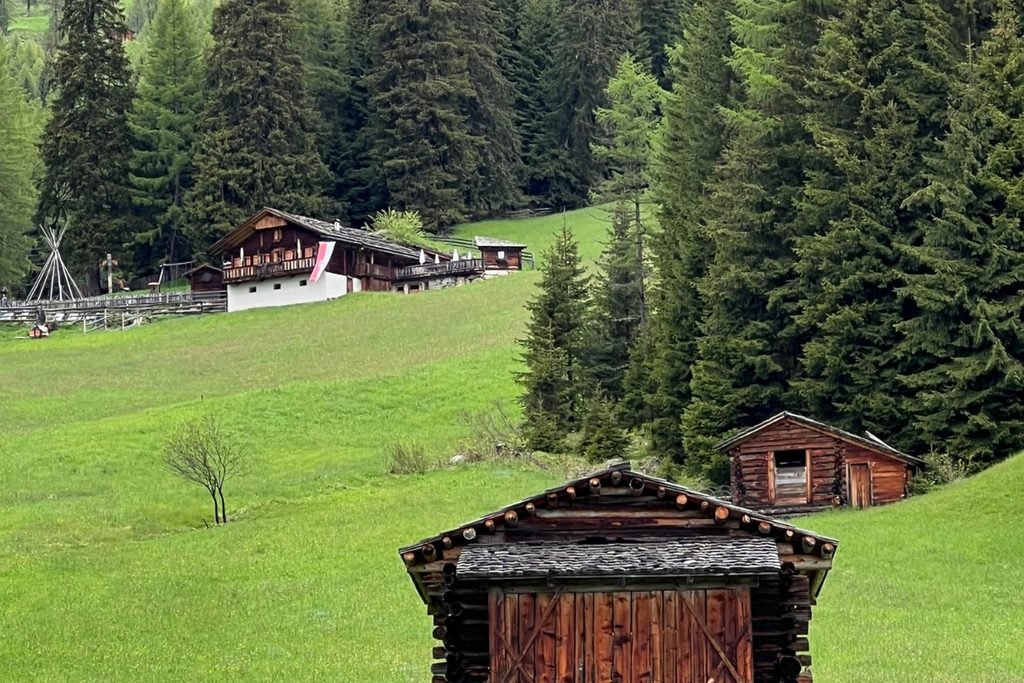
We arrived towards the end of May, with a few days of light rain and cooler temperatures. However, we enjoyed mostly clear skies and plenty of opportunities to get outdoors. From the moment we arrived, we were captivated by the enormous mountains, lush green pastures and distinctive alpine buildings. Even the woodsheds looked like beautifully constructed barns! Every village we passed through seemed peaceful, beautifully maintained and full of character.
We spent our days cycling between mountain villages, hiking above Santa Maddalena and Seceda, and walking around Lago di Braies. We also explored Cortina d’Ampezzo. Some planned hikes were still closed because of snow, but this led us to discover other wonderful places. Of everywhere we travelled in Italy, the Dolomites left one of the strongest impressions on us. It’s a region we would return to without hesitation.
Table of Contents
- Are the Dolomites Worth Visiting?
- Our Experience Exploring the Dolomites
- Where Are the Dolomites in Italy?
- Best Places to Visit in the Dolomites
- Our Six Days Exploring the Dolomites
- Getting Around the Dolomites
- Best Time to Visit the Dolomites
- Practical Tips for Visiting the Dolomites
- Final Thoughts
Where Are the Dolomites in Italy?
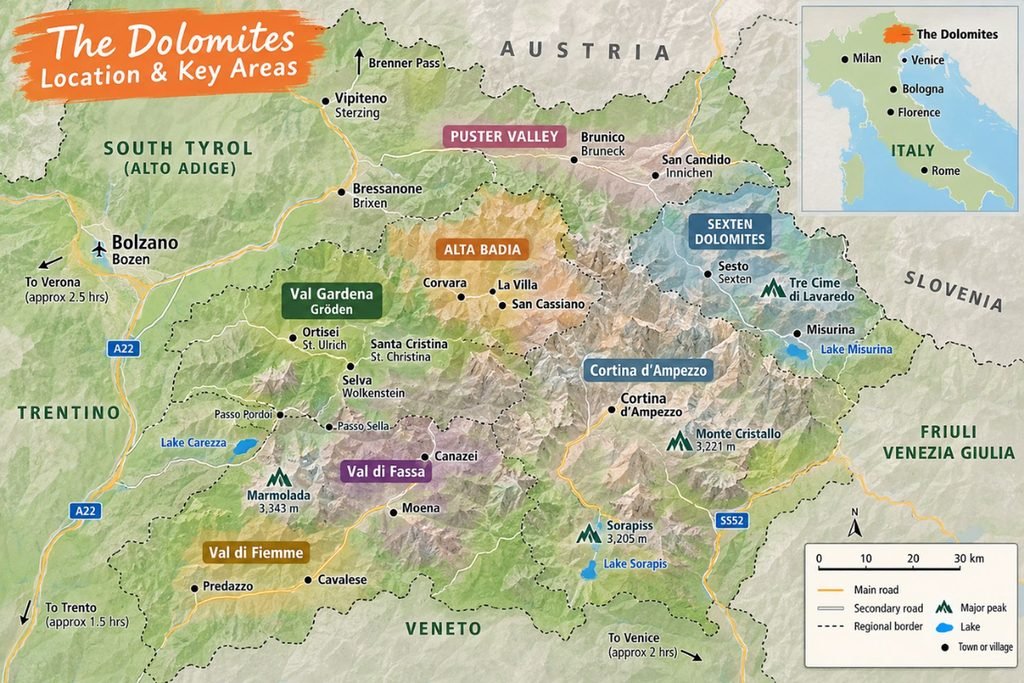
The Dolomites are located in northeastern Italy, stretching across the regions of Trentino-Alto Adige/Südtirol, Veneto and Friuli Venezia Giulia. Part of the Southern Limestone Alps, this mountain range is recognised as a UNESCO World Heritage Site. It’s famous for its dramatic rock formations, towering peaks and distinctive alpine landscapes.
Unlike mountain destinations centred around a single town, the Dolomites cover an extensive area. Numerous valleys, villages and mountain passes connect different parts of the region.
Choosing where to stay and understanding travel distances can make a big difference when planning your visit.
Some of the most popular areas include:
- Val Gardena: Home to Ortisei, Santa Cristina and Selva. This valley offers access to Seceda and some of the region’s best-known hiking trails.
- Val di Funes (Villnöss): A peaceful valley with traditional alpine villages, green pastures and spectacular views of the Odle mountains. This is where we based ourselves.
- Alta Pusteria: An excellent base for exploring Lago di Braies, Lago di Dobbiaco, Lago di Landro and Tre Cime di Lavaredo.
- Cortina d’Ampezzo: One of the Dolomites’ best-known mountain towns, surrounded by impressive peaks. It’s a great base for walking trails and scenic mountain passes.
- Alpe di Siusi (Seiser Alm): Europe’s largest high-altitude alpine meadow, known for its open grasslands and mountain scenery. It also offers extensive walking and cycling routes.
One of the interesting things about travelling through this region is its blend of Italian and Austrian influences. South Tyrol was once part of the Austro-Hungarian Empire. German is widely spoken alongside Italian, while Ladin is also spoken in several valleys.
You’ll notice this cultural heritage in the architecture, food, village names and local traditions.
Many places have both Italian and German names, such as Santa Maddalena (St. Magdalena) and Monguelfo (Welsberg). Don’t be surprised if road signs, maps and accommodation listings use different names for the same destination.
Best Places to Visit in the Dolomites
The Dolomites are filled with remarkable destinations, from towering mountain peaks and turquoise alpine lakes to traditional villages in peaceful valleys.
With so many places spread across the region, deciding where to go can be difficult when planning your visit.
During our six days, we discovered several of the Dolomites’ most famous attractions alongside quieter villages and scenic mountain roads. These were some of our favourite places, along with a few other destinations worth considering if you have more time.
Val di Funes and Santa Maddalena
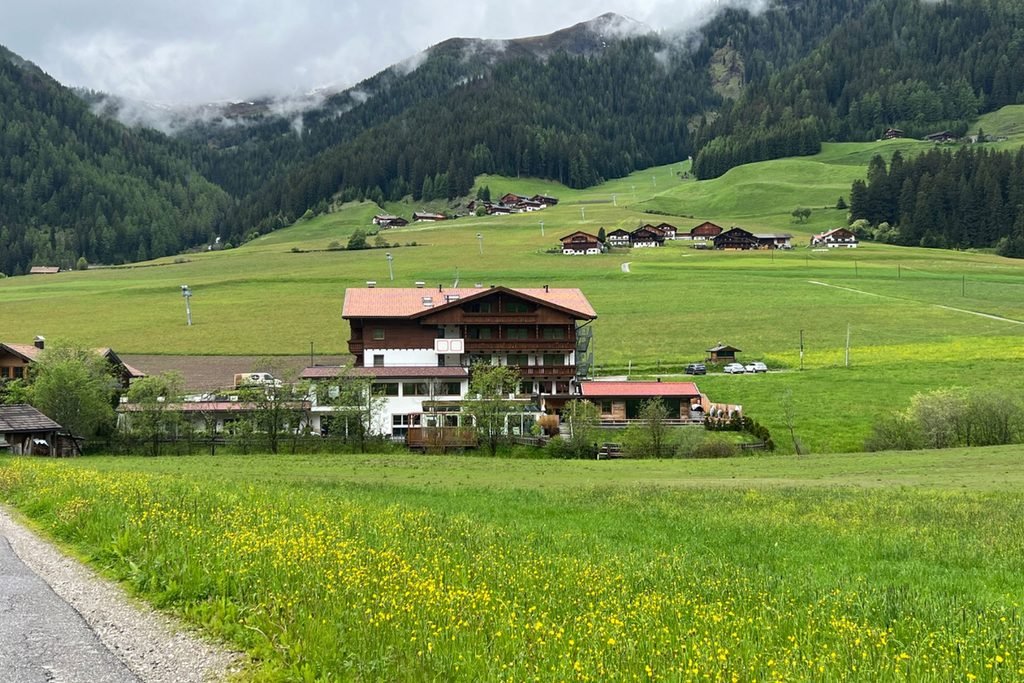
Val di Funes (Villnösstal) is one of the most picturesque valleys in the Dolomites. Green pastures and traditional alpine farmhouses sit beneath the jagged Odle mountain peaks, creating an extraordinary backdrop.
- Santa Maddalena: A peaceful village known for its traditional church, mountain scenery and beautiful walking trails.
- Traditional architecture: Enormous timber farmhouses, carefully stacked firewood and impressive agricultural buildings reflect the valley’s rural character.
- Quieter surroundings: A lovely alternative to the busier mountain resort towns, with plenty of opportunities to appreciate the landscape.
We stayed nearby in San Martino and were continually impressed by how beautifully maintained the villages and surrounding properties were. The buildings were almost as fascinating to us as the mountains themselves.
Seceda and Val Gardena
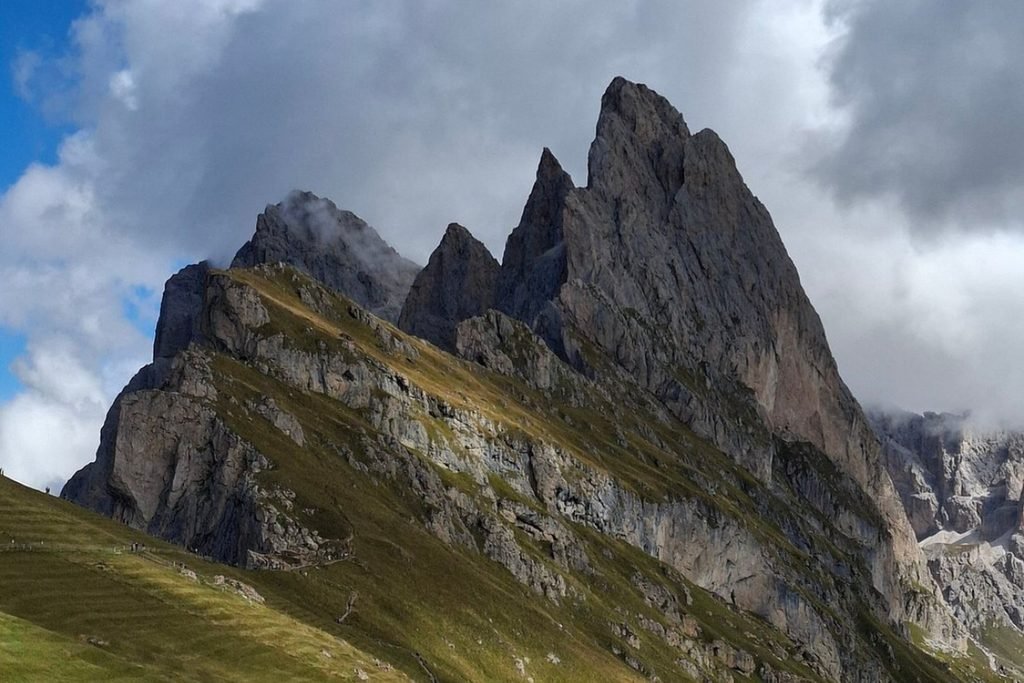
Rising above Ortisei in Val Gardena, Seceda is famous for its dramatic ridgeline. Steep limestone peaks rise sharply above the surrounding alpine meadows.
- Cable car access: Travel from Ortisei into the mountains without needing to complete a strenuous uphill hike.
- Panoramic viewpoints: Enjoy spectacular views across some of the Dolomites’ most recognisable mountain groups.
- Hiking opportunities: Choose between shorter walks near the upper station and longer trails across the surrounding mountains.
Seceda is particularly popular with photographers and hikers. However, you don’t need to complete a lengthy walk to appreciate its extraordinary scenery.
Lago di Braies (Pragser Wildsee)
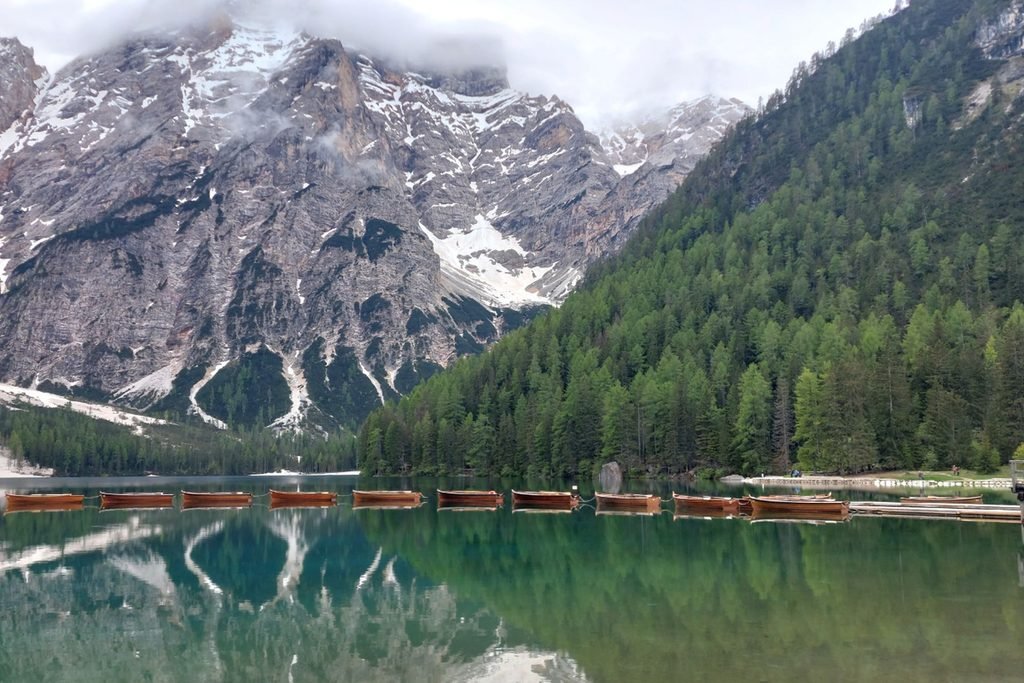
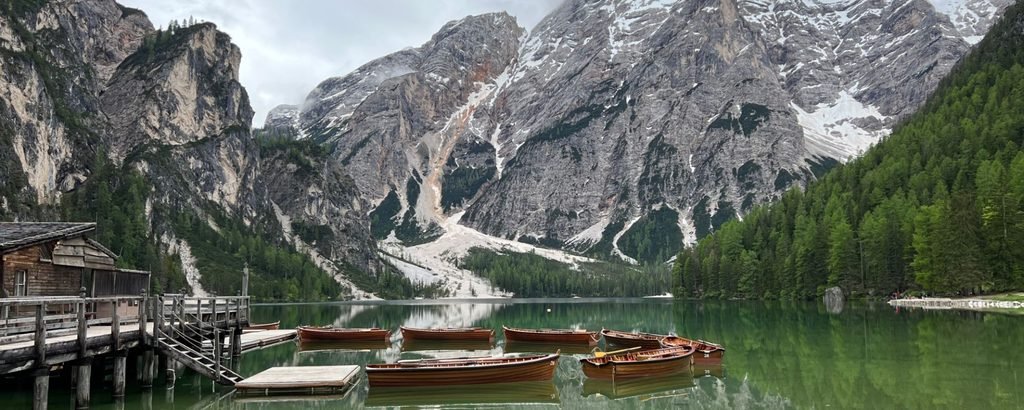
Lago di Braies is one of the most recognisable lakes in the Dolomites. Steep forested slopes and towering limestone mountains surround its beautiful waters.
Its clear, emerald-green water creates remarkable reflections when conditions are calm. This makes it a favourite destination for photographers and nature lovers.
- Lakeside walking trail: Follow the path around the lake for changing views of the mountains and shoreline.
- Wooden rowing boats: Available to hire during the operating season.
- Photography: Calm conditions can produce beautiful reflections of the surrounding landscape.
Despite its popularity, Lago di Braies deserves its reputation. The combination of the water, mountains and surrounding forest makes it one of the region’s most memorable natural attractions.
Tre Cime di Lavaredo
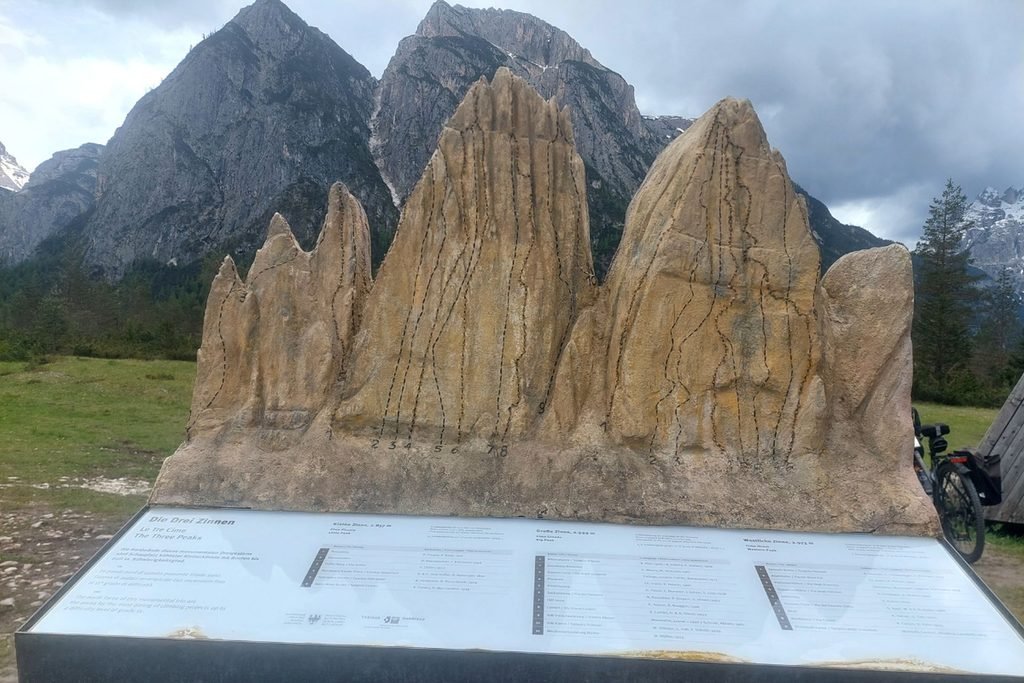
Few mountain formations are as instantly recognisable as Tre Cime di Lavaredo (Drei Zinnen). These three enormous limestone peaks have become a symbol of the Dolomites.
Located in the eastern Dolomites, these distinctive mountains attract hikers, climbers and photographers from around the world.
- Tre Cime circuit: One of the region’s best-known mountain hiking routes, with access depending on seasonal conditions and remaining snow.
- Mountain photography: The three distinctive peaks create some of the Dolomites’ most famous views.
- Alternative viewpoints: Visitors unable to complete the circuit can see the peaks from locations such as the panoramic viewpoint near Lago di Landro.
Lago di Dobbiaco and Lago di Landro
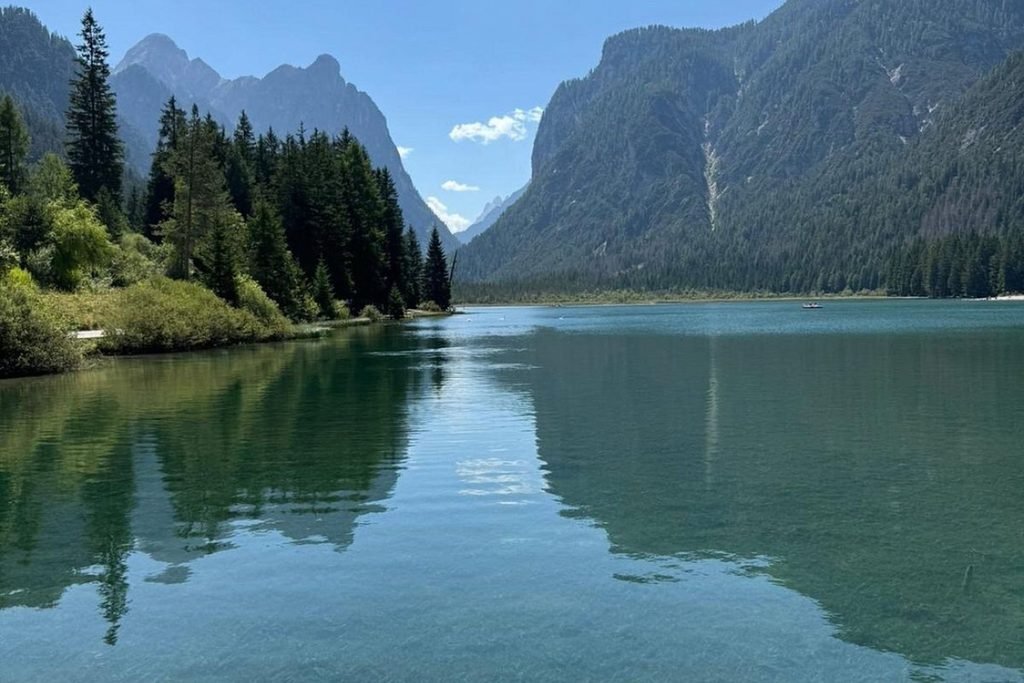
These two alpine lakes lie along the scenic route between Dobbiaco and Cortina d’Ampezzo. Both are excellent destinations for walking, cycling and enjoying the surrounding mountains.
- Lago di Dobbiaco (Toblacher See): Surrounded by forests and mountains, with an easy shoreline walking trail. There are also places to stop for refreshments.
- Lago di Landro (Dürrensee): A beautiful lake beneath imposing mountain peaks, offering impressive views across the valley.
- Cycling routes: Both lakes are accessible from the established cycling network, making them excellent stops when exploring on two wheels.
Cortina d’Ampezzo
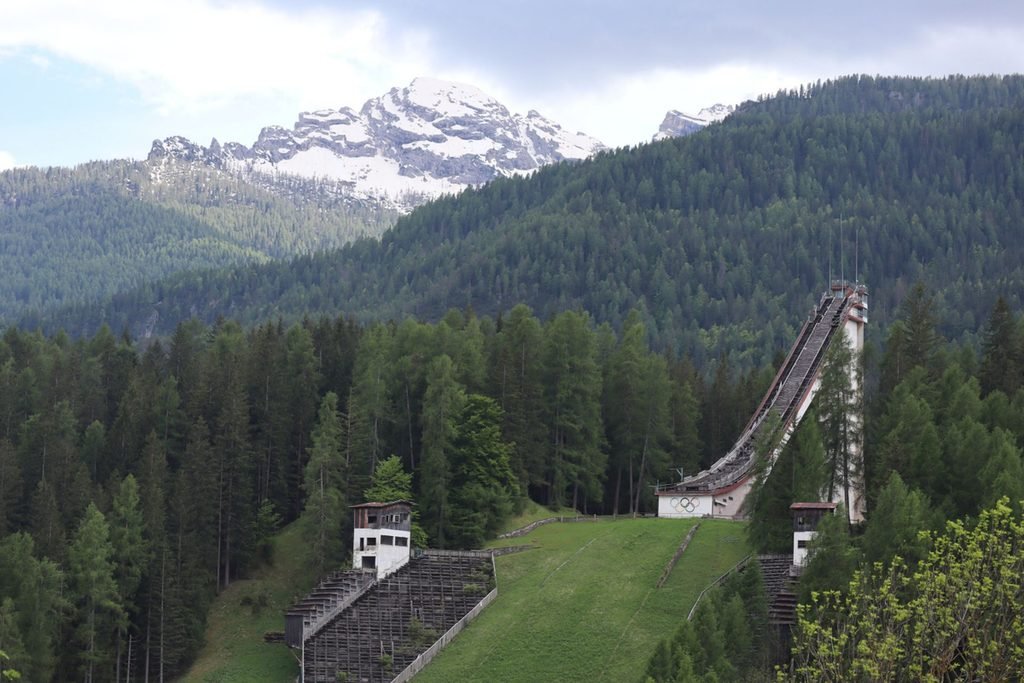
Often referred to as the Queen of the Dolomites, Cortina d’Ampezzo is one of Italy’s most famous alpine resort towns.
Surrounded by dramatic mountain ranges, Cortina combines traditional alpine architecture with elegant shops, cafés, restaurants and a lively town centre.
- Explore the town: Wander through the streets, admire the alpine buildings and enjoy the cafés and restaurants.
- Outdoor adventures: A popular base for hiking and cycling during the warmer months, as well as winter sports.
- Scenic mountain passes: A convenient starting point for exploring several of the eastern Dolomites’ most famous attractions.
Other Places Worth Visiting in the Dolomites
Although we couldn’t fit everything into our six days, several other destinations are worth considering when planning a longer stay.
- Alpe di Siusi (Seiser Alm): An enormous high-altitude alpine meadow with extensive walking trails. Enjoy sweeping views towards the Sassolungo and Sciliar mountain groups.
- Passo Gardena (Grödner Joch): A spectacular mountain pass connecting Val Gardena with Val Badia. It’s popular for scenic drives, cycling and mountain photography.
- Passo Sella (Sellajoch): One of the Dolomites’ most impressive mountain passes, offering dramatic views of the Sella massif and Sassolungo.
- Lago di Carezza (Karersee): A small alpine lake famous for its vivid colours and beautiful reflections of the Latemar mountains.
- Cinque Torri: A distinctive group of rock towers near Cortina d’Ampezzo. The area features hiking trails and historic sites associated with the First World War.
With so many extraordinary places to discover, the Dolomites reward travellers who explore beyond the famous attractions. Even the journeys between destinations can become highlights, with mountain villages, scenic valleys and unexpected viewpoints appearing along the way.
Our Six Days Exploring the Dolomites
We had six days to explore the Dolomites and arrived with a list of hikes we wanted to complete. However, remaining snow meant some of the higher mountain trails were still closed.
Rather than being disappointed, we made the most of the places we could access. Our days were filled with cycling, mountain walks, scenic drives and visits to traditional alpine villages.
Having our leased car gave us the freedom to explore different valleys and stop whenever something caught our attention. We could also adjust our plans along the way. It was the perfect way to experience the Dolomites, with something different to enjoy each day.
Day 1: Cycling from Monguelfo to Lago di Landro
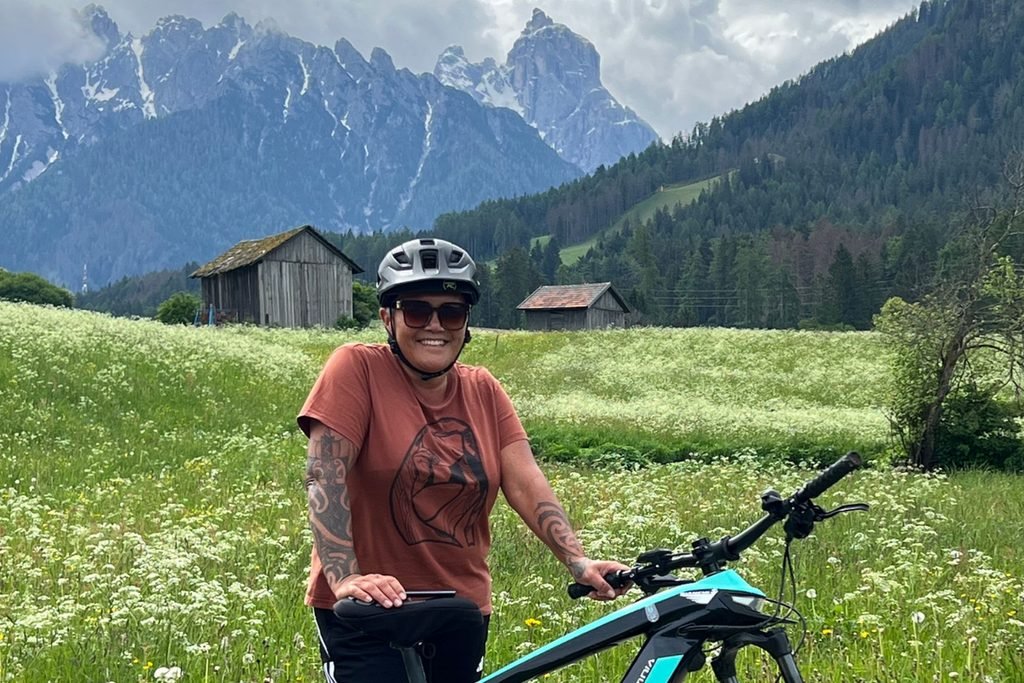
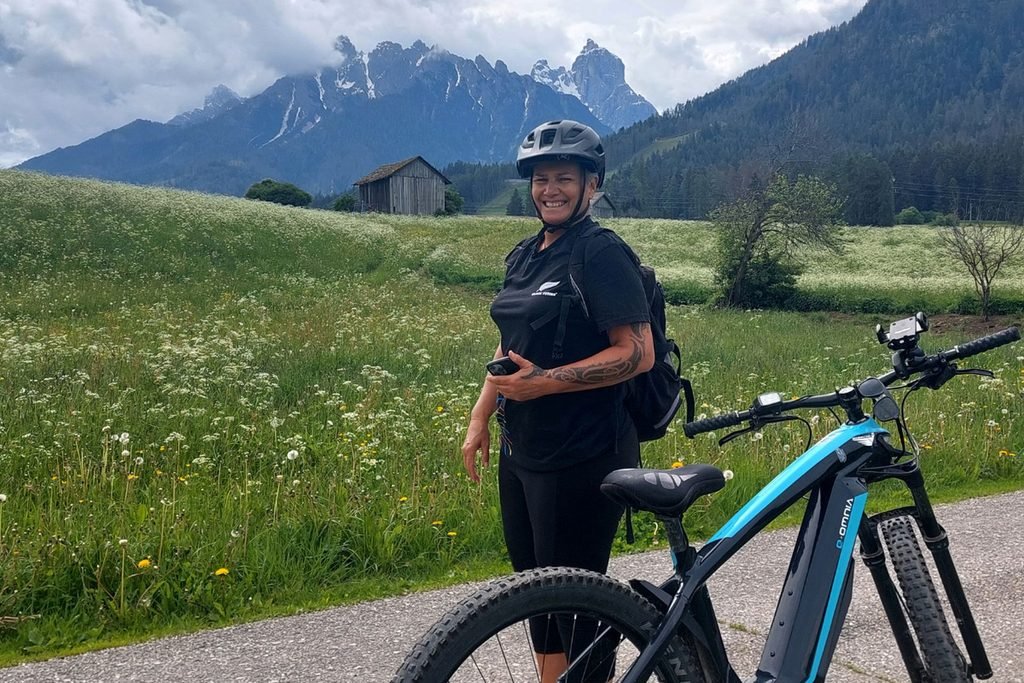
Our first adventure was on two wheels. We headed to Huski Rentals in Monguelfo (Welsberg), where we hired bicycles for the day. Visiting during the quieter shoulder season worked in our favour, as we received a fantastic discount, paying around half the usual rental price. The service was excellent, making it a great start to our day.
We set off towards Lago di Landro, following well-maintained cycling trails with clear signage and excellent surfaces. The route took us through little villages, open pastures and stretches of forest, with enormous mountains rising on either side.
There were several highlights along the way:
- Traditional alpine villages: We stopped whenever something caught our attention. We admired the enormous timber houses, impressive barns and beautifully maintained properties.
- Vista Panoramica viewpoint: Near Lago di Landro, we enjoyed wonderful views towards the famous Tre Cime di Lavaredo. It was a lovely reward for our ride.
- Lunch at Lago di Dobbiaco: On our return journey, we stopped at Ristorante al Lago di Dobbiaco. We enjoyed a well-earned meal beside the lake.
We weren’t in any hurry, and that was part of the enjoyment. Being able to explore at our own pace made cycling one of our favourite ways to discover the Dolomites.
Day 2: Hiking from Santa Maddalena to Malga Ascht-Alm
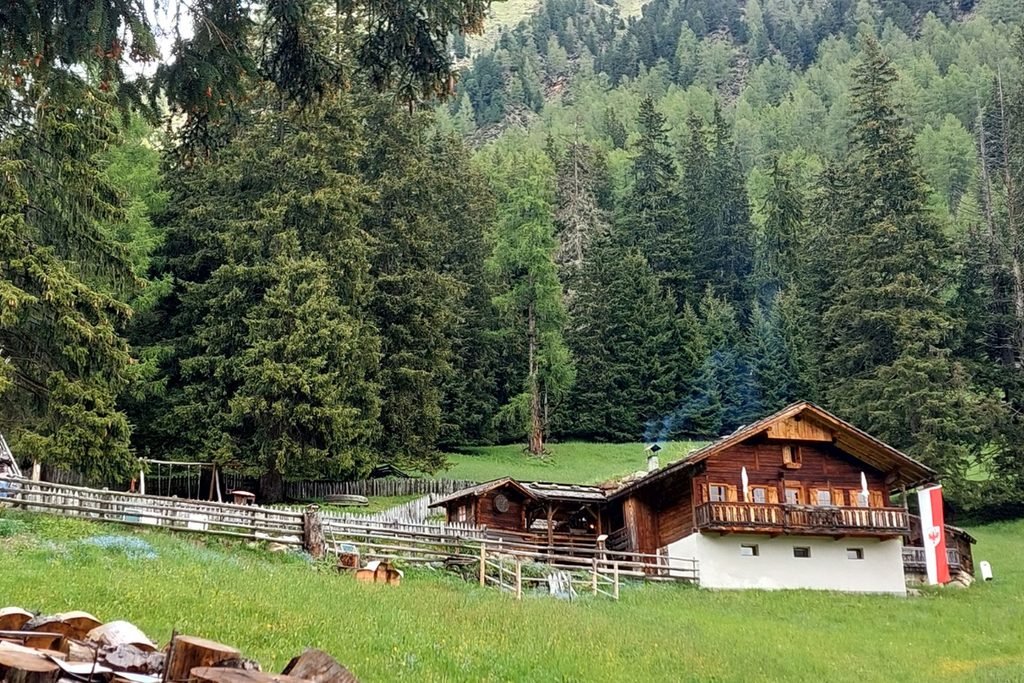
Our second day took us into the mountains above Santa Maddalena in Val di Funes, not far from where we were staying.
We drove up to the village before setting out on one of the most scenic walks of our visit. Enormous mountain peaks rose above green pastures, with traditional alpine farmhouses scattered across the hillsides.
What we particularly loved was the scale of everything. The mountains were immense, the farm buildings beautifully constructed, and the valley had a peaceful atmosphere that made the walk even more enjoyable.
Our destination was Malga Ascht-Alm, a mountain restaurant tucked into the alpine landscape. After our walk, arriving somewhere so lovely and sitting down to a delicious meal was a real treat.
There’s something special about hiking to a mountain restaurant rather than simply driving to one. You get to appreciate the countryside along the way, and by the time you arrive, you’ve certainly earned your lunch!
Day 3: Ortisei, Seceda and an Unexpected Visit to Hotel Hubertus
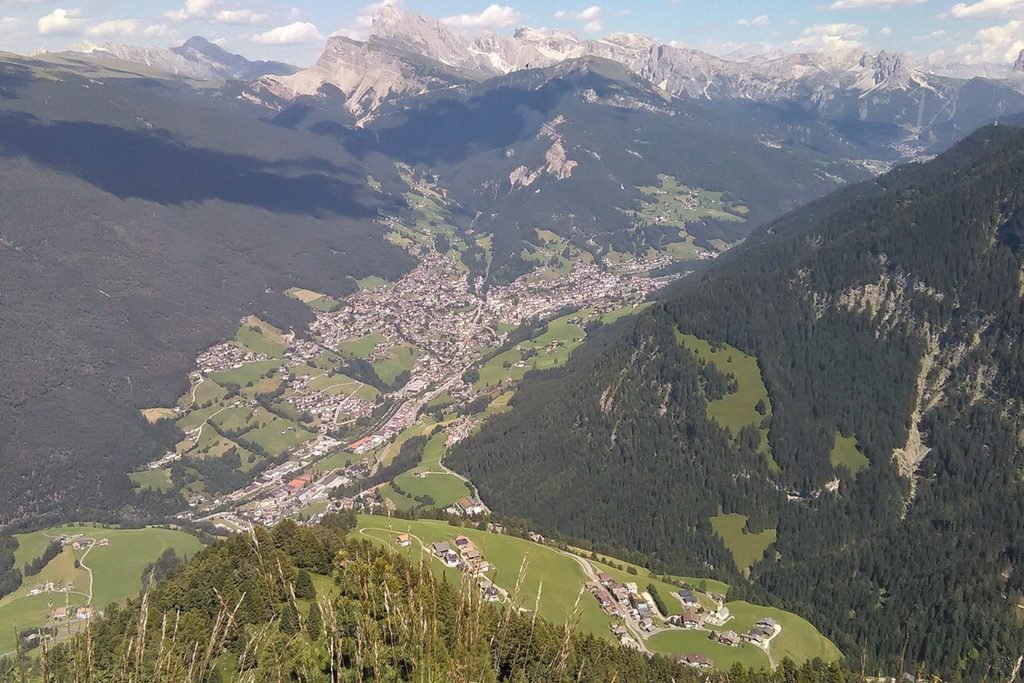
We had been looking forward to visiting Seceda, one of the Dolomites’ most recognisable mountain destinations, so we set off towards Ortisei to catch the gondola into the mountains.
Rather than taking the most direct route, we decided to follow an alternative road. Along the way, we passed Hotel Hubertus, a remarkable alpine hotel that had featured on television back home in New Zealand just the previous evening.
Our family had been watching the programme and asked whether we’d seen the hotel during our travels. As luck would have it, there it was, right along our route! Naturally, we couldn’t resist stopping to have a look.
The hotel was every bit as impressive as it had appeared on television, and it was quite funny to stumble across somewhere our family had only just been talking about.
Afterwards, we continued to Ortisei, where we caught the gondola up to Seceda.
The scenery at the top was extraordinary. Those enormous, jagged mountain peaks rising sharply above the alpine meadows were even more impressive in person than they appeared in photographs.
We spent around three hours hiking across the mountain trails, stopping frequently to admire the views and take photographs.
Rather than eating at one of the mountain restaurants, we’d brought our own sandwiches. We found a quiet little corner away from the busier areas, sat down and simply enjoyed the peace and the mountains surrounding us.
For two people who love hiking, moments like these are what travelling is all about. No rushing, no particular schedule, just being outdoors in a place we’d been dreaming of visiting.
Day 4: Walking Around Lago di Braies
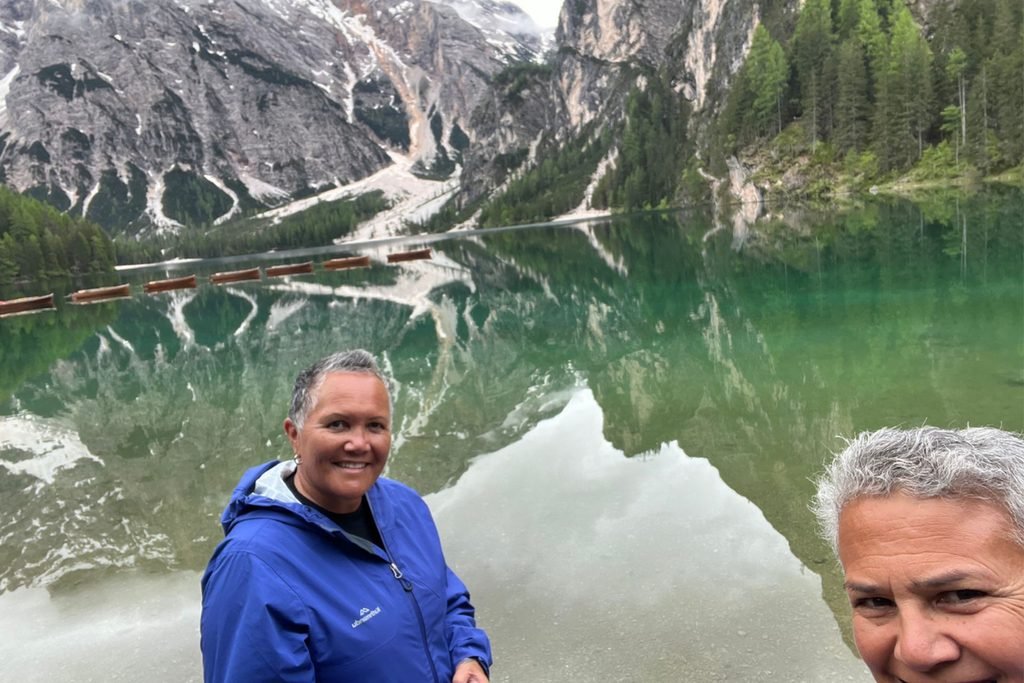
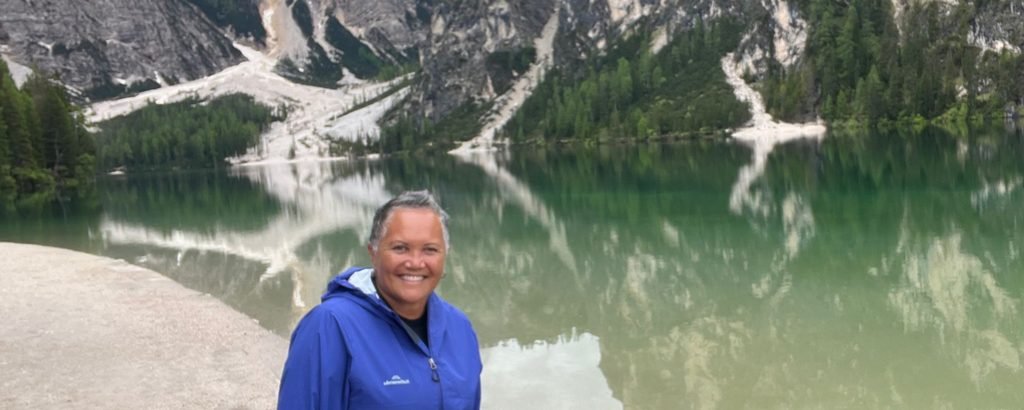
Of all the lakes we visited during our travels, Lago di Braies remains one of my absolute favourites.
We drove to the lake and set off along the walking trail that follows its shoreline. Although we’d seen photographs beforehand, nothing quite prepared us for how impressive it was in person.
Surrounded by enormous mountains and steep forested slopes, the lake was absolutely beautiful. What struck us most was the clarity of the water. The reflections were so sharp that the mountains appeared almost perfectly mirrored on its surface.
We took our time walking around the shoreline, admiring the changing views and remarkable colours of the water.
This was easily one of our favourite walks in the Dolomites, and somewhere I would happily return.
You don’t need to be an experienced hiker to appreciate Lago di Braies. The lakeside circuit is a wonderful way to enjoy the scenery. However, some sections of the path are uneven and require a little care.
Day 5: Discovering Cortina d’Ampezzo
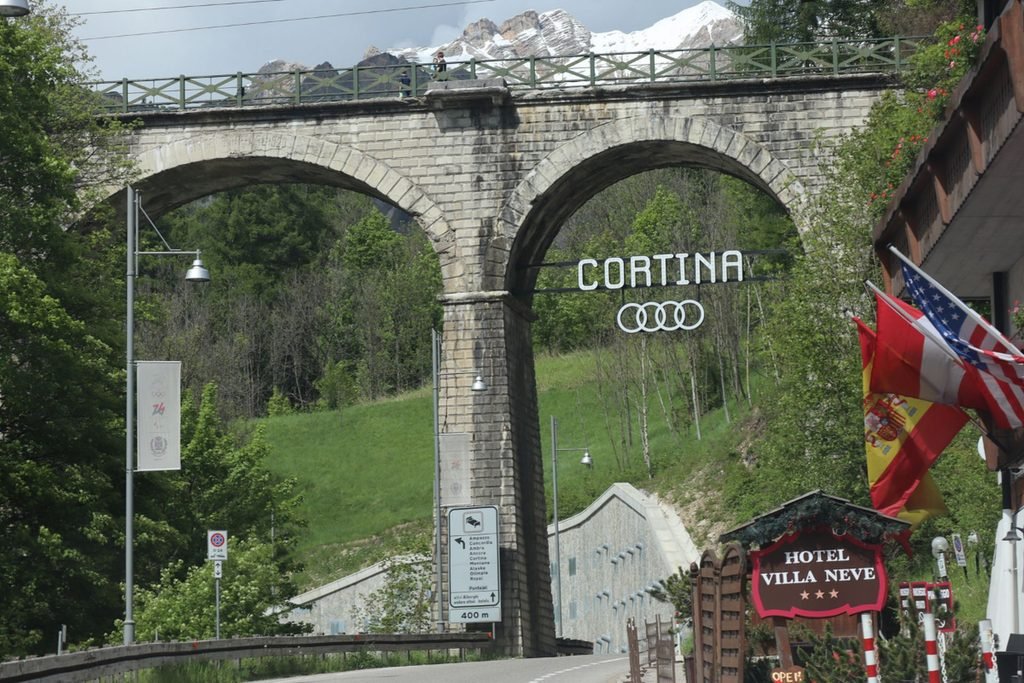
We had driven through Cortina d’Ampezzo earlier in our travels but hadn’t stopped to explore, so we decided to return and give the town the attention it deserved.
And I’m so glad we did!
Cortina is a gorgeous alpine town surrounded by enormous mountain peaks, with beautiful traditional buildings, inviting streets and a distinctive mountain atmosphere.
We spent time wandering through the town, admiring the architecture and enjoying the combination of its elegant centre and dramatic mountain surroundings.
One thing we’d noticed throughout the Dolomites was the pride taken in maintaining the buildings and villages. Cortina was no exception, and it was a pleasure simply spending time there.
Although we’d originally planned more hiking during our stay, the lingering snow had closed several trails. Exploring Cortina gave us the opportunity to appreciate another side of the Dolomites, beyond the mountain walks we’d initially come for.
Day 6: Enjoying the Villages and Local Flavours
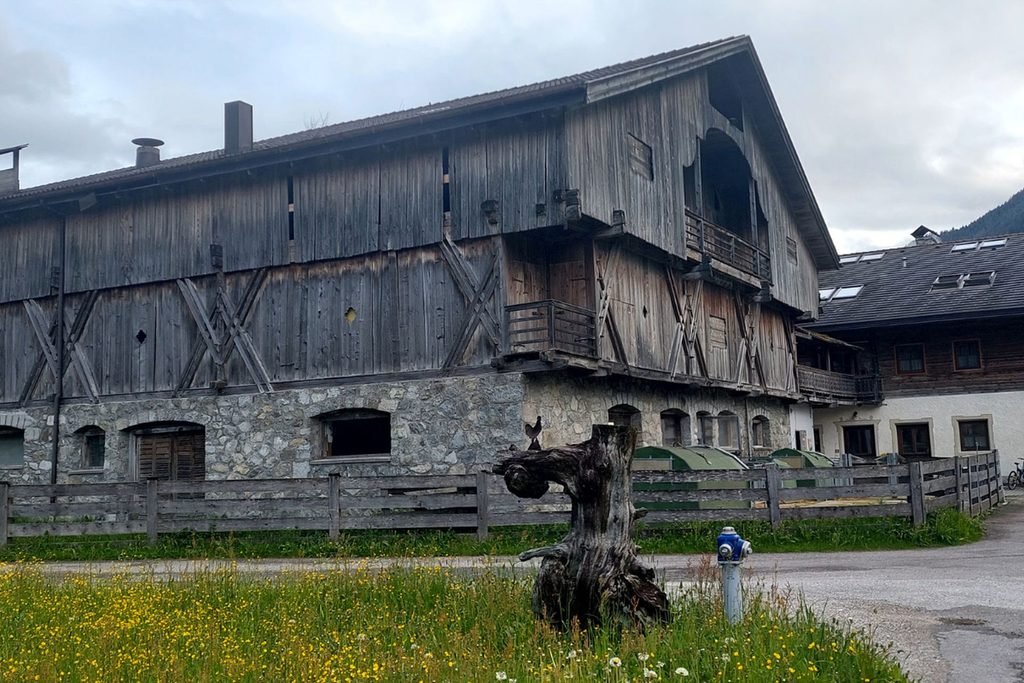
One of the things we loved most about staying in the Dolomites was having time to enjoy the quieter side of the region, rather than constantly rushing between major attractions.
We spent time exploring smaller villages, stopping whenever somewhere caught our attention and enjoying the freedom of having no particular schedule. It was a lovely way to appreciate the everyday life of South Tyrol.
Food was also an important part of our experience. Although we enjoyed lunches out during our adventures, we cooked our evening meals at our accommodation, buying ingredients from local shops and butchers.
A few things made these everyday experiences particularly enjoyable:
- Shopping locally: Visiting small food shops and butchers gave us an opportunity to discover regional ingredients.
- Trying traditional specialities: We particularly enjoyed a type of traditional dumpling that reminded us of a large meatball.
- Discovering another village: We even made a special trip to a recommended village to buy the dumplings, turning a simple shopping trip into another little adventure.
By the end of our six days, we’d barely scratched the surface of everything the Dolomites had to offer. There were still mountain trails we wanted to hike, villages we hadn’t visited and places we’d love to return to.
The Dolomites had exceeded every expectation, and despite the occasional rain and remaining snow, our time here became one of the highlights of our entire Italian journey.
Getting Around the Dolomites
Getting around the Dolomites is part of the adventure, with scenic mountain roads, well-maintained cycling paths, public buses and cable cars connecting many of the region’s towns and attractions. However, because the Dolomites cover such a large area, choosing the right transport can make a big difference to how much you can see during your visit.
We travelled through the region in our leased car, which gave us the flexibility to explore different valleys, visit smaller villages and change our plans when snow prevented us from accessing certain hiking trails. However, visitors without a vehicle can still enjoy many of the Dolomites’ highlights by choosing a well-connected base and using public transport.
Exploring the Dolomites by Car
Having a car is one of the most flexible ways to explore the Dolomites, particularly if you want to visit several valleys, reach quieter villages or stop at viewpoints along the way.
The roads wind through mountain passes, traditional alpine settlements and spectacular countryside, making the journeys between destinations just as memorable as the attractions themselves.
A few things to consider when driving:
- Mountain roads: Expect winding roads, steep gradients and occasional narrow sections, particularly around the higher passes.
- Travel times: Distances can be deceptive. A relatively short journey on the map may take longer because of mountain roads and changing conditions.
- Parking: Popular attractions such as Lago di Braies and Seceda have designated parking areas, although spaces can fill quickly during busy periods.
- Seasonal closures: Some high mountain passes and access roads may be affected by snow, particularly during spring and autumn.
- Navigation: Download offline maps before travelling, as mobile reception can be unreliable in some mountain areas.
We found driving particularly rewarding because it allowed us to stop in villages that weren’t necessarily on our original itinerary. Some of our favourite discoveries happened simply because something caught our attention along the way.
Planning a longer European road trip? Read our guide to Leasing a Car in Europe, where we share how the process worked, what it cost and what we learned from driving approximately 12,000 kilometres across Europe.
Exploring the Dolomites by Public Transport
You don’t necessarily need a car to visit the Dolomites. Public buses and regional trains connect many of the main towns and valleys, particularly throughout South Tyrol.
Popular destinations such as Ortisei, Dobbiaco, Brunico and Cortina d’Ampezzo can be reached using combinations of trains and buses, although some journeys require transfers.
A few useful things to know:
- Regional trains: Connect towns along the Puster Valley, including Monguelfo, Dobbiaco and San Candido.
- Local buses: Serve mountain villages, hiking trailheads and popular attractions, with some services operating seasonally.
- South Tyrol Guest Pass: Participating accommodation providers offer guest passes that include access to eligible regional public transport services.
- Journey planning: The Südtirolmobil website and app provide timetables and route information for public transport throughout South Tyrol.
If you’re relying on public transport, staying in a town such as Ortisei, Dobbiaco or San Candido can make exploring easier, particularly if you plan to visit several attractions.
Keep in mind that services to remote mountain locations may be less frequent, especially outside the main summer and winter seasons.
Cycling Through the Dolomites
Cycling is another fantastic way to discover the region, and you don’t need to be an experienced mountain biker to enjoy many of the valley routes.
The Dolomites have an extensive network of dedicated cycling paths, with routes ranging from gentle valley rides to challenging mountain climbs.
We were particularly impressed by the cycling infrastructure around Monguelfo and Dobbiaco. The tracks were well maintained, clearly signposted and passed through some beautiful villages and countryside.
For visitors considering a cycling adventure:
- Bike hire: Rental shops operate in many towns, with conventional bicycles and e-bikes available.
- E-bikes: A useful option for longer distances or routes involving more climbing.
- Valley cycling routes: Often provide easier riding than the steep mountain trails.
- Bike and train combinations: Some regional train services allow bicycles, subject to space, ticket requirements and seasonal restrictions.
- Seasonal discounts: Hiring bicycles outside the peak summer period may offer better value, as we discovered during our visit.
One of the advantages of cycling is being able to travel at a slower pace, stopping in villages, beside lakes or at a café whenever something catches your eye.
Cable Cars and Gondolas
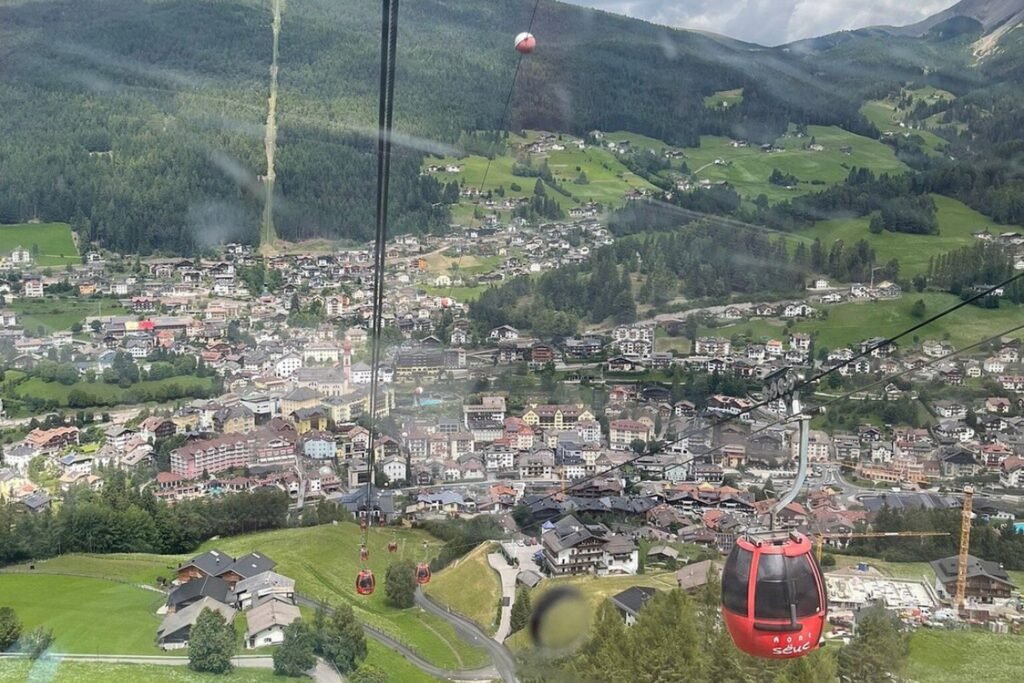
The Dolomites have an impressive network of cable cars, gondolas and chairlifts, making it possible to reach high mountain viewpoints without completing a demanding uphill hike.
These lifts are particularly useful for visitors wanting to enjoy panoramic views, access higher walking trails or simply spend time in the mountains.
Some popular options include:
- Seceda Cable Car: Travels from Ortisei towards the famous Seceda ridgeline.
- Alpe di Siusi Cable Car: Connects Siusi with the high-altitude alpine meadow.
- Col Raiser Gondola: Provides access to hiking trails and mountain scenery above Santa Cristina.
- Lagazuoi Cable Car: Reaches spectacular viewpoints and historical First World War sites near Passo Falzarego.
Operating dates vary depending on the season, and some lifts close for maintenance between the winter and summer periods. Always check the official operating timetable before planning your day, particularly when visiting in May or October.
Choosing the Best Way to Get Around
The best transport option depends on where you’re staying and what you want to see.
If you’re planning to visit several valleys and attractions spread across the region, a car provides the greatest flexibility. However, if you prefer to concentrate on one area, public transport combined with cable cars and local walking trails can work extremely well.
For those who enjoy cycling, the valley routes offer another way to appreciate the landscape without spending every day behind the wheel.
Whichever option you choose, allow plenty of time between destinations. The Dolomites are not somewhere you’ll want to rush through, and some of the most memorable places are discovered when you have the freedom to stop and look around.
Best Time to Visit the Dolomites
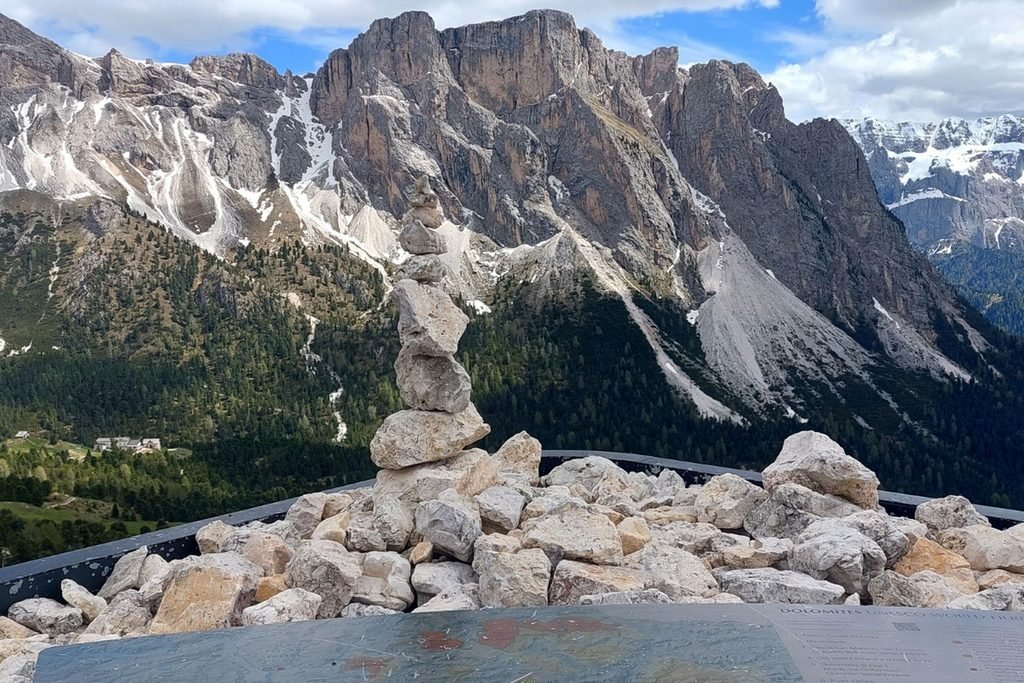
The best time to visit the Dolomites depends on what you want to do, whether that’s hiking through alpine meadows, cycling between mountain villages, photographing colourful autumn landscapes or enjoying winter sports.
Each season offers something different, but it’s important to understand that weather conditions in the mountains can change quickly. Even when the valleys are green and temperatures are pleasant, higher hiking trails may still be covered in snow.
Spring in the Dolomites (April to May)
Spring is a beautiful time to visit the Dolomites, particularly in the lower valleys, where the countryside begins turning green and the villages are generally quieter than during the peak summer months.
However, spring conditions can vary considerably depending on altitude. While lower walking trails and cycling paths may be accessible, higher mountain routes can remain covered in snow well into June.
We visited towards the end of May and experienced mostly clear skies, slightly cooler temperatures and a few days of light rain. Although several hikes we’d planned were still closed because of snow, we found plenty of alternatives.
There were also some lovely advantages to travelling at this time of year:
- Fewer visitors: Popular towns and attractions were generally quieter than during the summer holiday period.
- Better value: We hired bicycles in Monguelfo for approximately half the usual rental price.
- Green valleys: The pastures were beautifully green, contrasting with the snow remaining on the higher peaks.
- Comfortable conditions: Cooler temperatures made walking and cycling enjoyable without the intense summer heat.
The main consideration is that some mountain huts, cable cars and higher hiking trails may not yet be operating or accessible. Check opening dates and trail conditions before travelling.
Summer in the Dolomites (June to August)
Summer is the most popular season for hiking and outdoor activities, with longer daylight hours, generally warmer temperatures and greater access to the mountain trail network.
July and August usually offer the widest choice of high-altitude hiking opportunities, although snow can occasionally remain on exposed routes early in the season.
During summer, visitors can enjoy:
- Extensive mountain hiking and cycling trails.
- Cable cars and gondolas operating on their summer schedules.
- Alpine restaurants and mountain huts welcoming walkers.
- Longer days for exploring multiple destinations.
- Lakes, scenic mountain passes and outdoor activities.
The downside is that popular attractions such as Lago di Braies, Seceda and Tre Cime di Lavaredo can become extremely busy, particularly during July and August.
Accommodation prices are often higher, and some attractions introduce seasonal parking restrictions or advance booking requirements.
Autumn in the Dolomites (September to October)
Autumn brings a different atmosphere to the Dolomites, with golden larch forests, cooler temperatures and changing colours across the valleys.
September is often considered an excellent month for hiking, particularly during settled weather, as many trails and mountain facilities remain accessible while the busiest summer period begins to ease.
October can also be rewarding for photography and scenic drives, although conditions become less predictable as winter approaches.
Things to consider include:
- Shorter daylight hours and cooler evenings.
- Mountain huts and cable cars gradually closing for the season.
- Possible early snowfall on higher trails and mountain passes.
- Fewer visitors in some areas once the main hiking season ends.
Autumn is particularly appealing for travellers who prefer quieter surroundings and enjoy photographing the changing landscape.
Winter in the Dolomites (November to March)
During winter, the Dolomites transform into one of Europe’s best-known alpine sports destinations, with snow-covered mountains, ski resorts and traditional villages surrounded by winter scenery.
The region forms part of the extensive Dolomiti Superski network, attracting skiers and snowboarders from around the world.
Popular winter activities include skiing, snowboarding, snowshoeing and winter walking on designated routes.
However, winter conditions require additional planning. Some mountain roads may be affected by snow, and vehicles must comply with local winter tyre or snow-chain requirements where applicable.
Many summer hiking trails are inaccessible during winter, so visitors should plan activities specifically suited to the season.
When Would We Visit the Dolomites Again?
Although we loved visiting in late May, we’d probably choose late June through September for a hiking holiday. More of the higher mountain trails are generally accessible during these months.
Visiting in May gave us quieter villages, beautiful green pastures and excellent conditions for many of our lower-altitude activities. The remaining snow even added to the dramatic mountain scenery.
However, there were several hikes we’d been looking forward to that we simply couldn’t complete.
For anyone planning a hiking holiday, July to September generally offers the best access to higher mountain trails. However, always check the weather and snow conditions before setting out.
If you prefer scenic drives, villages, lakes and easier walking trails, late spring and early autumn are equally rewarding.
Whatever season you choose, the Dolomites are a destination where it’s worth allowing some flexibility. The weather may change your plans, but as we discovered, there is always something else worth exploring.
Practical Tips for Exploring the Dolomites
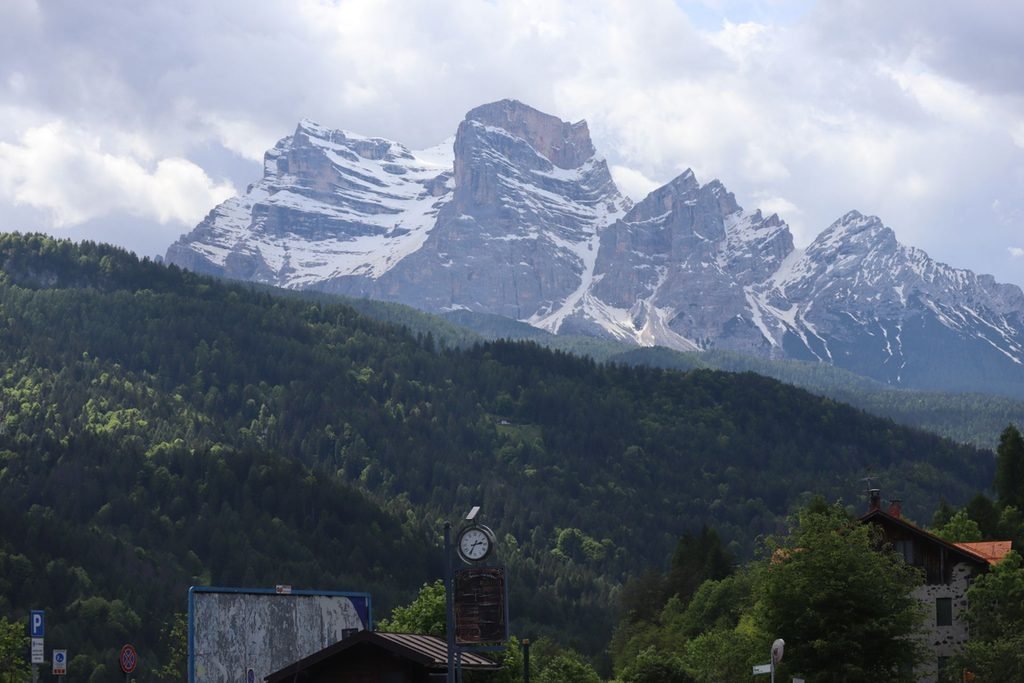
A little preparation can make a big difference when visiting the Dolomites, particularly if you’re planning to spend time hiking, cycling or exploring the higher mountain areas. Conditions can change quickly, and the weather in the valleys may be very different from what you’ll encounter at altitude.
Check Accommodation Locations Carefully
One thing that caught us out when planning our Dolomites accommodation was the similarity between village names.
We booked accommodation in San Martino, near Santa Maddalena in Val di Funes, South Tyrol. However, searching Google Maps sometimes directed us towards San Martino di Castrozza in Trentino, a completely different area of the Dolomites.
We also encountered confusion with Santa Maddalena, so we learned to double-check the location before setting off.
Our tip: Open the map directly from your accommodation booking and confirm the exact address. Don’t rely on the village name alone, particularly when travelling between different valleys.
Here are a few useful tips to help you make the most of your visit:
- Dress in layers: Even during the warmer months, temperatures can be considerably cooler in the mountains. Carry a warm jacket and a waterproof outer layer.
- Wear suitable footwear: Comfortable walking shoes are fine for exploring villages, but hiking boots or sturdy trail shoes with good grip are recommended for mountain walks.
- Check trail conditions: Snow can remain on higher trails well into summer. Check local trail reports and ask at tourist information centres before setting out.
- Carry food and water: Mountain restaurants and huts aren’t always open, particularly outside peak season. Pack snacks, water and a lunch if you’re heading out for a longer walk.
- Start your day early: Popular attractions and trailheads can become busy, especially during summer. An early start also gives you more flexibility if the weather changes.
- Keep some cash handy: Although cards are widely accepted, smaller mountain establishments may have limited payment facilities.
- Download offline maps: Mobile coverage can be patchy in remote valleys and mountain areas. Having maps available offline is particularly useful when hiking.
- Respect the mountain environment: Stay on marked trails, follow local signs, take your rubbish with you and remember that many of the alpine meadows are working farmland.
One thing we learned during our late-May visit was the importance of having alternative plans. Several of the hikes we’d hoped to complete were still inaccessible because of snow, but we never felt short of things to do.
Rather than trying to squeeze too much into each day, allow time to appreciate the smaller villages, local food and unexpected places you discover along the way. Some of our favourite memories came from simply taking our time.
Looking for more Dolomites inspiration? Explore our guide to Best Things to Do in the Dolomites, featuring scenic hikes, alpine lakes, cable cars and traditional villages. Then discover Where to Stay in the Dolomites to find the best location for your holiday.
Final Thoughts
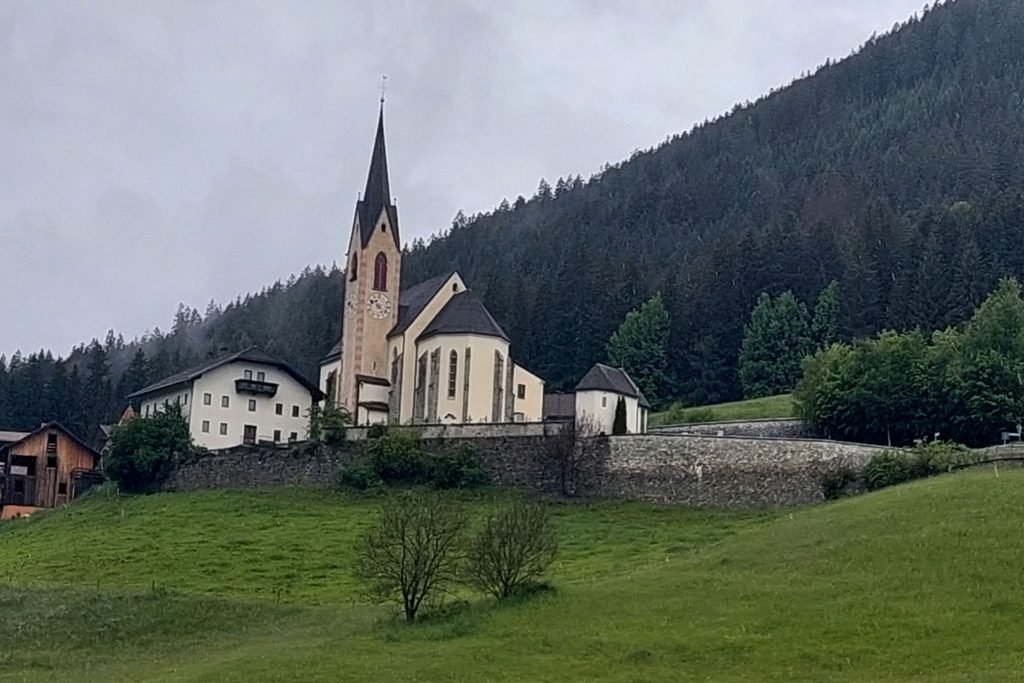
The Dolomites were the final chapter of our Italian adventure before we crossed into Switzerland, and what an incredible way to finish. We’d travelled through so many remarkable parts of Italy, but there was something about this region that completely captured my heart.
Perhaps it was the sheer size of the mountains, the beautiful alpine architecture, the peaceful villages or simply being somewhere that offered so many opportunities to do what we love most: getting outdoors and hiking.
Six days wasn’t nearly enough, and although the lingering snow meant we couldn’t complete everything we’d planned, it gave us plenty of reasons to return.
If there’s one place in Italy I would happily revisit again and again, it’s the Dolomites. Some destinations are even better than you imagined, and for me, this was one of them.
“The mountains may draw you to the Dolomites, but it’s everything you discover between them that makes you want to return.”
🌍 Travel Planning Resources
These are the tools we personally use and trust when planning our travels from finding a place to stay to booking activities, transport and insurance. Let your “Tohu” guide you “Trust the Journey” and follow what feels right for you.
- ✈️Flights – Compare great deals with Trip.com then Kiwi.com for flexible, affordable options.
- 🚐 Campervans – Compare rental deals with Motorhome Republic across Aotearoa and beyond.
- 🛏️ Stays – Compare hotels on Trip.com and TripAdvisor or Booking.com.
- 🚐 Rental Cars – Compare prices and book through Airport Rentals by Motorhome Republic for trusted brands and easy airport pickup.
- 🎟️ Activities – Browse tours and experiences on Viator, Get Your Guide, or TripAdvisor
- 🚆12Go Asia – Compare and book trains, buses, and ferries across Asia in one place with 12Go.
- 🛡️ Travel Insurance – Get flexible short-term coverage with Insubuy for your next holiday.
- 💳 Travel Money – Send, spend and manage money internationally with Wise, with easy currency conversion and a handy option for travellers.
- 🔒 Protect Your Privacy with a VPN – We recommend Surfshark VPN for secure and private browsing while travelling. It’s fast, affordable and works worldwide, perfect for public Wi-Fi at airports, cafes and hotels.
- 📱 Travel eSIM – Stay connected with Airalo
- 💼 Lounge Access – Treat yourself with Priority Pass for UK or US
- 🎶 Events & Concerts – Book tickets worldwide through Ticketmaster.
🧭 Note: Some booking links can be a bit shy when you’re using a VPN. If one doesn’t open, try pausing your VPN or switching to a different server location or secure Wi-Fi network to get things flowing again.