
The best things to do in Croatia take you from fortified old towns and ancient streets to island harbours, river canyons and waterfall-filled national parks. There are famous sights worth planning around, including Dubrovnik’s city walls and Plitvice Lakes, alongside experiences that invite a slower pace. Visit an oyster farm, taste wines with a local producer or catch a ferry to explore an island town. Whether you enjoy history, food or getting outdoors, there is plenty to build a memorable trip around.
What Experiences Should You Include in Your Croatia Trip?
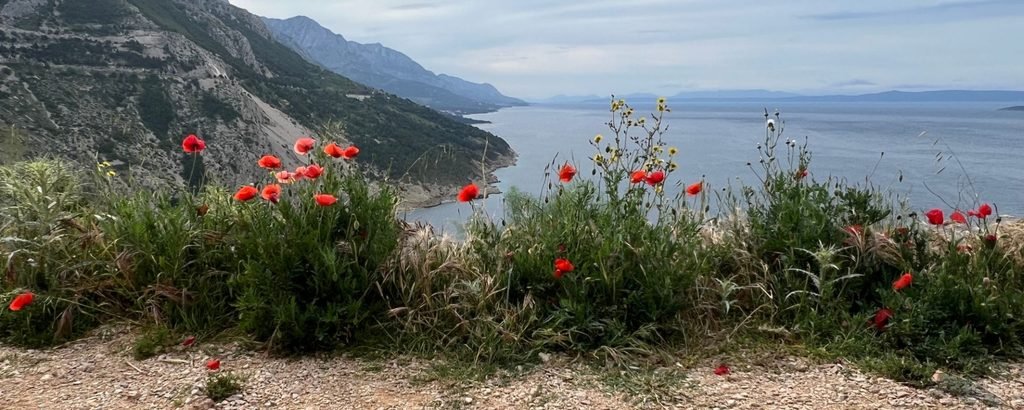
How do you choose what to do when so much looks appealing? Start with the places you most want to see, then choose nearby experiences rather than trying to cover the entire country. A coastal base might give you access to an old town, a boat excursion and a vineyard without changing accommodation. Allow enough time to enjoy each outing, especially when ferry crossings or longer drives are involved. Mixing organised tours with independent exploring worked well for us, giving us local insight in some places and the freedom to follow our curiosity in others.
Our Experience Exploring Croatia
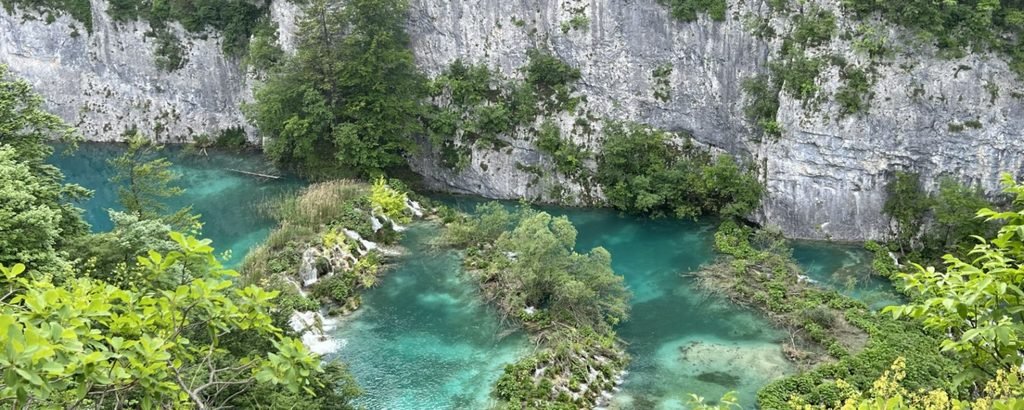
We explored Croatia with our Leased Car, travelling south to Dubrovnik after arriving by ferry in Split, then gradually making our way north. A Game of Thrones tour, oysters collected fresh from the water, a day trip to Korčula and wine tasting at Deak Wines were among our highlights. We also cruised the Cetina River from Omiš, explored Split and visited Plitvice Lakes before spending time on Pag. This guide brings together the experiences we enjoyed, along with a few we would love to return for including a seven-day sailing trip and other options to consider when planning your own visit.
Table of Contents
- Explore Dubrovnik’s Old Town and City Walls
- Discover Dubrovnik’s Game of Thrones Locations
- Walk the Walls of Ston
- Enjoy Fresh Oysters at a Local Oyster Farm
- Explore Croatia’s Islands
- Book a Seven-Day Sail Croatia Trip
- Taste Croatian Wines and Visit Deak Wines
- Explore Omiš and Cruise the Cetina River to Radmanove Mlinice
- Explore Split’s Historic Streets and Markets
- Visit Plitvice Lakes National Park
- More Things to Do in Croatia
- Tips for Planning Your Croatia Activities
- Make Time for Your Own Croatia Highlights
Explore Dubrovnik’s Old Town and City Walls

Dubrovnik’s Old Town is a wonderful place to begin exploring Croatia. Stone streets, historic buildings, fountains and narrow alleyways sit within its fortified walls, with little shops and restaurants tucked between them. You can follow the main thoroughfares, then turn into smaller passageways where staircases lead between closely packed buildings.
Walking the city walls gives you a different perspective, looking across the terracotta rooftops and out towards the Adriatic. The colour of the water against the stone fortifications was something I couldn’t stop admiring. Allow time to enjoy the views rather than treating the walk as something to tick off before moving on.
For me, Dubrovnik was where I fell in love with Croatia. There were a few cruise ships in during our visit, so the Old Town was busy, but we enjoyed the atmosphere. Between the buildings, little gems of shops and glimpses of the sea, there was always something catching our attention.
Make time to explore beyond the main streets, too. We enjoyed a delicious dinner at a restaurant down a narrow alleyway—one of the pleasures of staying long enough to experience the town beyond a quick sightseeing visit.
Tips for your visit:
- Wear comfortable shoes for the stone streets, steps and city walls.
- Carry water and sun protection, particularly for exposed stretches of the wall walk.
- If you have flexibility, explore early or later in the day for a chance of quieter streets.
- Check current city-wall admission details and opening hours before visiting.
Discover Dubrovnik’s Game of Thrones Locations

For Game of Thrones fans, a filming-location tour brings familiar scenes into the real world. Dubrovnik provided the setting for many King’s Landing scenes, making its fortifications and streets a major drawcard for us.
We booked a guided tour for our first full day in Dubrovnik. If you are a fan, I highly recommend doing one. Exploring with a guide helped us connect the locations around us with scenes we remembered from the series.
A themed tour offers a different focus from a general history walk. Choose according to your interests, and check the itinerary carefully, as locations and inclusions vary between operators.
Before booking:
- Compare the filming locations included.
- Check the duration, meeting point and amount of walking or stair climbing.
- Confirm whether entrance fees are included or paid separately.
- Ask about spoilers if you haven’t finished watching the series.
For us, the tour was an enjoyable way to combine our enthusiasm for the show with exploring a city we had been excited to visit.
Walk the Walls of Ston
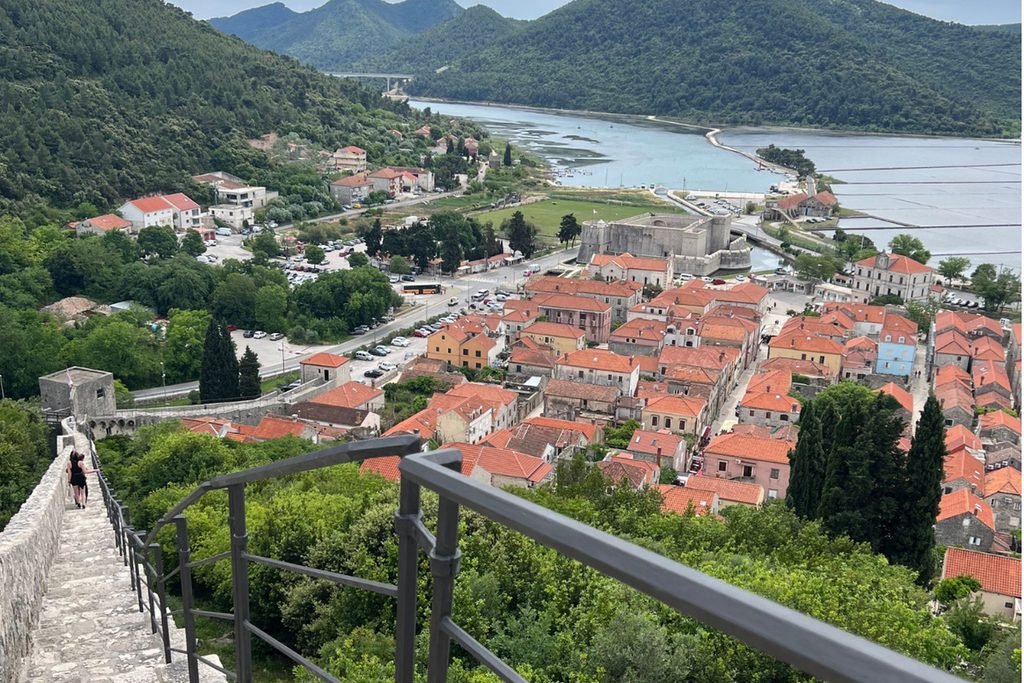
The Walls of Ston climb across the hillside between Ston and Mali Ston, making an impressive sight before you even begin walking. Exploring them gives you a different view of the area, looking down over stone buildings and out across the surrounding landscape. There are steep sections and plenty of steps, so allow time to stop and appreciate where you are.
We had originally planned to stop in Mali Ston, but it was so busy that we couldn’t find a car park. Continuing over the hill to Ston worked in our favour: the tour buses were just leaving, and we managed to get a space. We walked the section of the walls that was open during our visit, and the views made the climb worthwhile.
Back in town, leave time to explore the streets and enjoy a meal. We settled into a small restaurant for oysters, squid-ink pasta and local wine—a lovely way to follow the walk. Ston became much more than a stop between destinations for us; we were pleased we had given ourselves time to enjoy it.
Tips for your visit:
- Wear shoes with good grip for the steps and uneven surfaces.
- Bring water and sun protection for the exposed hillside.
- Check which sections are open and where your chosen route finishes.
- Choose a walk that suits your fitness and comfort with heights.
- Allow extra time for parking and exploring the town below.
Enjoy Fresh Oysters at a Local Oyster Farm
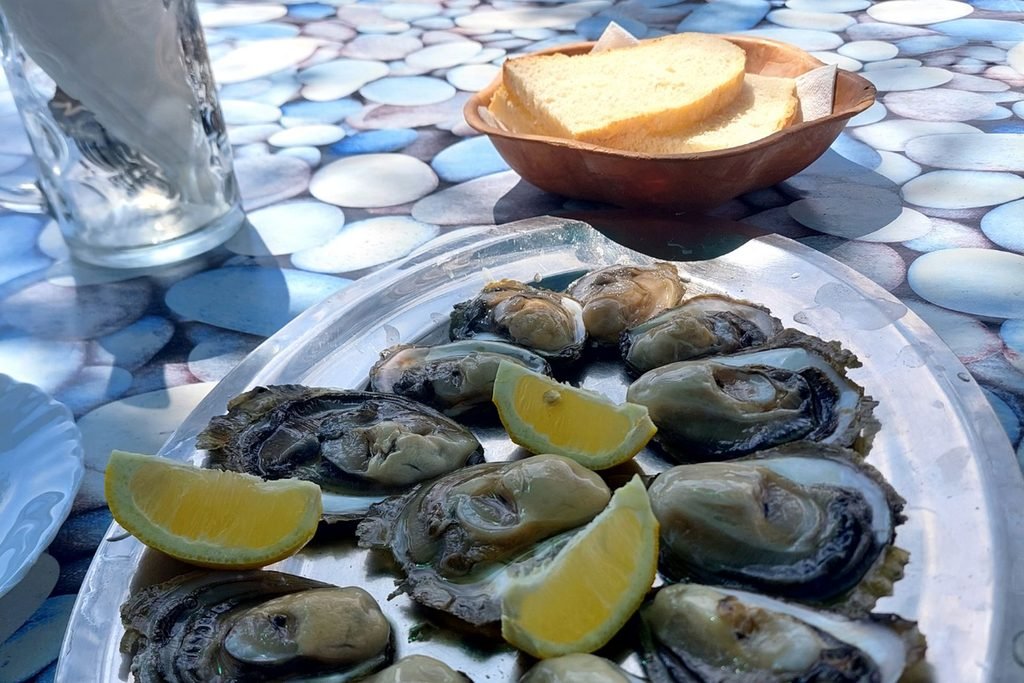
If you enjoy seafood, visiting an oyster farm around Mali Ston Bay is a lovely way to experience the area’s food and meet the people producing it. Eating oysters beside the water where they were grown adds something special to the meal, particularly when you have time to settle in with local wine and bread.
We came across a small oyster farm while driving towards Orebić for our Korčula day trip. The elderly couple who welcomed us were so friendly, and the owner took us out to his oyster lines to collect our dozen. He glided along the rickety, wobbling wharf while we followed like tightrope walkers, trying to keep our balance and take everything in.
After collecting the oysters, he took them to the kitchen while we wandered around taking photos. We then sat at a waterfront table with our oysters, local wine and bread, looking out over the water. It was a simple meal in an extraordinary setting, and one of our favourite food memories from Croatia.
Tips for your visit:
- Check whether a farm offers visits or tastings, as some require advance arrangements.
- Ask what the experience includes: a tasting, a boat trip or an introduction to the farming process.
- Wear secure footwear if your visit involves boats, jetties or uneven surfaces.
- Allow time to enjoy the setting rather than squeezing the stop between tightly scheduled activities.
For us, the welcome and glimpse into the owner’s working day were as memorable as the oysters themselves.
Explore Croatia’s Islands

A visit to one of Croatia’s islands adds another dimension to a coastal trip, whether you catch a ferry for the day or stay long enough to explore beyond the main harbour. Historic towns, vineyards, walking trails and swimming spots offer plenty of reasons to go. We visited Korčula during our journey; Hvar, Vis, Brač and Mljet are other options to consider, depending on your interests and route.
Korčula
Korčula’s old town sits on a small peninsula, with stone buildings, narrow lanes and waterfront views towards the Pelješac Peninsula.
- Walk the waterfront: Explore the outer edge of the old town and enjoy views across the channel.
- Wander the stone streets: Discover little shops, restaurants and squares within the walls.
- Bring a picnic: Find somewhere beside the water to enjoy lunch, then finish with a gelato.
We visited on a day trip from Komarna, driving to Orebić and catching the ferry across. We were captivated from the moment we arrived, stopping often to admire the buildings and water. It was a day we would happily repeat.
Hvar
Hvar combines historic towns, beaches, vineyards and lively summer evenings, with options for both sightseeing and relaxing.
- Explore Hvar Town: Enjoy its harbour, restaurants, bars and historic streets.
- Visit Fortica fortress: Climb up for views over the rooftops and towards the Pakleni Islands.
- Discover Stari Grad and Jelsa: Explore their waterfronts and historic centres at a different pace.
- Venture inland: Discover vineyards and the island’s lavender-growing tradition. Flowering depends on the season.
Choose where to spend your time according to whether you prefer town exploring, beach time or nightlife.
Vis
Vis offers seaside towns, sheltered coves and opportunities to explore by boat.
- Visit Vis Town and Komiža: Explore the waterfronts and enjoy local food.
- Discover local vineyards: Include a wine stop while exploring the island.
- Enjoy the coast: Allow time for beaches and swimming.
- Take a Blue Cave excursion: Visit the cave on nearby Biševo, rather than on Vis itself.
Blue Cave access depends on sea conditions, and queues are possible during busy periods. Keep some flexibility if it is a priority for your visit.
Brač
Brač is famous for Zlatni Rat, the distinctive pebble beach near Bol, but offers more beyond its best-known shoreline.
- Spend time at Zlatni Rat: Enjoy the beach and surrounding coastal setting.
- Explore Bol: Combine a waterfront walk with shops, cafés and a meal.
- Get active: Look into walking routes, cycling and water sports.
- Hike towards Vidova Gora: Enjoy elevated views over the island and surrounding sea.
Plan around the time available, especially on a ferry day trip. A substantial hike and a leisurely beach visit may be better enjoyed on separate days.
Mljet
Mljet suits travellers drawn to woodland walks, saltwater lakes and time surrounded by nature.
- Explore Mljet National Park: Discover the protected landscape occupying part of the island.
- Walk beside the lakes: Follow paths through the wooded surroundings.
- Visit St Mary’s island: See the historic monastery in its lakeside setting.
- Enjoy a slower outing: Leave time to appreciate the scenery between activities.
Before booking transport, check how you will reach the national park from your ferry’s arrival port.
Tips for Planning an Island Visit
- Check the arrival port: Some islands have several ports, and your ferry may not arrive beside the town or attraction you want to visit.
- Confirm vehicle arrangements: Passenger catamarans and car ferries offer different options; you may be able to leave your car on the mainland.
- Plan your return: Check the last suitable sailing before setting off on a day trip.
- Allow time ashore: Choose an island that gives you enough time to explore without spending most of the day travelling.
Book a Seven-Day Sail Croatia Trip
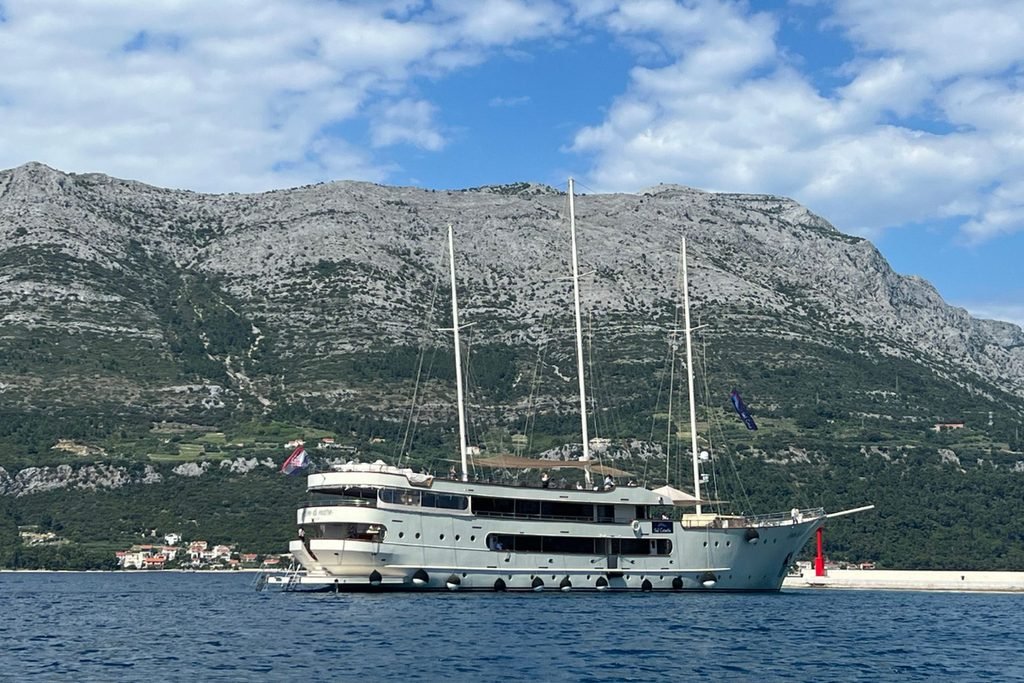
Spending a week exploring Croatia from the water is something I would have loved to do. Moving between island harbours, stopping for swims and stepping ashore to explore historic towns sounded like a wonderful way to experience the Adriatic without packing up and changing accommodation each day.
Sail Croatia offers different styles of week-long trips, from sightseeing-focused cruises to livelier departures and more luxurious options. Routes vary, with itineraries departing from Split or Dubrovnik and visiting a selection of coastal towns and islands. Choose the experience as carefully as the route, so the atmosphere on board suits the holiday you want.
We didn’t include a sailing trip in our journey. Our time was already committed to exploring by road, and with our leased car, I couldn’t justify leaving it parked for another seven days while we were away. It remains something I would love to return for, ideally as a trip planned around being on the water.
If you are considering it, compare:
- The travel style: Look at the balance of sightseeing, relaxation and nightlife, along with any age requirements.
- The itinerary: Check the departure and finishing ports and which islands you will visit.
- What is included: Compare meals, excursions, entrance fees and additional charges.
- The cabin and ship: Consider bathroom facilities, cabin location and shared spaces.
- Your onward plans: Allow enough time between disembarking and flights or other connections.
For anyone drawn to Croatia’s islands, a week on the water could become the centrepiece of the whole holiday.
Taste Croatian Wines

Visiting local wine producers adds food, conversation and regional flavours to a Croatia itinerary. Along our coastal route, we found vineyard shops and roadside stops selling wines, olive oils and other local products.
One of our favourites was Deak Wines’ roadside wine bar on the Adriatic coastal road near Komarna. This is separate from the Deak winery in Opuzen, so check which location you want when planning your visit. We had seen the roadside stop on YouTube and included it during a day exploring the surrounding area.
We ordered a sharing platter and settled into the seating area overlooking the bay. The owner introduced the wines, explained her products and told us about the business. She also asked about our travels, making the visit feel welcoming and personal.
The food, views and conversation made this one of my Croatian highlights. We happily lingered and left with a few bottles of red to enjoy during our trip.
We also stopped for local wine on our return drive from Orebić to Komarna. Discovering producers along the way was part of the pleasure of exploring by road.
Tips for planning a wine stop:
- Check the exact location, opening hours and booking requirements.
- Ask whether food platters or other local products are available.
- Confirm what a tasting includes and how much it costs.
- Arrange a designated driver or suitable transport if you plan to drink.
You don’t need extensive wine knowledge to enjoy a tasting. Ask questions and let the producer introduce you to what makes their wines distinctive.
Explore Omiš and Cruise the Cetina River
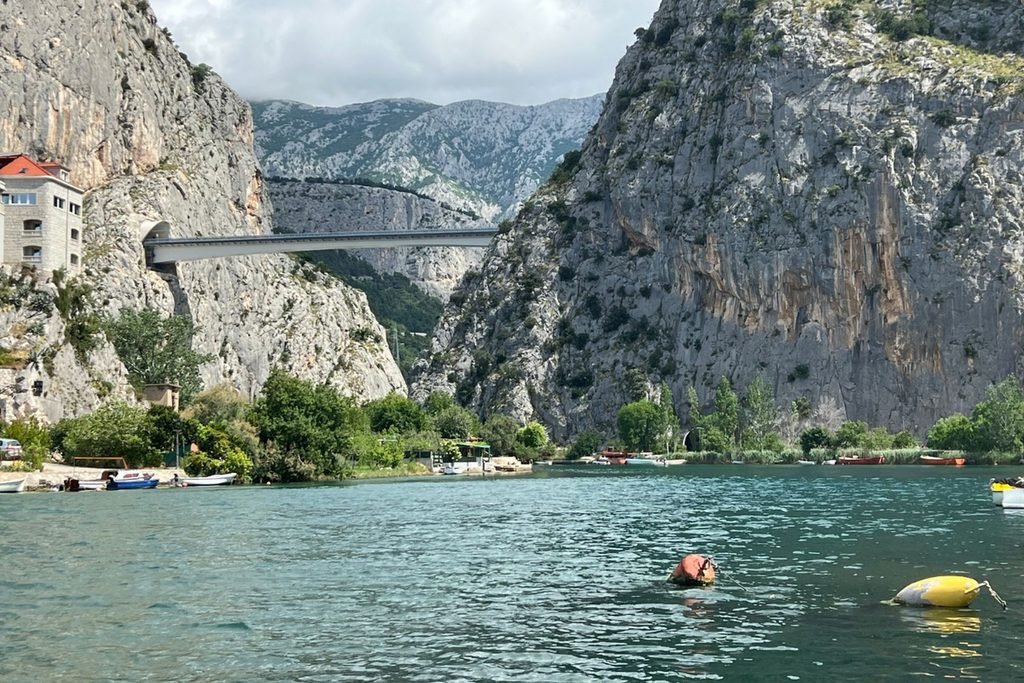
Omiš sits where the Cetina River meets the Adriatic beneath steep, rocky mountains, giving the town a setting that invites you to explore both the coast and inland. Allow time to wander its old streets, enjoy the waterfront and look up towards the fortifications above before heading out on the river.
We stayed in Omiš for three nights, and a boat excursion to Radmanove Mlinice was a lovely way to spend part of a day. The journey took us away from the coast and into the river scenery, passing fishermen and travelling between impressive canyon walls. After driving between destinations, it was a pleasure to sit back and watch the landscape from the water.
Our trip included a stop of around 40 minutes at Radmanove Mlinice. We had brought a picnic, although there was also a restaurant. A highlight was watching bread being made in the large ovens, giving us something unexpected to enjoy alongside the riverside setting.
At the time, I remember paying around €10 per person, which felt like excellent value for the outing. Prices and itineraries will change, so check the current details locally rather than budgeting around what we paid.
Tips for your visit:
- Confirm the departure point, trip length and time allowed at Radmanove Mlinice.
- Ask whether food or drinks are included or available to purchase.
- Bring sun protection and an extra layer for the boat journey.
- Leave time before or afterwards to explore Omiš itself.
For us, the gentle boat ride, canyon scenery and riverside stop made an enjoyable change from coastal sightseeing.
Explore Split’s Historic Streets and Markets
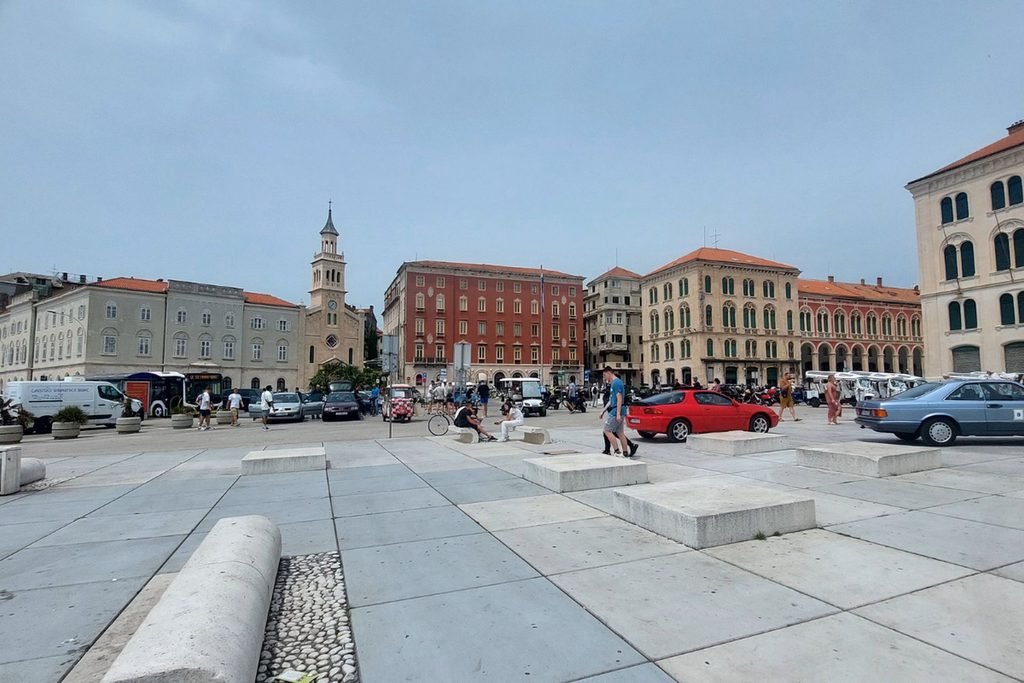
Split is a place to explore on foot, with ancient buildings, narrow passageways and lively squares leading towards the waterfront. Diocletian’s Palace forms the heart of the historic centre, where everyday life continues among structures dating back to Roman times. Cafés, shops and restaurants give you plenty of reasons to pause as you wander.
Although Split was our arrival point in Croatia, we returned for a full day by local bus from Omiš. The coastal bus journey was an enjoyable part of the outing, and leaving the car behind meant we didn’t need to organise parking in the city.
We explored independently and covered plenty of ground, although we occasionally found ourselves lost in the maze of streets. Looking back, I would suggest starting with a guided walking tour to understand more of the history and what you are seeing, then leaving time to explore at your own pace.
Our visit happened to coincide with a holiday, so there were markets and a vintage car display along the waterfront. These added to the atmosphere, but even without an event, the Riva promenade is somewhere to enjoy harbour views and take a break between sights.
Food was another highlight. We enjoyed black risotto, a pork chop and local wine for lunch, then later came across a market with a food court full of tempting options. We picked up a few treats before continuing our walk—another reason to leave some space in your plans for discoveries along the way.
Tips for your visit:
- Start with the historic centre, then allow time for the waterfront and markets.
- Consider a walking tour if you want context for the buildings and Roman remains.
- Wear comfortable shoes; we walked much farther than we expected.
- Check your return bus or ferry timetable before settling in for the evening.
- Carry a small bag for market purchases and snacks.
Split deserves time beyond simply passing through its port. A full day gave us a taste of the city, while a longer stay would allow a more leisurely look at its neighbourhoods and sights.
Visit Plitvice Lakes National Park

Plitvice Lakes was on my bucket list before we arrived in Croatia, and I am so pleased we included it. Lakes, waterfalls and woodland offer a different experience from the coast. Walking trails and wooden boardwalks bring you close to the water.
The colour and clarity of the lakes were extraordinary. As we followed the walkways, another cascade or view kept making us stop. Give yourself enough time to enjoy the route, including pauses for photographs and busy sections of boardwalk.
We visited while travelling from Omiš towards Pag, before continuing to our accommodation in Zubovići. It was a substantial travel day, although the scenery along the drive added to our enjoyment. Staying near the park would give you more flexibility and reduce the driving on your sightseeing day.
We arrived later in the day and found plenty of parking on that occasion. Some larger tour groups had moved through, but the park was still busy. Our experience should not be taken as a guarantee of quieter paths or available parking.
Tips for your visit:
- Book through the official park website and check your selected entrance and entry time.
- Choose a walking route that suits your fitness and available time.
- Check seasonal opening hours and transport schedules within the park.
- Wear comfortable shoes with good grip, as surfaces can be wet.
- Bring water, weather protection and any food you need.
- Stay on marked paths and boardwalks.
For us, Plitvice lived up to the anticipation. It deserves a place in your itinerary if waterfalls, walking and natural scenery are among your priorities.
More Things to Do in Croatia
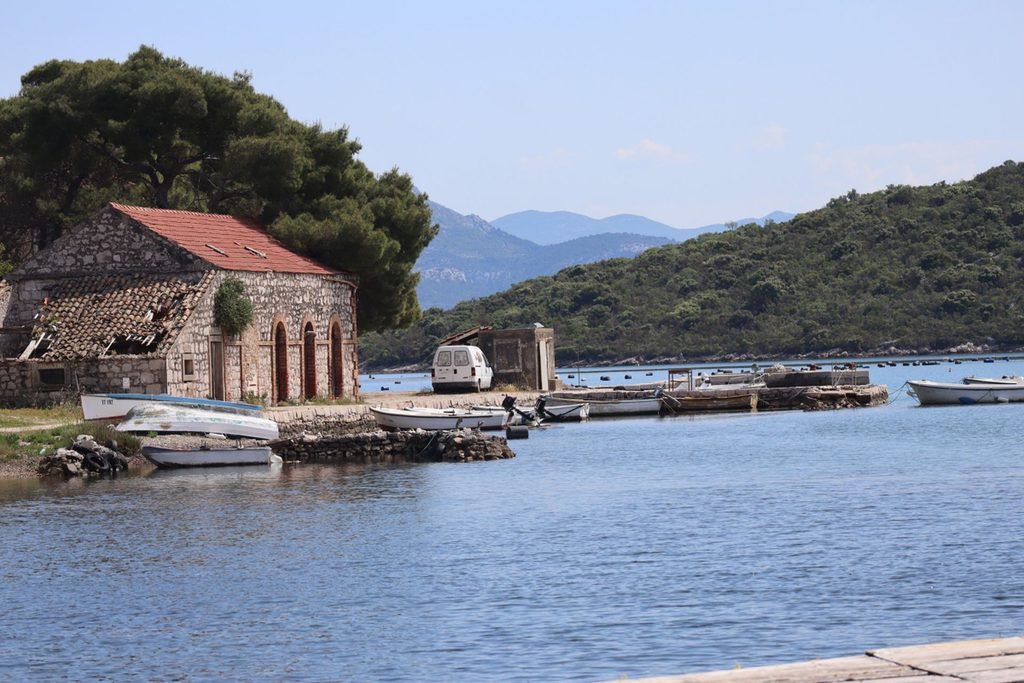
Our journey gave us plenty of memorable experiences, but there are still places we would love to explore. The following suggestions are options we didn’t visit, offering more ideas to consider depending on your route and interests.
Listen to Zadar’s Sea Organ
Zadar’s Sea Organ turns the movement of the sea into music, using pipes beneath the waterfront steps to create sounds as waves push air through them. You can sit beside the water and listen, with the changing sea creating its own accompaniment to the harbour views.
Nearby, the Greeting to the Sun installation adds a light display after dark. Together, they make this stretch of waterfront an appealing place to finish a day exploring Zadar, particularly around sunset.
Allow time for the city itself, too, rather than visiting only for the waterfront attractions. A walk through the old town, followed by dinner and an evening beside the sea, could make a lovely addition to a coastal itinerary.
Explore Krka National Park
Krka National Park combines waterfalls, river scenery and historic watermills. Its best-known attraction is Skradinski buk, where water flows over natural travertine barriers, also called tufa.
A circular walking route takes visitors around the cascades, with bridges and viewpoints offering different perspectives. The watermills add an opportunity to learn how people once used the river’s power.
Krka is an option to consider when travelling around Šibenik or the wider Split region. We didn’t visit on this trip, but it could suit an itinerary combining coastal towns with time in nature.
Tips for your visit:
- Choose your entrance according to the area you want to explore.
- Check seasonal access and boat schedules.
- Confirm which excursions are included in your ticket.
- Wear comfortable shoes with good grip.
- Swimming is not permitted at Skradinski buk.
Visit Pula’s Roman Amphitheatre
Pula’s Roman amphitheatre, known as the Arena, offers a different historical experience from Croatia’s fortified coastal towns. Its surviving stone arches give a sense of the scale of the building and make it a striking landmark to explore while visiting the Istrian Peninsula.
Walking through the Arena offers an opportunity to learn about its Roman past and imagine the spectacles once held within it. It is a worthwhile option for travellers interested in ancient history, particularly those including northern Croatia in their route.
We didn’t travel to Pula on this journey, so it would mean extending our route into another region rather than adding a short excursion from one of our bases. Allow time to explore the city as well as the amphitheatre, and check admission details before visiting. Events can affect access, so confirm arrangements for your intended date.
Discover Trogir’s Historic Centre
Trogir’s compact historic centre sits on a small island linked by bridges, making it an inviting place to explore on foot. Stone lanes lead between churches, palaces and squares, with a waterfront promenade offering somewhere to pause beside the harbour.
The Cathedral of St Lawrence is one of its principal sights, while the surrounding buildings reveal layers of Romanesque, Gothic, Renaissance and Baroque architecture. The historic centre’s UNESCO World Heritage status recognises this remarkable collection of buildings and its preserved town layout.
We didn’t visit Trogir, but its location near Split makes it an option to consider when exploring the region. You could spend time discovering the historic streets, visit the cathedral and settle in for lunch or a waterfront coffee without trying to fill the day with a long checklist.
Before visiting, check transport and parking options, along with opening hours for any buildings you particularly want to enter. Its compact size makes wandering appealing, but a guided walk could help you appreciate details you might otherwise pass by.
Visit Zagreb, Croatia’s Capital
Zagreb offers a different side of Croatia, with historic streets, museums, markets and a café culture that invites you to slow down between sights. Located inland, the capital is worth considering if your journey extends beyond the coast or you are arriving or departing through Zagreb Airport.
Explore the Upper Town, where cobbled streets lead past historic buildings and St Mark’s Church, recognised for its colourful tiled roof. Museums and galleries give you plenty of options, including the Museum of Broken Relationships, which shares personal stories through objects donated from around the world.
For a more leisurely visit, combine sightseeing with a market browse, a walk through the city’s parks and time at a café. Zagreb could also be a good place to explore more of Croatia’s inland food traditions.
We didn’t visit Zagreb on this trip, but it would add variety to an itinerary focused mainly on seaside towns and islands. Allow at least a full day for an introduction, or stay longer if you enjoy museums and exploring neighbourhoods at an unhurried pace.
Tips for Planning Your Croatia Activities
A little preparation helps you spend more time enjoying Croatia and less time sorting out logistics. Before booking activities, check how they fit with your accommodation, transport and other commitments.
- Check the full journey: Include parking, walking to meeting points and ferry connections when estimating travel time.
- Prioritise advance bookings: Reserve experiences you would be disappointed to miss, particularly during busy periods.
- Compare the total cost: Look for entrance fees, transfers, meals and equipment that may be charged separately.
- Read the cancellation terms: Understand what happens if your plans change or weather affects an excursion.
- Check physical requirements: Wall walks, fortress climbs and national park routes can involve steep steps and uneven surfaces.
- Save booking details offline: Keep tickets, meeting points and operator contact details accessible without mobile data.
- Allow recovery time: Balance longer sightseeing days with shorter outings, especially when your trip also involves substantial driving.
Make Time for Your Own Croatia Highlights

Croatia gave us days we still love talking about, from exploring familiar filming locations to seeing places that had been on our wish list for years. What you choose will depend on your interests, but there is plenty here to build a holiday that feels like your own.
We would happily return for more island exploring, and a week on the water remains firmly on my list. For now, these experiences are the ones we are pleased to share as you plan your journey.
For help connecting your chosen activities into a route, read our Planning a Journey Through Croatia guide. To find a suitable base, explore our Where to Stay in Croatia guide.
“Fill your days with things you’ll love remembering.”
🌍 Travel Planning Resources
These are the tools we personally use and trust when planning our travels from finding a place to stay to booking activities, transport and insurance. Let your “Tohu” guide you “Trust the Journey” and follow what feels right for you.
- ✈️Flights – Compare great deals with Trip.com then Kiwi.com for flexible, affordable options.
- 🚐 Campervans – Compare rental deals with Motorhome Republic across Aotearoa and beyond.
- 🛏️ Stays – Compare hotels on Trip.com and TripAdvisor or Booking.com.
- 🚐 Rental Cars – Compare prices and book through Airport Rentals by Motorhome Republic for trusted brands and easy airport pickup.
- 🎟️ Activities – Browse tours and experiences on Viator, Get Your Guide, or TripAdvisor
- 🚆12Go Asia – Compare and book trains, buses, and ferries across Asia in one place with 12Go.
- 🛡️ Travel Insurance – Get flexible short-term coverage with Insubuy for your next holiday.
- 💳 Travel Money – Send, spend and manage money internationally with Wise, with easy currency conversion and a handy option for travellers.
- 🔒 Protect Your Privacy with a VPN – We recommend Surfshark VPN for secure and private browsing while travelling. It’s fast, affordable and works worldwide, perfect for public Wi-Fi at airports, cafes and hotels.
- 📱 Travel eSIM – Stay connected with Airalo
- 💼 Lounge Access – Treat yourself with Priority Pass for UK or US
- 🎶 Events & Concerts – Book tickets worldwide through Ticketmaster.
🧭 Note: Some booking links can be a bit shy when you’re using a VPN. If one doesn’t open, try pausing your VPN or switching to a different server location or secure Wi-Fi network to get things flowing again.