
Located along France’s Mediterranean coastline, Nice is one of the main gateways to the French Riviera, known for its waterfront promenade, colourful Old Town, historic architecture and lively café culture. With excellent transport connections and plenty to explore on foot, it’s an appealing destination whether you’re visiting for a few days or using the city as a base to discover the surrounding coastline.
From the famous Promenade des Anglais to the narrow streets of Vieux Nice, the city offers a mixture of coastal scenery, local markets, restaurants and everyday French life. Beyond Nice, the French Riviera stretches along the Mediterranean, with destinations such as Monaco, Antibes, Cannes and Menton offering further opportunities to explore.
Is Nice Worth Visiting?
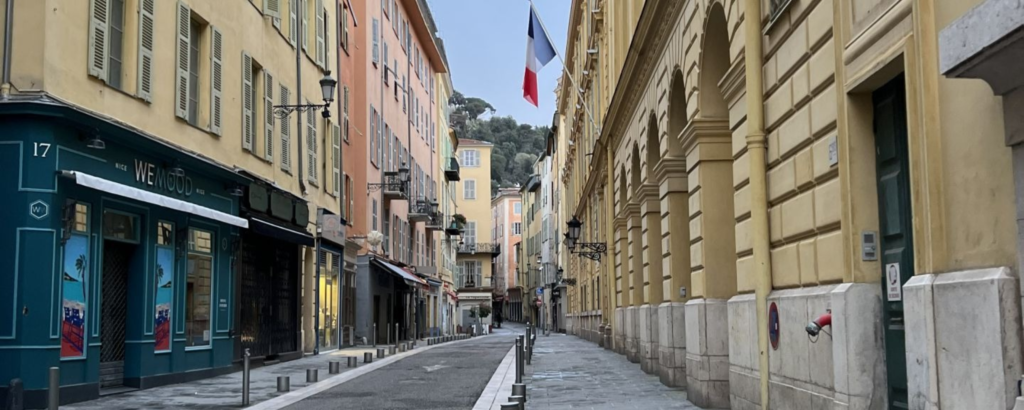
Absolutely, particularly if you enjoy exploring cities on foot, discovering local food and spending time along the waterfront. Nice combines the atmosphere of a busy Mediterranean city with the convenience of an easily accessible historic centre, public transport and a wide choice of cafés and restaurants.
You don’t need a car to enjoy the main attractions, and even a short stay allows time to wander through the Old Town, visit the markets, explore the waterfront and enjoy the city’s dining culture. For travellers planning a wider French Riviera itinerary, Nice also provides useful rail connections to neighbouring coastal destinations.
Our Experience Exploring Nice

Nice was our first stop in France, arriving by train from Cinque Terre in Italy before collecting our leased car for the next stage of our European road trip. We allowed ourselves a few nights to explore rather than simply passing through, and we’re pleased we did.
Staying within walking distance of the train station and city centre meant we could explore without a car. We loved the grand architecture, lively streets, waterfront views and relaxed café culture, particularly watching people enjoying good food and conversation without constantly looking at their phones.
Although we’d originally considered returning to explore more of the French Riviera, we eventually chose a route through the French Alps instead. Nice remained our main experience of this beautiful stretch of coastline, and it was a wonderful introduction to France.
Table of Contents
- Is Nice Worth Visiting?
- Our Experience Exploring Nice
- Best Things to Do in Nice
- What to Eat in Nice
- Exploring Beyond Nice – The French Riviera
- Where to Stay in Nice – Choosing the Best Area
- Getting Around Nice – Trains, Trams and Walking
- Best Time to Visit Nice – Weather, Seasons and Crowds
- Practical Tips for Visiting Nice – What to Know Before You Go
- Final Thoughts
Best Things to Do in Nice
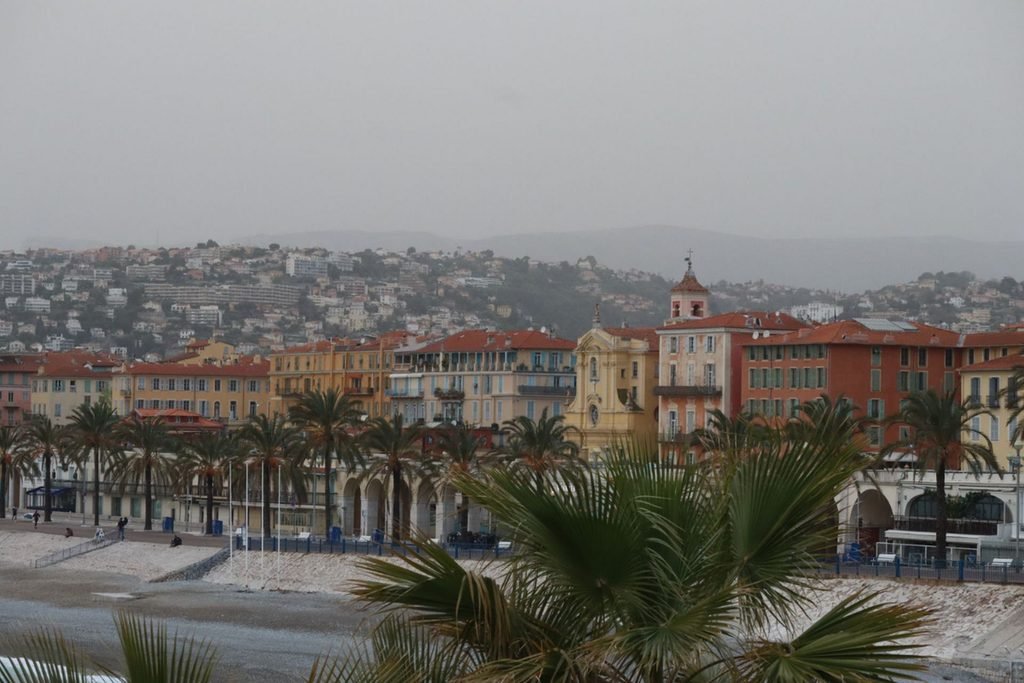
Nice offers a wonderful mixture of coastal scenery, historic neighbourhoods, lively markets and impressive architecture. Many of its main attractions are close together, making it easy to explore several areas in a single day.
Here are some of the best things to see and do in Nice, including the places we particularly enjoyed during our visit.
Promenade des Anglais and the Waterfront
The Promenade des Anglais is one of Nice’s most recognisable landmarks, stretching along the Mediterranean coastline with beautiful views across the Baie des Anges. Lined with palm trees, grand buildings and the city’s famous pebble beaches, it’s a popular place for walking, cycling and simply enjoying the waterfront.
We walked along the promenade towards the I Love Nice sign, stopping to admire the coastline and watch the activity around us. The wide boulevard, impressive architecture and Mediterranean views made this one of our favourite areas of the city.
We returned to the waterfront that evening to watch the sunset, enjoying the changing light over the coastline and the atmosphere as people gathered along the promenade.
It’s an area worth visiting at different times of the day, whether for a morning walk, an afternoon beside the sea or a relaxed evening taking in the views.
Exploring Vieux Nice and the Markets
Vieux Nice, or Old Nice, is one of the most interesting parts of the city to explore. Its narrow streets wind between colourful historic buildings, with small shops, cafés, restaurants and traditional markets creating a lively atmosphere.
We spent hours wandering through the Old Town, discovering little streets and enjoying the activity around us. There was always something happening, whether it was people gathering outside cafés, browsing local shops or enjoying a meal at one of the many restaurants.
We were fortunate to be visiting over a weekend, when the markets added even more atmosphere to the area. The famous Cours Saleya market is known for its flowers, fresh produce and local specialities, with offerings varying depending on the day. We particularly enjoyed browsing the stalls and collecting fresh fruit and snacks for the days ahead.
One of the things we enjoyed most was simply exploring without a particular destination in mind. Vieux Nice is an area where you can easily spend several hours, stopping for a coffee, browsing the markets or discovering another interesting street around the next corner.
Avenue Jean Médecin and Central Nice
Avenue Jean Médecin is one of Nice’s main shopping streets, stretching through the city centre towards Place Masséna. With its impressive architecture, department stores, shops and cafés, it’s a busy area that offers a different atmosphere from the narrow streets of Vieux Nice.
We enjoyed walking along the avenue, watching the modern trams travelling through the shopping district and admiring the grand buildings lining the street. It was a fascinating mixture of historic architecture and everyday city life.
Something else that caught our attention was how stylishly people dressed. Much like our experiences in Italy, we noticed how effortlessly chic many locals appeared, even when simply going about their daily routines.
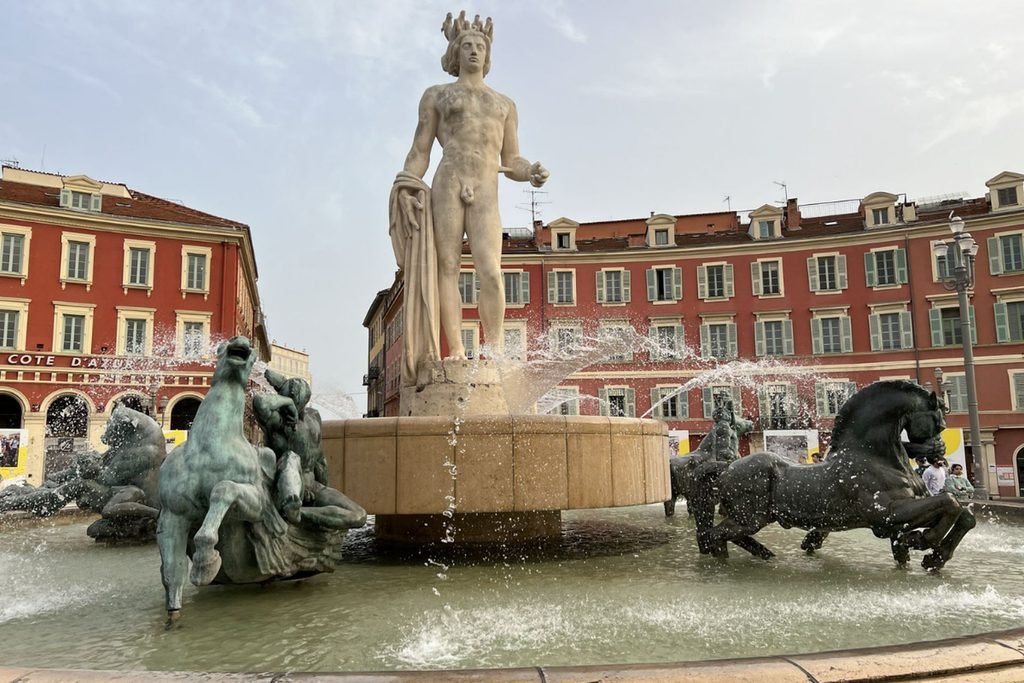
The avenue leads towards Place Masséna, one of Nice’s most impressive public squares. We particularly admired its grand architecture, spacious layout and striking surroundings, which make it a lovely area to explore even if shopping isn’t on your itinerary.
Castle Hill and Its Viewpoints
Colline du Château, or Castle Hill, is one of Nice’s most popular viewpoints, offering panoramic views across the Promenade des Anglais, Baie des Anges, the Old Town and the Mediterranean coastline.
Despite its name, there is no longer a castle standing on the hill. Today, the area is a public park with walking paths, gardens, a waterfall and several viewpoints overlooking the city.
We had planned to visit Castle Hill on our final morning in Nice, hoping to enjoy the views before collecting our leased car. Unfortunately, we arrived before the park gates had opened, and with a scheduled collection time, we couldn’t wait around.
For anyone planning a visit, a few things are worth knowing:
- Access: You can reach the park using stairs and walking paths, with a public lift available near the waterfront.
- Opening hours: The park has seasonal opening and closing times, so check these before visiting, particularly if you’re planning an early morning walk.
- Viewpoints: The elevated position provides some of the best panoramic views of Nice and its coastline.
- Allow enough time: Give yourself time to explore the walking paths and viewpoints rather than treating it as a quick photo stop.
Although we missed the opportunity, Castle Hill would be high on our list if we returned to Nice. It’s an attraction we’d recommend considering, particularly for anyone who enjoys walking and scenic viewpoints.
Local Specialities and Our Favourite Dining Experience

Nice has a wonderful food scene, combining traditional Niçoise cuisine, Mediterranean flavours, fresh seafood and French bakery favourites. From small neighbourhood restaurants to bustling outdoor cafés, there’s no shortage of places to enjoy a meal.
Local specialities worth trying include:
- Socca: A thin, savoury chickpea pancake, traditionally cooked in a hot oven.
- Salade Niçoise: A regional salad commonly featuring tomatoes, eggs, olives, anchovies or tuna.
- Pissaladière: A savoury tart topped with caramelised onions, anchovies and olives.
- Pan bagnat: A traditional Niçoise sandwich filled with ingredients similar to a salade Niçoise.
Le Cenac – One of Our Best Meals in France
One evening, we’d planned to eat at Le Tchitchou, a restaurant we’d heard good things about. Unfortunately, our attempts to make a reservation were unsuccessful, and when we arrived, the restaurant was completely full.
By then it was getting late, so we decided to find somewhere on our way back to the hotel. Just up the road, we came across Le Cenac, a busy restaurant packed with diners. Fortunately, they managed to find us a table.
Rather than struggle with the language barrier, we looked around at what other diners were eating. Both of us settled on lamb shanks accompanied by a glass of red wine.
What an incredible choice!
The lamb was outstanding, the atmosphere was wonderful and the service was excellent. It turned out to be one of the best meals of our entire French journey.
A definite 10/10 from us, and a reminder that sometimes the best travel experiences happen when your original plans don’t work out.
French Boulangeries and Café Culture in Nice
Our first taste of French bakery culture came shortly after arriving in Nice. With time to spare before checking into our hotel, we stopped at a local café for coffee and freshly baked croissants.
It was the beginning of a daily routine we’d come to love throughout France, seeking out different boulangeries for breakfast and collecting fresh bread or pastries for later.
Another thing we noticed was how people seemed to enjoy their food and each other’s company without constantly checking their phones. Cafés and restaurants were full of conversation, and we loved watching that aspect of everyday French life.
For us, enjoying Nice wasn’t just about visiting attractions. The food, cafés and relaxed dining atmosphere were just as memorable as the sightseeing.
Exploring Beyond Nice – The French Riviera
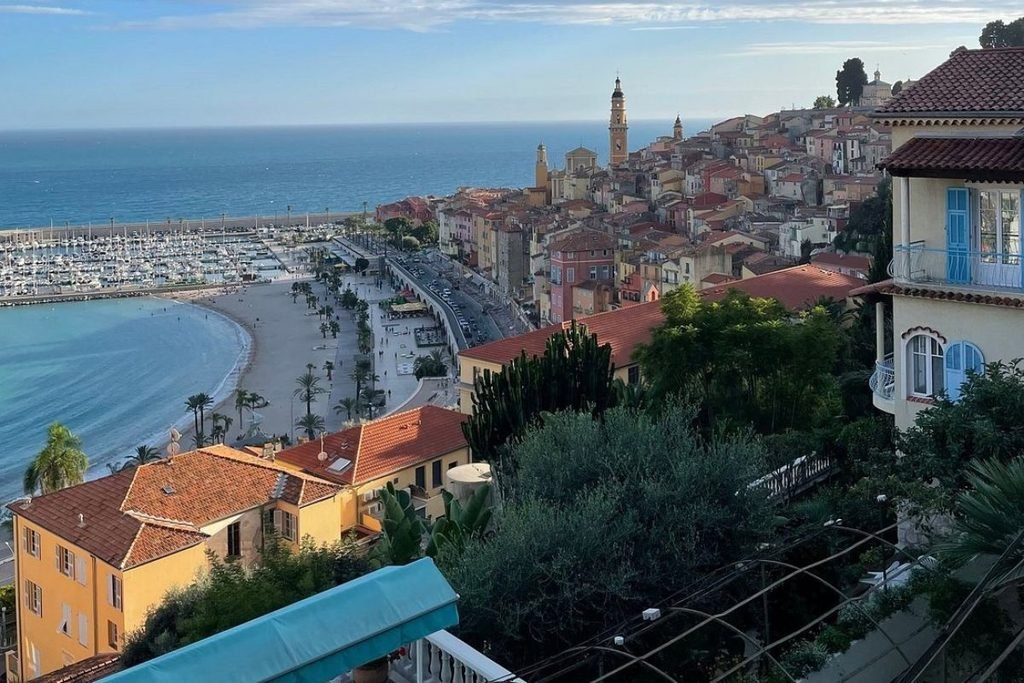
Nice makes an excellent starting point for exploring the French Riviera, also known as the Côte d’Azur. The Mediterranean coastline is dotted with historic towns, seaside resorts and picturesque villages, many accessible by regional train or bus.
Although we only explored Nice itself, there are several destinations worth considering if you have more time in the region.
- Monaco: Famous for Monte Carlo, its luxury yachts, Prince’s Palace and the legendary Formula One Grand Prix circuit.
- Èze: A medieval hilltop village known for its narrow cobbled streets, gardens and spectacular views over the Mediterranean.
- Antibes: A historic coastal town with an attractive Old Town, traditional markets, beaches and the Picasso Museum.
- Cannes: Best known for its international film festival, waterfront boulevard, sandy beaches and luxury hotels.
- Menton: Close to the Italian border, this colourful coastal town is known for its gardens, citrus-growing heritage and attractive waterfront.
Regional trains connect Nice with several coastal destinations, making day trips possible without hiring a car. Èze’s hilltop village requires an additional journey from the coastal railway station.
For travellers with extra time, the French Riviera offers plenty of opportunities to explore beyond Nice, whether you’re interested in historic villages, coastal scenery or relaxing beside the Mediterranean.
Where to Stay in Nice – Choosing the Best Area
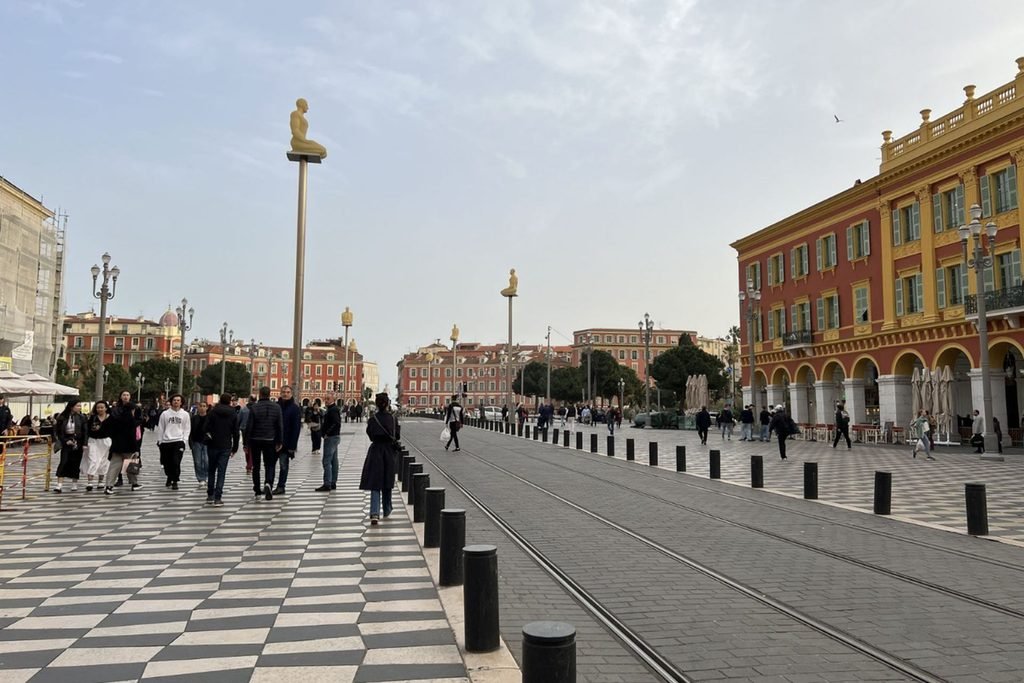
Choosing where to stay in Nice depends on your budget, transport arrangements and how you plan to explore the city. Fortunately, many of the main attractions are within walking distance of the centre, making it possible to enjoy a short visit without hiring a car.
We booked reasonably priced accommodation through Booking.com, choosing a hotel within walking distance of Nice-Ville train station. It wasn’t anything fancy, but the central location suited us perfectly. We could walk to the Old Town, shopping streets and waterfront without relying on public transport.
For visitors planning a stay, these are some of the main areas worth considering:
- Nice City Centre: A convenient choice for shopping, restaurants, public transport and walking to major attractions. Particularly useful for budget-conscious travellers.
- Vieux Nice (Old Town): Ideal for visitors wanting to stay among historic streets, markets, cafés and restaurants. Some streets are pedestrian-only, so consider luggage access.
- Promenade des Anglais: Popular for waterfront accommodation, Mediterranean views and easy beach access. Seafront hotels can be more expensive.
- Near Nice-Ville Station: Practical for travellers arriving by train or planning day trips along the French Riviera, with a range of accommodation options nearby.
- Port of Nice: An attractive area with restaurants, waterfront activity and convenient connections to other parts of the city.
Our recommendation is to prioritise location over luxury, particularly if you’re visiting for just a few nights and plan to spend most of your time exploring.
Before booking, check the walking distance to public transport, nearby attractions and whether your accommodation has air conditioning during the warmer months. If you’re travelling by car, confirm parking availability and costs, as central parking can be limited and expensive.
Getting Around Nice – Trains, Trams and Walking

Nice is a relatively easy city to navigate, with excellent rail connections, a modern tram network and a walkable city centre. Whether you’re arriving from another European destination or flying into the French Riviera, there are several convenient ways to reach the main attractions.
Arriving in Nice by Train
We travelled by train from Cinque Terre in Italy to Nice-Ville, arriving around midday. Although the railway station was large and busy, we found it well signposted in both French and English, making it surprisingly straightforward to find our way outside.
Our accommodation was approximately 2 km from the station, and with time to spare before check-in, we decided to walk. It was a convenient introduction to central Nice, particularly as we were travelling without a car at that stage.
Nice-Ville is the city’s main railway station, with connections to destinations throughout France and regional services along the Mediterranean coastline. For anyone planning to explore the French Riviera without a car, travelling by train is worth considering.
Exploring Nice on Foot and by Tram
Walking was our preferred way to explore Nice, particularly around the Old Town, Avenue Jean Médecin and the waterfront. Many of the central attractions are relatively close together, making it easy to combine sightseeing with stops at cafés and markets.
Nice also has a modern tram network connecting the city centre with surrounding neighbourhoods and transport hubs. We enjoyed watching the trams travelling along Avenue Jean Médecin, although we didn’t need to use them during our stay.
For visitors planning to travel further or wanting to reduce the amount of walking, the trams and local buses provide useful alternatives.
Arriving by Air and Collecting a Car
Nice Côte d’Azur Airport is the main international gateway to the French Riviera, with convenient tram connections to central Nice and other transport options available.
At the end of our stay, we caught the tram towards the airport to collect our leased Citroën C3 Aircross. After a brief introduction to driving on the right-hand side of the road, we were ready to begin the next stage of our European adventure.
Before heading off, we stopped at Decathlon for a few travel essentials and E.Leclerc to stock up on groceries. Rather than taking the motorway, we chose the scenic route inland, driving through the mountainous countryside towards Touët-sur-Var, where we stopped for lunch.
For anyone planning a similar journey, Nice is an excellent starting point for a French road trip. You can enjoy the city without a car, then collect your vehicle when you’re ready to explore further afield.
Best Time to Visit Nice – Weather, Seasons and Crowds
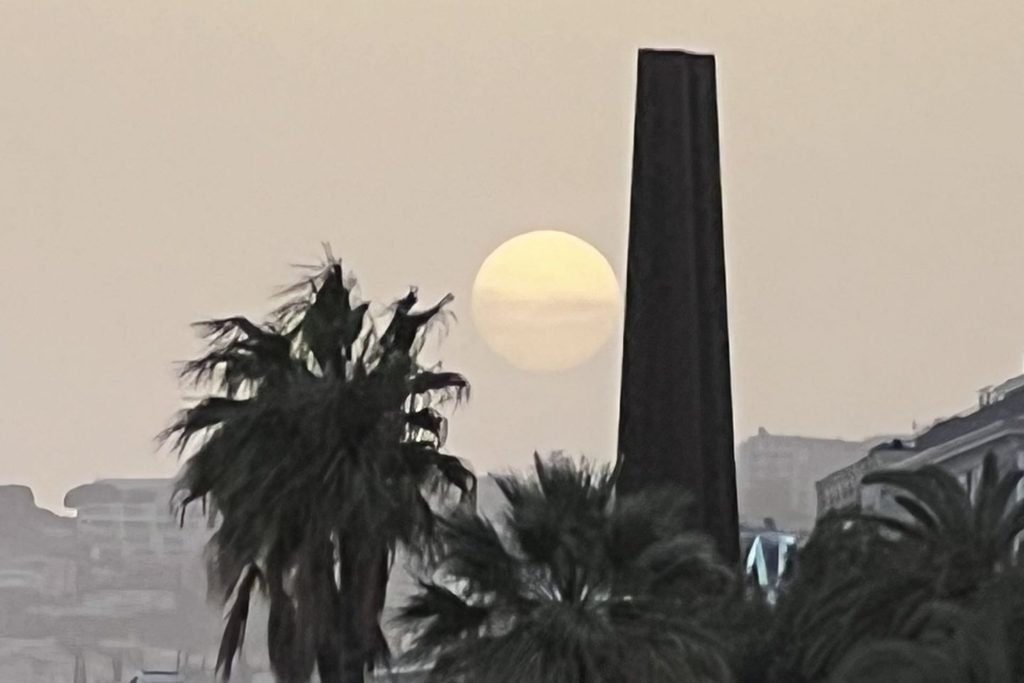
Nice enjoys a Mediterranean climate, with warm summers, generally mild winters and plenty of opportunities for sightseeing throughout the year. The best time to visit depends on whether you’re planning beach days, exploring the city or travelling along the French Riviera.
- Spring (March to May): Generally mild temperatures, fewer visitors than summer and comfortable conditions for walking and sightseeing. The Mediterranean can still be cool for swimming.
- Summer (June to August): Hotter weather and longer days make this the most popular season for beaches and coastal activities. Expect larger crowds, busier restaurants and higher accommodation prices.
- Autumn (September to November): September often remains warm enough for beach activities, while October and November bring cooler temperatures and quieter streets.
- Winter (December to February): Mild compared with much of Europe, although temperatures are cooler and rainfall is possible. A good option for museums, restaurants and exploring without the summer crowds.
Our Experience Visiting Nice in April
We visited Nice in April, and found it a lovely time to explore the city on foot. The waterfront was inviting, the markets were lively and we could comfortably spend hours wandering through the streets.
Although the Mediterranean water was still quite cool, the beaches and coastal views were beautiful. We were more interested in sightseeing, food and exploring the city than spending our days swimming, so the season suited us well.
For travellers with similar interests, April, May, September and early October are worth considering, particularly if you prefer comfortable sightseeing temperatures over peak summer heat.
Practical Tips for Visiting Nice – What to Know Before You Go
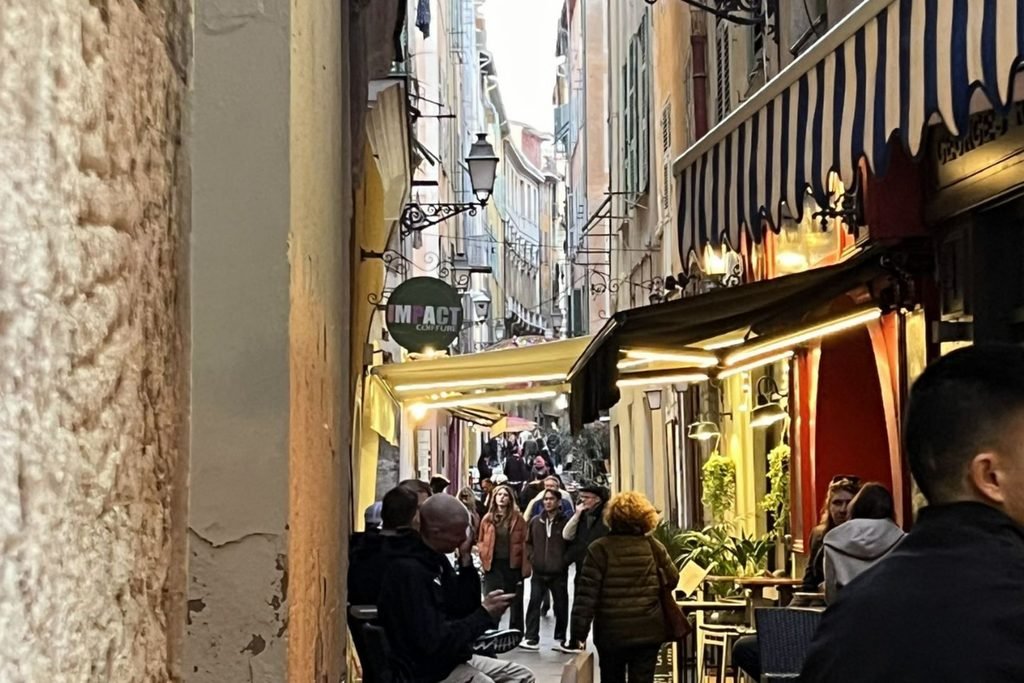
Nice is a relatively straightforward city to explore, but a little preparation can help you make the most of your visit. Whether you’re staying for a weekend or using the city as a starting point for a French Riviera holiday, these tips are worth keeping in mind.
- Wear comfortable walking shoes: Nice is best explored on foot, particularly around Vieux Nice and the waterfront. The Old Town has narrow streets, while the beaches are predominantly pebbled rather than sandy.
- Check attraction opening hours: Some parks and attractions have seasonal opening times. We discovered this the hard way when we arrived too early at Castle Hill and found the gates locked!
- Make restaurant reservations: Popular restaurants can fill quickly, particularly in the evenings. We couldn’t get into Le Tchitchou, although that led us to our wonderful meal at Le Cenac.
- Allow time for the markets: The markets around Cours Saleya are worth exploring, but their schedules and offerings vary depending on the day.
- Learn a few French phrases: Simple greetings such as bonjour, merci and s’il vous plaît are useful when ordering food, shopping or speaking with locals.
- Prepare for the Mediterranean sunshine: Carry sunscreen, sunglasses and water, particularly during the warmer months when temperatures can make extended sightseeing tiring.
- Consider your travel budget: Nice has everything from luxury waterfront hotels to more affordable accommodation, bakeries and casual restaurants. Staying slightly away from the seafront can help keep costs down.
Our biggest recommendation is to allow time for simply wandering. Some of our favourite moments in Nice came from exploring the streets, discovering somewhere to eat and enjoying the atmosphere rather than following a strict sightseeing schedule.
Final Thoughts
Nice was a wonderful introduction to France and a destination we’re pleased we took the time to explore rather than simply passing through.
Although our visit was brief, we left with a genuine appreciation for the city’s character and atmosphere. It was an enjoyable beginning to what would become an unforgettable journey through France.
Would we recommend Nice? Absolutely. Whether you’re planning a short city break or a longer French adventure, it’s a destination that deserves a place on your itinerary.
“The only impossible journey is the one you never begin.”
🌍 Travel Planning Resources
These are the tools we personally use and trust when planning our travels from finding a place to stay to booking activities, transport and insurance. Let your “Tohu” guide you “Trust the Journey” and follow what feels right for you.
- ✈️Flights – Compare great deals with Trip.com then Kiwi.com for flexible, affordable options.
- 🚐 Campervans – Compare rental deals with Motorhome Republic across Aotearoa and beyond.
- 🛏️ Stays – Compare hotels on Trip.com and TripAdvisor or Booking.com.
- 🚐 Rental Cars – Compare prices and book through Airport Rentals by Motorhome Republic for trusted brands and easy airport pickup.
- 🎟️ Activities – Browse tours and experiences on Viator, Get Your Guide, or TripAdvisor
- 🚆12Go Asia – Compare and book trains, buses, and ferries across Asia in one place with 12Go.
- 🛡️ Travel Insurance – Get flexible short-term coverage with Insubuy for your next holiday.
- 💳 Travel Money – Send, spend and manage money internationally with Wise, with easy currency conversion and a handy option for travellers.
- 🔒 Protect Your Privacy with a VPN – We recommend Surfshark VPN for secure and private browsing while travelling. It’s fast, affordable and works worldwide, perfect for public Wi-Fi at airports, cafes and hotels.
- 📱 Travel eSIM – Stay connected with Airalo
- 💼 Lounge Access – Treat yourself with Priority Pass for UK or US
- 🎶 Events & Concerts – Book tickets worldwide through Ticketmaster.
🧭 Note: Some booking links can be a bit shy when you’re using a VPN. If one doesn’t open, try pausing your VPN or switching to a different server location or secure Wi-Fi network to get things flowing again.