Getting around France is relatively straightforward, whether you’re travelling between major cities by train, exploring the countryside by car or using public transport to discover popular attractions. With an extensive railway network, modern motorways and regional roads connecting towns and villages, France offers plenty of ways to explore at your own pace.
Choosing the right transport depends on your itinerary. Trains are an excellent option for travelling between major cities, while having your own vehicle provides greater flexibility when visiting rural areas and destinations beyond the main tourist routes. During our travels through France, we experienced both train travel and driving, giving us an appreciation of how each option works for different types of journeys.
In this guide, we share our firsthand experiences alongside practical advice on driving, toll roads, parking, trains and public transport, helping you decide how best to get around France.
Is It Easy to Get Around France?
Yes, France is an easy country to explore, with several transport options available depending on your destinations, travel style and budget.
Whether you’re planning a city break, a countryside road trip or a journey through several regions, choosing the right transport can make travelling around France considerably easier.
The main options include:
- Trains: Ideal for travelling between major cities such as Paris, Lyon, Marseille and Bordeaux, with high-speed and regional services connecting destinations throughout the country.
- Leased or Rental Cars: Best suited to travellers wanting to explore smaller towns, rural areas and destinations with limited public transport.
- Buses and Coaches: A useful alternative for reaching certain towns and communities, particularly where direct train connections are unavailable.
- Metro and Trams: Convenient for exploring larger cities without the challenges of driving and finding parking.
- Walking and Cycling: Excellent for discovering historic town centres, waterfronts and local neighbourhoods.
Combining different transport options can also work well. For example, you might travel between major cities by train before collecting a vehicle to explore the surrounding countryside.
The key is to consider where you want to go and how much flexibility you need, rather than assuming one transport option will suit your entire journey.
Our Experience Getting Around France
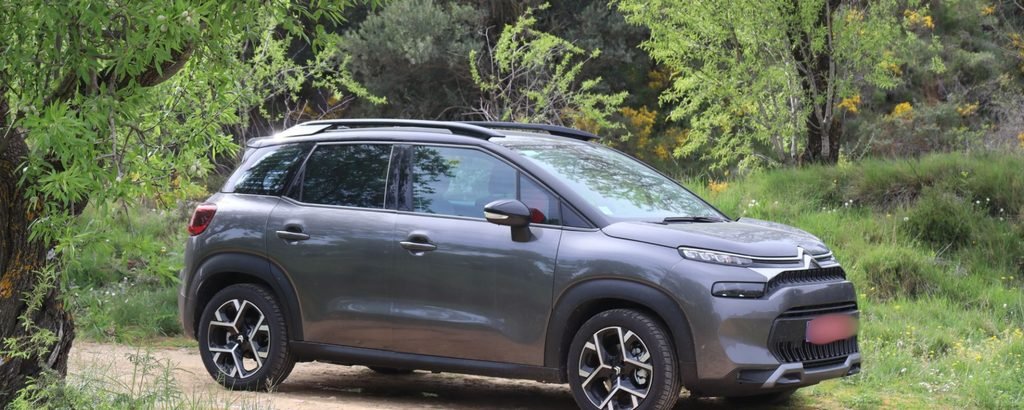
During our 2024 European road trip, we travelled extensively through France in our leased Citroën C3 Aircross, giving us the freedom to explore beyond the main tourist destinations. Rather than following the fastest routes, we deliberately avoided toll roads and spent most of our time travelling along smaller regional roads.
This became one of the highlights of our journey through France.
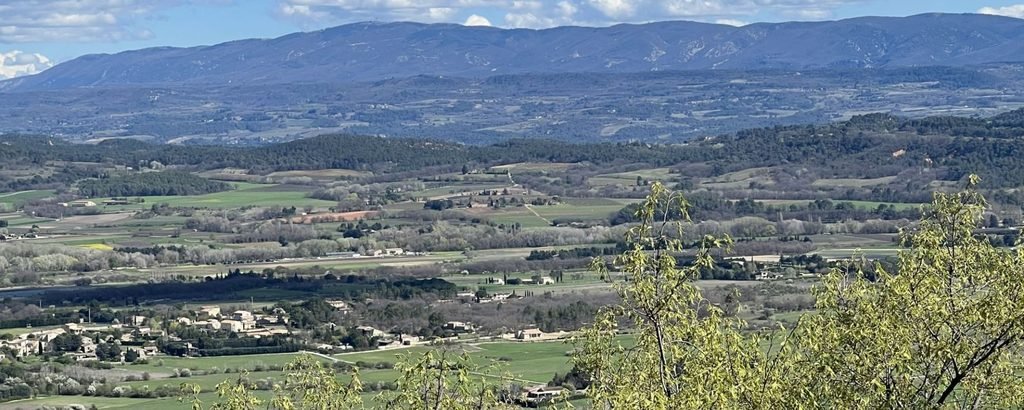
We passed through traditional villages, rural communities and beautiful countryside, discovering places we might never have visited if we’d stayed on the main motorways. Having our own vehicle meant we could stop whenever something caught our attention. Sometimes it was a local boulangerie for fresh bread and pastries, while other times we’d find a quiet park or somewhere beside a river, lake or farmland to enjoy lunch.
We also regularly stopped at E.Leclerc supermarkets in smaller towns, where we found shopping and parking much easier than navigating busy city centres. Another advantage was being able to choose accommodation outside popular tourist areas, particularly properties offering free parking. This gave us more flexibility when planning our route and often provided a quieter place to stay.
What we enjoyed most was experiencing everyday life in France, rather than simply travelling between famous landmarks.
Those smaller towns, local shops and unexpected stops gave us a wonderful appreciation of the French countryside and became some of our favourite memories from the journey.
Table of Contents
- Is It Easy to Get Around France?
- Our Experience Getting Around France
- Driving in France – What You Need to Know
- Motorways, Toll Roads and Scenic Routes in France
- Parking in French Towns and Cities
- Travelling Around France by Train
- Public Transport in French Cities
- Leasing a Car vs Renting a Car in France
- Practical Tips for Getting Around France
- Final Thoughts on Getting Around France
Driving in France – What You Need to Know
Driving in France is relatively straightforward, particularly once you’ve adjusted to travelling on the right-hand side of the road.
French roads are generally well-maintained, with an extensive motorway network connecting major cities and smaller regional roads providing access to towns, villages and rural areas.
For visitors from New Zealand, the biggest adjustment is driving on the opposite side of the road, particularly when approaching roundabouts, intersections and unfamiliar town centres.
French Road Rules and Speed Limits
France has clearly marked road signs and speed limits, although these can change depending on the type of road, weather conditions and local restrictions.
The general speed limits for cars are:
- Motorways: 130 km/h, reduced to 110 km/h in wet weather.
- Dual Carriageways: Generally 110 km/h, reduced to 100 km/h in wet weather.
- Rural Roads: Generally 80 km/h, although some roads have a 90 km/h limit.
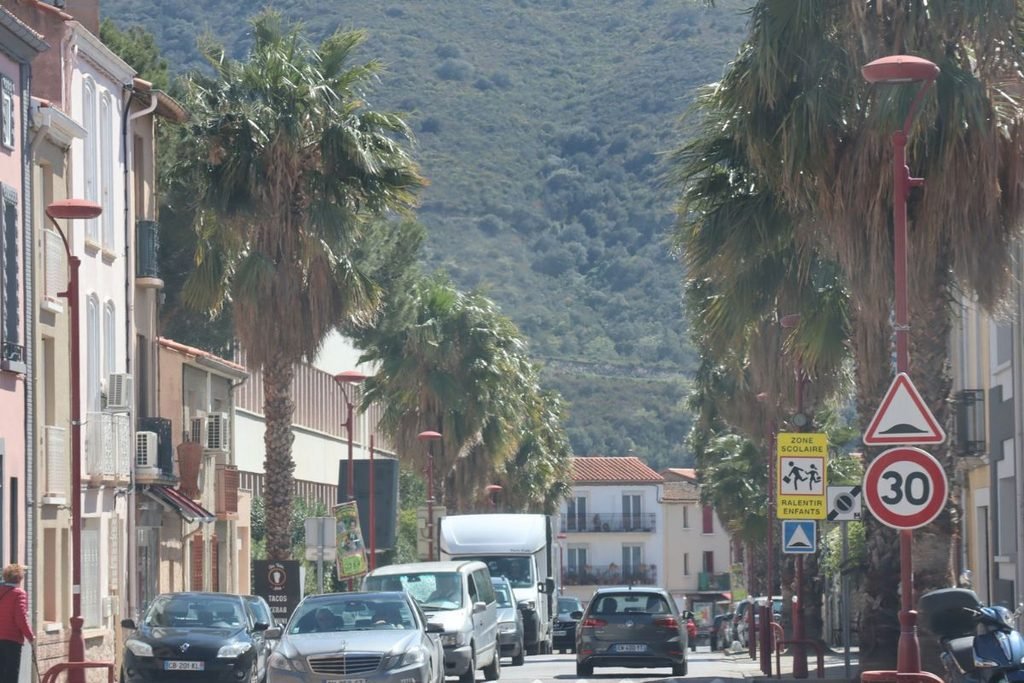
- Urban Areas: Usually 50 km/h, with lower limits in residential areas and town centres.
Always follow posted speed limits, as local restrictions can differ. France also has numerous speed cameras, including fixed cameras and monitoring along major routes.
Understanding French Road Signs
Most French road signs use internationally recognised symbols, making them relatively easy to understand even if you don’t speak French.
However, we did have one particularly funny experience.
While driving through France, we kept noticing a roadside symbol that looked remarkably like the familiar free Wi-Fi sign. We were travelling past too quickly to read the accompanying French words, so we assumed France must have some impressive roadside Wi-Fi coverage!
It wasn’t until later that we discovered the symbol was actually warning motorists about speed cameras.
So much for free Wi-Fi! We certainly had a good laugh when we realised what we’d been looking at.
Using GPS and Offline Maps
Having reliable GPS navigation is essential when driving through unfamiliar parts of France, particularly when exploring smaller towns and rural areas.
We relied heavily on Google Maps, which helped us navigate regional roads, locate supermarkets, find parking areas and identify alternative routes.
A few things we recommend:
- Download Offline Maps: Save the regions you’re travelling through before leaving your accommodation, particularly if mobile coverage becomes unreliable.
- Check Your Route Settings: If you want to avoid toll roads, make sure this option is selected before starting your journey.
- Use GPS for Parking: Search for public parking areas rather than navigating directly to an attraction in a busy town centre.
- Check Your Destination Address: Confirm accommodation locations and access instructions, especially in historic towns with narrow streets or restricted vehicle access.
- Keep Your Phone Charged: A car charger is useful when relying on navigation throughout the day.
Although we found driving in France easy overall, having GPS and downloaded maps made a considerable difference, allowing us to concentrate on enjoying the journey rather than worrying about finding our way.
Motorways, Toll Roads and Scenic Routes in France
France has an extensive road network, with modern motorways connecting major destinations and regional roads providing access to smaller towns and rural communities.
Choosing between these routes often comes down to how much time you have, whether you’re prepared to pay tolls and the type of journey you want to experience.
Understanding French Motorways and Toll Roads
French motorways, known as autoroutes, are generally identified by the letter A followed by a number, such as the A7 or A10.
Many autoroutes charge tolls, although some sections are free to use.
Toll charges depend on the distance travelled, route and vehicle classification. Payment arrangements vary, with some motorways using traditional toll booths and others operating electronic, barrier-free systems.
A few things worth knowing:
- Toll Motorways: Generally provide faster connections between major cities and regions.
- Free Motorway Sections: Some autoroutes can be used without paying tolls.
- Toll Payments: Depending on the road, payment may be made at a toll booth or through an electronic payment system.
- Barrier-Free Tolls: On certain routes, drivers must arrange payment separately within the required timeframe.
- Route Planning: Navigation apps can help compare motorway travel times with alternatives that avoid tolls.
Before setting off, check whether your chosen route includes toll charges, particularly when travelling longer distances.
Exploring France on Regional Roads
Regional roads are an excellent alternative for travellers who prefer a slower journey, particularly when exploring the countryside and smaller communities.
These routes often pass directly through towns and villages, providing access to places that major motorways bypass.
There are several things to consider:
- Longer Travel Times: Lower speed limits, roundabouts and traffic through towns can add considerable time to a journey.
- Narrower Roads: Some rural routes are narrower than major highways, particularly around historic villages.
- More Frequent Stops: Towns, shops, parks and local attractions are often accessible directly from the road.
- No Motorway Tolls: Choosing suitable regional roads can help reduce travel costs.
- Flexible Routes: Regional roads can be useful when visiting destinations that aren’t conveniently connected by motorway.
Although these roads can take longer, they’re particularly suitable for travellers who have time to explore rather than follow a strict schedule.
Our Experience Avoiding Toll Roads in France
Throughout our French road trip, we chose routes that avoided toll charges, using motorway sections only when they were free. We selected the avoid-tolls option in Google Maps and compared routes before leaving each destination.
This sometimes meant considerably longer driving days, but it was a choice we were happy to make. We found the regional roads generally easy to navigate, although travelling through smaller towns naturally involved more roundabouts, intersections and changes in speed limits.
Would we choose the same approach again? Absolutely.
However, we’d recommend checking the difference in travel times before committing to a route. If you’re covering a long distance or working to a tight schedule, paying for a motorway may be worthwhile.
For travellers with more flexibility, France’s regional roads offer an alternative that can be both economical and enjoyable.
Parking in French Towns and Cities
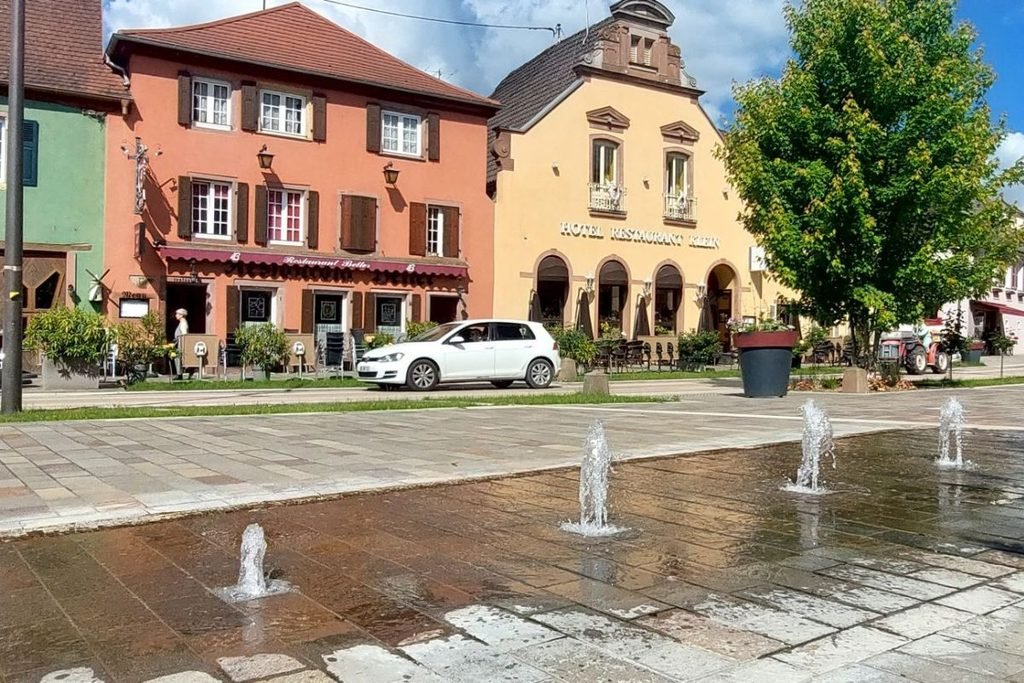
Finding parking in France is generally manageable with a little preparation, although historic towns, busy city centres and popular tourist attractions can present challenges. Many older French towns have narrow streets, pedestrian areas and restricted vehicle access, making it more practical to park outside the historic centre and explore on foot.
Parking options vary between destinations, with free public parking, paid car parks, street parking and designated visitor parking areas.
Finding Parking in France
Researching parking before arriving can save considerable time, particularly when visiting unfamiliar towns.
A few things we recommend:
- Use Google Maps: Search for public car parks near your destination rather than navigating directly into a busy town centre.
- Ask Your Accommodation Host: Local knowledge can be invaluable when finding free parking or understanding restrictions.
- Choose Accommodation with Parking: We always looked for properties offering free parking, which made travelling with our leased car much easier.
- Check Parking Restrictions: Look for payment requirements, time limits and designated parking zones.
- Consider Parking Outside Historic Centres: A short walk is often preferable to navigating narrow streets or pedestrian areas.
If you’re travelling in a campervan or larger vehicle, also check for height restrictions and designated parking areas.
Our Experience Parking Around France
During our road trip, we rarely had major difficulties finding parking because we researched our options beforehand.
One particularly memorable experience was during our stay in Les Angles, just across the Rhône River from Avignon. Our Airbnb host kindly took us around the area and showed us where we could park for free near the river. From there, we could walk across the bridge into Avignon’s historic walled city, avoiding the need to drive into the busy centre.
At other popular destinations, including Dinan and Mont Saint-Michel, we used paid parking areas. During our visits, we found the charges reasonable and appreciated being able to leave the car somewhere convenient while exploring.
Our biggest lesson was that parking doesn’t need to be stressful. A little research, suitable accommodation and advice from locals made a considerable difference throughout our French road trip.
Travelling Around France by Train

Travelling by train is one of the most convenient ways to explore France, particularly when visiting major cities or travelling between popular destinations.
France’s railway network connects much of the country, with high-speed services covering longer distances and regional trains providing access to smaller towns. For travellers visiting cities such as Paris, Lyon, Bordeaux, Marseille and Nice, train travel can eliminate the need to navigate busy roads, arrange parking or hire a vehicle.
Understanding the French Train Network
France’s national railway operator, SNCF, provides several types of passenger services, each suited to different journeys.
The main options include:
- TGV INOUI: High-speed trains connecting major French cities and selected international destinations.
- OUIGO: Lower-cost train services operating on selected routes, with different ticket conditions and luggage allowances.
- TER Regional Trains: Services connecting smaller cities, towns and regional destinations.
- Intercités: Longer-distance services on routes not always served by high-speed trains.
France also has international rail connections with neighbouring European countries, making it possible to combine several destinations without needing to fly between them.
Booking Train Tickets in France
Train tickets can be booked directly through railway operators or through online booking platforms, making it relatively easy to compare routes and organise journeys in advance.
One option is Trainline, which brings together services from participating European train and coach operators.
For travellers visiting several countries, this can be particularly useful when comparing departure times, connections and available ticket options.
Before booking, consider:
- Departure and Arrival Stations: Major cities may have several railway stations, so check you’re travelling to the correct one.
- Ticket Conditions: Some discounted fares have restrictions on changes, cancellations and refunds.
- Luggage Allowances: Check the requirements of your chosen train operator, particularly on lower-cost services.
- Connecting Services: Allow sufficient time between trains, especially when changing stations.
- Advance Bookings: High-speed train fares can increase closer to departure, particularly during busy travel periods.
Our Experience Travelling by Train in France
Although we travelled extensively through France by car, we also experienced the French railway network during different stages of our European travels. On an earlier journey, we caught the train from Italy to Nice, arriving at Nice-Ville railway station. We found the journey straightforward, with clearly displayed routes and station information that made navigating unfamiliar stations much easier.
During our visits to Paris, we also used trains to travel around the city and surrounding areas, including a day trip to the Palace of Versailles. Google Maps was particularly helpful for comparing routes, identifying connections and finding convenient services. We also appreciated that major railway stations generally provided English translations alongside French information, making it easier to understand directions and departure details.
These experiences gave us confidence in using European rail networks, and we’re now considering travelling by train for a future journey from Budapest towards Denmark. While having a leased car suited our travels through rural France, we would happily rely on trains for a journey focused on major European cities. Both options have their advantages, and the best choice ultimately depends on your itinerary and preferred way of travelling.
Public Transport in French Cities
France’s larger cities have well-developed public transport networks, making it relatively easy to explore without needing a car.
Depending on the destination, travellers can use metros, trams, buses and suburban trains to reach major attractions, shopping areas and surrounding neighbourhoods.
For visitors staying in city centres, public transport can be more convenient than driving, particularly where parking is limited or traffic is heavy.
Types of Public Transport in France
The transport available varies between cities, but the main options include:
- Metro Systems: Paris, Lyon, Marseille, Lille, Toulouse and Rennes have metro networks connecting important areas of their cities.
- Trams: Cities including Nice, Bordeaux, Strasbourg and Montpellier have tram networks serving central areas and surrounding suburbs.
- Local Buses: Widely available throughout France, connecting residential areas, attractions and destinations beyond the main railway stations.
- Suburban Trains: Particularly useful around Paris, where RER and other regional services connect the city with surrounding towns and attractions.
- River Transport: Some cities offer riverboats and water-based sightseeing services, providing another way to explore popular waterfront attractions.
Our Experience Using Public Transport in France
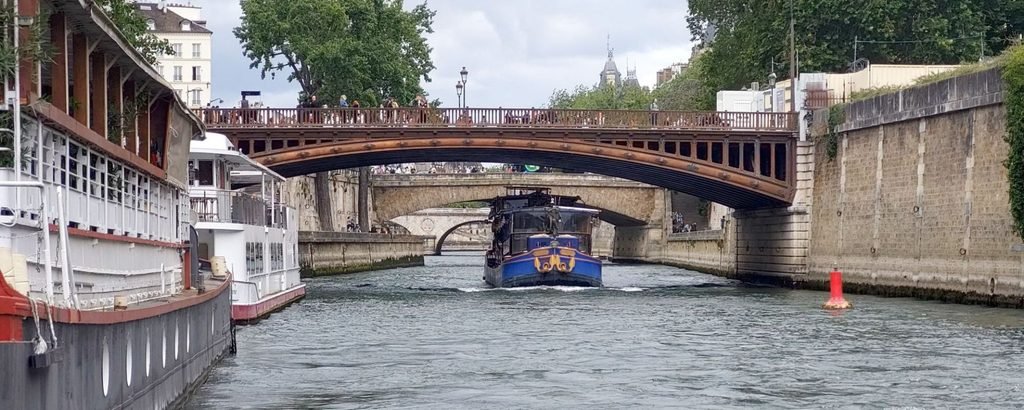
During our travels, Paris was where we made the most use of public transport. We used trains to travel into the city from our accommodation outside the centre, explored different neighbourhoods using the Metro and enjoyed sightseeing along the Seine aboard a hop-on hop-off boat. In Nice, we also used the tram system, including travelling towards the airport to collect our leased vehicle.
We found Google Maps particularly helpful for planning public transport journeys, identifying nearby stops and comparing different routes. For the remainder of our French road trip, we generally relied on our car to travel between destinations and explored town centres on foot.
Tips for Using French Public Transport
- Check Local Ticketing Systems: Fares, passes and payment methods differ between cities.
- Use Journey Planning Apps: Google Maps and local transport apps can help identify routes, connections and departure times.
- Validate Tickets When Required: Some services require tickets to be validated before boarding or at the start of a journey.
- Check Operating Hours: Evening, weekend and public holiday services may run less frequently.
- Consider Day Passes: If you’re making several journeys, compare the cost of individual tickets with available transport passes.
Our Tip: When visiting a large French city, consider leaving your car at your accommodation and using public transport for sightseeing. It’s often easier than navigating unfamiliar streets and finding parking near popular attractions.
Leasing a Car vs Renting a Car in France
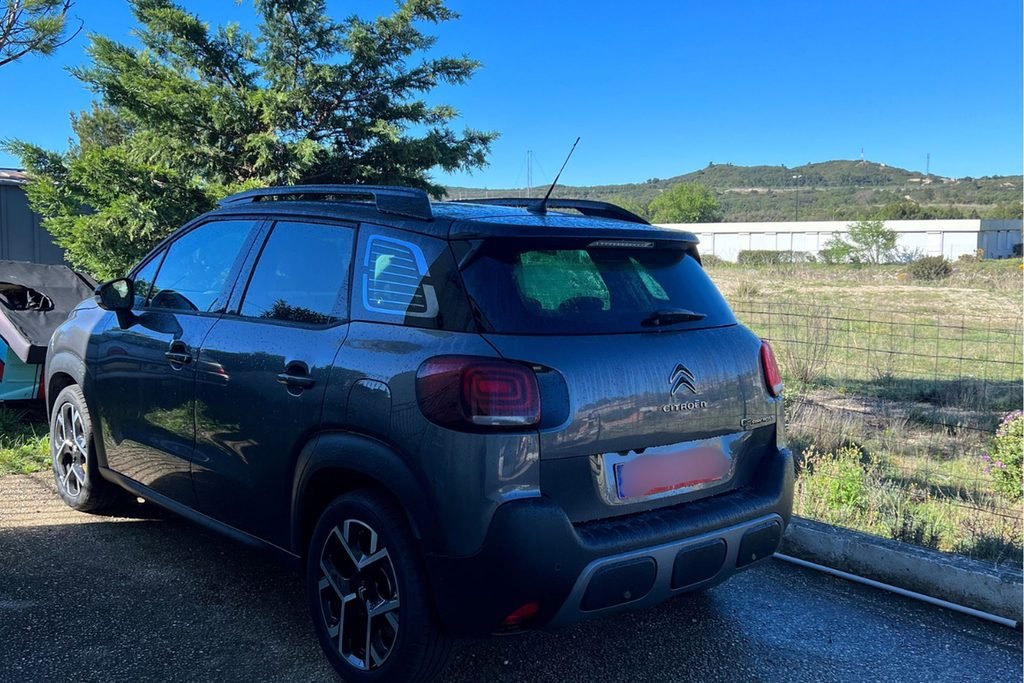
If you’re planning to explore France by car, it’s worth comparing traditional car rentals with French short-term leasing programmes, particularly if your journey extends over several weeks or months.
Both options provide the flexibility to travel independently, but the costs, insurance arrangements and eligibility requirements can differ considerably.
Renting a Car in France
Renting a car is generally a practical option for shorter holidays, particularly when you only need a vehicle for a few days or weeks. Rental companies operate at major airports, railway stations and city centres throughout France, making collection and return relatively convenient.
Before booking, compare the total rental cost rather than focusing solely on the advertised daily rate. Insurance excesses, mileage allowances, additional drivers and cross-border travel restrictions can all affect the final price.
For shorter journeys, renting may be the simplest option, particularly if you’re visiting one region or only need a vehicle for part of your holiday.
Leasing a Car in France
French short-term car leasing programmes can be an attractive alternative for eligible travellers planning an extended European road trip. These arrangements generally involve temporarily leasing a new vehicle for an agreed period, with comprehensive insurance and other benefits included according to the programme’s conditions.
Some advantages worth considering include:
- Longer Travel Periods: Particularly suitable for journeys lasting several weeks or months.
- Insurance Coverage: Comprehensive cover is often included, subject to the policy conditions.
- Additional Drivers: Some programmes include eligible additional drivers without extra charges.
- Cross-Border Travel: Travel through several European countries may be permitted, although restrictions apply.
- Predictable Costs: Knowing the main vehicle cost in advance can make budgeting easier.
Eligibility, minimum lease periods and permitted countries vary between programmes, so it’s important to check the conditions before booking.
Our Experience Leasing a Car in Europe
For our 2024 European adventure, we leased a new Citroën C3 Aircross for 90 days at a total cost of NZ$4,099.20, including comprehensive insurance under the programme’s conditions.
We collected the vehicle in France and travelled through several European countries before returning it at the end of our journey. Having one vehicle for the entire road trip meant we didn’t need to organise separate rentals or constantly unpack and repack our belongings.
Leasing was absolutely the right choice for us, and we would happily use the same arrangement again for another extended European road trip. It suited our travel style, particularly as we preferred exploring smaller towns and staying outside busy city centres.
Is Leasing or Renting Better?
For shorter holidays, renting a car may be the most convenient option, while longer European journeys are worth comparing against French short-term leasing programmes.
The best choice depends on your travel dates, itinerary, eligibility and overall costs. Leasing isn’t necessarily cheaper in every situation, but for our three-month journey, it provided excellent value and flexibility. We’ve covered the entire process in our separate guide, including booking, eligibility, insurance, costs and what we learned from our experience.
Read our complete guide to Leasing a Car in Europe for a detailed look at how short-term leasing worked for us.
Practical Tips for Getting Around France
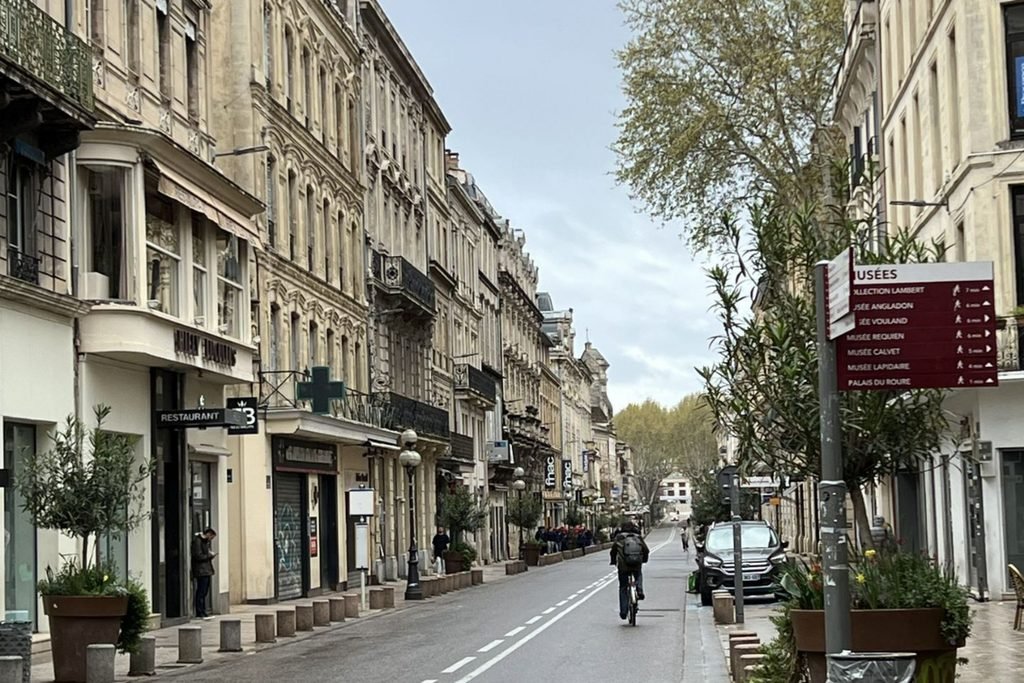
Whether you’re exploring France by car, train or public transport, a little preparation can make travelling between destinations much easier. While we found France relatively straightforward to navigate, there are a few things worth considering before setting off, particularly if your journey takes you beyond the major cities.
- Allow Flexibility in Your Itinerary: Travelling between destinations can take longer than expected, especially when exploring rural areas. Allowing extra time also gives you the freedom to stop somewhere interesting along the way.
- Check French Public Holidays: Shops, attractions and some transport services may operate on reduced schedules during public holidays. Check opening hours and transport timetables before travelling.
- Be Aware of Low-Emission Zones: Several French cities have environmental restrictions known as Zones à Faibles Émissions (ZFE). Depending on the vehicle and location, a Crit’Air emissions sticker may be required, so check the current rules before entering these areas.
- Check Fuel Availability: Petrol stations are widely available throughout France, although opening hours and payment arrangements can vary in smaller communities. It’s worth keeping an eye on your fuel level when travelling through rural regions.
- Keep Essential Documents Accessible: If driving, carry your driver’s licence, passport and relevant vehicle and insurance documents. Check whether an International Driving Permit is required for your particular licence before leaving home.
- Check Seasonal Road Conditions: Mountain roads in the French Alps and Pyrenees can be affected by snow, ice and seasonal closures. Check conditions before travelling, particularly during winter and early spring.
- Research Accommodation Locations: Staying outside busy city centres can be convenient when travelling by car, particularly when parking is included. However, check nearby public transport connections if you intend to leave your vehicle at your accommodation.
- Plan for Sundays: Some smaller shops and supermarkets close or operate reduced hours on Sundays. If you’re travelling through rural France, consider purchasing groceries and other essentials beforehand.
Our biggest recommendation is to plan the essentials while leaving room for flexibility. Having your transport, accommodation and main routes organised makes travelling easier, but you don’t need to schedule every hour of your journey. Sometimes the unexpected stops become the most memorable part of exploring a country.
Final Thoughts on Getting Around France
Getting around France was one of the easiest and most enjoyable parts of our European adventure. Whether travelling by train, using public transport or exploring the countryside by car, we found the country’s transport network made it relatively straightforward to reach the places we wanted to visit.
For our journey, leasing a car gave us the flexibility to explore France at our own pace, particularly beyond the major tourist destinations. However, we also appreciated the convenience of the French railway network and would happily choose train travel for a future journey focused on cities and well-connected destinations.
Whichever way you choose to travel, France is a wonderful country to explore. Take time to enjoy the journey, not just the places on your itinerary. Whether you’re watching the countryside pass by from a train window or discovering an unexpected village along a quiet road, some of your favourite memories may come from the moments you never planned.
“The beauty of travel isn’t always in the destination, but in the roads we follow, the trains we catch and the unexpected places we discover along the way.”
🌍 Travel Planning Resources
These are the tools we personally use and trust when planning our travels from finding a place to stay to booking activities, transport and insurance. Let your “Tohu” guide you “Trust the Journey” and follow what feels right for you.
- ✈️Flights – Compare great deals with Trip.com then Kiwi.com for flexible, affordable options.
- 🚐 Campervans – Compare rental deals with Motorhome Republic across Aotearoa and beyond.
- 🛏️ Stays – Compare hotels on Trip.com and TripAdvisor or Booking.com.
- 🚐 Rental Cars – Compare prices and book through Airport Rentals by Motorhome Republic for trusted brands and easy airport pickup.
- 🎟️ Activities – Browse tours and experiences on Viator, Get Your Guide, or TripAdvisor
- 🚆12Go Asia – Compare and book trains, buses, and ferries across Asia in one place with 12Go.
- 🛡️ Travel Insurance – Get flexible short-term coverage with Insubuy for your next holiday.
- 💳 Travel Money – Send, spend and manage money internationally with Wise, with easy currency conversion and a handy option for travellers.
- 🔒 Protect Your Privacy with a VPN – We recommend Surfshark VPN for secure and private browsing while travelling. It’s fast, affordable and works worldwide, perfect for public Wi-Fi at airports, cafes and hotels.
- 📱 Travel eSIM – Stay connected with Airalo
- 💼 Lounge Access – Treat yourself with Priority Pass for UK or US
- 🎶 Events & Concerts – Book tickets worldwide through Ticketmaster.
🧭 Note: Some booking links can be a bit shy when you’re using a VPN. If one doesn’t open, try pausing your VPN or switching to a different server location or secure Wi-Fi network to get things flowing again.