
Switzerland is a country of towering Alpine mountains, crystal-clear lakes, traditional wooden chalets and picturesque villages surrounded by some of Europe’s most spectacular scenery. From the famous peaks of the Bernese Oberland to the Matterhorn overlooking Zermatt, there is no shortage of incredible places to explore. Whether you’re planning to hike mountain trails, ride scenic trains, travel by cable car or discover charming Swiss towns, Switzerland offers an unforgettable combination of natural beauty and outdoor adventure.
Is Switzerland Worth Visiting?

Is Switzerland worth the expense? Absolutely, but careful planning can make an enormous difference. Switzerland is one of Europe’s more expensive destinations, particularly when it comes to accommodation, dining and mountain transport. However, with the right travel passes, a well-chosen accommodation base and a little research, you can experience much of what makes the country so special without paying full price for every journey. From peaceful Alpine villages and spectacular waterfalls to mountain railways and panoramic gondola rides, the experiences are extraordinary, and the scenery alone makes Switzerland worth considering.
Our Experience

We spent 10 unforgettable days exploring Switzerland in June 2024, arriving by car from the Italian Dolomites through Austria before making our way to Grindelwald, where we stayed for six nights. We had researched the Swiss transport passes extensively and purchased a Swiss Half Fare Card alongside a four-day Bernese Oberland Pass, allowing us to explore the region by trains, buses, gondolas, cable cars and even paddle steamers across Lake Brienz. For four days, we travelled from the first services of the morning until the last rides of the evening, discovering mountain villages, hiking trails, waterfalls and lakes along the way. The experience was incredible, with breathtaking scenery around every turn. We later continued to Zermatt, where we explored the Matterhorn region largely on foot, before driving through Switzerland towards France. Although it was one of the most expensive destinations on our European journey, Switzerland became our favourite country, and we left knowing we had made the absolute most of our time and budget.
Table of Contents
- Is Switzerland Worth Visiting?
- Our Experience
- Best Places to Visit in Switzerland
- Where to Stay in Switzerland
- Best Time to Visit Switzerland
- Getting to and Around Switzerland
- Getting to Switzerland
- Driving in Switzerland
- The Swiss Motorway Vignette
- Travelling by Train in Switzerland
- Gondolas, Cable Cars and Mountain Railways
- Exploring Switzerland by Boat
- Taking the Car Train Through the Mountains
- Getting to Car-Free Zermatt
- Our Tips for Getting Around Switzerland
- Choosing the Right Swiss Travel Pass
- How Expensive Is Switzerland?
- Things to Know Before Visiting Switzerland
- Our Final Thoughts
Best Places to Visit in Switzerland
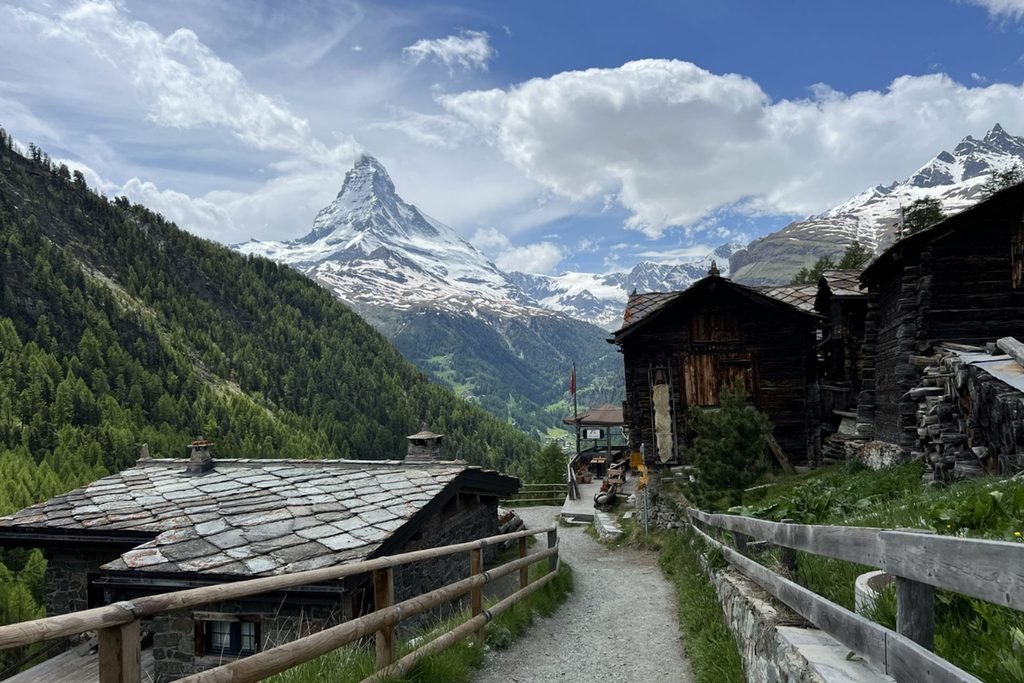
Switzerland may be a relatively small country, but its landscapes and destinations are remarkably diverse. Alpine villages, mountain railways, turquoise lakes and historic towns are often just a short journey apart. This makes it possible to experience several different regions without constantly changing accommodation. During our 10-day journey, we concentrated on the Bernese Oberland and Zermatt, with scenic drives through other parts of Switzerland. These were some of the places that made our visit so memorable.
Grindelwald and the Bernese Oberland
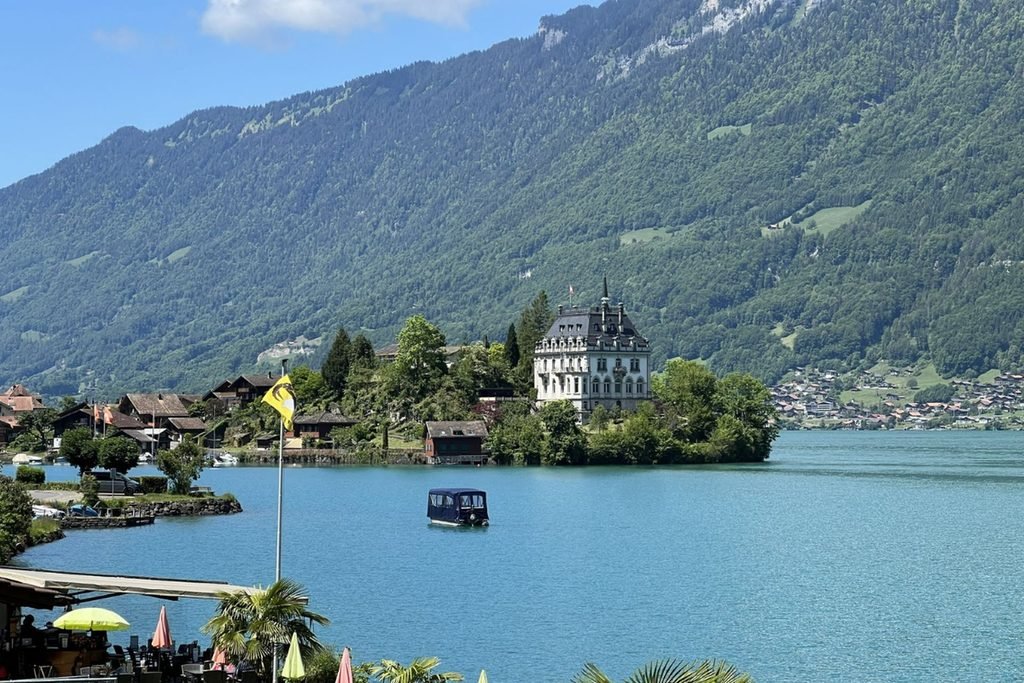
Grindelwald was our favourite base in Switzerland, surrounded by towering mountains and traditional Swiss chalets. We stayed for six nights, using the village as our starting point for exploring the wider Bernese Oberland. What makes this region particularly special is its extensive network of mountain trains, gondolas, cable cars and buses, allowing visitors to explore without needing a car.
We spent four full days making the most of our Bernese Oberland Pass, with some of our favourite experiences including:
- Grindelwald First: Visiting the famous First Cliff Walk and returning when the weather cleared.
- Männlichen: Travelling into the mountains for spectacular Alpine scenery and walking trails.
- Kleine Scheidegg: Enjoying the mountain railway journey and views of the surrounding peaks.
We particularly loved the freedom to change plans, revisit favourite places and explore at our own pace.
Lauterbrunnen and the Mountain Villages
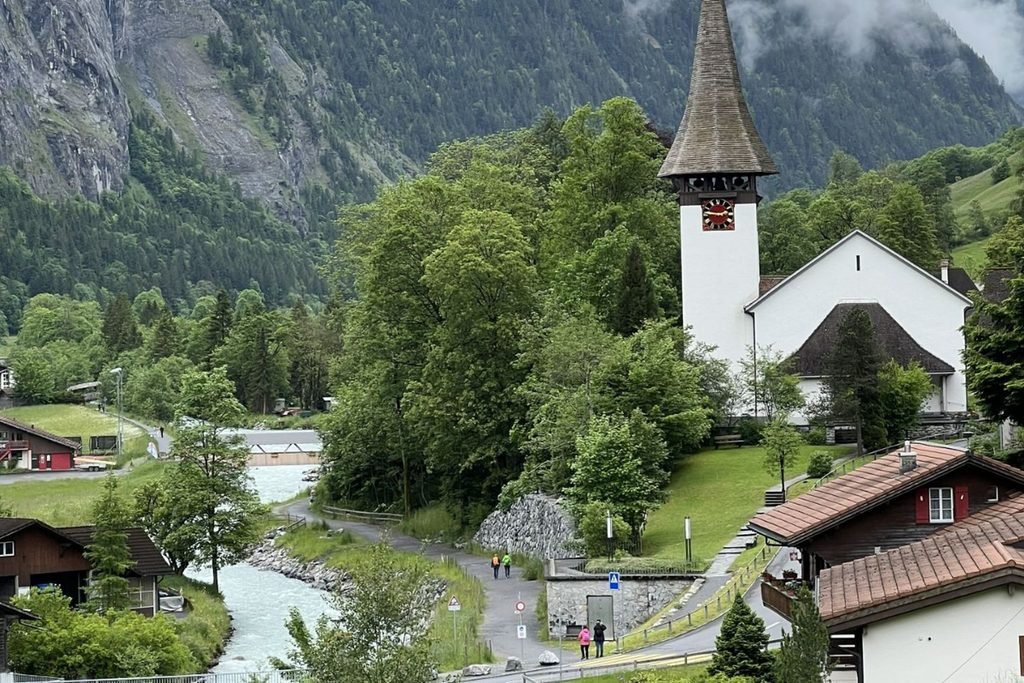
Lauterbrunnen sits in a dramatic valley surrounded by steep cliffs, waterfalls and green farmland. It is also a gateway to several mountain villages, including Wengen and Mürren, which are reached using mountain transport.
We explored the valley on foot, visited Trümmelbach Falls and travelled between the surrounding villages by train and cable car. The traditional wooden buildings, grazing cattle and sound of cowbells added to the atmosphere. For visitors who enjoy walking, Lauterbrunnen offers everything from gentle valley paths to more demanding mountain trails, along with the opportunity to experience Switzerland’s smaller Alpine communities.
Interlaken and Lake Brienz
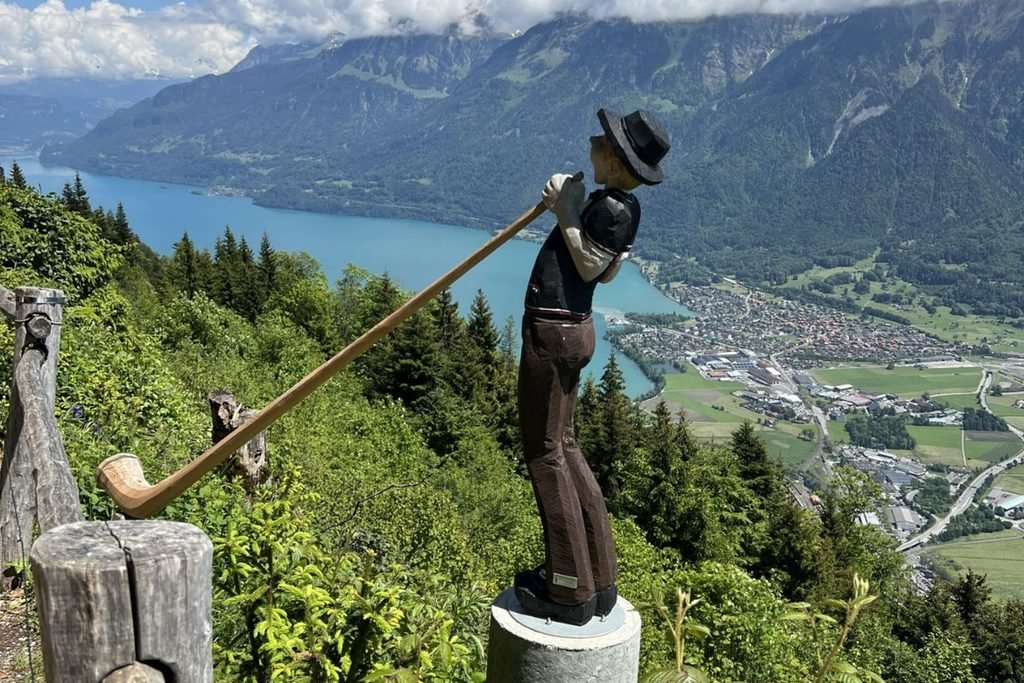
Located between Lake Thun and Lake Brienz, Interlaken is one of the main transport hubs for exploring the Bernese Oberland. It offers convenient connections to surrounding mountain villages, lakes and attractions.
We travelled to Interlaken by train from Grindelwald and enjoyed several memorable experiences:
- Harder Kulm: Taking the funicular above Interlaken for panoramic views of the town and surrounding lakes.
- Lake Brienz: Cruising across the turquoise water aboard traditional boats and paddle steamers.
- Giessbach Falls: Stopping to explore the waterfalls and enjoy a picnic near the historic hotel.
- Iseltwald: Walking along the lakeside trail towards this picturesque village.
The combination of lake cruises, waterfalls and walking trails made this area particularly rewarding. It also provided a completely different perspective from the mountain scenery around Grindelwald.
Zermatt and the Matterhorn
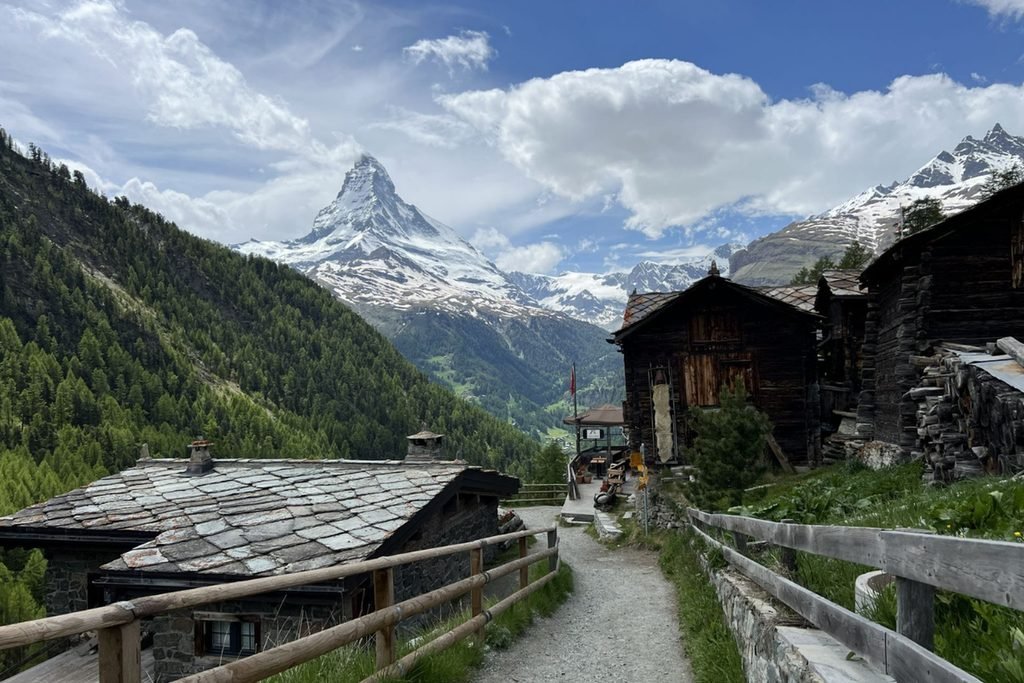
Zermatt is one of Switzerland’s best-known Alpine destinations, famous for its traditional village and views of the Matterhorn. Unlike Grindelwald, Zermatt is car-free, so visitors arriving by road must park in Täsch and continue by train.
We spent four days exploring the region, concentrating on hiking rather than purchasing additional mountain transport passes. Although the weather was mostly drizzly, occasional breaks in the clouds revealed the surrounding peaks.
Our time here was all about exploring on foot:
- Mountain villages: Walking through smaller Alpine settlements away from the busiest tourist areas.
- Hiking trails: Tackling some surprisingly challenging routes through the surrounding mountains.
- Alpine lakes and wildlife: Discovering peaceful lakes, spotting marmots and enjoying picnic lunches along the way.
Zermatt is an excellent choice for visitors who love mountain scenery and hiking, even without taking every expensive gondola or mountain railway.
Lucerne and Central Switzerland

Lucerne is one of Switzerland’s most recognisable cities, known for its lakeside setting, historic architecture and surrounding mountains. It is also a popular starting point for exploring Central Switzerland.
Our journey took us through the region as we drove towards Grindelwald. The scenery became increasingly impressive, with lakes, villages and mountains appearing around almost every bend. Although we didn’t spend time sightseeing in Lucerne itself, the surrounding region left a lasting impression.
For travellers with additional time, Lucerne is worth considering as another base, particularly for exploring Lake Lucerne and nearby mountain attractions.
Montreux and Lake Geneva

Montreux sits along the shores of Lake Geneva, also known as Lac Léman, with mountains rising beyond the water. The town is known for its lakeside promenade, elegant buildings and views across the lake.
We stopped in Montreux while travelling from Zermatt towards France. After several days surrounded by Alpine peaks, the wide lake and waterfront setting offered a completely different side of Switzerland. We enjoyed a wander around the town before continuing towards Basel and the French border.
Montreux is a worthwhile stop for travellers driving through western Switzerland, particularly those following a route between the Alps and France.
Where to Stay in Switzerland

Choosing where to stay in Switzerland can make a significant difference to your travel experience and budget. With mountain villages spread across valleys and steep Alpine terrain, a convenient location near public transport can save both time and money.
Accommodation ranges from luxury mountain resorts and traditional Swiss chalets to hotels, guesthouses and self-catering apartments. Prices can be high, particularly in popular destinations such as Grindelwald and Zermatt. We chose two main bases for our Alpine adventures, allowing us to explore each region without constantly packing up and moving.
Staying in Grindelwald
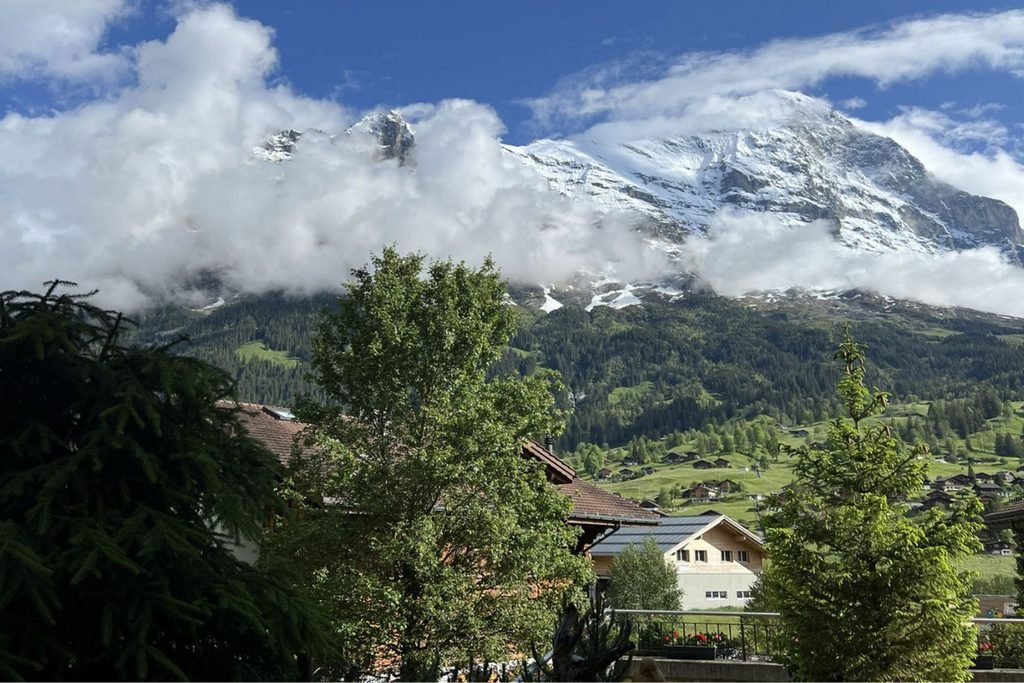
Grindelwald is an excellent base for exploring the Bernese Oberland, particularly if you plan to use mountain trains, gondolas and cable cars. We stayed for six nights in an Airbnb on Grundstrasse, a short bus ride from the village centre. Our accommodation was also conveniently located near Grindelwald Terminal, making it easy to begin our daily adventures.
The village offers several accommodation options:
- Hotels and Alpine resorts: Convenient for visitors wanting mountain views, restaurants and hotel facilities.
- Self-catering apartments: Ideal for longer stays and travellers wanting to prepare their own meals.
- Traditional Swiss chalets: A chance to experience the region’s distinctive wooden architecture and mountain atmosphere.
- Guesthouses and B&Bs: Worth considering for smaller, locally operated accommodation.
We particularly appreciated having a base where we could prepare meals and pack lunches before heading into the mountains. With Switzerland’s high food prices, self-catering helped us keep our daily expenses manageable.
If you’re planning to explore the wider region, check the distance to Grindelwald Terminal, Grindelwald railway station or a convenient bus stop before booking.
Staying in Zermatt
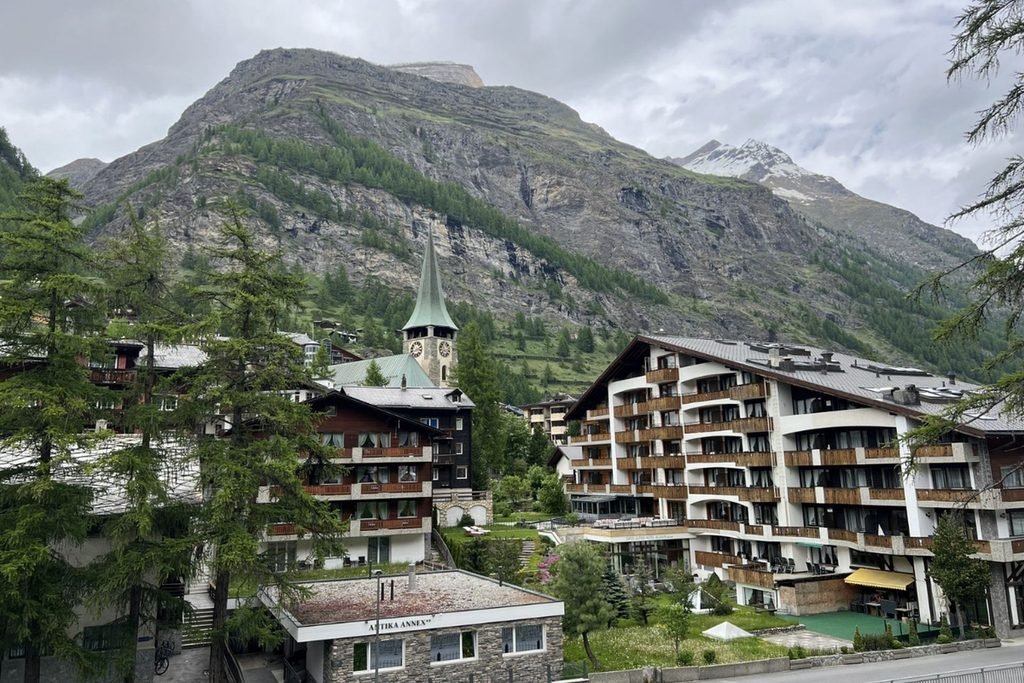
Zermatt offers a different accommodation experience, with traditional wooden buildings, narrow streets and the Matterhorn dominating the surrounding landscape. As Zermatt is a car-free village, visitors arriving by car must park in Täsch and continue by train. This is worth factoring into your accommodation budget, particularly when staying for several nights. We stayed at Haus Zer Weidu on Unterer Mattenweg, using it as our base for four days of hiking and sightseeing. Once we arrived, we explored the village and surrounding trails on foot.
Accommodation options include:
- Central hotels: Convenient for restaurants, shops and access to mountain transport.
- Holiday apartments: A practical option for self-catering and longer stays.
- Traditional chalets: Popular for their Alpine character and mountain surroundings.
- Mountain lodges: Worth considering for visitors wanting accommodation closer to hiking areas.
Zermatt has a local supermarket, which we used to stock up on groceries rather than dining out regularly.
Before booking, consider the walking distance from the railway station and access to the mountain lifts. Some accommodation sits higher above the village, which may involve steep walks or additional transport.
Other Places to Consider Staying
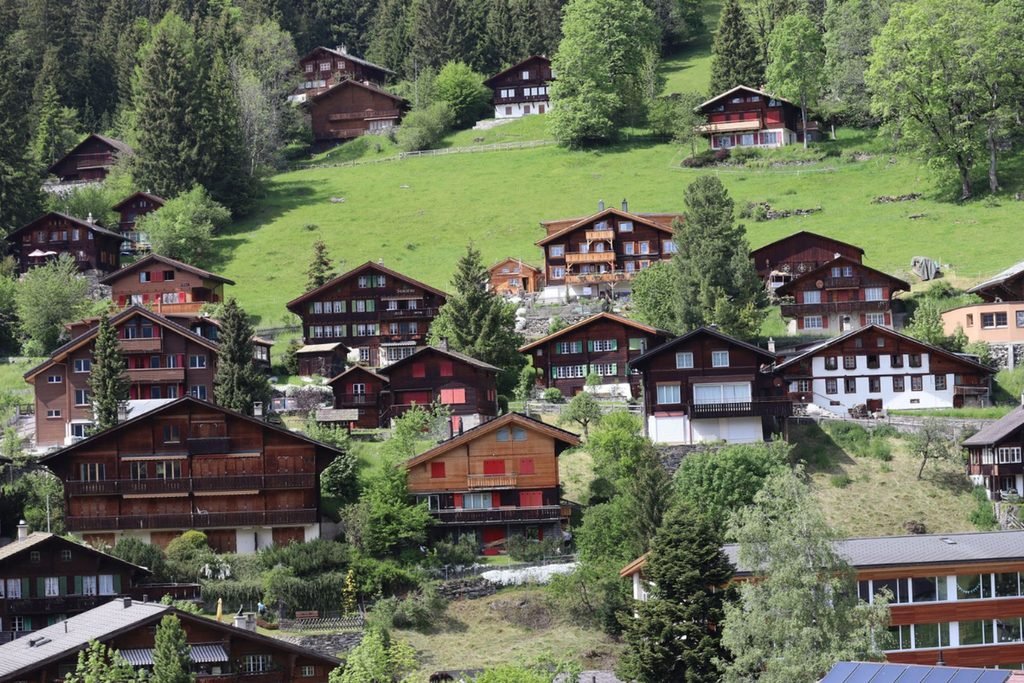
Although Grindelwald and Zermatt were our chosen bases, several other locations are worth considering depending on your itinerary.
- Interlaken: A convenient transport hub with connections to both lakes and the Bernese Oberland.
- Lauterbrunnen: Ideal for visitors wanting to stay in a valley surrounded by waterfalls and mountain villages.
- Wengen: A car-free Alpine village with access to mountain railways and hiking trails.
- Mürren: A smaller mountain village with impressive views and access to higher Alpine attractions.
- Lucerne: A good base for exploring Central Switzerland, Lake Lucerne and surrounding mountains.
- Montreux: A lakeside option for travellers exploring the Lake Geneva region.
Each location offers a different experience, so the best choice depends on your interests, transport plans and length of stay.
Our Accommodation Tips for Switzerland
Accommodation can quickly become one of the largest expenses when travelling through Switzerland. A little planning can help you find somewhere comfortable without stretching your budget unnecessarily.
- Book early: Popular Alpine destinations can fill quickly during summer and winter.
- Check transport connections: Staying near a railway station, gondola terminal or bus route can make sightseeing easier.
- Consider self-catering: Having a kitchen allows you to prepare meals and packed lunches.
- Look beyond the village centre: Accommodation slightly outside the main tourist areas may offer better value.
- Check additional costs: Tourist taxes, parking fees and cleaning charges can increase the final price.
- Consider your itinerary: Staying several nights in one location reduces the need to move luggage and change accommodation frequently.
For us, Grindelwald and Zermatt provided the perfect combination. We could spend our days exploring the mountains, return to comfortable accommodation and prepare for another full day outdoors.
Best Time to Visit Switzerland
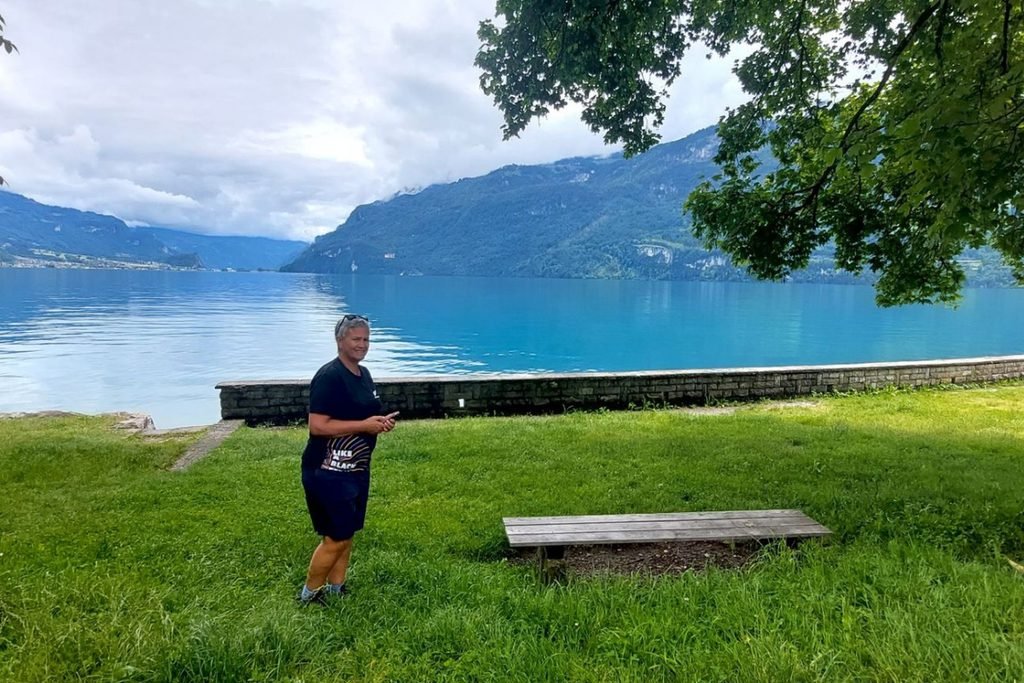
The best time to visit Switzerland depends on what you want to see and do. Each season offers something different, from snow-covered mountain villages and winter sports to Alpine hiking, lake cruises and scenic train journeys.
For travellers planning to explore the Swiss Alps, mountain trails and outdoor attractions, the warmer months generally offer the greatest variety of activities. However, weather conditions and seasonal opening dates can vary considerably between regions and elevations.
Spring in Switzerland (March to May)
Spring brings warmer temperatures to Switzerland’s lower valleys, with flowers appearing across meadows and villages. Lakeside towns become particularly appealing as the days grow longer.
Higher in the mountains, winter conditions can continue well into May. Snow may still cover hiking trails, while some gondolas, mountain railways and attractions close temporarily for seasonal maintenance.
Spring is worth considering for lower-altitude sightseeing, particularly around lakes and historic towns. However, visitors planning extensive Alpine hiking should check trail conditions and transport schedules carefully.
Summer in Switzerland (June to August)
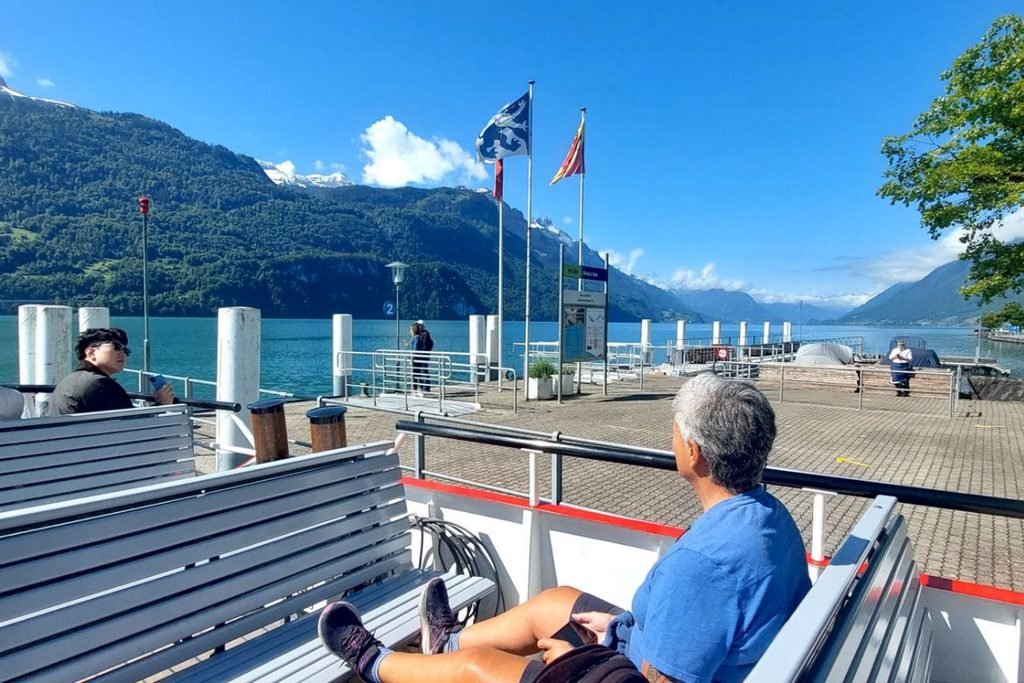
Summer is one of the most popular times to visit Switzerland, particularly for hiking, mountain sightseeing and outdoor adventures.
As the snow retreats, more Alpine trails become accessible, and seasonal mountain transport services gradually reopen. The longer daylight hours also provide plenty of time for exploring.
Some of the main advantages include:
- Mountain hiking: Access to an increasing number of high-altitude trails as snow conditions improve.
- Scenic transport: Gondolas, cable cars and mountain railways provide access to viewpoints and walking routes.
- Lake activities: Boat cruises, swimming and lakeside walks become popular.
- Alpine villages: Warmer weather makes exploring mountain communities particularly enjoyable.
- Long daylight hours: More time for sightseeing, walking and travelling between destinations.
July and August generally offer the most reliable access to higher hiking trails. However, they are also busy travel months, so popular attractions and accommodation can be more crowded and expensive.
Autumn in Switzerland (September to November)
Autumn is another appealing season for exploring Switzerland, particularly during September and early October. The summer crowds begin to ease, temperatures become cooler and forests gradually change colour. Clear autumn days can provide excellent mountain views, while many hiking trails remain accessible during favourable weather.
September can be a particularly good choice for Alpine hiking, although seasonal gondolas and mountain facilities may begin closing later in autumn.
By November, colder conditions return to higher elevations, and some tourist services operate reduced schedules.
Winter in Switzerland (December to February)
Winter transforms Switzerland into a destination for skiing, snowboarding and other snow-based activities. Mountain resorts such as Grindelwald and Zermatt attract visitors for their ski areas, winter scenery and traditional Alpine atmosphere.
Popular winter activities include:
- Skiing and snowboarding at established mountain resorts.
- Riding scenic mountain railways and cable cars.
- Winter walking and snowshoeing on designated routes.
- Exploring traditional villages surrounded by snow.
- Visiting Christmas markets in Swiss towns and cities.
Winter is ideal for travellers wanting to experience Switzerland’s snowy landscapes. However, many summer hiking trails become inaccessible, and daylight hours are considerably shorter.
Our Experience Visiting Switzerland in Early June
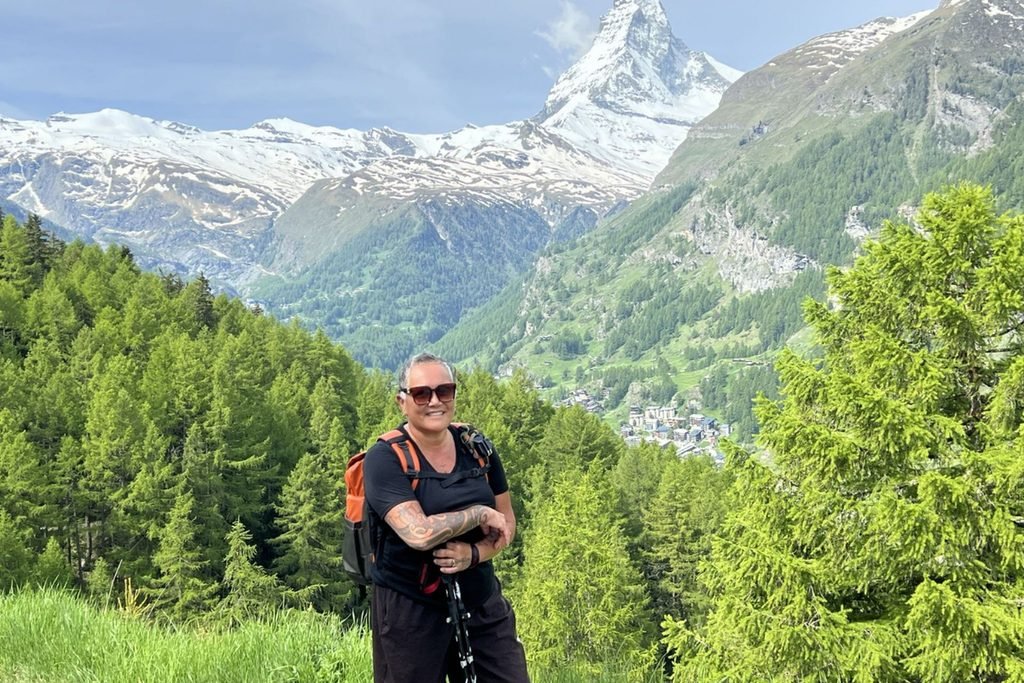
We deliberately planned our arrival in Switzerland for 1 June 2024, hoping to coincide with the reopening of mountain transport services and hiking trails. However, it was still early in the Alpine season, and some higher trails remained covered in snow.
Our visit came with a few surprises:
- Unpredictable weather: Our first two days in Grindelwald were rainy and cloudy. By the third day, the sunshine arrived, giving us clear mountain views for the remainder of our stay. The drizzle returned when we travelled to Zermatt, although we still managed several memorable hikes.
- Closed hiking trails: Some mountain attractions hadn’t reopened, and several higher trails were still snow-covered. During one hike, a local bus driver advised us to start further down the mountain because the upper trail was inaccessible.
- Fewer crowds: One of the biggest advantages of visiting in early June was how peaceful everything felt. We frequently had gondolas, mountain trains and hiking trails almost entirely to ourselves. We even returned to the First Cliff Walk after our first visit was completely obscured by cloud, making the most of our transport pass.
For us, early June offered an excellent balance between quieter attractions and access to mountain activities. Although some of our planned hikes were unavailable, we had plenty of alternatives. Being flexible with our itinerary made all the difference.
Things to Consider When Planning Your Visit
If you’re travelling to Switzerland primarily for mountain activities, a few considerations can help you choose the right time.
- Check seasonal opening dates: Mountain transport services and attractions may operate different schedules throughout the year.
- Research hiking conditions: Higher trails can remain snow-covered into summer, particularly after a heavy winter.
- Allow flexibility: Mountain weather changes quickly, so avoid planning every activity around a fixed schedule.
- Consider crowd levels: June and September can offer quieter experiences than the peak summer holiday period.
- Check accommodation availability: Popular Alpine destinations can book out well in advance during busy seasons.
If we were planning another hiking-focused visit, July through September would be worth considering for greater access to higher mountain trails.
However, we wouldn’t dismiss early June. The peaceful villages, quiet transport services and freedom to explore without large crowds were among the things we appreciated most about our visit.
Getting to and Around Switzerland

Switzerland has one of Europe’s most extensive public transport networks, making it relatively easy to travel without a car. Trains connect major cities and smaller towns, while mountain railways, gondolas, cable cars and buses reach remote Alpine villages.
Choosing the right transport depends on your itinerary, budget and preferred way of travelling. Many visitors rely entirely on public transport, particularly when exploring the Swiss Alps. We travelled through Switzerland in our Leased Car, using trains and mountain transport to explore the regions around Grindelwald and Zermatt.
Getting to Switzerland
Switzerland is well connected to neighbouring European countries, making it accessible by air, rail and road.
- By air: Zurich, Geneva and Basel are major international gateways, with onward rail connections to popular destinations.
- By train: International services connect Switzerland with France, Germany, Italy and Austria.
- By car: Driving provides flexibility for travellers visiting several regions or combining Switzerland with a wider European road trip.
We entered Switzerland from the Italian Dolomites, travelling through Austria before stopping overnight in Diepoldsau, near the Swiss border.
The following morning, we made a short detour into Liechtenstein before continuing towards Grindelwald. Unfortunately, we realised our leased car insurance didn’t cover Liechtenstein, which gave us quite a fright! Fortunately, it was only a brief visit, but it taught us an important lesson. Always check your vehicle’s insurance restrictions before crossing international borders, particularly when travelling in a leased or rental car.
Our drive towards Grindelwald took us through Central Switzerland, passing lakes, mountain villages and remarkable Alpine scenery.
Driving in Switzerland
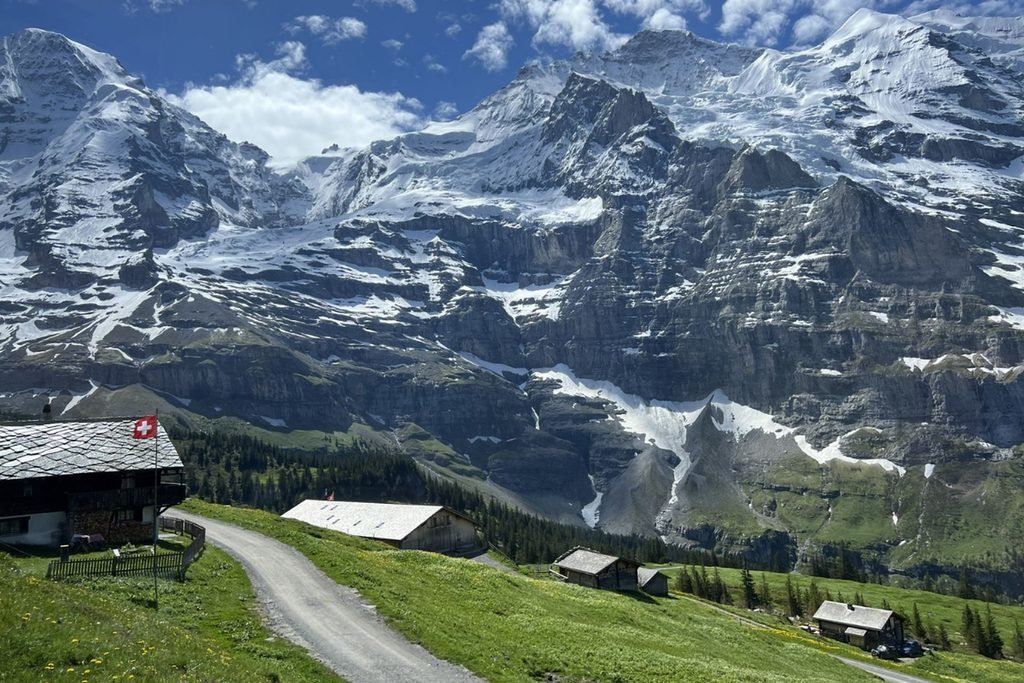
Driving through Switzerland is an excellent way to experience its changing landscapes, particularly when travelling between different regions. The roads are generally well maintained, although mountain routes can involve steep climbs, narrow sections and sharp bends. Weather conditions can also change quickly at higher elevations.
A few important things to know before driving:
- Drive on the right: As in most European countries, vehicles travel on the right-hand side.
- Speed limits: Generally 120 km/h on motorways, 100 km/h on expressways, 80 km/h on rural roads and 50 km/h in built-up areas, unless signs indicate otherwise.
- Headlights: Daytime running lights or dipped headlights are required while driving.
- Mountain roads: Some routes close during winter or remain affected by snow into spring.
- Parking: Charges can be expensive in popular tourist destinations, so check accommodation parking arrangements.
- Navigation: Allow extra travel time when driving through mountain regions.
Although we had our car throughout Switzerland, we rarely needed it while staying in Grindelwald. The local transport network was far more convenient for reaching mountain attractions and hiking trails.
The Swiss Motorway Vignette
Switzerland operates a motorway vignette system rather than charging individual tolls on most motorway journeys. A motorway vignette is required for most vehicles using Swiss motorways and expressways. It can be purchased as a traditional windscreen sticker or an electronic vignette linked to the vehicle’s registration.
The standard vignette costs CHF 40 and is valid from 1 December of the preceding year until 31 January of the following year. Switzerland does not currently offer a shorter-duration motorway vignette for ordinary passenger vehicles. We purchased the vignette because we planned to use several motorway routes during our journey. It was a practical option for travelling between our destinations without constantly avoiding major roads.
If you’re hiring or leasing a vehicle, check whether a valid Swiss vignette is already included before purchasing another.
Travelling by Train in Switzerland
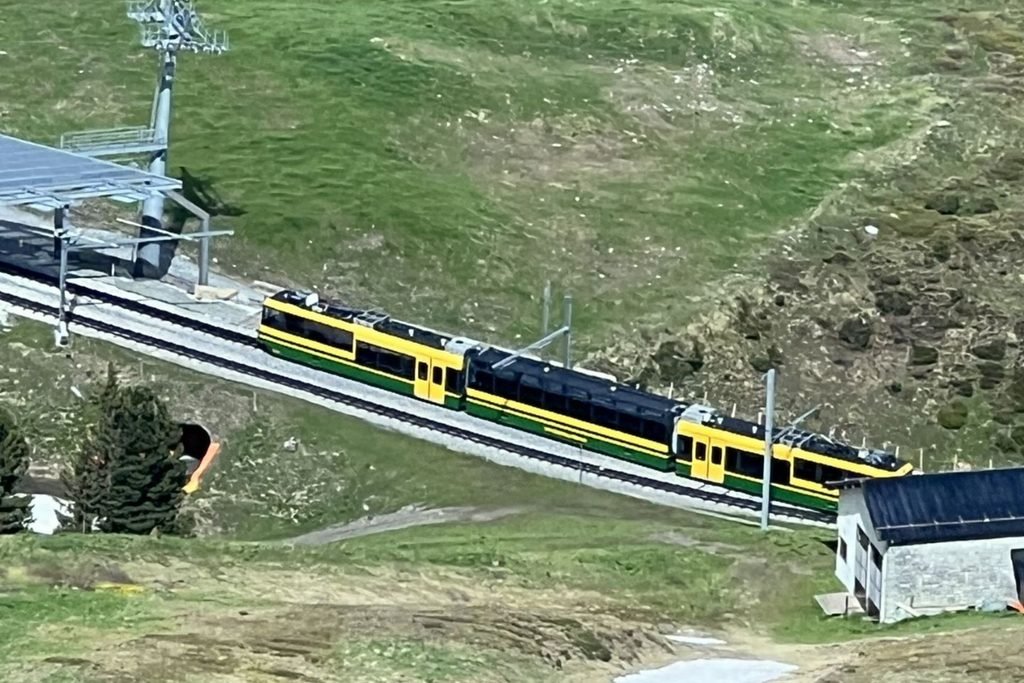
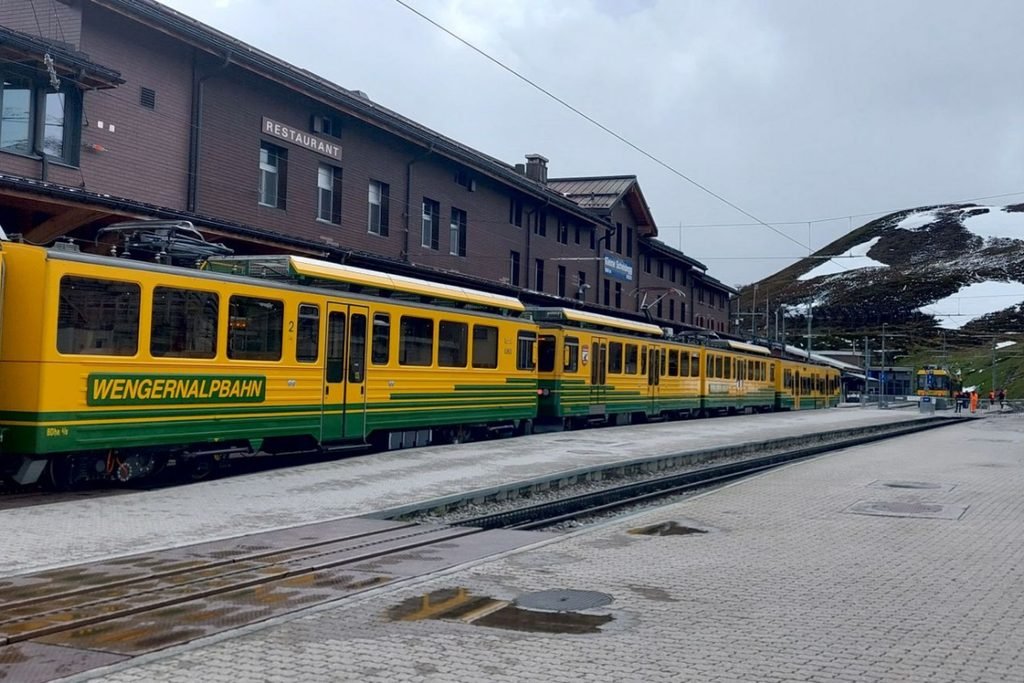
Switzerland’s railway network connects major cities, lakeside towns and Alpine destinations, with services designed to integrate with local buses and mountain transport. For visitors travelling without a car, trains are one of the easiest ways to explore the country.
Popular rail connections include:
- Zurich to Lucerne: A convenient route for exploring Central Switzerland.
- Interlaken to Grindelwald: Access to the Bernese Oberland and surrounding mountain attractions.
- Interlaken to Lauterbrunnen: A gateway to Wengen, Mürren and the Lauterbrunnen Valley.
- Visp to Zermatt: The railway connection into the car-free mountain resort.
- Montreux to Zermatt: A scenic journey with connections through the Rhône Valley.
We used trains extensively throughout the Bernese Oberland, often combining several journeys in a single day.
The services were convenient and allowed us to concentrate on the scenery rather than navigating mountain roads.
Gondolas, Cable Cars and Mountain Railways
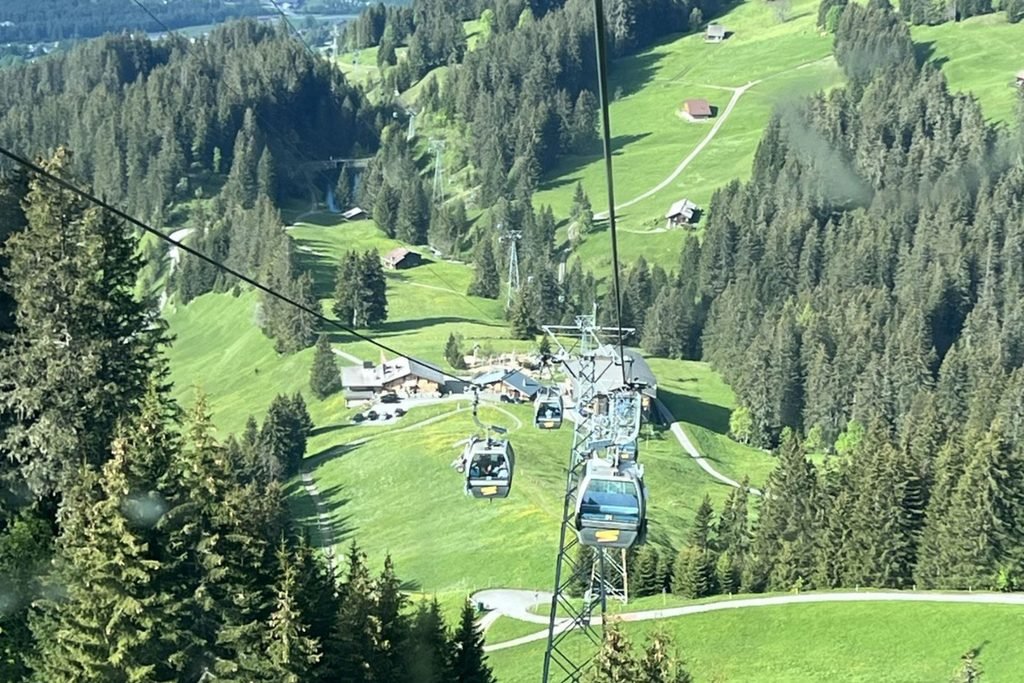
One of the most memorable aspects of travelling through Switzerland is its remarkable mountain transport network. Gondolas, cable cars, funiculars and mountain railways connect villages with high-altitude viewpoints, hiking trails and attractions. Some journeys are experiences in themselves, offering extraordinary views throughout the ascent.
During our stay in Grindelwald, travelling through the mountains became one of our favourite activities. We regularly combined different services, travelling up one mountain, walking between villages and returning by another route.
Some of the mountain transport we enjoyed included:
- Grindelwald First: Gondola access to the First Cliff Walk and surrounding hiking trails.
- Eiger Express: A modern cable car connecting Grindelwald Terminal with Eigergletscher.
- Männlichen: Gondola and cableway connections linking the Grindelwald and Wengen sides of the mountain.
- Harder Kulm: A funicular railway climbing above Interlaken.
- Mürren and Grütschalp: Mountain transport connections providing access to villages above the Lauterbrunnen Valley.
Mountain transport can be expensive when purchasing individual tickets. However, regional travel passes may cover or discount many journeys.
Check the operating season, weather conditions and final departure times before setting off, especially when combining transport with longer hikes.
Exploring Switzerland by Boat
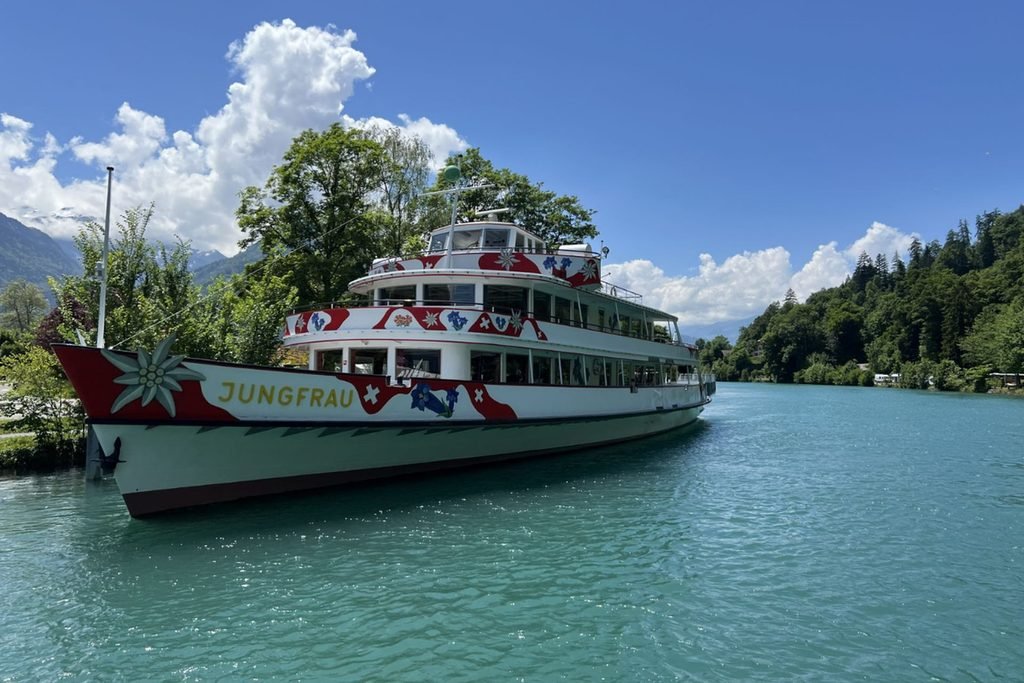
Switzerland’s lakes provide another enjoyable way to travel, with regular passenger boats and traditional paddle steamers operating on several major lakes.
Lake Brienz and Lake Thun are particularly convenient for visitors staying in the Bernese Oberland. Lake Brienz was one of our favourite experiences, combining a scenic boat journey with waterfalls, lakeside villages and walking trails. We travelled by boat to Giessbach Falls, enjoyed a picnic and continued on foot towards Iseltwald before returning across the lake.
Our Bernese Oberland Pass included the boat services we used, making it easy to incorporate a lake cruise into our day without purchasing separate tickets.
Boat timetables vary seasonally, and paddle steamers may operate on selected departures rather than every service.
Taking the Car Train Through the Mountains
One of the most unusual transport experiences during our Swiss road trip was taking our car aboard a train at Kandersteg.
We were travelling from Grindelwald towards Zermatt and had hoped to hike around Oeschinensee, the mountain lake above Kandersteg. Unfortunately, the weather was rainy and cloudy, so we decided against the walk.
Instead, we continued to the Lötschberg car transport train, which carries vehicles through the mountain between Kandersteg and Goppenstein. Rather than driving around the mountains, we drove directly onto the train and remained in our vehicle for the journey through the tunnel. It was a fascinating experience and saved us a lengthy detour. The train crossing itself takes approximately 15 minutes, although additional time is needed for loading and waiting.
For travellers driving between the Bernese Oberland and Valais, this is an alternative worth investigating.
Getting to Car-Free Zermatt
Zermatt is a car-free resort, so visitors arriving in private vehicles must leave them outside the village. Täsch is the main parking and transport hub, located approximately five kilometres from Zermatt. We parked our car in Täsch for four days before catching the shuttle train into Zermatt. Parking added another expense to our trip, but it was necessary because we were travelling by car.
The shuttle trains operate regularly, with the journey taking approximately 12 minutes. Once in Zermatt, most visitors can get around on foot. Electric taxis and local transport services are also available.
We explored the village and surrounding hiking trails primarily on foot, using our Swiss Half Fare Card for the train connection and a mountain gondola journey.
Our Tips for Getting Around Switzerland
Switzerland’s transport system offers considerable freedom, but a little preparation can make travelling easier and more affordable.
- Plan around your accommodation: Staying close to transport connections reduces unnecessary travel time.
- Compare transport passes: Calculate the cost of your intended journeys before choosing a regional or nationwide pass.
- Check operating schedules: Mountain services, boats and seasonal railways may have limited departures.
- Allow time for connections: Combining trains, gondolas and hiking trails can take longer than expected.
- Download the SBB Mobile app: Useful for checking public transport routes, connections and departure times.
- Keep plans flexible: Weather and trail conditions can affect mountain transport and outdoor activities.
For us, having a car was useful for travelling between regions. However, the mountain transport network was what made exploring the Bernese Oberland so memorable.
We could leave the car behind, travel between villages and mountains, and spend entire days discovering places that would otherwise have been difficult to reach.
Choosing the Right Swiss Travel Pass

Switzerland offers several transport passes, and choosing the right one can save you a considerable amount of money. Options include the Swiss Travel Pass, Swiss Travel Pass Flex, Swiss Half Fare Card and regional passes such as the Bernese Oberland Pass and Jungfrau Travel Pass.
The Swiss Travel Pass provides extensive travel across Switzerland by train, bus and boat. However, it doesn’t necessarily include every mountain railway or gondola.
We highly recommend considering the Swiss Half Fare Card, which is valid for one month. It offers discounts of up to 50% on trains, buses, boats and most mountain railways and gondolas. It can also provide reduced prices on certain regional travel passes. After considerable research, we purchased the Swiss Half Fare Card alongside a four-day Bernese Oberland Pass. This combination suited our itinerary and allowed us to explore the region extensively.
Our biggest advice is to do your homework before purchasing any passes. Consider where you’re staying, which attractions you want to visit and how often you’ll use public transport.
- Compare national and regional passes: Some offer unlimited travel within a designated area, while others provide discounted fares across Switzerland.
- Check combination discounts: A Swiss Half Fare Card may qualify you for reduced prices on selected regional passes.
- Calculate individual fares: Add up the journeys you’re likely to take and compare the total against the cost of your passes.
- Check exclusions: Not every gondola, mountain railway or attraction is fully covered.
For us, the research was well worth the effort. We found a combination that suited our travel plans and allowed us to make the most of Switzerland’s remarkable transport network.
How Expensive Is Switzerland?
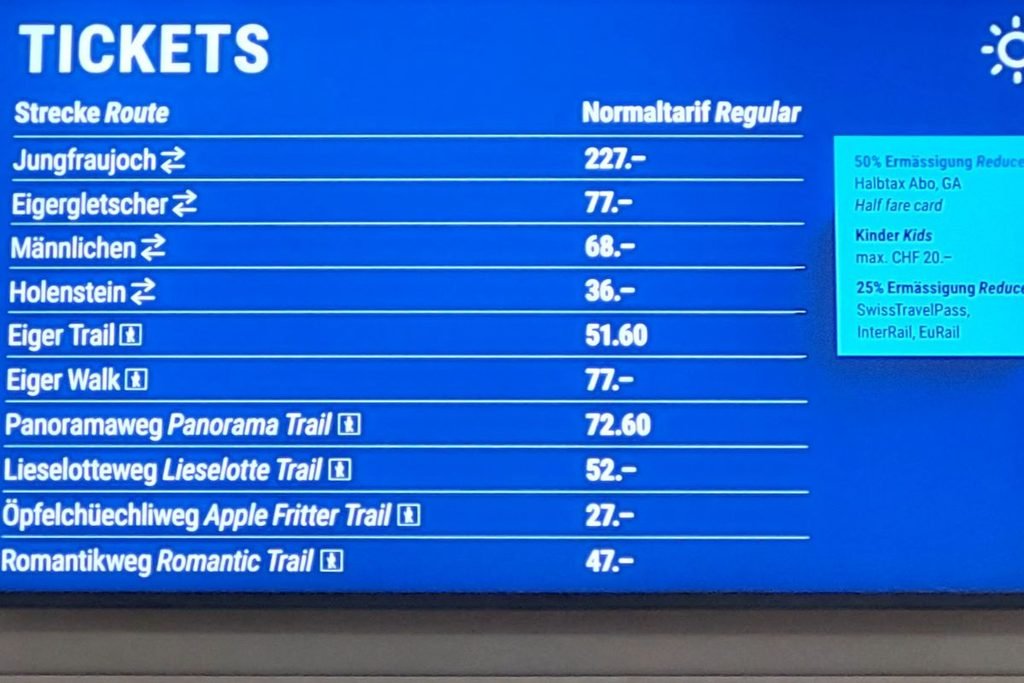
Switzerland is one of Europe’s more expensive travel destinations, particularly for accommodation, dining and mountain transport. However, visiting Switzerland on a realistic budget is possible with careful planning.
Switzerland had been on our bucket list for years, so we began researching costs well before our European journey. We compared tra10in fares, accommodation near transport connections and the cost of reaching mountain attractions. We wanted to experience as much as possible without constantly worrying about money.
Accommodation Costs
Accommodation can take up a significant portion of your Switzerland travel budget, particularly in popular destinations such as Grindelwald and Zermatt.
We chose self-catering accommodation and looked carefully at transport connections before booking. Staying slightly outside the main village centre also gave us more options. When comparing accommodation prices, remember to check additional charges such as tourist taxes, cleaning fees and parking.
Food and Grocery Costs
Eating at restaurants throughout Switzerland can quickly become expensive, particularly in popular mountain resorts.
We brought groceries from Italy, topped up our supplies at local supermarkets and prepared our own meals. Most days, we packed lunches and carried hot drinks while exploring.
One memorable reminder of Swiss prices came when two short black coffees cost us around NZ$18 at a mountain stop. After that, our flask became an even more valuable travelling companion! Self-catering wasn’t a sacrifice for us. It meant we could spend more of our budget on the mountain activities we’d travelled so far to enjoy.
Transport and Mountain Attraction Costs
Mountain transport was one of our biggest planned expenses, but also one of the highlights of our visit.
Individual tickets for gondolas, cable cars and mountain railways can add up quickly. We researched the different passes before leaving home and purchased a Swiss Half Fare Card and four-day Bernese Oberland Pass.
We calculated that purchasing our planned journeys individually would have cost approximately NZ$4,500 for two people. Our passes cost around NZ$1,500, giving us an estimated NZ$3,000 saving based on our 2024 itinerary.
Those figures reflect our own travel plans and the prices available at the time. Current fares, pass conditions and discounts should always be checked before booking.
Driving and Parking Costs
We initially researched travelling through Europe by train before deciding to lease a car for our wider road trip.
Having a vehicle gave us flexibility when moving between Swiss regions. However, once we reached Grindelwald, we rarely needed it.
We also budgeted for the Swiss motorway vignette and parking in Täsch, where we left our car before taking the train into car-free Zermatt.
If you’re planning to drive, remember to include fuel, parking and any additional transport needed to reach car-free destinations.
Was Switzerland Worth the Cost?
Absolutely. Switzerland was expensive, but it was also one of the destinations we’d planned for most carefully.
We chose where to save and where to spend. Preparing our own food and researching transport passes allowed us to enjoy four full days travelling through the Bernese Oberland. We decided against visiting Jungfraujoch because of the additional cost. With so many other mountain experiences available, we never felt we’d missed out.
By the time we arrived, we had a clear understanding of our budget. That preparation allowed us to concentrate on the adventures we’d come to Switzerland for.
Things to Know Before Visiting Switzerland
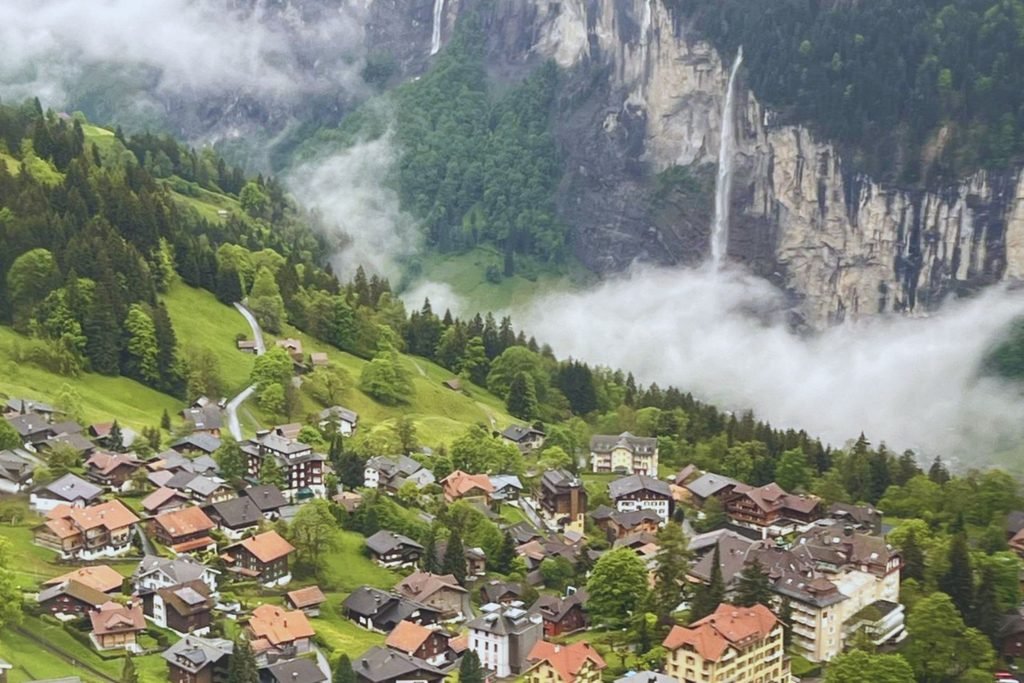
Switzerland is an incredibly rewarding country to visit, but there are a few practical things worth understanding before you arrive. From its different languages and currency to mountain weather and hiking conditions, a little preparation can make your journey considerably easier.
Whether you’re planning a short Alpine getaway or a longer road trip, these tips will help you travel with greater confidence.
Currency and Paying for Purchases
Switzerland uses the Swiss franc (CHF) rather than the euro, despite being surrounded by countries that use the European currency. Credit and debit cards are widely accepted throughout Switzerland, but carrying a small amount of Swiss francs is worthwhile, particularly when exploring rural areas.
We deliberately carried some cash because we wanted to buy fresh milk, cheese and local produce from the little farm vending machines around Lauterbrunnen. We’d seen these on YouTube before our trip and loved the idea of purchasing directly from local farms. You can come across small farm shops and produce stands while hiking, and some rely on cash or honesty-box payments. We never carried much, but having a few Swiss francs available meant we wouldn’t miss these opportunities.
Some businesses accept euros, but change may be given in Swiss francs, and the exchange rate may be less favourable.
For visitors from Aotearoa – New Zealand, exchange rates can significantly affect travel costs. We found the New Zealand dollar particularly weak during our visit, making everyday purchases noticeably expensive.
Languages Spoken in Switzerland
Switzerland has four national languages: German, French, Italian and Romansh.
The language spoken depends largely on the region you’re visiting.
- German: Widely spoken in Central and Northern Switzerland, including Grindelwald, Interlaken and Zurich.
- French: Common in western Switzerland, including Geneva, Lausanne and Montreux.
- Italian: Spoken mainly in Ticino and parts of southern Switzerland.
- Romansh: Spoken by a smaller population, primarily in parts of Graubünden.
Swiss German is commonly spoken in German-speaking regions, although standard German is widely used in written communication. We found that English was generally understood in the tourist areas we visited. However, learning a few basic greetings is always appreciated.
Mountain Weather Can Change Quickly
Weather in the Swiss Alps can be unpredictable, even during summer. Conditions in the valleys may be completely different from those at higher elevations.
Cloud cover, rain, strong winds and lingering snow can affect hiking trails and mountain transport, so checking conditions before heading out is essential. During our early June visit, three hikes we had particularly wanted to complete were still closed because of late snow. Fortunately, there were plenty of alternatives, and we never felt short of places to explore.
Before heading into the mountains:
- Check local weather forecasts: Conditions can change throughout the day.
- Look at mountain webcams: Useful for checking visibility before paying for expensive gondola journeys.
- Confirm trail openings: Higher routes may remain closed even when nearby lower trails are accessible.
- Carry extra clothing: Temperatures can drop considerably at higher elevations.
- Allow flexibility: Keep alternative activities in mind when the weather doesn’t cooperate.
We found that being flexible was far more enjoyable than trying to follow a rigid itinerary.
Hiking in the Swiss Alps
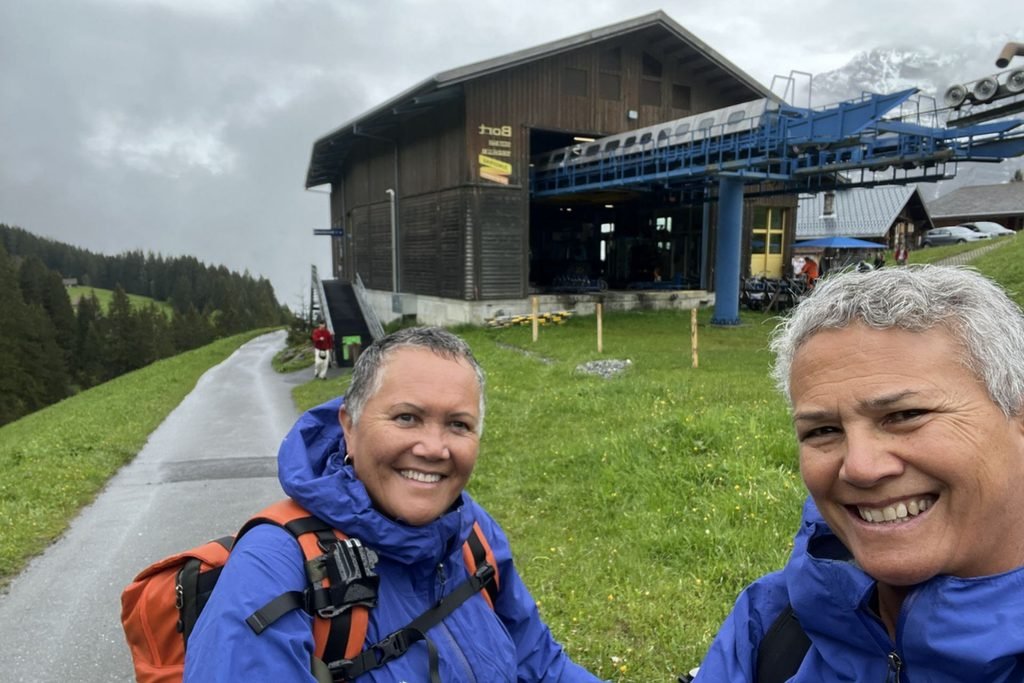
Switzerland has an extensive network of marked hiking trails, ranging from gentle lakeside walks to challenging mountain routes. Trail signs often display walking times rather than distances, helping hikers estimate how long a route may take. However, walking times are only a guide. Your fitness, the terrain, weather and time spent taking photographs can all affect your journey.
Swiss hiking routes are commonly identified by different markings:
- Yellow signs: Generally indicate ordinary hiking trails, although some can still be steep or uneven.
- White-red-white markings: Identify mountain hiking trails that may involve exposed sections, steep terrain and greater physical demands.
- White-blue-white markings: Indicate Alpine routes requiring advanced experience, suitable equipment and additional preparation.
We completed several challenging hikes around Grindelwald and Zermatt. Some sections were much steeper than expected, and we occasionally questioned whether we were still following the correct trail! Always choose routes suited to your experience and check local conditions before setting off.
What to Pack for a Swiss Alpine Adventure
Packing for Switzerland depends on the season, but mountain travel requires preparation even during warmer months.
We recommend bringing:
- Comfortable hiking shoes: With good grip for uneven and potentially slippery trails.
- Waterproof jacket: Essential for sudden rain and changing mountain conditions.
- Warm layers: Temperatures can be considerably cooler at higher elevations.
- Daypack: For carrying water, food, clothing and personal essentials.
- Reusable water bottle and flask: Particularly useful during long hiking days.
- Sun protection: Sunglasses, sunscreen and a hat for exposed mountain areas.
- Offline maps: Helpful when mobile reception is limited or trails become confusing.
We carried packed lunches and hot drinks on our mountain adventures, allowing us to spend more time exploring without relying on restaurants or cafés.
Mobile Coverage and Staying Connected
Switzerland generally has good mobile coverage in towns, villages and popular tourist areas. However, reception can be unreliable in remote valleys and higher mountain locations.
Switzerland is not part of the European Union, so don’t assume your European roaming plan includes it. Check your provider’s coverage and charges before travelling.
We purchased an eSIM for Toni’s phone only, giving us mobile data for navigation, transport schedules and information while exploring. My phone connected to the Wi-Fi at our accommodation. This arrangement worked well for us and saved the cost of a second eSIM. For couples travelling together, one phone with mobile data may be sufficient, provided you’re comfortable relying on a single connection.
We also recommend downloading offline maps before heading into the mountains, particularly when hiking in areas with limited reception.
Travel Insurance and Emergency Services
Travel insurance is essential when visiting Switzerland, particularly if you’re planning to hike, ski or participate in mountain activities. When arranging our insurance, we were specifically asked whether we intended to ski or snowboard in Switzerland. We selected no, as neither activity was part of our itinerary. It was a useful reminder that not every activity is automatically covered.
Before purchasing a policy, check that it includes the activities you have planned:
- Medical treatment: Emergency hospital care and associated costs.
- Mountain hiking: Check altitude limits and restrictions on challenging or exposed trails.
- Winter sports: Skiing, snowboarding and off-piste activities may require additional cover.
- Search and rescue: Confirm whether helicopter evacuation and mountain rescue are included.
- Travel disruptions: Protection against eligible cancellations, delays and unexpected changes.
- Rental or leased vehicles: Check the countries you’re permitted to drive through and any relevant insurance exclusions.
Medical treatment and mountain rescue in Switzerland can be expensive, so it’s important to understand your policy before heading into the mountains.
Emergency numbers in Switzerland:
- 112: General emergency services.
- 144: Ambulance.
- 1414: Rega Swiss air rescue service.
We recommend keeping your insurance details and emergency contact numbers accessible, even when travelling without mobile data.
Respecting Swiss Villages and the Countryside
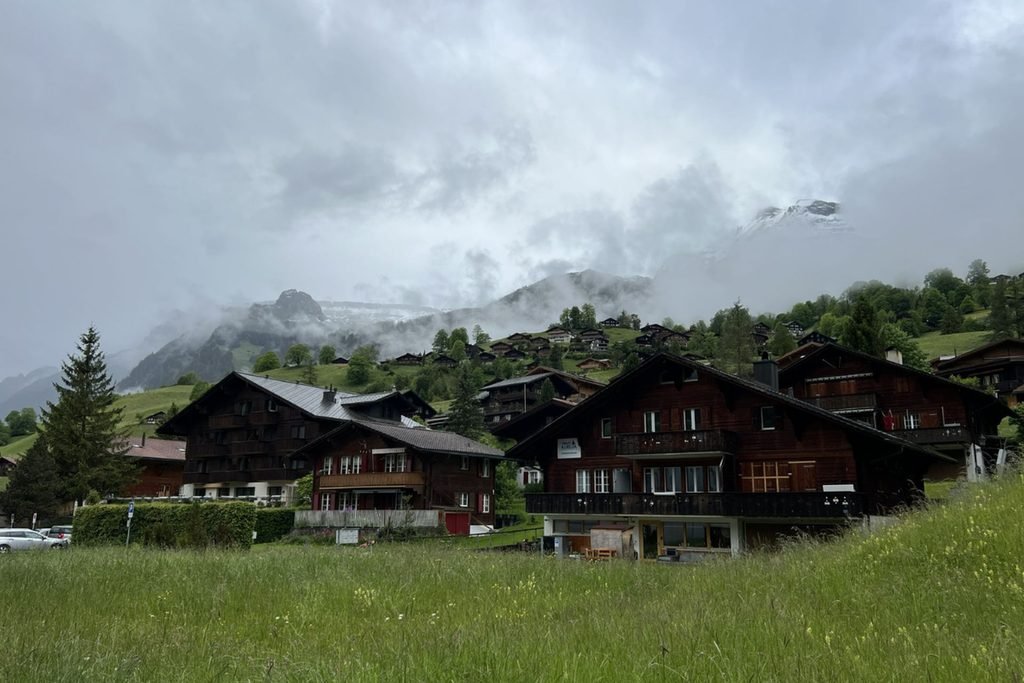
One of the things we loved most about Switzerland was the traditional Alpine lifestyle.Wooden chalets, neatly stacked firewood, grazing cattle and the constant sound of cowbells were part of the everyday scenery. We particularly enjoyed walking through farming areas and smaller mountain communities.
Many hiking trails cross working farmland, so it’s important to respect the people and animals that live there.
- Stay on marked trails: Avoid damaging farmland and private property.
- Close gates: Leave farm gates as you found them.
- Keep your distance from livestock: Particularly cows with calves.
- Take rubbish with you: Help preserve the countryside and mountain environment.
- Respect private property: Traditional chalets and farm buildings are often people’s homes or workplaces.
For us, these everyday details were just as memorable as the famous mountain attractions. They gave us a wonderful insight into life in the Swiss Alps.
Our Final Thoughts
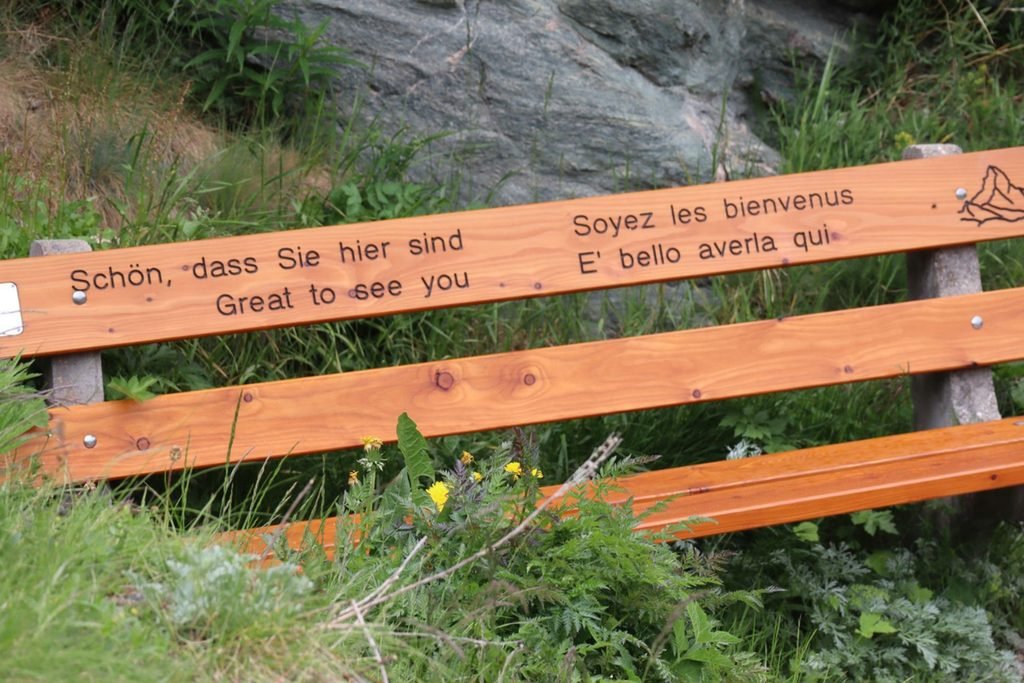
Switzerland had been a dream destination for years, and after 10 days travelling through its mountains, villages and lakes, it became our favourite country of our European journey.
What made it special wasn’t any single attraction. It was the freedom to spend our days travelling between mountain peaks, discovering walking trails and stopping wherever something caught our attention. Even the journeys between destinations became highlights of their own.
Switzerland certainly tested our budget, but every hour spent researching and planning was worthwhile. We didn’t do everything, and we didn’t need to. We made the most of the time and money we had, without feeling we’d missed out.
Would we return? In a heartbeat. But if we never make it back, we’ll always be grateful we had the opportunity to experience Switzerland exactly as we did.
“Some places take your breath away with a single view. Switzerland does it around every corner.”
🌍 Travel Planning Resources
These are the tools we personally use and trust when planning our travels from finding a place to stay to booking activities, transport and insurance. Let your “Tohu” guide you “Trust the Journey” and follow what feels right for you.
- ✈️Flights – Compare great deals with Trip.com then Kiwi.com for flexible, affordable options.
- 🚐 Campervans – Compare rental deals with Motorhome Republic across Aotearoa and beyond.
- 🛏️ Stays – Compare hotels on Trip.com and TripAdvisor or Booking.com.
- 🚐 Rental Cars – Compare prices and book through Airport Rentals by Motorhome Republic for trusted brands and easy airport pickup.
- 🎟️ Activities – Browse tours and experiences on Viator, Get Your Guide, or TripAdvisor
- 🚆12Go Asia – Compare and book trains, buses, and ferries across Asia in one place with 12Go.
- 🛡️ Travel Insurance – Get flexible short-term coverage with Insubuy for your next holiday.
- 💳 Travel Money – Send, spend and manage money internationally with Wise, with easy currency conversion and a handy option for travellers.
- 🔒 Protect Your Privacy with a VPN – We recommend Surfshark VPN for secure and private browsing while travelling. It’s fast, affordable and works worldwide, perfect for public Wi-Fi at airports, cafes and hotels.
- 📱 Travel eSIM – Stay connected with Airalo
- 💼 Lounge Access – Treat yourself with Priority Pass for UK or US
- 🎶 Events & Concerts – Book tickets worldwide through Ticketmaster.
🧭 Note: Some booking links can be a bit shy when you’re using a VPN. If one doesn’t open, try pausing your VPN or switching to a different server location or secure Wi-Fi network to get things flowing again.