Switzerland has an extraordinary transport network, with scenic trains, mountain railways, gondolas, cable cars and lake cruises connecting its cities, alpine villages and hiking destinations. However, choosing the right Swiss travel pass can be confusing, especially when different passes cover different regions and not every mountain excursion is included.
Whether you’re travelling throughout Switzerland or spending several days exploring the Swiss Alps, understanding the available passes can help you manage your transport costs while making the most of your time.
Are Swiss Travel Passes Worth the Money?
Is buying a Swiss travel pass cheaper than purchasing individual tickets? It certainly can be, particularly if you’re planning several mountain excursions or travelling frequently between destinations. However, the savings depend on where you’re going, how often you’ll use public transport and which attractions you want to visit.
Some passes provide unlimited travel on participating services, while others offer discounted fares. The challenge is finding the option that suits your itinerary without paying for transport you won’t use.
Our Experience
Switzerland was the first destination we planned for our entire 2024 European holiday. We wanted to arrive on 1 June, when many seasonal mountain services were beginning to reopen, but before the busiest summer holiday period. Once we’d settled on our Swiss dates, we organised the rest of our European travels around them.
We spent months researching transport passes, watching YouTube videos and downloading maps of the Bernese Oberland. Our wish list included mountain villages, hiking trails, lake cruises and scenic railways, so we needed to understand how everything connected.
After comparing the different options, we purchased a Swiss Half Fare Card and a four-day Bernese Oberland Pass each. We spent six nights in Grindelwald and another four in Zermatt, giving us ten days to explore two very different parts of the Swiss Alps.
The passes weren’t cheap, especially with the exchange rate working against us, but we certainly made the most of them. In fact, it wasn’t until we’d finished our four days in the Bernese Oberland and added up the individual fares for all the journeys we’d taken that we realised just how much value we’d received.
Table of Contents
- Are Swiss Travel Passes Worth the Money?
- Our Experience
- Understanding the Different Swiss Travel Passes
- Swiss Travel Pass vs Swiss Half Fare Card
- Bernese Oberland Pass vs Jungfrau Travel Pass
- Why We Chose the Bernese Oberland Pass and Swiss Half Fare Card
- How Much Money Did Our Swiss Travel Passes Save Us?
- How to Choose the Right Swiss Travel Pass for Your Trip
- Things to Know Before Buying a Swiss Travel Pass
- Our Final Thoughts
Understanding the Different Swiss Travel Passes
Switzerland offers both national and regional transport passes. National passes are useful for travelling between cities and regions, while regional passes concentrate on a particular area and can offer excellent value for mountain sightseeing.
The five main options worth comparing are:
| Travel pass | What it offers | Best suited for |
| Swiss Travel Pass | Unlimited travel on much of the national train, bus and boat network, plus selected mountain benefits | Exploring several Swiss regions |
| Swiss Travel Pass Flex | Similar benefits on selected travel days within one month | Travelling nationwide on non-consecutive days |
| Swiss Half Fare Card | Up to 50% off eligible transport for one month | Flexible travel and selected excursions |
| Bernese Oberland Pass | Included and discounted transport across the wider Bernese Oberland | Exploring mountains, villages and lakes around Interlaken and beyond |
| Jungfrau Travel Pass | Extensive included transport within the Jungfrau Region | Concentrating on Grindelwald, Lauterbrunnen and nearby mountain attractions |
The important distinction is that unlimited travel doesn’t necessarily mean every mountain journey is free. Some attractions are included, others are discounted, and certain excursions require separate tickets.
National Passes vs Regional Passes
If you’re travelling from Zurich to Lucerne, Interlaken, Zermatt and other destinations by train, a national pass may be convenient.
However, if you’re staying in Grindelwald for several nights and exploring the surrounding mountains, a regional pass may provide better value.
It’s also worth comparing combinations. Some regional passes offer reduced purchase prices to Swiss Half Fare Card holders, which can make buying two different passes surprisingly economical.
Swiss Travel Pass vs Swiss Half Fare Card
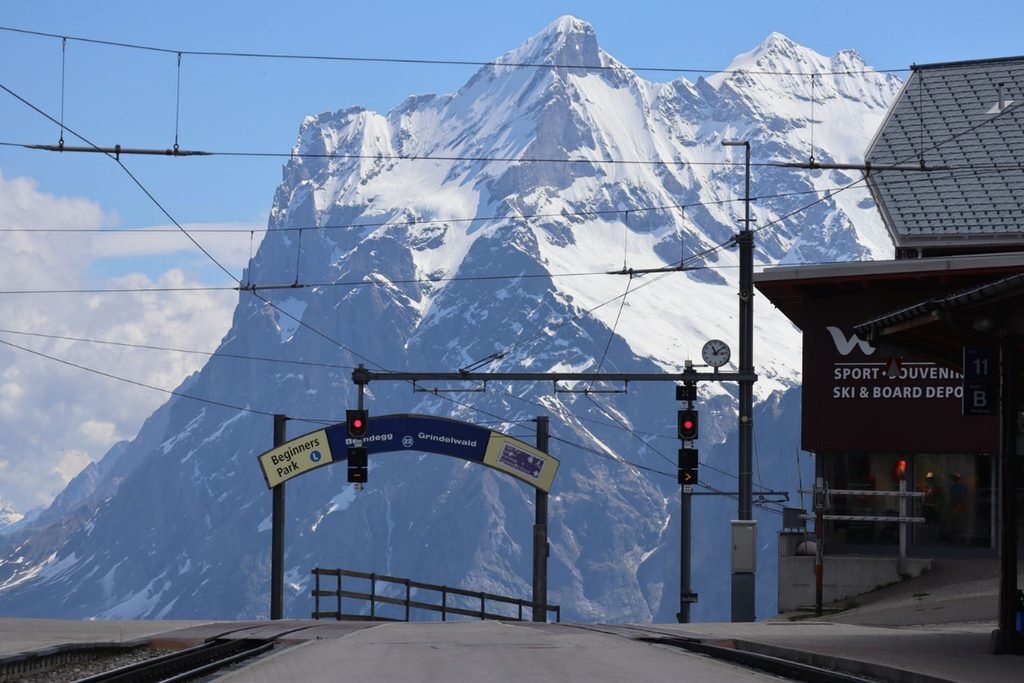
These two passes are often compared, but they work quite differently.
Swiss Travel Pass
The Swiss Travel Pass is designed for international visitors travelling extensively throughout Switzerland. It is available for 3, 4, 6, 8 or 15 consecutive days and covers participating trains, buses and boats across the national transport network.
Its main benefits include:
- Unlimited travel on participating public transport services.
- Scenic railway journeys, although compulsory reservations and supplements may cost extra.
- Selected mountain excursions, with discounts on many others.
- Local public transport in participating Swiss towns and cities.
- Admission to hundreds of museums throughout Switzerland.
The Swiss Travel Pass Flex offers similar benefits but allows you to choose non-consecutive travel days within a month.
For travellers relying entirely on trains and buses to explore several regions, these passes are worth investigating. However, the upfront cost can be difficult to justify if you’re spending several days in one place or using a car between destinations.
Swiss Half Fare Card
The Swiss Half Fare Card offers up to 50% off eligible trains, buses, boats, mountain railways, gondolas and cable cars for one month.
Unlike the Swiss Travel Pass, it doesn’t provide unlimited travel. You still purchase tickets for journeys not otherwise covered by another pass, but at the applicable reduced fare.
Its advantages include flexibility, discounts on many expensive mountain excursions and, importantly, reduced prices on certain regional travel passes.
For us, this made the Swiss Half Fare Card particularly attractive. We had a leased car for travelling between regions, so we didn’t need unlimited nationwide public transport. Instead, we wanted discounts on mountain journeys and a regional pass that covered the attractions around Grindelwald.
Our Original Plans Included the Glacier Express
Before deciding to lease a car for our European journey, we’d considered travelling by train using a three-month Eurail Pass. One of my bucket-list experiences was the Glacier Express between St Moritz and Zermatt, and the rail pass would have covered the eligible train fare, although a compulsory seat reservation would still have cost extra.
After choosing to lease a car, we considered taking the Glacier Express using our Swiss Half Fare Cards for discounted tickets.
However, by the time we’d spent four days travelling on mountain railways, gondolas, cable cars and scenic trains throughout the Bernese Oberland, we’d already experienced so many incredible journeys that we decided not to add another expensive excursion.
We were perfectly happy with that decision. Sometimes your priorities change once you’re actually travelling.
Bernese Oberland Pass vs Jungfrau Travel Pass
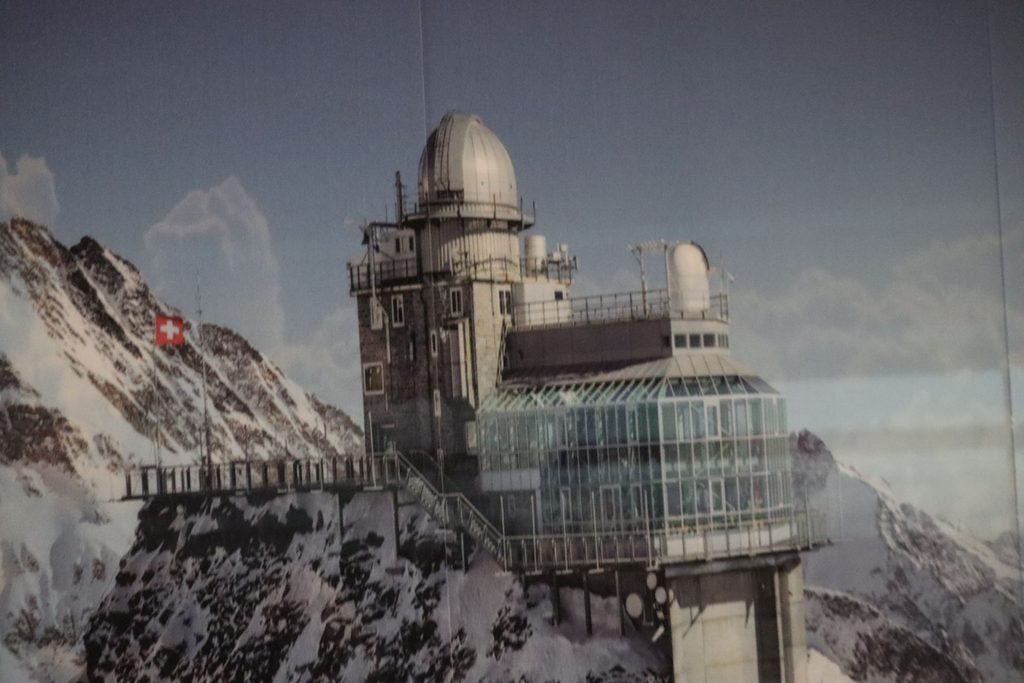
For visitors staying around Grindelwald, Lauterbrunnen or Interlaken, these are two of the most useful regional passes to compare.
Although both provide access to popular mountain attractions, the main difference is their geographical coverage.
Bernese Oberland Pass
The Bernese Oberland Pass covers a wider area, with participating trains, buses, boats and mountain transport extending beyond the main Jungfrau attractions.
Depending on the route, it provides included travel or discounted fares on:
- Mountain railways, gondolas and cable cars.
- Regional trains and buses connecting towns and valleys.
- Participating lake cruises on Lake Brienz and Lake Thun.
- Transport serving destinations beyond Grindelwald and Lauterbrunnen.
Its wider network makes it particularly appealing if you’re planning to combine mountain hiking with lake cruises and visits to several different parts of the Bernese Oberland.
Official website: https://www.berneseoberlandpass.ch/
Jungfrau Travel Pass
The Jungfrau Travel Pass concentrates on the Jungfrau Region, making it particularly useful for visitors focusing on the mountain attractions around Grindelwald, Wengen, Lauterbrunnen and Mürren.
Participating services provide access to destinations such as Grindelwald First, Männlichen, Kleine Scheidegg and other popular viewpoints and hiking areas.
It’s a good option if most of your planned journeys fall within the Jungfrau network and you don’t intend to explore extensively beyond it.
The journey to Jungfraujoch – Top of Europe requires an additional connecting ticket rather than being fully included.
Official website: https://www.jungfrau.ch/en-gb/jungfrau-travel-pass/
Which Regional Pass Is Better?
| Your priorities | Pass worth considering |
| Exploring several areas across the Bernese Oberland | Bernese Oberland Pass |
| Concentrating on the main Jungfrau mountain attractions | Jungfrau Travel Pass |
| Combining mountain transport with regional trains and lake cruises | Compare both, with particular attention to the Bernese Oberland Pass |
| Spending most of your time around Grindelwald and Lauterbrunnen | Compare the Jungfrau Travel Pass against your exact routes |
We chose the Bernese Oberland Pass because its wider coverage better suited our plans. We wanted to visit mountain villages, explore hiking trails and enjoy the lakes, rather than concentrate exclusively on the main Jungfrau attractions.
That doesn’t mean it will always be cheaper. Both passes have different inclusions and exclusions, so it’s important to compare their official validity maps before purchasing.
Why We Chose the Bernese Oberland Pass and Swiss Half Fare Card
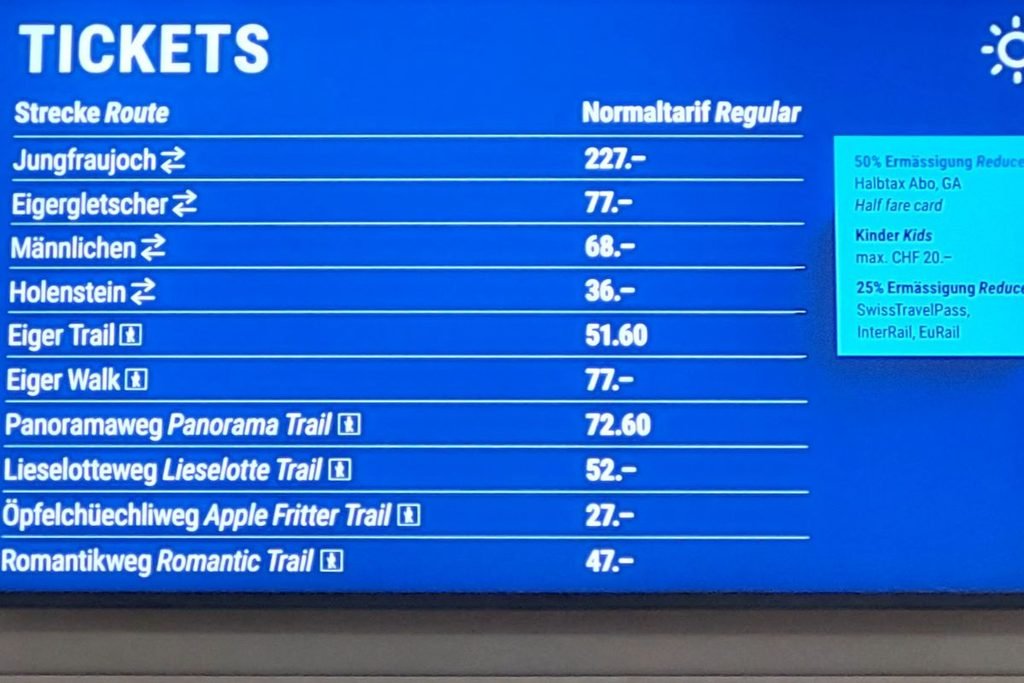
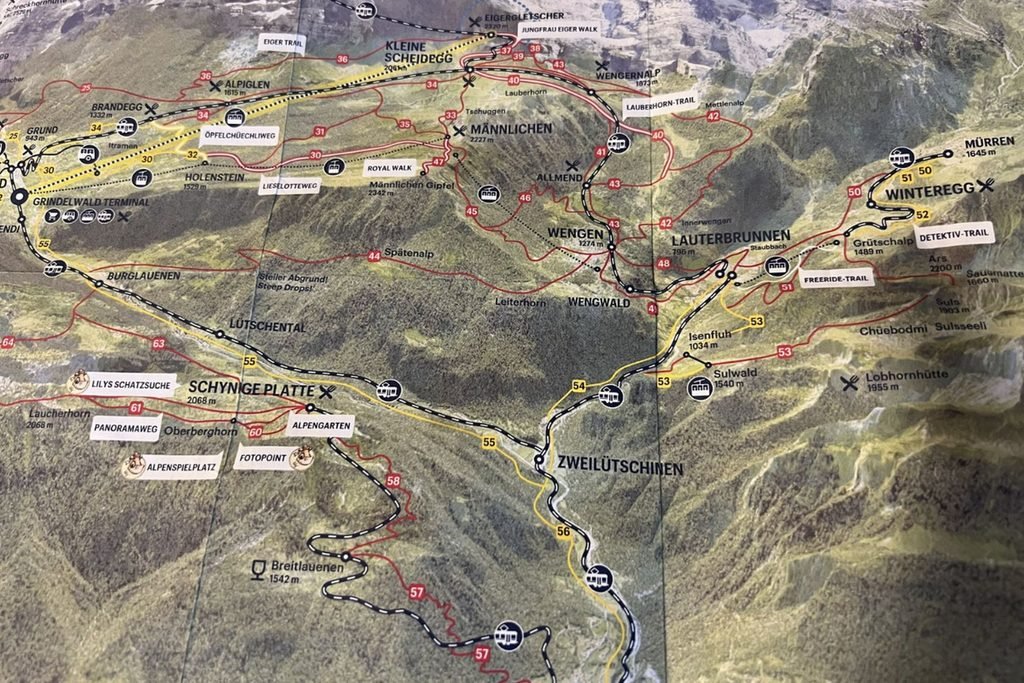
One of the most useful things we did during our research was download the Bernese Oberland transport maps.
We studied how places such as Grindelwald, Lauterbrunnen and Mürren connected, including where we could combine walking sections with trains, gondolas and cable cars. This helped us understand which destinations could be visited together and which pass covered the journeys we wanted to take.
We didn’t need a rigid timetable for every day. We simply wanted to understand the transport network well enough to make the most of our four-day pass.
Staying six nights in Grindelwald gave us time to concentrate our mountain excursions into four consecutive days. We travelled extensively, often leaving early in the morning and returning in the evening.
The flexibility was particularly valuable when the weather changed. Our first visit to the First Cliff Walk was almost completely obscured by cloud, but we returned when conditions improved. Because our gondola journey was covered, we didn’t have to worry about paying the full fare again.
Our Swiss Half Fare Cards also remained valid beyond those four days, providing discounts on eligible journeys elsewhere in Switzerland, including around Zermatt.
How Much Money Did Our Swiss Travel Passes Save Us?
This was the part that surprised us most. We knew Swiss mountain transport was expensive, but we didn’t realise just how much value we’d received until after our four-day Bernese Oberland Passes had expired.
First, here’s what we paid for our passes in June 2024.
What Our Passes Cost in 2024
The Swiss Half Fare Card cost CHF 99 per person, approximately NZ$210 at the exchange rate we used.
A four-day Bernese Oberland Pass normally cost CHF 280 per person, but holding a Swiss Half Fare Card reduced the price to CHF 196 per person.
| Our pass purchases | Cost for two (NZD) |
| Two Swiss Half Fare Cards | $420 |
| Two discounted four-day Bernese Oberland Passes | $840 |
| Total we paid | $1,260 |
Without the Swiss Half Fare Cards, the two Bernese Oberland Passes would have cost us approximately NZ$1,200.
So why spend NZ$1,260 when we could have paid NZ$1,200?
Because for approximately NZ$60 extra between us, we had Swiss Half Fare Cards that remained valid for the entire month.
Our Bernese Oberland Passes covered four consecutive days, but we spent ten days in Switzerland. That meant we could still benefit from discounted eligible transport during the other six days, including our time in Zermatt.
What Our Four Days of Travel Were Worth
We made the most of our Bernese Oberland Passes, travelling on mountain railways, gondolas, cable cars, trains and boats. Some days involved several journeys, and we occasionally revisited places when the weather improved.
After our fourth day, we sat down and added up the individual ticket prices for all the journeys we’d actually taken.
The total came to approximately NZ$4,500 for both of us.
| Our June 2024 comparison | NZD for two |
| Individual fares for the journeys we took | $4,500 |
| Combined cost of our Swiss travel passes | $1,260 |
| Difference in cost | $3,240 |
We were absolutely delighted!
These figures reflect our own calculations using 2024 transport prices and exchange rates. The NZ$4,500 represents the individual-ticket value of the journeys we took during our four-day adventure, while NZ$1,260 was the combined purchase cost of both types of pass. It’s a comparison of value rather than an audited figure for our final transport spending.
Of course, we wouldn’t necessarily have taken every one of those journeys if we’d been paying full price individually. Having the passes encouraged us to explore far more than we otherwise might have. And we still had our Swiss Half Fare Cards available for discounted eligible journeys during the remainder of our holiday.
For us, the upfront investment had been well worth it.
How to Choose the Right Swiss Travel Pass for Your Trip

The best travel pass depends on your itinerary, not simply how many attractions it advertises.
Before purchasing, we recommend working through a few practical questions:
- Where are you staying? If you’re exploring several Swiss cities, a national pass may be more suitable. If you’re based in one mountain region, compare the regional options.
- How often will you travel? A pass covering consecutive days is most valuable when you’re planning to use transport regularly.
- Which attractions matter most? Check whether your preferred mountain railways, gondolas and boat journeys are included, discounted or excluded.
- Will you have a car? If you’re driving between regions, you may not need unlimited nationwide train travel.
- Can you combine passes? Check whether a Swiss Half Fare Card reduces the price of a regional pass and whether you’ll use it elsewhere during your holiday.
Most importantly, download the official transport and pass-coverage maps. Seeing how the railways, gondolas, cable cars, buses and walking trails connect makes it much easier to understand which pass will work for your journey.
Once you’ve identified your likely routes, compare the cost of individual tickets against the available passes. Remember to include any extra tickets or reservation fees.
Things to Know Before Buying a Swiss Travel Pass
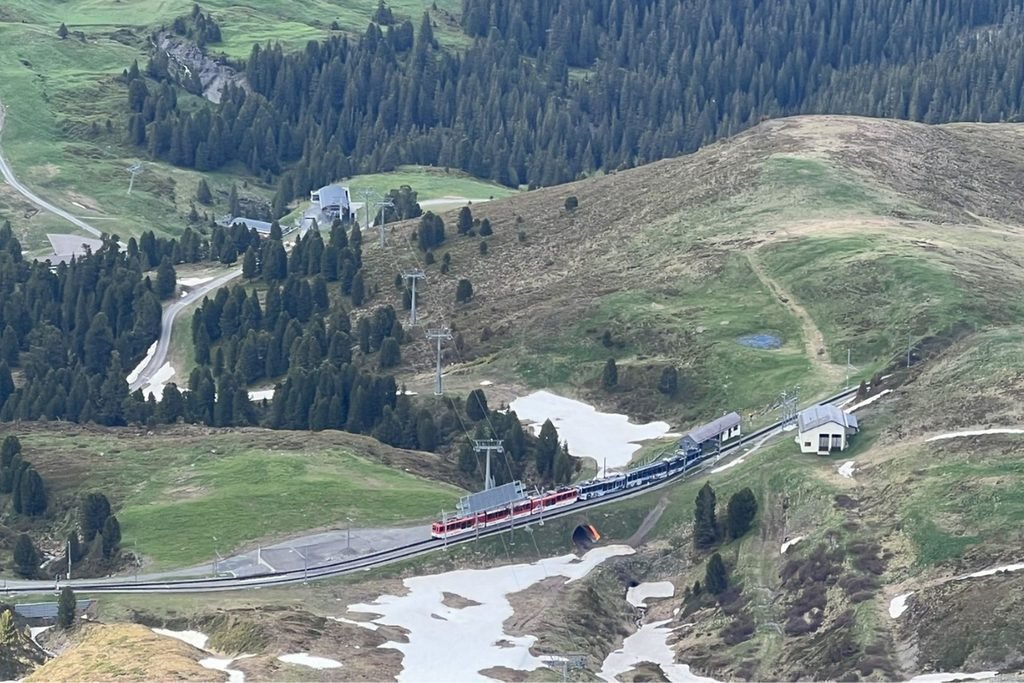
A few practical details can make a considerable difference to your experience, especially when travelling in the mountains.
Seasonal Transport and Hiking Trails
Although Switzerland’s main rail network operates throughout the year, some mountain transport services and hiking trails are seasonal.
We arrived on 1 June 2024, hoping to explore before the main summer crowds, but some higher hiking trails were still closed because of snow.
Check the operating dates of the mountain services you want to use, along with current hiking conditions. A valid transport pass doesn’t guarantee that every route will be open.
Included Journeys and Additional Costs
Not every attraction shown on a pass map is necessarily included at no extra charge.
Some routes are fully covered, others offer discounted fares, and certain excursions require separate tickets. Expensive attractions such as Jungfraujoch are particularly important to check before purchasing.
We considered Jungfraujoch but decided the additional expense wasn’t worthwhile for our trip.
Panoramic Train Reservations
Most regular Swiss trains don’t require seat reservations, but some panoramic services do.
The Glacier Express, for example, requires a compulsory seat reservation even when an eligible rail pass covers the train fare. If a particular scenic railway journey is important to you, check the reservation requirements and book ahead where necessary.
| Panoramic train | Route | Seat reservation |
|---|---|---|
| Glacier Express | Zermatt to St Moritz | Compulsory |
| Bernina Express | Chur or St Moritz to Tirano, Italy | Compulsory |
| Gotthard Panorama Express | Lucerne to Lugano, combining boat and train | Compulsory |
| GoldenPass Express | Interlaken to Montreux | Recommended; compulsory in Prestige Class |
| Luzern–Interlaken Express | Lucerne to Interlaken | Recommended, not compulsory for individual travellers |
Consecutive Travel Days
Some passes are valid for consecutive days, while others allow more flexibility.
If you’re purchasing a consecutive-day regional pass, consider whether you’ll have enough activities planned to justify it. A day spent relaxing at your accommodation still counts towards the pass’s validity period.
It’s worth checking the activation and validity rules before purchasing, especially if your arrival or departure falls within your planned travel days.
Mountain Weather
Weather can change quickly in the Swiss Alps, and cloud can completely obscure even the most spectacular viewpoints.
Check local forecasts and mountain webcams before heading out. If conditions aren’t suitable for a high-altitude excursion, consider exploring a village, taking a lake cruise or visiting somewhere at a lower elevation.
Having some flexibility in your itinerary can make a big difference.
Tickets and Identification
Check how your particular pass must be presented during ticket inspections. Some passes are personal and require identification.
We also recommend saving digital tickets somewhere accessible offline, so you’re not relying entirely on mobile reception while travelling.
Before purchasing any Swiss travel pass, check the latest prices, coverage maps, operating schedules and ticket conditions on the official websites. These can change between seasons.
Our Final Thoughts
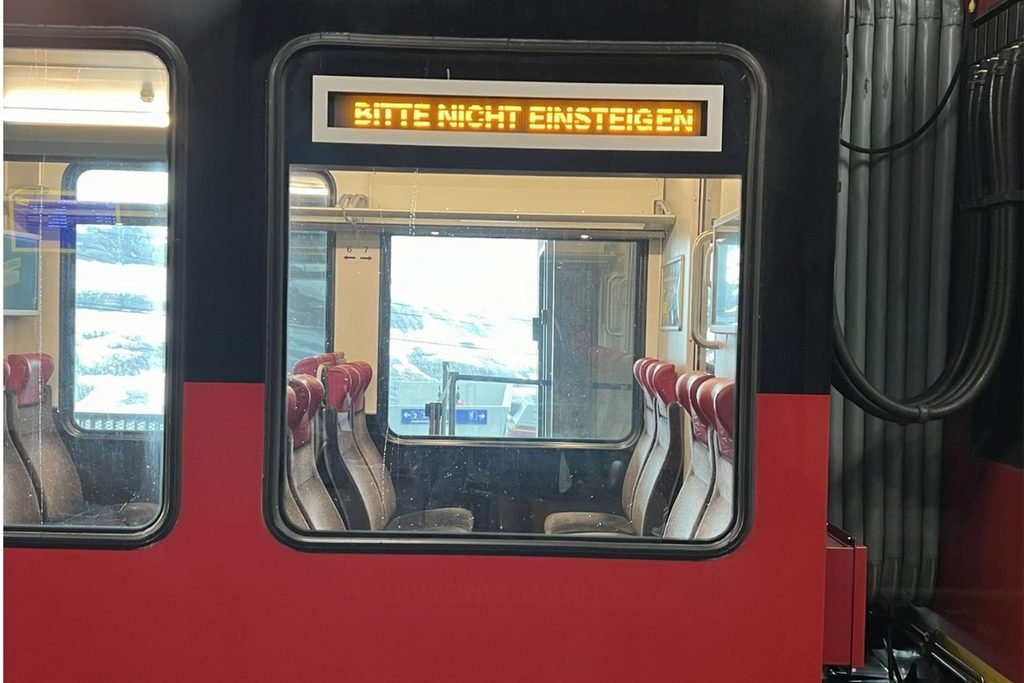
After spending months researching Swiss travel passes, we couldn’t have been happier with our decision to combine the Swiss Half Fare Card with the four-day Bernese Oberland Pass. It gave us the freedom to explore the mountains, lakes and villages we’d been looking forward to for so long, without constantly worrying about the cost of each journey.
And discovering afterwards that we’d enjoyed approximately NZ$4,500 worth of individual transport journeys was a wonderful bonus.
Would we purchase the same combination again? Absolutely, if we were planning a similar trip. But the right pass for us won’t necessarily be the right one for everyone.
Our advice is simple: work out where you want to go, study the transport maps and compare the passes against your own itinerary. Switzerland may be expensive, but a little preparation can help you experience far more of this remarkable country without paying full price for every journey.
“The best travel pass isn’t the one that takes you everywhere. It’s the one that takes you everywhere you want to go.”
🌍 Travel Planning Resources
These are the tools we personally use and trust when planning our travels from finding a place to stay to booking activities, transport and insurance. Let your “Tohu” guide you “Trust the Journey” and follow what feels right for you.
- ✈️Flights – Compare great deals with Trip.com then Kiwi.com for flexible, affordable options.
- 🚐 Campervans – Compare rental deals with Motorhome Republic across Aotearoa and beyond.
- 🛏️ Stays – Compare hotels on Trip.com and TripAdvisor or Booking.com.
- 🚐 Rental Cars – Compare prices and book through Airport Rentals by Motorhome Republic for trusted brands and easy airport pickup.
- 🎟️ Activities – Browse tours and experiences on Viator, Get Your Guide, or TripAdvisor
- 🚆12Go Asia – Compare and book trains, buses, and ferries across Asia in one place with 12Go.
- 🛡️ Travel Insurance – Get flexible short-term coverage with Insubuy for your next holiday.
- 💳 Travel Money – Send, spend and manage money internationally with Wise, with easy currency conversion and a handy option for travellers.
- 🔒 Protect Your Privacy with a VPN – We recommend Surfshark VPN for secure and private browsing while travelling. It’s fast, affordable and works worldwide, perfect for public Wi-Fi at airports, cafes and hotels.
- 📱 Travel eSIM – Stay connected with Airalo
- 💼 Lounge Access – Treat yourself with Priority Pass for UK or US
- 🎶 Events & Concerts – Book tickets worldwide through Ticketmaster.
🧭 Note: Some booking links can be a bit shy when you’re using a VPN. If one doesn’t open, try pausing your VPN or switching to a different server location or secure Wi-Fi network to get things flowing again.