
Planning a journey through Croatia brings together historic towns, coastal villages, island day trips and plenty of opportunities to stop for a swim. Along the Adriatic coast, you can spend a morning exploring old stone streets, enjoy fresh seafood and local wine over lunch, then find a beach to settle into for the afternoon. Exploring by car gives you the freedom to follow coastal roads and stop at smaller places along the way. Dubrovnik, Split and Plitvice Lakes might first catch your attention, but leave room for those discoveries too. For us, a village deli, an oyster farm and roadside wine shops became just as memorable as the famous sights.
What History Lies Beyond Croatia’s Beautiful Coastline?
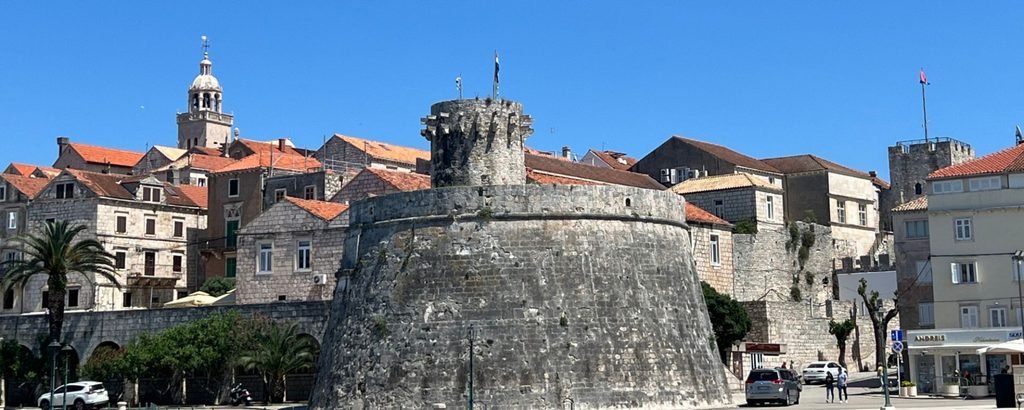
Beyond Croatia’s beautiful coastline and historic towns is a difficult chapter within living memory. The breakup of Yugoslavia brought devastating conflict during the 1990s, affecting Croatia and neighbouring Bosnia and Herzegovina. Travelling through Croatia, we still noticed buildings bearing damage from the war, reminders of the loss and upheaval communities endured. We remember that period, and seeing those traces gave us pause amid our sightseeing. Alongside them, we found restored towns, welcoming people and local businesses sharing their food, wine and hospitality. Tourism now supports many livelihoods, and we valued the opportunity to support the people and businesses who made our journey so memorable.
Our Experience Travelling Through Croatia

We arrived in Split at 7am on an overnight ferry from Ancona, Italy, after a smooth sailing with our Leased Car. Loading and unloading were easy, and we headed straight south to Dubrovnik before gradually working our way north. Choosing non-toll roads took us along beautiful stretches of coastline, with the sea on one side, huge cliffs on the other and poppies growing along the coastal cliffs. Over the following weeks, we explored Dubrovnik, stayed in quiet Komarna, enjoyed day trips from Omiš and visited Plitvice Lakes before slowing down on Pag. Our car suited this slower journey, while a local bus into Split and a ferry across to Korčula made leaving it behind easy too. We came looking forward to Game of Thrones locations, oysters and Croatian wine, but the people made the biggest impression—welcoming us with smiles, conversations and food shared despite the language barrier.
Table of Contents
Best Things to Do in Croatia
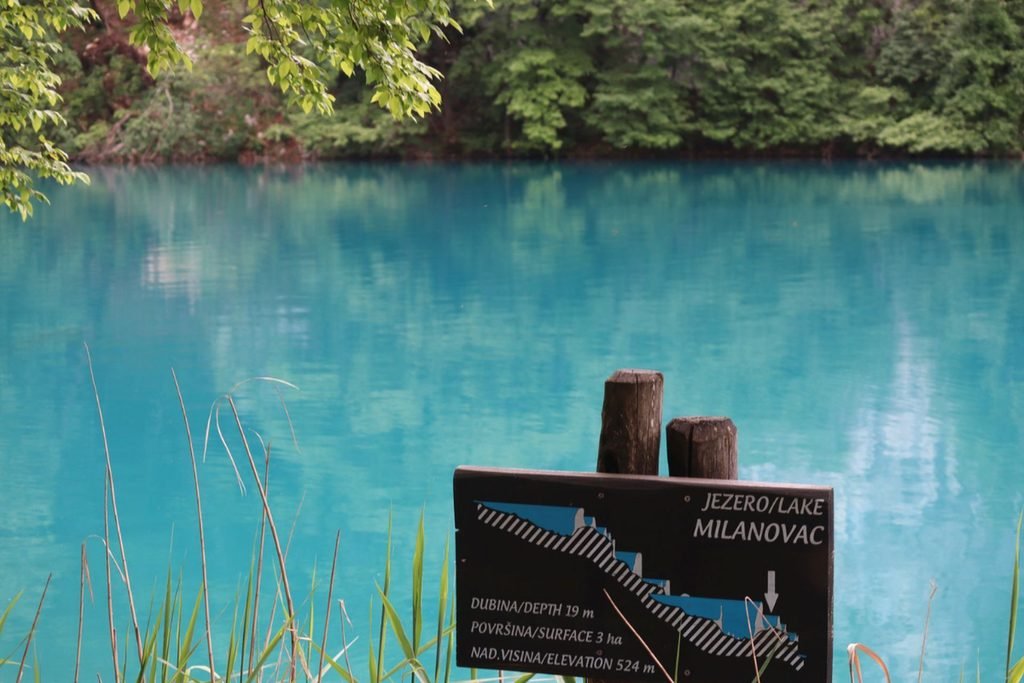
Croatia’s attractions range from ancient towns and island excursions to waterfalls, coastal walks and local food experiences. These ideas offer a starting point for choosing what to include in your journey.
- Explore historic towns: Discover Dubrovnik’s Game of Thrones locations, wander through Split’s ancient centre and explore Korčula’s stone streets.
- Walk the Walls of Ston: Take in views across the town and surrounding landscape before sampling the area’s famous oysters.
- Get out on the water: Take a boat trip along the Cetina River or catch a ferry for an island day trip.
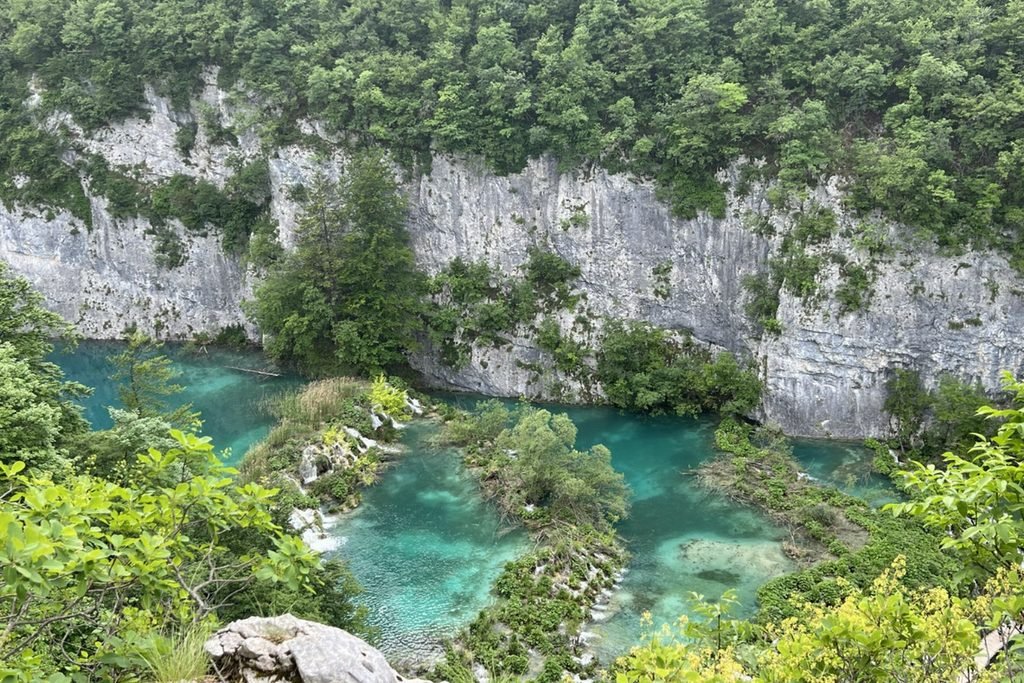
- Visit Plitvice Lakes: Follow walking trails and boardwalks past clear lakes and cascading waterfalls.
- Taste local food and wine: Visit oyster farms, browse roadside produce stalls and enjoy tastings at local wineries.
- Enjoy the coastline: Find a beach for a swim, pack a picnic or explore coastal walking trails around places such as Metajna on Pag.
More Experiences to Consider
Beyond the places we explored, these options could also suit your Croatia itinerary:
- Listen to Zadar’s Sea Organ: Hear music created by the waves, then enjoy sunset beside the waterfront and the nearby Greeting to the Sun installation.
- Discover Krka National Park: Explore walking trails and waterfalls, including the cascades of Skradinski buk.
- Visit Pula’s Roman amphitheatre: Explore the ancient Arena while travelling through Istria.
- Explore Trogir’s historic centre: Wander stone streets and squares and visit the Cathedral of St Lawrence in this UNESCO-listed town.
- Climb to Hvar’s Fortica fortress: Enjoy views over Hvar Town, its harbour and the Pakleni Islands.
For more detail on the places we explored, our favourite experiences and ideas for planning your days, read our Best Things to Do in Croatia guide.
Where to Visit and Stay in Croatia.
Choosing where to visit and stay in Croatia depends on how much ground you want to cover and the pace you enjoy. We stayed in Dubrovnik, Komarna, Omiš and Zubovići on Pag, exploring nearby places from each base. Ston, Korčula, Split and Plitvice Lakes were day trips or stops along the way.
Dubrovnik
Dubrovnik’s fortified Old Town is its biggest attraction, with historic churches, fountains and narrow stone streets enclosed by substantial city walls. Terracotta rooftops contrast with the Adriatic, while restaurants and small shops fill the alleyways below. Game of Thrones filming locations add another reason to explore.
- Why stay: Give yourself time to explore beyond a brief sightseeing visit and enjoy the town in the evening.
- Keep in mind: Cruise visitors can make the Old Town busy. Check walking distances, steps and parking arrangements before booking.
Ston and Mali Ston

Ston and Mali Ston combine historic fortifications, traditional salt production and seafood near the entrance to the Pelješac Peninsula. The Walls of Ston climb across the hillside, while Mali Ston’s sheltered waters are associated with oyster and mussel farming.
- Why visit: Combine a wall walk with exploring the towns and a leisurely seafood lunch.
- Why stay: Choose a smaller-town base for exploring the Pelješac Peninsula.
Komarna and the Surrounding Coast

Komarna is a small waterfront village with hillside houses, holiday apartments and places to swim. Its quieter atmosphere suits travellers who enjoy peaceful evenings beside the water, particularly outside peak season.
- Our stay: Four nights, with outings by car to Klek, the Pelješac Peninsula and the Opuzen area.
- Keep in mind: Check seasonal dining and grocery options. Having a car made this base work well for us.
Korčula

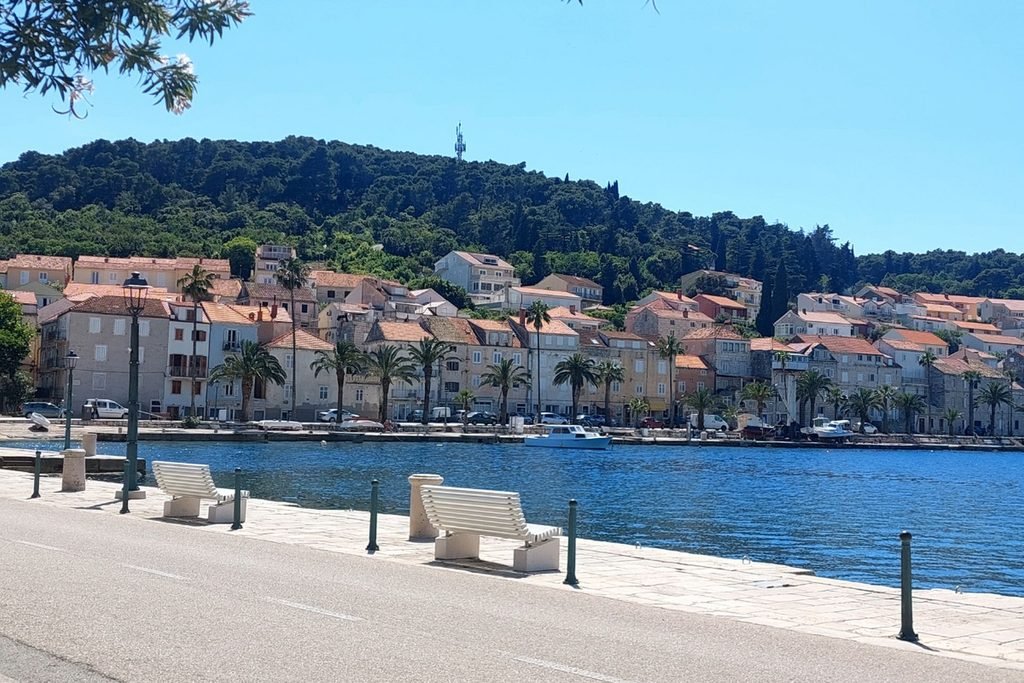
Korčula’s old town occupies a compact peninsula, with defensive walls, closely packed stone buildings and a cathedral bell tower above the rooftops. Narrow lanes connect squares, shops and restaurants, while the waterfront looks towards the Pelješac Peninsula.
- Why visit: Its compact old town makes an appealing day trip from Orebić, as we enjoyed.
- Why stay: Allow more time for the island’s villages, beaches and vineyards. Distinguish between Korčula Town and the wider island when booking.
Omiš and the Cetina River
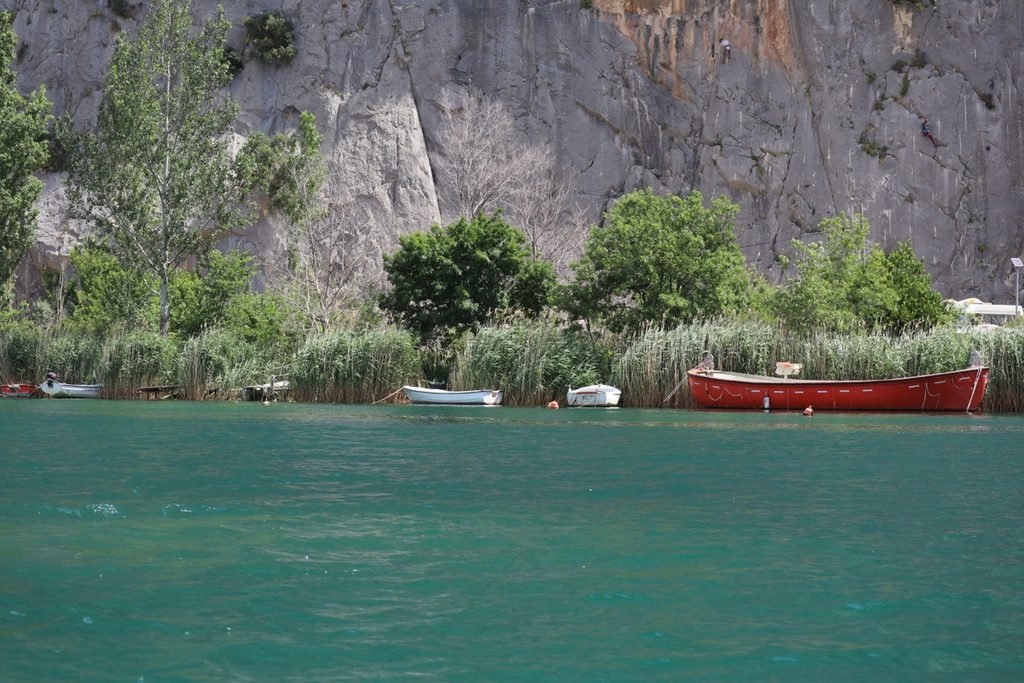
Omiš has a striking setting where the Cetina River meets the sea beneath steep limestone mountains. Its compact old town, nearby beaches and river canyon offer a combination of sightseeing and outdoor activities.
- Our stay: Three nights, including a river excursion, coastal exploring and a day in Split by local bus.
- Who it suits: Travellers wanting beach time alongside boat trips, walking and other outdoor activities.
Split
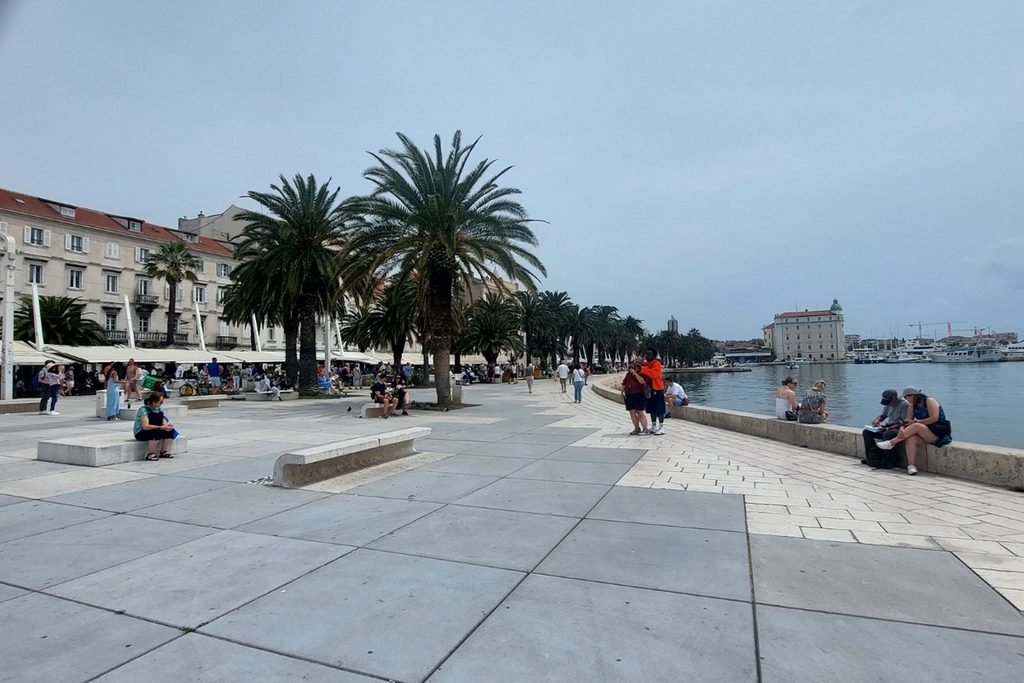
Split combines a historic centre, a lively waterfront and a working ferry port. Diocletian’s Palace forms the heart of the old town, with ancient structures woven into streets occupied by homes, cafés and shops. Markets and the Riva promenade add to the bustle.
- Why visit: Explore the historic streets, waterfront and markets on a day trip, as we did from Omiš.
- Why stay: Enjoy more time in the city and convenient access to island ferry connections.
Plitvice Lakes National Park
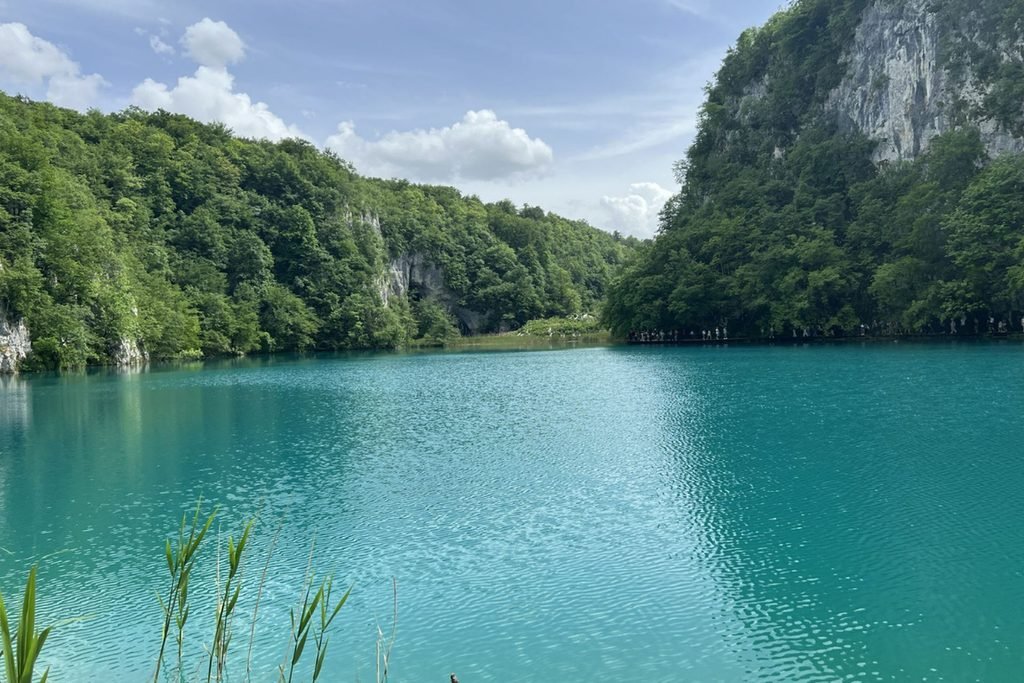
Plitvice Lakes offers an inland change from the coast, with woodland, connected lakes and cascading waterfalls. Walking trails and boardwalks lead through the landscape, with different routes determining how much time you need.
- Our visit: A stop while travelling between Omiš and Pag, making it a substantial travel day.
- Why stay nearby: Reduce driving on your park day and give yourself more flexibility when choosing an entry time.
Pag Island
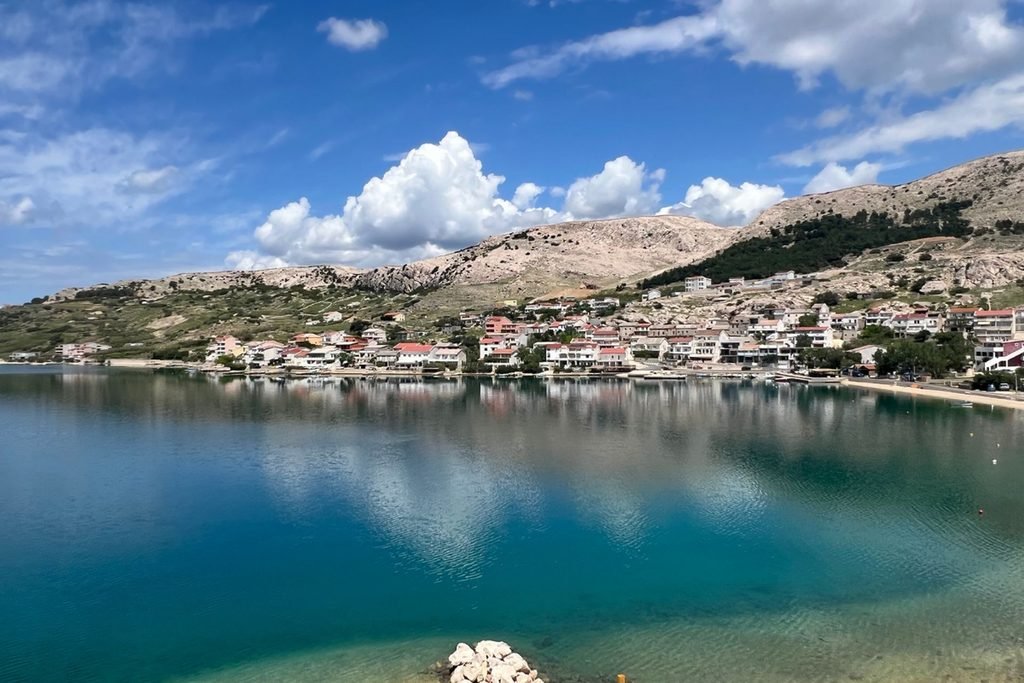
Pag’s pale, rocky landscape, sheltered bays and seaside villages give it a different character from the coast farther south. Zubovići and Metajna offer smaller village settings, while Novalja has more shops, restaurants and activity.
- Choosing a base: Decide whether you prefer quiet evenings, nearby facilities or a livelier holiday atmosphere.
- Our stay: Zubovići provided a peaceful finish to our journey, with short drives to neighbouring places.
For a closer look at choosing your base and accommodation, read our Where to Stay in Croatia guide.
Getting to Croatia
Flying, driving and taking a ferry give you several ways to include Croatia in your travels. Your arrival point should suit the places you want to explore, especially if you are following a route along the coast. Cruise itineraries also bring visitors to ports such as Split and Dubrovnik.
Flying to Croatia
Zagreb, Split and Dubrovnik are major airport options, although Croatia has other arrival airports too. Choose your airport around the places you want to explore:
- Zagreb: An inland starting point for the capital and onward travel.
- Split: Convenient for the central Dalmatian coast and island connections.
- Dubrovnik: A starting point for southern Croatia.
Arriving at one airport and leaving from another may reduce backtracking. Compare flight options and any one-way car-hire charges before booking.
Taking a Ferry from Italy

Connections include Ancona to Split and Bari to Dubrovnik, making a ferry crossing useful when combining Italy and Croatia. Our overnight crossing let us bring our leased car rather than drive around the Adriatic.
Before booking, check:
- Sailing dates: Frequency varies by season.
- Vehicle transport: Confirm that your chosen sailing carries cars.
- Booking details: Enter the correct vehicle dimensions and information.
- Check-in: Allow the time required by the operator.
Driving to and Around Croatia
Driving suits a journey combining coastal bases, smaller villages and inland attractions. Tolled motorways offer faster connections, while coastal roads provide a slower way to explore.
We found driving straightforward, but allowed extra time for winding roads, town traffic and sightseeing stops.
- Parking: Ask your accommodation about arrangements before arriving.
- Vehicle cover: Confirm that your rental or lease permits travel in Croatia and any neighbouring countries on your route.
- Ferry travel: Check that your vehicle agreement permits taking the car aboard.
Local Buses and Island Ferries
Combining driving with buses and ferries worked well for us. We caught a local bus from Omiš to Split and travelled from Orebić to Korčula by ferry.
- Return journeys: Check the timetable before setting off, particularly for a day trip.
- Local buses: Check stops, journey times and return services. Leaving the car behind can save arranging city parking.
- Island services: Some ferries carry vehicles; passenger boats and catamarans may take foot passengers only.
- Arrival ports: Confirm where you will land and how you will reach your destination.
Food and Wine in Croatia
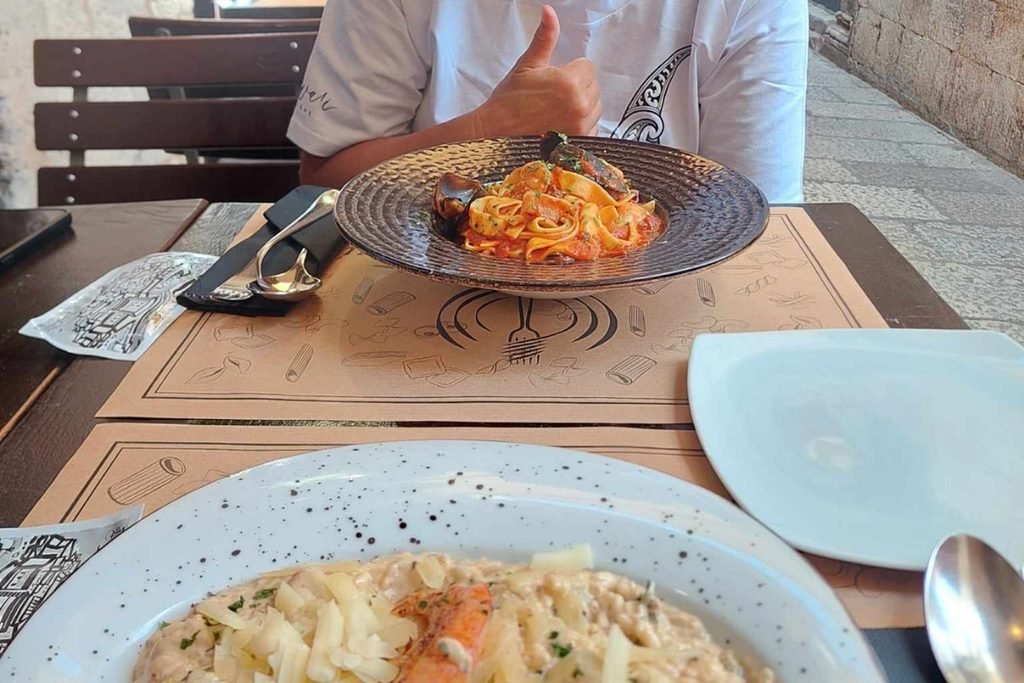
Seafood, local wines, fresh bread and regional cheeses played a big part in our time in Croatia. After months of enjoying pasta in Italy, we found ourselves ordering more rice-based dishes, particularly black risotto. Between restaurant meals, bakery stops and groceries for our daily antipasto, food became part of how we explored the country.
Seafood and Black Risotto
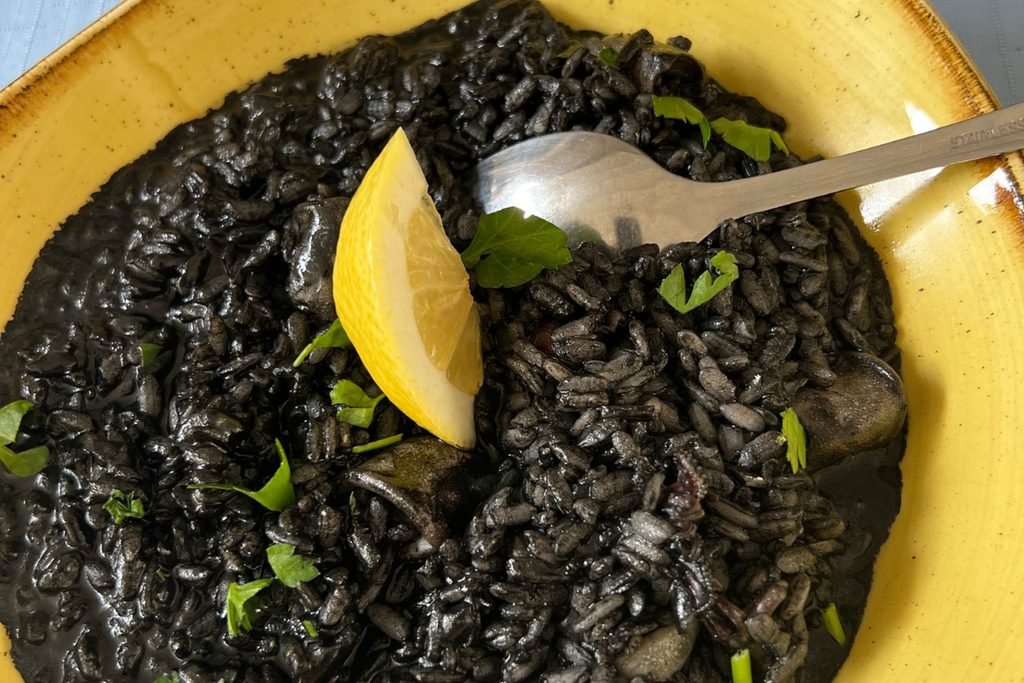
Seafood was a regular feature of our meals along the coast, with two favourites standing out:
- Crni rižot: Black risotto made with squid or cuttlefish ink, giving the rice its distinctive colour and rich seafood flavour. We ordered it often throughout our trip.
- Fresh oysters: A highlight around Ston and the Pelješac Peninsula, enjoyed at restaurants and a small oyster farm.
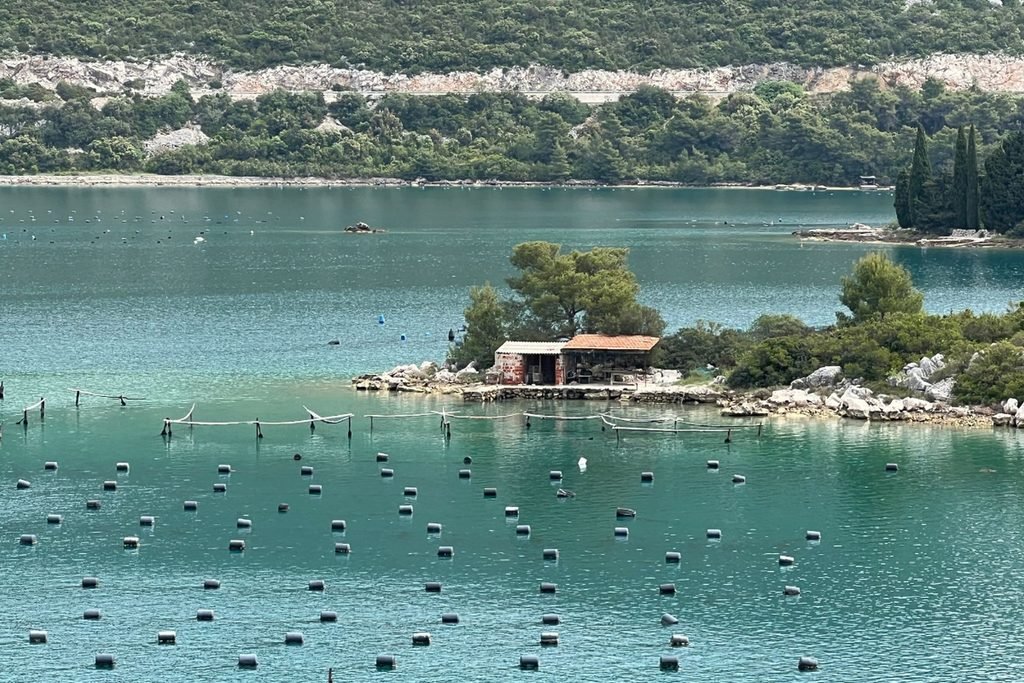
At the farm, the owner walked along a wonderfully wobbly wharf to collect oysters from his lines. We then enjoyed them beside the water with local wine and bread. Fresh oysters with a view like that were hard to beat.
Traditional Dishes Worth Trying
In Dubrovnik, our waitress recommended pašticada, and we loved it. This traditional Dalmatian dish features:
- Slow-braised beef in a rich sauce.
- Wine, dried fruit and aromatics, with recipes varying.
- Gnocchi as a common accompaniment.
It made a delicious change from our seafood meals. Ask restaurant staff about local specialities and leave room to try something unfamiliar—Croatian food varies by region, and a recommendation can lead to a memorable meal.
Pag Cheese, Pršut and Our Daily Antipasto
Picking up local ingredients for an afternoon snack was already part of our travel routine. While shopping on Pag, we found everything for an easy antipasto beside the sea:
- Paški sir: The island’s sheep’s-milk cheese.
- Pršut: Dry-cured ham to enjoy with cheese and crackers.
- Local wine: A bottle to share alongside our afternoon spread.
Our host in Zubovići also invited us over for drinks and snacks. They served an incredible homemade salami-style cured meat—one of the best I have ever tasted. I never confirmed its name, but sharing it with our host made it even more memorable.
Bakeries and Easy Lunches
Croatian bakeries offered a welcome change from the mince pies and sausage rolls familiar to us in New Zealand. We regularly stopped for an easy lunch or something to take on the road.
Foods we enjoyed included:
- Bread-based savoury snacks and filled doughs: Handy for picnic lunches and travel days.
- Zagorski štrukli: A traditional cheese-filled dough dish associated with northern Croatia.
- Fresh deli sandwiches: A simple option when we wanted lunch without a restaurant stop.
In Komarna, we watched locals ordering generous sandwiches at a little deli. With no shared language, we pointed to the previous customer’s order and held up two fingers. The woman sorted us out with a smile, and we took our lunch down to the harbour.
Local Wines, Olive Oil and Roadside Stops

Wine tasting fitted naturally into our coastal exploring. Leaving time for unplanned stops gave us opportunities to discover:
- Local wines: Sold at vineyard shops and roadside tasting stops.
- Olive oils and regional products: Available from some of the producers we visited.
- Fresh fruit: Picked up from roadside stalls around Opuzen for picnics and snacks.
One of our favourites was Deak Wines, where we shared a platter while the owner introduced the wines. The views across the bay and personal welcome made it a lovely place to linger. We left with a few bottles of red and another happy memory of our Croatian trip.
Beaches and Swimming in Croatia

I honestly couldn’t name a best place to swim in Croatia. Almost everywhere we stopped along the coast, we found water that made us want to get straight in. It was a blue I still struggle to describe—the kind that makes you feel happy and completely at peace. Swimming became one of our favourite parts of the trip, whether we had set aside a beach day or simply found somewhere inviting while exploring.
Clear Water and Pebbly Shores
The beaches we visited were mostly rocky or pebbly rather than sandy, with wonderfully clear water. We could see the stones beneath us as we waded in, then enjoy views back towards the shore while swimming.
We found lovely swimming spots:
- South of Dubrovnik: A secluded beach discovered while exploring smaller villages.
- Around Komarna and Klek: Waterfront swims and relaxed beach picnics.
- Along the coast near Omiš: Somewhere quiet to spend a day beside the sea.
- On Pag: Beach time between exploring the island’s villages.
Leaving room for an unplanned swim was one of the pleasures of taking our time along the coast.
Bring Your Water Shoes
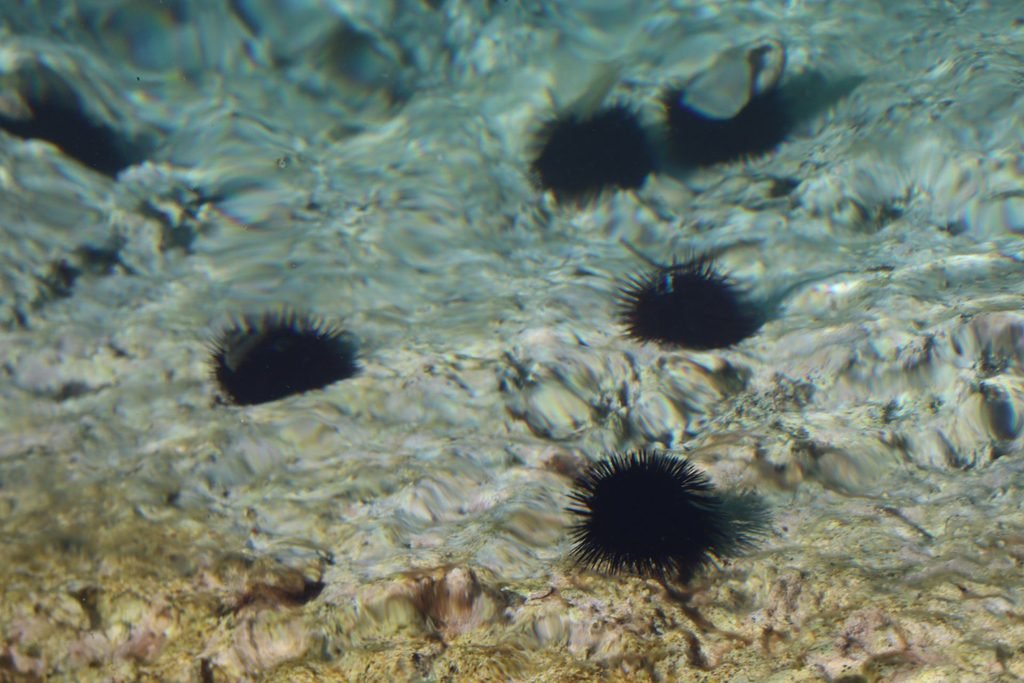
Water shoes were essential for us, making rocky entries and pebbly shores much more comfortable.
- Watch for sea urchins: We spotted small, black, spiky ones, reminding us of kina back in New Zealand.
- Choose your entry carefully: Look for a clear route into the water.
- Keep watching your footing: Water shoes help, but don’t make standing on sharp rocks or urchins safe.
We were pleased we carry ours everywhere.
Swimming in Late May
We were often the only people swimming, and sometimes had a whole beach to ourselves. Locals we spoke with still considered the water too cold, but it felt warmer than we were used to at home.
- Sunny days: Some felt as hot as a summer day in New Zealand.
- Welcome swims: Getting into the sea was a lovely break from exploring.
- Quiet beaches: We enjoyed the peaceful atmosphere before the main summer crowds.
Conditions vary, so our experience won’t suit everyone. For us, a picnic, water shoes and somewhere to sit were often all we needed for a wonderful afternoon.
When to Visit Croatia

The best time to visit Croatia depends on whether you want summer swimming, comfortable sightseeing or a quieter coastal escape. The seasons bring different experiences, particularly in smaller villages and on the islands, where some businesses operate only during the warmer months.
Spring: March to May
Spring brings longer days and gradually warmer weather. Early spring generally suits sightseeing, while later months offer more opportunities for coastal walks, outdoor meals and exploring the national parks.
- Our experience: Late May gave us peaceful village stays and sunny days.
- Seasonal openings: Some restaurants and bars had not yet opened.
- Popular attractions: Dubrovnik and Plitvice Lakes were still busy.
We enjoyed the balance. Check opening dates if particular businesses or excursions are important to your plans.
Summer: June to August
Summer suits travellers wanting beach days, island trips and a wider choice of seasonal restaurants and excursions. It is also the busiest period along the coast.
- Book ahead: Arrange accommodation and priority activities early.
- Allow extra travel time: Busy roads, parking and ferry queues can affect your day.
- Plan around the heat: Explore earlier, then enjoy a leisurely lunch or swim.
Expect more people at popular attractions, particularly during July and August.
Autumn: September to November
Early autumn can combine coastal exploring with time by the water. September generally offers better prospects for swimming than the later autumn months.
- Weather: Cooler conditions and rain become more likely as the season progresses.
- Transport: Some seasonal ferry services reduce their schedules.
- Local facilities: Restaurants and other businesses may begin closing for the season.
Check what will be operating in your chosen base, especially in smaller villages and on islands.
Winter: December to February
Winter is better suited to city breaks, food and history than a coastal swimming holiday. Zagreb, Split and Dubrovnik offer options beyond the beach.
- Shorter days: Allow enough daylight for sightseeing and driving.
- Changeable weather: Keep outdoor plans flexible.
- Quieter coastal areas: Smaller resorts and island villages may have limited services.
Choose your base carefully and confirm accommodation, restaurant availability and transport connections before booking.
Practical Tips for Planning Your Journey
A little preparation will help your Croatia trip run smoothly, especially if you are combining mainland stops, islands and travel through neighbouring countries.
- Currency: Croatia uses the euro (€). Carry some cash for smaller purchases, market stalls and places where card payment may not be available.
- Connectivity: Check whether your SIM or eSIM includes Croatia. Eligible EU/EEA mobile plans generally include roaming under fair-use rules; a New Zealand plan needs its own roaming arrangement. Download offline maps before setting off.
- Book key parts ahead: Once your dates are fixed, arrange accommodation, international car ferries and any activities you particularly want to do. Check seasonal timetables rather than assuming services run every day.
- Confirm vehicle cover: Check your rental or lease conditions for Croatia, ferry travel and any neighbouring countries on your route. Our car was not covered for Bosnia and Herzegovina, so this affected our planning.
- Check your driving route: The Pelješac Bridge provides a route towards Dubrovnik that stays within Croatia, avoiding the Neum border crossings through Bosnia and Herzegovina. Check your navigation before departing.
- Ask about parking: In places such as Dubrovnik, accommodation with a confirmed parking space can make arriving much easier. Once parked, walking or using local transport may be more convenient.
- Leave breathing room: Coastal drives, village stops and leisurely lunches were part of the enjoyment. Allow time beyond the driving estimate so you can explore without rushing.
What Made Croatia Special for Us
We expected to love Croatia’s coastline and historic towns, but the people gave us some of our warmest memories. At Deak Wines, the owner took time to talk about her business and ask about our travels. Elsewhere, conversations happened with gestures, smiles and whatever words we could share. Those welcomes helped us feel comfortable in places that were completely new to us.
One memory that stays with us is sitting beside Komarna’s harbour, looking at each other in disbelief that somewhere could be so beautiful. Giving ourselves time to enjoy being there was one of the best decisions we made. Croatia rewarded our curiosity, whether we were exploring a famous landmark or spending an unhurried afternoon in a small village.
“Follow the coast, linger in the old towns, and let the Adriatic set the pace.”
🌍 Travel Planning Resources
These are the tools we personally use and trust when planning our travels from finding a place to stay to booking activities, transport and insurance. Let your “Tohu” guide you “Trust the Journey” and follow what feels right for you.
- ✈️Flights – Compare great deals with Trip.com then Kiwi.com for flexible, affordable options.
- 🚐 Campervans – Compare rental deals with Motorhome Republic across Aotearoa and beyond.
- 🛏️ Stays – Compare hotels on Trip.com and TripAdvisor or Booking.com.
- 🚐 Rental Cars – Compare prices and book through Airport Rentals by Motorhome Republic for trusted brands and easy airport pickup.
- 🎟️ Activities – Browse tours and experiences on Viator, Get Your Guide, or TripAdvisor
- 🚆12Go Asia – Compare and book trains, buses, and ferries across Asia in one place with 12Go.
- 🛡️ Travel Insurance – Get flexible short-term coverage with Insubuy for your next holiday.
- 💳 Travel Money – Send, spend and manage money internationally with Wise, with easy currency conversion and a handy option for travellers.
- 🔒 Protect Your Privacy with a VPN – We recommend Surfshark VPN for secure and private browsing while travelling. It’s fast, affordable and works worldwide, perfect for public Wi-Fi at airports, cafes and hotels.
- 📱 Travel eSIM – Stay connected with Airalo
- 💼 Lounge Access – Treat yourself with Priority Pass for UK or US
- 🎶 Events & Concerts – Book tickets worldwide through Ticketmaster.
🧭 Note: Some booking links can be a bit shy when you’re using a VPN. If one doesn’t open, try pausing your VPN or switching to a different server location or secure Wi-Fi network to get things flowing again.